Ten dark-sky landscapes, ranked from moorland to mountain basin
Pink sand runs below Wadi Rum’s sandstone walls, while telescope domes stand on La Palma’s volcanic crest. This ranking places New Zealand’s glacial Mackenzie Basin first, where a wide alpine floor gives the night sky a large, uncluttered frame.
How the ranking works
No single global measurement can produce an absolute league table. Sky readings come from different places and methods, and landscape quality is not a physical unit. This is therefore a transparent editorial ranking, rather than a claim to name the world’s ten darkest places.
Each destination receives 45 points for documented sky darkness, 15 for protection from artificial light, 25 for relief, open horizon, geology and the visible relationship between land and sky, and 15 for access from a common gateway, including legal night access. Sites without comparable measurements cannot receive full darkness points. The Atacama would rank first on natural darkness and clear-weather potential alone; this list also weighs protected skies, landscape and practical access.
Practical access in brief
Lake Tekapo, reached from Christchurch or Queenstown, is the base for organised visits in Aoraki Mackenzie. Calama and San Pedro de Atacama serve the Atacama, while NamibRand requires a lodge arrangement, guide and either a gravel-road transfer or charter from Windhoek. Wadi Rum visitors enter at the visitor centre and continue by Bedouin-operated jeep. Teide is reached by road, while La Palma’s public stargazing points sit below a summit zone that closes at night. Trains and buses reach the North York Moors and Bannau Brycheiniog, though late rural services are limited. A car or an overnight base is the practical choice for Galloway and Exmoor.
10. North York Moors National Park, England
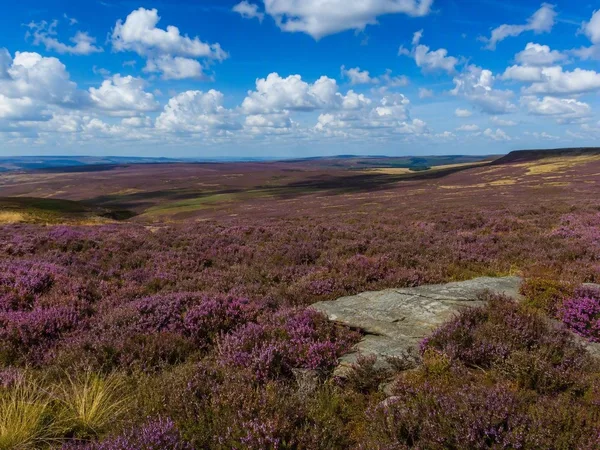
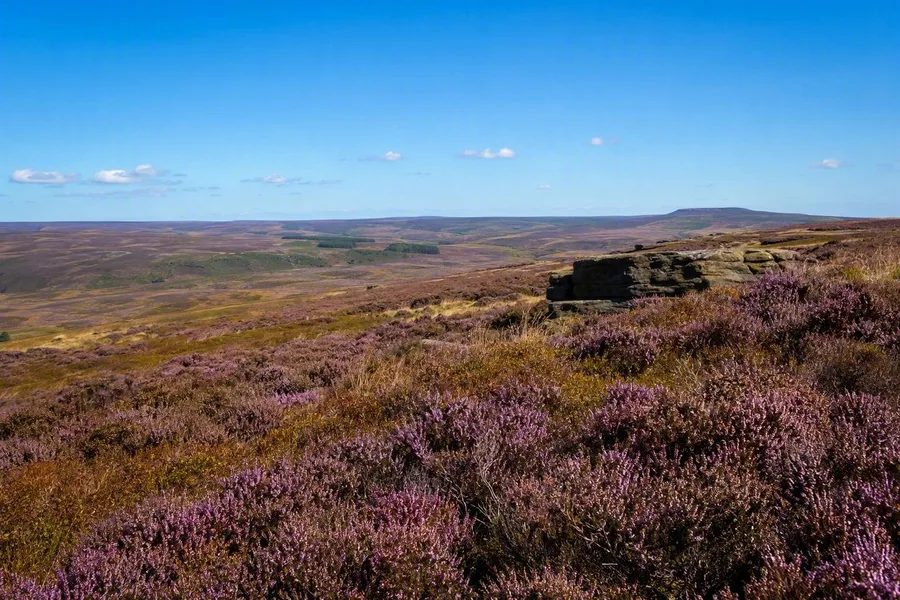 Heather-covered moorland stretches across a sandstone plateau in North York Moors National Park.
Heather covers acidic plateaus of Jurassic sandstone and mudstone. Peaty upland soils support the heath, while erosion and ancient meltwater cut dales, gorges and coastal bays into its edges. Burial mounds, stone crosses, abbey routes and sheep farming have left a long-used landscape rather than an empty one.
The park became an International Dark Sky Reserve in 2020. Its published material does not provide a directly comparable reading for a principal viewing site, which puts it below the other British destinations in this scoring system.
9. Exmoor National Park, England
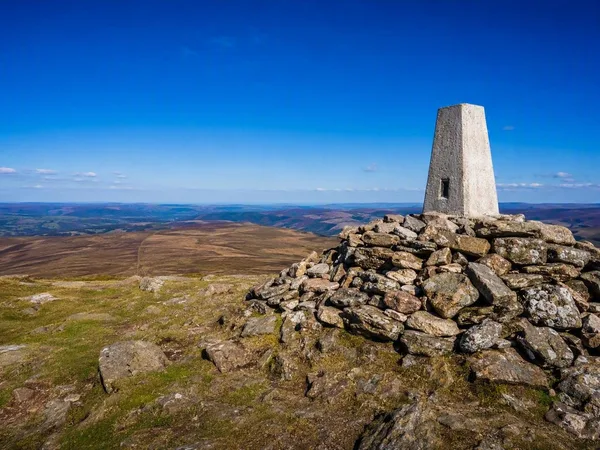
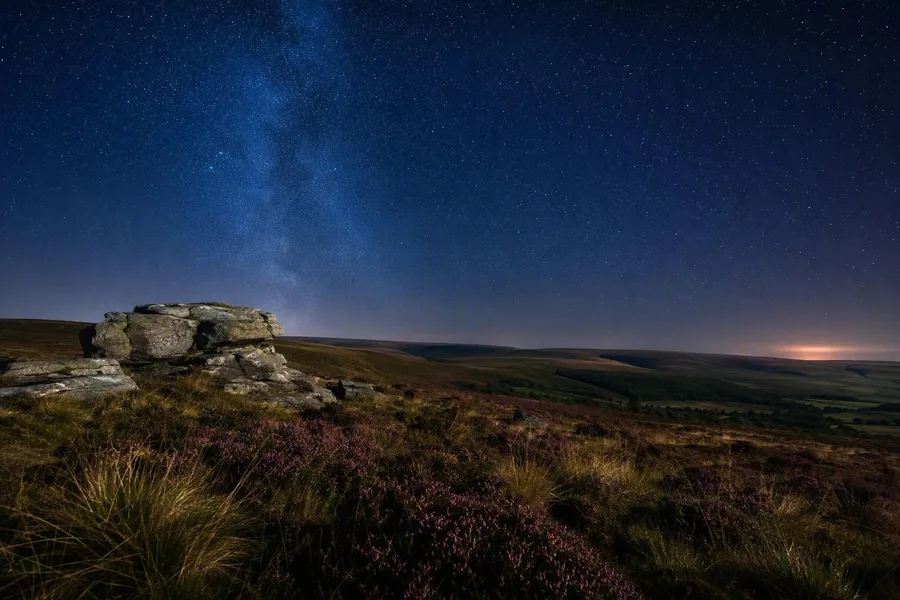 Open heath on Exmoor lies beneath a star-filled sky above the ridges.
Porlock Common and Dunkery record 21.70 magnitudes per square arcsecond, a Bortle 1 reading. Open heath and grass moor leave broad sightlines above the ridges.
Folded Devonian sediments form Exmoor’s long, flattened uplands. Erosion cut harder coastal layers into cliffs and headlands, linking the inland moor to the Bristol Channel shore. Exmoor became Europe’s first International Dark Sky Reserve in 2011.
8. Bannau Brycheiniog, Wales
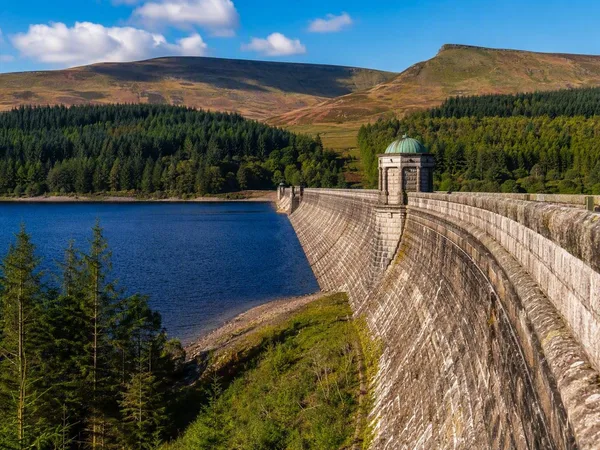
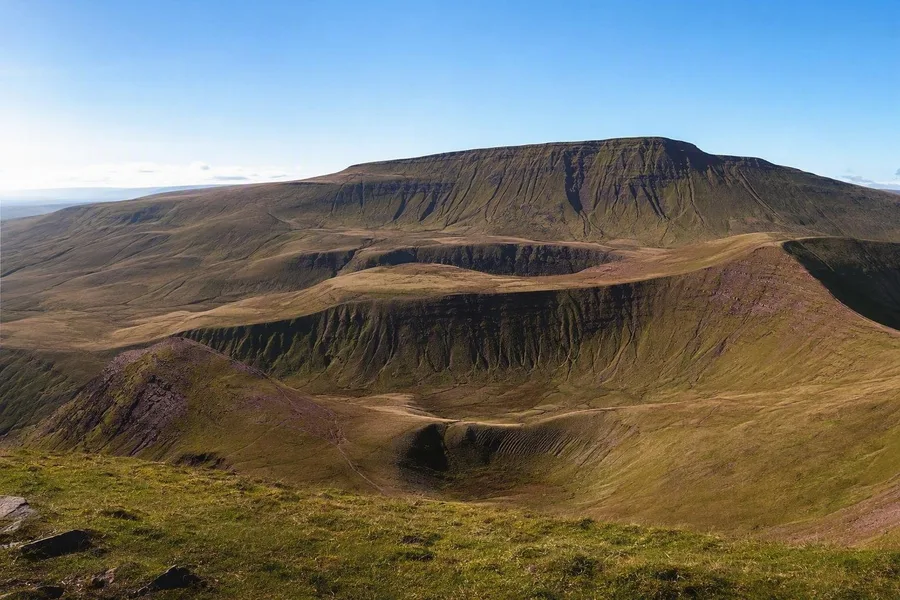 Pen y Fan’s broad sandstone ridge drops into glacial hollows in Bannau Brycheiniog.
Pen y Fan and nearby summits look level-topped because resistant Old Red Sandstone remains above softer rock. Rivers deposited those sand and silt layers on an ancient floodplain; later glaciers cut steep northern scarps and bowl-shaped hollows into them.
Bannau Brycheiniog, formerly known as the Brecon Beacons, has held International Dark Sky Reserve status since 2013. Repeated measurements track its darkness, while its open ridges and rail-and-bus links support a strong access score. The available evidence does not place its skies above Exmoor’s best measured sites.
7. Galloway Forest Park, Scotland
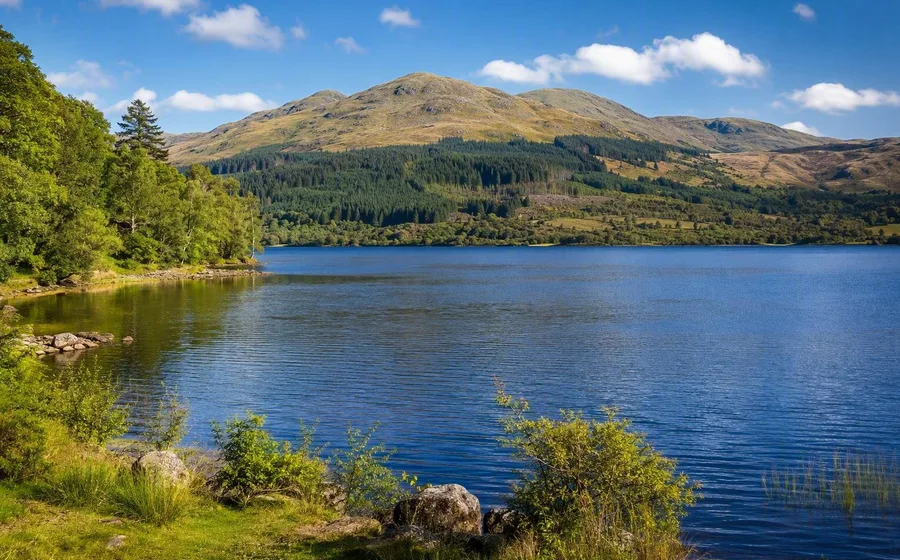
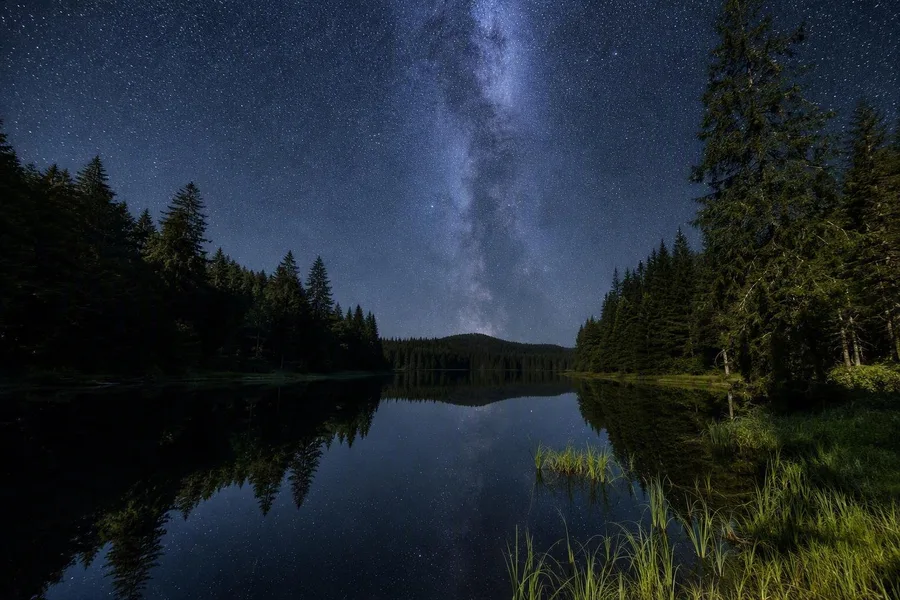 The Milky Way hangs above Clatteringshaws Loch and its dark conifer shoreline in Galloway Forest Park.
Conifers line roads around Clatteringshaws Loch, Stroan Loch and Glentrool. At the lochs, water opens a clear strip of sky beyond the forest. On cloudless nights, the Milky Way can show as a pale band.
Galloway has been an International Dark Sky Park since 2009. Lighting at visitor facilities remains low and is reduced further after dark, while the named viewing areas are publicly accessible.
6. Wadi Rum, Jordan
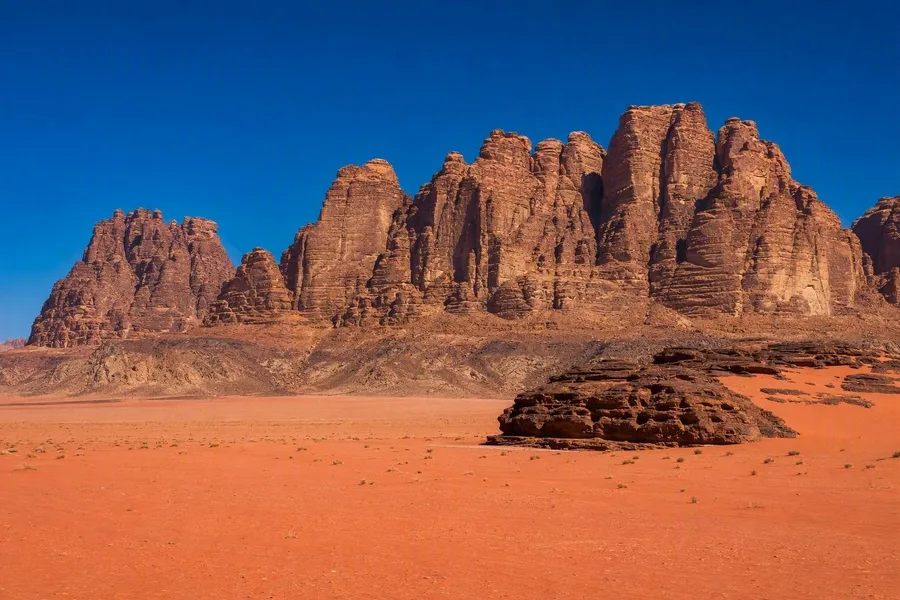 Layered sandstone massifs rise above a pink-sand valley in Wadi Rum.
Layered sandstone massifs rise from flat valleys of pink sand. Wind clears broad sand sheets between alluvial fans, dunes and mudflats; narrow gorges, arches and honeycomb weathering break the horizon into hard-edged silhouettes.
Rock carvings, inscriptions and archaeological remains record about 12,000 years of settlement and land use. Bortle estimates vary from 2 to 3 across Wadi Rum. Light from desert camps has increased, and no international dark-sky designation covers the whole area, lowering its protection score.
5. Teide National Park, Tenerife
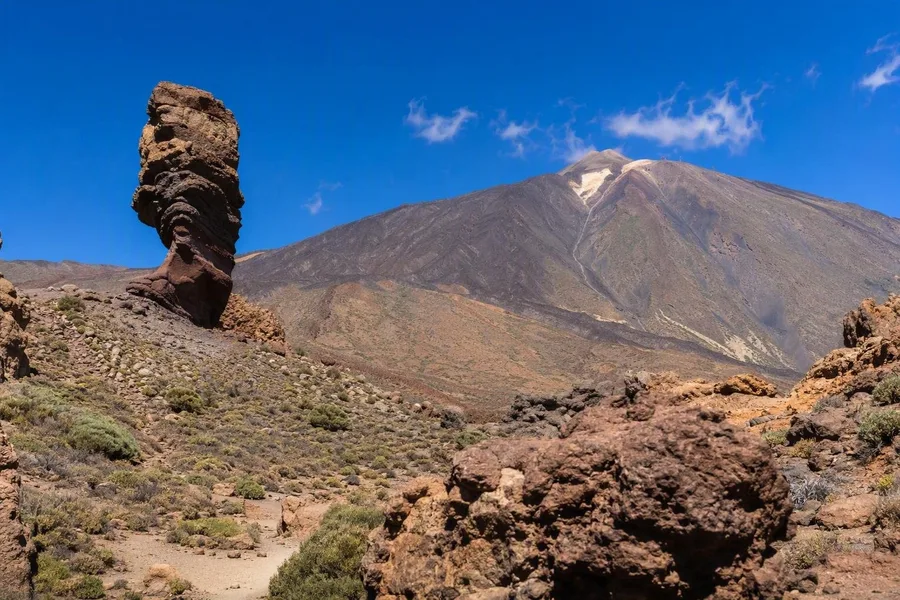 Basalt, lava fields and the eroded Roques de García in Teide National Park.
A vast landslide formed the Las Cañadas caldera, and later eruptions spread lava across its floor. Smooth basalt sits beside jagged lava fields, pumice and obsidian around the Teide–Pico Viejo volcanic complex. The eroded Roques de García preserve remnants of the older volcanic structure.
Minimal park lighting and more than 300 clear nights a year above the inversion layer give Teide strong sky conditions. The caldera scores highly for landscape, but night driving on mountain roads and weather-sensitive access reduce its practical total.
4. Roque de los Muchachos, La Palma
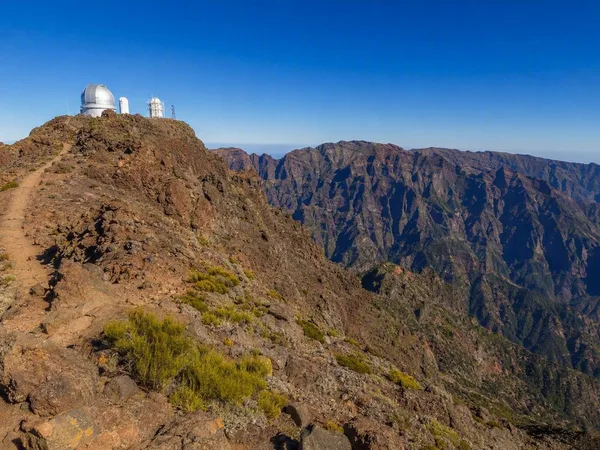
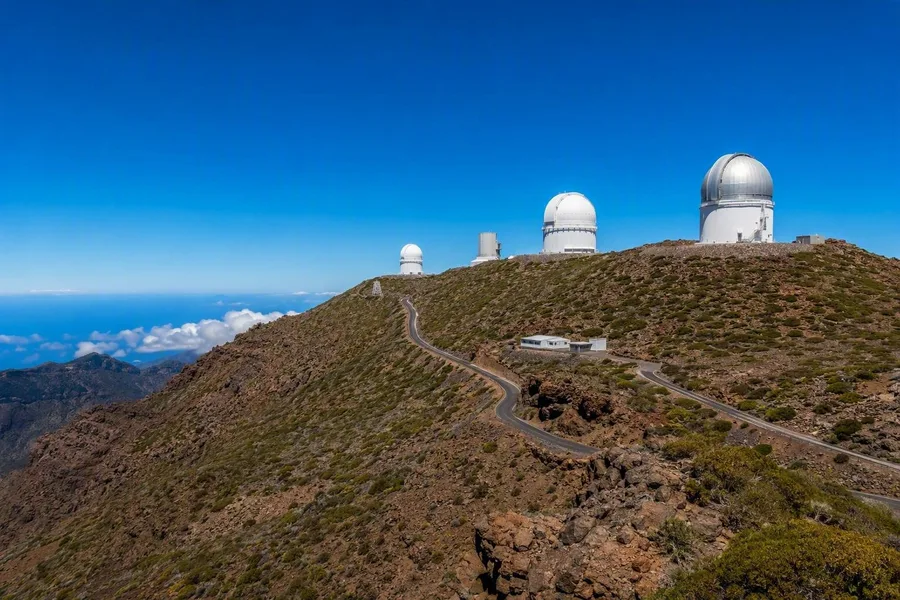 White telescope domes line Roque de los Muchachos above La Palma’s Caldera de Taburiente.
White telescope domes line the bare rim of the Caldera de Taburiente at 2,396 metres. The observatory studies visible and infrared light, the Sun and high-energy gamma rays, making the ridge an active scientific site as well as a mountain viewpoint.
La Palma protects its skies under the Ley del Cielo and has more than fifteen public astronomical viewpoints. The highest observatory zone closes at night, so public observing takes place at lower viewpoints or on organised trips.
3. NamibRand Nature Reserve, Namibia
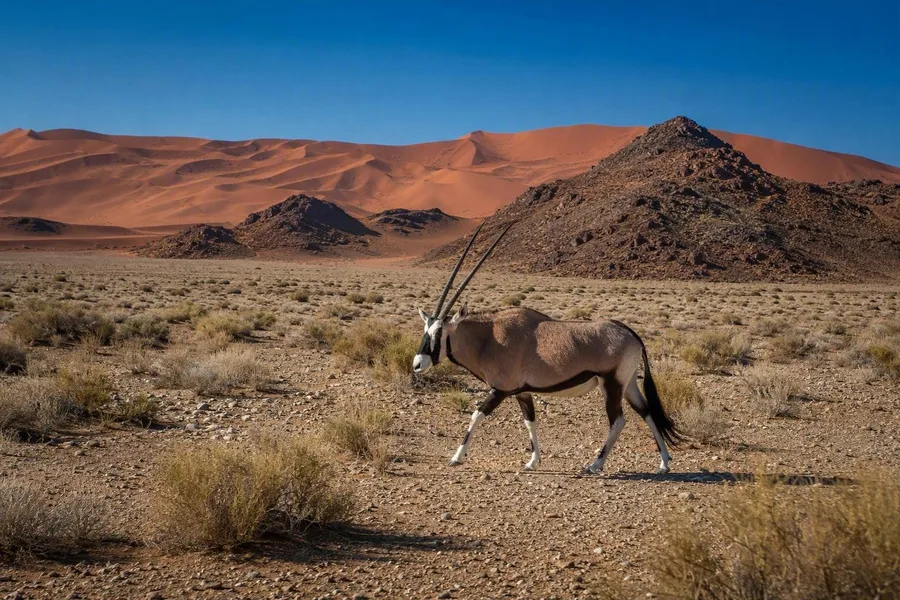 An oryx moves across a gravel plain in NamibRand Nature Reserve.
Dune ridges alternate with gravel plains, isolated rocky hills and bare mountains. Sparse desert vegetation spreads unevenly across those surfaces, where oryx and springbok range through land once divided into sheep farms. The former farms were combined into an unfenced private reserve.
Lighting rules cover buildings and vehicle headlights, and a permanent Sky Quality Meter records sky brightness every five minutes. NamibRand’s dark-sky protection is among the strongest in this list, but lodge-only access holds it below the two leaders.
2. Atacama Desert, Chile
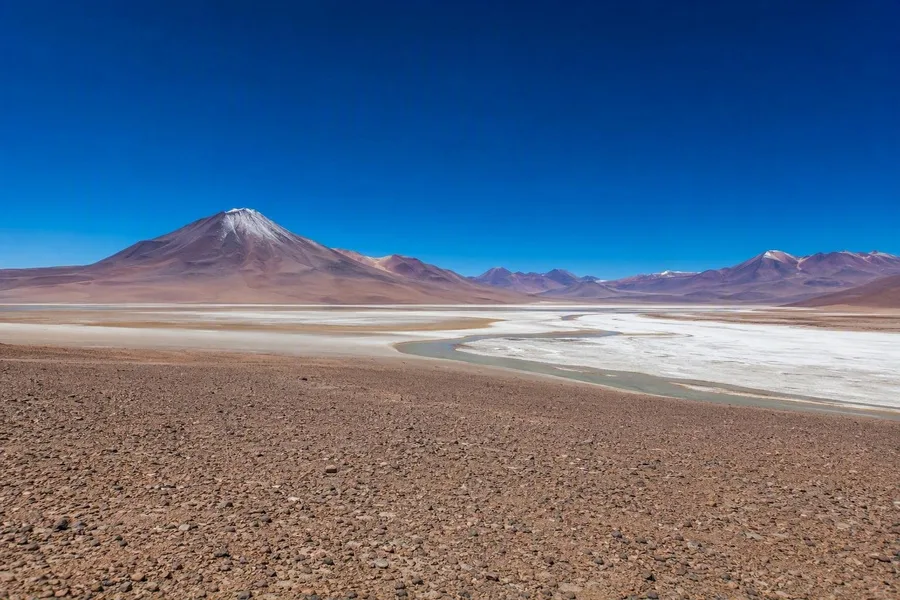 A barren gravel plain and salt basin stretch toward high Andean plateaus in Chile’s Atacama Desert.
The Atacama runs from foggy Pacific cliffs through gravel plains and salt basins to high Andean plateaus. Coastal mist supports cactus and scrub in places, but the hyper-arid interior has almost no vegetation.
Dry air, altitude and low light pollution have concentrated observatories in northern Chile. The desert has more than 300 clear nights a year, yet mining and expanding towns add light in some areas, and no single visitor site has a fully comparable public measurement series. Those limits keep the Atacama second under this four-part formula despite its outstanding observing conditions.
1. Aoraki Mackenzie Dark Sky Reserve, New Zealand
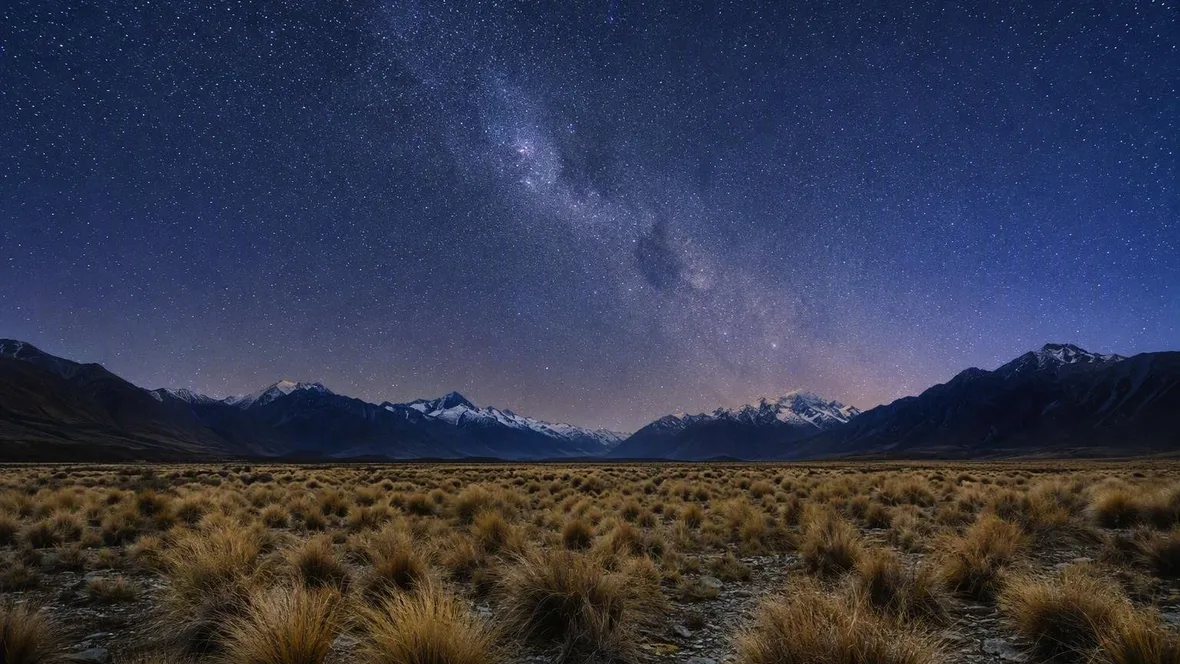
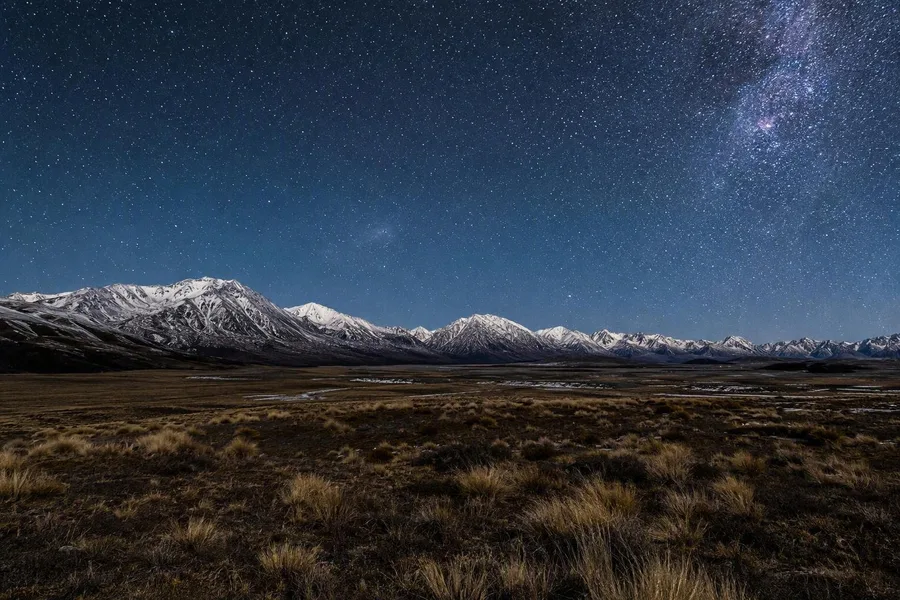 Stars fill the sky above tussock ground and dark mountain ranges in the Mackenzie Basin.
Glaciers shaped the Mackenzie Basin into a broad floor of lakes, moraines, outwash plains and braided rivers. Shallow, stony soils support grasses, golden tussocks and low shrubs instead of forest, while snow-covered ranges enclose the open ground.
The reserve combines a Bortle 2 sky, low light pollution and access through Lake Tekapo. About 68% of nights are suitable for astronomical observation, although wind, cloud and alpine cold make the weather less dependable than in the Atacama.
After dark at Lake Tekapo, cold uneven ground runs into the alpine basin. Wind crosses the tussock, the ranges form a black rim, and stars fill the wide sky above.
Keep exploring
Places in this story
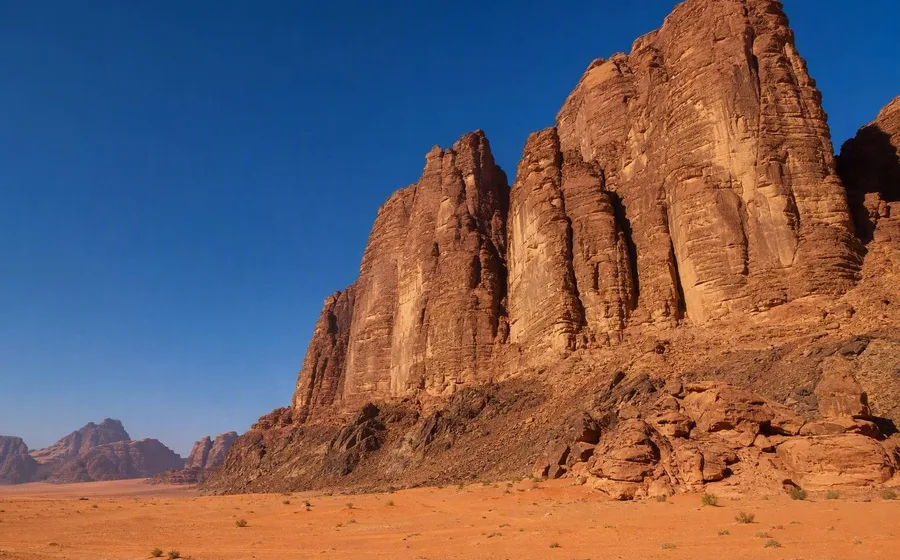
Wadi Rum
Wadi Rum is a vast protected desert landscape in southern Jordan, near the Saudi Arabian border. Sandstone mountains, arches and gorges stand alongside rock art and inscriptions recording 12,000 years of human presence.
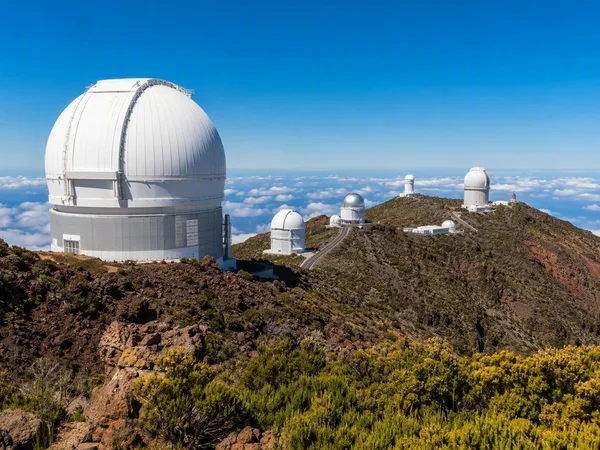
La Palma
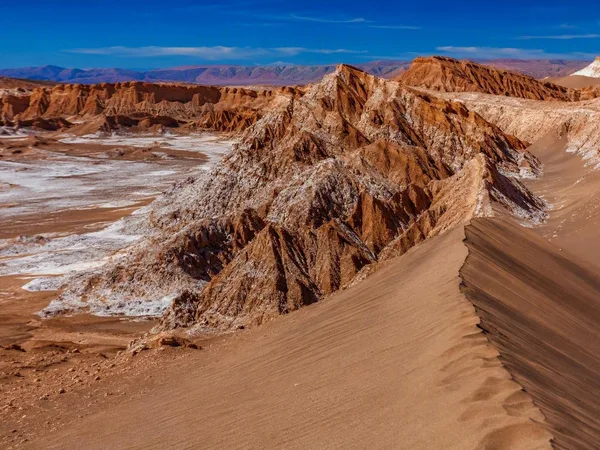
Atacama
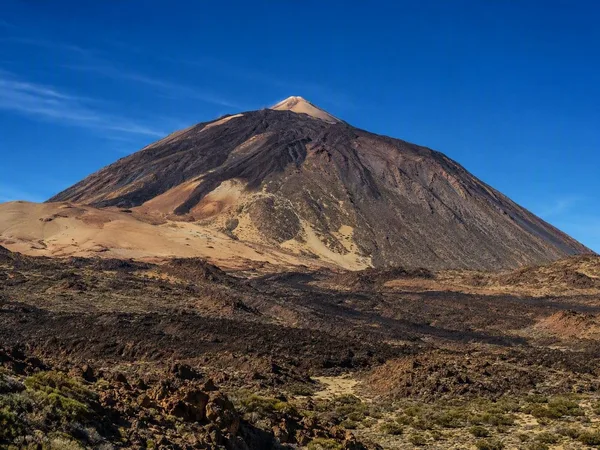
Teide
North York Moors National Park
Bannau Brycheiniog National Park (Brecon Beacons)
Galloway, Scotland
Galloway is a historic region in south-west Scotland, centred on a broad sweep of hills, lochs and woodland. Its inland core includes Galloway Forest Park, the UK’s first International Dark Sky Park.
Exmoor National Park