
Island · Spain
La Palma
La Palma is a volcanic Canary Island in Spain’s Atlantic archipelago, west of Tenerife. Its protected night sky, high ridges and observatory make it a serious base for stargazing as well as mountain landscapes.
The island at a glance
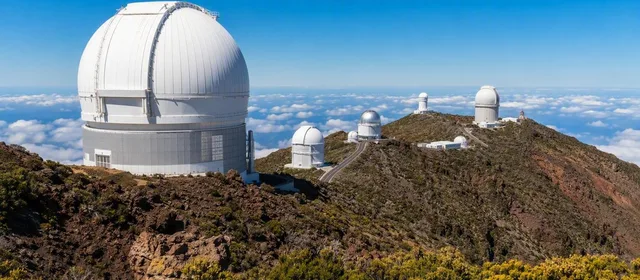
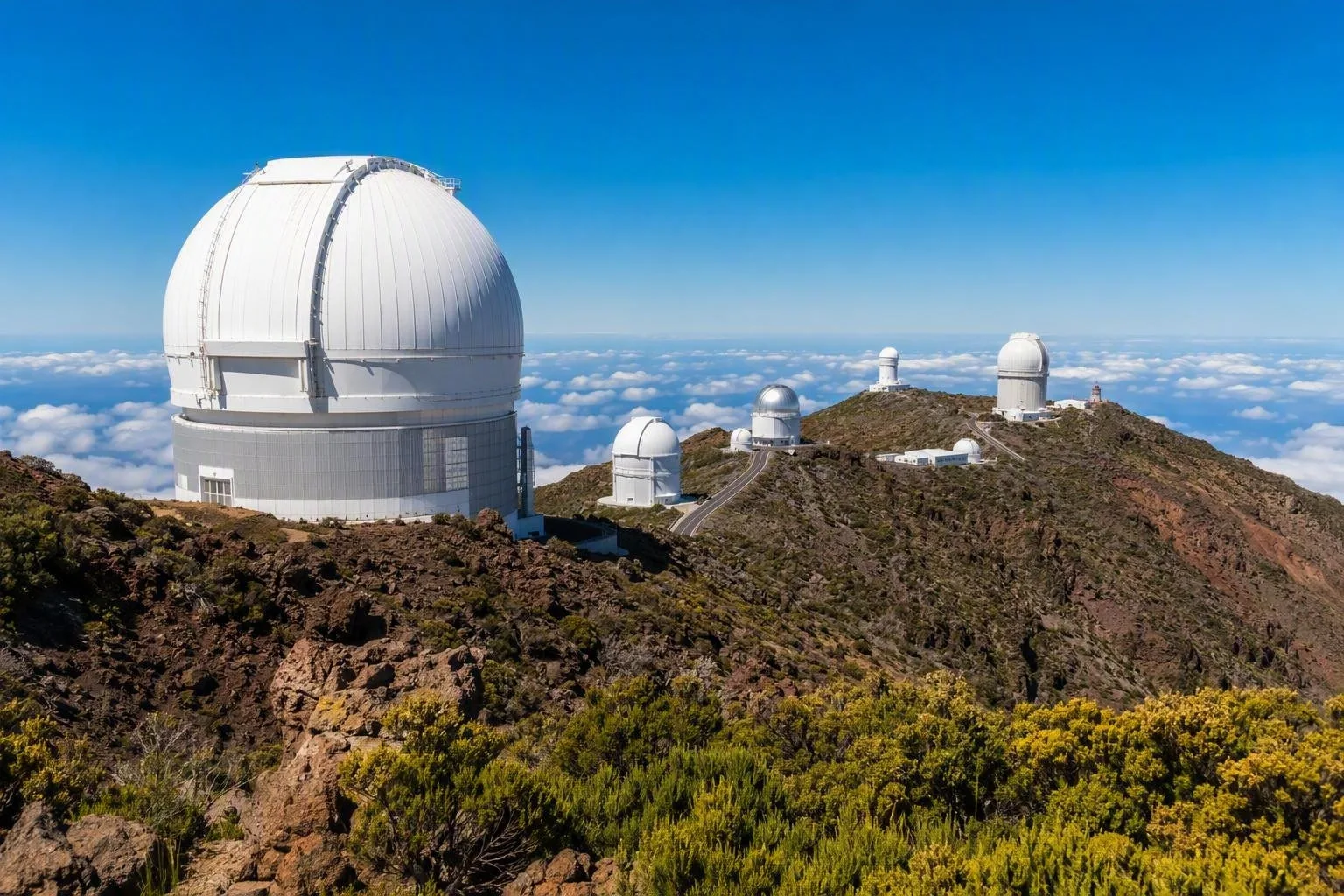
La Palma rises sharply from the Atlantic, with deep ravines, pine-clad slopes and volcanic terrain leading to the island’s high interior. The key astronomical landmark is Roque de los Muchachos, the 2,426-metre summit area above the trade-wind cloud layer.
That altitude and stable air support the Roque de los Muchachos Observatory, a working international research site. The island’s dark-sky reputation is not incidental: the 1988 Ley del Cielo protects the astronomical quality of the observatories by controlling sources of light, atmospheric and radio interference.
Stargazing: use the public network
Do not treat the observatory summit as an after-dark lookout. The telescope zone is for scientific work at night. For independent observing, use La Palma’s purpose-built network of astronomical viewpoints, with interpretation panels on constellations, planets, the Moon and seasonal sky changes.
Useful choices include:
- Llano del Jable, El Paso: around 1,200 metres, with views over Montaña Quemada and the Aridane Valley by day.
- Pico Cruz Sur: a high-altitude viewpoint at 2,307 metres for experienced observers.
- Mirador al Infinito: beside César Manrique’s 1985 monument marking the observatory’s inauguration.
- Volcán de San Antonio: combines the crater landscape with a southern-sky viewing point.
A guided night outing is the practical option if you want telescope use and sky interpretation without navigating mountain roads in the dark.
Roque de los Muchachos by day
Visit the ridge in daylight for the observatory setting and the mountain-scale view above the cloud sea. The observatory itself is an active facility rather than a walk-in attraction; organised daytime visits are the appropriate way to see its scientific installations.
The Gran Telescopio Canarias is the defining structure here, with a 10.4-metre primary mirror. Keep the distinction clear: daytime observatory visits and nighttime public stargazing are separate experiences.
Plan a clear, dark night
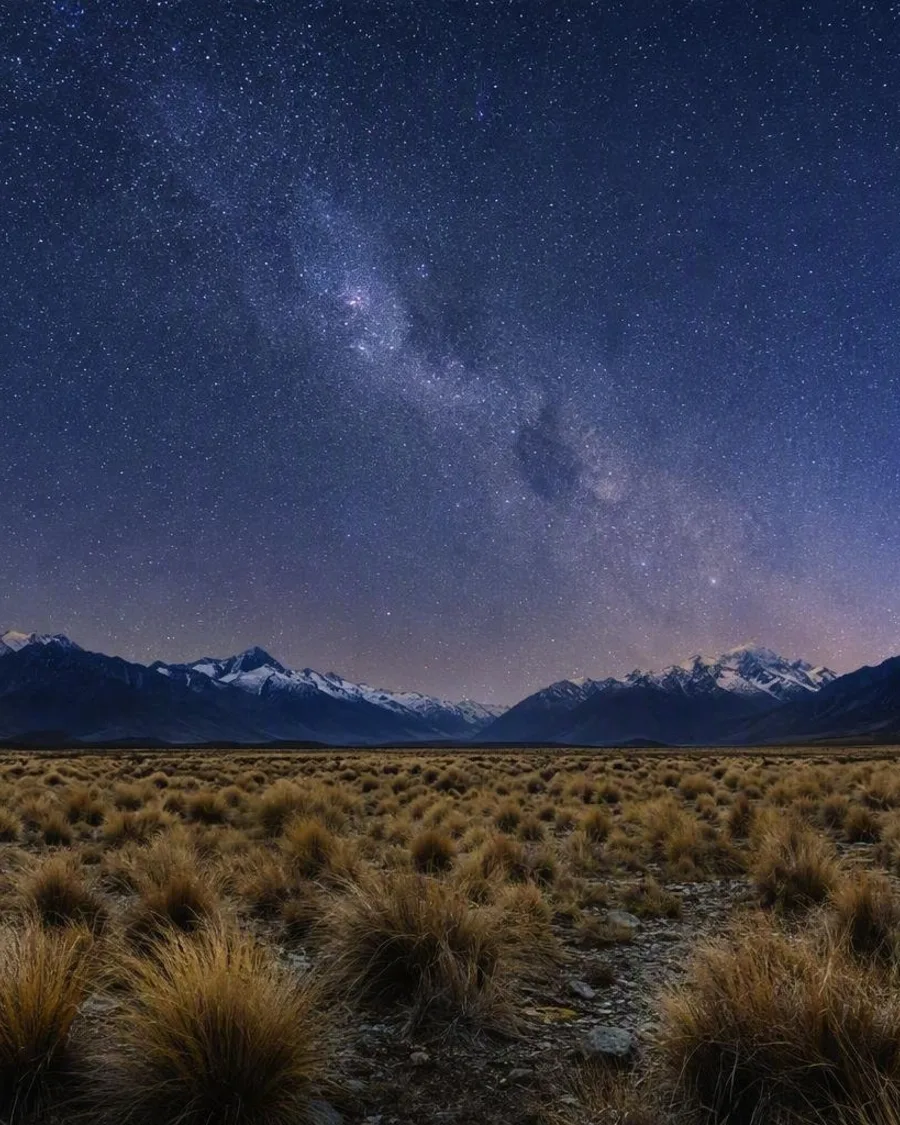
For faint stars and the Milky Way, choose a night near the new moon. A full moon is useful for a lit landscape but washes out much of the fainter sky. Cloud, wind and Saharan dust can change conditions quickly across this mountainous island.
At mountain viewpoints, bring a warm layer, sturdy footwear, water and a red-light torch. Coastal temperatures are a poor guide to conditions at altitude. Keep vehicle lights and bright phone screens to a minimum once parked: preserving dark adaptation is part of using these sites properly.
Getting around
A car gives the most practical access to the dispersed viewpoints and high roads. Build in time for steep, winding routes and avoid treating a night drive as a quick transfer. Base yourself according to the viewpoint you intend to use: El Paso works well for Llano del Jable, while the east side is convenient for Santa Cruz de La Palma and nearby lower-elevation viewpoints.
From the magazine
Stories about La Palma
Editorial stories linked directly to La Palma.
Routes from our editors
Travel through La Palma
Editorial routes connecting La Palma with other countries, cities and hotspots.
No routes through La Palma have been published yet.
More in Spain
Related hotspots
Other cities, nature areas and places within Spain.
Manises: City of Ceramics
1 linked stories and routes
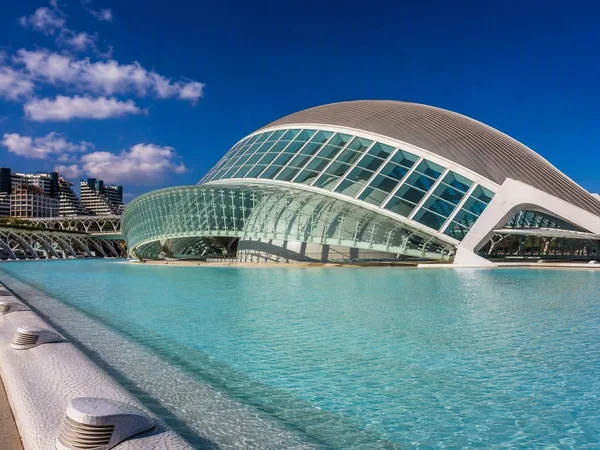
Valencia
1 linked stories and routes
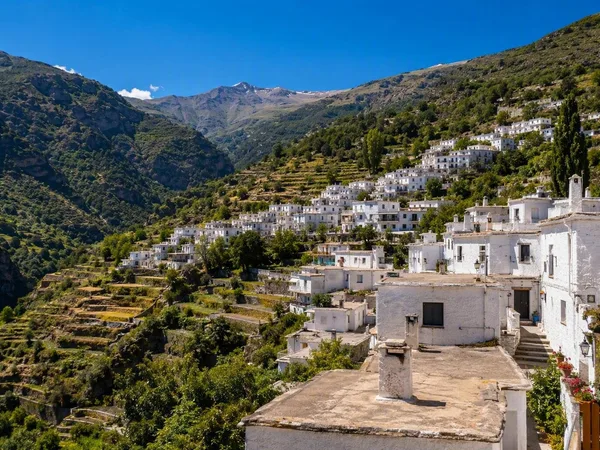
Alpujarras
1 linked stories and routes
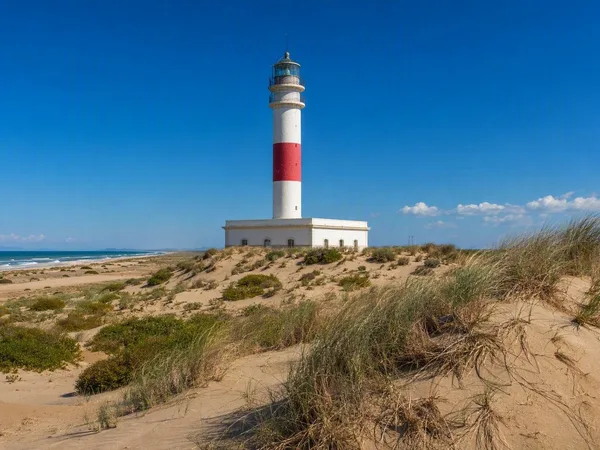
Ebro Delta
1 linked stories and routes
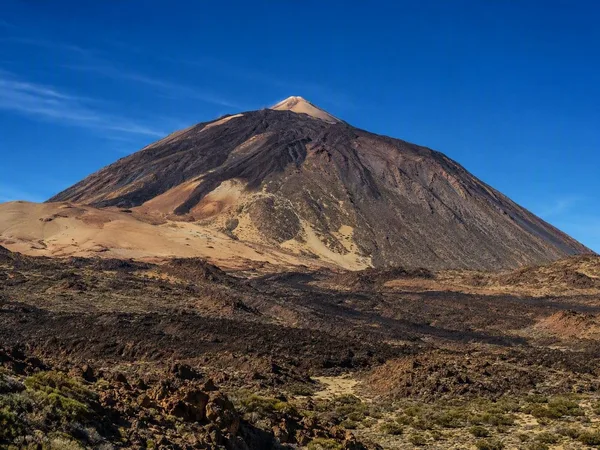
Teide
1 linked stories and routes
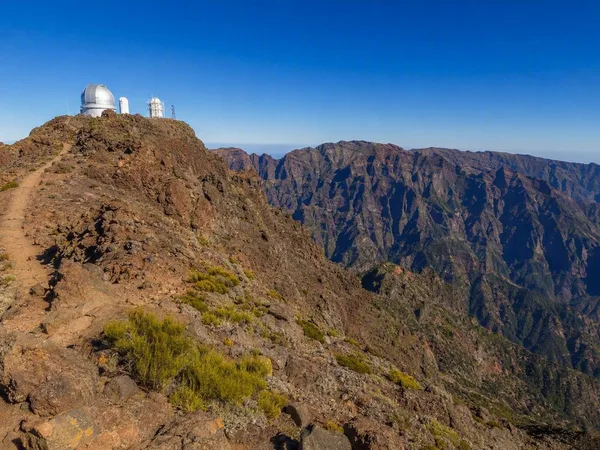
Roque de los Muchachos
1 linked stories and routes
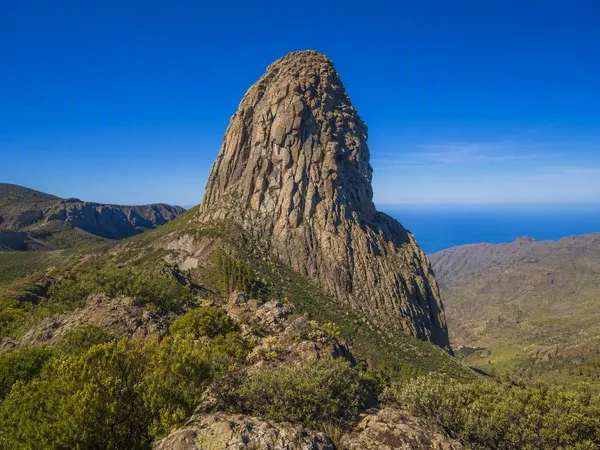
La Gomera
1 linked stories and routes
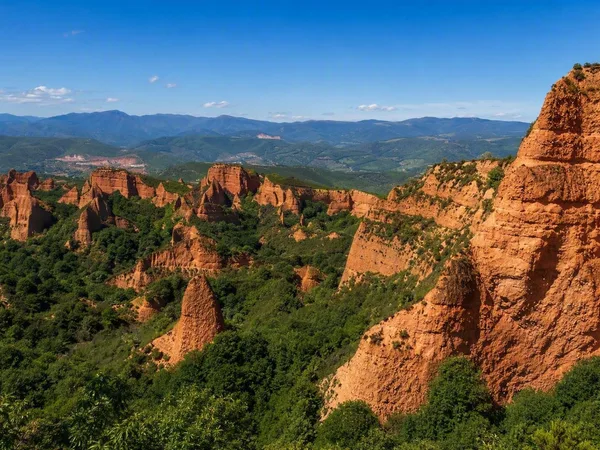
Las Médulas
1 linked stories and routes
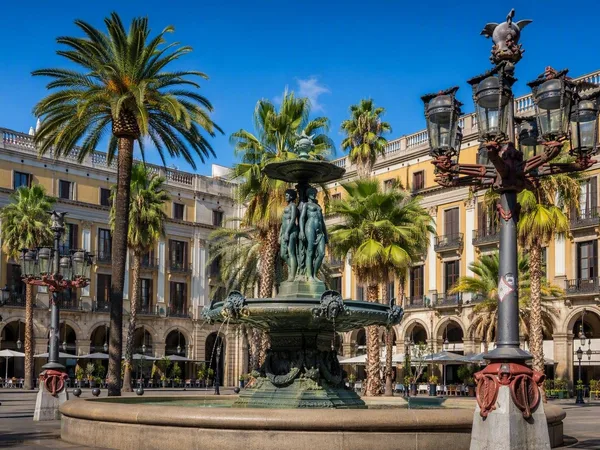
Plaça Reial
1 linked stories and routes
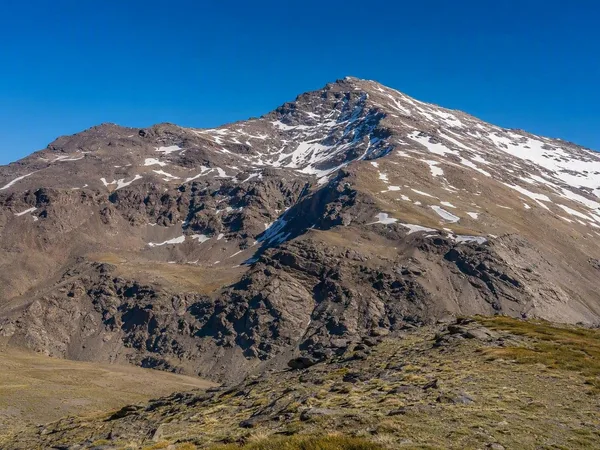
Sierra Nevada
0 linked stories and routes
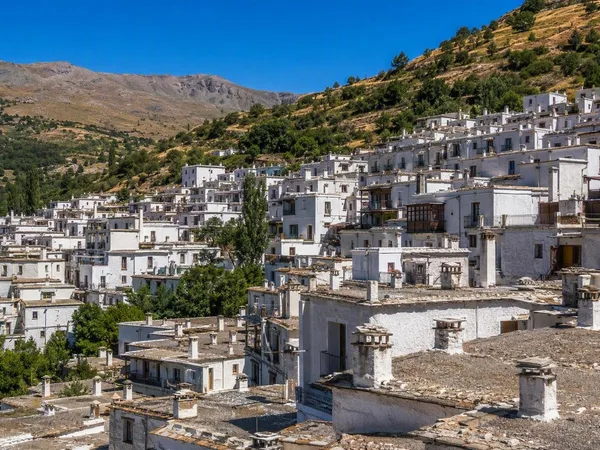
Trevélez
0 linked stories and routes
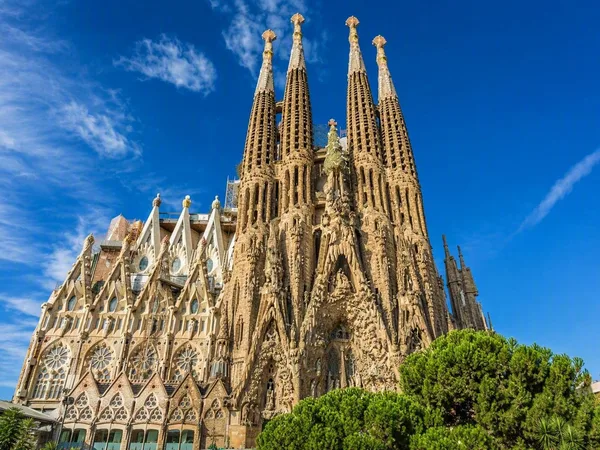
Barcelona
0 linked stories and routes