
City · Spain
Manises: City of Ceramics
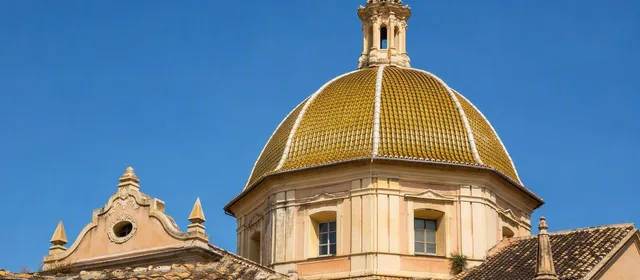
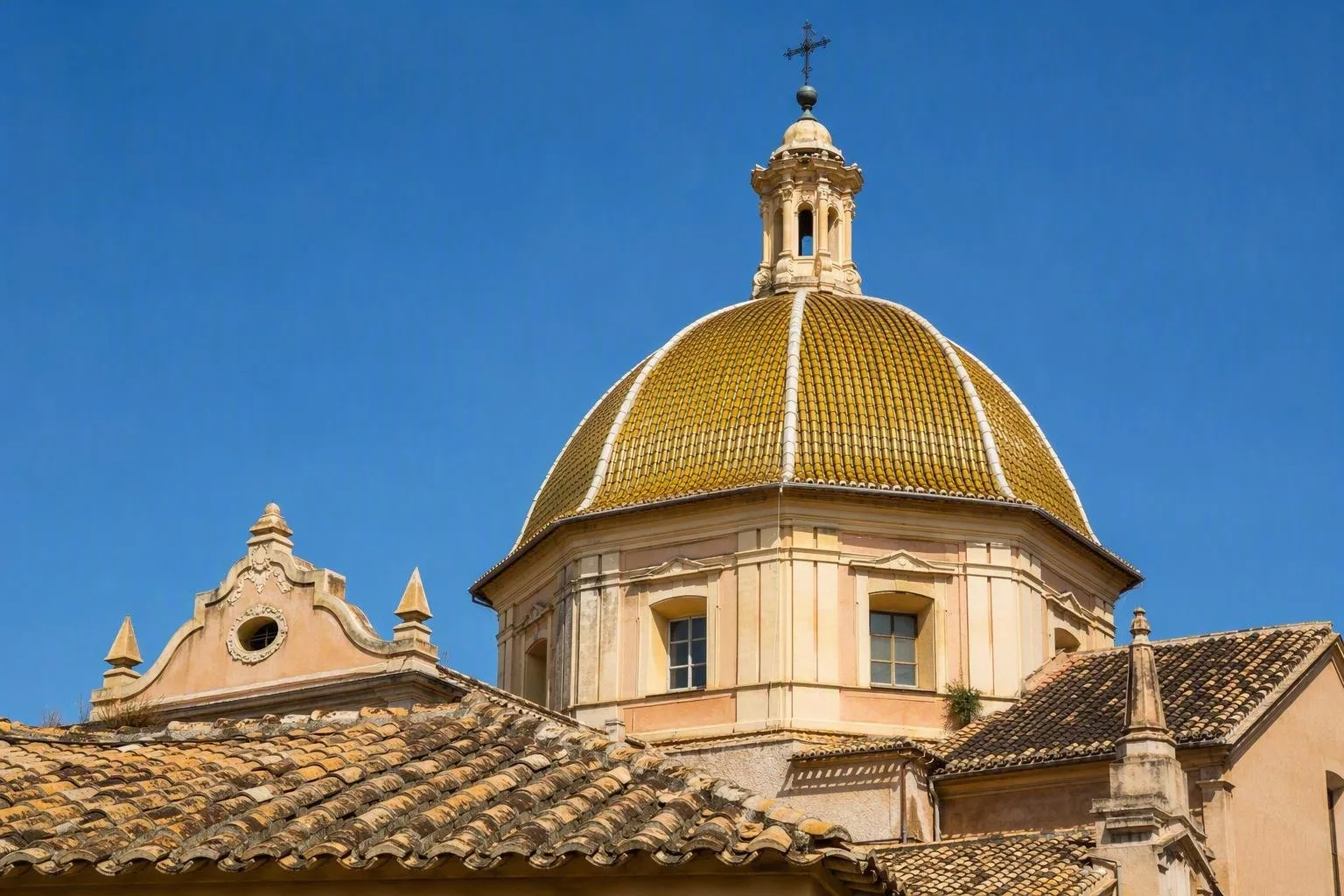
Manises is a ceramics town in the province of Valencia, about 7 km from Valencia city. Its medieval lustreware tradition remains visible in the museum, workshops, tiled streetscapes and the gold-glazed dome of its parish church.
Why Manises matters
Manises built its reputation on ceramics. Workshops were active under Islamic rule, and after the Christian conquest of the 13th century the town developed the metallic lustreware that made it known across Europe. Gold and copper tones laid over a pale tin glaze gave its tableware an unmistakable shifting sheen.
The craft was never limited to luxury plates. Potters, painters, kiln builders and tile makers supplied household wares, architectural ceramics and export goods. Medieval decoration paired Andalusian geometry, vegetal scrolls and trees of life with later Gothic leaves and animals.
Start at the ceramics museum
The Museu de Ceràmica de Manises, at Carrer del Sagrari 22, is the essential first stop. It occupies an 18th-century house in the historic centre and follows locally made ceramics from the 14th century to the present.
Use it to distinguish the major local strands:
- Lustreware: metallic gold, copper and iridescent surfaces.
- Tiles: from architectural panels to devotional and decorative work.
- Everyday pottery: practical forms that show the town’s production was not solely courtly ware.
- Modern work: contemporary makers continue alongside historical techniques.
Admission is free. The published general schedule is Tuesday to Saturday, with a midday break; groups must arrange a time in advance. Check the day’s opening hours before setting out, especially in summer and around public holidays.
Find ceramics in the streets
Walk out from the museum through the old centre rather than treating the collection as a stand-alone visit. The Church of San Juan Bautista is a clear landmark: its 18th-century interior has extensive ceramic decoration, while its dome is covered in gold-lustre tiles.
Also look for the former ceramics-factory building known as El Arte, now home to the tourist office and the Manises photography collection. Its façade includes tilework and a section devoted to Arabic-style metallic lustre. These are useful reminders that ceramics here belong to the built town as well as museum cases.
See a working process
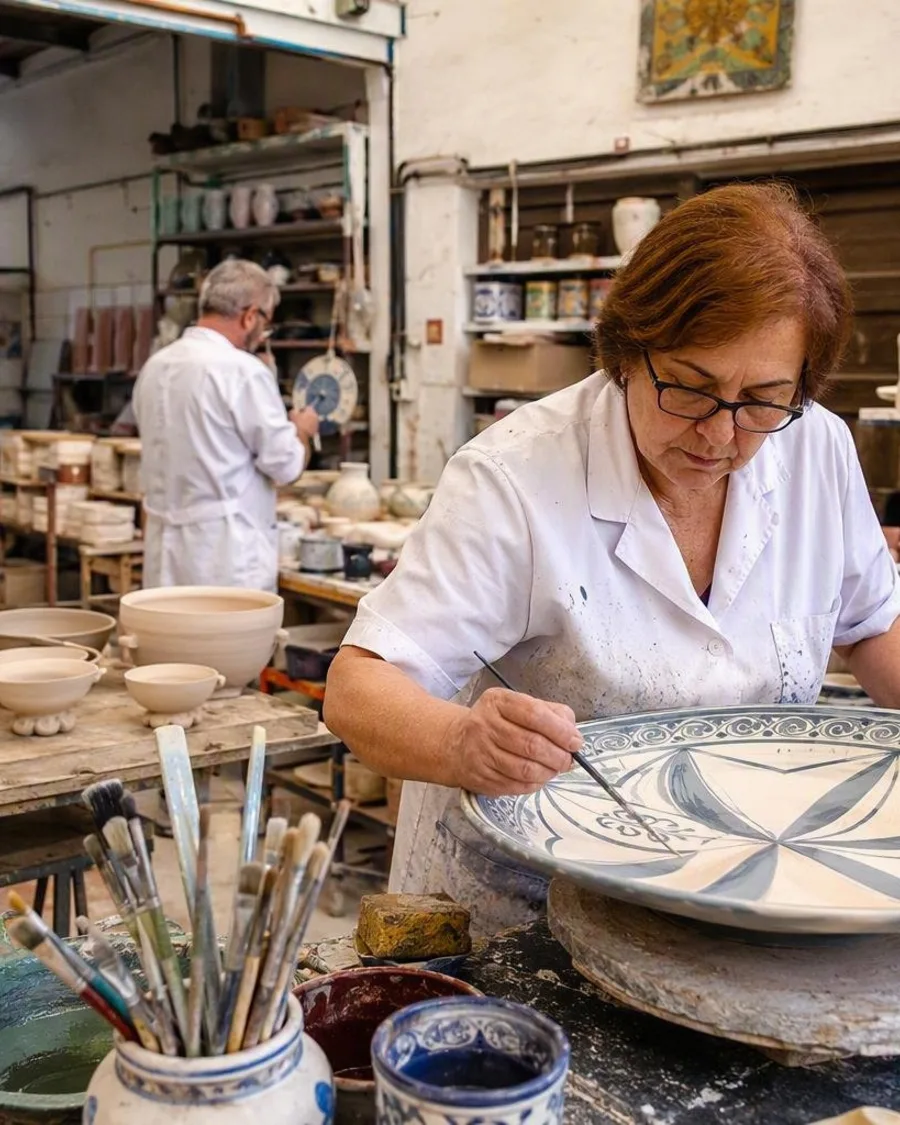
For a direct view of lustreware, book a visit to Arturo Mora’s workshop on Carrer Mestre Serrano. Pieces are wheel-thrown, painted freehand and given a third reduction firing; the workshop also maintains a working wood-fired kiln for metallic lustre. Visits can include the permanent display and a supervised bowl-decoration activity.
Other local makers offer different approaches. At La Cerámica Valenciana de José Gimeno, on Carrer del Hort 1, the working workshop and factory museum combine production with historic ceramics, tiles and altarpieces. Appointments are required for visits.
Getting there and around
Manises is directly west of Valencia and has its own airport. Metrovalencia lines 3, 5 and 9 serve Manises; the Manises station is the useful stop for the historic centre and museum. The centre is compact enough to cover on foot.
From Valencia, metro and road connections make Manises an easy half-day, but allow more time if you have arranged a workshop visit. Workshop tours are not drop-in experiences: confirm the appointment before travelling.
From the magazine
Stories about Manises: City of Ceramics
Editorial stories linked directly to Manises: City of Ceramics.
Routes from our editors
Travel through Manises: City of Ceramics
Editorial routes connecting Manises: City of Ceramics with other countries, cities and hotspots.
No routes through Manises: City of Ceramics have been published yet.
More in Spain
Related hotspots
Other cities, nature areas and places within Spain.
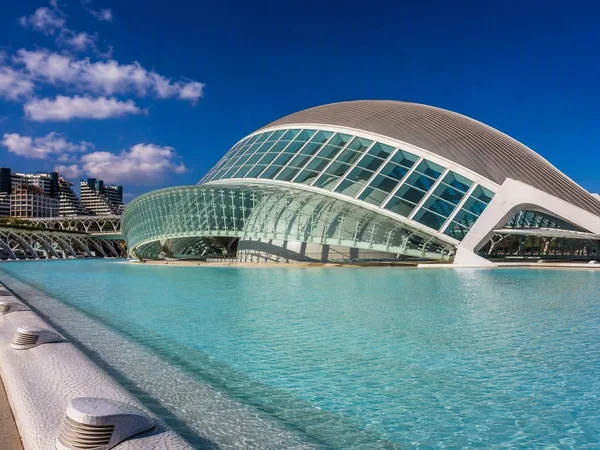
Valencia
1 linked stories and routes
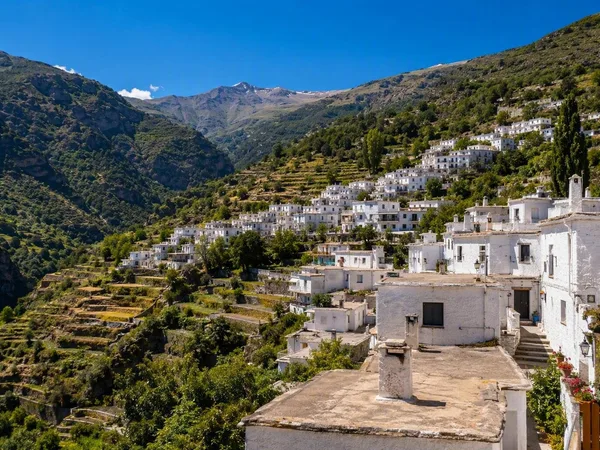
Alpujarras
1 linked stories and routes
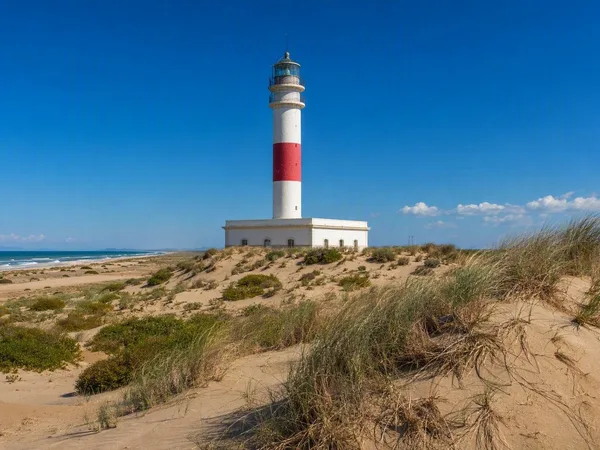
Ebro Delta
1 linked stories and routes
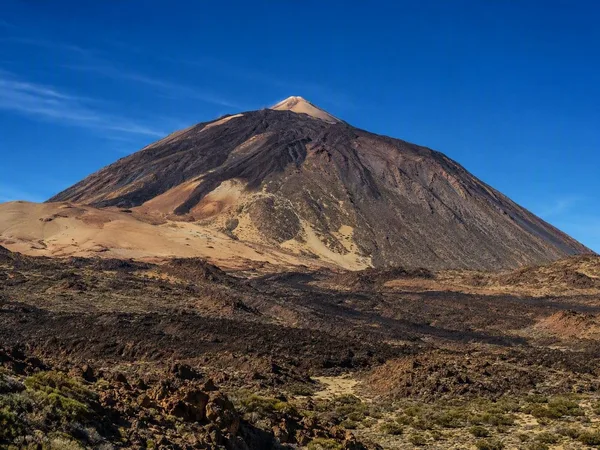
Teide
1 linked stories and routes
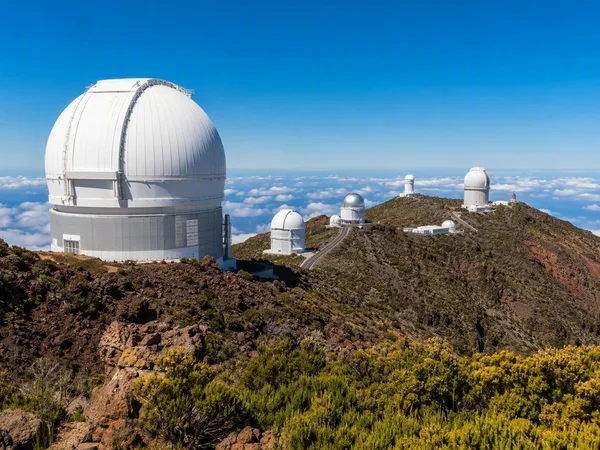
La Palma
1 linked stories and routes
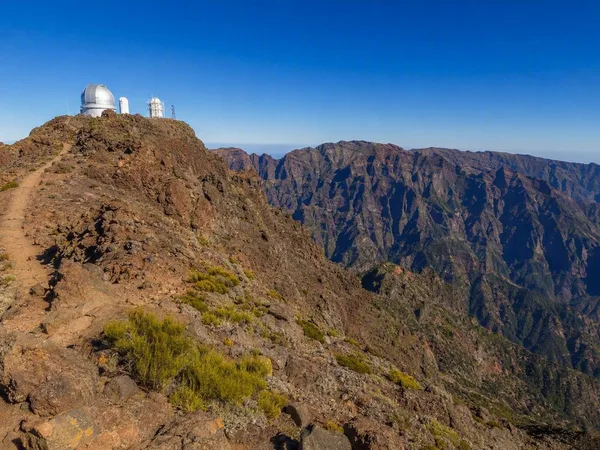
Roque de los Muchachos
1 linked stories and routes
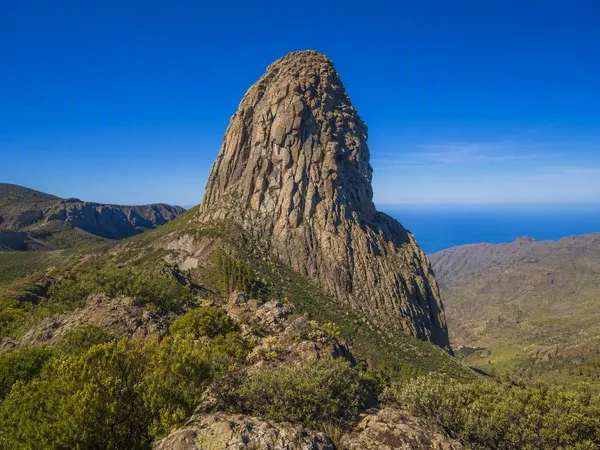
La Gomera
1 linked stories and routes
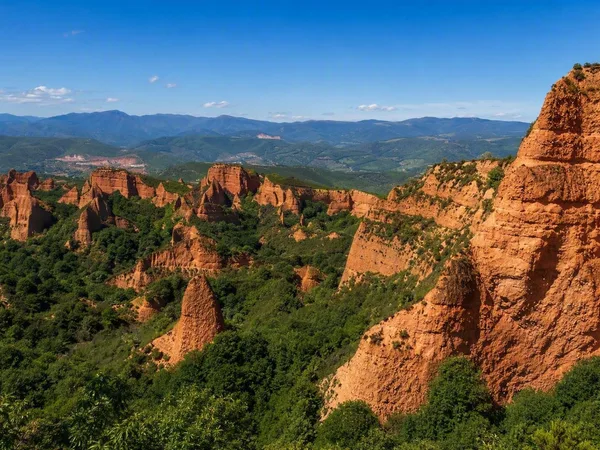
Las Médulas
1 linked stories and routes
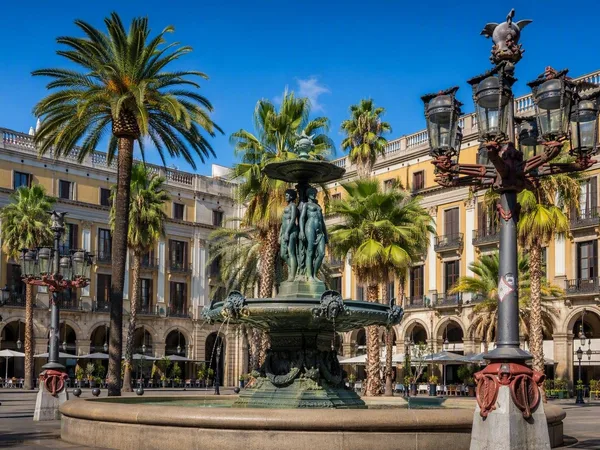
Plaça Reial
1 linked stories and routes
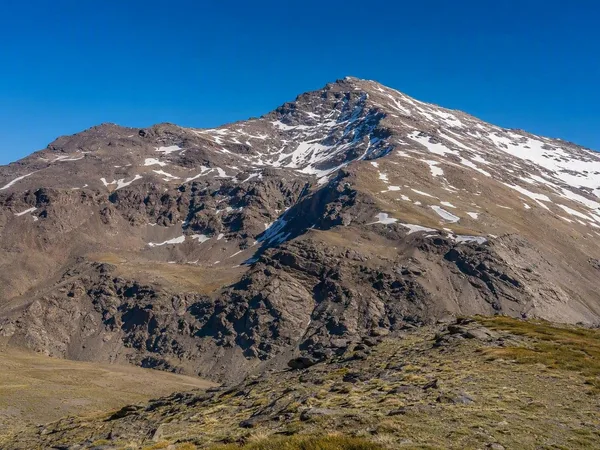
Sierra Nevada
0 linked stories and routes
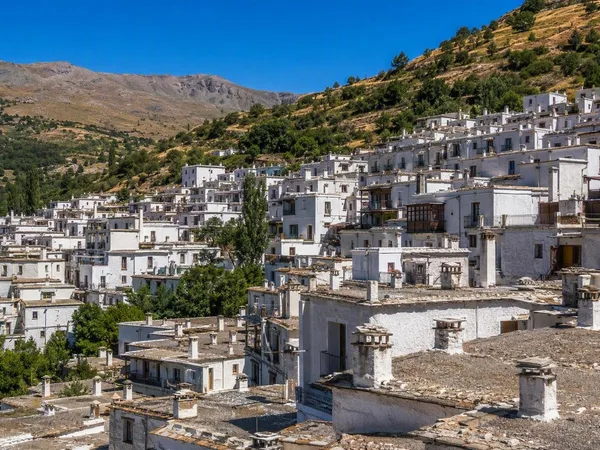
Trevélez
0 linked stories and routes
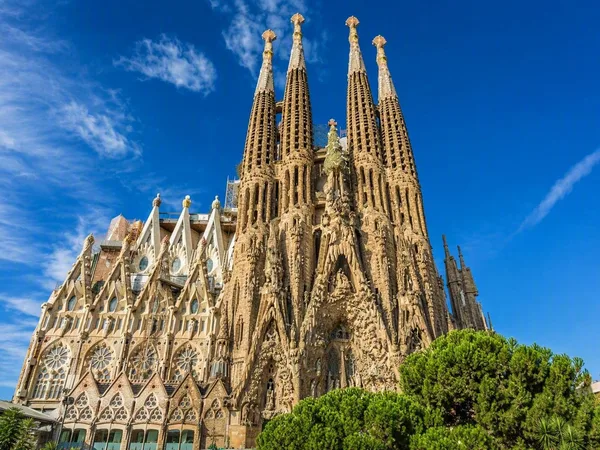
Barcelona
0 linked stories and routes