
Town · Spain
Villaviciosa
Villaviciosa is a historic market town in Asturias’ Cider District, set inland from the Cantabrian coast. Its compact old centre, cider culture and estuary hinterland make it a useful base for this part of Asturias.
Orientation
Villaviciosa is the principal town of its municipality and one of the key cider towns in central-eastern Asturias. The centre is compact, with the Plaza del Ayuntamiento as a practical starting point. From here, walk the historic streets around Calle del Agua, Calle Sol and Plaza de Carlos I rather than treating the town as a quick roadside stop.
The town is inland from the mouth of the Ría de Villaviciosa, while orchards, cider mills and the coastal villages lie beyond the centre. That distinction matters: the old town works on foot; the estuary, beaches and rural monuments require transport.
Historic centre
Villaviciosa developed from the medieval settlement of Maliayo and received its town charter in 1270. Its historic core retains palaces, heraldic houses, convent buildings and traces of the former walls.
Make time for:
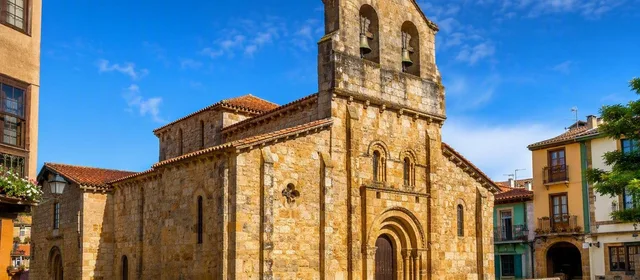
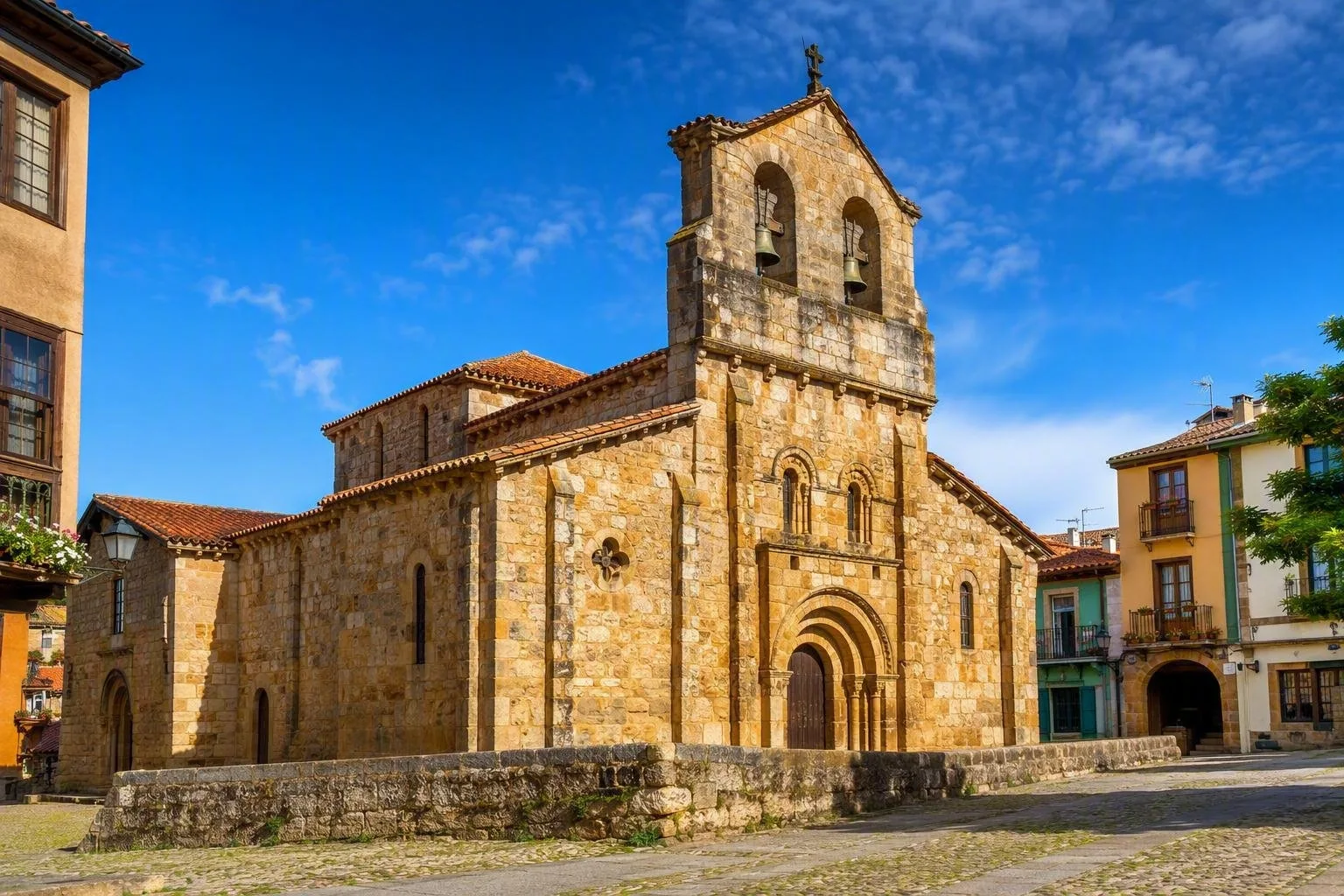
- Santa María de la Oliva, a late-Romanesque church founded in 1270, with a substantial stone exterior.
- Casa de los Hevia on Calle del Agua, now housing the tourist office. The future Charles V stayed here in September 1517 after landing at nearby Tazones.
- Plaza de Carlos I, where the emperor’s visit remains part of the town’s public memory.
The tourist office is in Casa de los Hevia, Calle del Agua 29, and is open year-round on a seasonal timetable.
Cider country
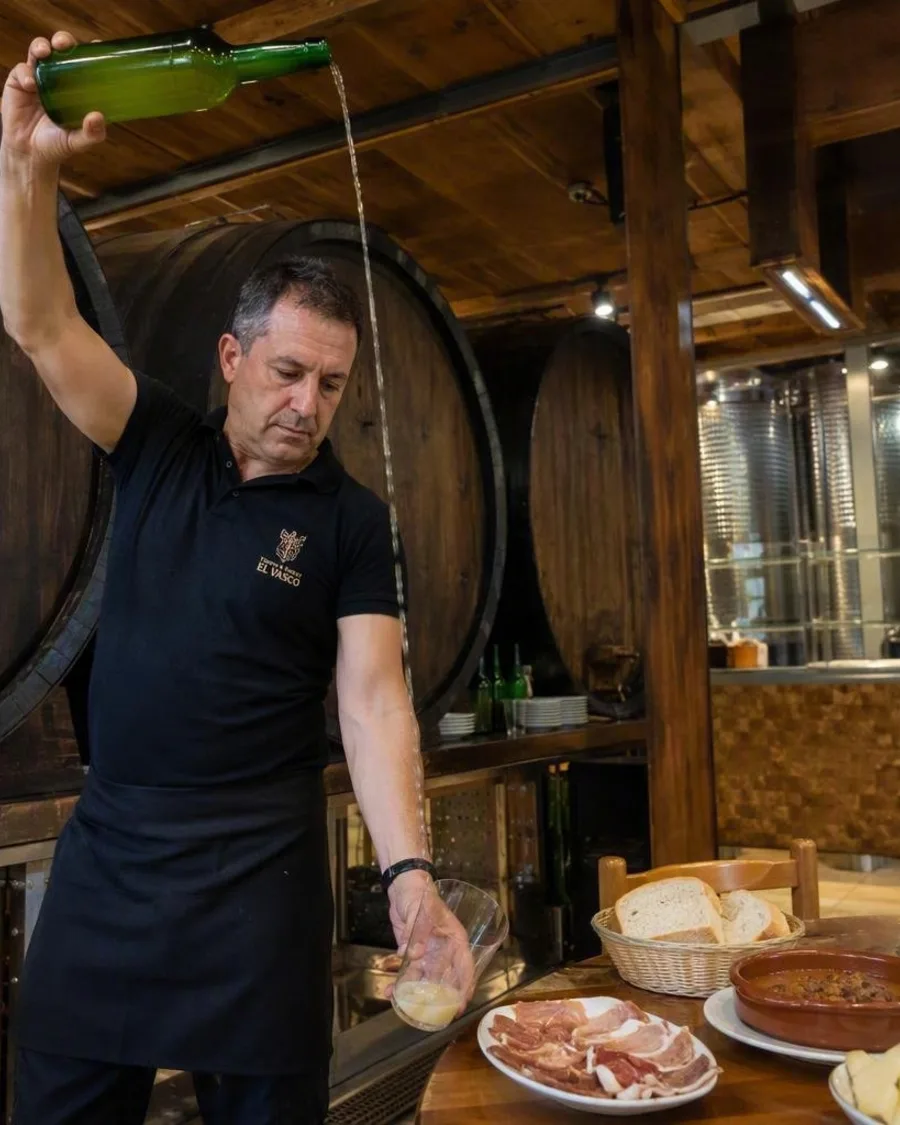
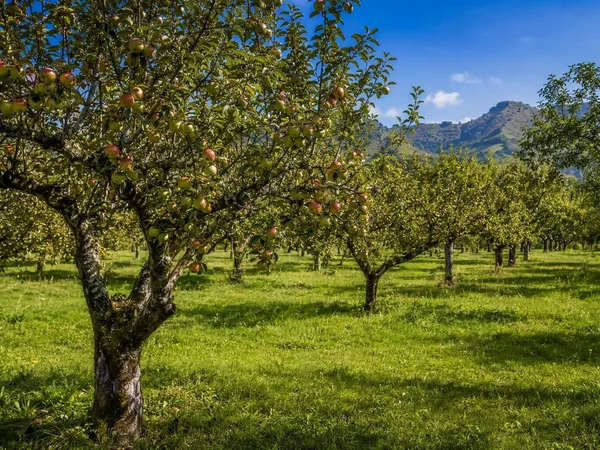
Villaviciosa sits at the core of Asturias’ apple-and-cider landscape. Pumaradas—apple orchards—and llagares—cider mills—define the surrounding countryside, while sidrerías in town are the straightforward place to try natural Asturian cider with regional food.
For a production-focused visit, the El Gaitero cider complex stands beside the estuary at La Espuncia. Its late-19th-century industrial buildings and small jetties show how cider moved between factory and ría. Visits are available but require advance reservation. Other local llagares also offer guided visits and tastings; these are outside the walkable centre.
Estuary, coast and heritage
The Ría de Villaviciosa is Asturias’ largest estuary and a Partial Nature Reserve. Its marshes and waters support birdlife and sit between the beaches of El Puntal and Rodiles. Rodiles has protected dunes and exposed surf; treat it as a separate coastal outing, not part of town.
Within the municipality, Romanesque and pre-Romanesque churches, including San Salvador de Valdediós and San Juan de Amandi, make logical half-day extensions. The Camino de Santiago also crosses the municipality.
Getting there and around
Villaviciosa is reached from the A-8 and A-64 road network. It is about 42 km from Oviedo and 30 km from Gijón. Buses connect the town with Asturias’ larger cities, but a car is the efficient option for cider mills, the estuary and coastal sites. Park outside the tightest historic streets and explore the centre on foot.
From the magazine
Stories about Villaviciosa
Editorial stories linked directly to Villaviciosa.
Routes from our editors
Travel through Villaviciosa
Editorial routes connecting Villaviciosa with other countries, cities and hotspots.
No routes through Villaviciosa have been published yet.
More in Spain
Related hotspots
Other cities, nature areas and places within Spain.
Asturias
2 linked stories and routes
Manises: City of Ceramics
1 linked stories and routes
Valencia
1 linked stories and routes
Alpujarras
1 linked stories and routes
Ebro Delta
1 linked stories and routes
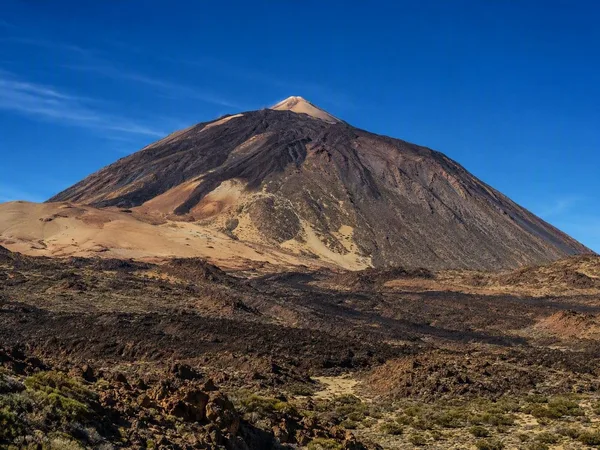
Teide
1 linked stories and routes
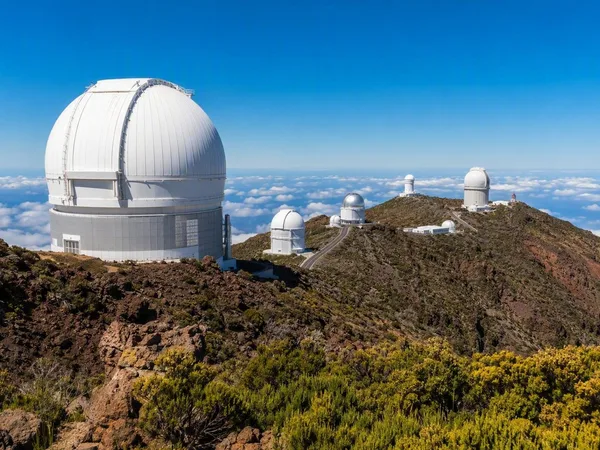
La Palma
1 linked stories and routes
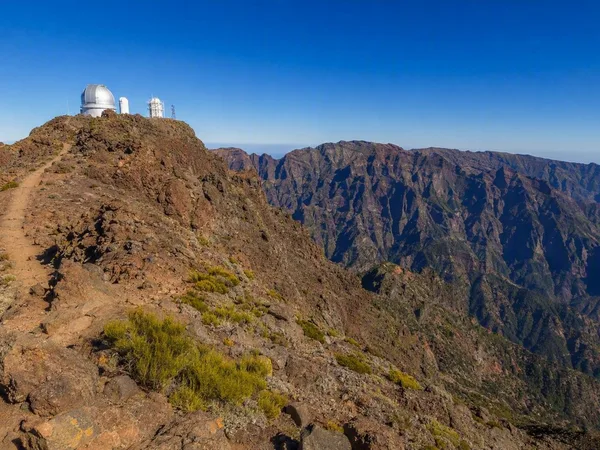
Roque de los Muchachos
1 linked stories and routes
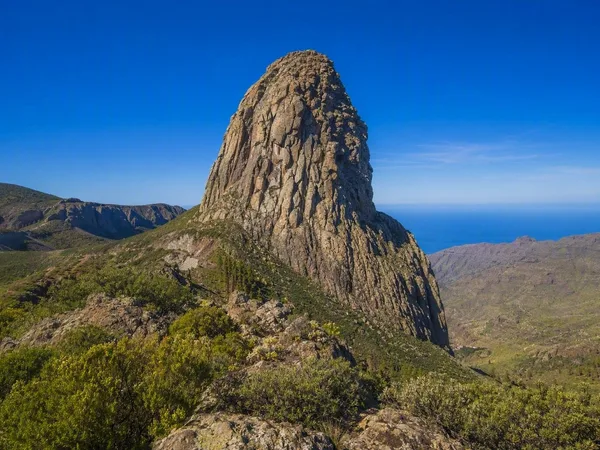
La Gomera
1 linked stories and routes
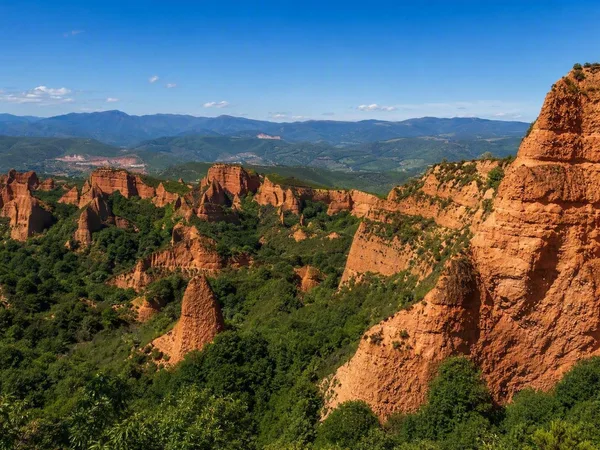
Las Médulas
1 linked stories and routes
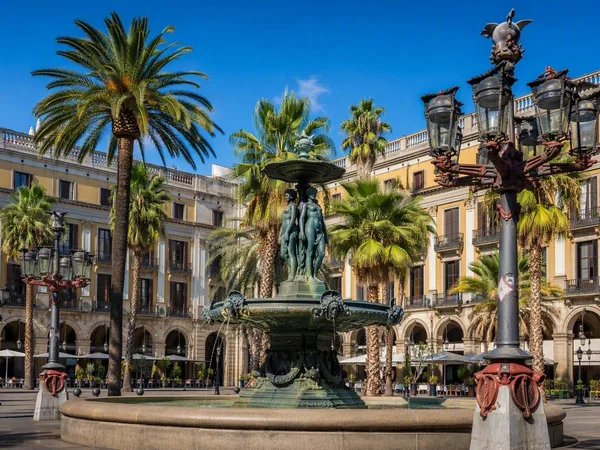
Plaça Reial
1 linked stories and routes
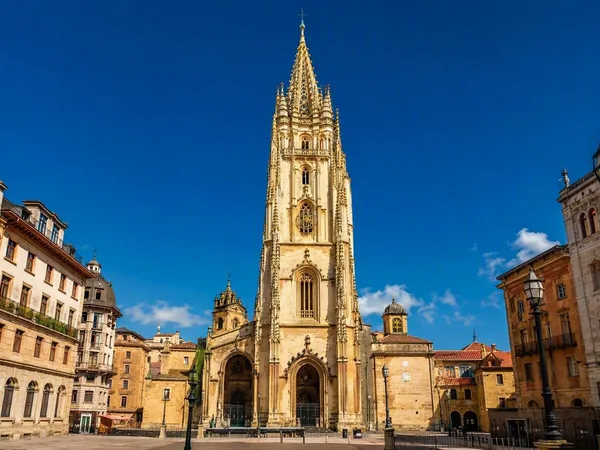
Oviedo
1 linked stories and routes
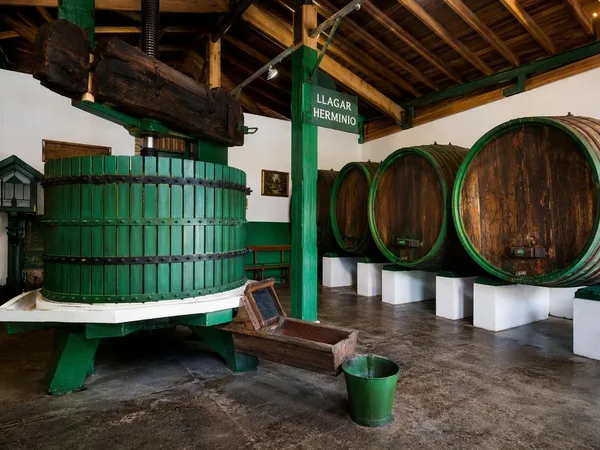
Colloto
1 linked stories and routes
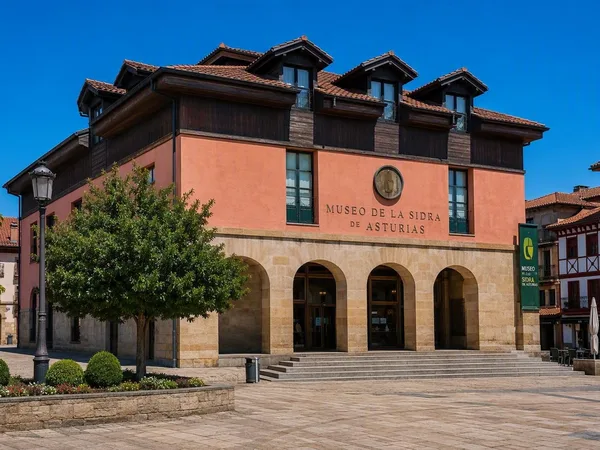
Nava
1 linked stories and routes
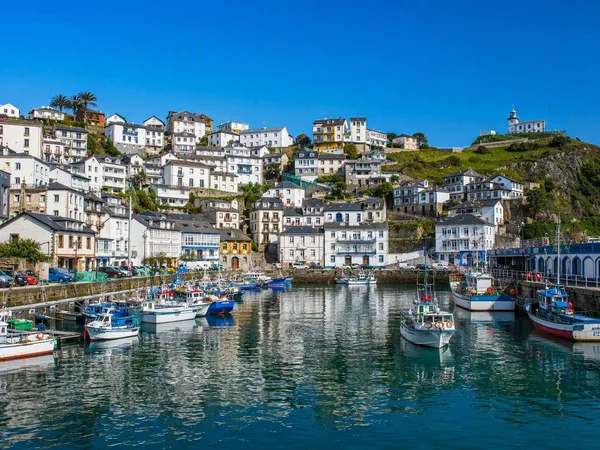
Luarca
1 linked stories and routes
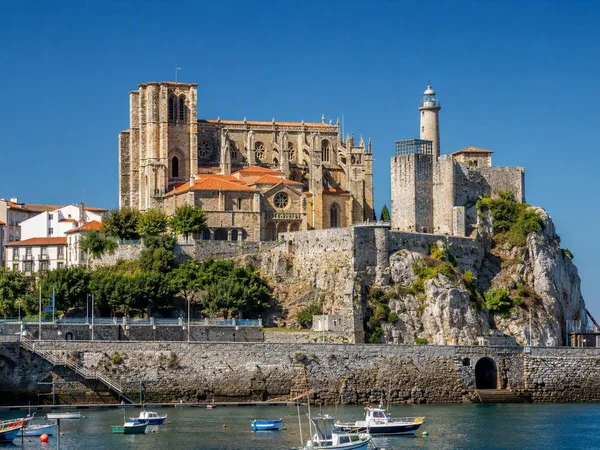
Castro Urdiales
1 linked stories and routes
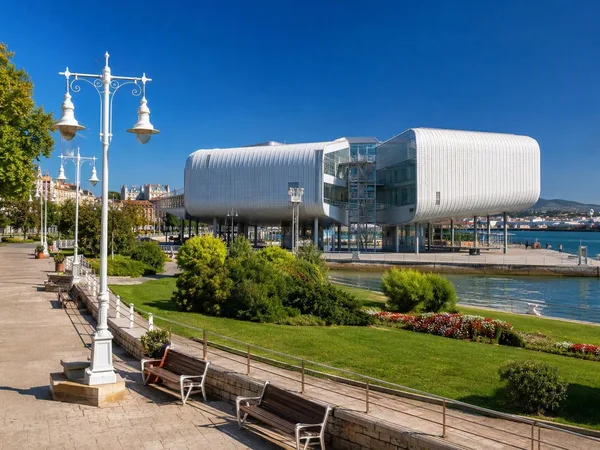
Santander
1 linked stories and routes
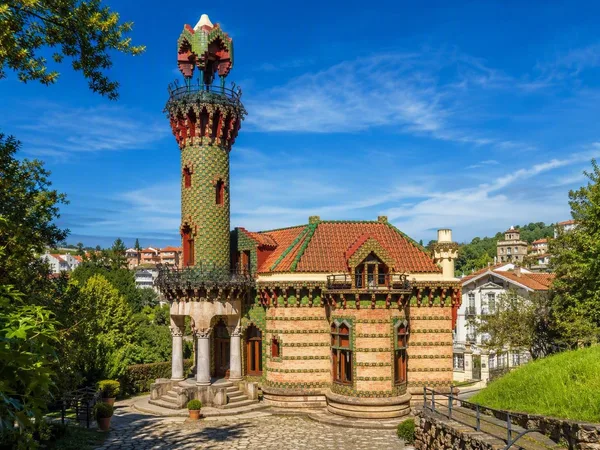
Comillas
1 linked stories and routes
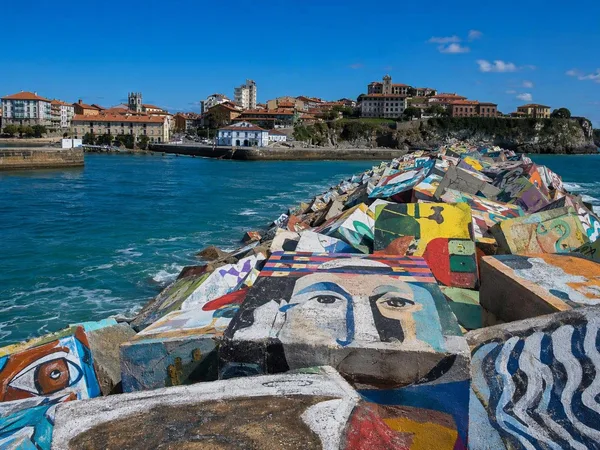
Llanes
1 linked stories and routes
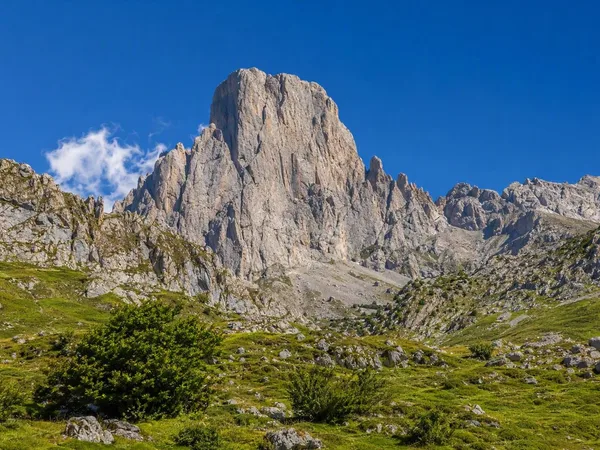
Picos de Europa National Park
1 linked stories and routes
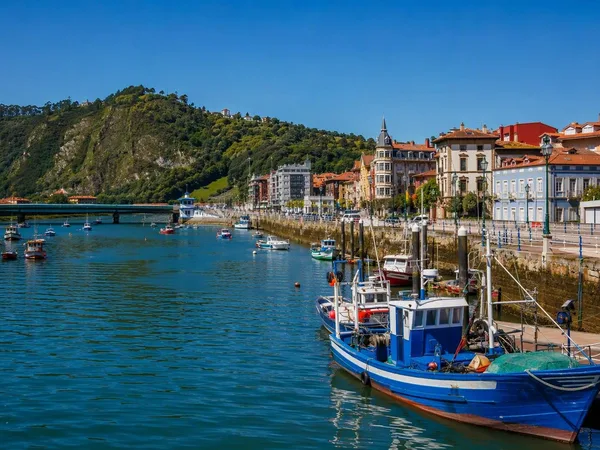
Ribadesella
1 linked stories and routes
Cudillero
1 linked stories and routes

Bilbao
1 linked stories and routes
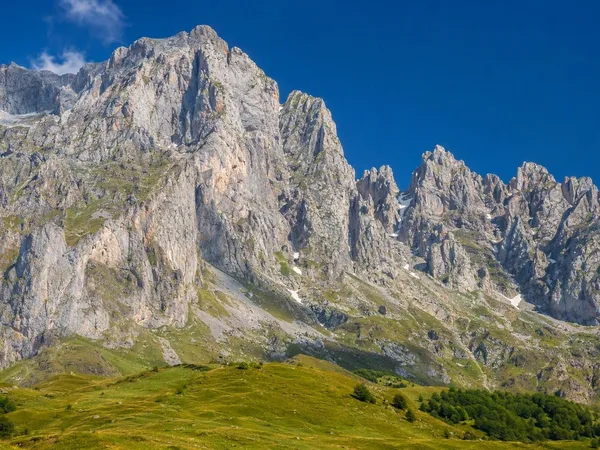
Cantabria
1 linked stories and routes
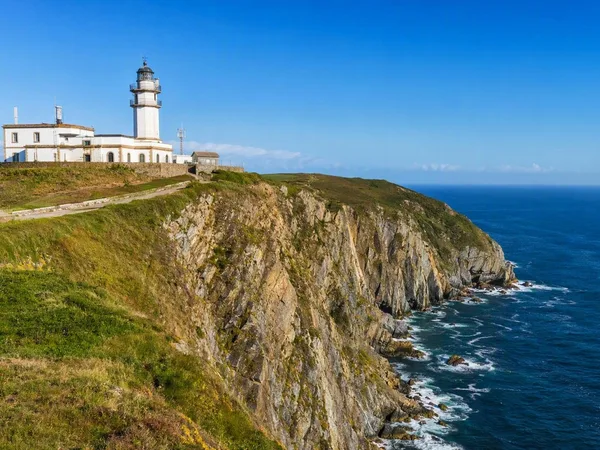
Cabo Vidio, Asturias
1 linked stories and routes

Córdoba
1 linked stories and routes
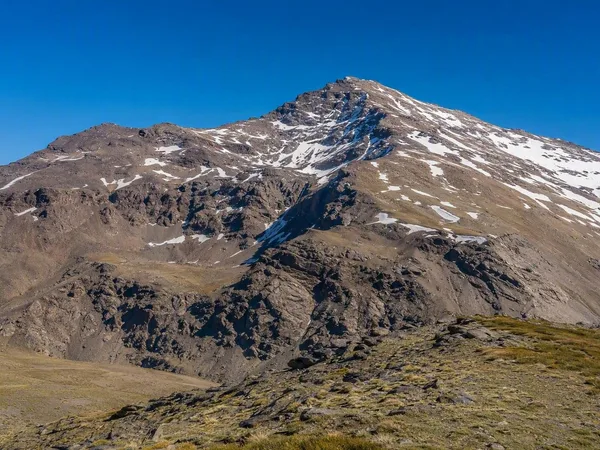
Sierra Nevada
0 linked stories and routes
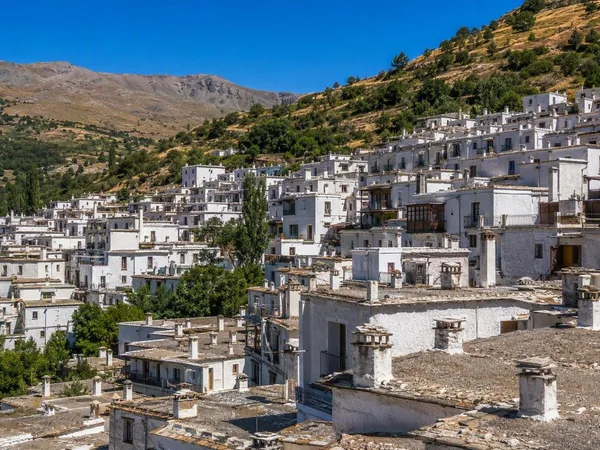
Trevélez
0 linked stories and routes
Barcelona
0 linked stories and routes
Lastres
0 linked stories and routes