
Nature area · Spain
Ebro Delta
The Ebro Delta is a low-lying Mediterranean wetland in southern Catalonia, where the Ebro reaches the sea. Rice fields, lagoons, reedbeds, dunes and salt flats make it one of Spain’s key bird areas.
Read the landscape
The Ebro Delta spreads across Tarragona province at the Ebro’s mouth. It is exceptionally flat: river water, sea water and groundwater meet among coastal lagoons, marshes, beaches and cultivated paddies. The protected Delta de l’Ebre Natural Park covers key parts of this working wetland.
Rice is not background scenery here; it drives the seasonal look of the delta. Fields are brown in winter, flooded in spring and green through summer. Canals and embankment roads stitch the agricultural land to lagoons and bays.
Choose a sector
The delta is broad enough to reward a focused day rather than a rushed circuit.
- L’Encanyissada and La Tancada: lagoons in the southern half, with observation points and cycle routes. La Tancada is a reliable area for flamingos.
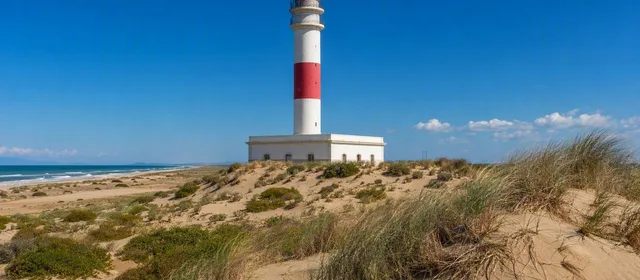
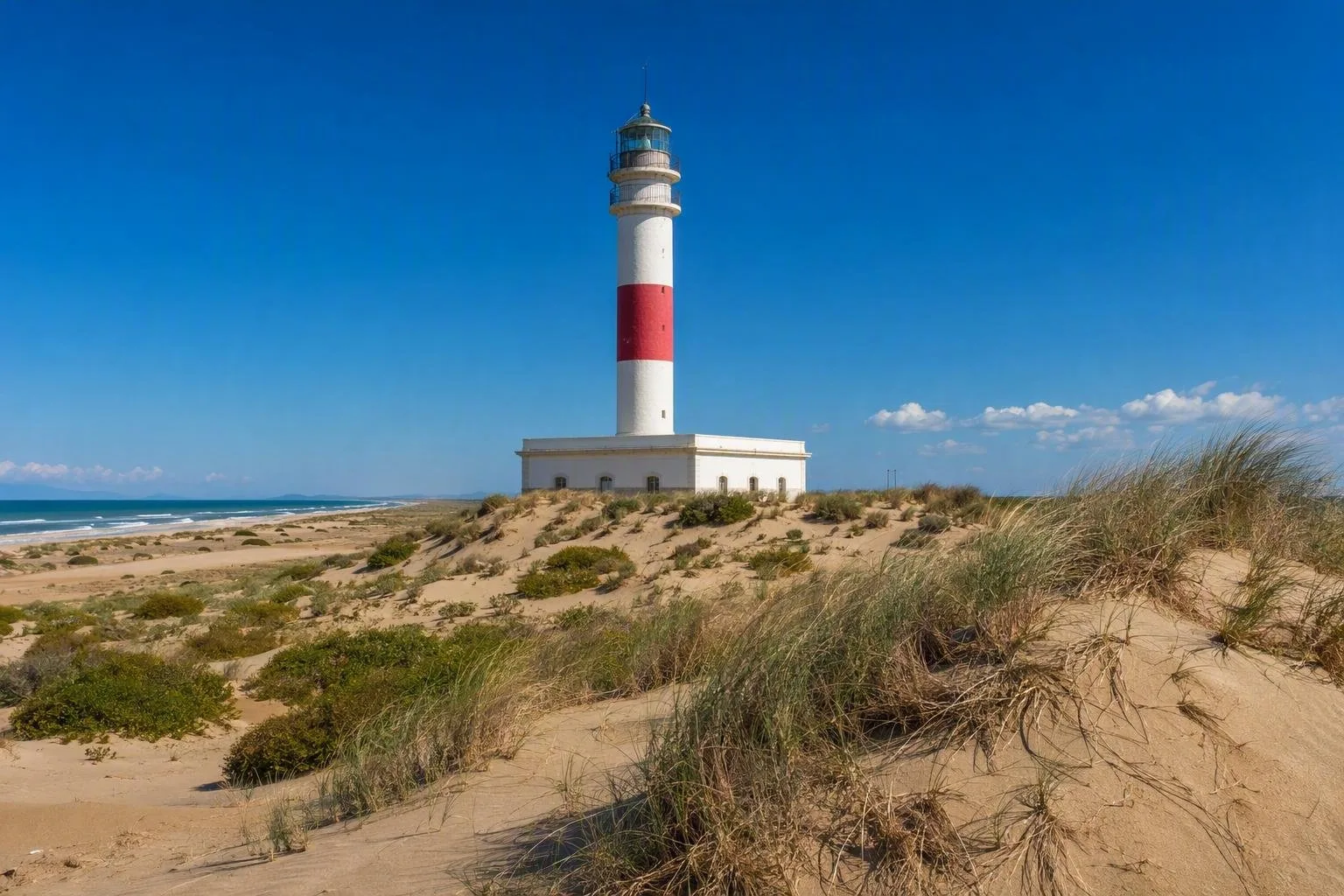
- Punta del Fangar: the northern sand spit, where shifting dunes lead towards Fangar Lighthouse. Motor vehicles do not enter the point; approach on foot from Platja de la Marquesa.
- Garxal and the river mouth: near Riumar, for channels, birdwatching lookouts and the point where the Ebro meets the Mediterranean.
- Punta de la Banya and Trabucador: the southern sand-bar landscape, with salt flats and wide views across the sea and Alfacs Bay.
Watch birds without disturbing them
More than 400 bird species have been recorded in the delta. Flamingos, herons, egrets, ducks, waders, gulls and terns use different habitats through the year. Bring binoculars and use designated hides and viewing towers rather than leaving paths or approaching lagoon edges.
Spring and autumn bring migration; winter concentrates many waterbirds. Summer is useful for breeding-season birdlife but can be hot and exposed. Early morning and late afternoon offer the best light and more active birds.
Get around
Deltebre is the practical central base. Roads from there reach Riumar and the river mouth to the east, Fangar and Bassa de les Olles to the north, and the southern lagoons and bays via the wider delta road network.
Cycling suits the terrain: it is level, and signed routes run between paddies, villages and lagoons. A car is still useful for linking distant sectors. The nearest rail access is at L’Aldea-Amposta-Tortosa; onward travel to the delta requires a bus, taxi or vehicle.
Access and local rhythm
The natural park is open year-round, while visitor-centre schedules vary. Casa de Fusta and the Ecomuseum in Deltebre give useful orientation before heading to the lagoons.
Important: Buda and Sant Antoni islands have restricted access because of their sensitive breeding habitats. Keep to marked routes, respect closures and do not enter signed protected zones. At the table, look for local delta rice in dishes such as arròs a banda or rice with eel or cuttlefish.
From the magazine
Stories about Ebro Delta
Editorial stories linked directly to Ebro Delta.
Routes from our editors
Travel through Ebro Delta
Editorial routes connecting Ebro Delta with other countries, cities and hotspots.
No routes through Ebro Delta have been published yet.
More in Spain
Related hotspots
Other cities, nature areas and places within Spain.
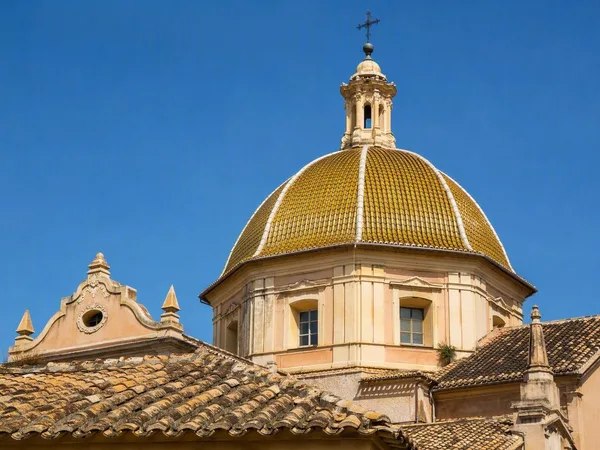
Manises: City of Ceramics
1 linked stories and routes
Valencia
1 linked stories and routes
Alpujarras
1 linked stories and routes
Teide
1 linked stories and routes
La Palma
1 linked stories and routes
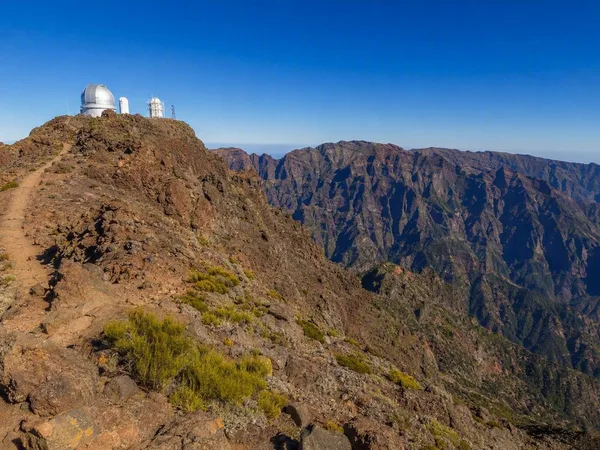
Roque de los Muchachos
1 linked stories and routes
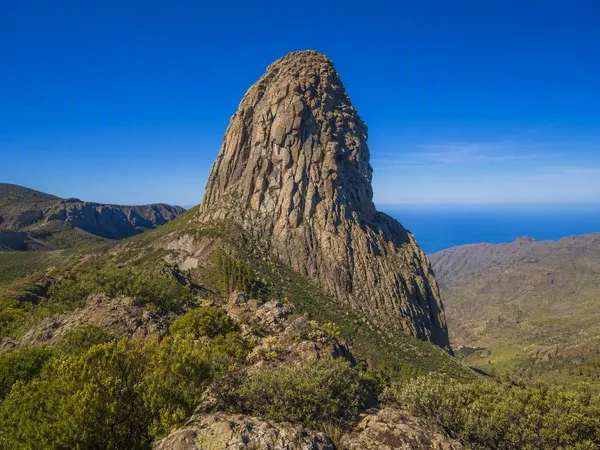
La Gomera
1 linked stories and routes
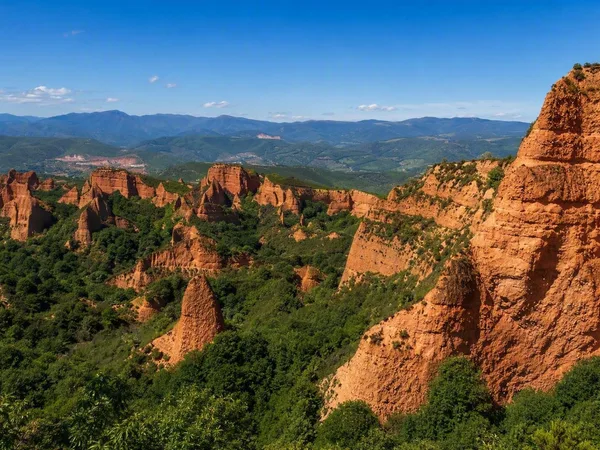
Las Médulas
1 linked stories and routes
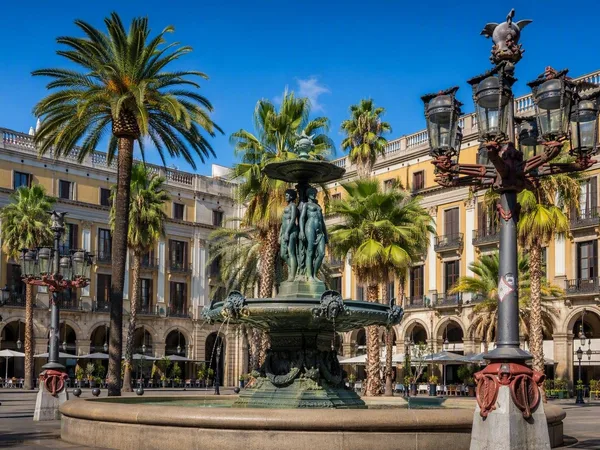
Plaça Reial
1 linked stories and routes
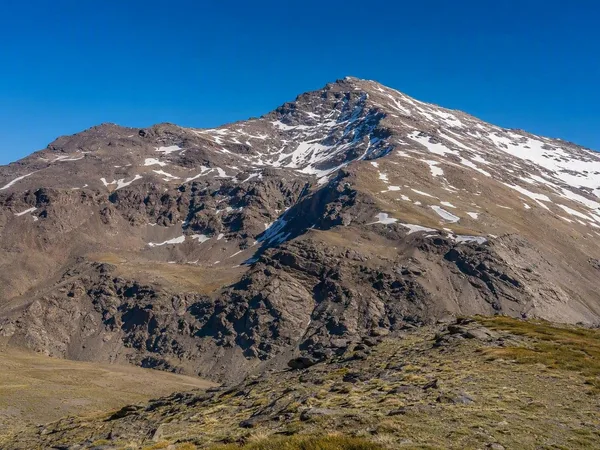
Sierra Nevada
0 linked stories and routes
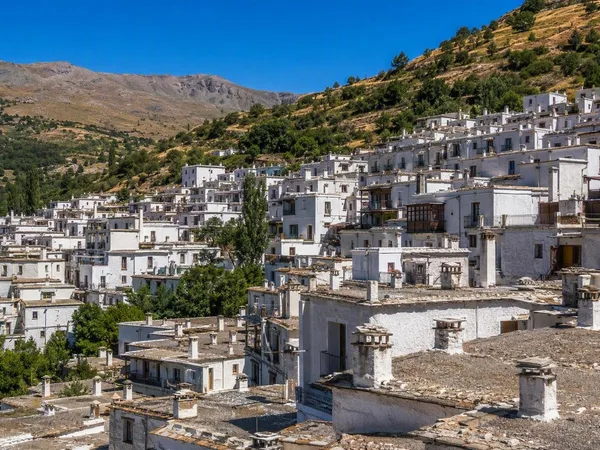
Trevélez
0 linked stories and routes
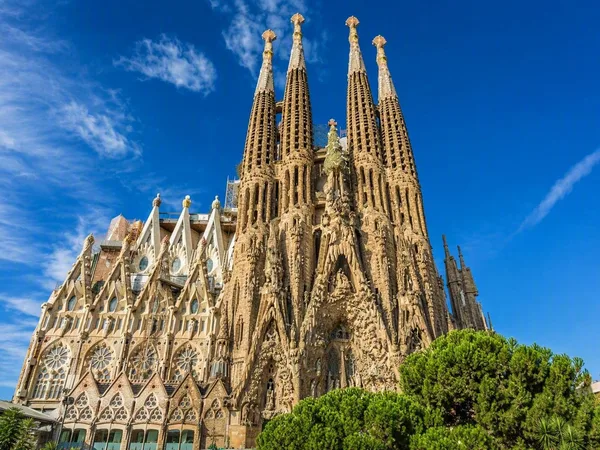
Barcelona
0 linked stories and routes