Eight deltas shaped by water and work
From Botswana’s inland floodplains to Argentina’s tidal islands, eight deltas show rivers at work in very different ways: feeding fields, carrying boats, building marshes and supporting communities at the water’s edge.
Okavango Delta, Botswana
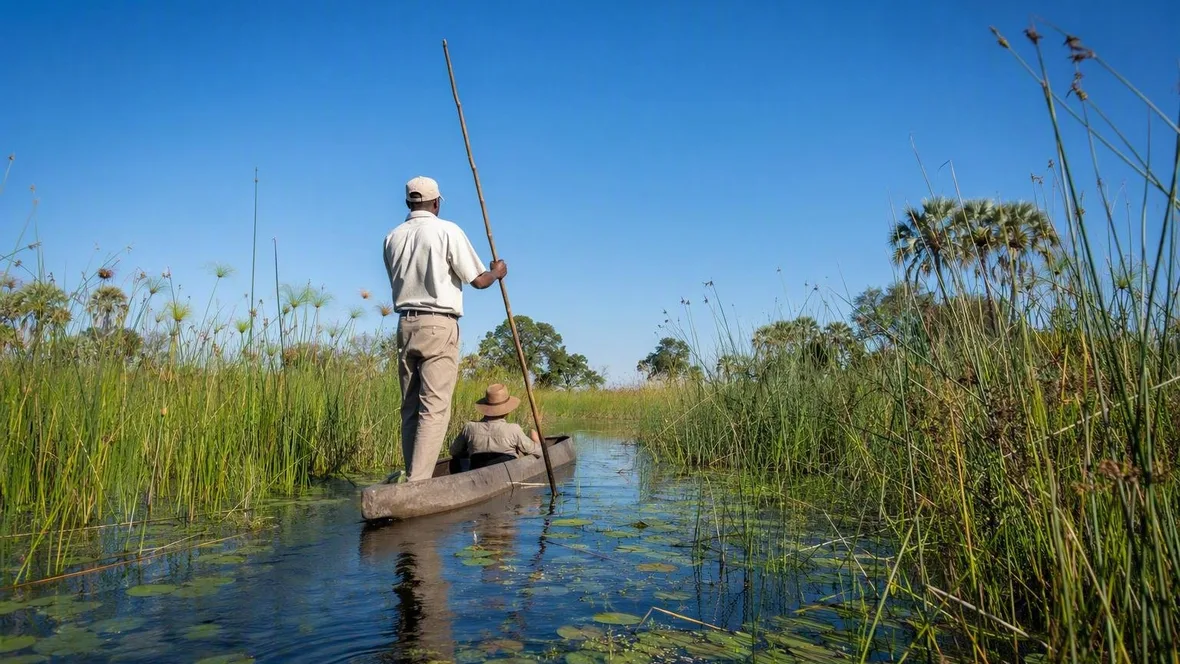
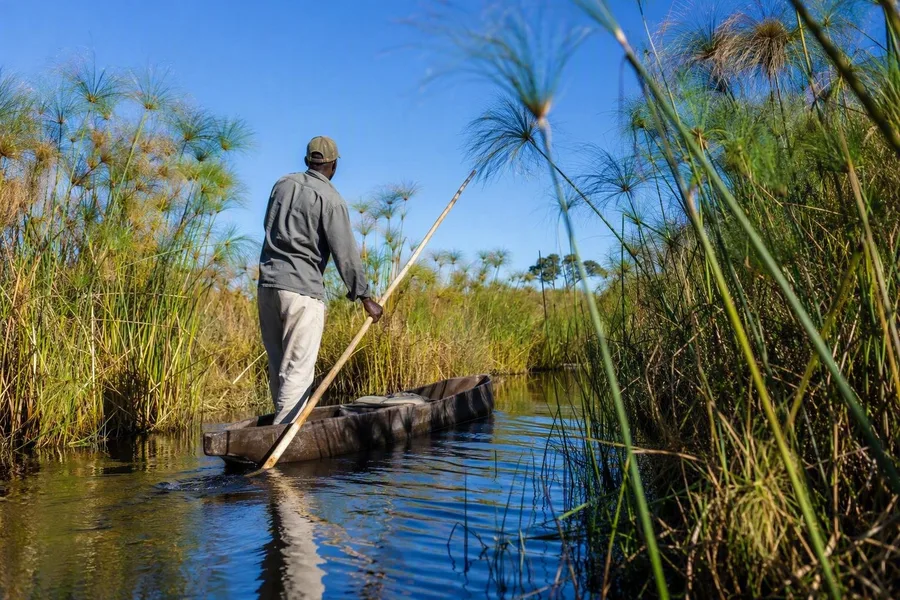 An Anikhwe fisher poles a mokoro through a papyrus-lined Okavango Delta channel.
The Okavango does not reach the sea. Its water spreads across an inland alluvial fan of channels, lagoons, islands and seasonally flooded grasslands, then disappears into Kalahari sand. The annual flood arrives during Botswana’s dry winter, bringing wet grassland into a dry landscape and drawing elephants, buffalo, zebra and red lechwe to the water’s edge. A mokoro, the narrow pole-propelled canoe, gives the clearest view of the papyrus-lined channels. ‖Anikhwe fishers and trackers use these boats with knowledge of plants, animals and songs passed between generations.
Nile Delta, Egypt
North of Cairo, the Nile slows across a low sediment plain and reaches the Mediterranean through the Rosetta and Damietta branches. This is chiefly a worked landscape: irrigation channels, compact villages and fields of winter wheat and clover give way to summer rice, maize and cotton. Reeds and cattails line four shallow brackish coastal lakes, where white storks, cranes and great white pelicans rest during migration. Pigeon towers and saqia waterwheels remain visible around farms, while lagoon fisheries continue beside the fields. A felucca on Lake Burullus passes fishing settlements, water buffalo and working boats.
Danube Delta, Romania
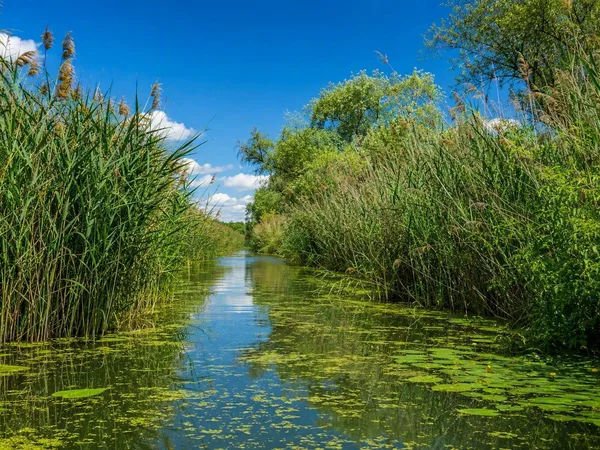
At the Black Sea, the Danube divides into the Chilia, Sulina and Sfântu-Gheorghe branches, then runs through a maze of lakes, narrow channels and reed marshes. Europe’s largest continuous wetland supports more than 300 bird species and 45 freshwater fish species. Kayaks slip into narrow reed channels that larger boats cannot use; local boat trips provide the easier alternative. In Mila 23, Letea and Sarichioi, Lipovan houses and fish cooking show the human side of a delta where water routes matter more than roads. Pelicans nest in spring, while ducks and geese gather among the gold reeds in autumn.
Ebro Delta, Spain
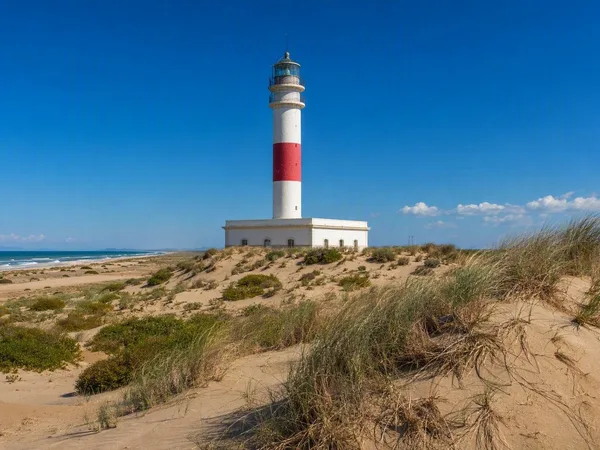
The Ebro reaches the Mediterranean across an almost level patchwork of river channels, lagoons, salt marshes, dunes, beaches and rice fields. Rice gives the delta its seasonal face: brown fields in winter, flooded plots in spring and green growth through summer. Hand planting in May and June and harvest celebrations in September keep the crop’s calendar visible beyond the fields. Delta rice appears with eel, mantis shrimp or cuttlefish on local tables. Cycling works well on the flat paths between fields and lagoons, with viewpoints for flamingos and other waterbirds.
Po Delta, Italy
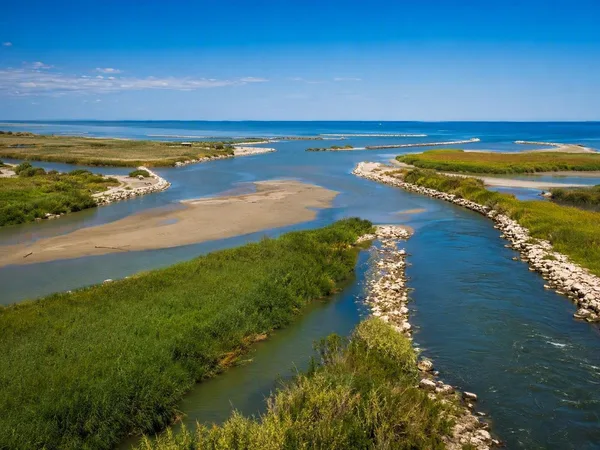
The Po meets the Adriatic through river branches, brackish lagoons, reed beds, dunes, pine woods and reclaimed farmland. In the shallow Comacchio valleys, shellfish farming and eel fishing remain part of daily work. Low casoni, first made from reed and straw and later from brick, recall the lives of people who worked the lagoons. Fixed lavoriero traps at channel mouths catch migrating eel and explain the local dishes of grilled eel or eel marinated with bay leaves. A day on a bicycle and a boat links the flat banks with the Comacchio lagoons, where flamingos and cormorants stand among the reeds.
Mekong Delta, Vietnam
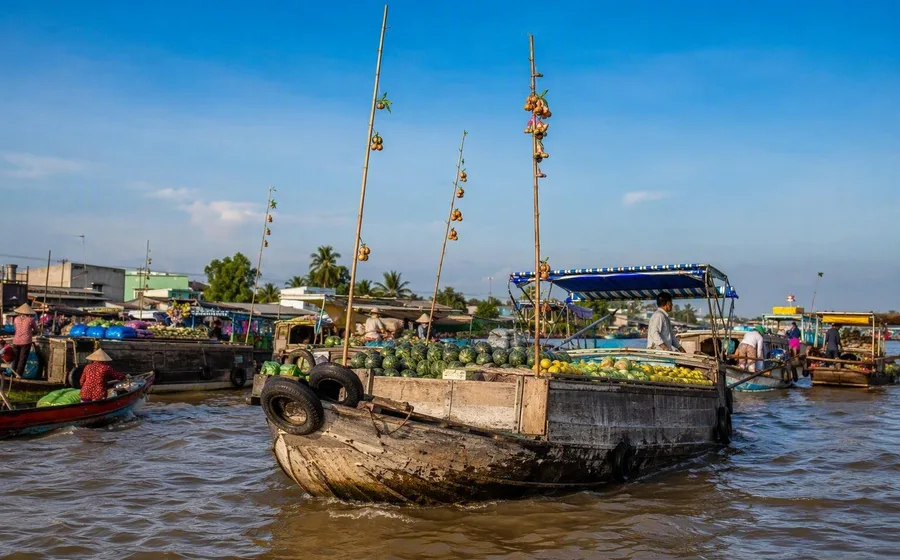
The Mekong spreads through a tropical sediment plain of rice fields, orchards, coconut groves, wetlands and coastal mangroves. Water carries people and goods as well as river flow. At Cái Răng near Cần Thơ, traders hang samples of fruit and vegetables from tall bamboo poles so buyers can identify each boat above the engines. Smaller boats sell hủ tiếu, filtered coffee and cut fruit between the cargo craft. A sampan through the canals shows how homes, workshops and orchards line the water, while a bicycle follows the narrow lanes between them. From September to November, rising water turns parts of An Giang and Dong Thap into a temporary water landscape.
Mississippi Delta, United States
Louisiana’s delta runs from cypress swamp through fresh, brackish and salt marsh to barrier islands and the Gulf of Mexico. Tides and salinity determine which marsh plants grow where, and the estuaries shelter young fish and shellfish. Levees, canals and navigation channels now send much of the river’s water and sediment directly into the Gulf, leaving less sediment to rebuild the marshes. In Plaquemines Parish, oyster boats, citrus groves and wetland channels sit alongside fishing communities whose cooking draws on shrimp, crab, fish and oysters. A boat is the practical way to reach mudflats, wading birds and the meeting of fresh and salt water beyond the road.
Paraná Delta, Argentina
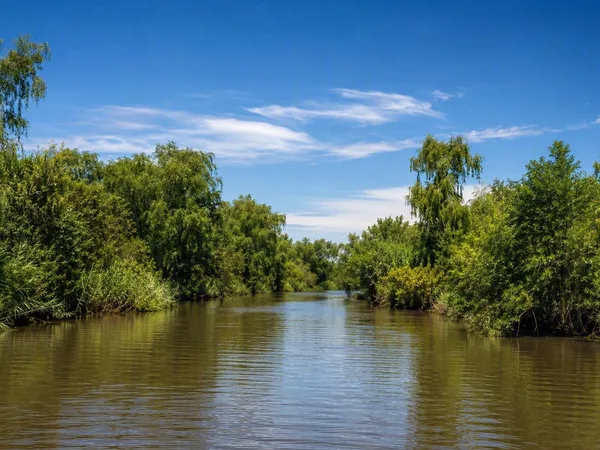
The lower Paraná forms a rare freshwater tidal delta, where river flow, Río de la Plata tides and sediment create shifting islands, creeks, lagoons and sandbanks. Ceibo trees, river alders, grasses and reed marshes grow beside water used by capybaras and river otters. Around Tigre, island life depends on small jetties, boats and work at home; fruit growing, willow and poplar forestry, craft production and tourism have all supported residents. The public lancha from Tigre is both transport and the best introduction to that routine. It pulls alongside a small jetty, and an inhabited island begins at the water’s edge.
Practical notes
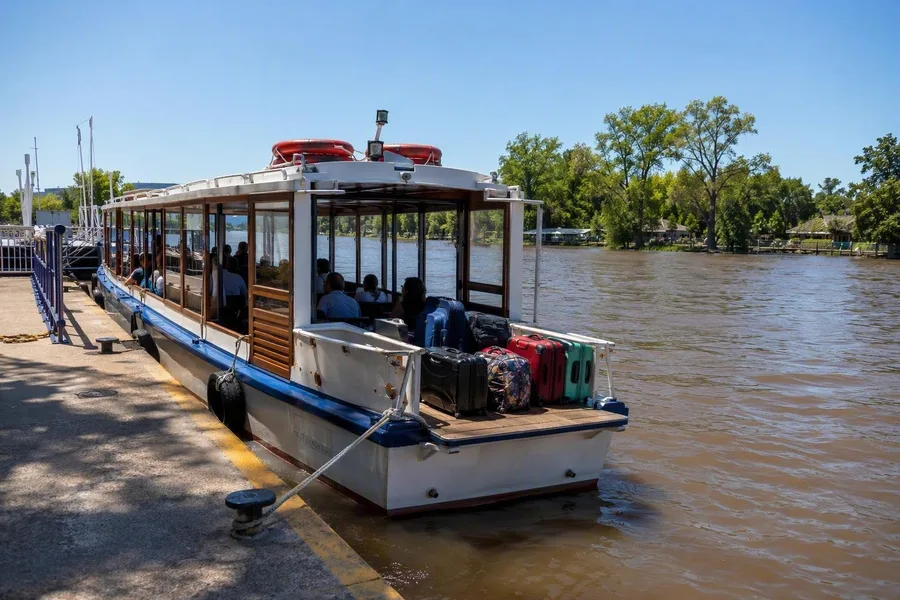 A public lancha waits at Terminal Fluvial in Tigre for the Paraná Delta islands.
Use Maun for the Okavango, where camps and local operators arrange mokoro trips, boat outings and game drives. Alexandria is a base for pre-booked Rosetta visits; Tulcea is the Danube Delta gateway, where visitors need a permit and can book authorised boats. Deltebre or Riumar suit the Ebro, Comacchio or Stazione Foce the Po, and Cần Thơ early trips to Cái Răng. For Louisiana’s outer delta, reserve a small boat from Empire; weather and tides shape the route. For the Paraná, use Tigre’s Terminal Fluvial for public launches and island excursions.
Keep exploring
Places in this story
Europe
10 landen en gebieden

Asia
North America
Danube Delta
Ebro Delta
Po Delta
Mekong Delta
The Mekong Delta is southern Vietnam’s vast, low-lying river plain, where the Mekong divides into waterways, canals and distributaries before reaching the sea. Rice fields, orchards, river towns and floating markets make water the region’s practical backbone.