
Nature area · Italy
Po Delta
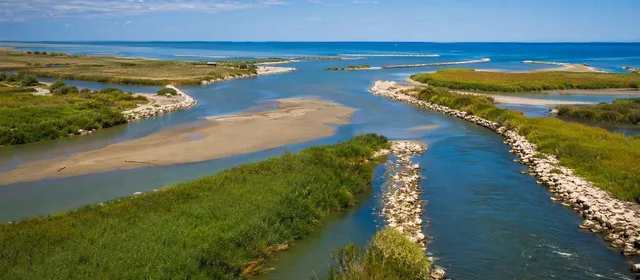
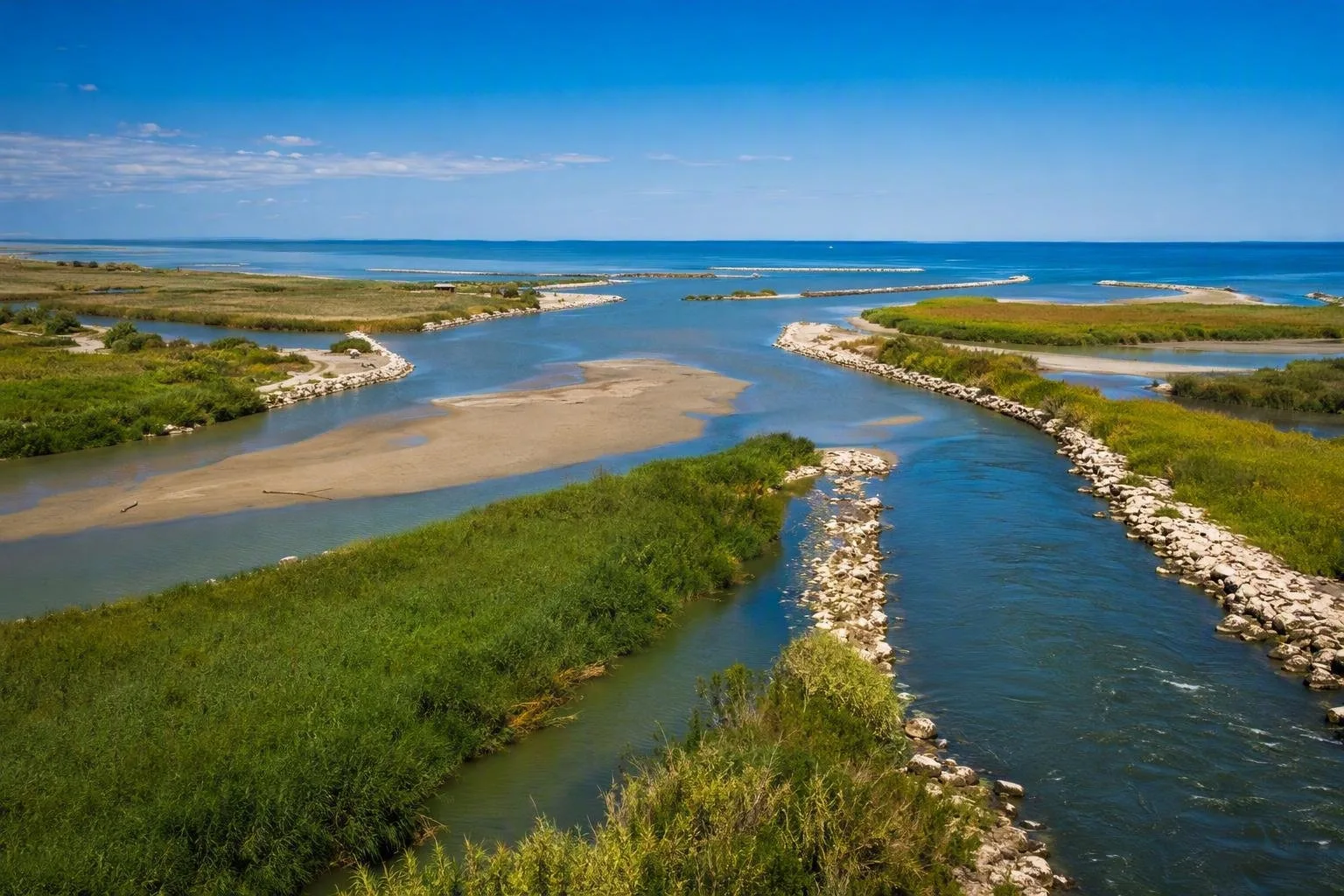
The Po Delta is the low-lying wetland landscape where Italy’s longest river reaches the Adriatic, across Veneto and Emilia-Romagna. River branches, fishing lagoons, reed beds, dunes and reclaimed farmland make it a destination best explored slowly.
Orientation
The Po Delta spreads across the northern Adriatic coast between the Adige River in the north and the Po di Goro in the south. It is not a single compact park or town, but a working delta of waterways, lagoons, coastal woodland, fishing valleys and cultivated land. The landscape has been formed by river sediment, sea and wind, then extensively reshaped by drainage, embankments and water control.
Use a specific sector as your base rather than trying to cross the whole delta in a day. Porto Tolle and Porto Viro work well for the active river branches in Veneto; Comacchio is the practical southern base for its lagoons, canals and food heritage.
Read the landscape
The delta is flat and open. Its defining features are the river’s distributaries, brackish valli—managed fishing lagoons—canals, reed beds, coastal pine woods, dunes and sandbars. Water is not background scenery here: it dictates routes, settlement and access.
The Po di Pila is the principal branch near Porto Tolle and reaches the sea through three outlets. Further south, the Po di Goro skirts the Sacca di Goro, a coastal lagoon associated with shellfish farming. These are working waters, not just viewpoints.
By boat, bike and on foot
A boat trip is the most direct way to understand the delta’s scale: it puts river channels, reed beds and fishing structures in the same frame. In the Comacchio Lagoons, boat departures from Stazione di Pesca Foce reach traditional fishing huts and stations.
Cycling suits the terrain. Embankment roads and paths run for long, level stretches between water and fields; some itineraries include ordinary roads with traffic. A trekking or hybrid bike is a sensible choice where surfaces alternate between asphalt and unpaved track.
Birds and wetland watching
Bring binoculars. The mix of freshwater, brackish lagoons, salt pans and reeds supports resident, nesting, wintering and migrating waterbirds. Herons, ducks, terns, cormorants and flamingos are among the birds associated with the delta.
The Comacchio salt pans are a key flamingo area, but access is controlled: visit them only by the permitted guided arrangements. Keep to embankments, hides and marked routes; leaving them disturbs birds and can take you into restricted water-management land.
Fishing culture and food
Fishing and land reclamation are part of the scenery, not museum backdrop. Low casoni and fixed lavorieri fish traps record the long management of lagoon waters and migrating fish, especially eel.
In Comacchio, the Manifattura dei Marinati preserves the local practice of processing and marinating eel and lagoon fish. Look for eel prepared grilled or marinated with bay leaf, and for seafood from the northern lagoons. This is a place to connect a meal with the waterways that supplied it.
From the magazine
Stories about Po Delta
Editorial stories linked directly to Po Delta.
Routes from our editors
Travel through Po Delta
Editorial routes connecting Po Delta with other countries, cities and hotspots.
No routes through Po Delta have been published yet.
More in Italy
Related hotspots
Other cities, nature areas and places within Italy.
Tirano
2 linked stories and routes
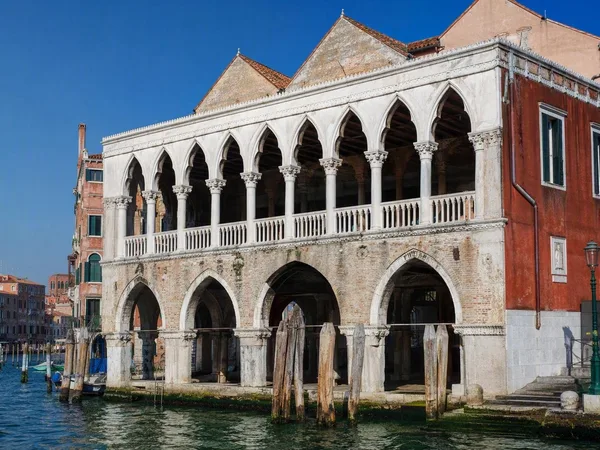
Venice
2 linked stories and routes
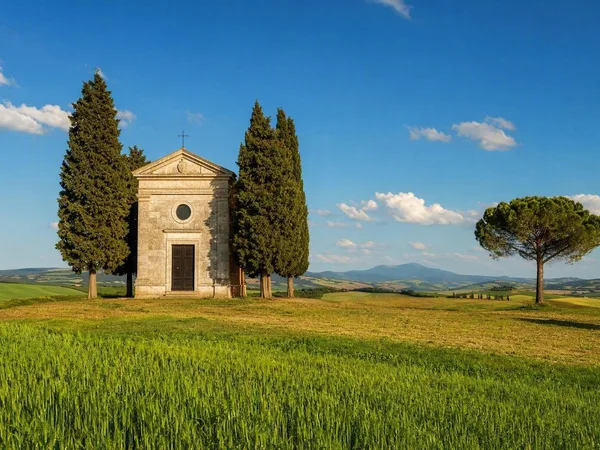
Val d’Orcia
1 linked stories and routes
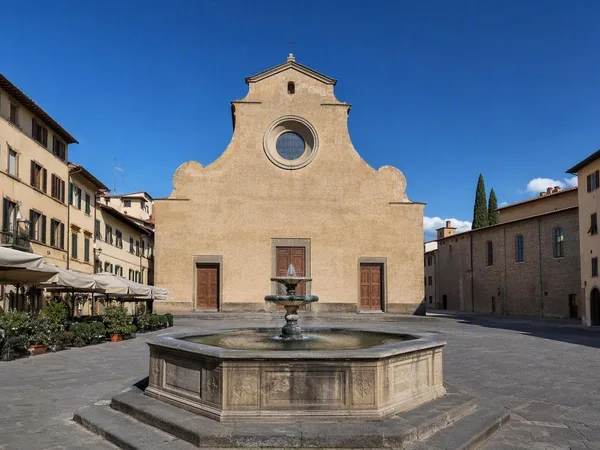
Piazza Santo Spirito
1 linked stories and routes
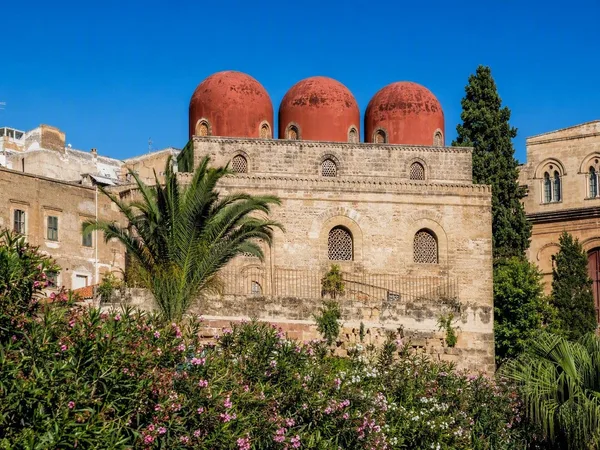
Piazza Bellini, Palermo
1 linked stories and routes
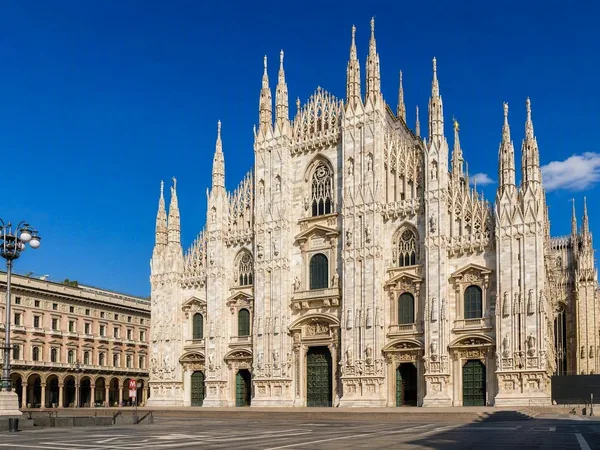
Milan
1 linked stories and routes
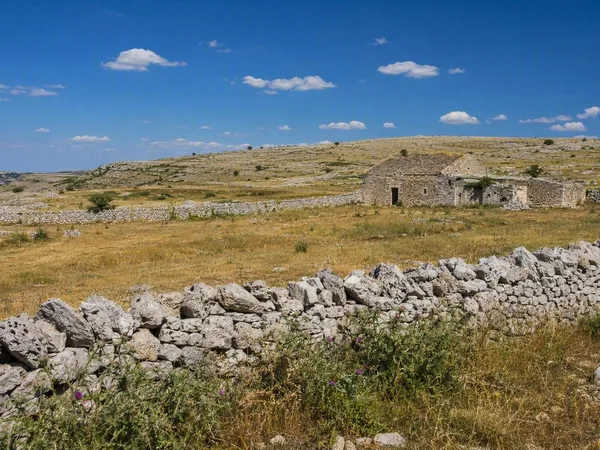
Murgia
1 linked stories and routes
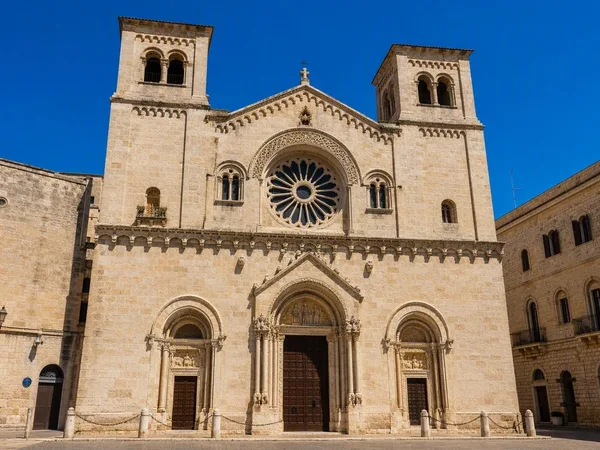
Altamura
1 linked stories and routes
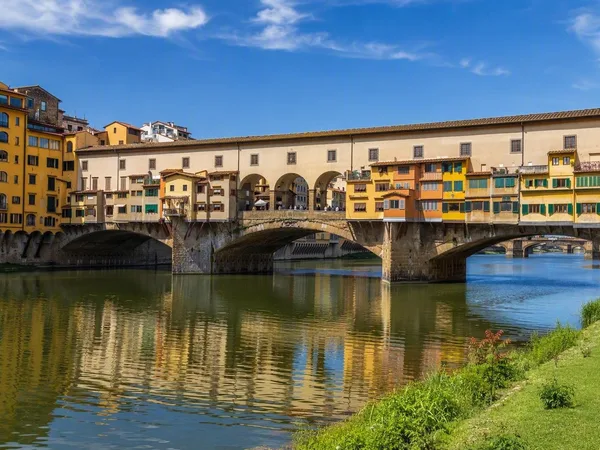
Ponte Vecchio
1 linked stories and routes
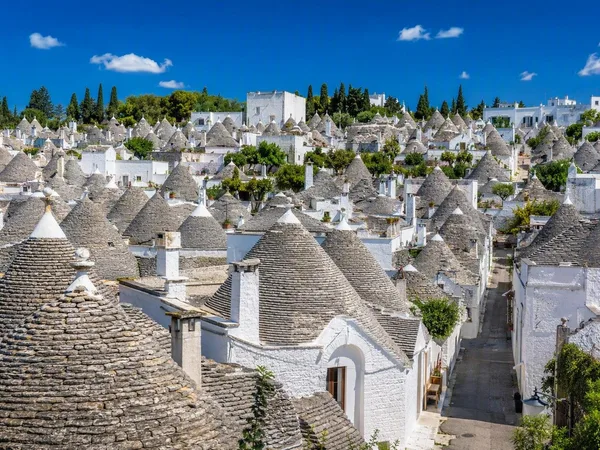
Alberobello
1 linked stories and routes
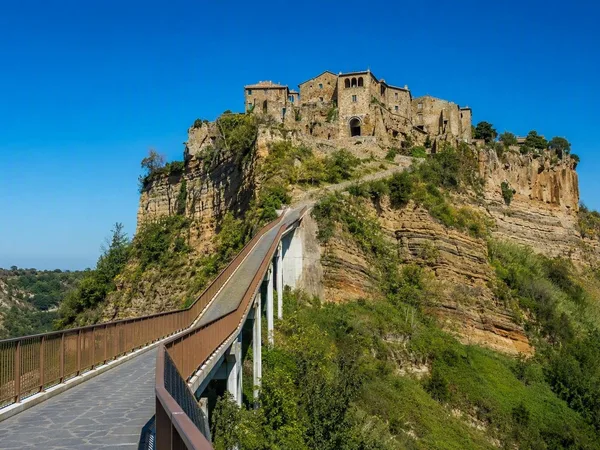
Civita di Bagnoregio
1 linked stories and routes
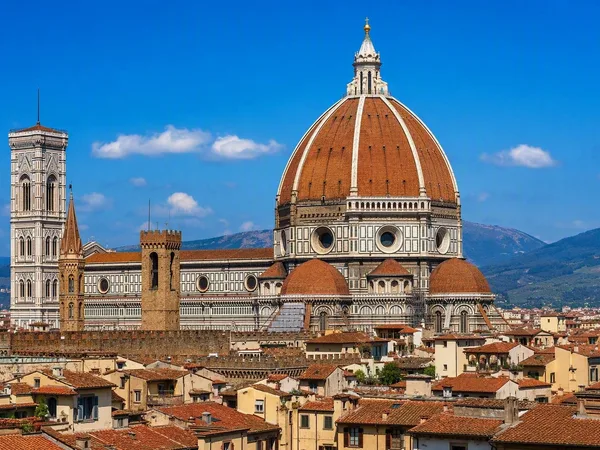
Florence
0 linked stories and routes
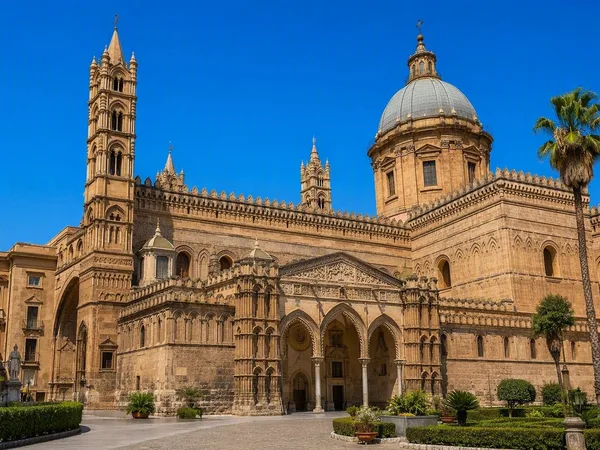
Palermo
0 linked stories and routes