
Region · Italy
Sicily
Sicily is Italy’s autonomous island region in the central Mediterranean, separated from Calabria by the Strait of Messina. Its routes connect Greek archaeology, Arab-Norman cities, Baroque towns, volcanic landscapes and working coastlines.
Get oriented
Sicily is Italy’s largest region and the Mediterranean’s largest island. Palermo anchors the northwest; Catania and Mount Etna dominate the east; Syracuse and the Val di Noto occupy the southeast; Agrigento faces the south coast; Trapani and Marsala sit in the west. The region also includes the Aeolian, Aegadian and Pelagian island groups, plus Pantelleria and Ustica.
Do not treat it as a compact city-break island. Mountains and hills cover much of the main island, and the interior moves at a different pace from the coastal cities. Split a first trip into east or west rather than trying to cross the whole region every day.
The essential landscapes
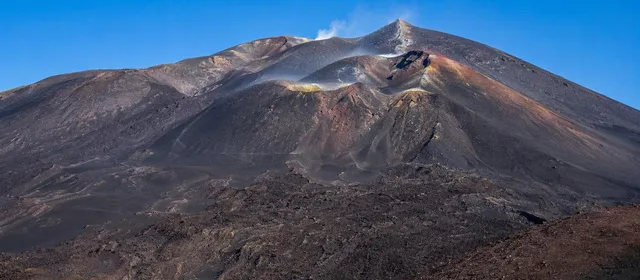
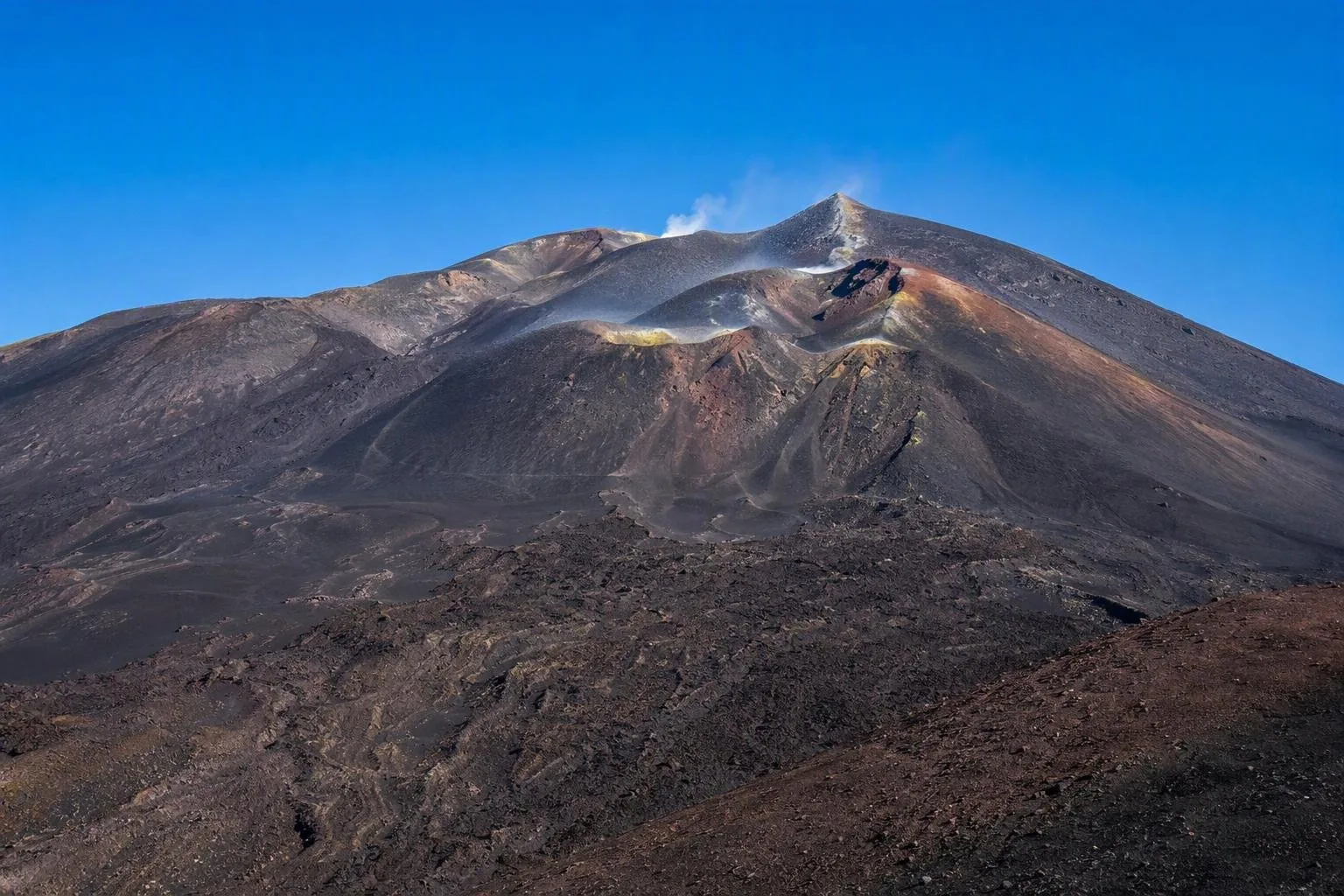
Etna is the defining physical landmark: an active stratovolcano above the eastern coast, with craters, lava flows and the Valle del Bove. Its height and access conditions change with volcanic activity. Summit access can be restricted for safety; use the authorised routes and services operating on the day.
For a sharper contrast, head north to the volcanic Aeolian Islands; south to the lower, often sandy coast around Agrigento and Ragusa; or inland to the high country around Enna and Piazza Armerina. The north coast is more mountainous, with the Madonie and Nebrodi ranges behind the Tyrrhenian shore.
Build a route around real places
The island’s major heritage stops are spread widely, so group them geographically.
- Palermo, Monreale and Cefalù: Arab-Norman architecture, cathedrals and mosaics on the north coast.
- Agrigento: the archaeological area known as the Valley of the Temples.
- Syracuse and Pantalica: Greek and prehistoric archaeology in the southeast.
- Val di Noto: late-Baroque towns including Noto, Ragusa, Modica and Scicli.
- Piazza Armerina: Villa Romana del Casale and its Roman mosaics.
- Etna and the Aeolian Islands: two distinct volcanic landscapes.
Allow a base or an overnight stop for each cluster. Palermo and Catania work as urban gateways, but neither is a practical base for every corner of Sicily.
Arrivals, transport and food
The main air gateways are Palermo and Catania; Trapani and Comiso provide additional options. Messina is the principal mainland ferry crossing, while ports such as Milazzo and Trapani serve the offshore islands. Regional trains link the principal cities, especially along coastal corridors. A car gives far more reach for the interior, archaeological parks and small Baroque towns; factor in slow mountain roads and restricted-traffic zones in historic centres.
Sicilian cooking belongs to the route, not a separate attraction. Look for arancini/arancine, pasta with sardines, capers from Pantelleria, Marsala wine, granita, cannoli and ricotta-based pastries. Ricotta and filled dough also place Sicily in the same southern Italian baking world that helped shape Malta’s pastizz tradition.
Timing
Spring and early autumn suit archaeology, cities and walking better than peak summer heat. Summer is best reserved for coastal stays and island crossings, with early starts for exposed sites. Winter is milder on the coast, while Etna and the higher mountain areas can be cold and snowy.
From the magazine
Stories about Sicily
Editorial stories linked directly to Sicily.
No stories about Sicily have been published yet.
Routes from our editors
Travel through Sicily
Editorial routes connecting Sicily with other countries, cities and hotspots.
No routes through Sicily have been published yet.
More in Italy
Related hotspots
Other cities, nature areas and places within Italy.
Venice
4 linked stories and routes
Rome
3 linked stories and routes
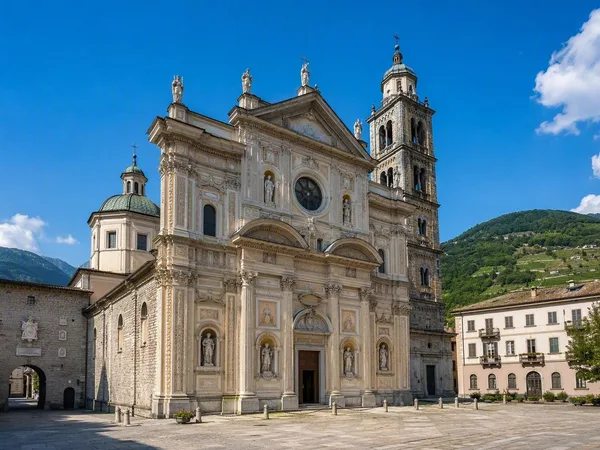
Tirano
2 linked stories and routes
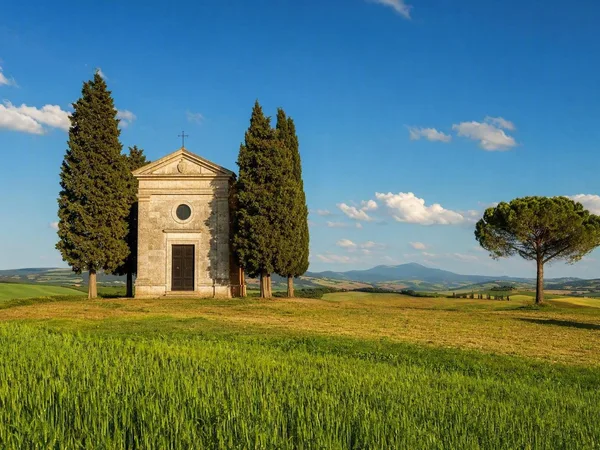
Val d’Orcia
1 linked stories and routes
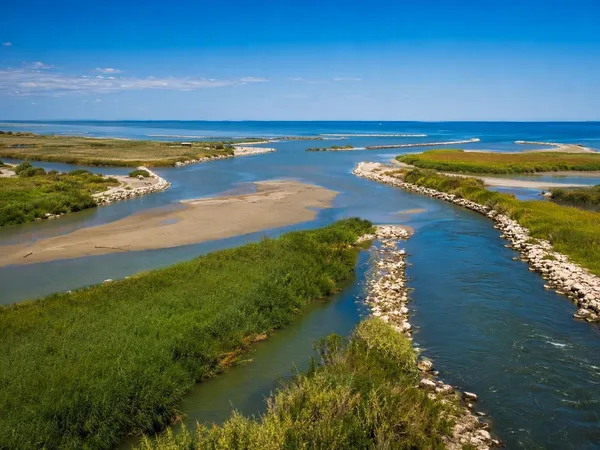
Po Delta
1 linked stories and routes
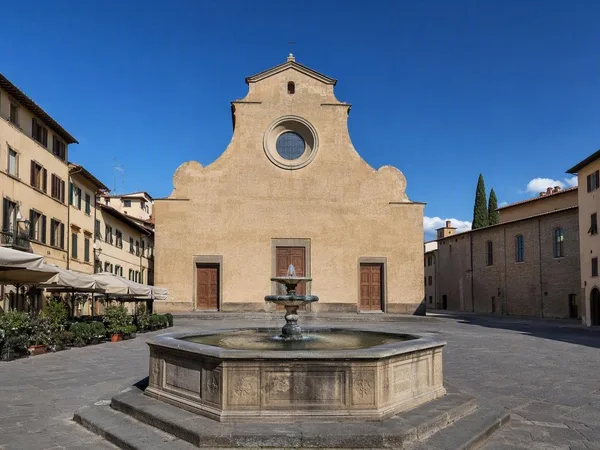
Piazza Santo Spirito
1 linked stories and routes
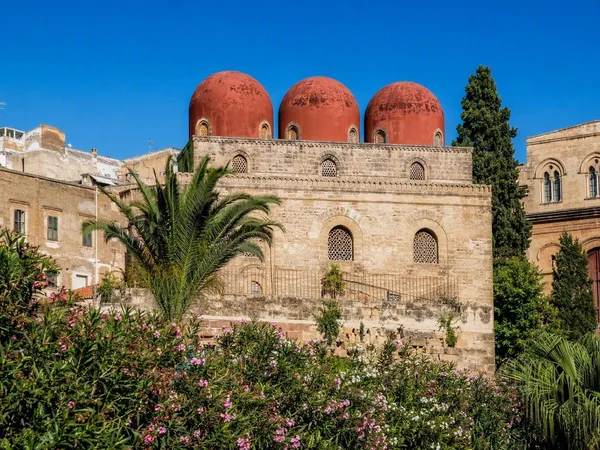
Piazza Bellini, Palermo
1 linked stories and routes
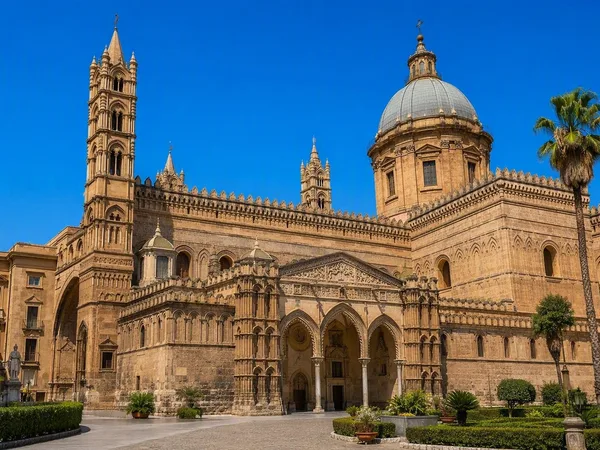
Palermo
1 linked stories and routes
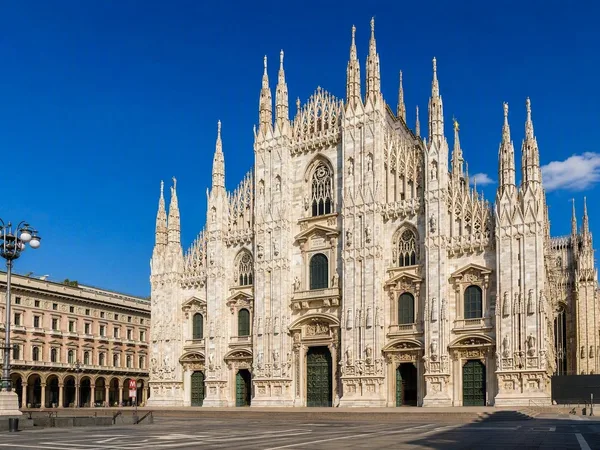
Milan
1 linked stories and routes
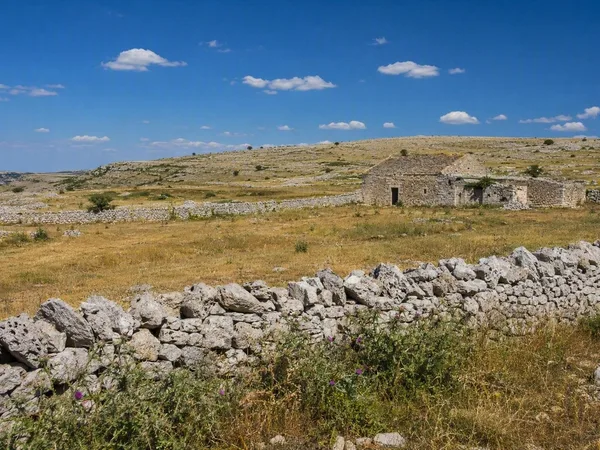
Murgia
1 linked stories and routes
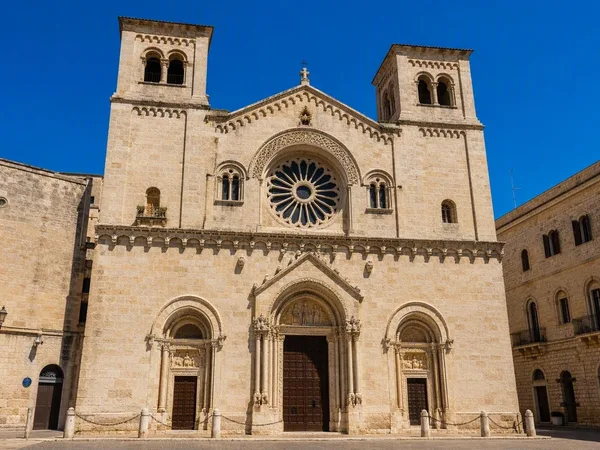
Altamura
1 linked stories and routes
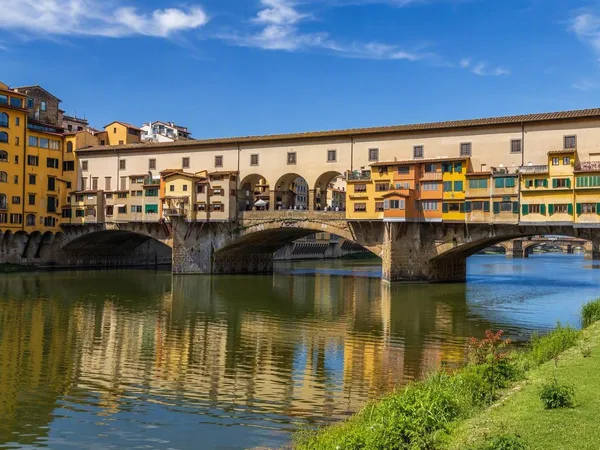
Ponte Vecchio
1 linked stories and routes
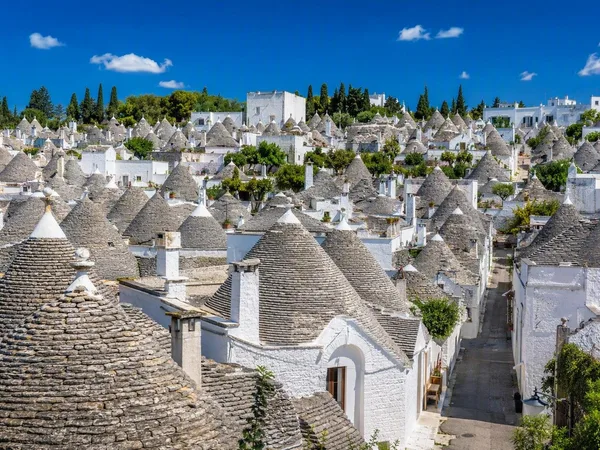
Alberobello
1 linked stories and routes
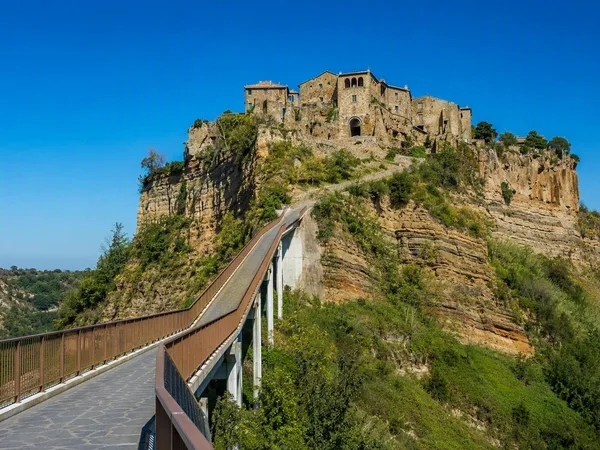
Civita di Bagnoregio
1 linked stories and routes
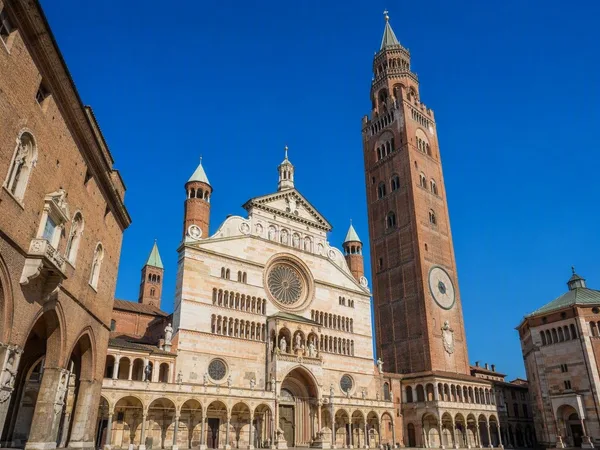
Cremona
1 linked stories and routes
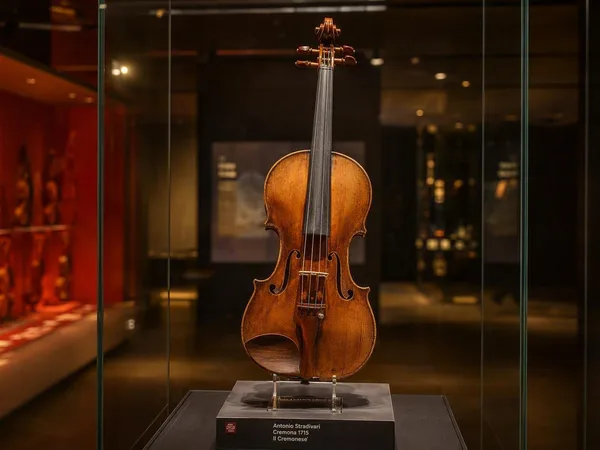
Museo del Violino
1 linked stories and routes
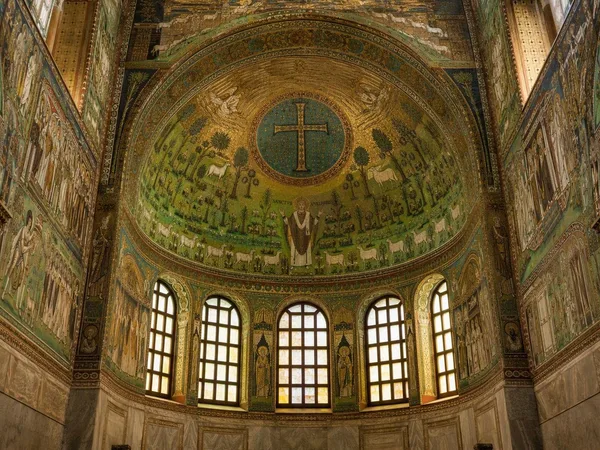
Romagna
1 linked stories and routes
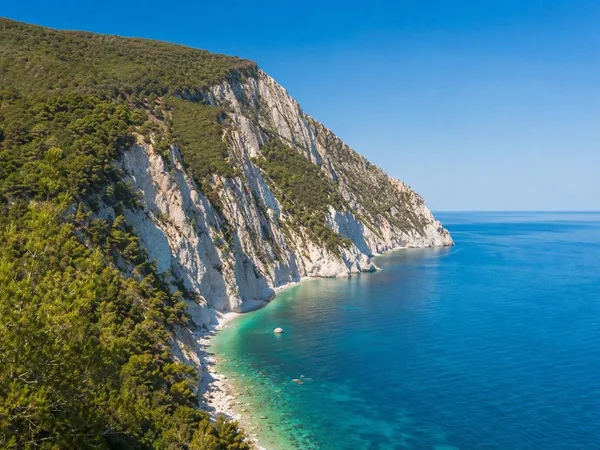
Marche
1 linked stories and routes
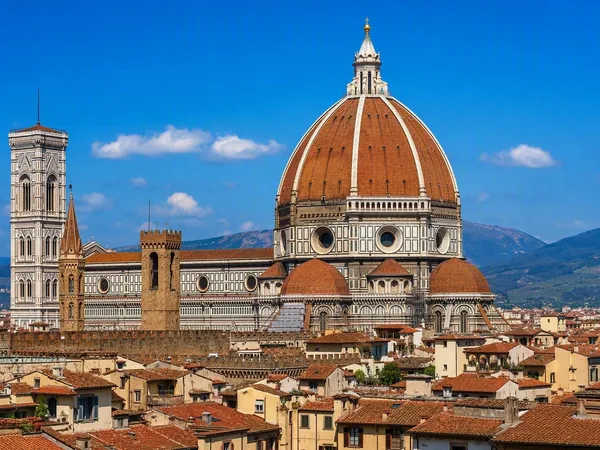
Florence
0 linked stories and routes