
Region · Italy
Marche
Marche is central Italy’s Adriatic region, running from beaches and ports through cultivated hills to the Apennines. Its five provinces combine Renaissance cities, cave country, mountain walking and a long coastline.
Get oriented
Marche faces the Adriatic Sea in central Italy. Ancona is the regional capital and the most practical central base; the region extends north to south between the coast and the Apennines. The landscape changes quickly: beaches and ports on the east, vine-covered hills and walled towns in the middle, and higher ground inland.
The region is divided into the provinces of Ancona, Ascoli Piceno, Fermo, Macerata, and Pesaro e Urbino. Treat it as several compact trips rather than one place to rush through. Coastal rail links make the seafront towns straightforward; a car is far more useful for hill towns, gorges and mountain areas.
Choose a side of Marche
The north centres on Urbino, whose historic centre is a UNESCO World Heritage site. Its Palazzo Ducale contains the Galleria Nazionale delle Marche, while Raphael’s birthplace is nearby. Pair it with the Renaissance city rather than trying to combine it with the far south in a day.
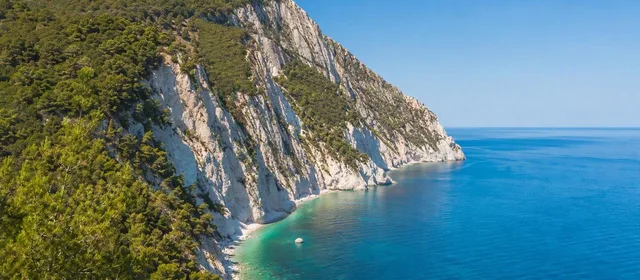
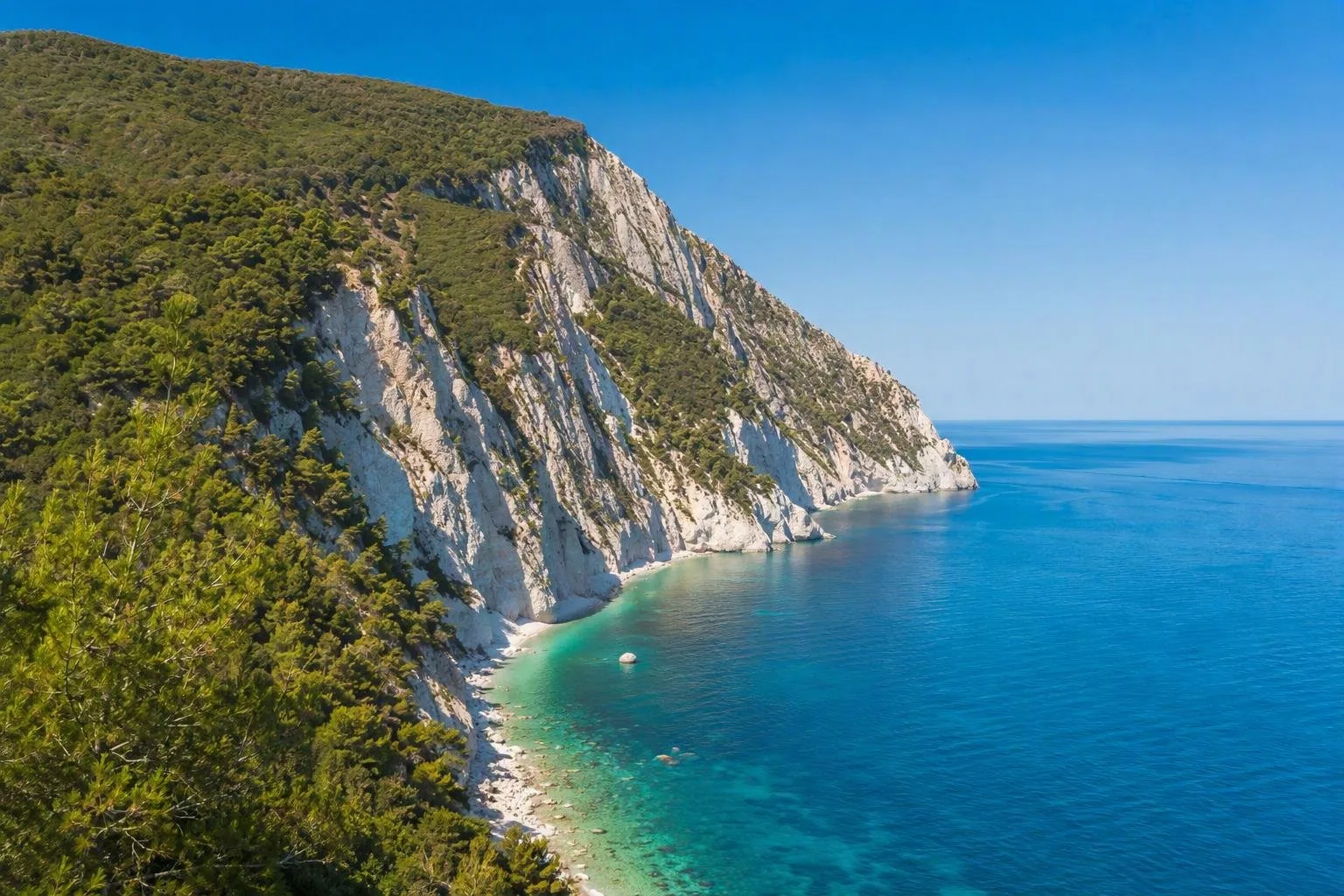
The centre gives you Ancona, the Conero coast, Jesi, Loreto and the Frasassi Caves near Genga. Monte Conero is the region’s defining coastal headland: limestone cliffs, wooded slopes and pebble coves replace the long, flatter beaches elsewhere.
The south shifts toward Macerata, Fermo and Ascoli Piceno. Ascoli’s centre is built largely in pale travertine; its Piazza del Popolo, Palazzo dei Capitani and arcades deserve unhurried time. For the mountains, head to the Sibillini range, where Monte Vettore reaches 2,476 metres.
Coast, caves and high ground
For a coastal day, use Portonovo, Sirolo or Numana on the Conero Riviera. These are not interchangeable: beach surfaces, facilities and access differ sharply. Portonovo combines white pebbles with the Napoleonic Fort and the Clementine Tower; Sirolo sits above the cliffs.
Inland, the Frasassi Caves provide a distinct change of scale: a developed underground route through large karst chambers. Around Genga, add the Temple of Valadier in its vast cave entrance if you want a second stop nearby.
For walking, the Sibillini are proper mountain country, not an extension of the coast. Choose routes to match conditions, elevation and daylight.
Food and wine
The cooking follows the geography. Look for Adriatic fish by the coast; inland menus lean toward cured meats, cheese, pasta, truffles and olive oil. Useful regional orders include vincisgrassi, a rich baked pasta; olive all’ascolana, meat-stuffed fried olives; and maccheroncini di Campofilone.
Wine is equally local. Order Verdicchio around Jesi or Matelica, Rosso Conero near Monte Conero, and Pecorino or Offida wines in the south.
Access and trail rules
The coastal railway is the simplest public-transport spine; inland connections are slower and less direct. Base yourself near a rail stop for coast-and-city travel, then hire a car for rural days.
Important: Conero trail access changes. The route toward Due Sorelle is currently closed beyond Passo del Lupo and does not permit access down to the beach. Use official park signage and stay on open, marked paths.
From the magazine
Stories about Marche
Editorial stories linked directly to Marche.
No stories about Marche have been published yet.
Routes from our editors
Travel through Marche
Editorial routes connecting Marche with other countries, cities and hotspots.
No routes through Marche have been published yet.
More in Italy
Related hotspots
Other cities, nature areas and places within Italy.
Venice
4 linked stories and routes
Rome
3 linked stories and routes
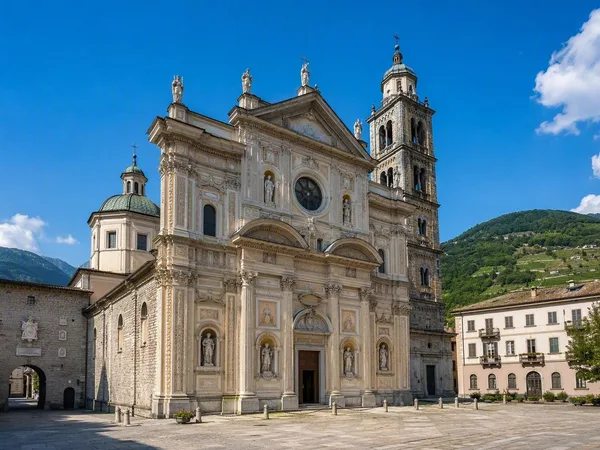
Tirano
2 linked stories and routes
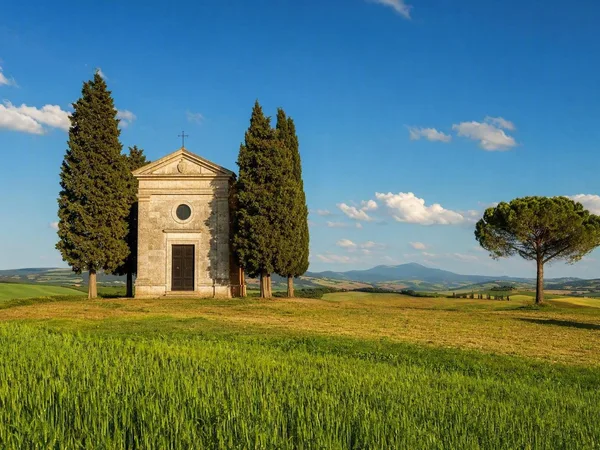
Val d’Orcia
1 linked stories and routes
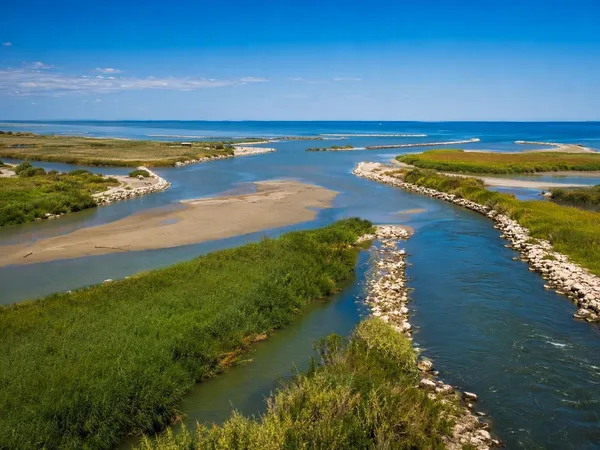
Po Delta
1 linked stories and routes
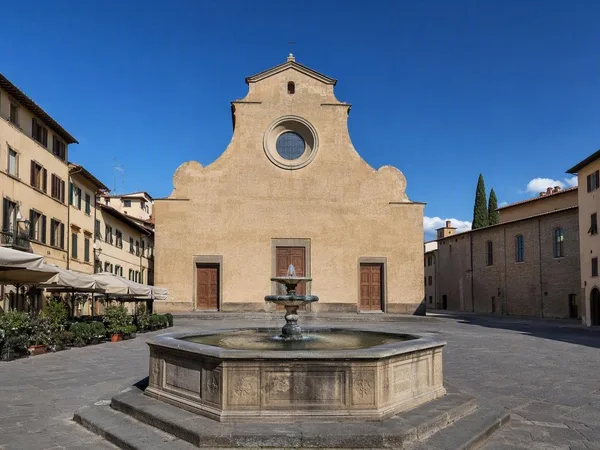
Piazza Santo Spirito
1 linked stories and routes
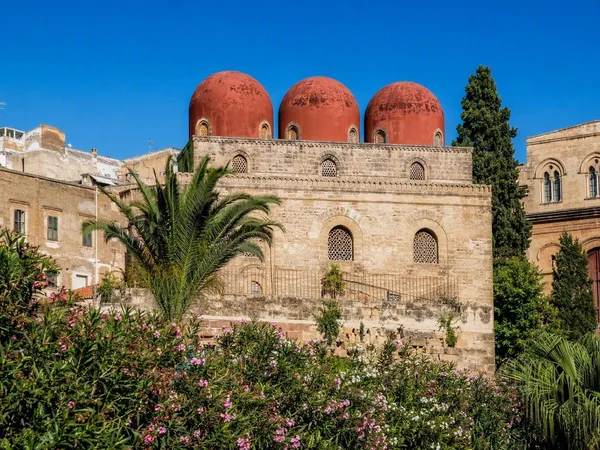
Piazza Bellini, Palermo
1 linked stories and routes
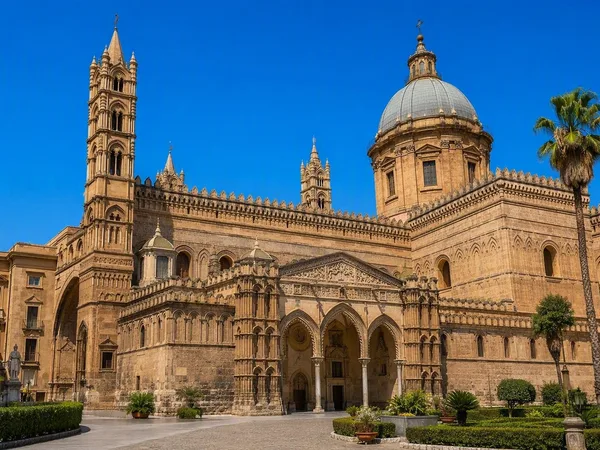
Palermo
1 linked stories and routes
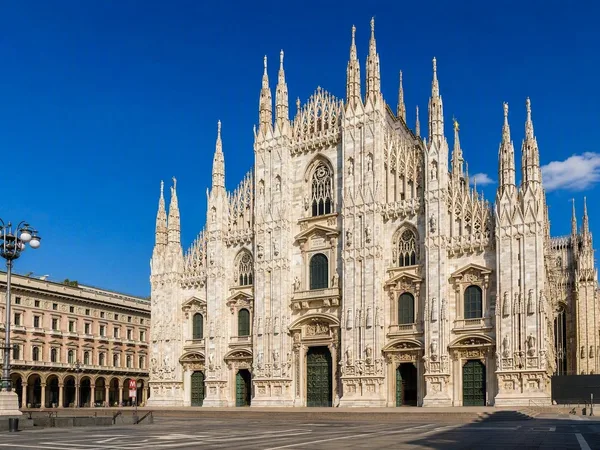
Milan
1 linked stories and routes
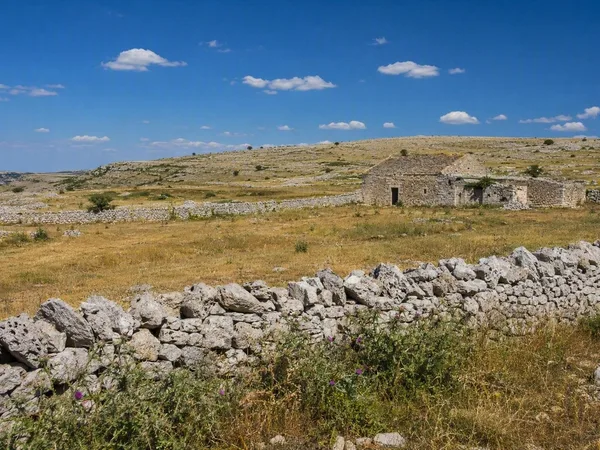
Murgia
1 linked stories and routes
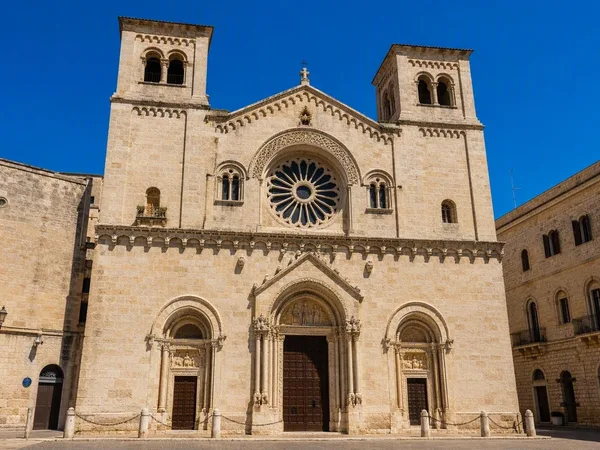
Altamura
1 linked stories and routes
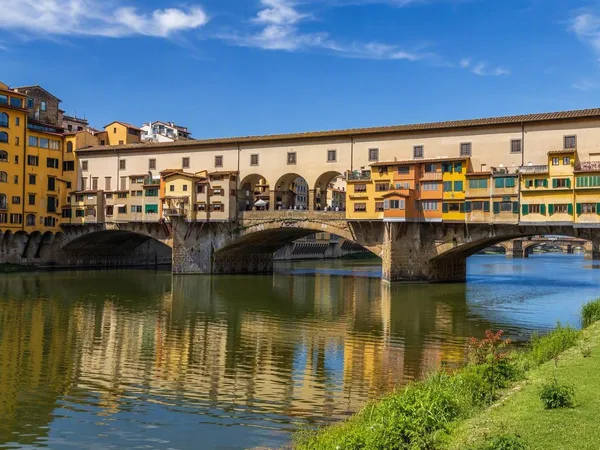
Ponte Vecchio
1 linked stories and routes
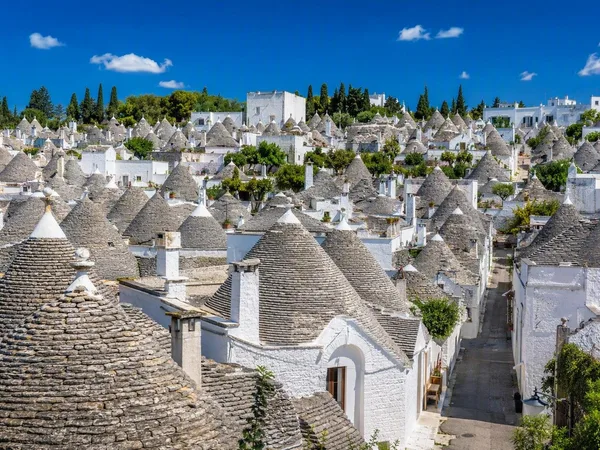
Alberobello
1 linked stories and routes
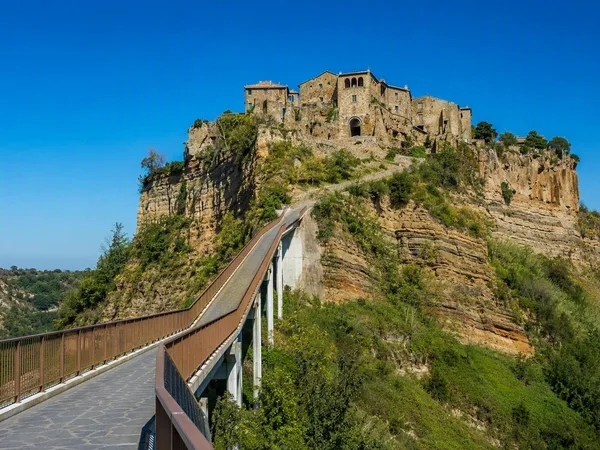
Civita di Bagnoregio
1 linked stories and routes
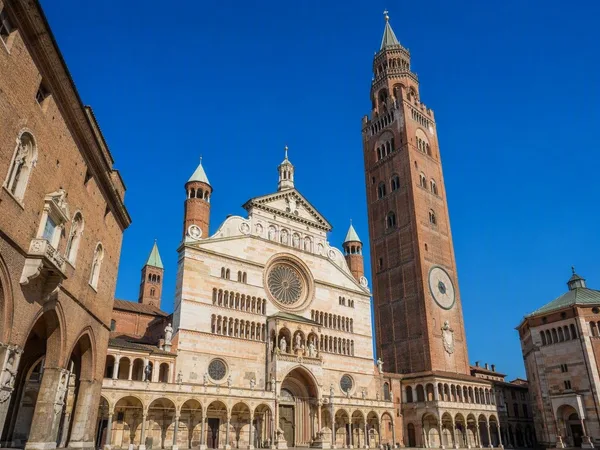
Cremona
1 linked stories and routes
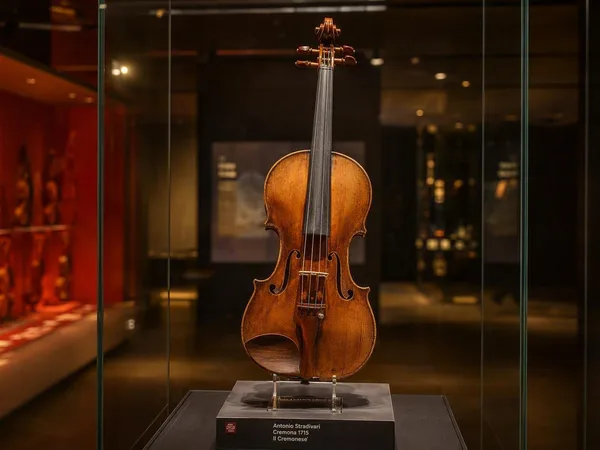
Museo del Violino
1 linked stories and routes
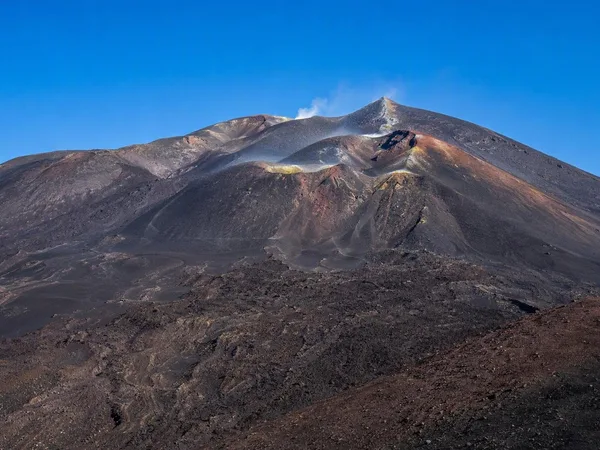
Sicily
1 linked stories and routes
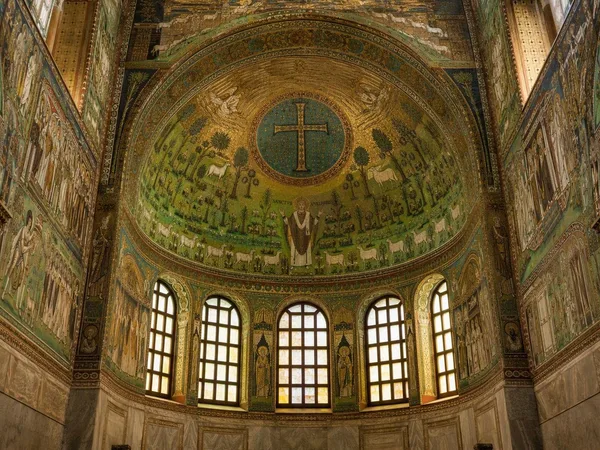
Romagna
1 linked stories and routes
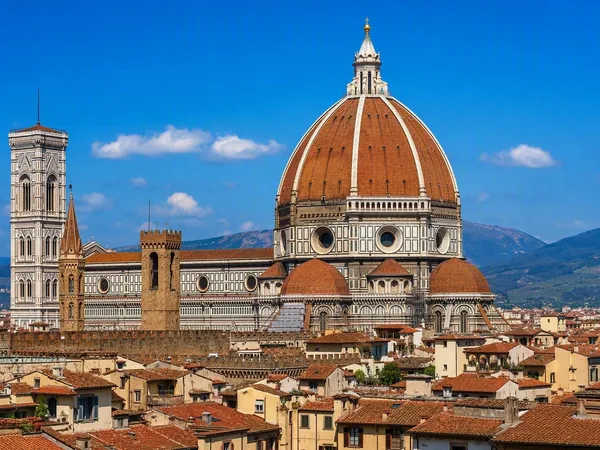
Florence
0 linked stories and routes