
City · Italy
Florence
Florence is a Tuscan city on the Arno whose compact historic centre concentrates the Duomo, Uffizi, Palazzo Vecchio and Ponte Vecchio. Its Renaissance streets and monuments are a UNESCO World Heritage site.
The city at a glance
Florence is best understood as a walkable historic core divided by the Arno. North of the river lie the Duomo, Piazza della Signoria, Uffizi and Santa Croce; cross Ponte Vecchio for the Oltrarno, where Palazzo Pitti, Boboli Gardens and Santo Spirito sit among narrower streets and workshops.
The historic centre follows the footprint of medieval walls and preserves layers from Roman Florentia to the Medici period. The concentration is the point: major churches, civic buildings, bridges and museums are close enough to combine on foot, but not to rush through.
Start with the essential landmarks
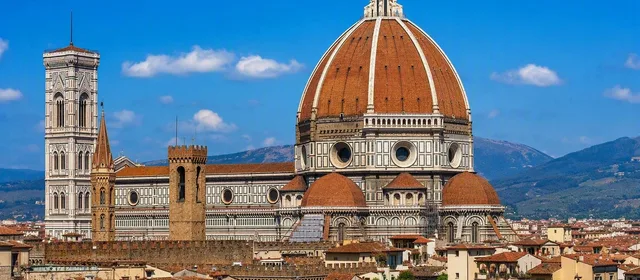
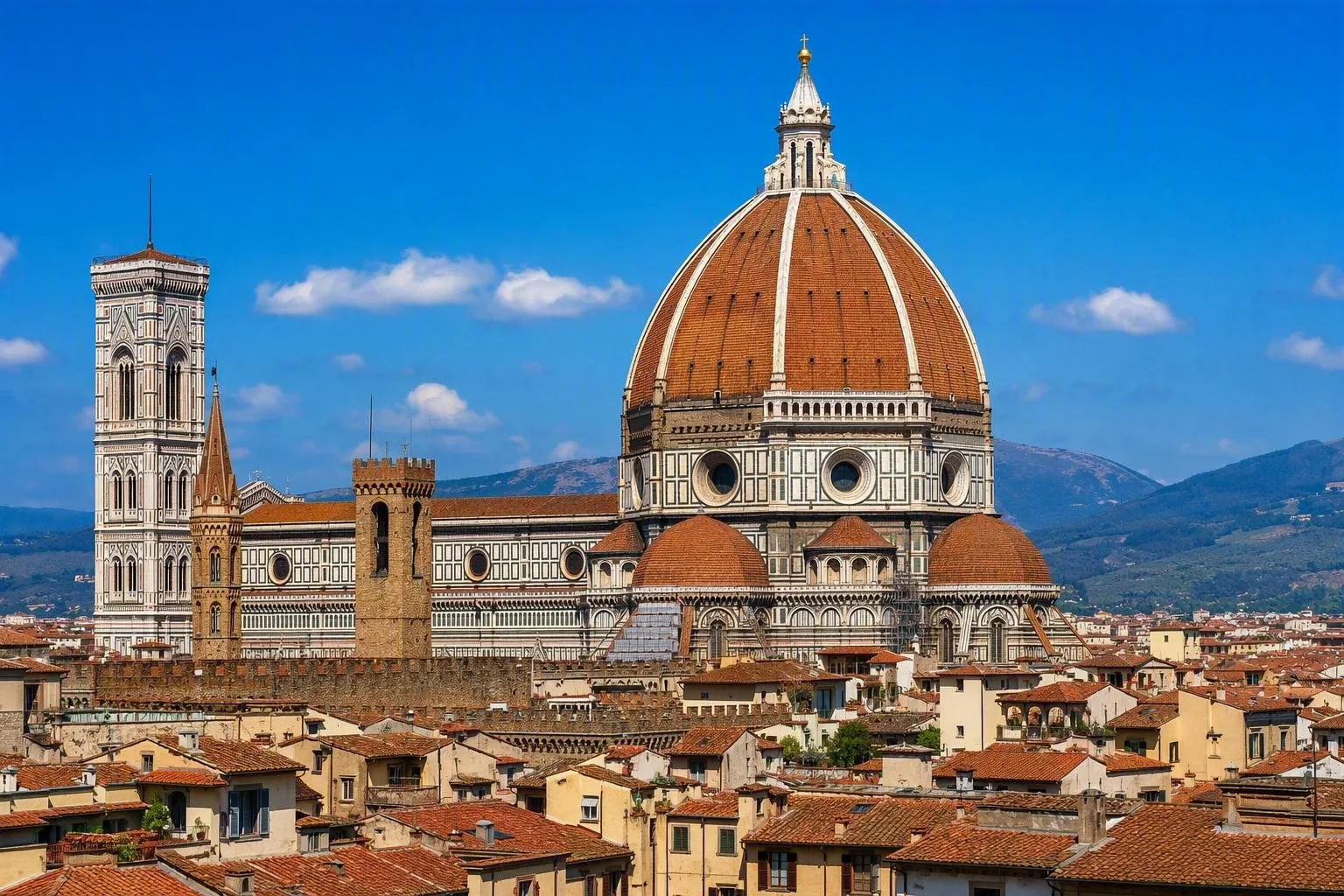
Piazza del Duomo is the visual centre. The cathedral of Santa Maria del Fiore, Brunelleschi’s dome, Giotto’s bell tower and the Baptistery form one monumental ensemble. Use the dome as a practical landmark when navigating the centre.
Continue south on Via dei Calzaiuoli to Piazza della Signoria, Florence’s civic heart. Palazzo Vecchio remains the city hall; the adjacent Loggia dei Lanzi presents monumental sculpture in an open public space. The Uffizi runs from here towards the river and holds major works of Italian painting, including paintings by Botticelli, Leonardo, Michelangelo and Caravaggio.
Cross the Arno on Ponte Vecchio. Its built-up span and goldsmith shops make it Florence’s most recognisable bridge. On the south bank, Palazzo Pitti and the formal landscape of Boboli Gardens provide a useful change of scale after the dense streets north of the river.
Build your days by area
Treat the great museums as anchors, not quick stops. Allow a separate substantial block for the Uffizi; the Accademia is the place for Michelangelo’s David. Santa Croce and Santa Maria Novella reward time inside rather than a façade-only visit.
A workable structure is:
- Duomo and San Lorenzo: cathedral complex, Medici sites and Accademia.
- Signoria and the Arno: Palazzo Vecchio, Uffizi, then Ponte Vecchio.
- Oltrarno: Pitti, Boboli, Santo Spirito and artisan streets.
- Higher ground: Piazzale Michelangelo and San Miniato al Monte for the city spread below.
For the assigned local context, Piazza Santo Spirito is on the Oltrarno side of Florence, a short walk from Palazzo Pitti and well suited to an evening after the major museums.
Getting around and access
Santa Maria Novella is Florence’s main rail station and a practical arrival point for the historic centre. From Florence Airport, the T2 tram connects to the station area. Once central, walk: the Duomo, Signoria, Uffizi and Ponte Vecchio are tightly grouped, though cobbled surfaces can be hard underfoot and slippery when wet.
Do not drive into the historic centre without authorisation. The ZTL limited-traffic zone is camera enforced. Leave a car outside the restricted area or use a garage that can arrange permitted access when applicable.
Timing and useful habits
Begin outdoor walks early, before the principal streets fill. Reserve timed entries for the Uffizi, Accademia and the dome climb when these are priorities; these visits take far longer than the distance between them suggests.
Churches are active religious spaces. Dress to cover shoulders and knees where required, and keep voices low. For a less compressed day, pair one major museum with one neighbourhood walk rather than stacking every headline sight into the same afternoon.
From the magazine
Stories about Florence
Editorial stories linked directly to Florence.
No stories about Florence have been published yet.
Routes from our editors
Travel through Florence
Editorial routes connecting Florence with other countries, cities and hotspots.
No routes through Florence have been published yet.
More in Italy
Related hotspots
Other cities, nature areas and places within Italy.
Tirano
2 linked stories and routes
Venice
2 linked stories and routes
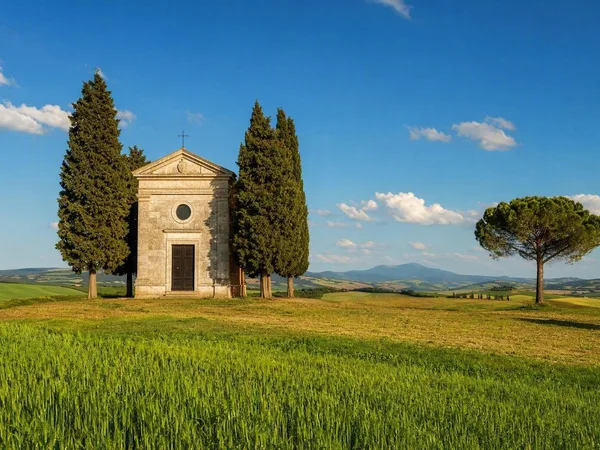
Val d’Orcia
1 linked stories and routes
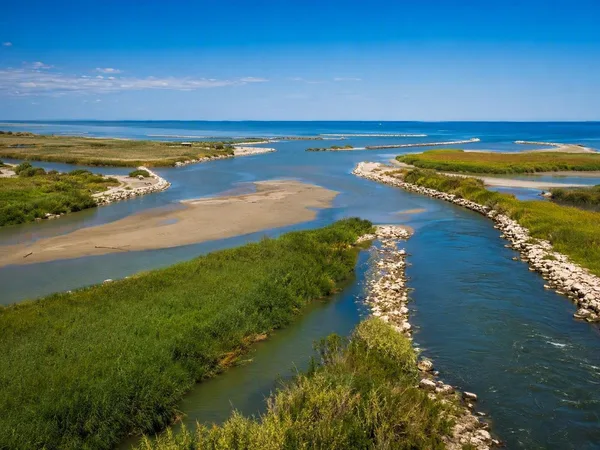
Po Delta
1 linked stories and routes
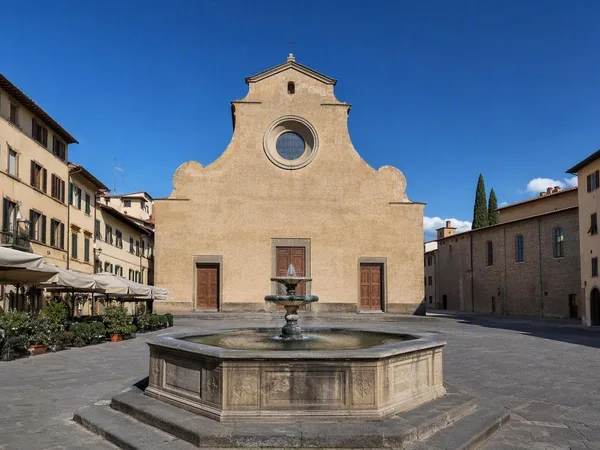
Piazza Santo Spirito
1 linked stories and routes
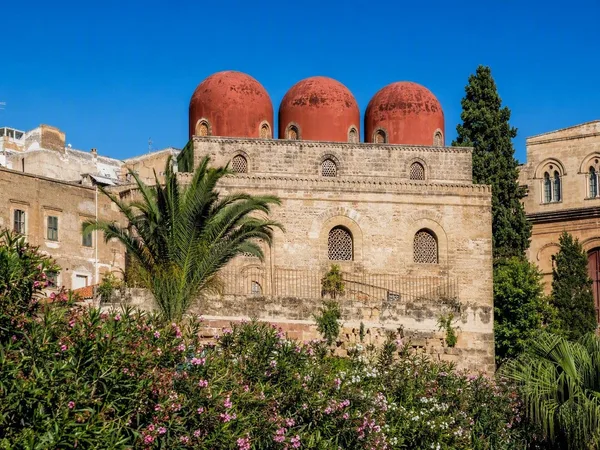
Piazza Bellini, Palermo
1 linked stories and routes
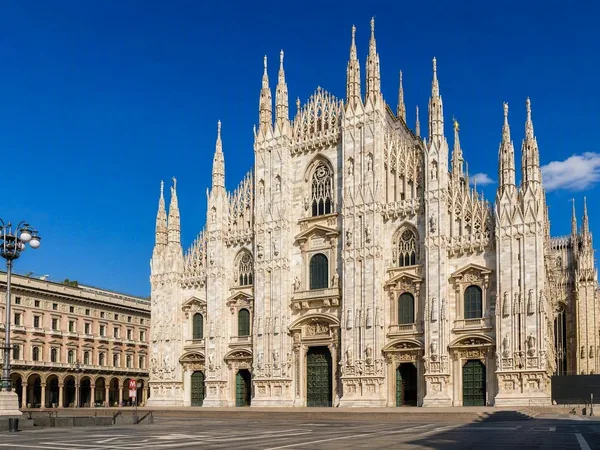
Milan
1 linked stories and routes
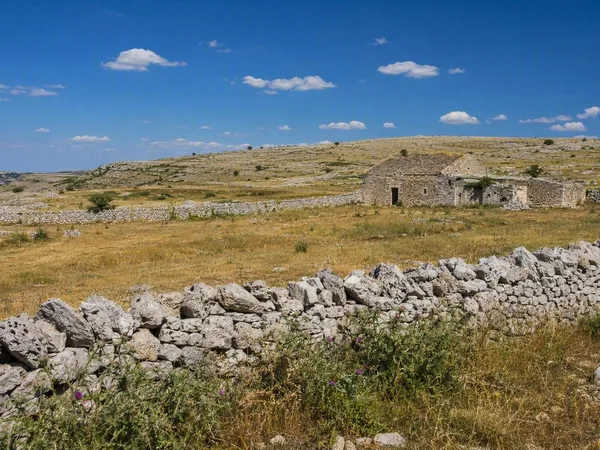
Murgia
1 linked stories and routes
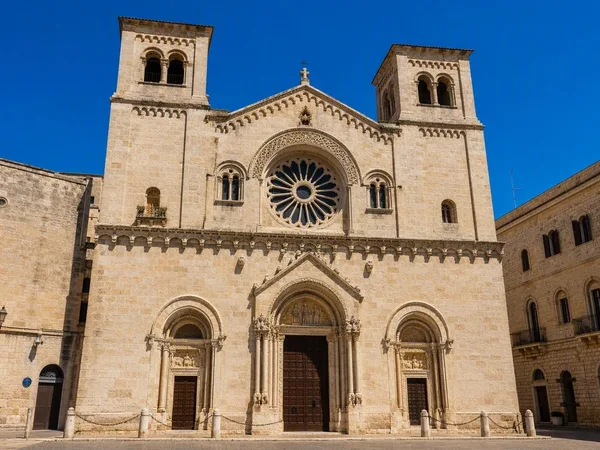
Altamura
1 linked stories and routes
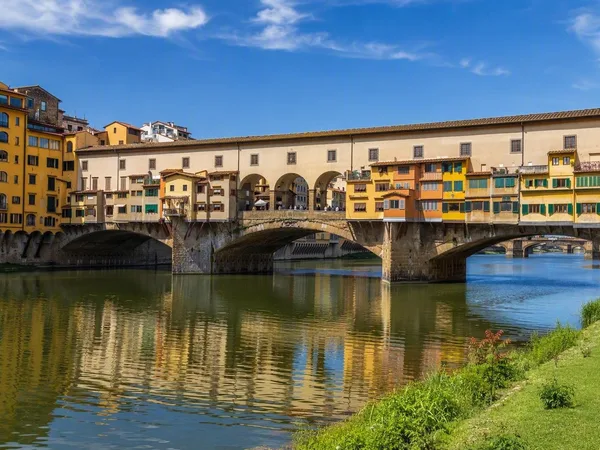
Ponte Vecchio
1 linked stories and routes
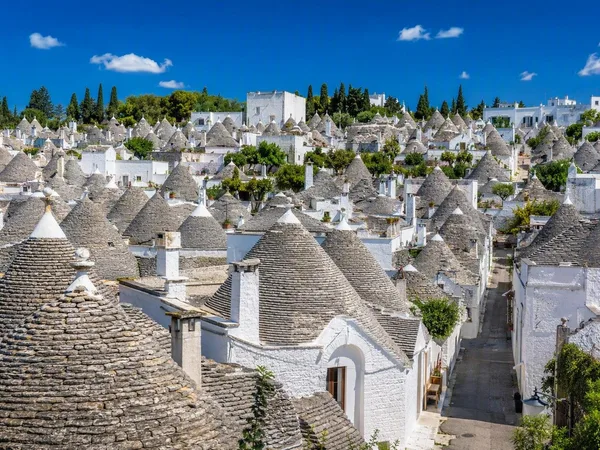
Alberobello
1 linked stories and routes
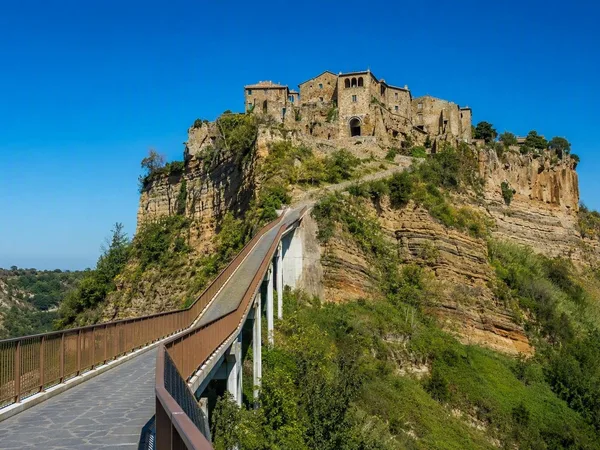
Civita di Bagnoregio
1 linked stories and routes
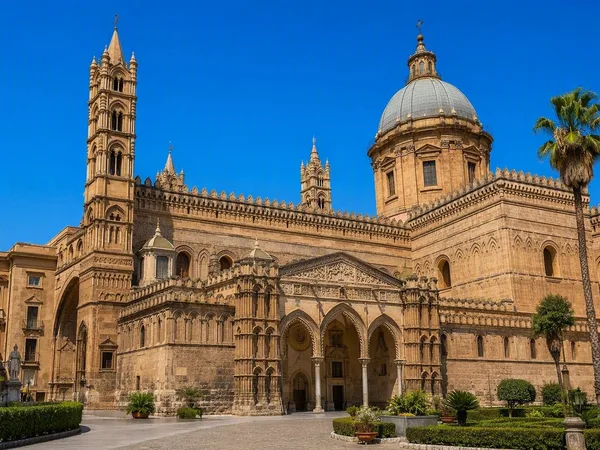
Palermo
0 linked stories and routes