
Town · Italy
Alberobello
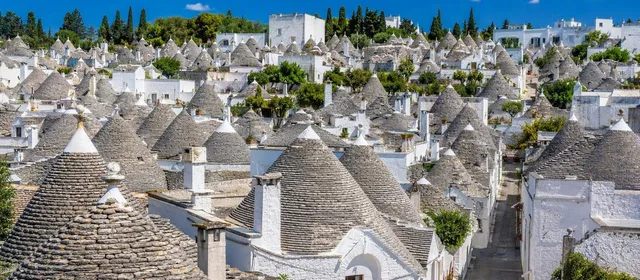
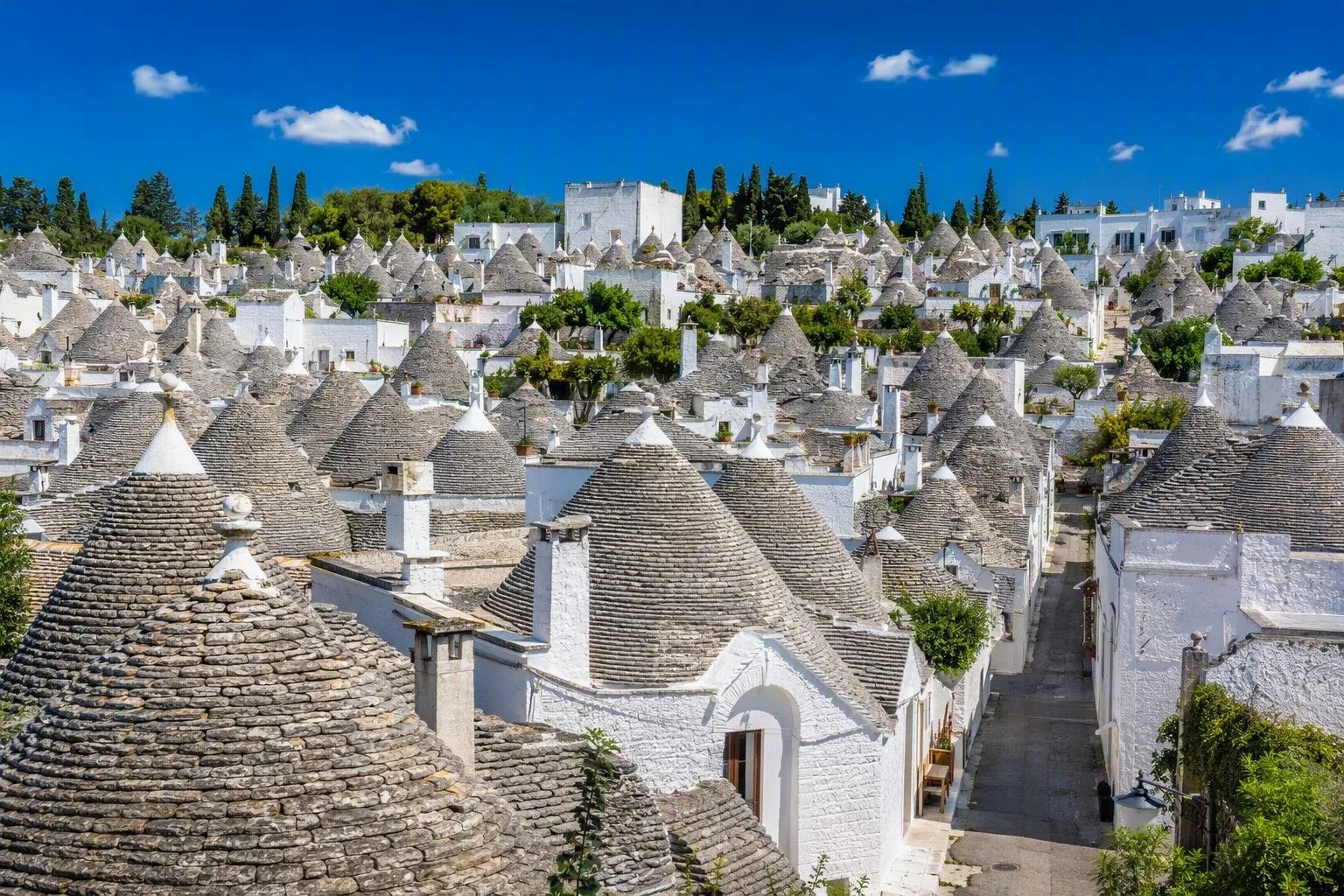
Alberobello is a hill town in Puglia’s Itria Valley, Italy, defined by its tightly packed trulli: whitewashed limestone houses with dry-stone conical roofs. Its Monti and Aia Piccola quarters form a UNESCO World Heritage property.
The trulli town
Alberobello is not a collection of isolated novelty houses. Its historic core is a working urban fabric of more than 1,500 trulli, concentrated in Rione Monti and Rione Aia Piccola. The two districts, together with four individual sites, have been on the UNESCO World Heritage List since 1996.
A trullo is a limestone dwelling built without mortar. Thick, double-skinned walls hold a rubble core; the roof is formed from progressively overlapping limestone slabs, creating a dome, pyramid or cone. Look closely for small windows, whitewashed walls, roof pinnacles and occasional lime-painted symbols.
Walk the two quarters
Rione Monti occupies the south-facing hill above Largo Martellotta. It has more than a thousand trulli arranged along a grid of narrow, rising lanes. Many now house shops and other visitor-facing businesses, so it is the practical place to start and the best district for seeing the roofscape at close range.
Cross toward Rione Aia Piccola, on the south-east side of town. This quarter has remained largely free of commercial activity and retains a residential character. Its lanes are narrower and several are not suitable for vehicles. Keep voices down and do not enter doorways or courtyards: trulli here are homes, not displays.
Key buildings
- Trullo Sovrano is the substantial two-storey trullo near Piazza Sacramento, behind the Basilica dei Santi Medici. It is a house museum and a useful stop for understanding the interior scale of the form.
- Museo del Territorio – Casa Pezzolla occupies a connected trulli complex near Aia Piccola and traces the town’s architectural development.
- Casa d’Amore is an early mortar-built house dating from 1797, a sharp contrast to the dry-stone construction around it.
- At the top of Rione Monti, the white Church of Sant’Antonio carries the same conical vocabulary into a 20th-century church.
Getting there and around
Alberobello has a station served by FS Sud Est regional services, including connections with Bari. Rail timetables and train or replacement-bus arrangements can change, so use the operator’s journey planner for the travel date.
The centre is compact and best covered on foot. The trulli lanes are uneven, stepped in places and often steep; shoes with grip are preferable, especially after rain. If driving, use public parking outside the historic lanes rather than trying to navigate the trulli quarters.
Timing and access
The districts themselves are public streets, so allow at least half a day to walk both quarters; a full day leaves room for the interiors. Early morning is the clearest time to read the streets before the commercial lanes fill.
Individual museums and house museums keep their own admission hours and charges. Most trulli are private residences or businesses, so access to an interior is never implied by the street view.
From the magazine
Stories about Alberobello
Editorial stories linked directly to Alberobello.
Routes from our editors
Travel through Alberobello
Editorial routes connecting Alberobello with other countries, cities and hotspots.
No routes through Alberobello have been published yet.
More in Italy
Related hotspots
Other cities, nature areas and places within Italy.
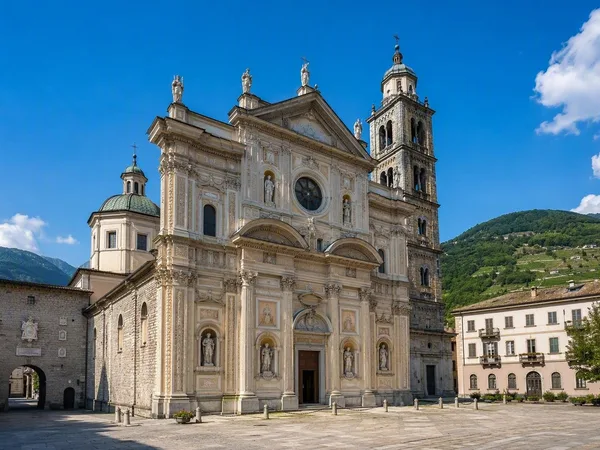
Tirano
2 linked stories and routes
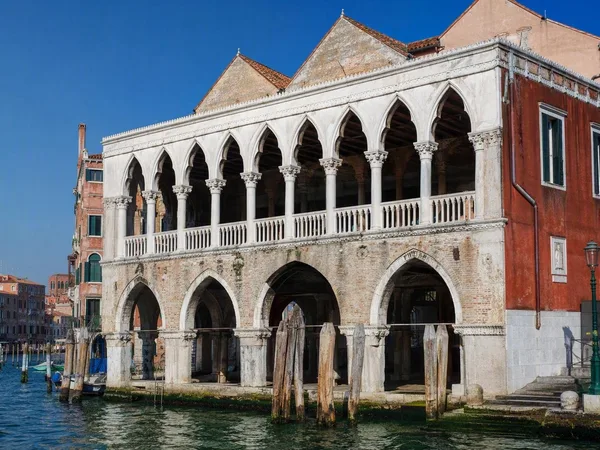
Venice
2 linked stories and routes
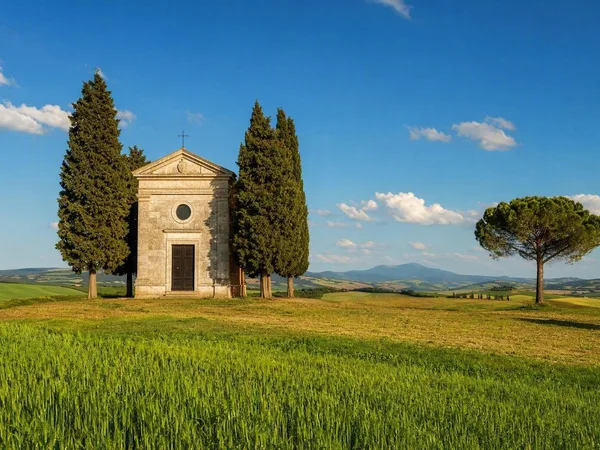
Val d’Orcia
1 linked stories and routes
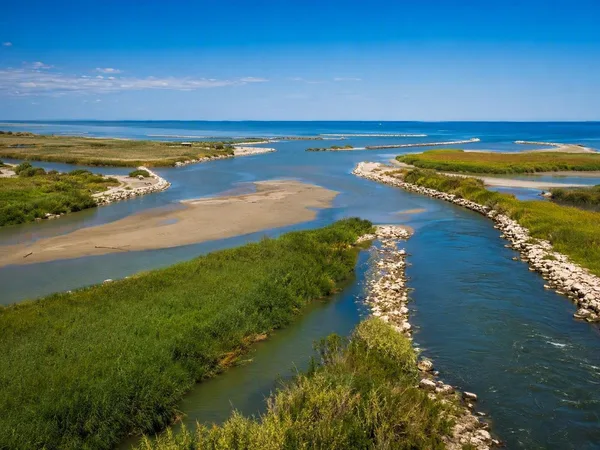
Po Delta
1 linked stories and routes
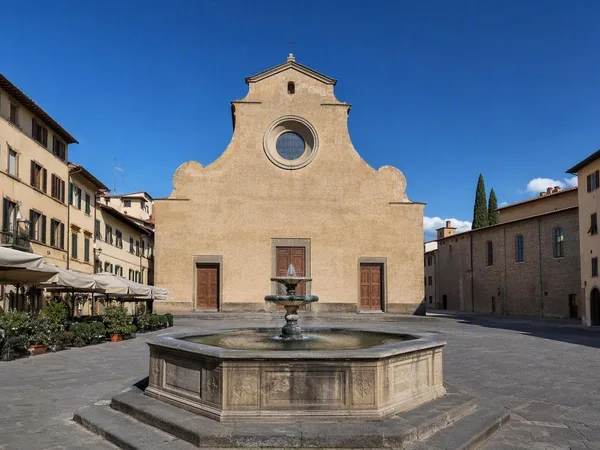
Piazza Santo Spirito
1 linked stories and routes
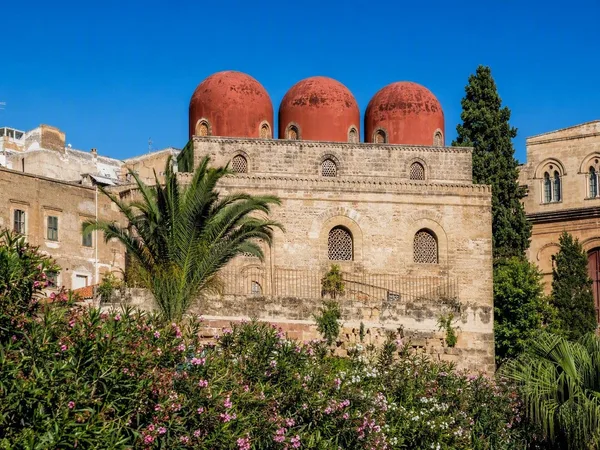
Piazza Bellini, Palermo
1 linked stories and routes
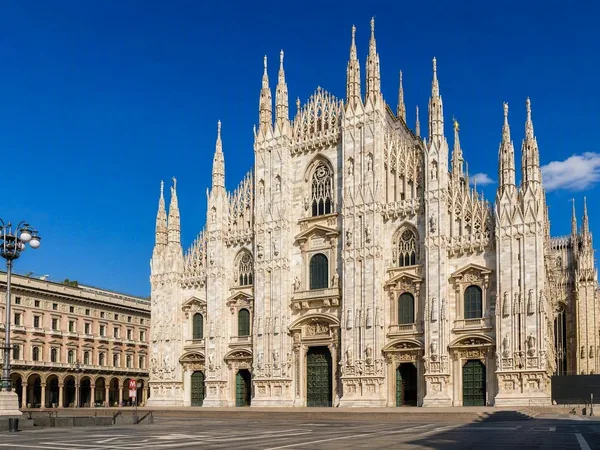
Milan
1 linked stories and routes
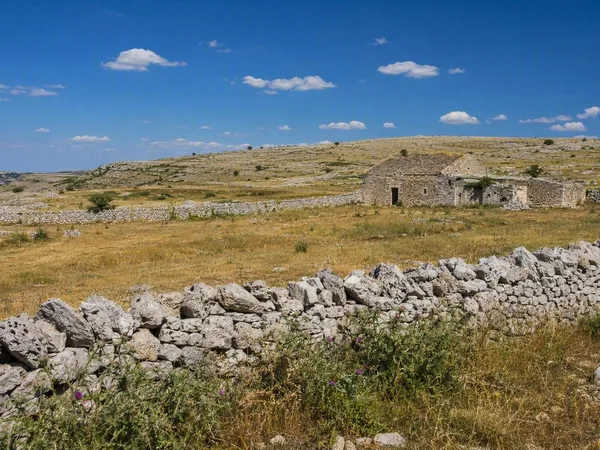
Murgia
1 linked stories and routes
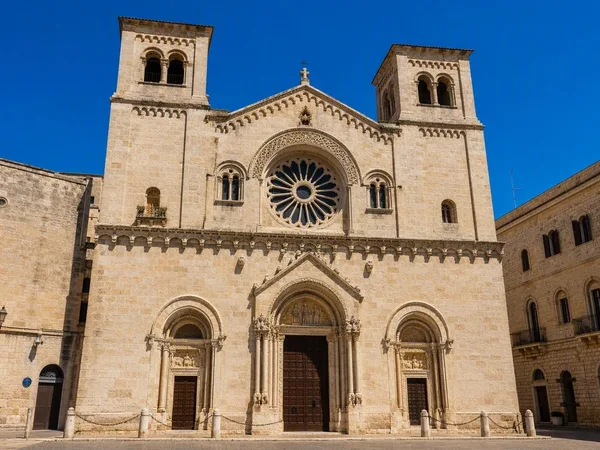
Altamura
1 linked stories and routes
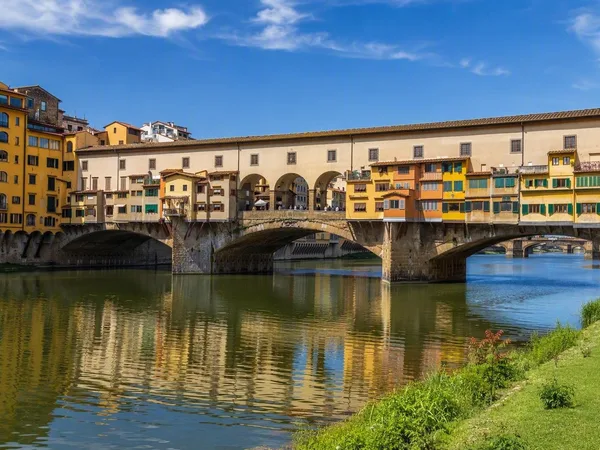
Ponte Vecchio
1 linked stories and routes
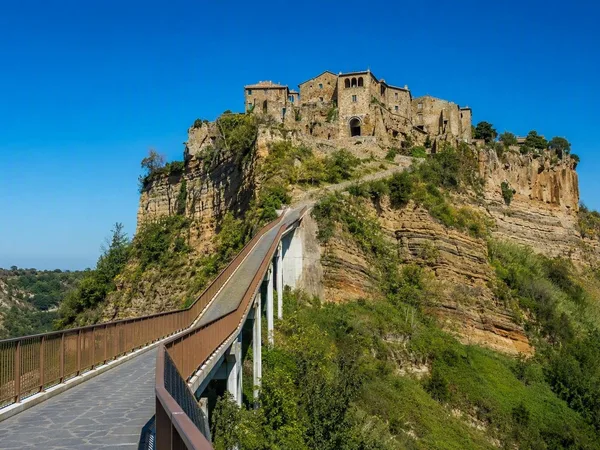
Civita di Bagnoregio
1 linked stories and routes
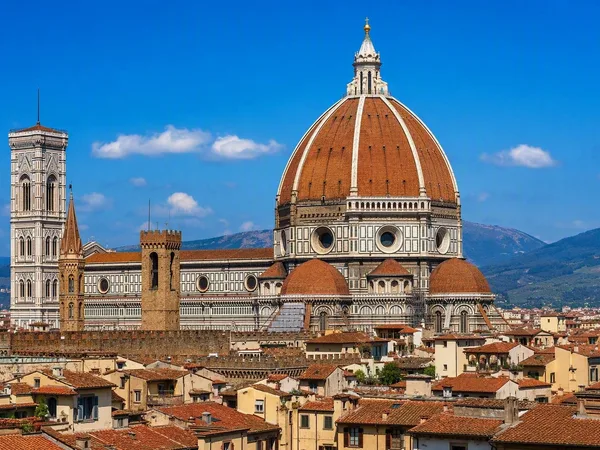
Florence
0 linked stories and routes
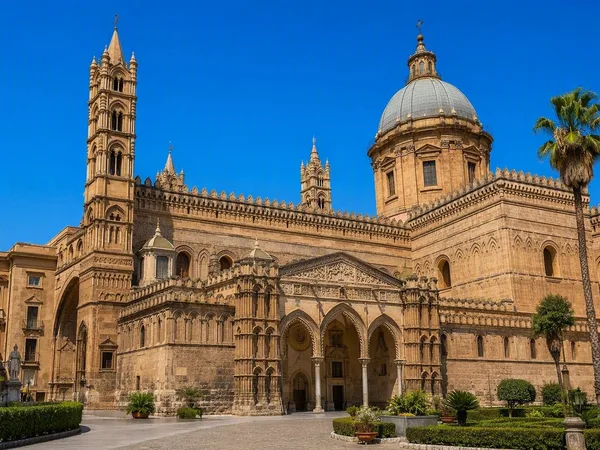
Palermo
0 linked stories and routes