
Region · Italy
Murgia
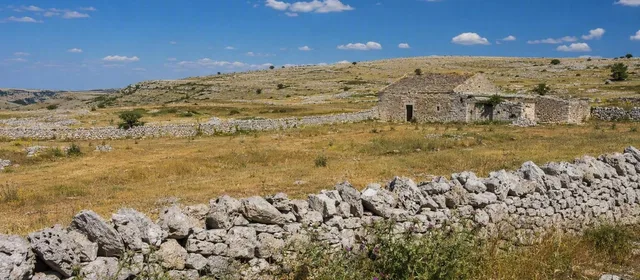
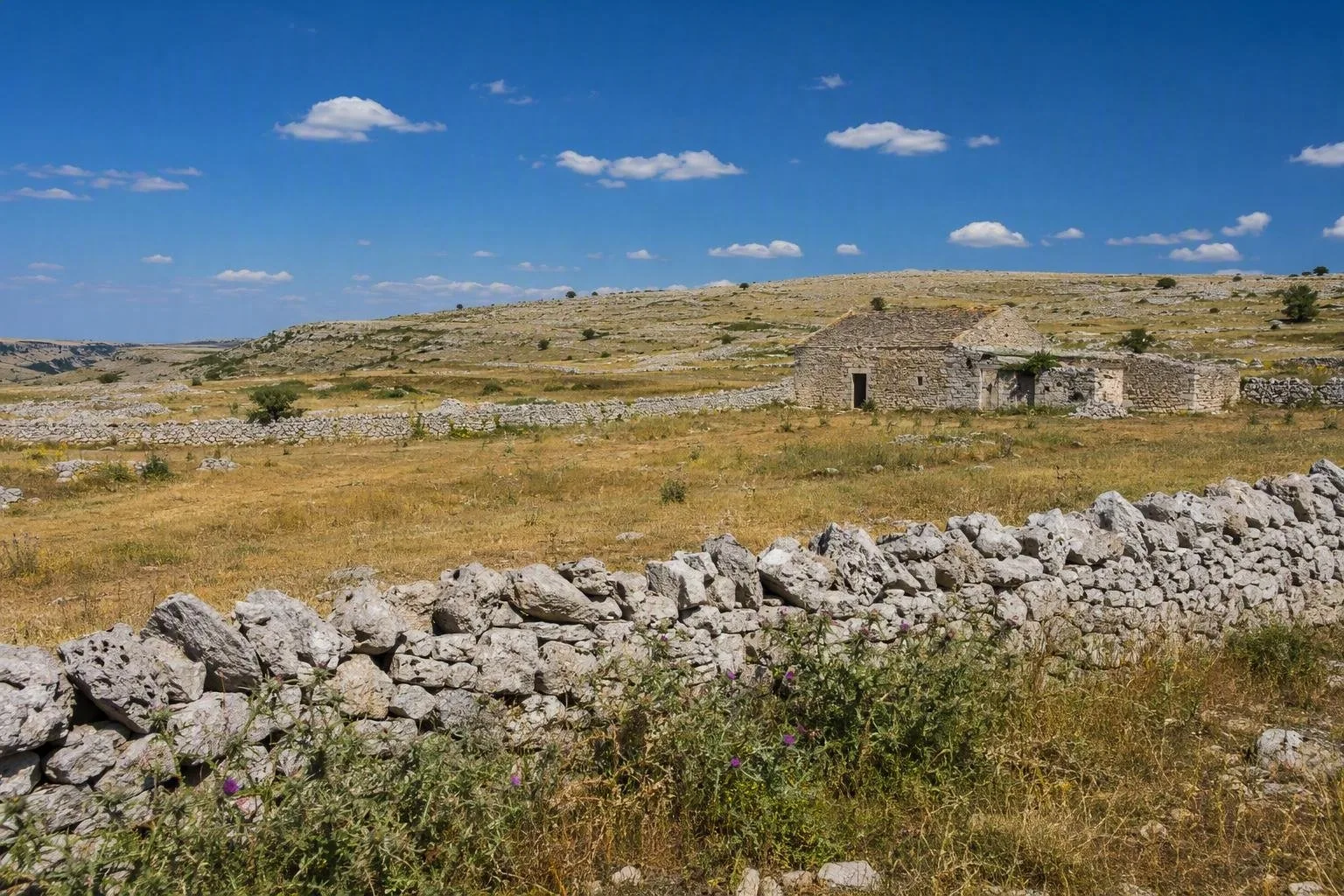
Murgia is the broad karst plateau of central Puglia, extending west towards Basilicata. Its northern highlands are the landscape behind Altamura’s protected bread: limestone, grain fields, pasture and stone-built farm country.
Read the landscape
Murgia is a geographical region, not one town or one park. It spreads across central Puglia and reaches towards Matera in Basilicata; the land changes noticeably between the higher north-western plateau and the more cultivated south-eastern sectors.
The defining material is limestone. Expect shallow rolling ground, exposed rock, sinkholes and caves rather than rivers. In the Alta Murgia, open sub-steppe pasture and cereal land are cut by dry-stone walls, with isolated masserie—farm complexes—and jazzi, stone sheep enclosures, along old transhumance routes.
Choose the right sector
For the Murgia most closely tied to the bread tradition, use Altamura as a base. It sits on the north-western plateau and gives direct access to the agricultural setting behind Pane di Altamura DOP.
- Alta Murgia: broad limestone uplands, pasture, karst features and rural architecture; much of this sector lies within Alta Murgia National Park.
- Around Altamura and Gravina in Puglia: the most useful area for pairing bread, historic centres and karst landscapes.
- Southern Murgia: the plateau becomes more fragmented and cultivated, with olive groves, vineyards and the trulli landscape around the Valle d’Itria.
Do not treat the national park as the whole Murgia: it protects a substantial but limited northern section of the wider plateau.
The Altamura bread connection
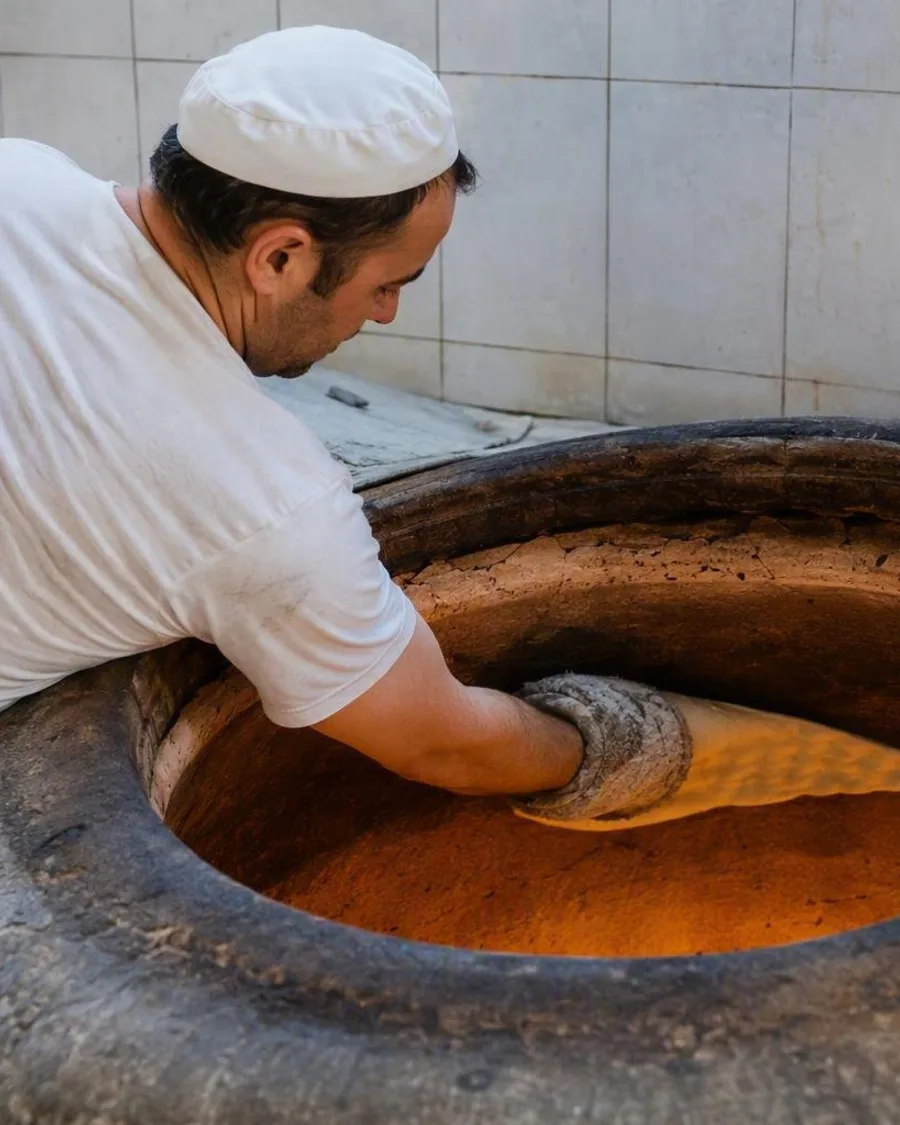
Pane di Altamura DOP is a practical expression of this farming landscape. Its dough uses re-milled local durum-wheat semolina, sourdough, water and sea salt. Bakers cover it under thick cotton, shape it twice by hand, then bake it at high heat; opening the oven at the end releases steam and firms the crust.
Look for the two traditional forms:
- Accavallata: the tall folded loaf.
- Cappello di prete: a lower loaf shaped like a priest’s hat.
The protected name belongs to bread baked in Altamura itself. A loaf sold elsewhere may use the style, but not necessarily the DOP designation.
Moving around
This is a spread-out rural region. Town centres can be reached by regional and local rail or bus services, but the plateau’s farm roads, sinkholes and dispersed rural sites are far easier to reach by car. Base yourself in a town, then use a vehicle for the countryside.
On foot, keep to signed or clearly permitted routes. Dry-stone walls, grazing land and cultivated fields are working landscapes, not open cross-country access.
Timing and conditions
Spring gives the clearest contrast between grassland, limestone and wildflowers; autumn is also well suited to walking. Summer heat and exposure can be severe on the open plateau, where shade and water are scarce. Start early, carry sufficient water, and keep a warm layer outside summer: the higher Murgia can feel markedly cooler than the coast.
From the magazine
Stories about Murgia
Editorial stories linked directly to Murgia.
Routes from our editors
Travel through Murgia
Editorial routes connecting Murgia with other countries, cities and hotspots.
No routes through Murgia have been published yet.
More in Italy
Related hotspots
Other cities, nature areas and places within Italy.
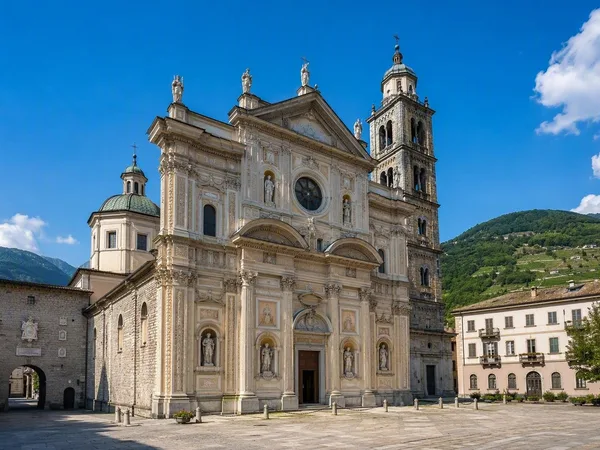
Tirano
2 linked stories and routes
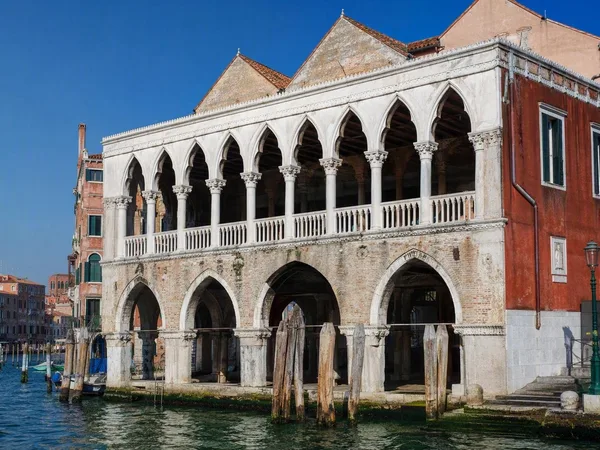
Venice
2 linked stories and routes
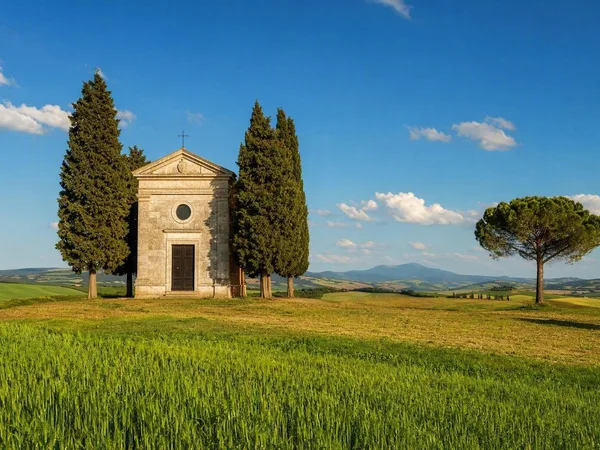
Val d’Orcia
1 linked stories and routes
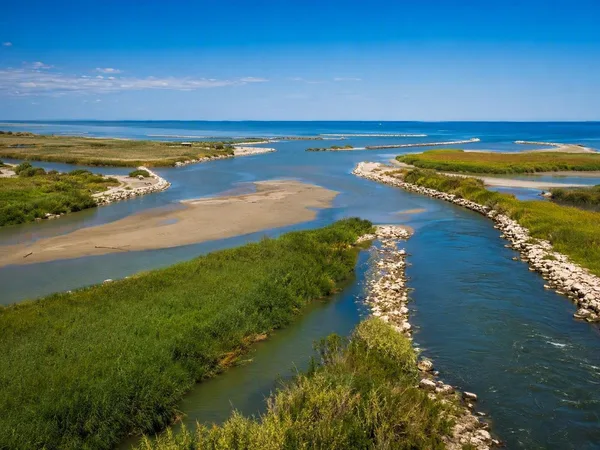
Po Delta
1 linked stories and routes
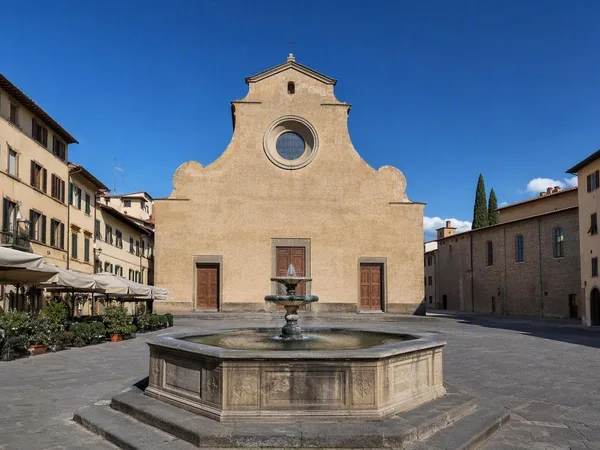
Piazza Santo Spirito
1 linked stories and routes
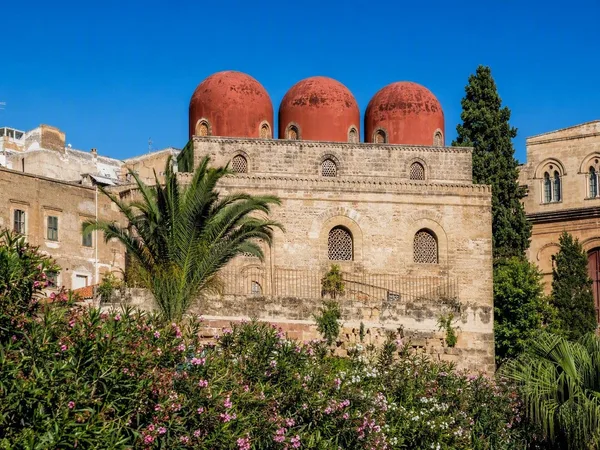
Piazza Bellini, Palermo
1 linked stories and routes
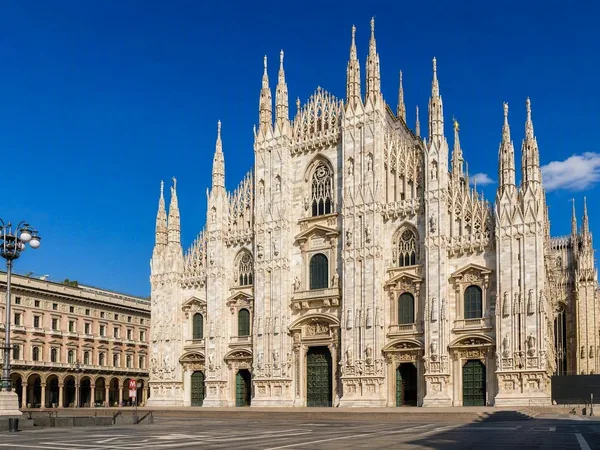
Milan
1 linked stories and routes
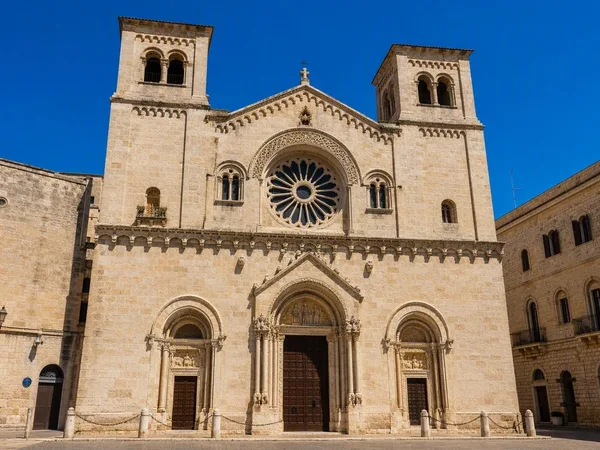
Altamura
1 linked stories and routes
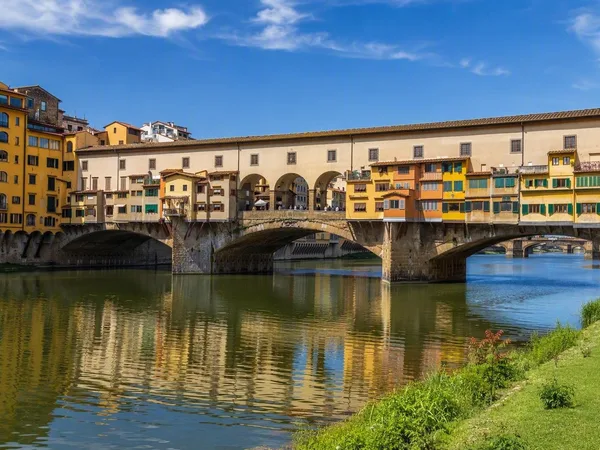
Ponte Vecchio
1 linked stories and routes
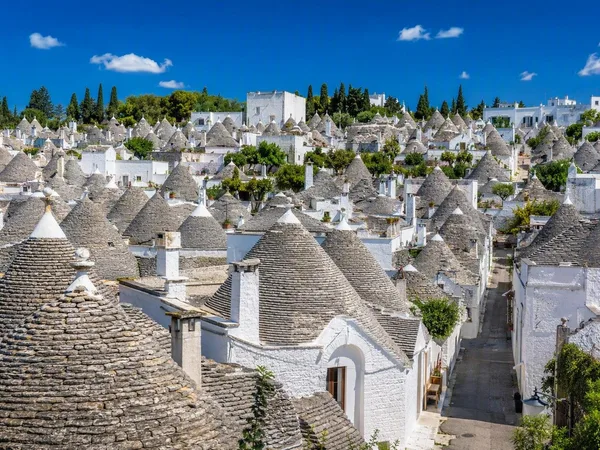
Alberobello
1 linked stories and routes
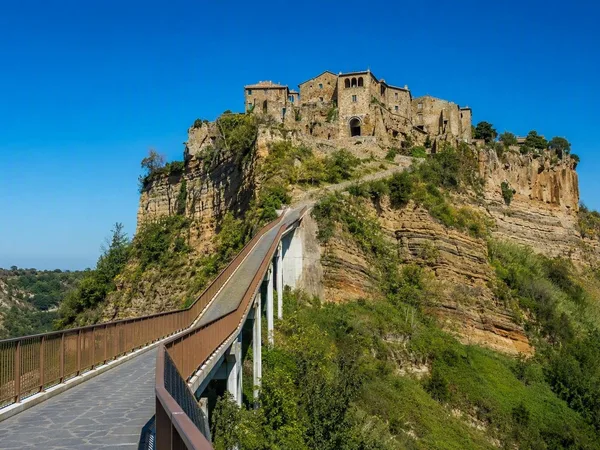
Civita di Bagnoregio
1 linked stories and routes
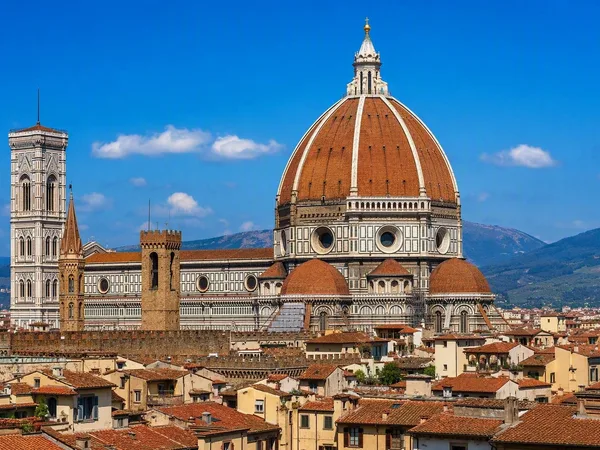
Florence
0 linked stories and routes
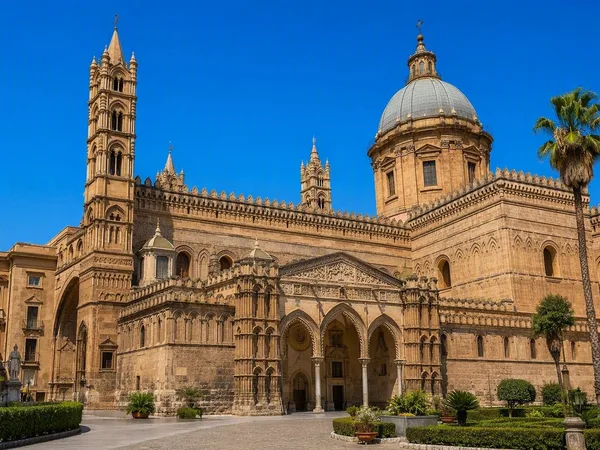
Palermo
0 linked stories and routes