
City · Italy
Palermo
Palermo is Sicily’s principal city, set on the island’s north coast. Its historic centre brings Arab-Norman churches and palaces, Baroque streets and working civic spaces into a compact walking area.
Read the city
Palermo’s historic centre is not a single preserved quarter; it is a dense working city where sacred buildings, markets, traffic, residential lanes and formal squares occupy the same few kilometres. Start at Quattro Canti, where Via Maqueda crosses Corso Vittorio Emanuele, to get your bearings. These two axes make a practical framework for walking between the major central sights.
Piazza Pretoria, Piazza Bellini and the cathedral district are close together, but the streets between them can be narrow and indirect. Walk rather than trying to cover the core by car.
The Arab-Norman layer
Seven components of the Arab-Norman World Heritage ensemble stand in Palermo. They date from the Norman kingdom of Sicily, 1130–1194, and combine Western, Islamic and Byzantine architectural traditions.
Prioritise these sites:
- Palazzo dei Normanni and Cappella Palatina for the royal setting and mosaics.
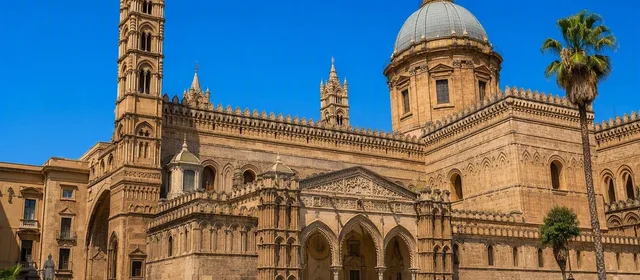
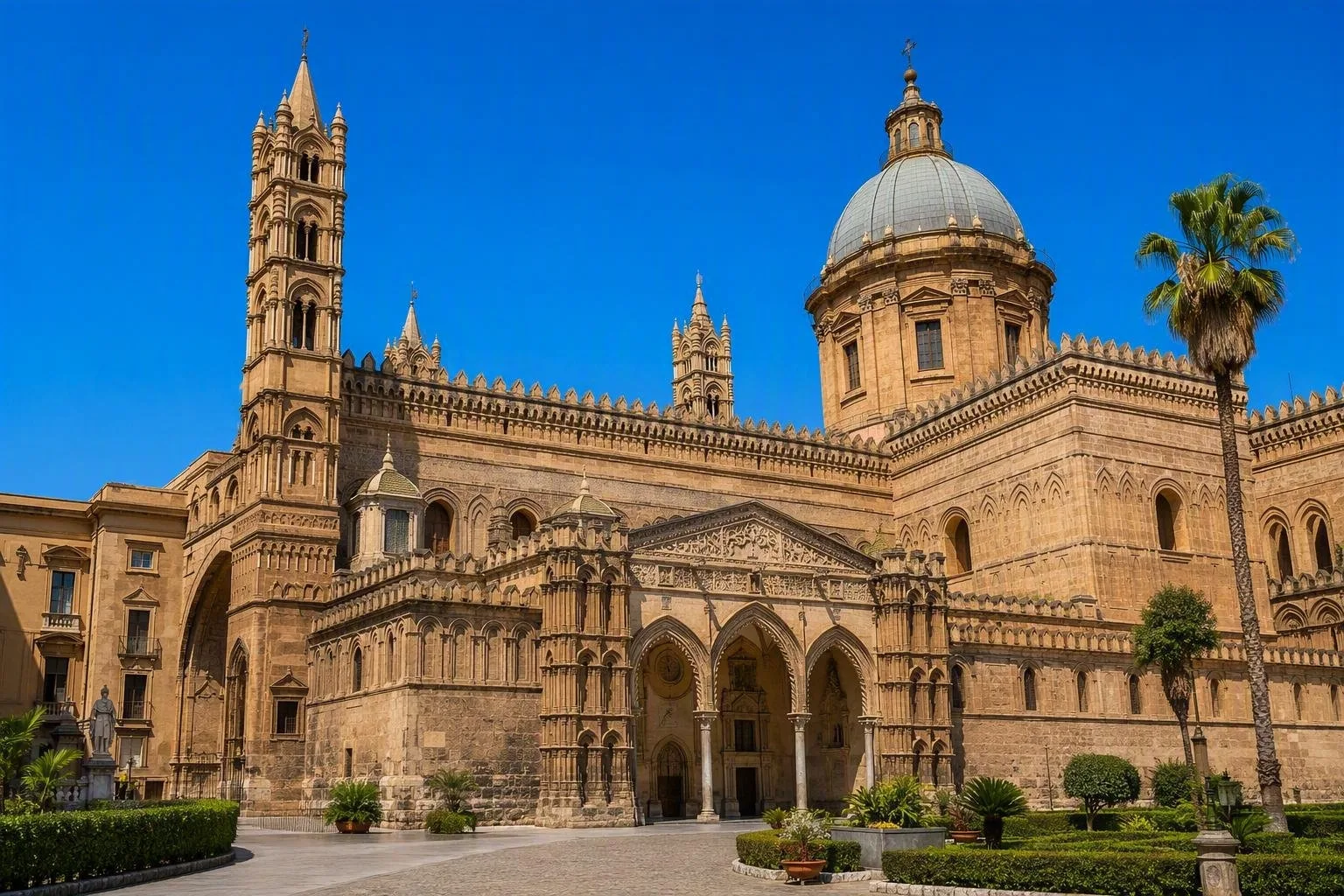
- Palermo Cathedral for its evolving, fortress-like exterior and monumental complex.
- San Giovanni degli Eremiti for its cloister and distinctive domes.
- Palazzo della Zisa, west of the oldest core, for a palace rather than a church.
- Piazza Bellini, where the Martorana and San Cataldo stand side by side.
Do not treat the designation as one ticket or one continuous museum route: the monuments have separate owners, access arrangements and opening hours.
Piazza Bellini and the civic centre
Piazza Bellini is the quickest lesson in Palermo’s stacked architectural history. San Cataldo’s compact cubic form and domes contrast with the Martorana, formally Santa Maria dell’Ammiraglio, while the Baroque church of Santa Caterina stands across the square. It is a useful stop between Quattro Canti and Piazza Pretoria.
Continue to Piazza Pretoria for the fountain and the façade of the city hall, then use Via Maqueda as the direct north–south route through the centre. The streets are most rewarding when treated as connections between specific buildings, not as a checklist of styles.
Plan visits efficiently
Build each day around two or three interiors. Churches may restrict visitor access during services, and the palace has its own visiting schedule; Sunday and holiday hours are often shorter. The cathedral’s worship space and its monumental areas operate separately.
For religious interiors, wear clothing that covers shoulders and knees. Keep a little time between sites: the value of central Palermo lies as much in the walk between monuments as in the buildings themselves.
Beyond the core
The Admiral’s Bridge lies southeast of the old centre and is part of the same World Heritage series. Palazzo della Zisa lies to the west. They make sense as separate walks or short urban trips rather than additions to a tightly timed Piazza Bellini circuit.
From the magazine
Stories about Palermo
Editorial stories linked directly to Palermo.
No stories about Palermo have been published yet.
Routes from our editors
Travel through Palermo
Editorial routes connecting Palermo with other countries, cities and hotspots.
No routes through Palermo have been published yet.
More in Italy
Related hotspots
Other cities, nature areas and places within Italy.
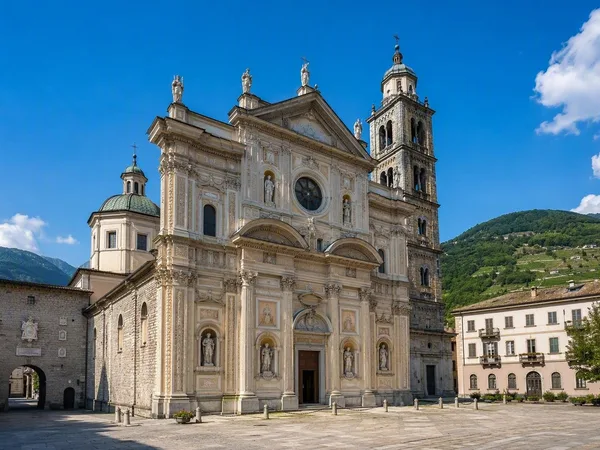
Tirano
2 linked stories and routes
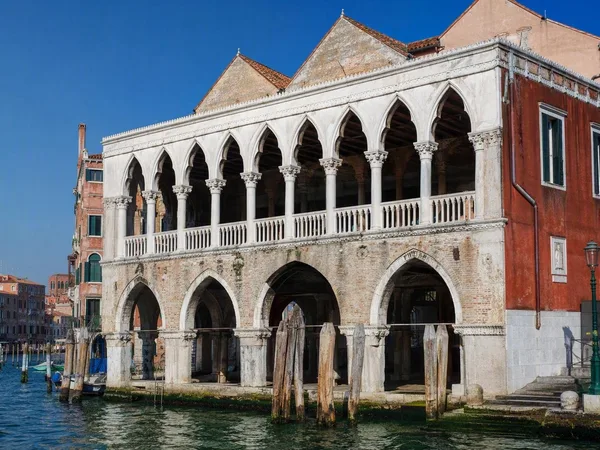
Venice
2 linked stories and routes
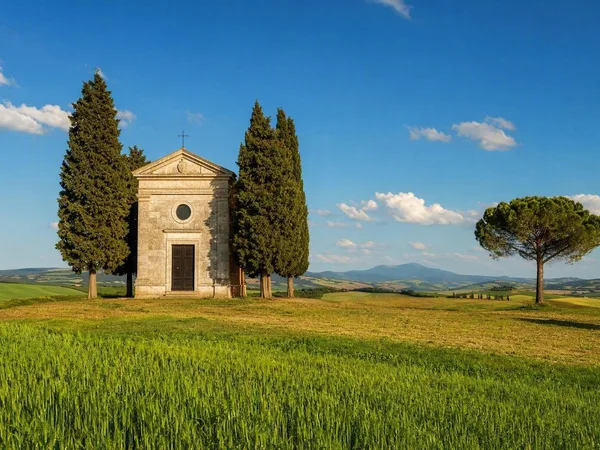
Val d’Orcia
1 linked stories and routes
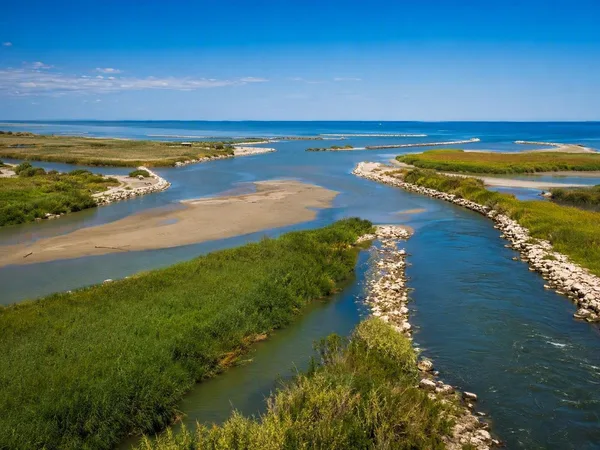
Po Delta
1 linked stories and routes
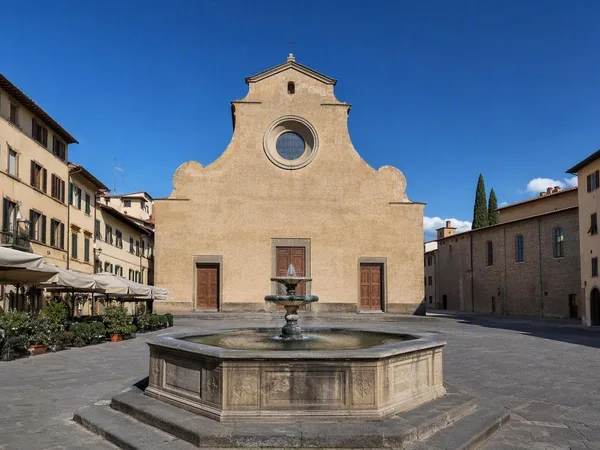
Piazza Santo Spirito
1 linked stories and routes
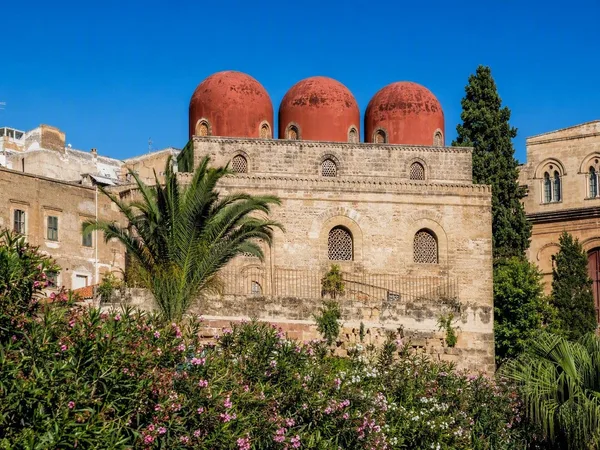
Piazza Bellini, Palermo
1 linked stories and routes
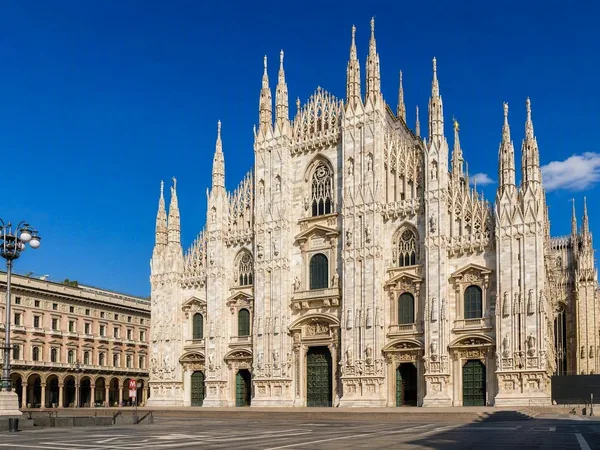
Milan
1 linked stories and routes
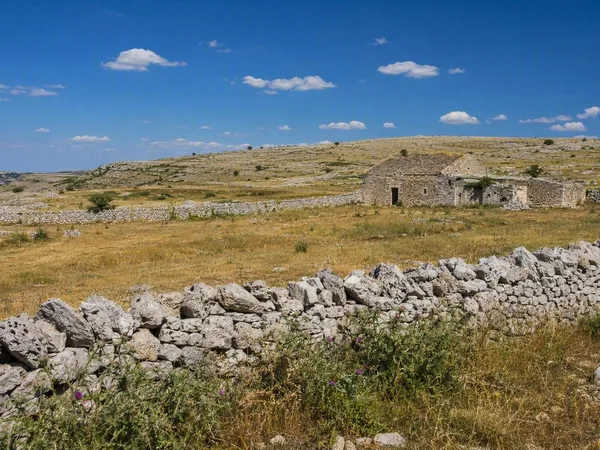
Murgia
1 linked stories and routes
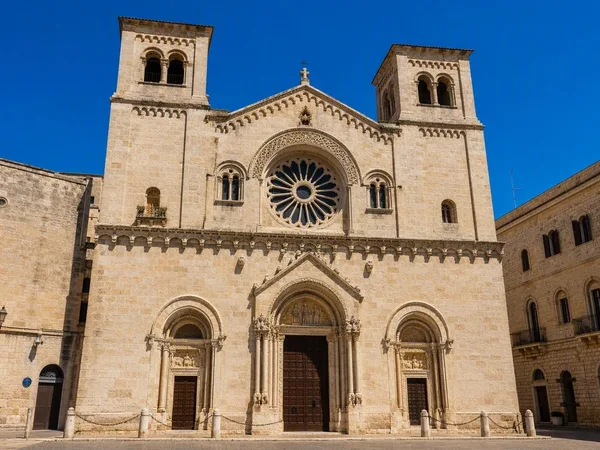
Altamura
1 linked stories and routes
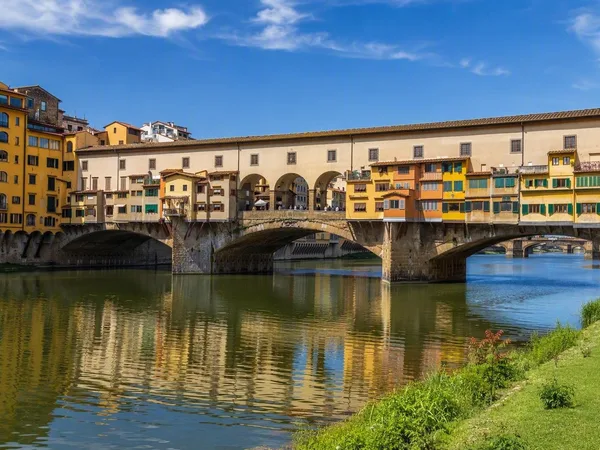
Ponte Vecchio
1 linked stories and routes
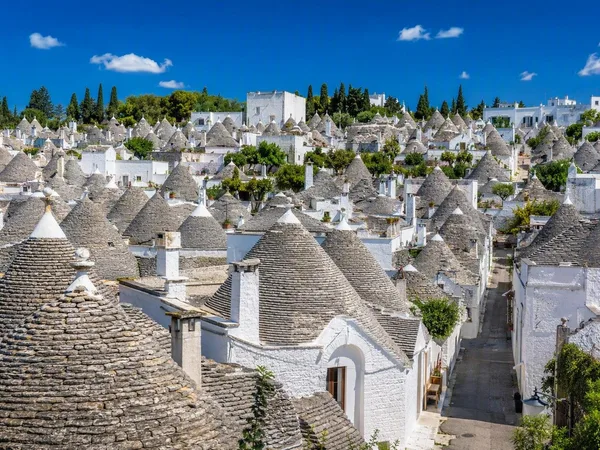
Alberobello
1 linked stories and routes
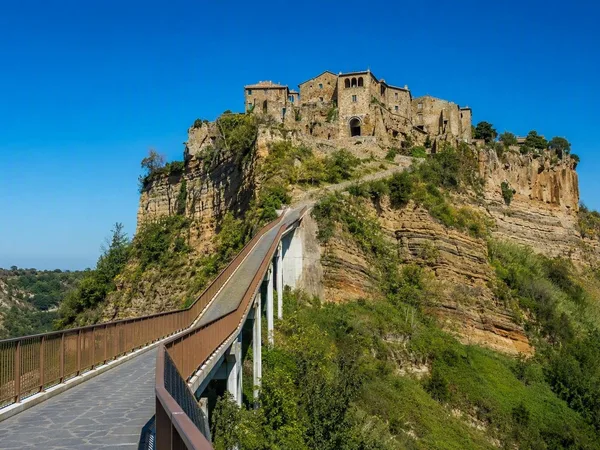
Civita di Bagnoregio
1 linked stories and routes
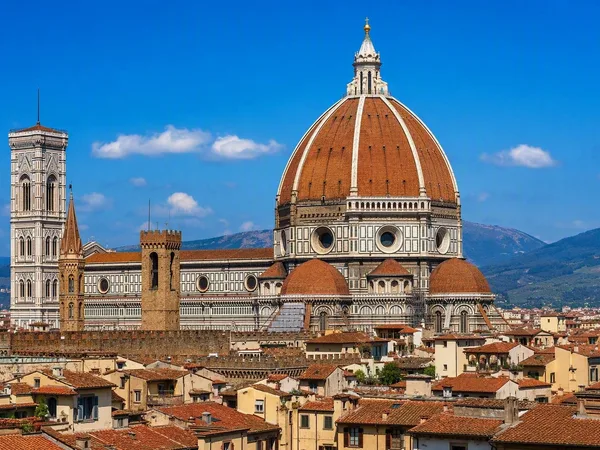
Florence
0 linked stories and routes