Italy

Hill towns, coastlines and regional kitchens

Italy

Italy packs Roman ruins, Alpine valleys, busy ports and fiercely local food into one country.

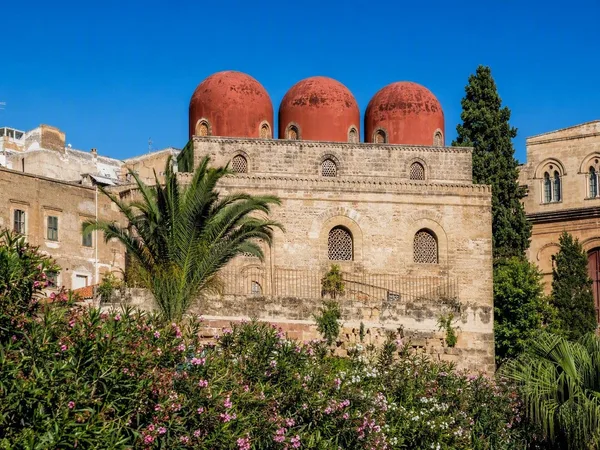
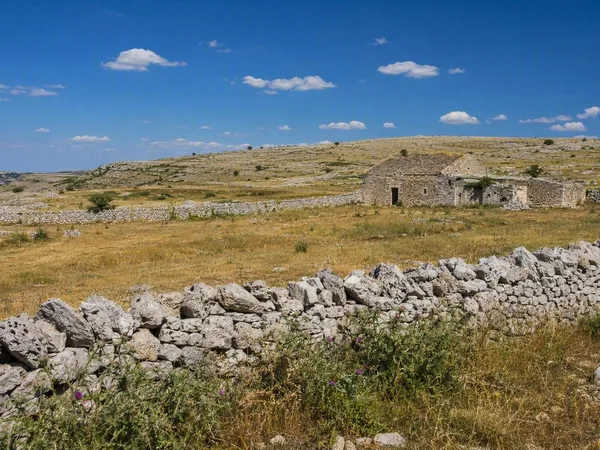
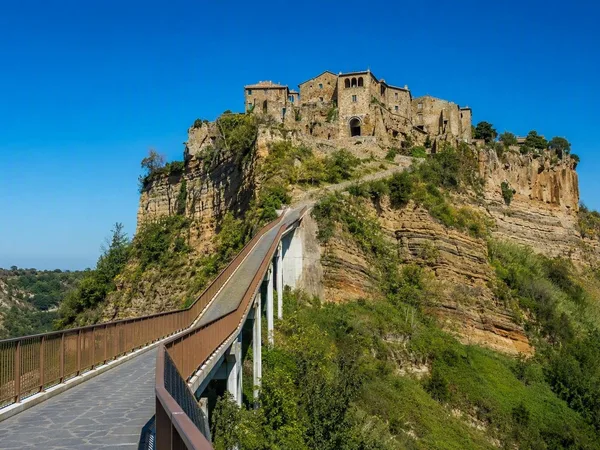
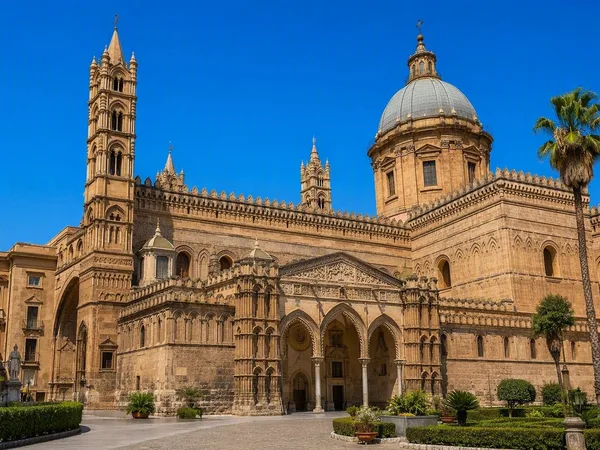
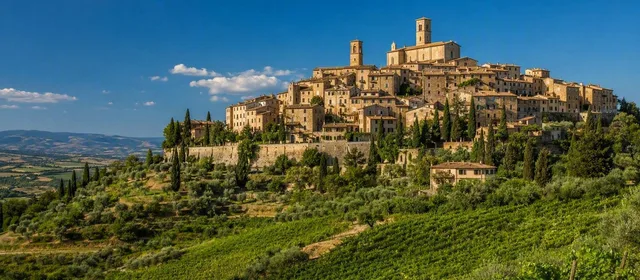
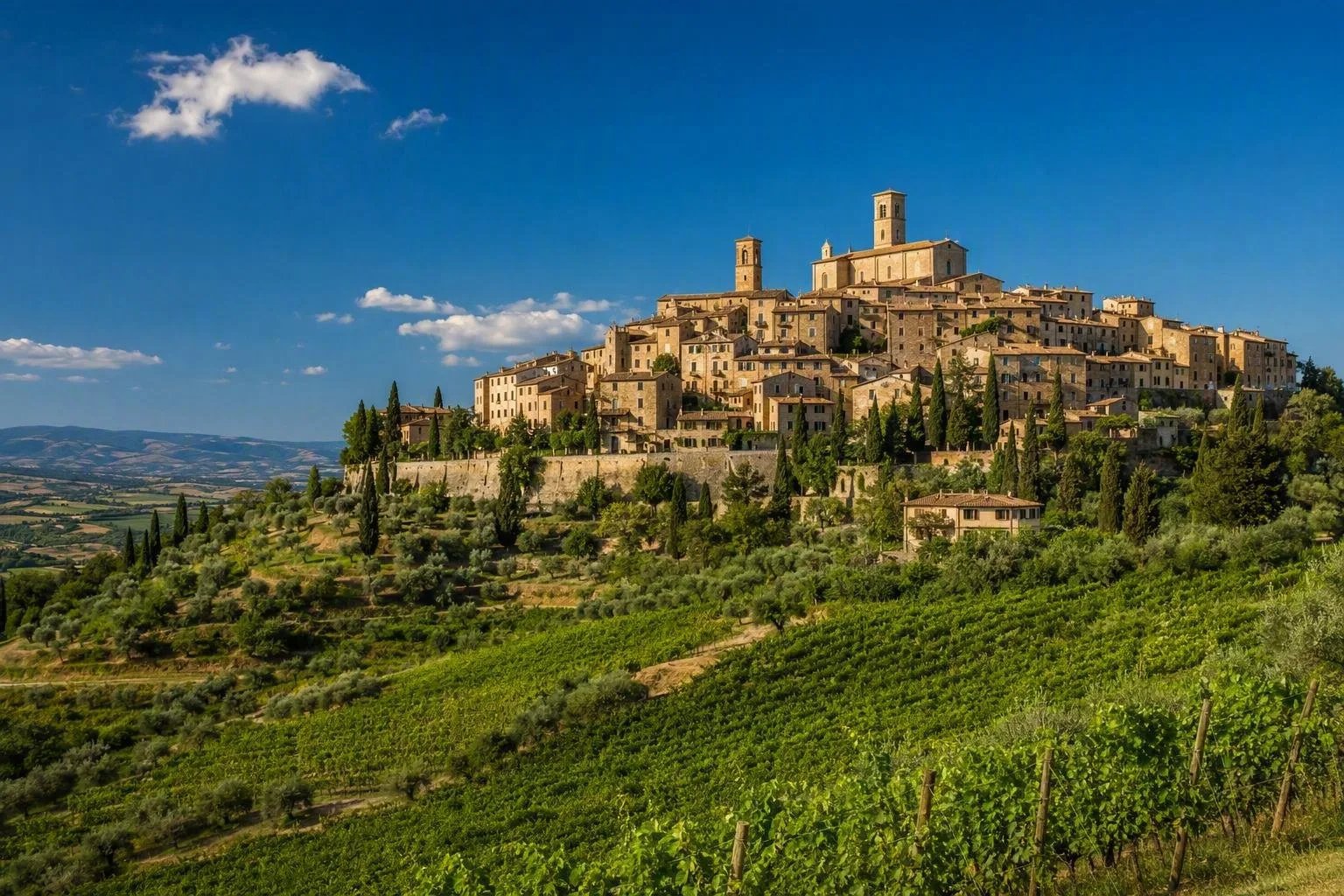
Italy’s best-known monuments are only the start. Rome puts ancient columns beside Baroque churches, apartment blocks and crowded espresso bars. Across the Apennines, stone towns stand above vineyards and olive groves; farther north, the Dolomites rise over Alpine valleys. Sicily carries another record of arrivals and rule: Greek temples near Agrigento, Norman churches in Palermo and Arab-influenced domes across the island. Italy became one state in the 19th century, but its regions kept distinct dialects, recipes and habits.

Those differences show most clearly at the table. Bologna serves fresh egg pasta with slow-cooked ragù. Naples makes soft pizza in wood-fired ovens. In Palermo, market stalls sell panelle, arancine and grilled seafood. Vineyards cling to Ligurian terraces, while Mount Etna’s volcanic slopes produce wines with a different edge.

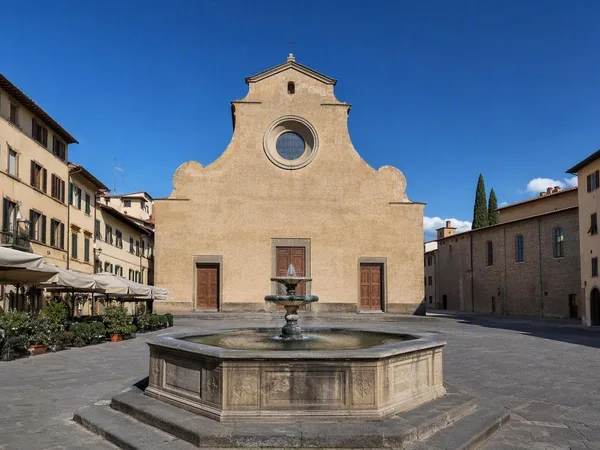
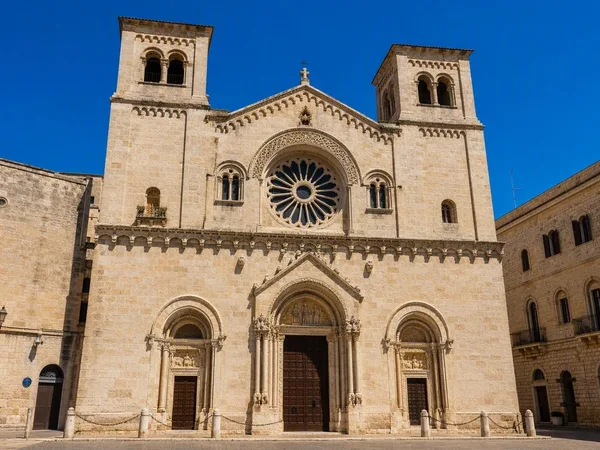
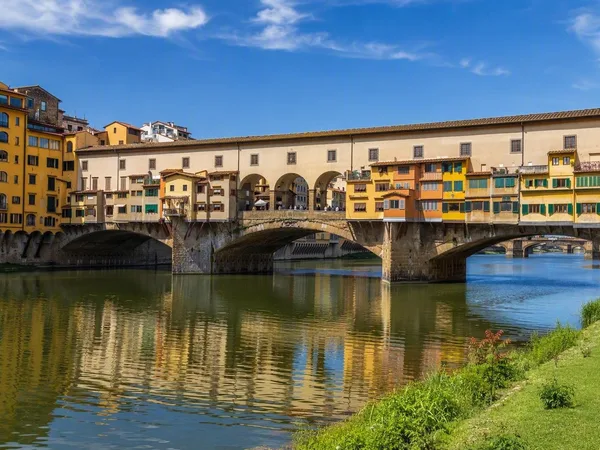
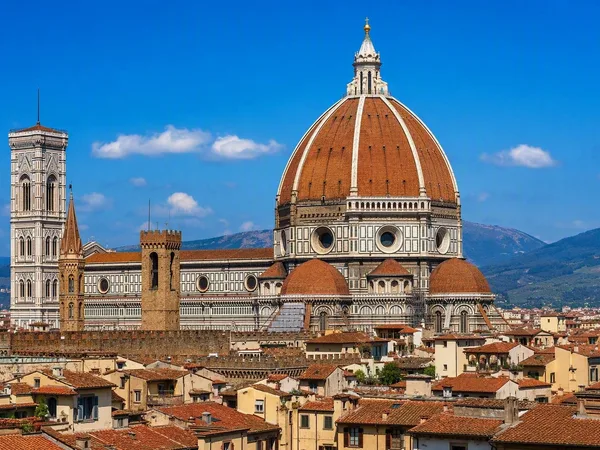
Art sits in the streets as well as in museums. Florence has Renaissance palaces and working craft shops. Ravenna preserves Byzantine mosaics. Lecce’s churches use the city’s warm local limestone for elaborate Baroque carving. Between the headline cities, fishing ports, farmhouses and evening squares show the everyday life behind the monuments. Stay for a meal, a walk and a conversation in more than one region, and Italy opens up well beyond its familiar sights.

When to go

Best time to travel

Monthly values are indicative average maximum temperatures for Rome. Temperatures and seasonal conditions vary meaningfully between the Alps, central Italy, the southern mainland and the islands. Monthly values are indicative average maximum temperatures for Rome. Temperatures and seasonal conditions vary meaningfully between the Alps, central Italy, the southern mainland and the islands.

jan13°C feb14°C mar17°C apr20°C may24°C jun29°C jul32°C aug32°C sep27°C oct22°C nov17°C dec13°C

Weather in the capital

Practical Italy

On every country page we show the current weather for the capital.

Rome
Morning20°Cpartly cloudy
Afternoon29°Cpartly cloudy
Evening25°Cclear
today30°C / 20°Chigh and low

Current forecast by Open-Meteo

Getting around

High-speed trains connect major cities, while regional trains and buses serve smaller centres. Ferries link the mainland with Sicily, Sardinia and many smaller islands. Rural services can be less frequent.

Paying in Italy

Cards are widely accepted, but cash remains useful for small purchases and local markets. ATMs are common in towns and cities; independently operated machines may charge higher fees.

Where to stay

Options include city hotels, family-run guesthouses, agriturismi, alberghi diffusi and mountain rifugi. Book early for major cities, coastal resorts and popular summer periods.

Before you leave

Worth knowing

A practical starting point for your trip. Check current conditions and local information before you leave.

01

Official languages

Italian is the national official language. German, French and Slovene also have official status in parts of border regions, while other minority languages have legal protection.

02

Calling code

Italy’s international calling code is +39. Italian landline numbers keep their initial zero when called from abroad.

03

Driving side

Traffic drives on the right. Drivers overtake on the left.

04

Limited traffic zones

Many historic centres have camera-controlled ZTL areas. Access often requires local authorisation, and signs show when restrictions apply.

05

Tipping

Tipping is optional. Diners often leave small change or round up for good service rather than add a fixed percentage.

06

Restaurant cover charges

Many restaurants list a per-person coperto, or cover charge, on the menu. It is separate from any service charge or tip.

07

Meal times

Lunch commonly runs from about 12:30 to 2:30pm. Dinner often begins around 7:30pm, with later opening times common in the south and during summer.

08

Shop hours

Opening hours vary by place and business. Smaller shops may close for several hours after lunch, while large stores and central-city shops often stay open all day.

09

Validating tickets

Paper tickets for local buses, trams and many regional trains usually need validation before travel or on boarding. Digital regional rail tickets may require check-in instead.

10

Mobile connectivity

4G coverage is widespread, and 5G is available in many urban areas. Reception can be weaker in mountains, remote countryside and on smaller islands.

11

Measurements

Italy uses the metric system: kilometres for distance, litres for volume and kilograms for weight. Temperatures are stated in degrees Celsius.

12

Dress at religious sites

Churches and monasteries may require covered shoulders and knees. Staff may refuse entry when clothing does not meet posted rules.

From the magazine

Stories about Italy

Editorial stories connected to Italy and the places in this country.

Europe’s 10 Most Atmospheric Small Places, Ranked
Article

Europe’s 10 Most Atmospheric Small Places, Ranked

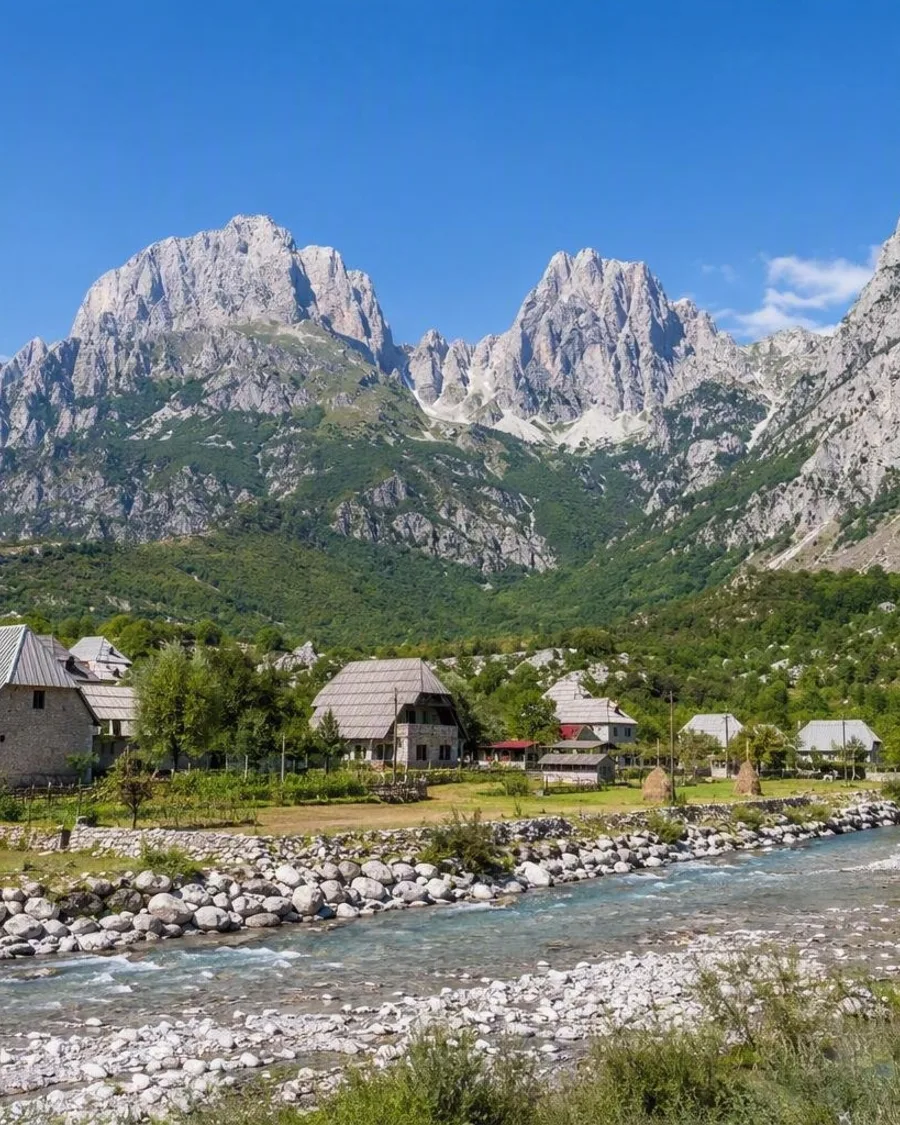
This is an editorial, deliberately subjective ranking. Rock, water and relief carry most weight, followed by the coherence of the buildings and the ordinary life still visible among them.

The world’s ten greatest bridges, ranked
Article

The world’s ten greatest bridges, ranked

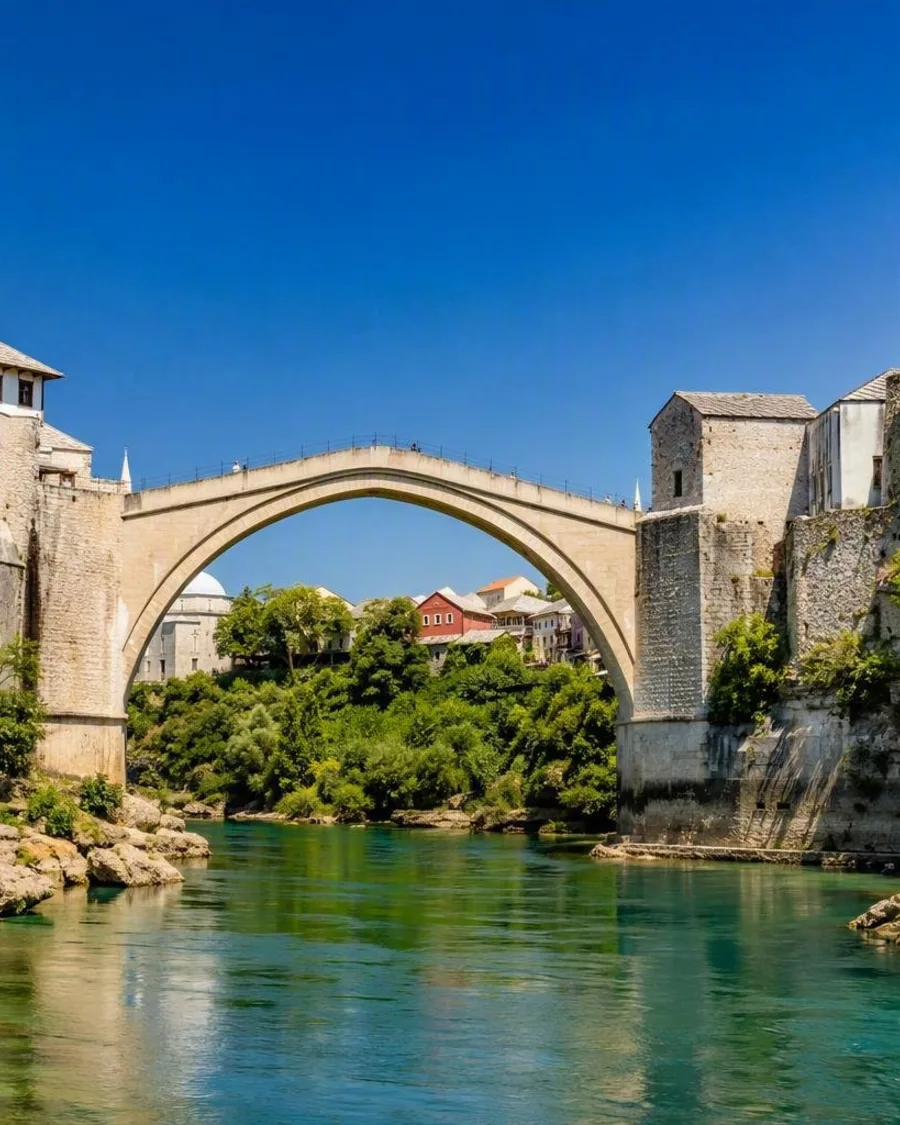
These ten bridges are ranked by three things: the force of their design, the history held in their fabric, and the precision with which they meet their river, strait, valley or city. Pont du Gard starts the list; Stari Most finishes it above the Neretva.

The 10 Cities Best Understood from the Water
Article

The 10 Cities Best Understood from the Water

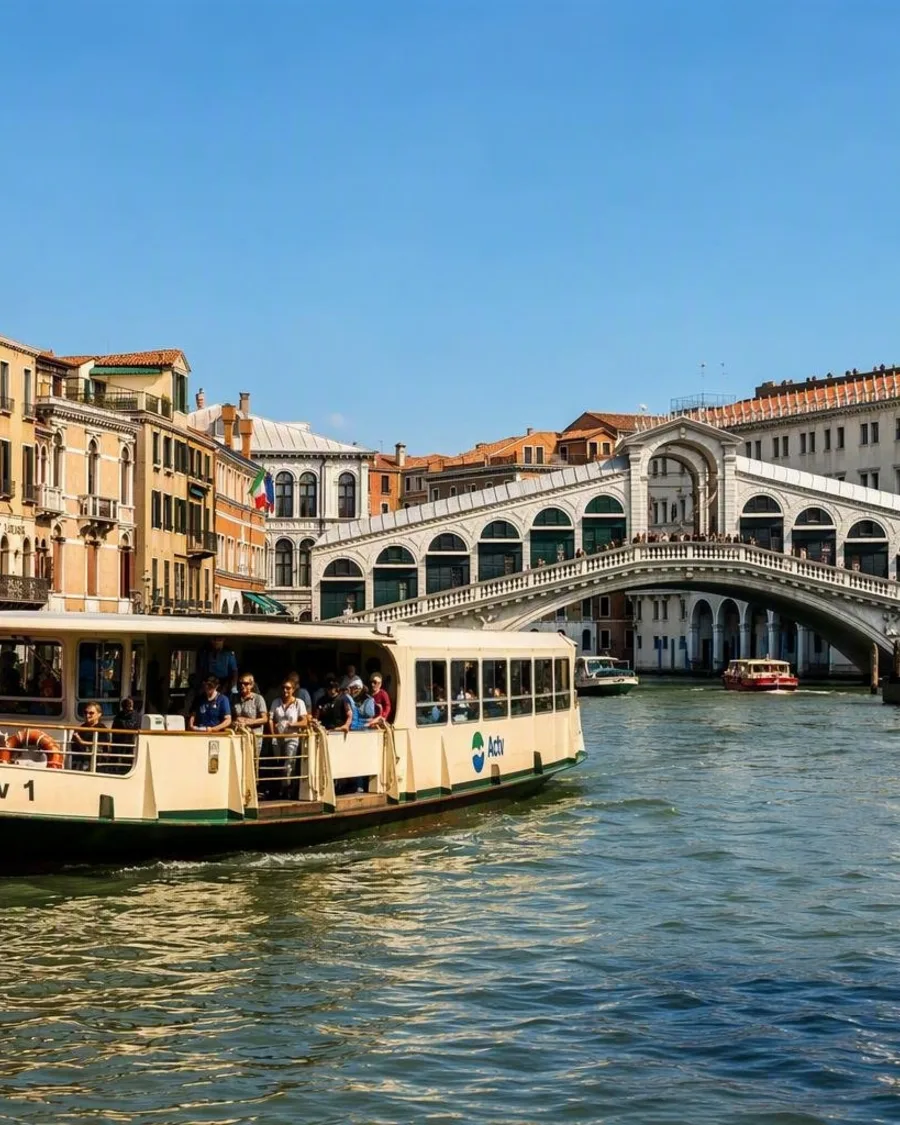
A fine skyline is not enough. In these ten cities, a ferry or small boat reveals how trade, terrain, buildings and daily travel grew around a river, canal or bay.

Ten trading cities where the old streets still work
Article

Ten trading cities where the old streets still work

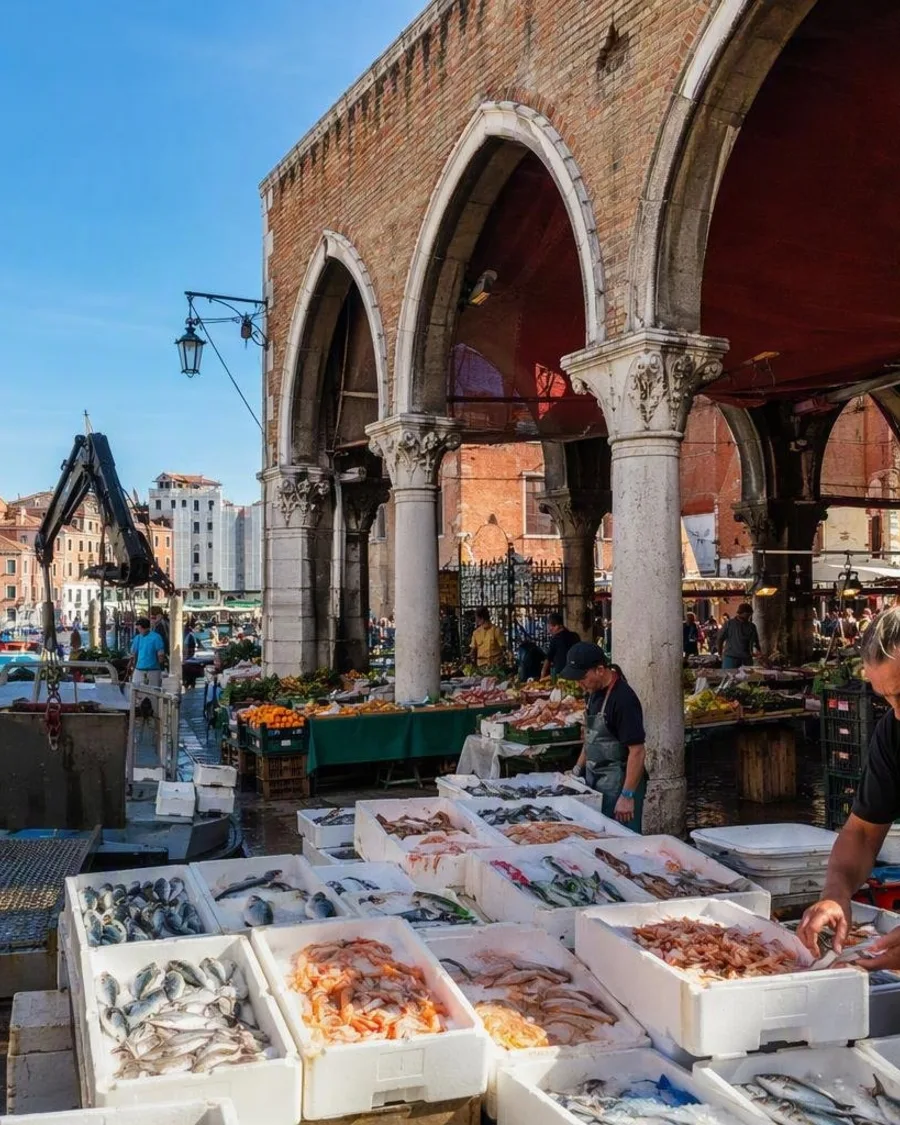
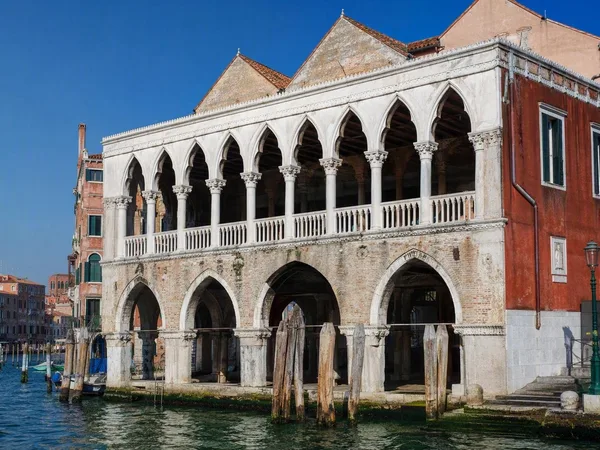
At Venice’s Rialto market, fishers and wholesalers still sell the morning catch beside open-air fruit and vegetable stalls. Across ten old trading cities, quays, lanes, workshops and fortifications still show how goods once moved and how people use these places now.

Ten places where local bread is still made by hand
Article

Ten places where local bread is still made by hand

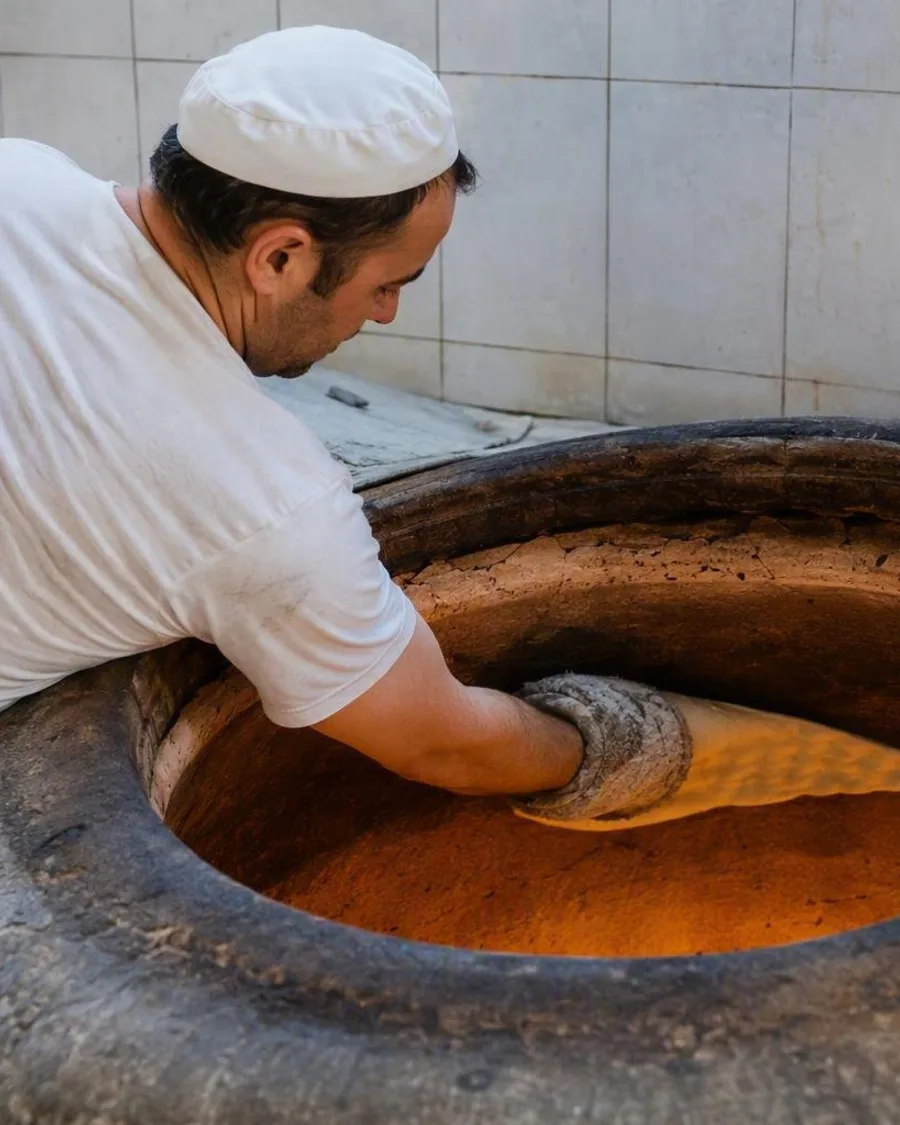
Bread shows the daily work behind a neighbourhood meal: a household’s marked dough at a Marrakesh communal oven, dark rye beside sourdough in Copenhagen, and bolillos from brick ovens in Mexico City. These ten working addresses and market settings sell local bread made through distinct local practices.

Ten Squares That Change After Dark
Article

Ten Squares That Change After Dark

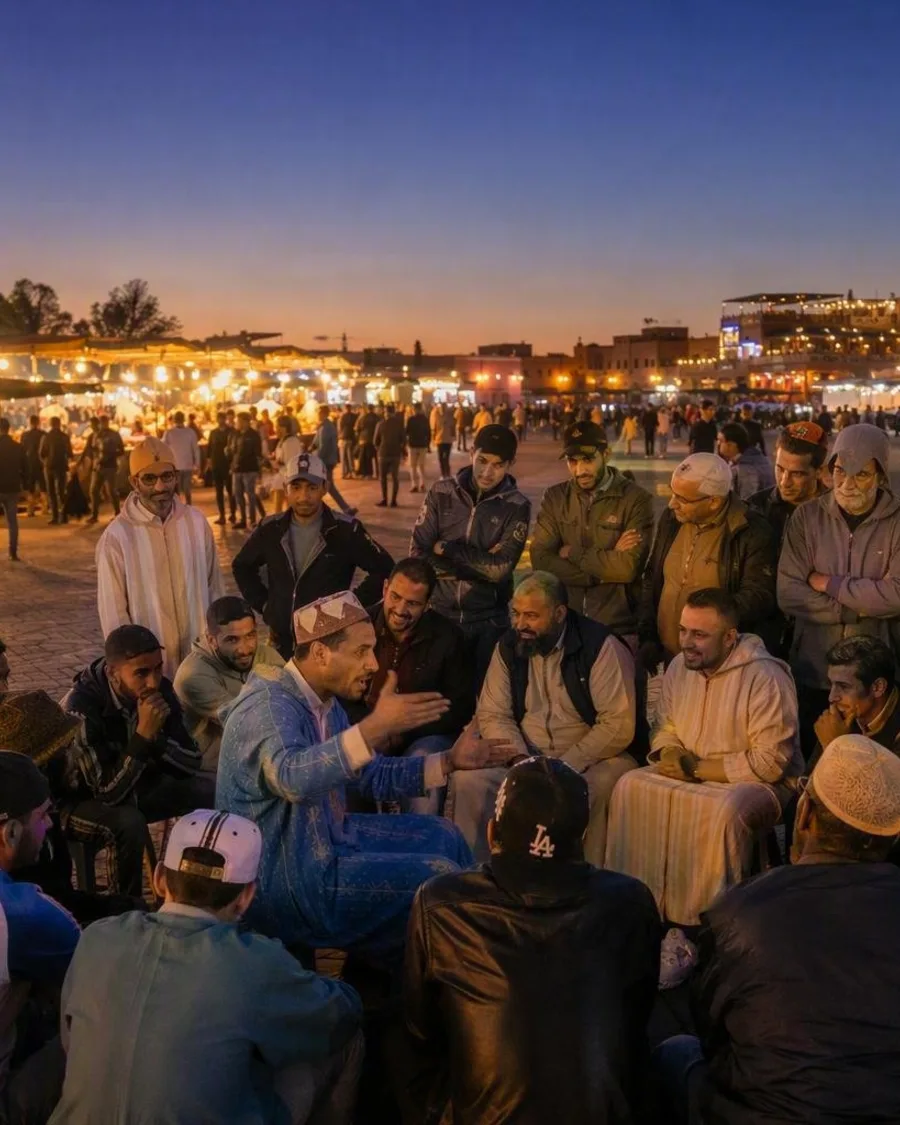
At sunset, restaurant stalls fill Jemaa el-Fna and listeners close around storytellers who adjust each performance to the crowd. Elsewhere, evening brings aperitivo tables, commuter tides, street food, ceremonies and concert audiences to public ground.

Eight European cities best read from a tram window
Article

Eight European cities best read from a tram window

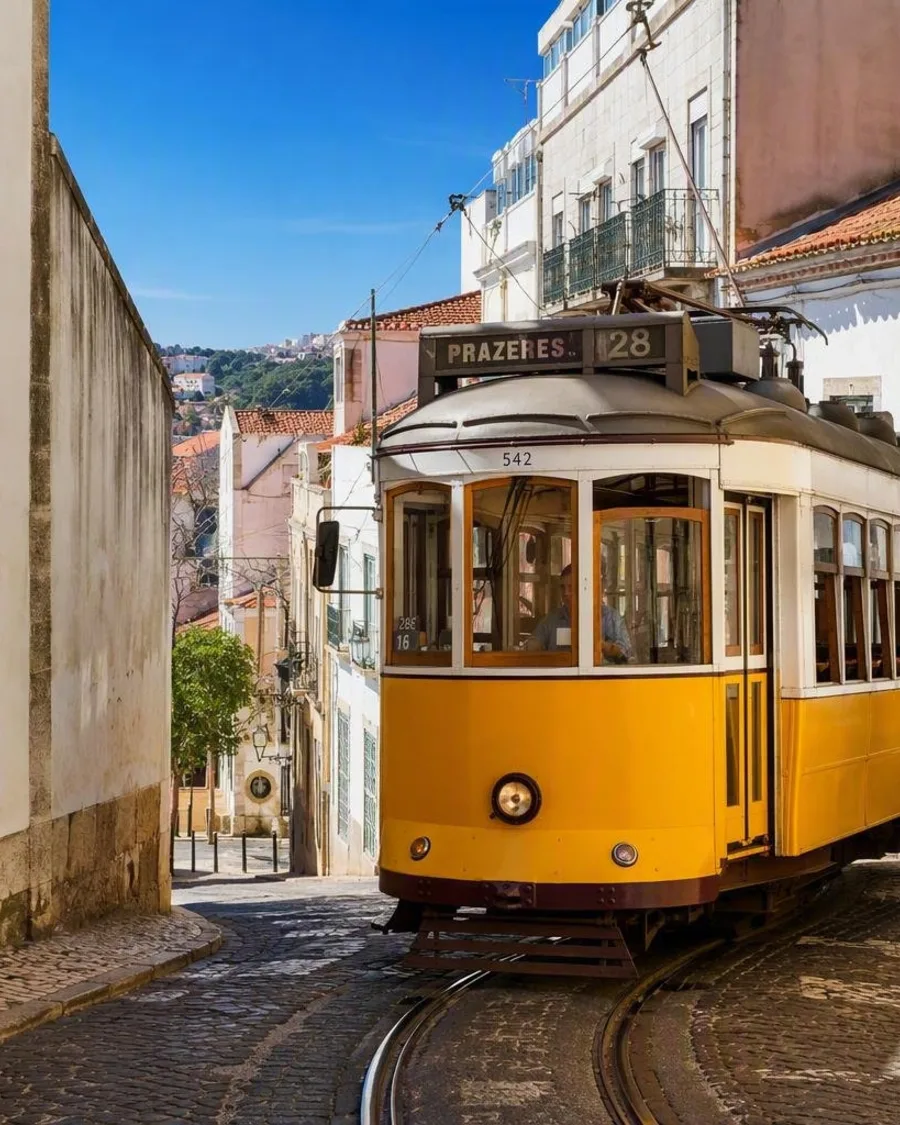
A good tram route does more than join landmarks. It follows the grades, quays and street plans that shaped a city, then leaves enough time to see them from a seat by the window. These eight rides turn everyday public transport into a clear route through the urban grain.

Eight deltas shaped by water and work
Article

Eight deltas shaped by water and work

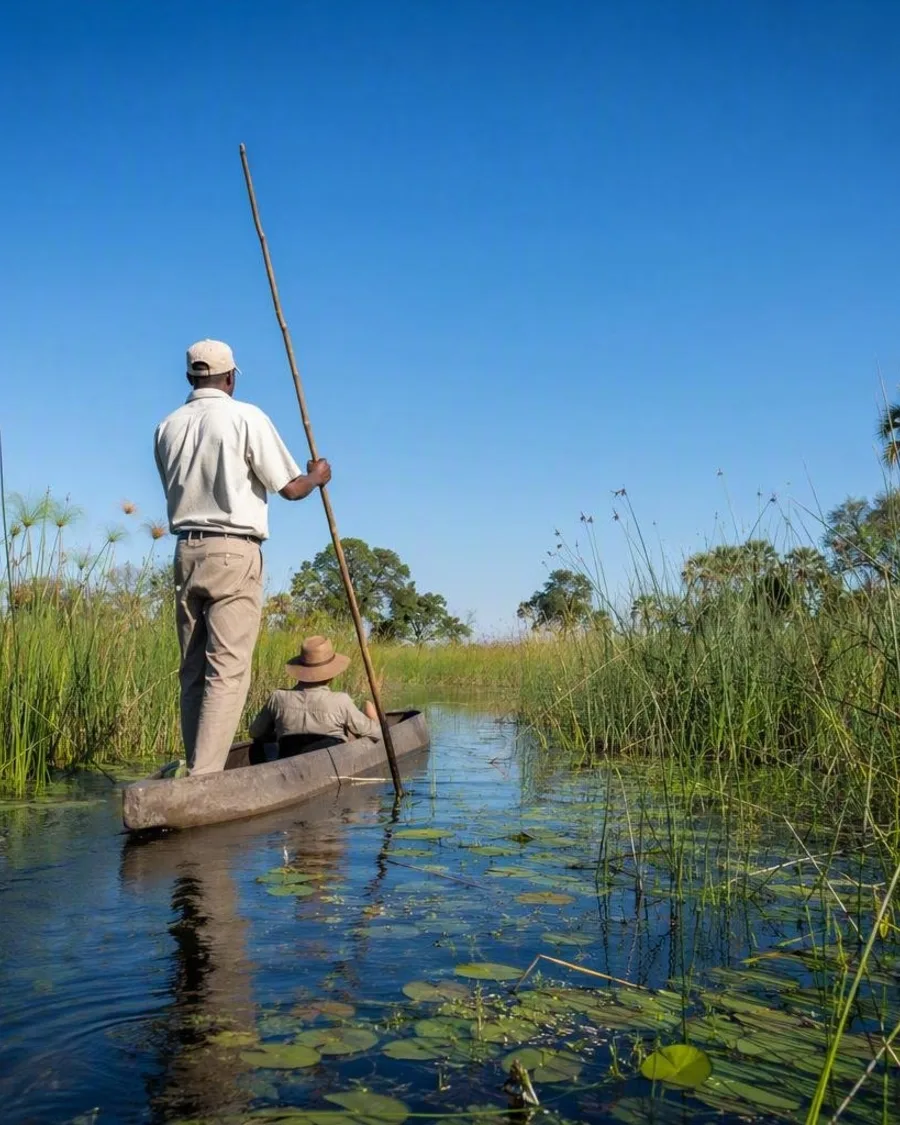
From Botswana’s inland floodplains to Argentina’s tidal islands, eight deltas show rivers at work in very different ways: feeding fields, carrying boats, building marshes and supporting communities at the water’s edge.

Eight Journeys Where the Way There Is the Point
Article

Eight Journeys Where the Way There Is the Point

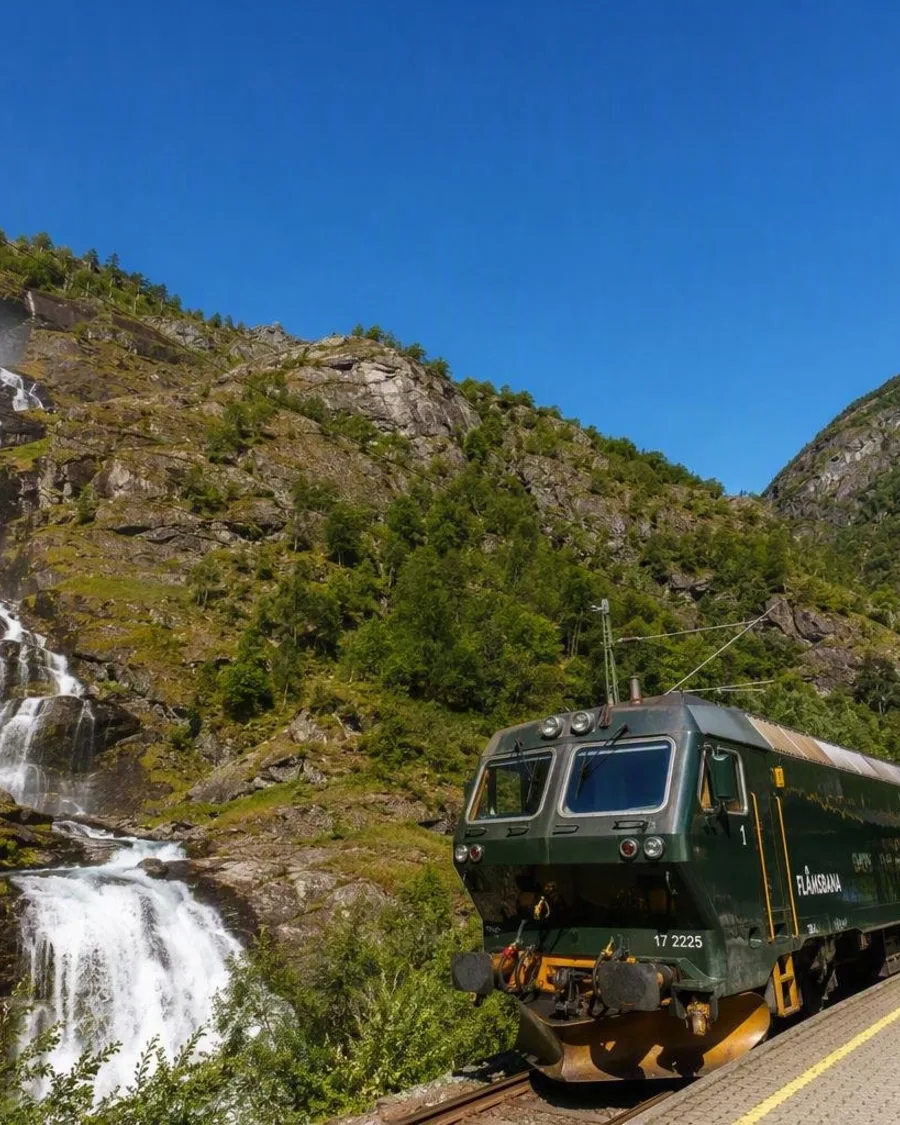
At Myrdal, the Flåm Railway leaves Norway’s main line and begins an 866-metre descent towards the fjord. Tunnels, ledges and tight curves make the movement downhill more compelling than the arrival.

Eight cultivated landscapes, from Douro vines to Kericho tea
Article

Eight cultivated landscapes, from Douro vines to Kericho tea

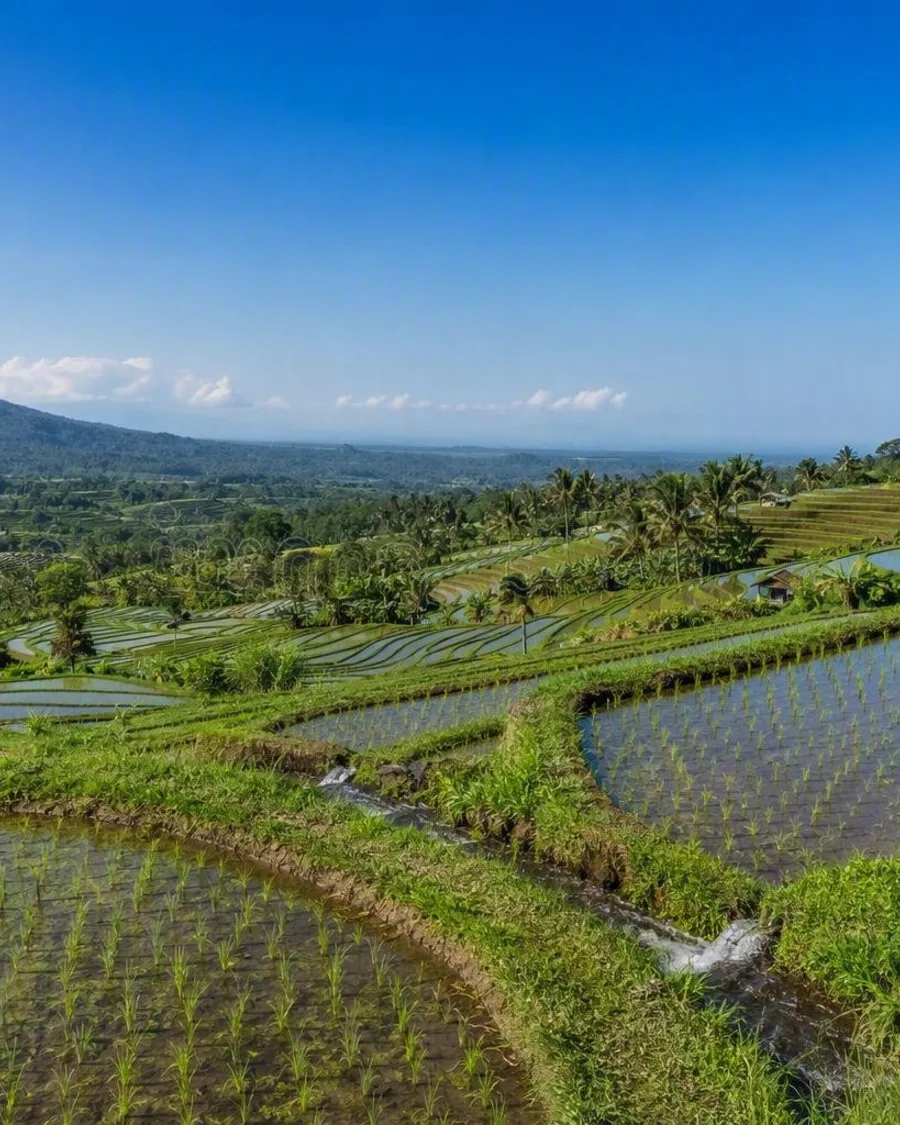
A dry-stone wall in Portugal holds vines to a schist slope. On Bali, water runs from mountain channels through temples and down a chain of rice fields. Below the Andes, old irrigation ditches carry meltwater to Malbec vines. These eight regions show farming not as a backdrop but in the walls, canals, food and daily work that give each landscape its form.

Seven European train routes where the railway is the destination
Article

Seven European train routes where the railway is the destination

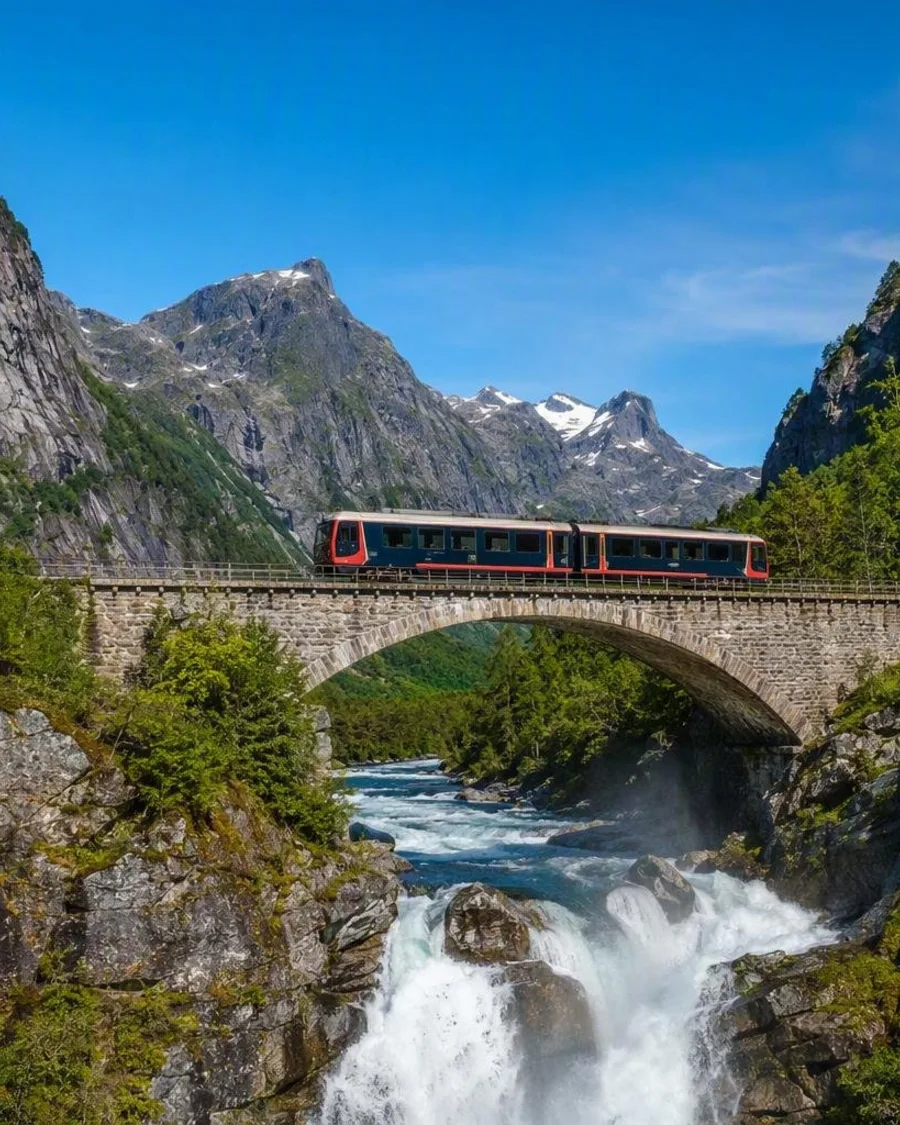
Above Vermafossen, a regular train crosses the stone Kylling Bridge before dropping between the rock walls of Romsdal. These seven lines put landscape, railway construction and ordinary public transport in the same frame.

Een bui onder de bogen van Bologna
Article

Een bui onder de bogen van Bologna

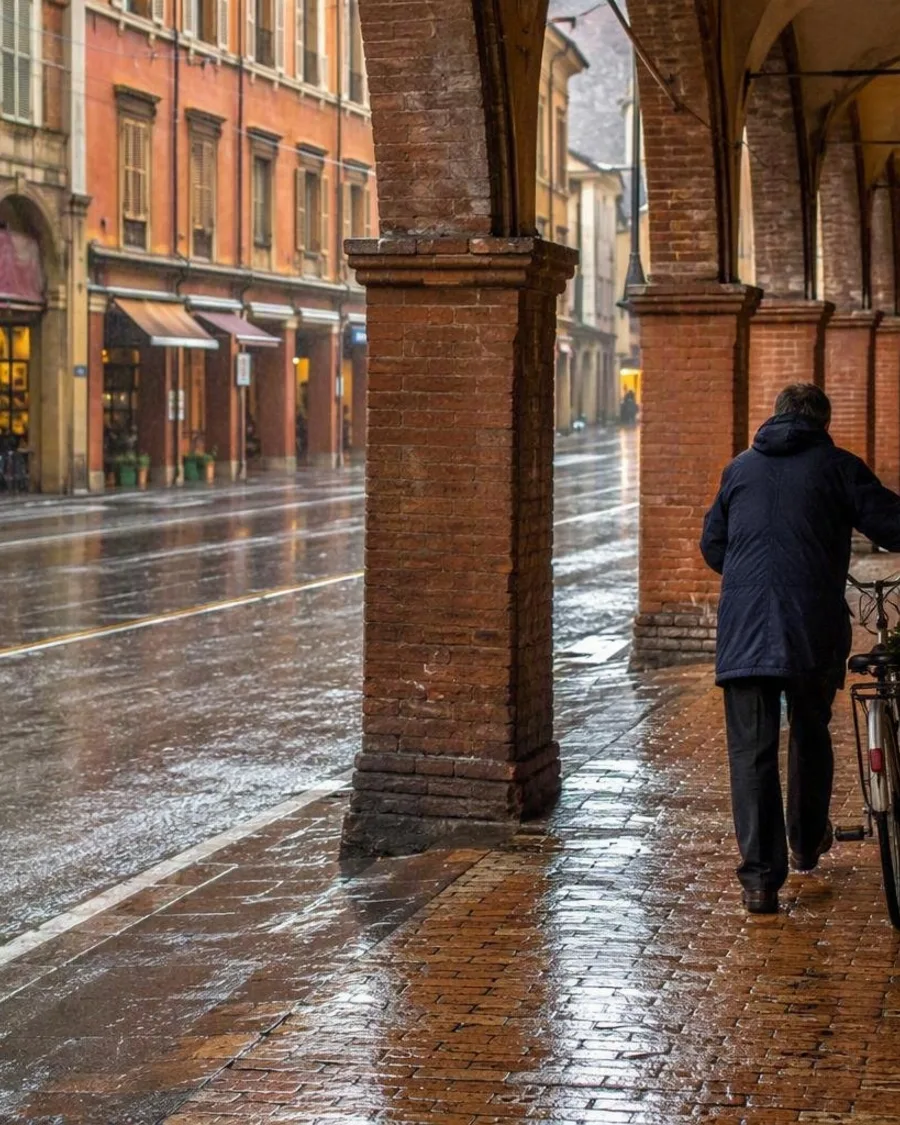
De regen maakt Via Ugo Bassi donker, maar tussen de Mercato delle Erbe en Bass’otto blijft een droge strook langs de gevels open. Onder de portieken gaan boodschappentassen, fietsen en stemmen verder terwijl de straat buiten nat wordt.

From Sanità to Pignasecca, Before Naples Gets Loud
Article

From Sanità to Pignasecca, Before Naples Gets Loud

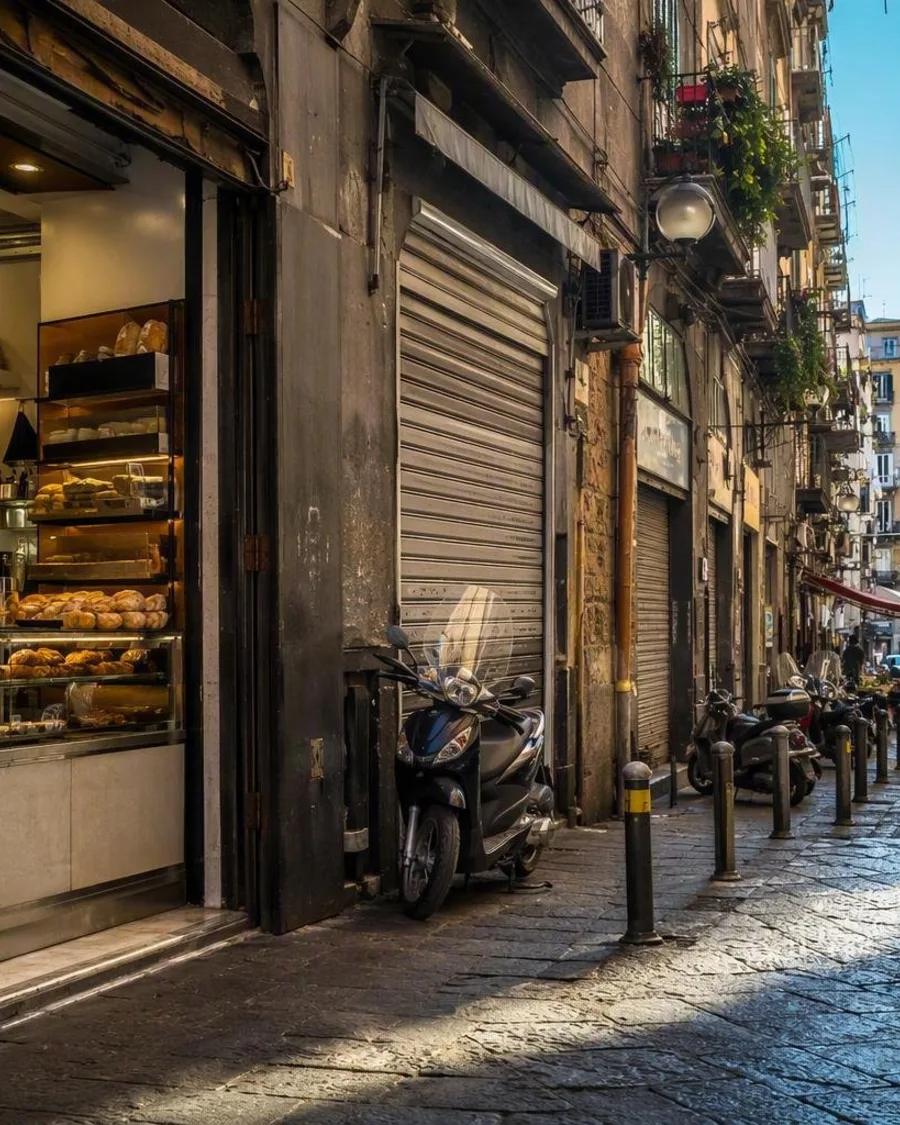
Start low in Sanità, where tuff walls, scooters and early bakery trade fill a tight valley street. Then climb towards Museo, cross Piazza Dante, and descend through Montesanto as separate errands gather into the dense commerce of Pignasecca.