
Region · Spain
Asturias
Asturias is Spain’s northern autonomous region, where the Cantabrian coast, mountain country and apple-growing valleys meet. Its living cider culture runs from orchards and cider mills to city cider houses.
Get your bearings
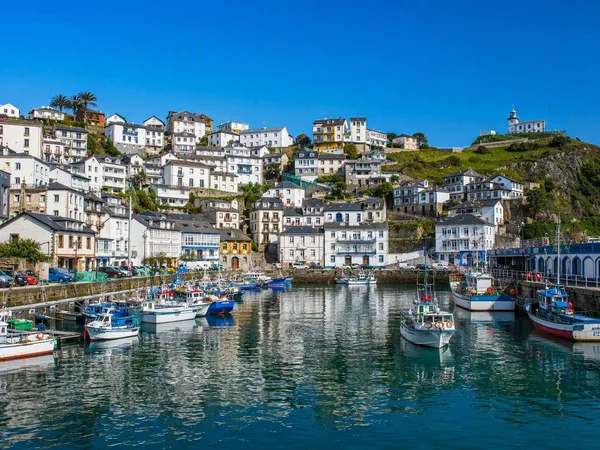
Asturias occupies Spain’s north coast on the Cantabrian Sea. It is a region of sharply varied terrain: coastal cliffs, beaches, estuaries and fishing settlements give way quickly to the Cantabrian Mountains. Oviedo/Uviéu is the institutional capital and a useful urban base; Gijón/Xixón is the principal seaside city.
Treat Asturias as a region rather than a single-stop destination. Build a route around one coast-and-city base, one mountain area and, if food is the priority, the cider country in the centre-east.
The cider landscape
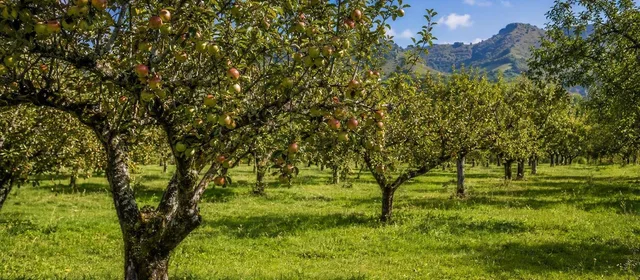
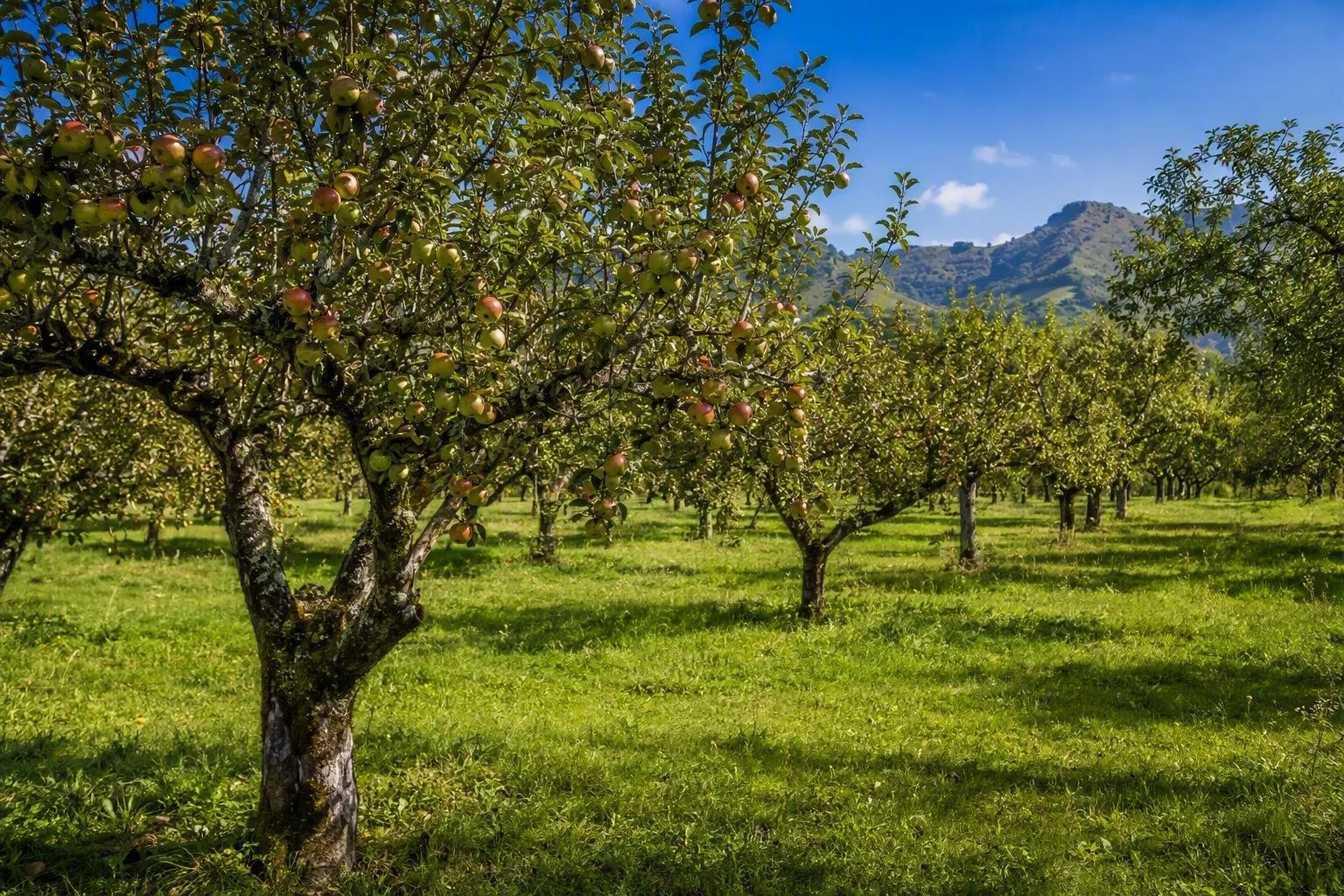
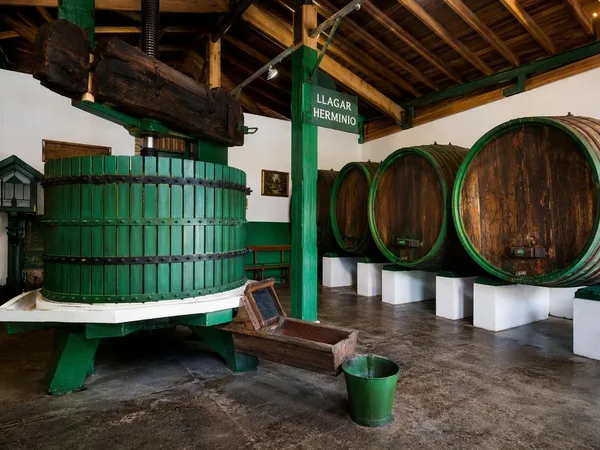
Cider is embedded in the working landscape as well as the table. Pumaradas—apple orchards—are a characteristic feature of Asturias, and llagares are the mills where apples are pressed and cider is made. Native varieties are fermented into sidra natural, the region’s signature still cider.
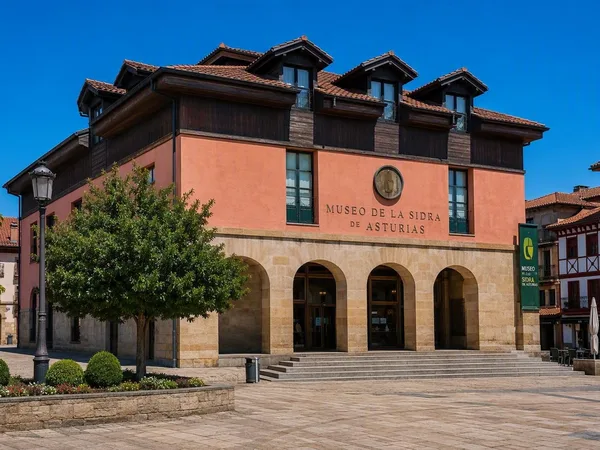
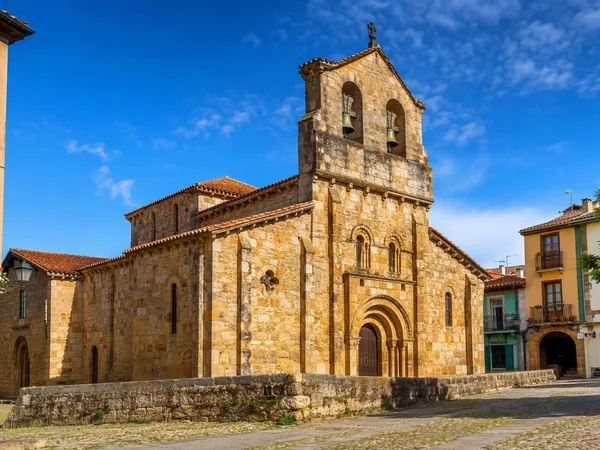
The heartland is the Comarca de la Sidra, centred on Villaviciosa and Nava and including Bimenes, Cabranes, Colunga and Sariego. Use it to link orchard country with small towns, historic churches and the eastern coast. The Cider Museum in Nava is the clearest single introduction to cultivation, pressing, fermentation and serving.
What the terms mean:
- Llagar: cider mill; some receive visitors and host meals.
- Sidrería / chigre: cider house or cider bar.
- Espicha: an informal meal centred on cider, traditionally associated with tasting it from the barrel.
How cider is served
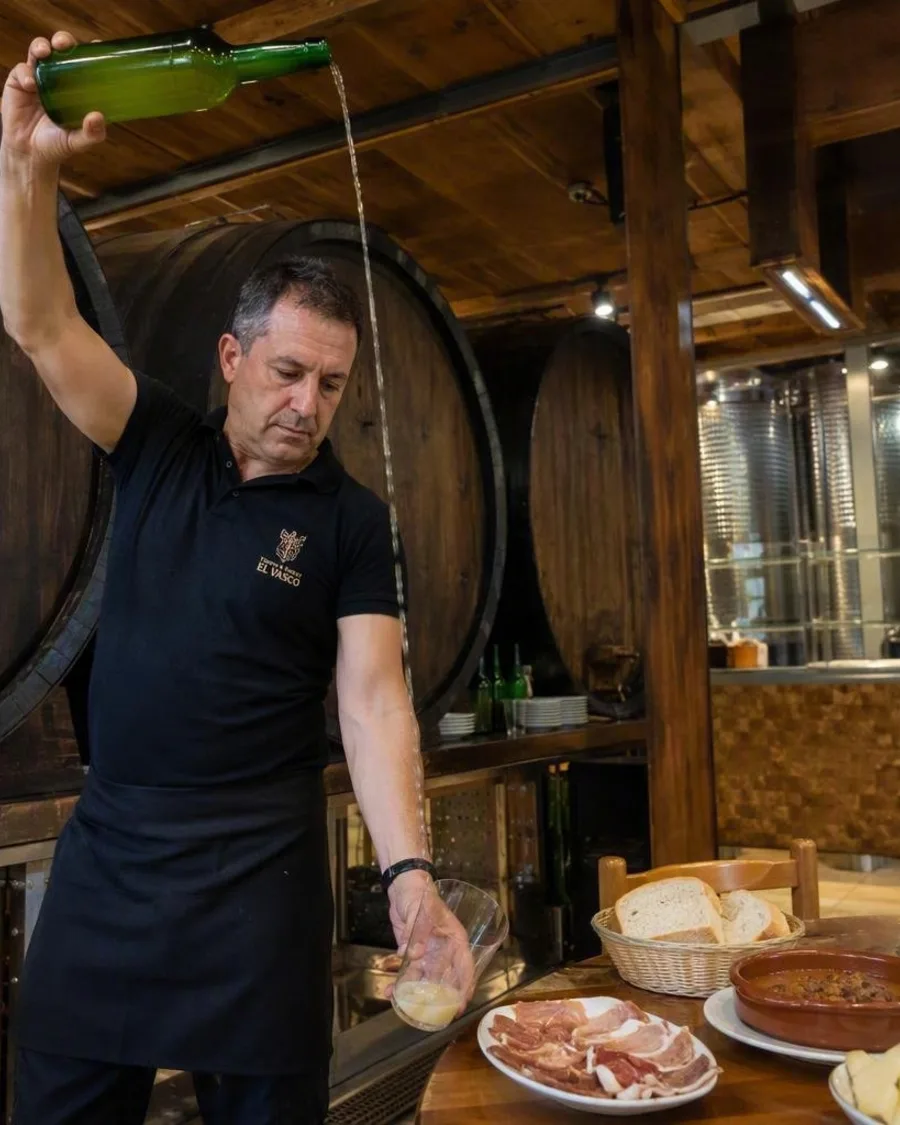
In a sidrería, natural cider is poured by escanciado: the bottle is held high and the broad glass low so the cider lands with force. The small serving is a culín. Drink it promptly rather than letting it sit in the glass.
Cider is a shared-table drink, commonly ordered by the bottle. Pair it with regional cooking: seafood and fish near the coast; fabada bean stew, substantial cheeses, chorizo a la sidra and cachopo inland and in the cities. This is not a decorative ritual: growing apples, making cider, pouring and communal consumption together form the Asturian cider culture inscribed on UNESCO’s Representative List in 2024.
Coast, mountains and heritage
For the coast, follow the eastern stretch through Colunga and Villaviciosa: La Griega beach has dinosaur footprints visible on the rocks at low tide, while the Villaviciosa estuary is a protected wetland landscape. Llastres and Tazones retain compact fishing-village form.
For mountain Asturias, allocate separate time. Somiedo combines valleys, forests, high pastures and glacial lakes; the Picos de Europa area is steeper, more dramatic and demands proper mountain planning. Weather and road conditions can change the character of a day quickly.
Timing and practical rhythm
Apple harvest generally falls in October and November, making autumn the most direct season for orchard and mill visits. Nava’s Natural Cider Festival is held in July; Gijón’s cider festival takes place in the final week of August.
In summer, coastal beaches and mountain access points are busiest. Outside peak season, cities, cider houses and the Cider Region remain practical choices, while higher mountain routes may require more careful timing.
From the magazine
Stories about Asturias
Editorial stories linked directly to Asturias.
Routes from our editors
Travel through Asturias
Editorial routes connecting Asturias with other countries, cities and hotspots.
No routes through Asturias have been published yet.
More in Spain
Related hotspots
Other cities, nature areas and places within Spain.
Manises: City of Ceramics
1 linked stories and routes

Valencia
1 linked stories and routes
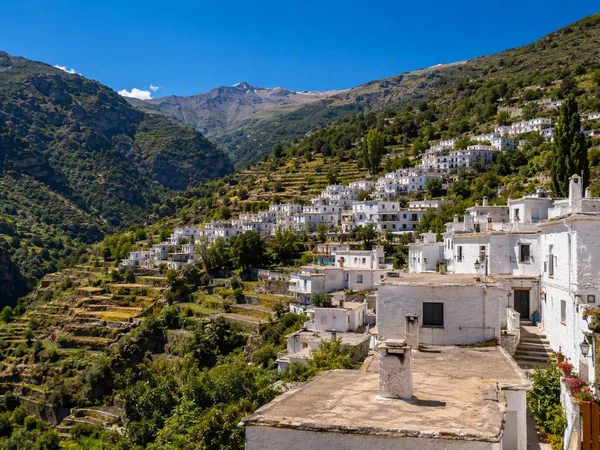
Alpujarras
1 linked stories and routes
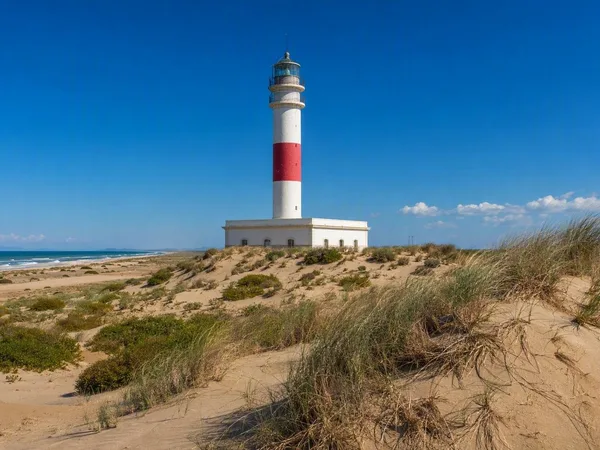
Ebro Delta
1 linked stories and routes
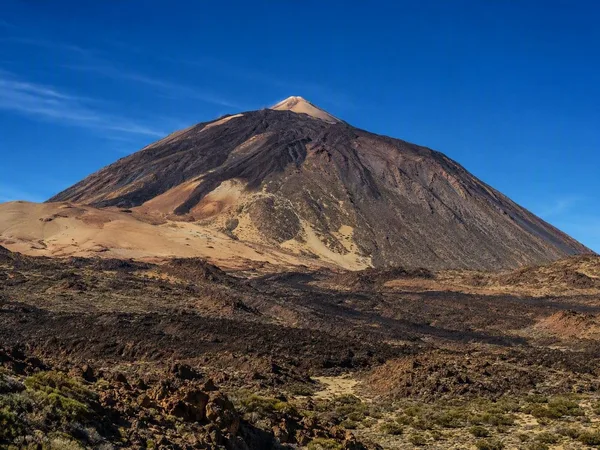
Teide
1 linked stories and routes

La Palma
1 linked stories and routes
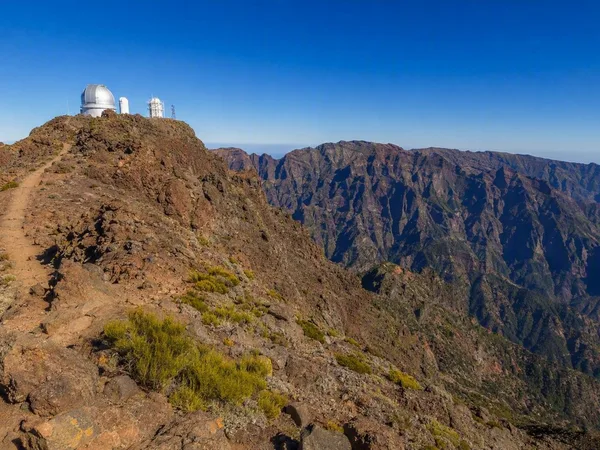
Roque de los Muchachos
1 linked stories and routes
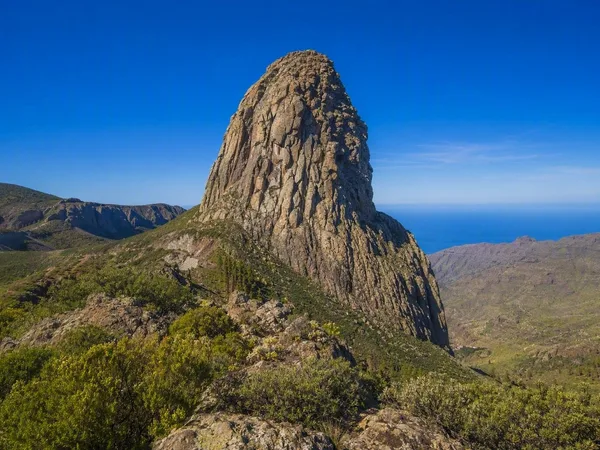
La Gomera
1 linked stories and routes
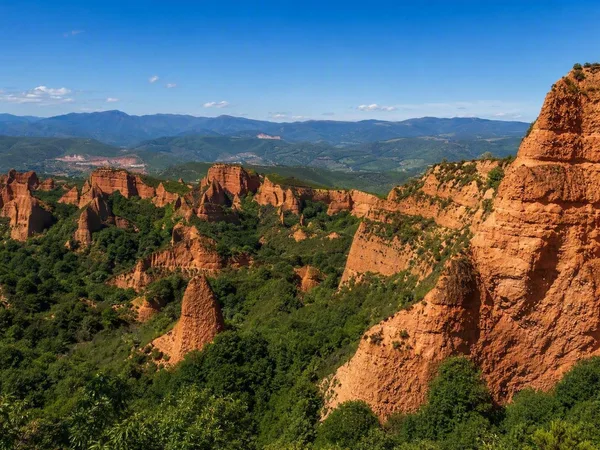
Las Médulas
1 linked stories and routes
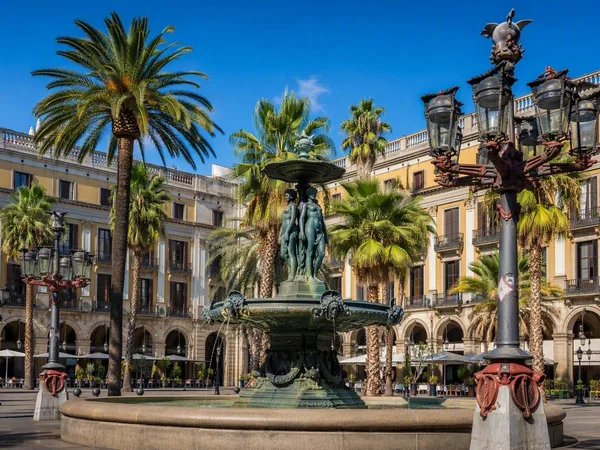
Plaça Reial
1 linked stories and routes
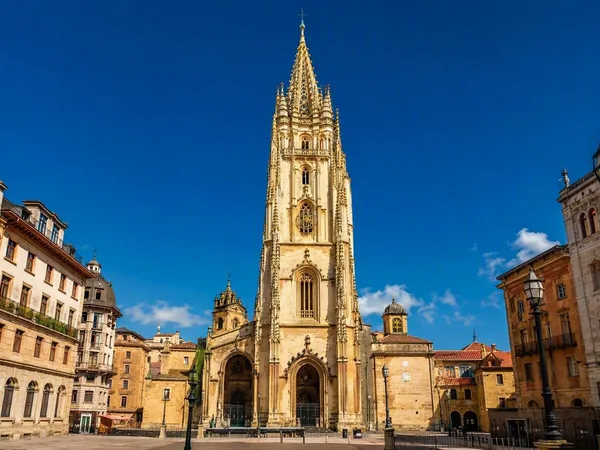
Oviedo
1 linked stories and routes
Colloto
1 linked stories and routes
Nava
1 linked stories and routes
Villaviciosa
1 linked stories and routes
Luarca
1 linked stories and routes
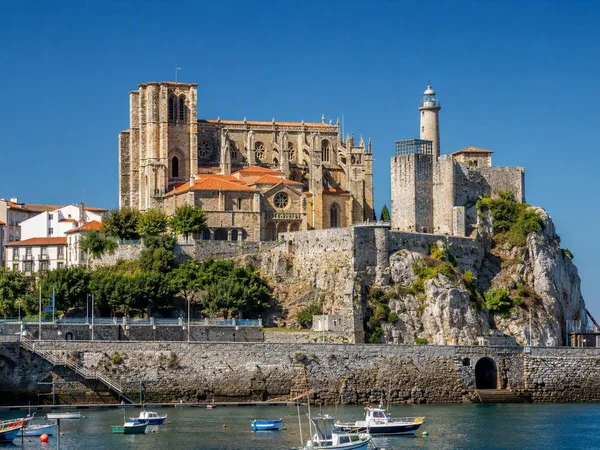
Castro Urdiales
1 linked stories and routes
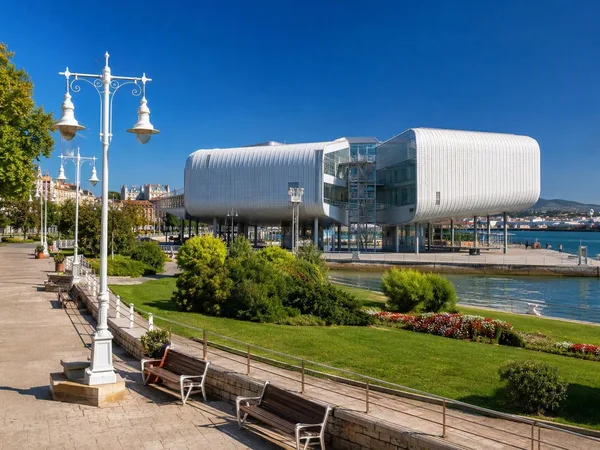
Santander
1 linked stories and routes
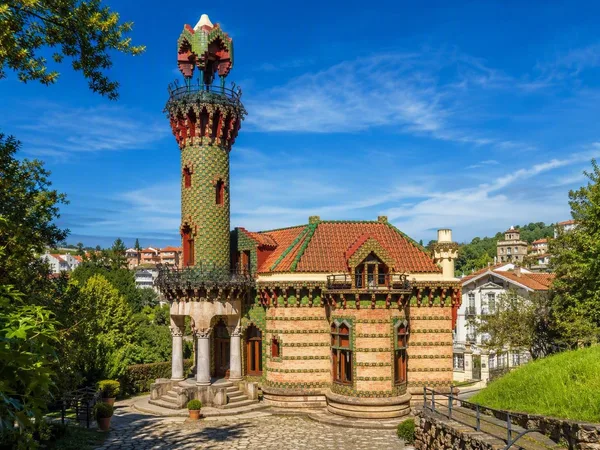
Comillas
1 linked stories and routes
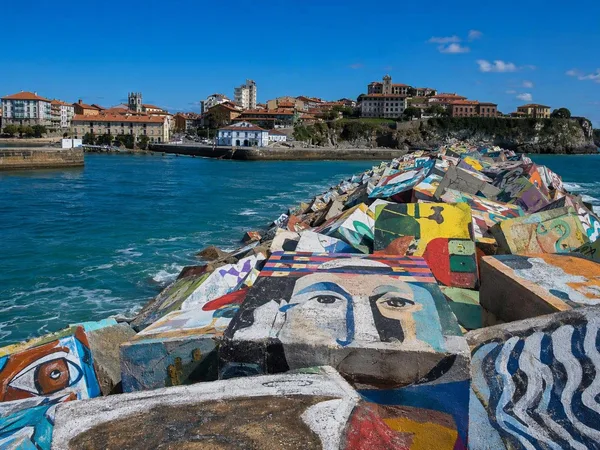
Llanes
1 linked stories and routes
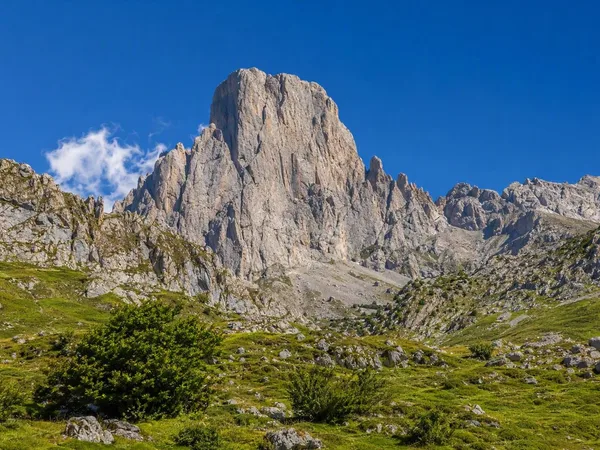
Picos de Europa National Park
1 linked stories and routes
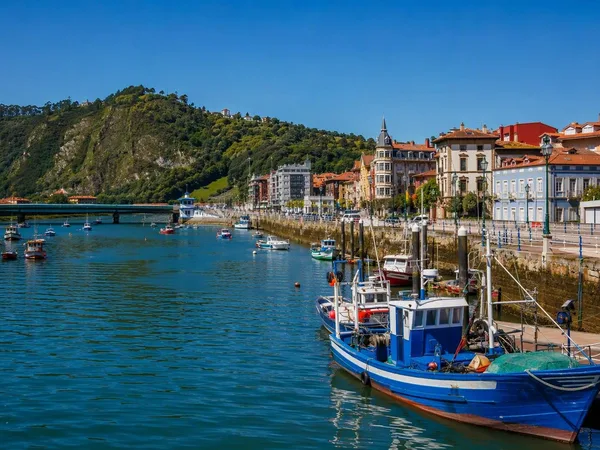
Ribadesella
1 linked stories and routes
Cudillero
1 linked stories and routes

Bilbao
1 linked stories and routes
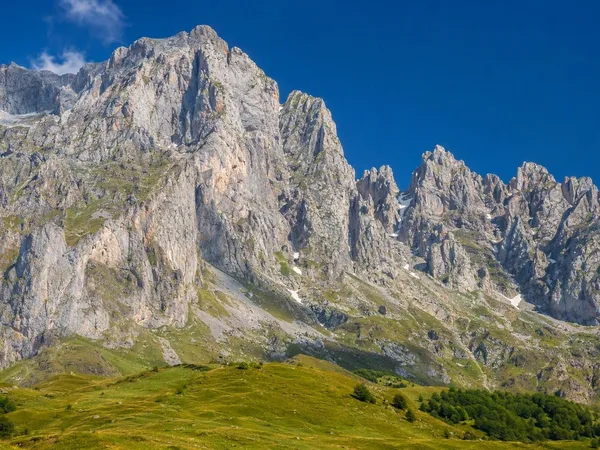
Cantabria
1 linked stories and routes
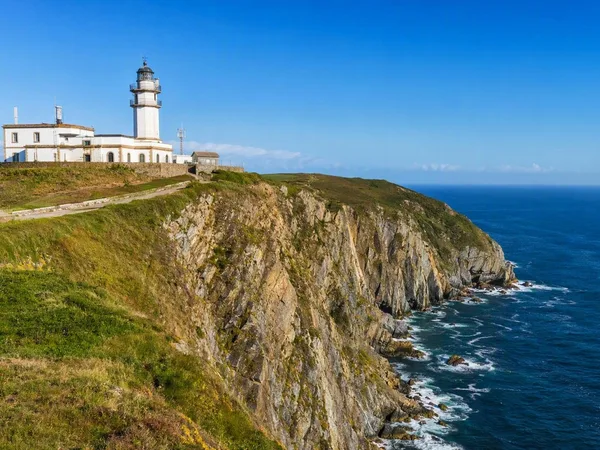
Cabo Vidio, Asturias
1 linked stories and routes

Córdoba
1 linked stories and routes
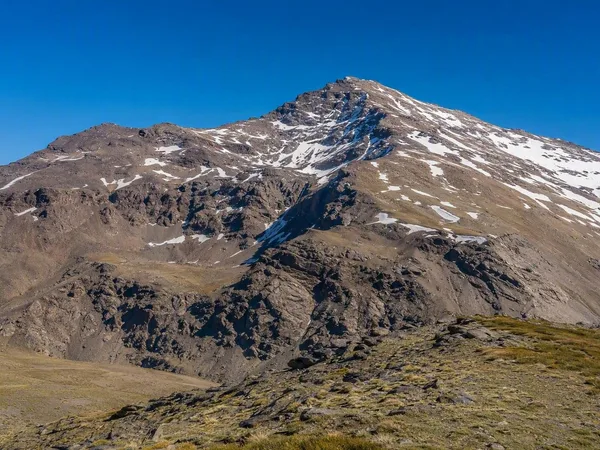
Sierra Nevada
0 linked stories and routes
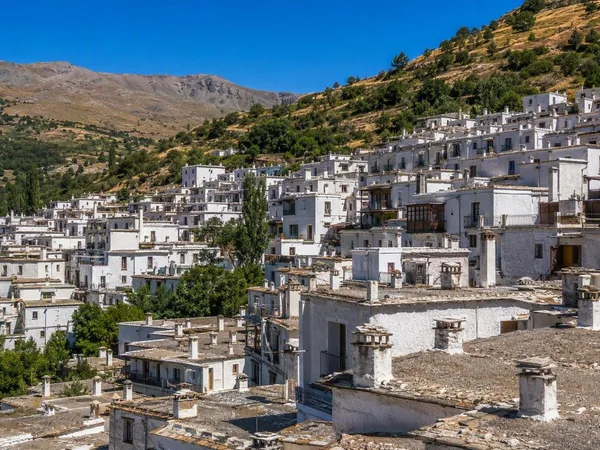
Trevélez
0 linked stories and routes

Barcelona
0 linked stories and routes
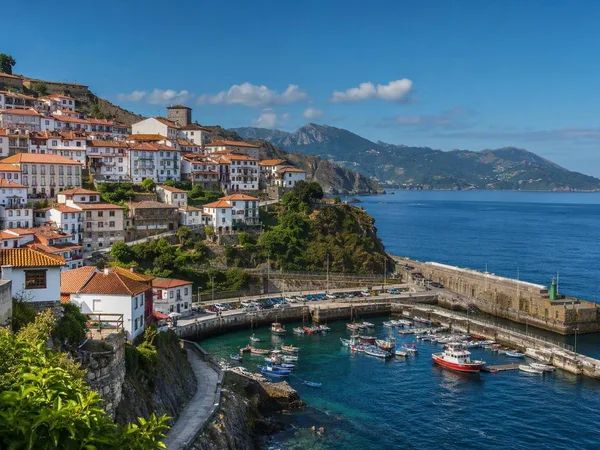
Lastres
0 linked stories and routes