
City · Spain
Bilbao
Bilbao is the principal city of Biscay in Spain’s Basque Country, set on the Nervión estuary rather than the open coast. Its medieval old quarter and remade industrial riverfront make a compact, sharply contrasted city break.
Start with the river
Bilbao was founded in 1300 at a strategic river crossing, where trade moving between inland Castile and the sea could be controlled. The estuary still gives the city its logic: follow its banks to connect the medieval core, 19th-century expansion and contemporary waterfront.
Begin on the riverside rather than treating it as a backdrop. It is the line that links the oldest commercial quarter to Abandoibarra, the former port-and-industrial land now remade for culture and public space.
Casco Viejo: the medieval core
The Casco Viejo is Bilbao’s historic quarter. Its framework is the Siete Calles, the seven narrow streets that formed the medieval town. Walk them slowly; this is the best area for small-scale streets, churches, shops and pintxos bars.
Useful anchors are:
- Santiago Cathedral, beside the old streets.
- San Antón Church and bridge, at the historic crossing where merchants entered the town.
- Ribera Market, on the estuary. Pedro Ispizua’s Expressionist market hall has two floors, original stained glass and food stalls.
- Plaza Nueva, an arcaded square that makes a practical pause between the old streets and the Arenal.
Abandoibarra and the Guggenheim
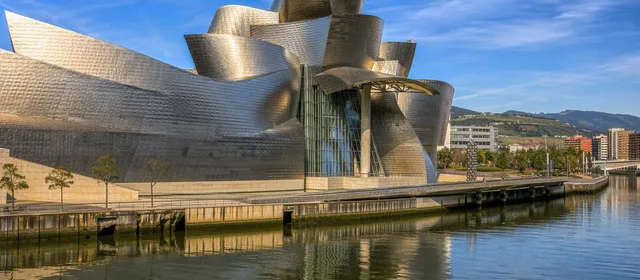
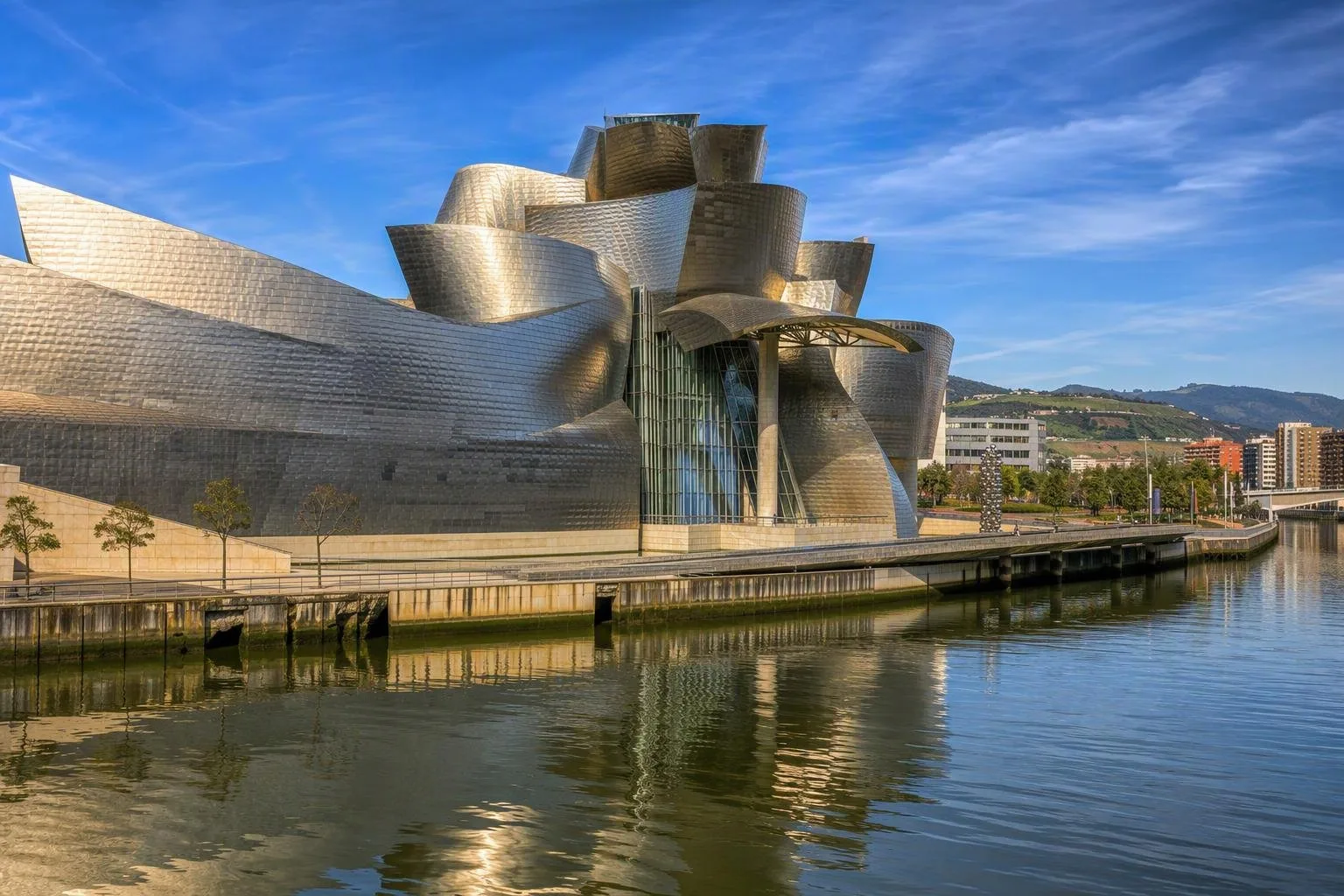
Walk west along the estuary to Abandoibarra for the clearest statement of Bilbao’s reinvention. The Guggenheim Museum Bilbao occupies a curve of the Nervión on a former wharf. Frank Gehry’s 1997 building is a composition of titanium, limestone and glass; its metal skin is made from about 33,000 thin titanium sheets.
The exterior deserves time before the galleries. Curved volumes, the river edge and bridges explain the building better than a quick front-door photograph. Inside, galleries are arranged around a central atrium and present modern and contemporary art through collection displays and changing exhibitions.
Move around efficiently
Central Bilbao works well on foot: Casco Viejo, the Arenal, the Ensanche and Abandoibarra follow one continuous river route. Use the tram when you want to shorten the riverside stretch; its central route serves stops by the Arriaga, Guggenheim and San Mamés.
For the city’s wider geography, take the Artxanda funicular. The three-minute ride reaches the hill above Bilbao, where the view makes the estuary’s course and the surrounding slopes legible. The service generally runs every 10 minutes from late morning to evening, and every 15 minutes outside that period.
Food and pacing
Treat pintxos as a sequence of small stops, not one oversized meal. Casco Viejo and Plaza Nueva are the obvious starting points; the market is better for seeing the city’s food trade in a working setting. Leave time for the river walk between districts—Bilbao reads best through that transition from old quays to titanium-clad waterfront.
From the magazine
Stories about Bilbao
Editorial stories linked directly to Bilbao.
No stories about Bilbao have been published yet.
Routes from our editors
Travel through Bilbao
Editorial routes connecting Bilbao with other countries, cities and hotspots.
No routes through Bilbao have been published yet.
More in Spain
Related hotspots
Other cities, nature areas and places within Spain.
Asturias
2 linked stories and routes
Manises: City of Ceramics
1 linked stories and routes
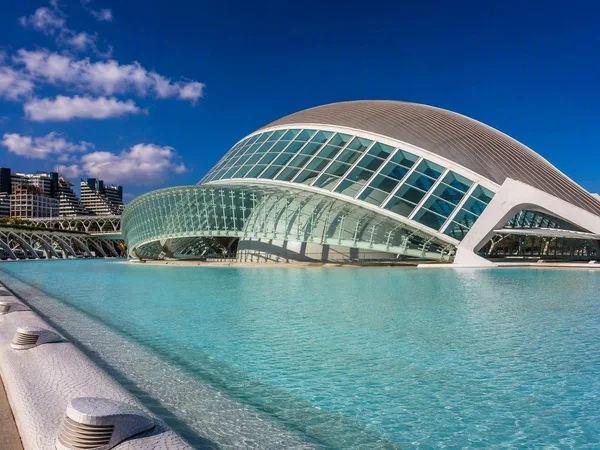
Valencia
1 linked stories and routes
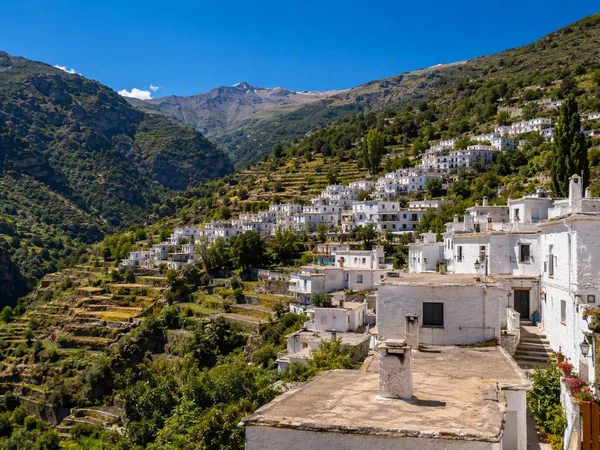
Alpujarras
1 linked stories and routes
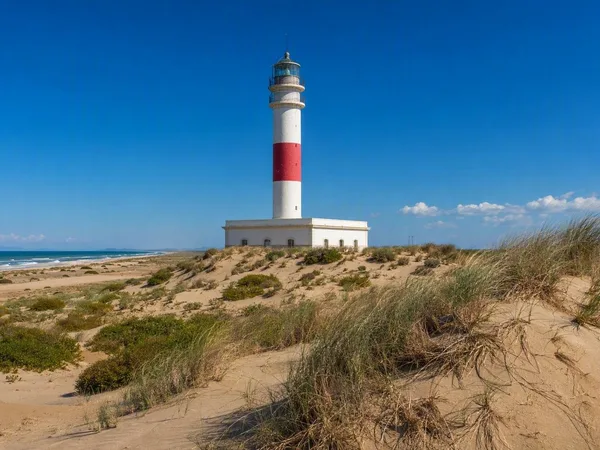
Ebro Delta
1 linked stories and routes
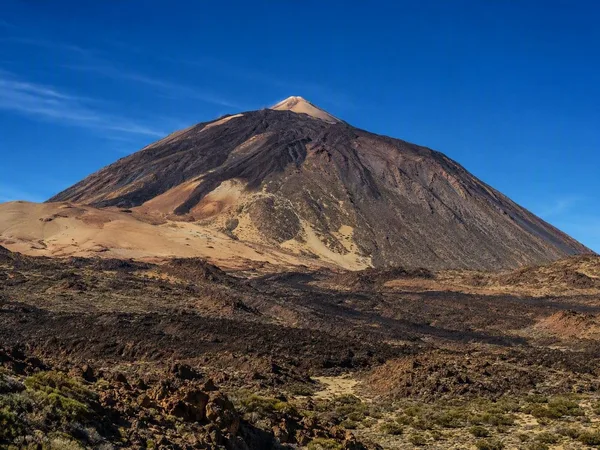
Teide
1 linked stories and routes
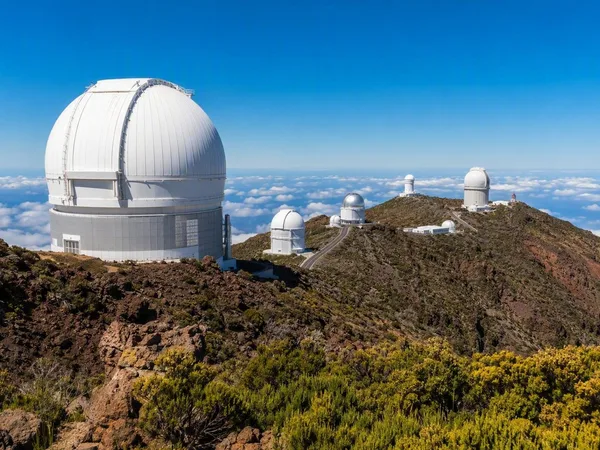
La Palma
1 linked stories and routes
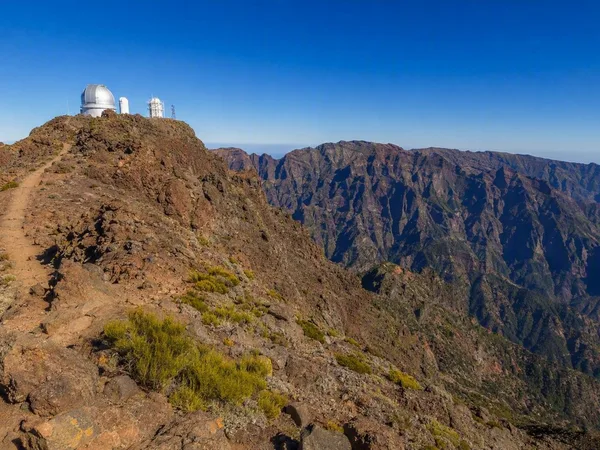
Roque de los Muchachos
1 linked stories and routes
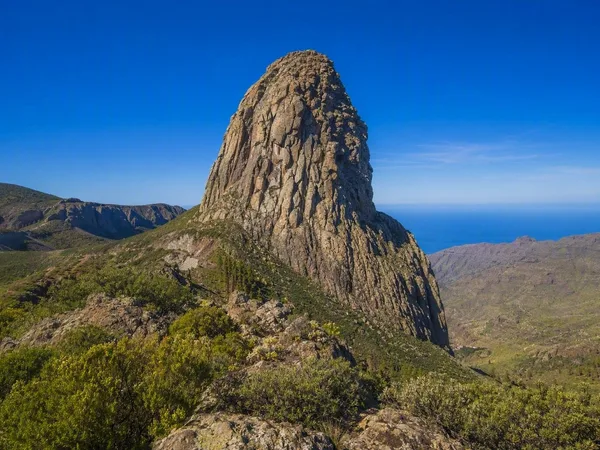
La Gomera
1 linked stories and routes
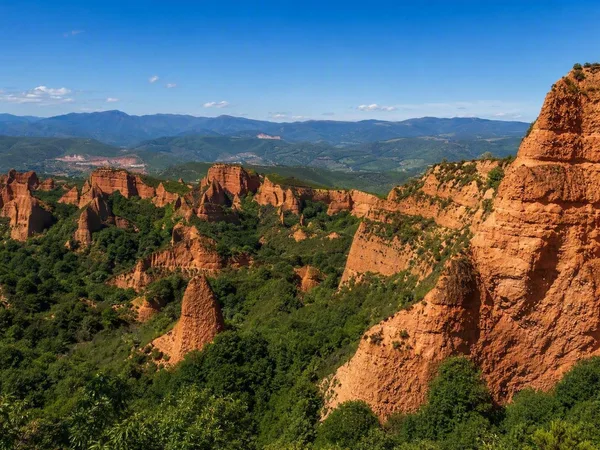
Las Médulas
1 linked stories and routes
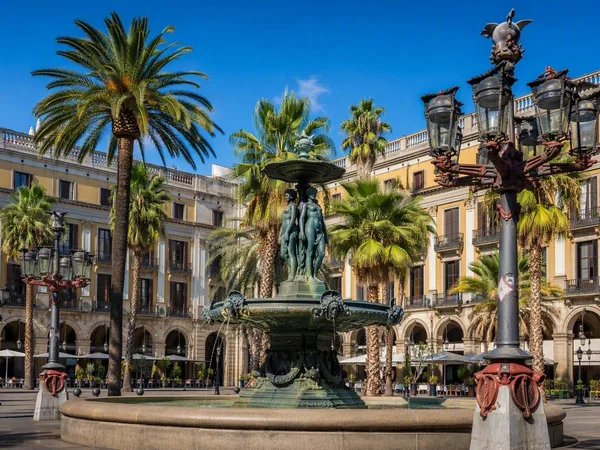
Plaça Reial
1 linked stories and routes
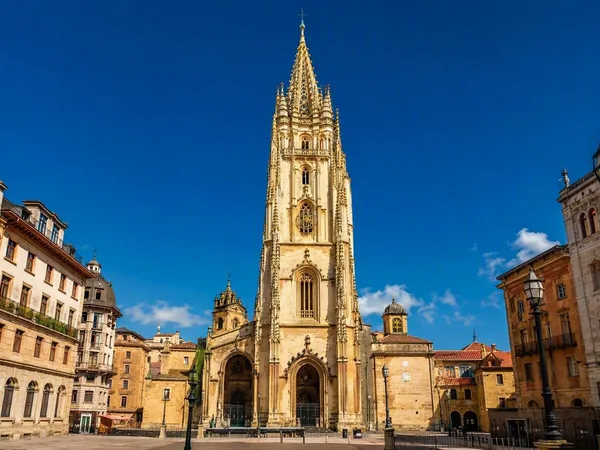
Oviedo
1 linked stories and routes
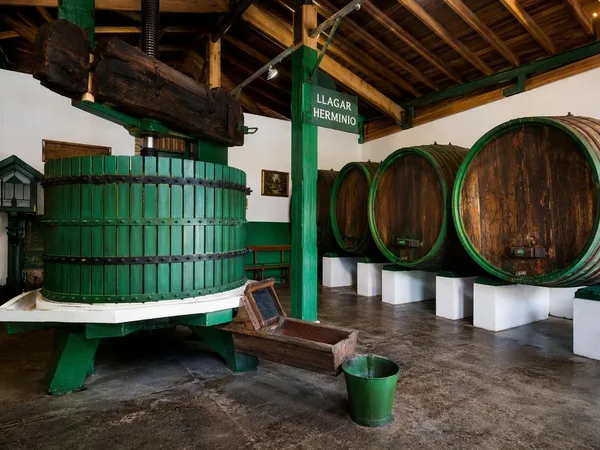
Colloto
1 linked stories and routes
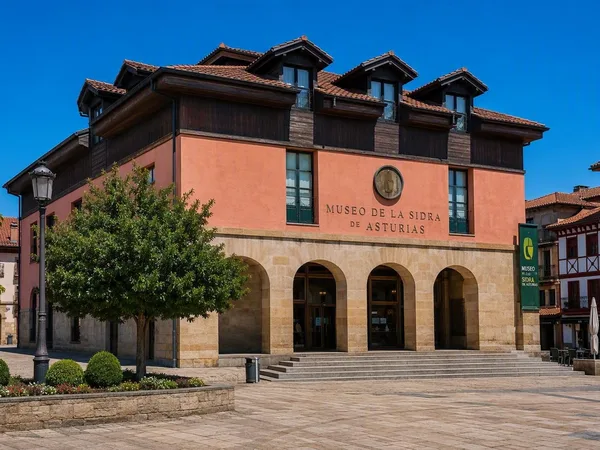
Nava
1 linked stories and routes
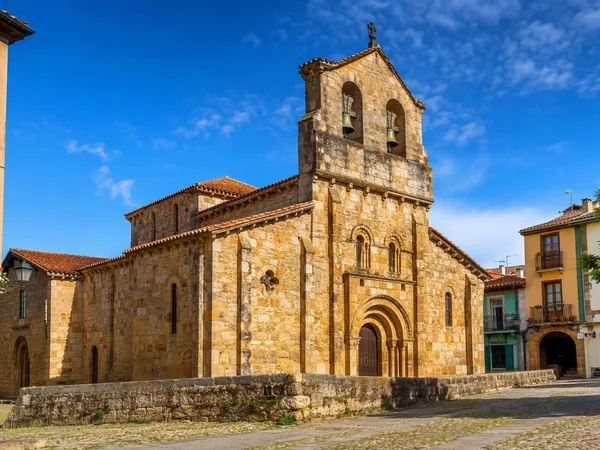
Villaviciosa
1 linked stories and routes
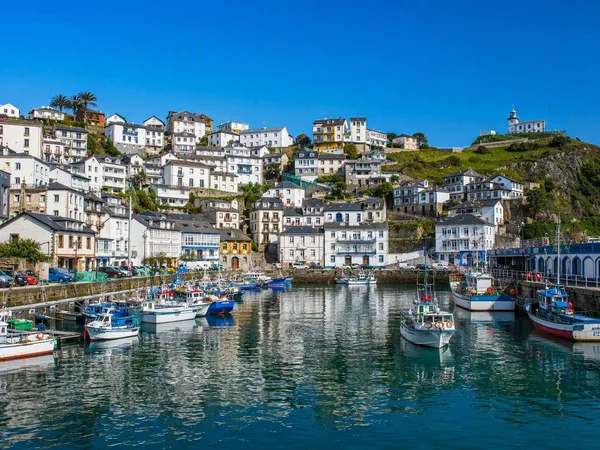
Luarca
1 linked stories and routes
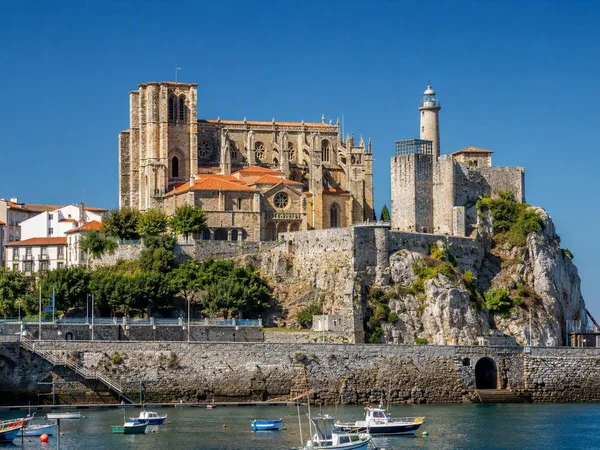
Castro Urdiales
1 linked stories and routes
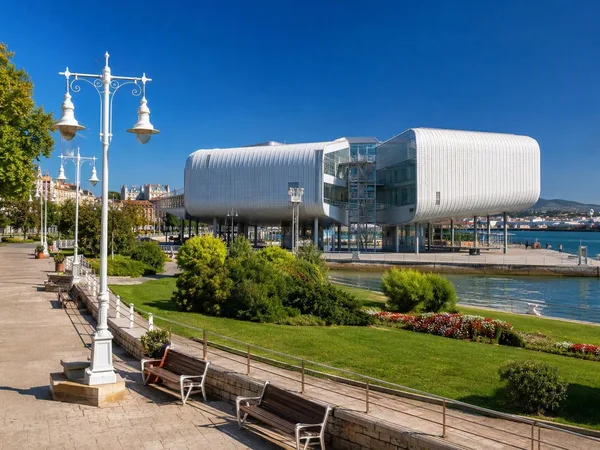
Santander
1 linked stories and routes
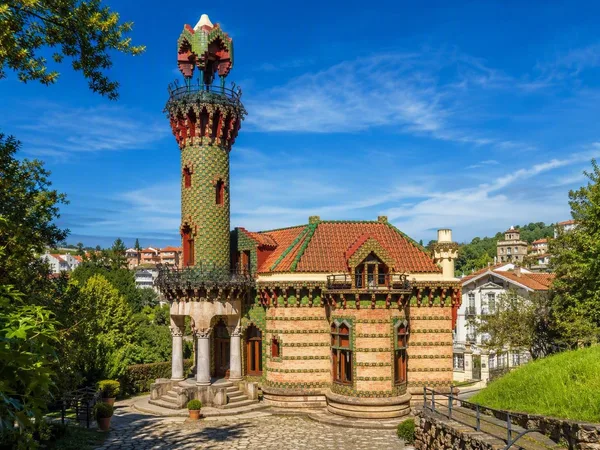
Comillas
1 linked stories and routes
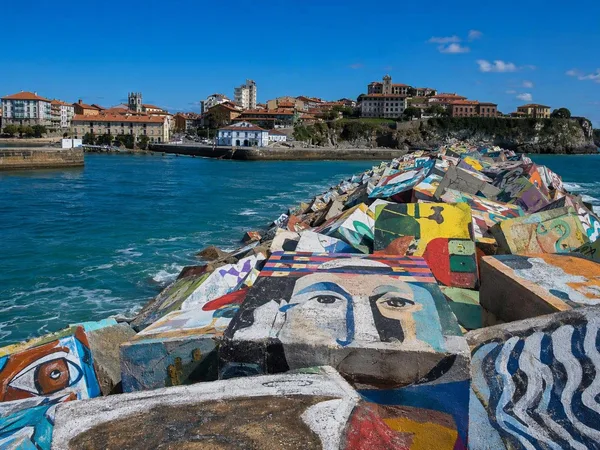
Llanes
1 linked stories and routes
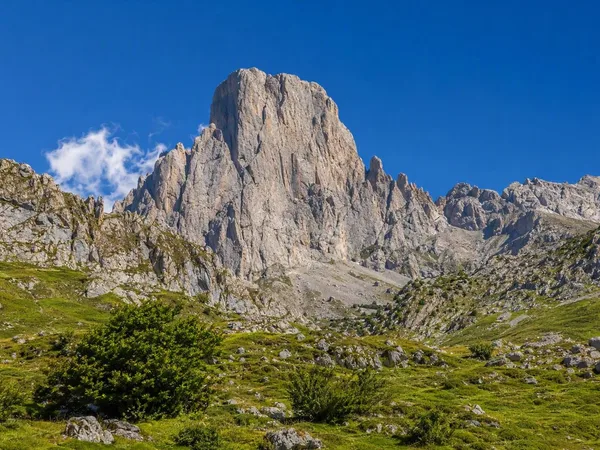
Picos de Europa National Park
1 linked stories and routes
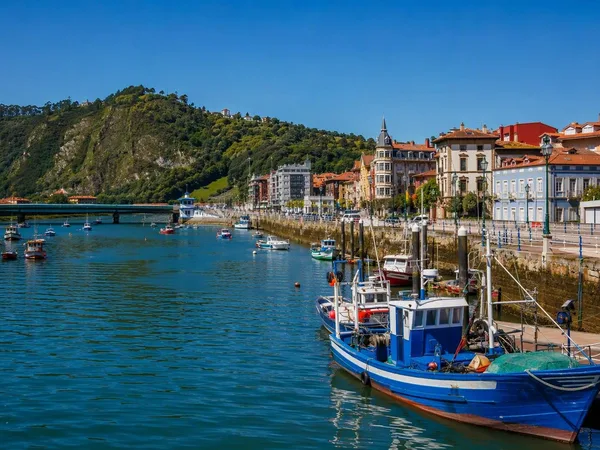
Ribadesella
1 linked stories and routes
Cudillero
1 linked stories and routes
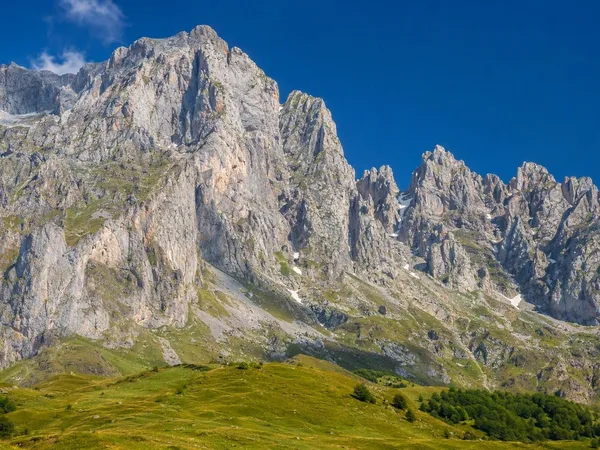
Cantabria
1 linked stories and routes
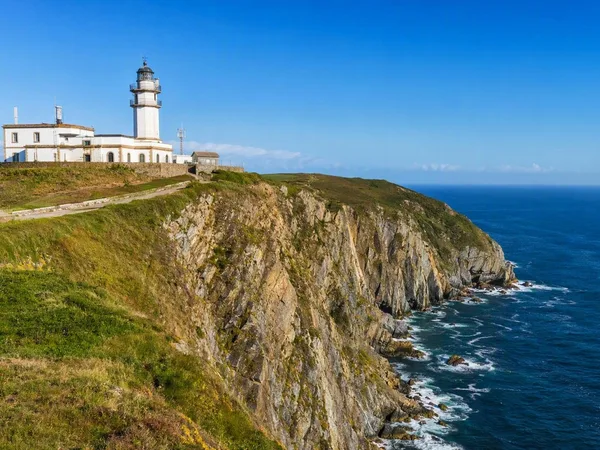
Cabo Vidio, Asturias
1 linked stories and routes
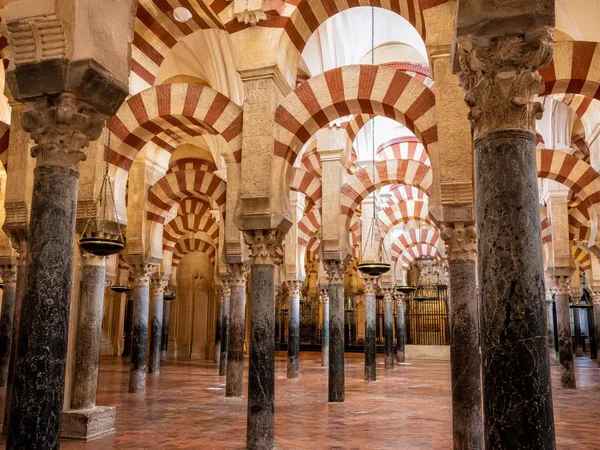
Córdoba
1 linked stories and routes
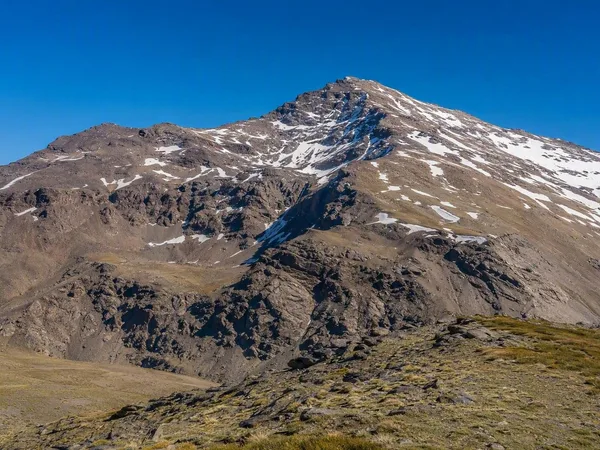
Sierra Nevada
0 linked stories and routes
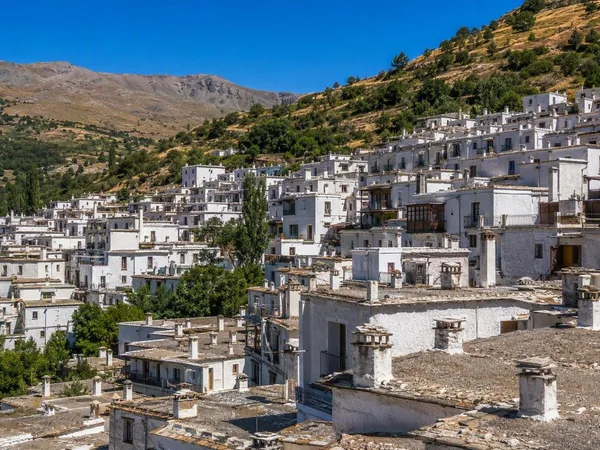
Trevélez
0 linked stories and routes
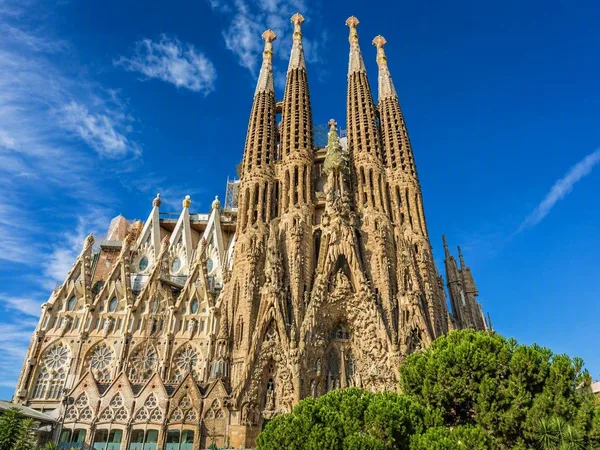
Barcelona
0 linked stories and routes
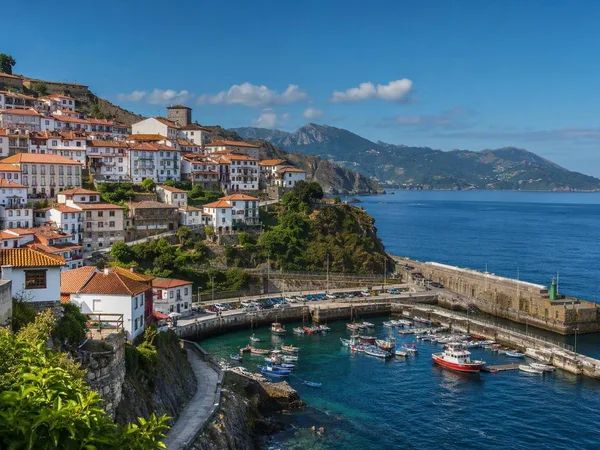
Lastres
0 linked stories and routes