
City · Spain
Barcelona
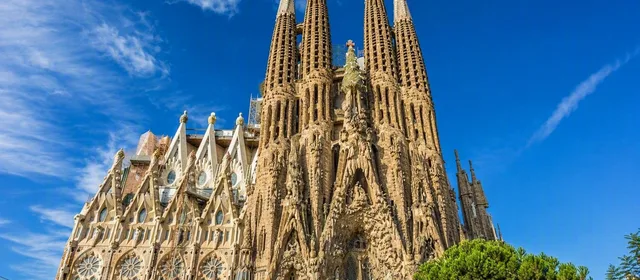
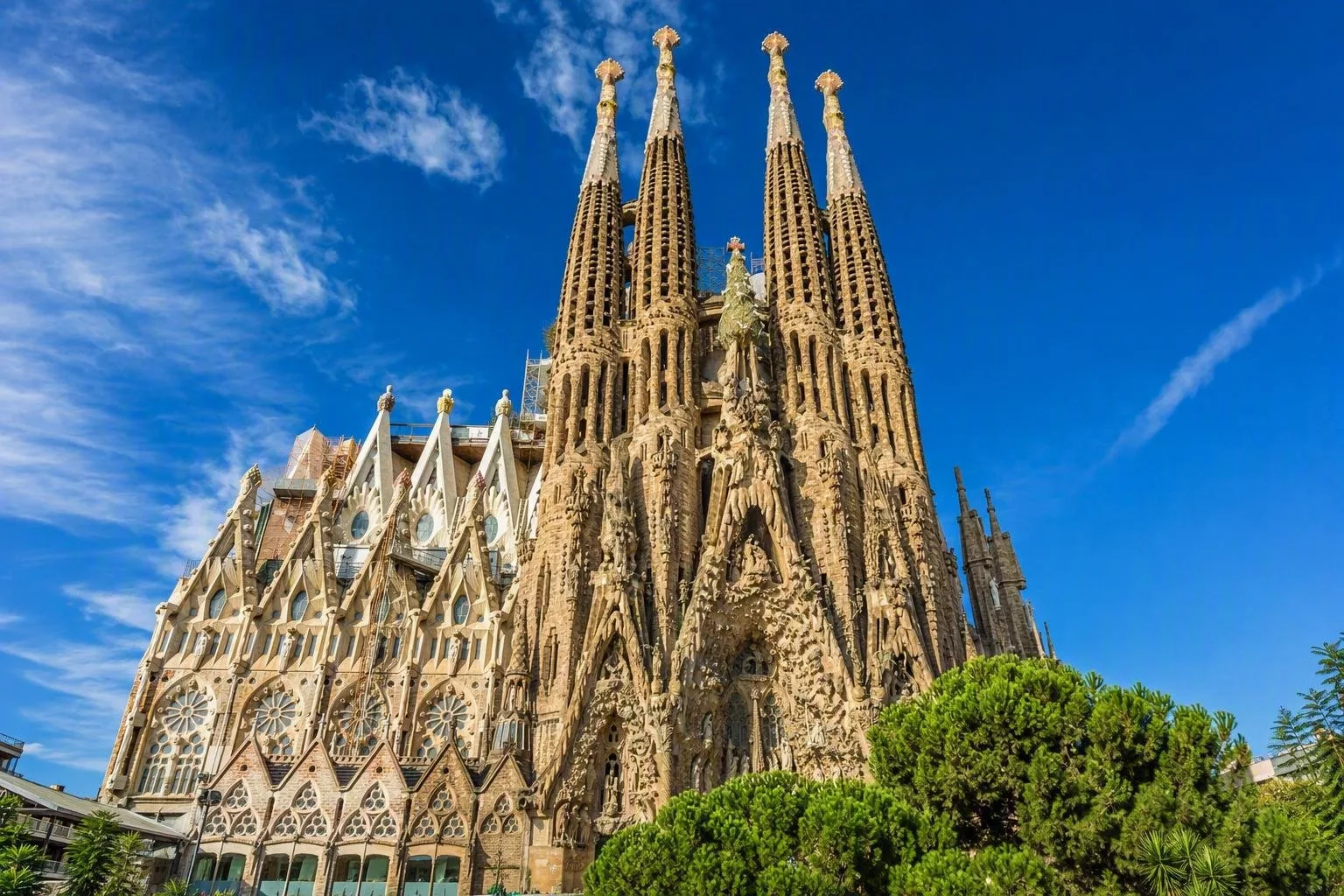
Barcelona is Catalonia’s Mediterranean capital in northeastern Spain, where a Roman and medieval old city meets the ordered Eixample and the seafront. Its essential landmarks range from Gothic churches to Antoni Gaudí’s Sagrada Família.
Get your bearings
Barcelona spreads between the Mediterranean and the Collserola hills. The historic core, Ciutat Vella, holds the Gothic Quarter, El Born, La Rambla and the old port. Immediately north, the 19th-century Eixample changes the scale: broad avenues, chamfered street corners and Modernista façades.
Treat the city as a set of walkable districts rather than one long checklist. The old city is best explored on foot; use the metro or bus for the wider jumps to Sagrada Família, Park Güell, Montjuïc and the beaches.
The essential city
Start with the layers of the old city. The Gothic Quarter preserves the Roman and medieval core in tight lanes, small squares, palaces and churches. Continue through El Born to Santa Maria del Mar, then reach the waterfront at Port Vell.
For Modernisme, focus on Eixample:
- Sagrada Família is Gaudí’s monumental basilica and the city’s defining landmark.
- Passeig de Gràcia carries Casa Batlló, Casa Amatller and Casa Milà, known as La Pedrera.
- Park Güell combines Gaudí’s built forms with elevated views across the city.
For a different perspective, head up Montjuïc for gardens, museums and views over the port and coast. Barceloneta offers the most central urban beach; the seafront continues northeast toward the Olympic Marina and Diagonal Mar.
Build a sensible route
A first full day works well as an old-city walk: Plaça de Catalunya, La Rambla, the Gothic Quarter, El Born and Port Vell. Keep it loose; the appeal is in the connecting streets as much as the landmarks.
Reserve a second day for Gaudí and Eixample. Visit Sagrada Família at a fixed time, then continue along Avinguda de Gaudí or take the metro to Passeig de Gràcia. Park Güell is uphill from central districts, so pair it with Gràcia rather than trying to force it into an old-city day.
Allow another half-day for Montjuïc, a museum, or the beach. Trying to cover all three in one afternoon wastes time in transit.
Arrivals and getting around
Barcelona–El Prat Airport is served by the metro, train and airport bus connections. In the city, the metro and bus network links the principal districts and sights; walking fills the gaps. A multi-day transport pass can make sense if you expect several cross-city journeys, including airport travel.
Useful rule: walk within Ciutat Vella and central Eixample, but take public transport for hillside sites and the long run between the centre and the coast.
Timing and practical use
Spring and autumn are comfortable for long walks. Summer makes shade, water and a slower midday pace useful, while winter suits museums and architecture well.
Sagrada Família, Park Güell and the major Gaudí houses operate as managed visitor sites; secure timed admission before building the day around them. Keep valuables out of sight in the busiest pedestrian corridors and on packed public transport.
From the magazine
Stories about Barcelona
Editorial stories linked directly to Barcelona.
No stories about Barcelona have been published yet.
Routes from our editors
Travel through Barcelona
Editorial routes connecting Barcelona with other countries, cities and hotspots.
No routes through Barcelona have been published yet.
More in Spain
Related hotspots
Other cities, nature areas and places within Spain.
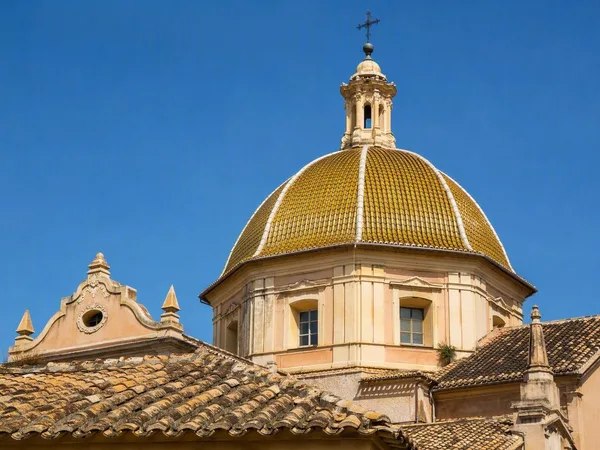
Manises: City of Ceramics
1 linked stories and routes
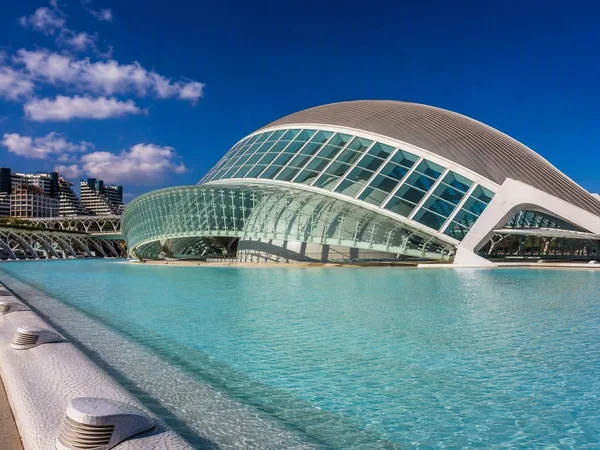
Valencia
1 linked stories and routes
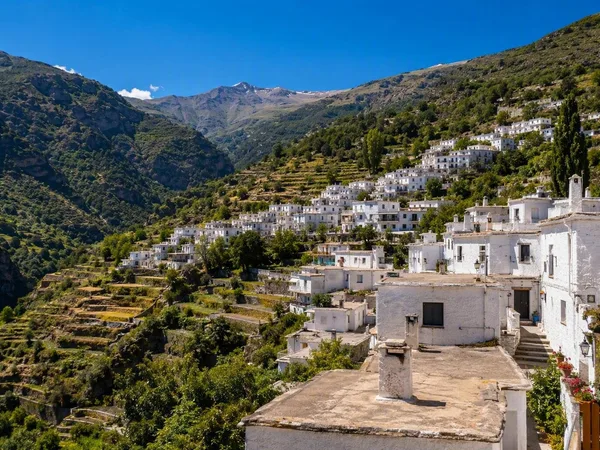
Alpujarras
1 linked stories and routes
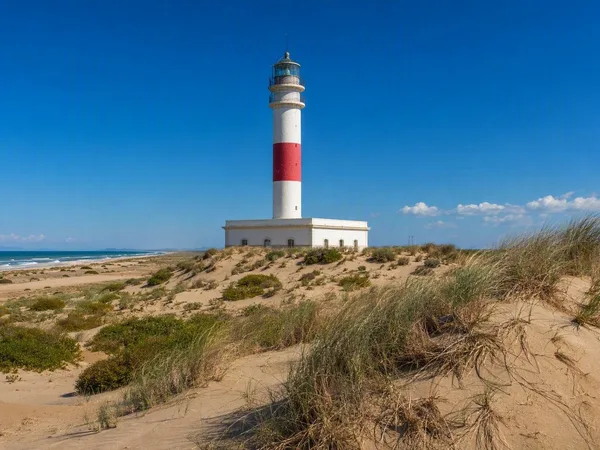
Ebro Delta
1 linked stories and routes

Teide
1 linked stories and routes

La Palma
1 linked stories and routes
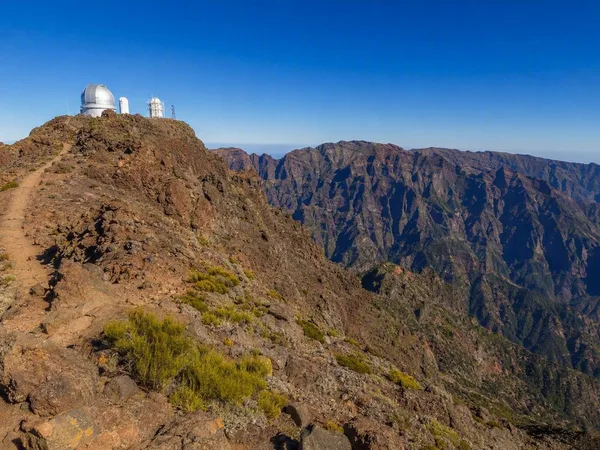
Roque de los Muchachos
1 linked stories and routes

La Gomera
1 linked stories and routes
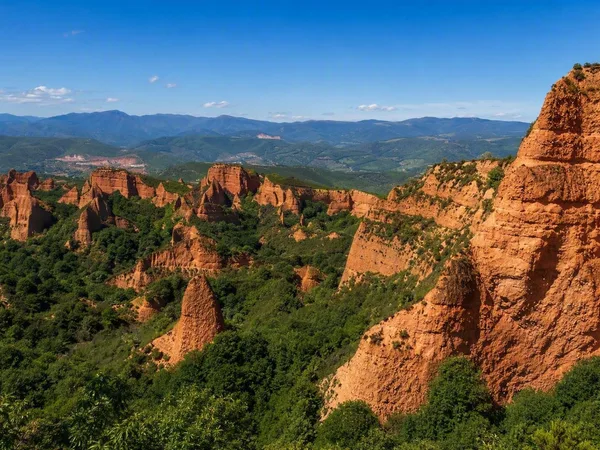
Las Médulas
1 linked stories and routes
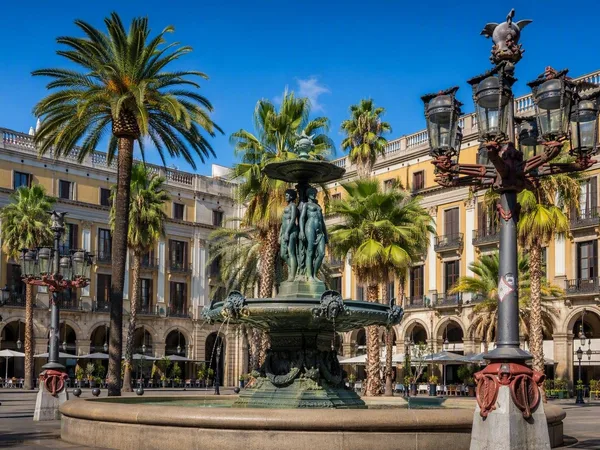
Plaça Reial
1 linked stories and routes

Sierra Nevada
0 linked stories and routes
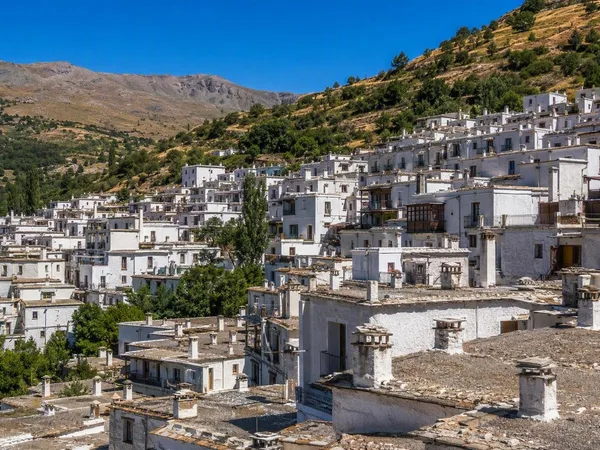
Trevélez
0 linked stories and routes