
Raised Bottles and Shared Plates in Oviedo’s Cider Houses
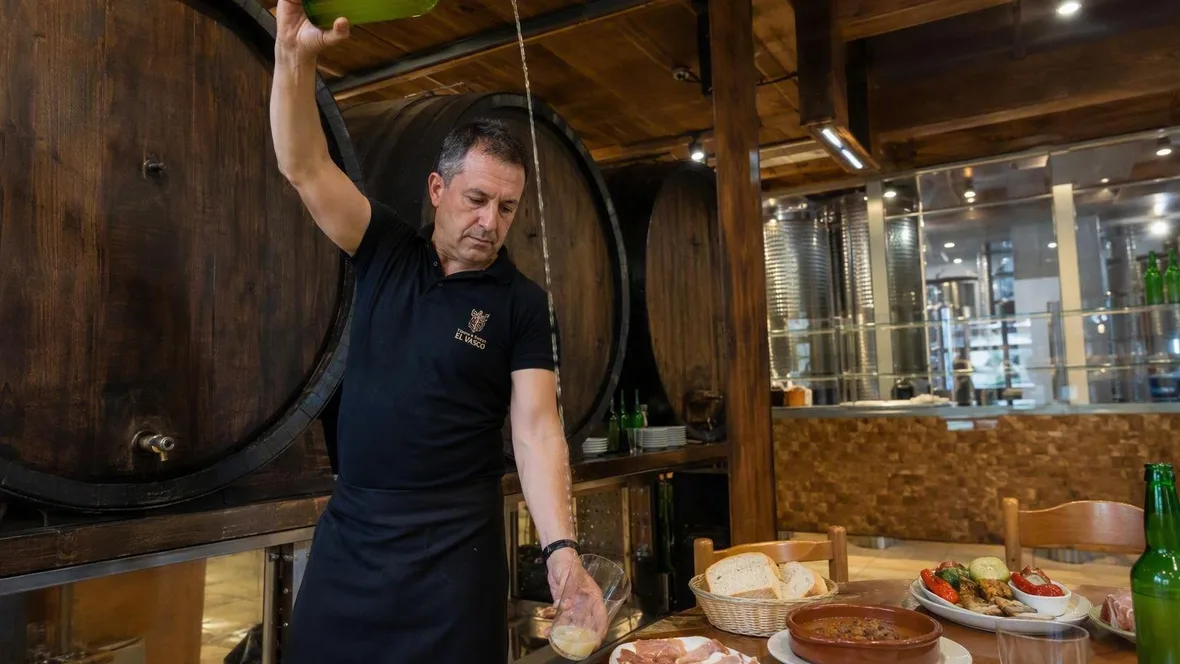
On Calle Gascona, a server raises a green bottle over one shoulder and sends a thin stream of cider onto the rim of a broad glass held low by the hip. The quick splash begins another round in Oviedo’s best-known street of sidrerías, where cider arrives by the bottle and each person receives a small pour.
Gascona puts cider on the street
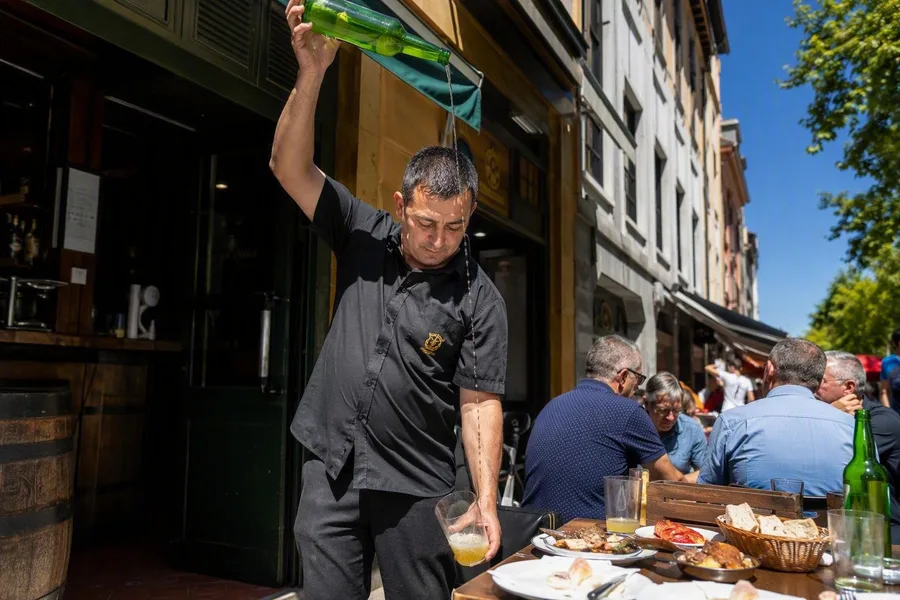 A server pours cider high into a wide glass on Calle Gascona in Oviedo.
More than a dozen cider houses line Calle Gascona, known as Oviedo’s Bulevar de la Sidra, or Cider Boulevard. The street takes its name from craftspeople, householders and pilgrims from Gascony who once lived or passed through this part of the city.
Here, a rural Asturian drink takes an urban form. People stand at bars or settle around tables. Servers return with bottles held high, while plates sit in the middle rather than before one diner alone. On some Thursday evenings, groups sing cancios de chigre, traditional songs associated with cider houses.
The old word chigre describes the cider houses that spread through Asturian towns as cider left the farm in the late nineteenth century. They served workers, families and other residents as places to eat, drink and meet. Apple growing, pressing, fermenting, food, language and shared drinking still form part of Asturian cider culture, which UNESCO placed on its Representative List of the Intangible Cultural Heritage of Humanity in 2024.
El Ferroviario, at Gascona 5, gives that history a firm address. It opened in 1951 near the former El Vasco railway station and was the first sidrería on the street. The dining room has changed over the years, but the house still offers an espicha: an informal group meal where diners may draw cider directly from a barrel.
Apples, presses and barrels near Oviedo
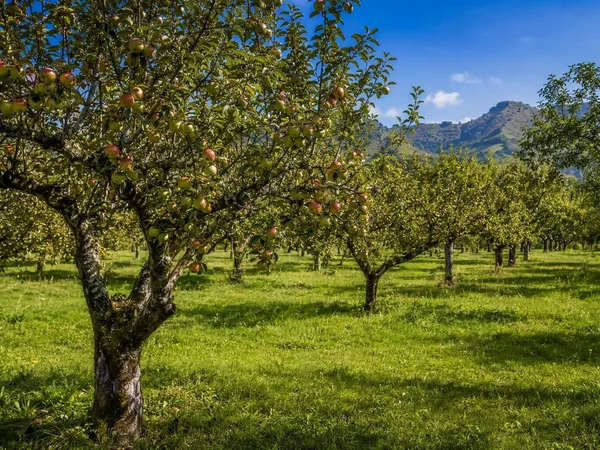
Oviedo supplies busy tables, but cider production starts in the pumaradas, or apple orchards, of central and eastern Asturias. Producers blend local cider apples rather than using a single sweet eating variety. Raxao, Regona, Blanquina, Durona de Tresali and Verdialona are among the approved varieties.
Each type has a job in the press. Acidic and semi-acidic fruit provides freshness; bitter and bittersweet apples add tannin and structure; sweeter apples supply fermentable sugars and balance. Growers still pick much of the crop by hand, usually from the first half of October, although the precise harvest shifts with variety and year.
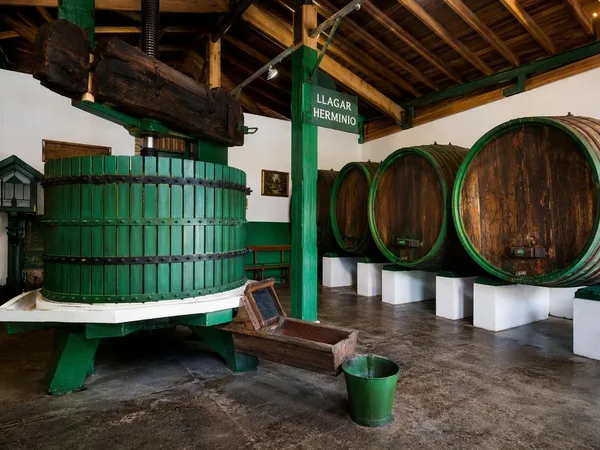
At a llagar, the Asturian cider mill, workers discard damaged or unripe apples, then wash, crush and press the selected fruit. The first juice is sidra dulce, or sweet cider. Wooden, hydraulic and pneumatic presses all appear in production, but crushing and pressing remain the essential work.
Llagar Herminio in Colloto, just outside central Oviedo, follows the work from fruit reception and selection to pressing, fermentation and bottling. Its visit ends with two ciders, including a protected-origin reference.
The juice ferments in wooden barrels or tanks. Yeasts and bacteria turn sugars into alcohol, while malolactic conversion softens sharp acidity, bitterness and astringency. Producers rack the cider through winter to leave sediment behind and even out batches; bottling of traditional natural cider can begin in spring.
The apple blend produces a cider with yellow to straw tones, fruit-led aromas, restrained bitterness and gentle astringency. Its modest fizz comes from carbon dioxide formed during fermentation, not from added gas.
Why the bottle goes overhead
That natural fizz explains the conspicuous action at an Oviedo bar. During escanciado, the escanciador holds the bottle above the head, keeps the wide, thin-walled glass low and tilted, and aims a narrow stream at the glass rim.
The falling cider strikes the rim and releases carbon dioxide. A brief cap of foam appears, and fine bubbles linger for only a moment. The high pour brings out the cider’s aroma and flavour; it is not a flourish for its own sake.
The server pours a culín or culete: a small mouthful, never a full glass. Each drinker takes it straight away because the foam and liveliness fade quickly. The gesture echoes espichar, the direct drawing of cider from a barrel in a llagar. Asturians developed the high pour during the nineteenth century, carrying a cellar practice to bottles and city tables.
One bottle, several turns
Traditional sidra natural is ordered by the bottle, sometimes as una botellina. The bottle serves the table: the server gives each person a small pour in turn, then begins again when the glasses are empty. One glass once passed from hand to hand as a sign of trust. Diners now often have separate glasses, but they still share the bottle and wait for the next culín.
A small remainder traditionally stays in the glass. Drinkers once tipped it onto the floor along the rim from which they drank, a gesture that rinsed the glass and recalled a custom linked to the apple harvest. Many contemporary cider houses now provide a trough or container for it.
This service belongs to traditional natural cider. Filtered table cider and naturally sparkling cider do not need escanciado; the sparkling style undergoes a second fermentation in bottle or a closed tank, giving it a more persistent mousse.
Shared dishes at the sidrería table
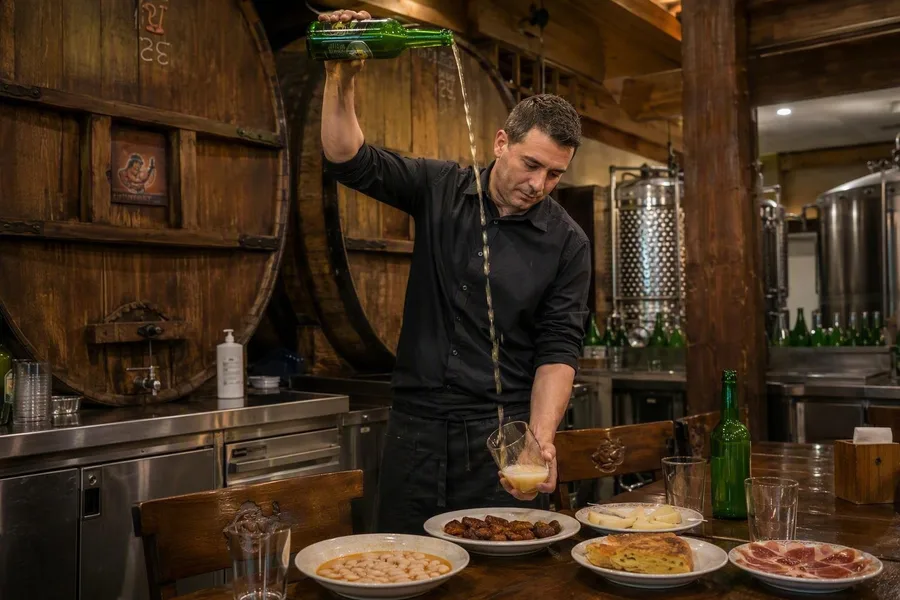 A server pours a foaming culín beside shared dishes at Tierra Astur El Vasco in Oviedo.
A sidrería feeds the table as well as the glass. Diners commonly order raciones or tapas to share rather than a separate plate for every person. Tortos, small maize cakes, often come with picadillo, seasoned minced pork, and egg. Chorizo a la sidra cooks sausage in cider.
Asturian cheese, including Cabrales, adds salt and richness. Fabada, the substantial bean stew, and the ham-and-cheese-filled beef cutlet called cachopo also appear on sidrería tables; the cider’s fresh acidity cuts through their richness. At El Ferroviario, the menu also includes Cantabrian fish and a salad of Asturian cheeses, apple and cider.
La Manzana on Gascona shows the same custom in a larger, contemporary setting. It has a broad bar, a dedicated cider area, terraces, a shop and separate dining rooms, while traditional protected-origin cider and escanciado remain central to its service.
Tierra Astur El Vasco, on Gran Bulevar El Vasco, displays another side of the regional pantry. Barrels stand alongside displays of Asturian cheeses, meat from native breeds and protected-origin ciders; a large dining room and a room for gatherings extend the setting beyond the bar.
Steel and glass sit beside wooden beams and barrels at Tierra Astur El Vasco. A server lowers the glass, lifts the bottle, catches the thin stream on its rim and brings forward a foaming culín.
Keep exploring
Places in this story

Europe
10 landen en gebieden
Spain
Asturias
Oviedo
Colloto
Nava
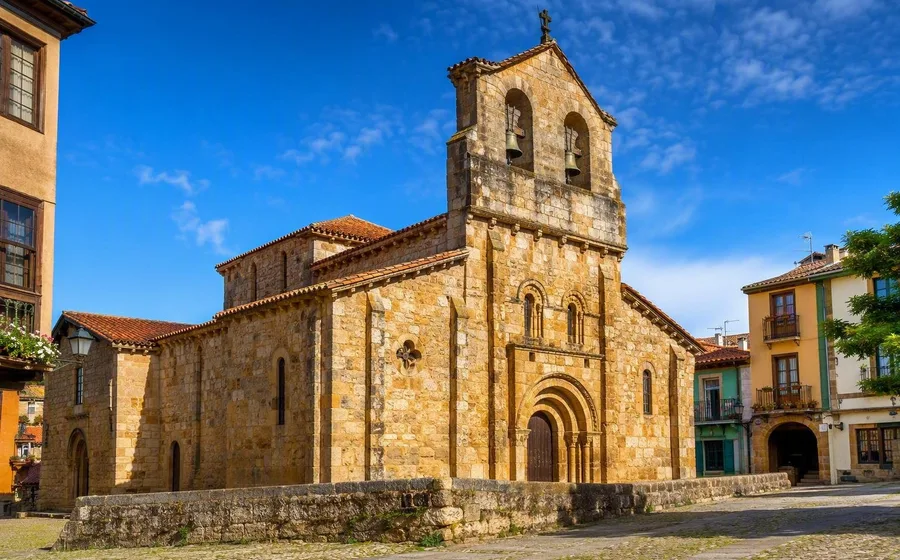
Villaviciosa
Villaviciosa is a historic market town in Asturias’ Cider District, set inland from the Cantabrian coast. Its compact old centre, cider culture and estuary hinterland make it a useful base for this part of Asturias.