
Nature area · Jordan
Wadi Rum
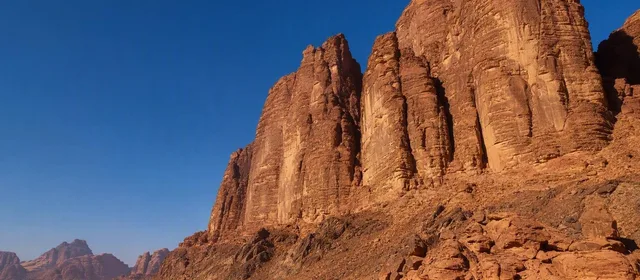
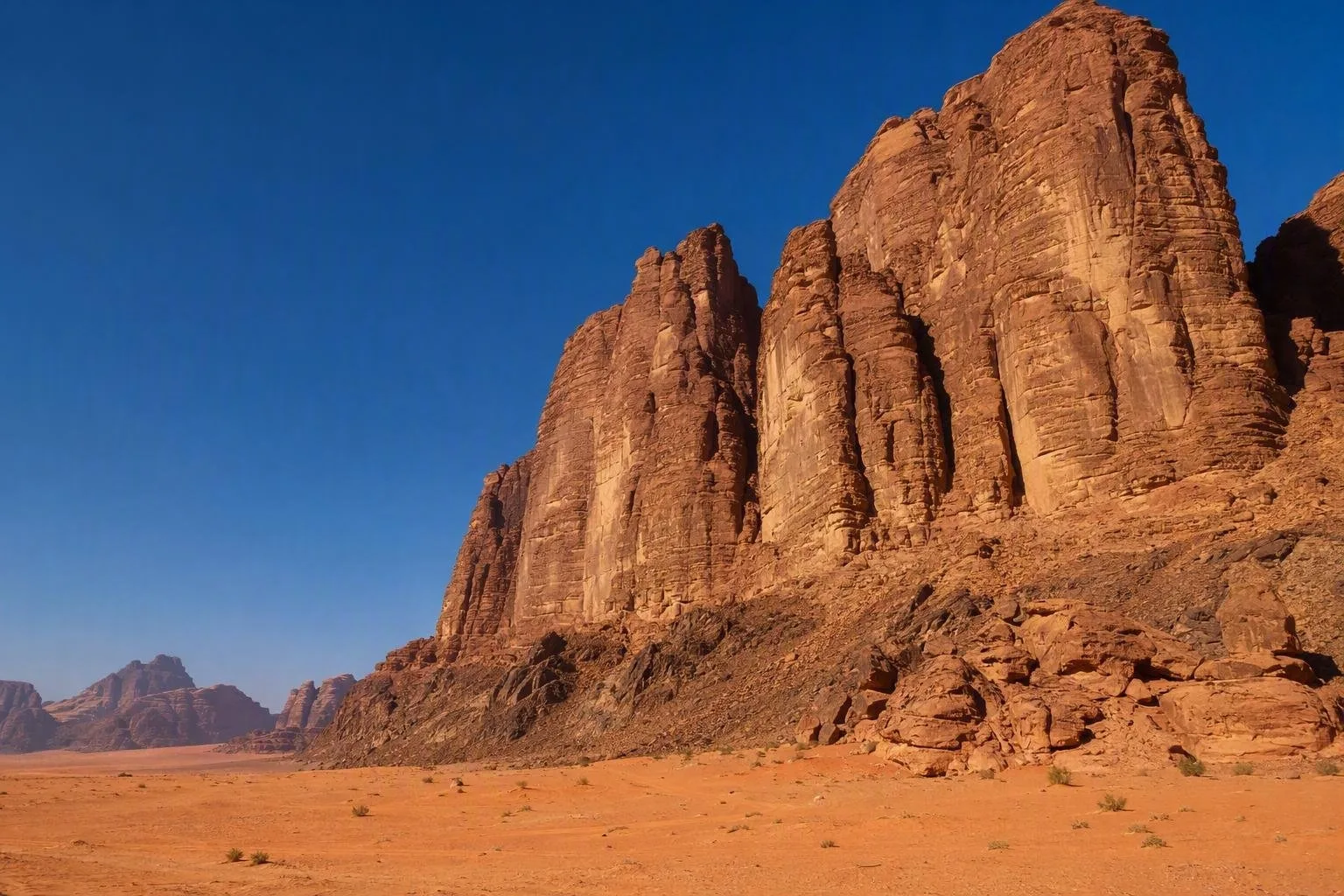
Wadi Rum is a vast protected desert landscape in southern Jordan, near the Saudi Arabian border. Sandstone mountains, arches and gorges stand alongside rock art and inscriptions recording 12,000 years of human presence.
The landscape
Wadi Rum Protected Area covers roughly 74,000 hectares of southern Jordan’s Hisma desert. Its sandstone landforms are the point: wide sandy wadis hemmed by towering cliffs, narrow gorges, natural arches, caves and weathered rock formations. The scale means that landmarks which look close across the sand often are not.
The area became a mixed World Heritage site in 2011, recognised for both its desert geology and cultural record. Treat it as a protected landscape rather than an open off-road playground.
Rock art and inscriptions
This is not only a scenery stop. More than 25,000 petroglyphs and 20,000 inscriptions are documented across boulders and cliff faces, alongside archaeological remains. Human and animal figures, Thamudic, Nabataean and Arabic texts, and traces of water use record at least 12,000 years of habitation and land use.
Khazali Canyon is a common jeep-tour stop for inscriptions, but rock art occurs widely. Do not touch, trace or add marks to any rock surface; weathering and modern graffiti already threaten the original material.
Seeing Wadi Rum properly
A local 4x4 tour is the practical way to cover the interior. Routes commonly combine sandstone arches, red dunes, canyon walks and rock-art stops; a longer tour reaches more distant formations. Camel treks, guided hiking and climbing are also available, but should be arranged with local operators who know the terrain.
An overnight camp changes the timing: you can arrive in the afternoon, tour in lower light, sleep in the protected area and leave after sunrise. Camp standards range from simple tents with shared facilities to enclosed domes. Confirm whether the quoted stay includes the 4x4 transfer, meals and tour.
Arrival and transport
The Visitor Centre is the entry point, about 60 km from Aqaba and roughly 110 km from Wadi Musa/Petra. Pay admission there; the international visitor fee is 7 JOD, while the Jordan Pass includes entry. A jeep tour, camp and internal transport are separate costs.
Private or rental cars can reach the Visitor Centre and village, not the sandy interior. Leave the vehicle at the designated parking area and meet your camp or licensed driver. There are no paved roads or reliable signage across the reserve.
Desert essentials
Spring and autumn are the easier seasons for daytime travel. Summer heat can exceed 40°C; winter days are cooler but nights can be cold. Carry water, sun protection, closed shoes and a warm layer after dark.
Mobile coverage becomes unreliable beyond the village. Bring cash for small expenses, save your camp contact before entering, and keep waste with you until it can be disposed of properly.
From the magazine
Stories about Wadi Rum
Editorial stories linked directly to Wadi Rum.
Eight mineral landscapes shaped by salt, iron and hot water
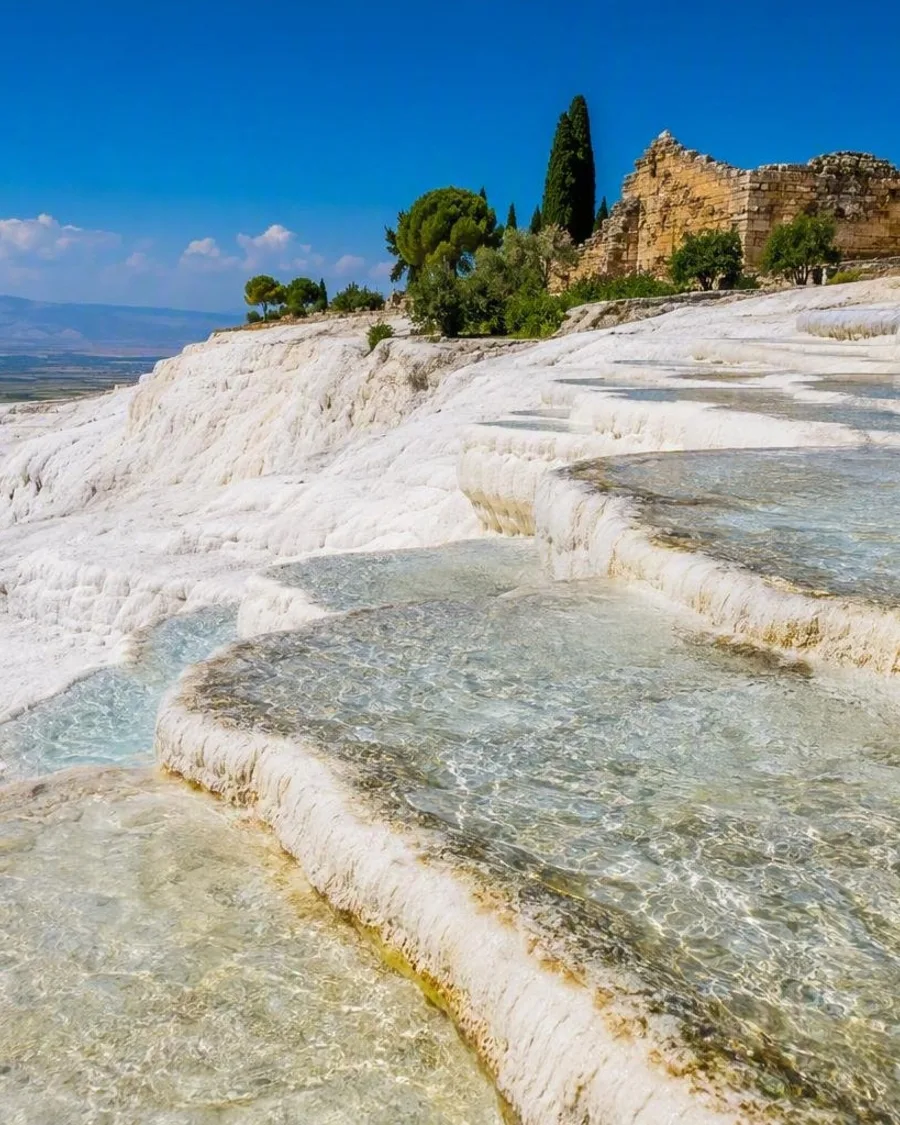
On Bolivia’s Salar de Uyuni, a hard white crust runs towards an empty horizon. Elsewhere, iron colours whole mountains red, hot springs build terraces, and Roman miners have left cliffs behind.
Ten dark-sky landscapes, ranked from moorland to mountain basin
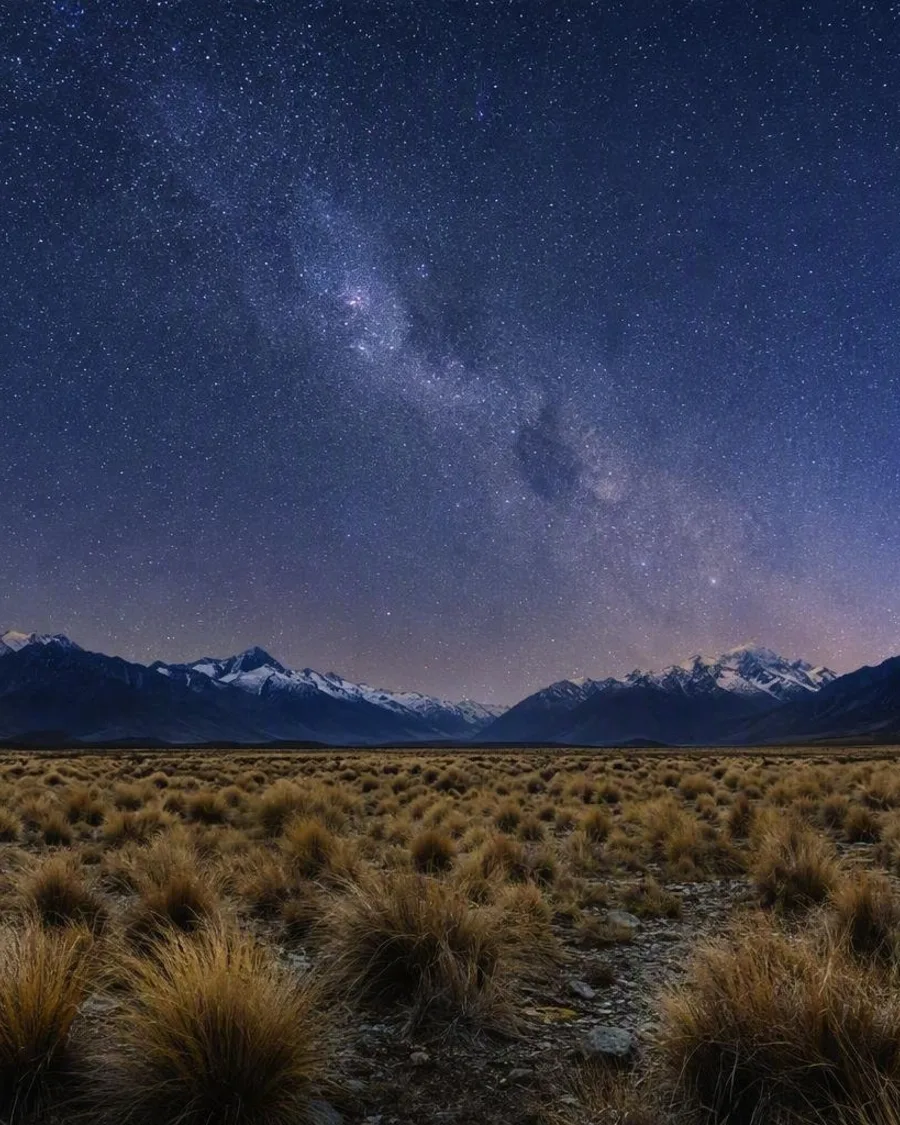
Pink sand runs below Wadi Rum’s sandstone walls, while telescope domes stand on La Palma’s volcanic crest. This ranking places New Zealand’s glacial Mackenzie Basin first, where a wide alpine floor gives the night sky a large, uncluttered frame.
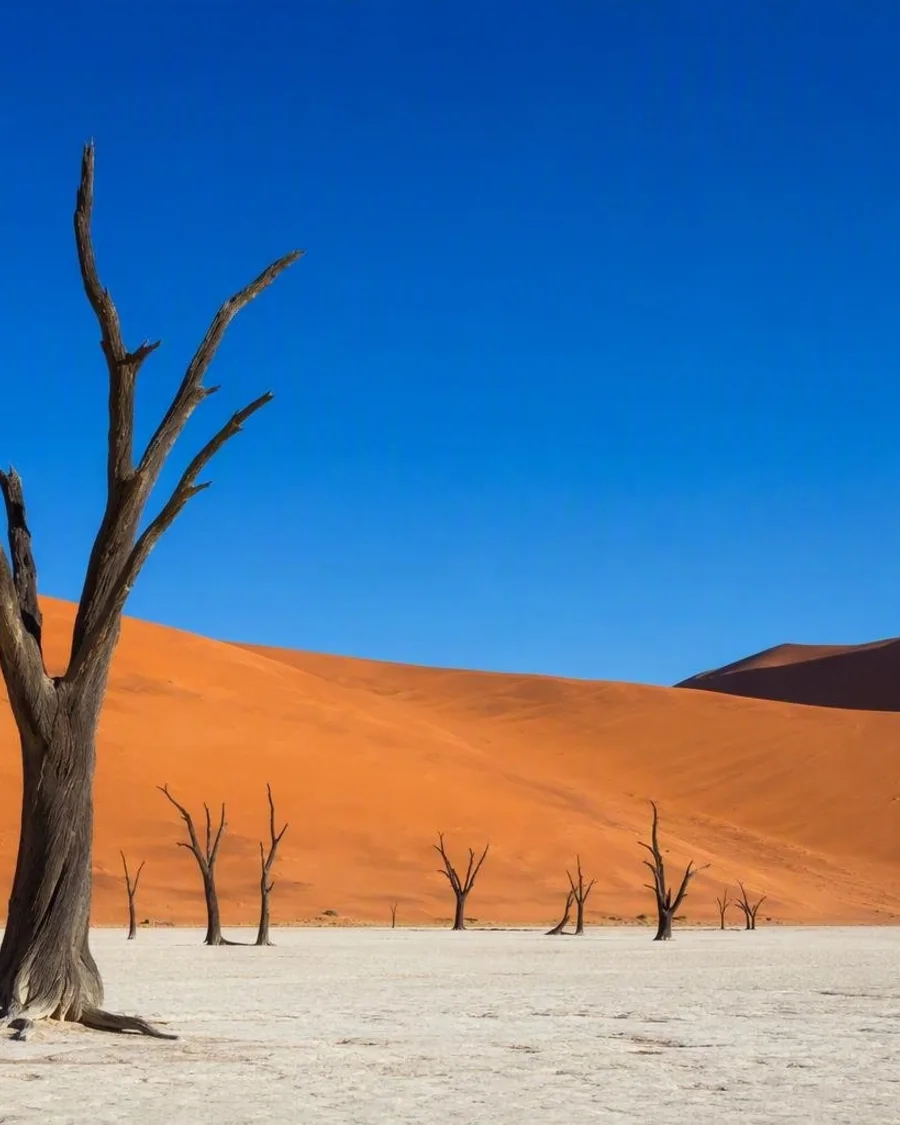
The world’s 10 most remarkable deserts, ranked
In Egypt’s White Desert, wind-blown sand has carved snow-white chalk into mushrooms, cones and solitary towers. This deliberately subjective ranking weighs access alongside landscape and distinctive character, so a spectacular place can fall when reaching it requires a serious expedition.
Routes from our editors
Travel through Wadi Rum
Editorial routes connecting Wadi Rum with other countries, cities and hotspots.
No routes through Wadi Rum have been published yet.
More in Jordan
Related hotspots
Other cities, nature areas and places within Jordan.
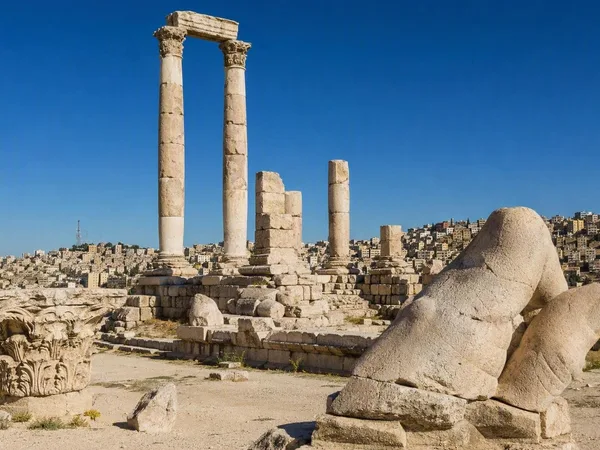
Amman
1 linked stories and routes
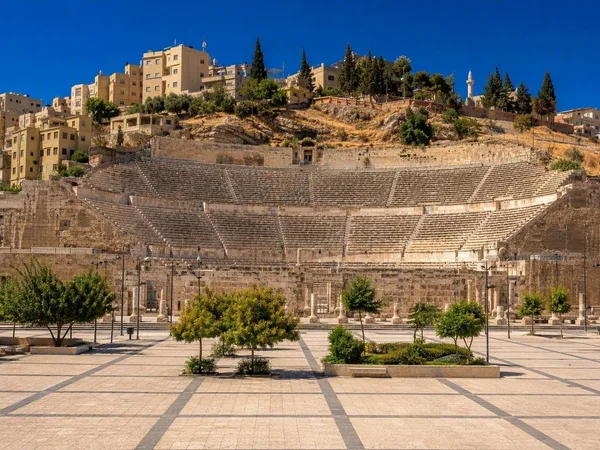
Al-Balad
1 linked stories and routes
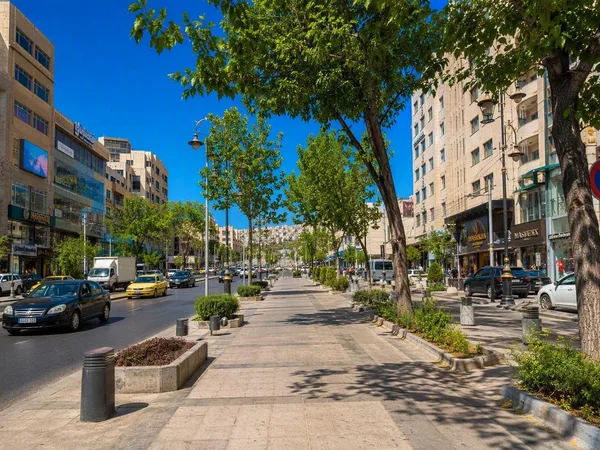
Jabal Hussein, Amman
1 linked stories and routes
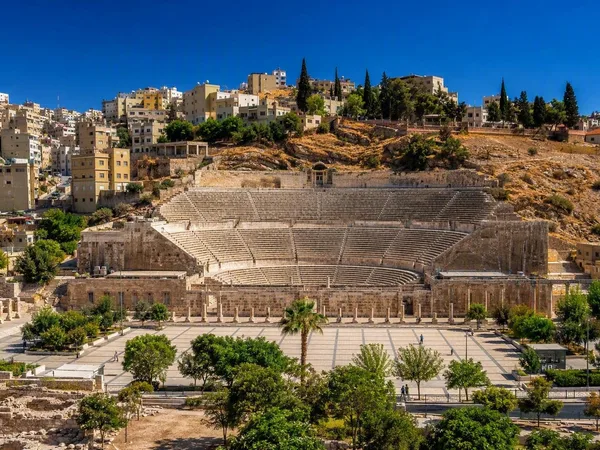
Wadi Amman
1 linked stories and routes
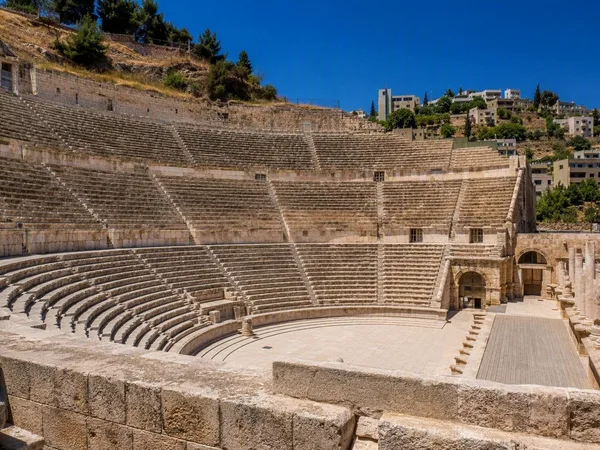
Roman Theatre, Amman
1 linked stories and routes
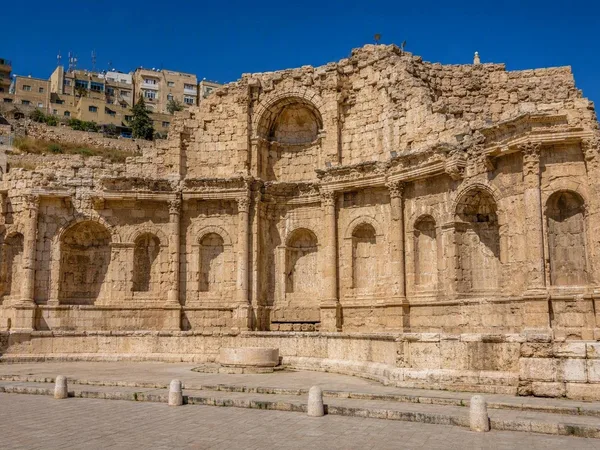
Roman Nymphaeum
1 linked stories and routes
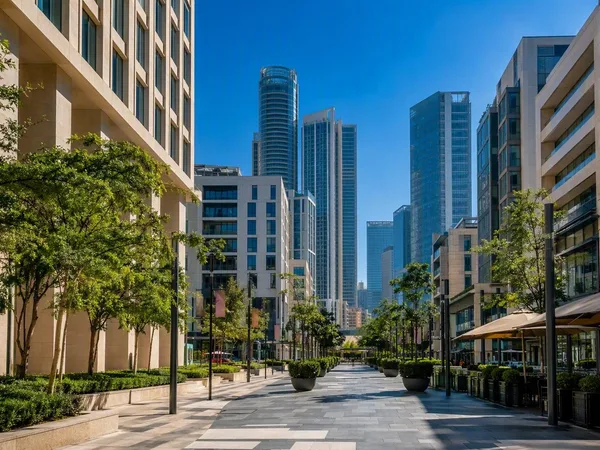
Abdali
0 linked stories and routes
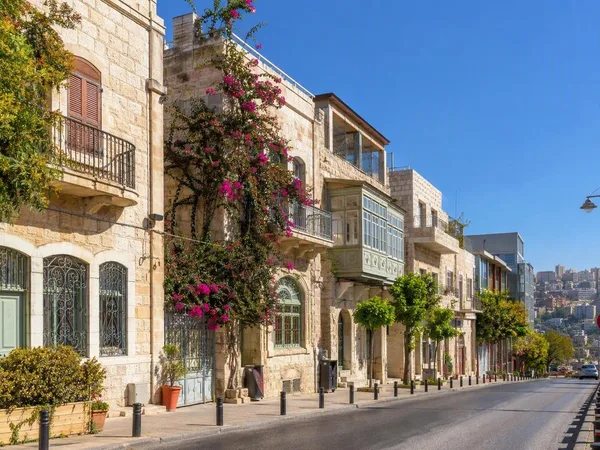
Jabal Amman
0 linked stories and routes
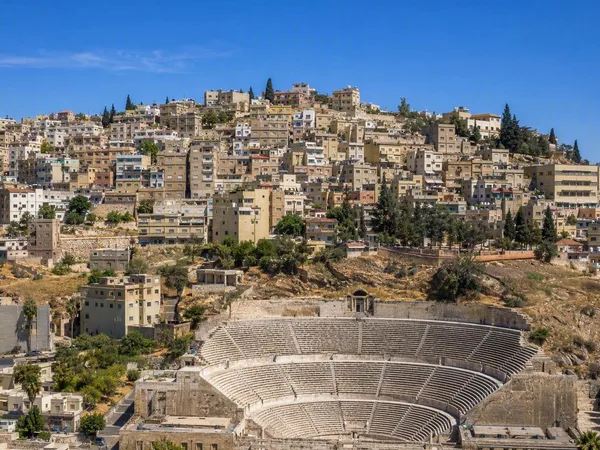
Jabal al-Jawfa, Amman
0 linked stories and routes
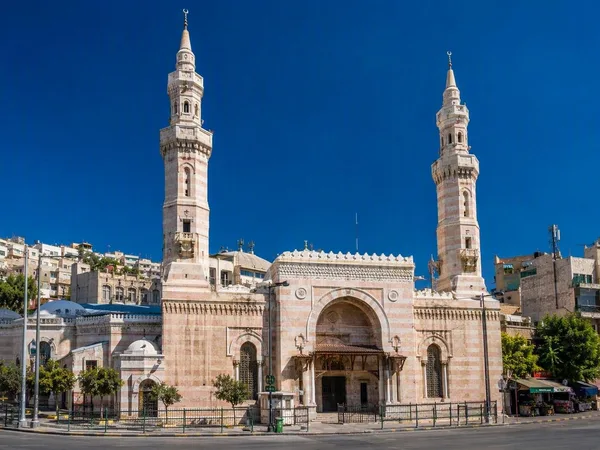
Husseini Mosque
0 linked stories and routes
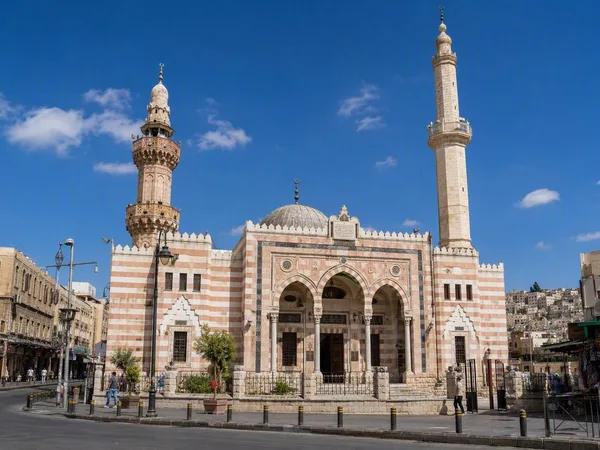
Husseini Mosque
0 linked stories and routes