
Neighbourhood · Jordan
Jabal Hussein, Amman
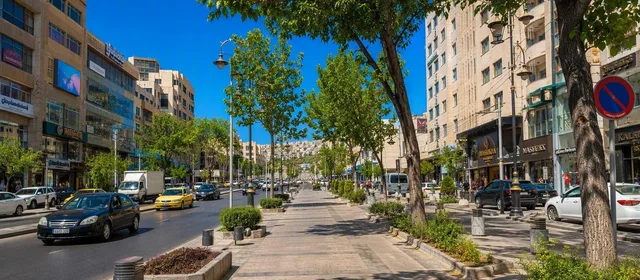
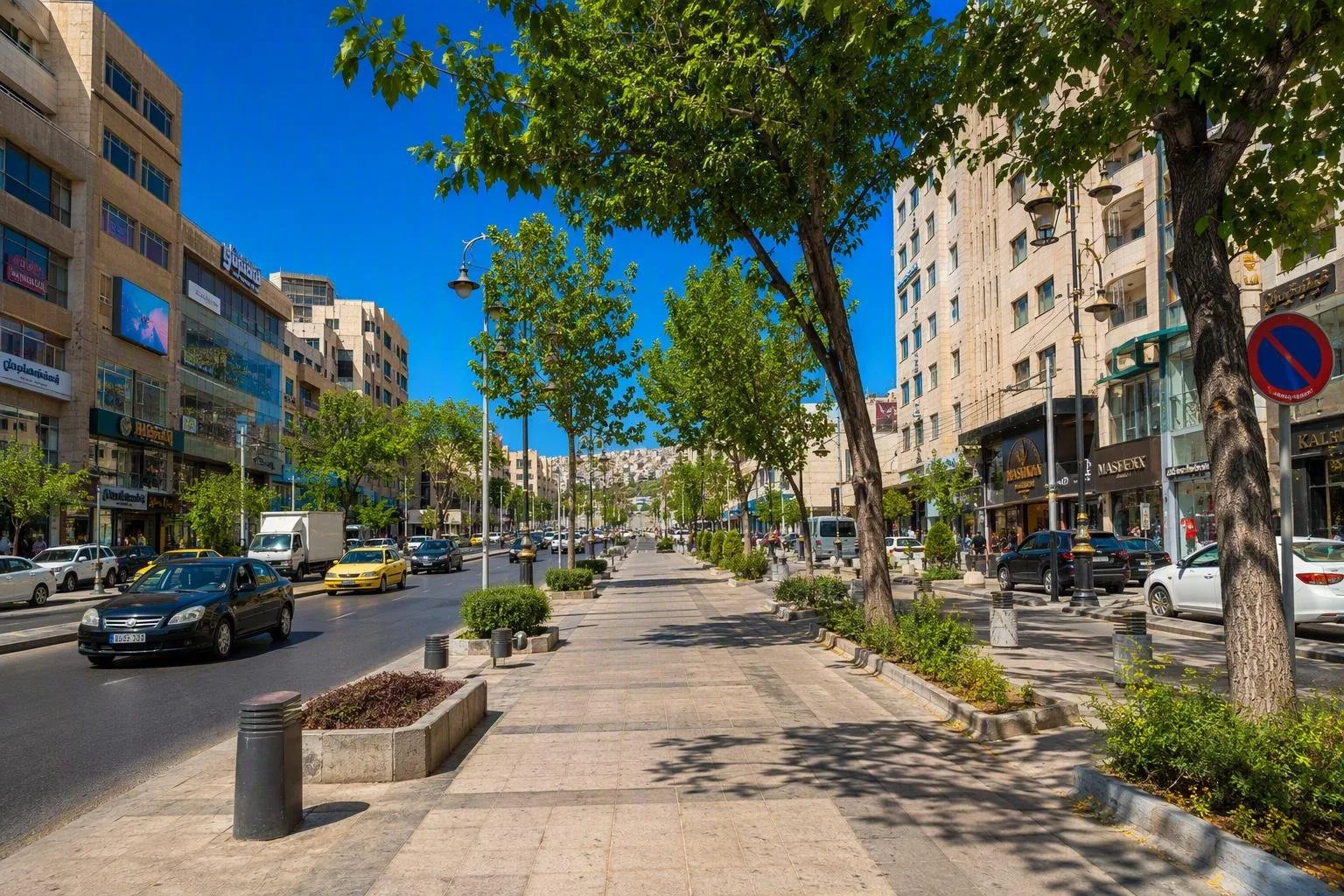
Jabal Hussein is a central Amman neighbourhood built around Khalid ibn al-Walid Street, between the city centre and the newer Abdali side of town. Its wide, walkable commercial spine makes it a useful place to see everyday shopping beyond downtown.
Orientation
Jabal Hussein sits in central Amman, administratively associated with Abdali. Its principal axis is Khalid ibn al-Walid Street, a broad ridge road running through the neighbourhood. It is distinct from Jabal el-Hussein Camp, the Palestinian refugee camp established on the hill’s eastern side in 1952; do not treat the two names as interchangeable.
The neighbourhood developed rapidly from the 1950s as Amman expanded beyond the old downtown core. Schools, churches, clinics, offices and shops gave it a civic as well as commercial role. Its character is practical rather than curated: this is a working urban district with a strong local rhythm.
Walk Khalid ibn al-Walid Street
The street is Jabal Hussein’s defining public space. Unlike many of Amman’s traffic-first corridors, it has wide pavements, a planted central median and benches beneath mature trees. Walk a section rather than trying to cover the whole ridge in one go; side streets climb and drop sharply.
Look for:
- Firas Roundabout, at the junction with al-Jalil Street, a useful local reference point.
- Older commercial buildings and small shopping arcades, built for street access rather than enclosed retail.
- The mix of fashion shops, everyday services, snack counters and medical practices that keeps the street active.
Shopping and food
Jabal Hussein’s market developed around clothing, formalwear, bridal goods and jewellery, and it remains a sensible stop for functional local shopping. Small businesses dominate; Maxim Mall follows the same modest, local-retail pattern rather than the international-brand model of larger Amman malls.
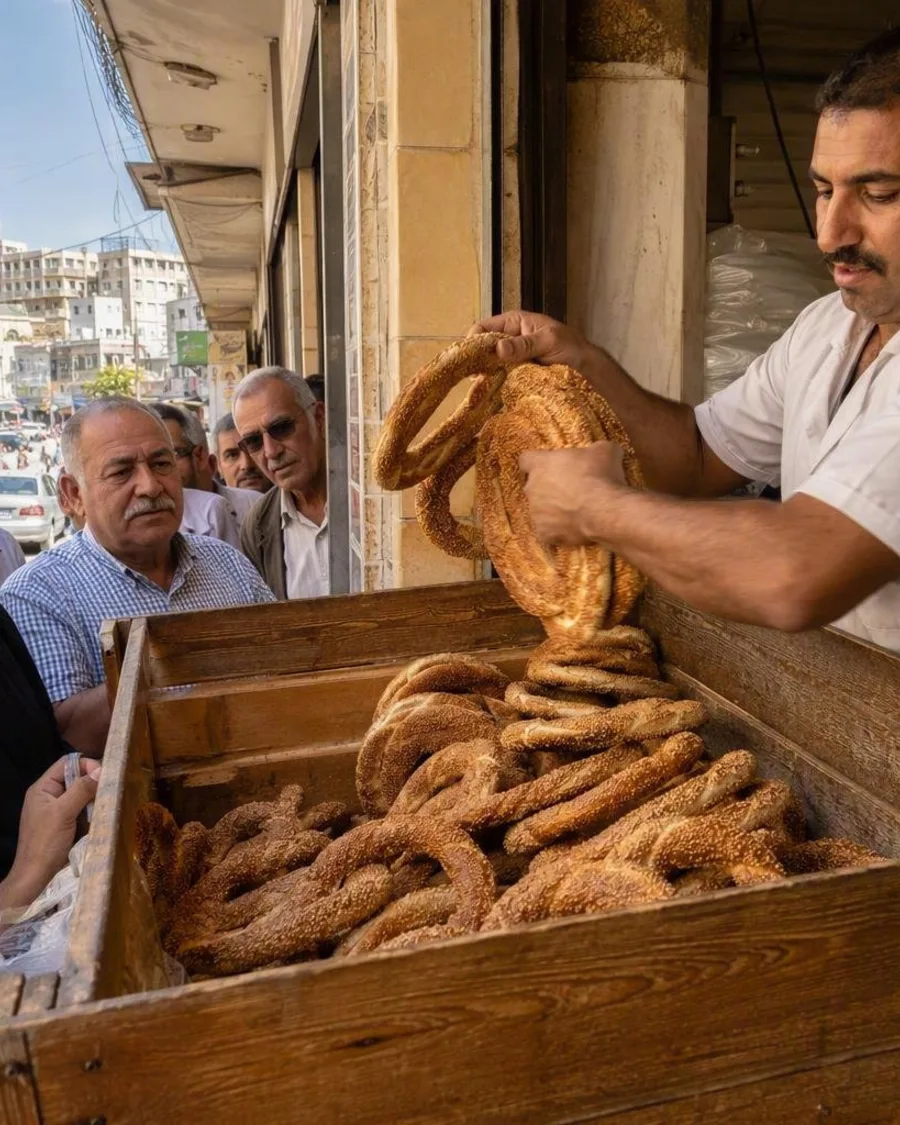
Food is part of the street economy. Bakeries, sweet shops, cafés and inexpensive restaurants sit among the clothing stores. For a simple route toward downtown, King Hussein Street runs below the neighbourhood; Salaheddine Bakery lies on that corridor between Jabal Hussein and the centre and is known for fresh sesame ka’ak prepared for takeaway.
Context that matters
Jabal Hussein’s modern history is closely tied to displacement and urban growth. The camp on its eastern side was established for 8,000 Palestinian refugees and has since become a dense urban quarter within Amman. Its presence helped shape the neighbourhood’s social and commercial fabric.
Treat this as a residential and commercial area, not an open-air attraction. Keep photographs focused on streetscapes and buildings, and ask before photographing people or private premises.
Getting there and around
Public transport serves the district, and taxis can use Firas Roundabout or Khalid ibn al-Walid Street as clear drop-off references. Walking works best along the main street and downhill toward central Amman; use a taxi for uphill returns or when linking it with more distant parts of Abdali.
Visit in daylight for the clearest sense of the street layout and shopfronts. Retail activity is generally strongest later in the day, while pavements can become crowded around the commercial core.
From the magazine
Stories about Jabal Hussein, Amman
Editorial stories linked directly to Jabal Hussein, Amman.
Routes from our editors
Travel through Jabal Hussein, Amman
Editorial routes connecting Jabal Hussein, Amman with other countries, cities and hotspots.
No routes through Jabal Hussein, Amman have been published yet.
More in Jordan
Related hotspots
Other cities, nature areas and places within Jordan.
Wadi Rum
3 linked stories and routes
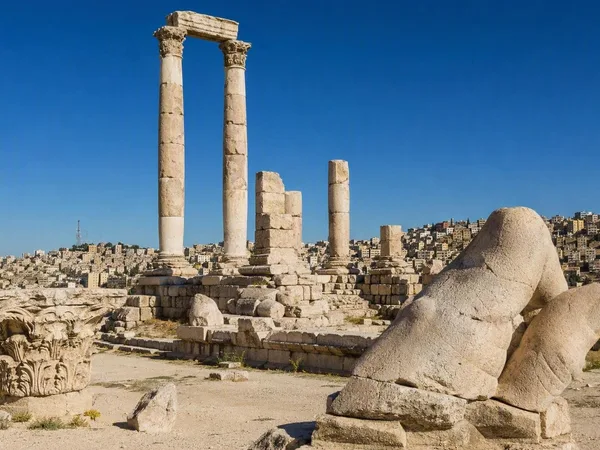
Amman
1 linked stories and routes
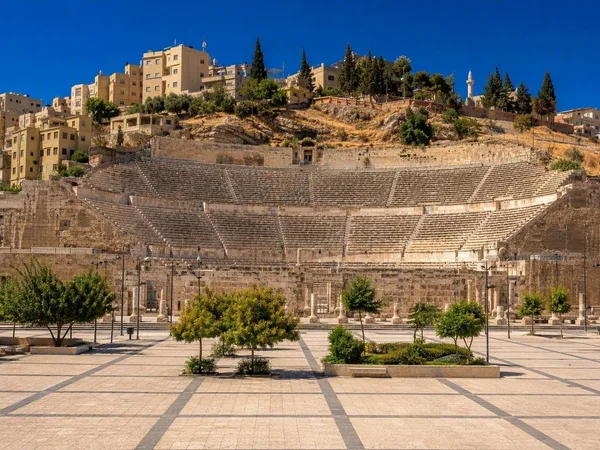
Al-Balad
1 linked stories and routes
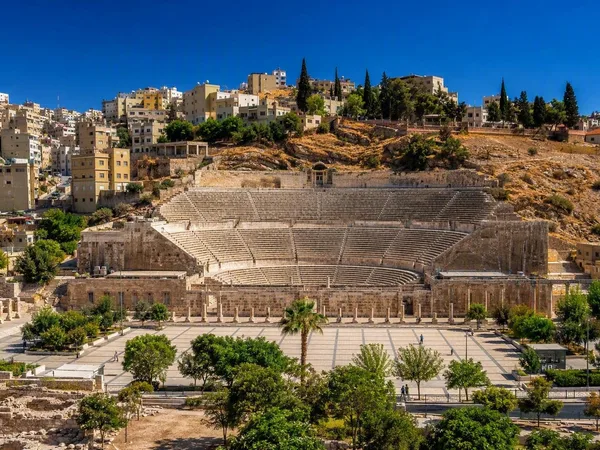
Wadi Amman
1 linked stories and routes
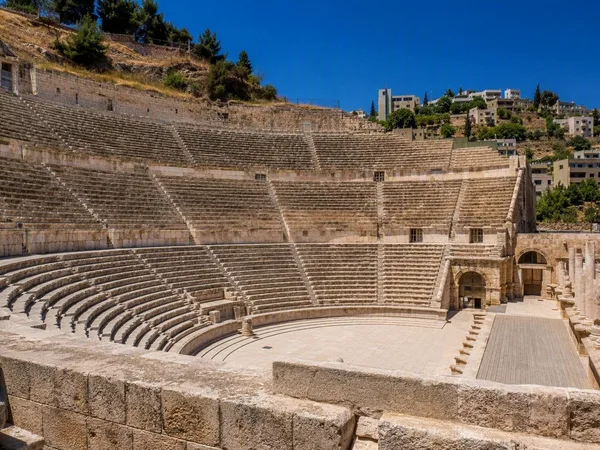
Roman Theatre, Amman
1 linked stories and routes
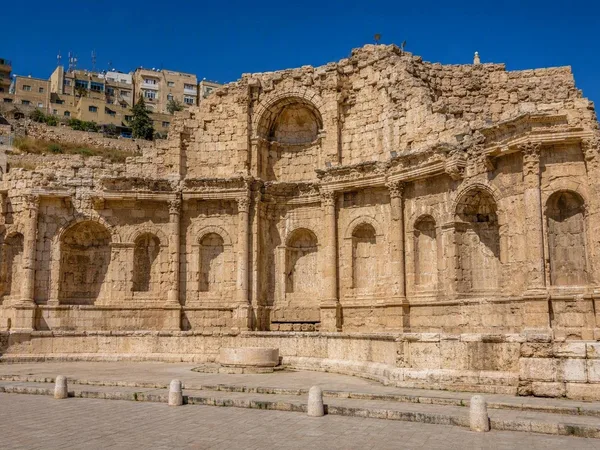
Roman Nymphaeum
1 linked stories and routes
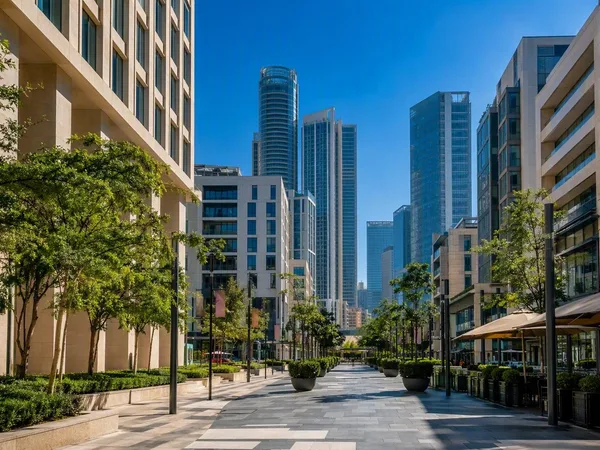
Abdali
0 linked stories and routes
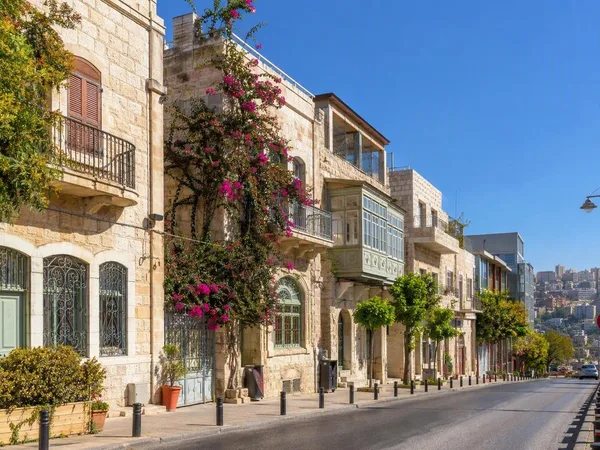
Jabal Amman
0 linked stories and routes
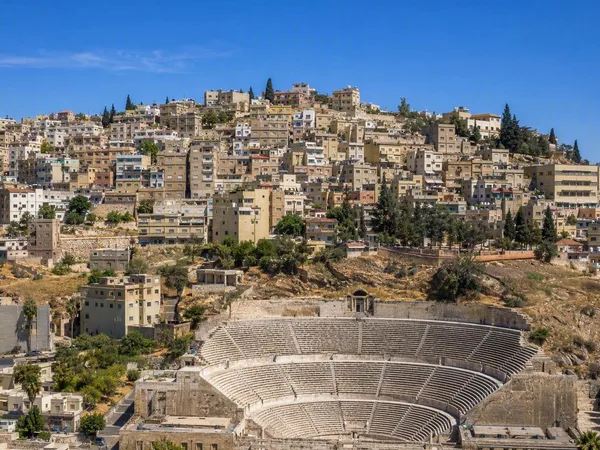
Jabal al-Jawfa, Amman
0 linked stories and routes
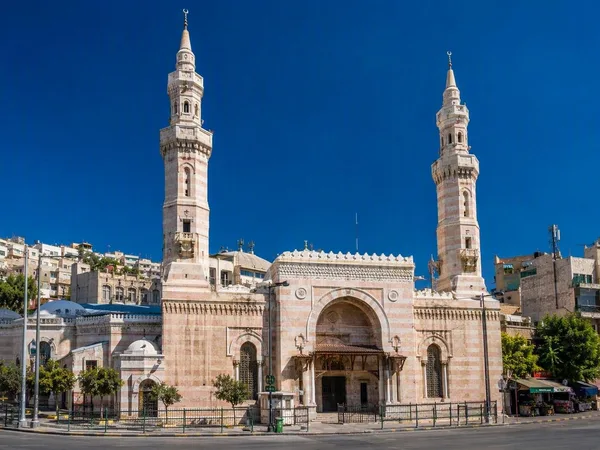
Husseini Mosque
0 linked stories and routes
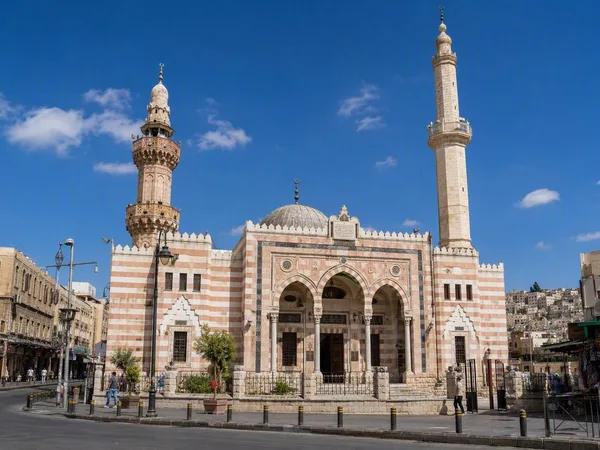
Husseini Mosque
0 linked stories and routes