
Sight · Jordan
Roman Nymphaeum
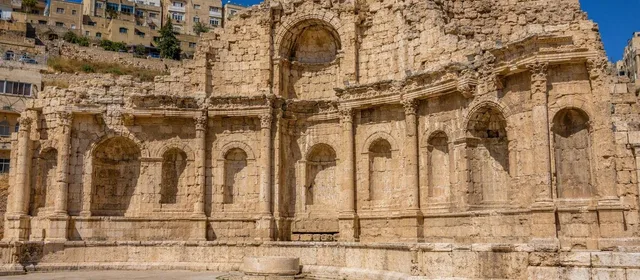
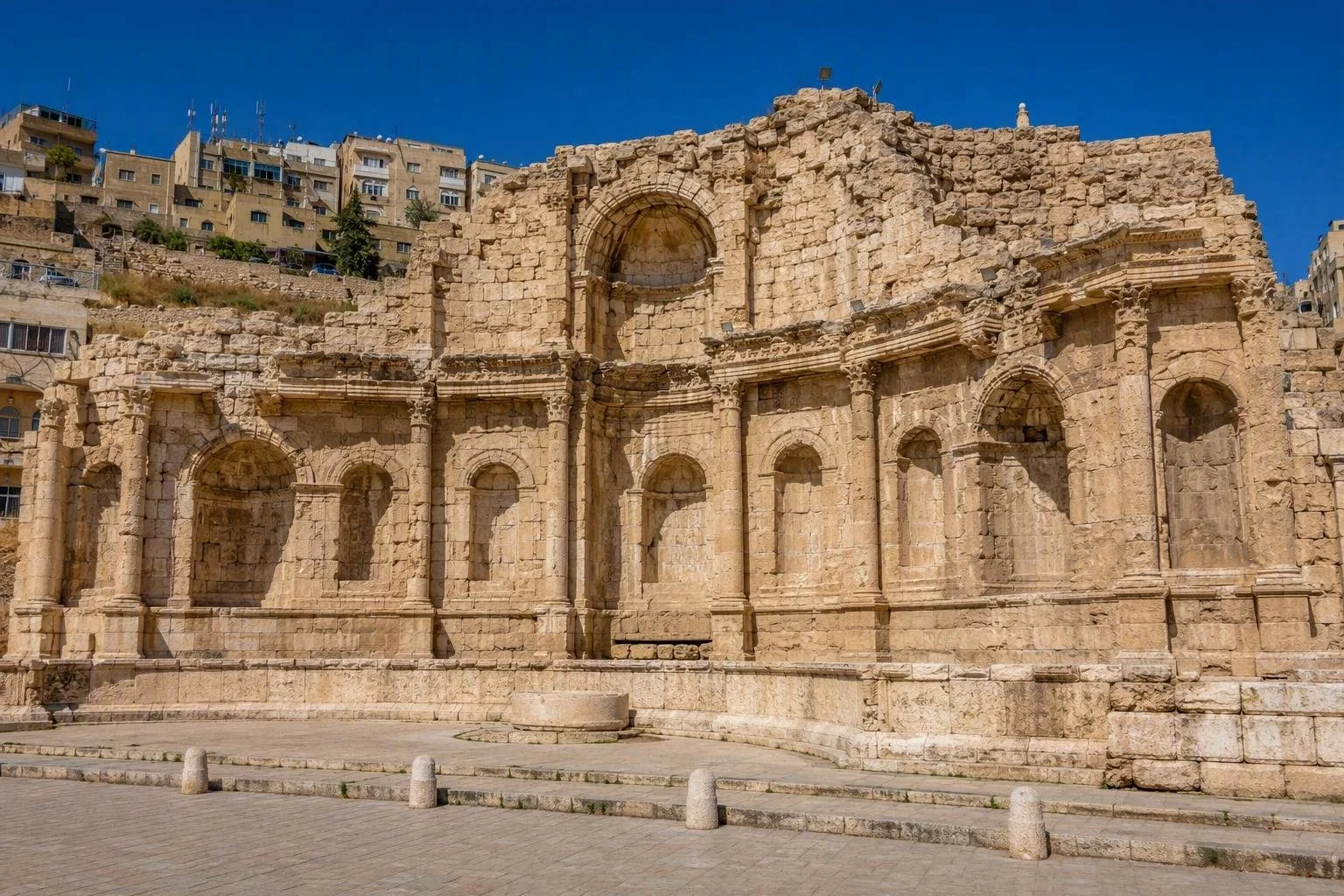
A restored Roman monumental fountain in Al-Balad, central Amman. Its surviving stone façade marks the water infrastructure and civic ambition of ancient Philadelphia.
Orientation
The Roman Nymphaeum stands in Al-Balad, Amman’s historic downtown, at the junction of Ibn al-Atheer and Quraysh streets. It is a short walk from the Roman Theatre, Odeon and Hashemite Plaza, making it an efficient stop while exploring the Roman-era lower city.
This is not a grand, isolated ruin: the monument sits directly in the modern street fabric. That contrast is part of the visit. Look for the archaeological-park enclosure and the curving limestone structure rather than a freestanding fountain.
What the monument was
A nymphaeum was a monumental public water structure. Amman was known as Philadelphia in the Roman period, and this building formed one of its principal civic monuments in the late second century CE.
It was constructed beside a watercourse and over a cave or grotto with running water. Vaults in the foundations allowed water to pass beneath the structure. The surviving building is generally understood as a public fountain, although its precise ancient function remains a subject of archaeological discussion.
Read the stonework
The plan was a broad half-octagon, about 68 metres in restored length. It had three large semi-domed apses, with tiers of smaller niches that once held statuary. A colonnaded gallery stood in front; marble facing and much of the ornament have gone.
Focus on what remains:
- Curved apses: these create the monument’s distinctive semicircular rhythm.
- Recessed niches: read them as the settings for an original sculptural display.
- Lower arches and vaults: they reveal the practical response to the sloping, wet ground.
- Limestone blocks: look for the contrast between robust outer masonry and finer façade work.
A recent conservation programme cleaned, stabilised and partly reconstructed parts of the monument, then opened the archaeological park to visitors in 2018. Interpretive panels and a three-dimensional model help make sense of a structure that survives only in part.
Visit well
Allow 15 to 30 minutes for the Nymphaeum itself, longer if you read the panels closely. Daylight is best: the recesses, stone texture and surviving architectural outline are much clearer than after dark.
Approach on foot through Al-Balad. The Roman Theatre and Odeon are close enough to combine into a compact Roman-Amman walk, while the Citadel rises above the valley to the north. Streets around the monument carry traffic and have uneven pavements; cross deliberately and keep clear of the road edge.
The site is an outdoor archaeological park, not a working fountain. Do not climb on the masonry or cross protective barriers; the surviving stone has been repeatedly affected by water, salts, pollution and urban vibration.
From the magazine
Stories about Roman Nymphaeum
Editorial stories linked directly to Roman Nymphaeum.
Routes from our editors
Travel through Roman Nymphaeum
Editorial routes connecting Roman Nymphaeum with other countries, cities and hotspots.
No routes through Roman Nymphaeum have been published yet.
More in Jordan
Related hotspots
Other cities, nature areas and places within Jordan.
Wadi Rum
3 linked stories and routes
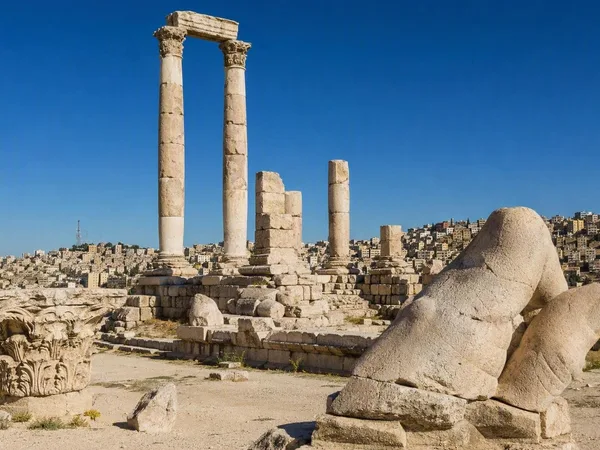
Amman
1 linked stories and routes
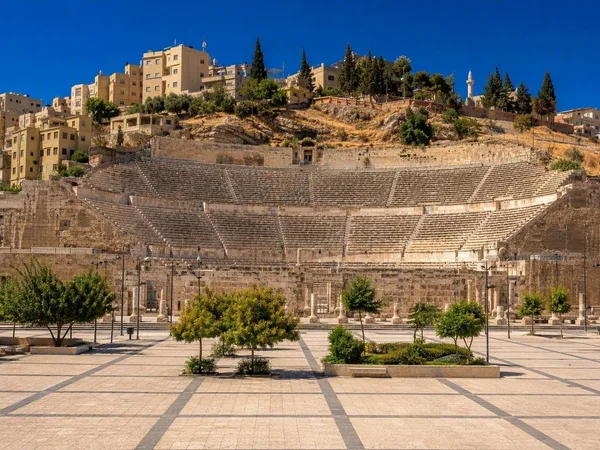
Al-Balad
1 linked stories and routes
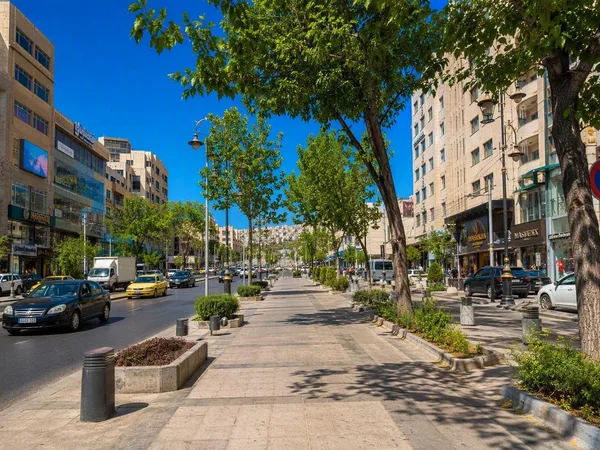
Jabal Hussein, Amman
1 linked stories and routes
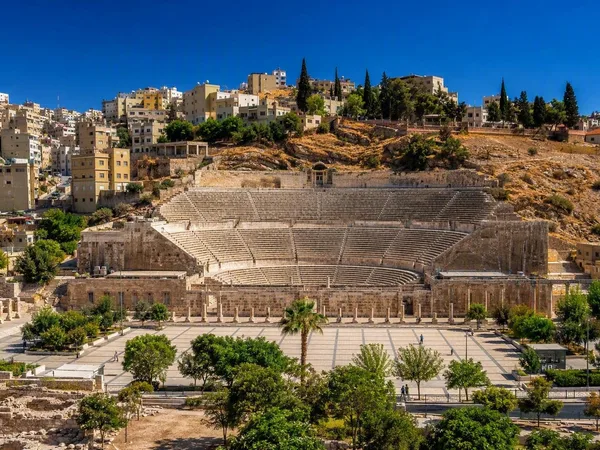
Wadi Amman
1 linked stories and routes
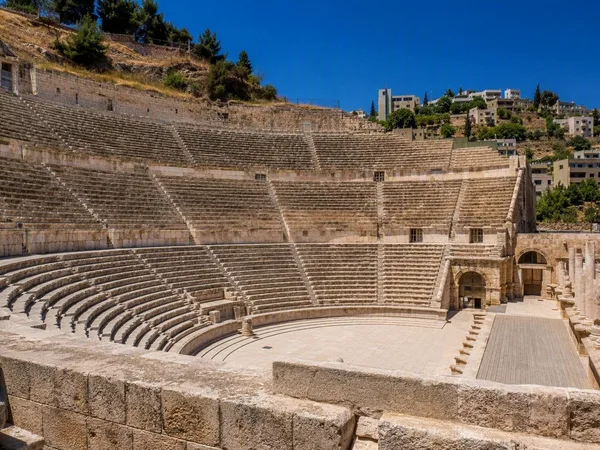
Roman Theatre, Amman
1 linked stories and routes

Abdali
0 linked stories and routes
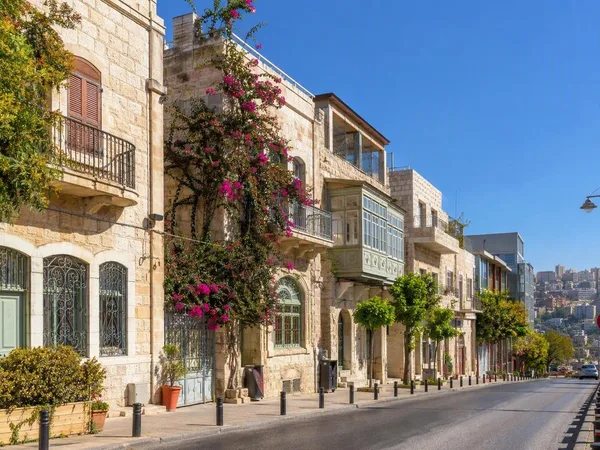
Jabal Amman
0 linked stories and routes
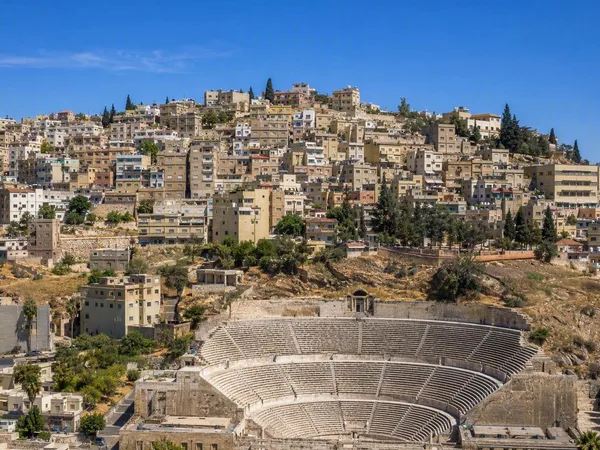
Jabal al-Jawfa, Amman
0 linked stories and routes
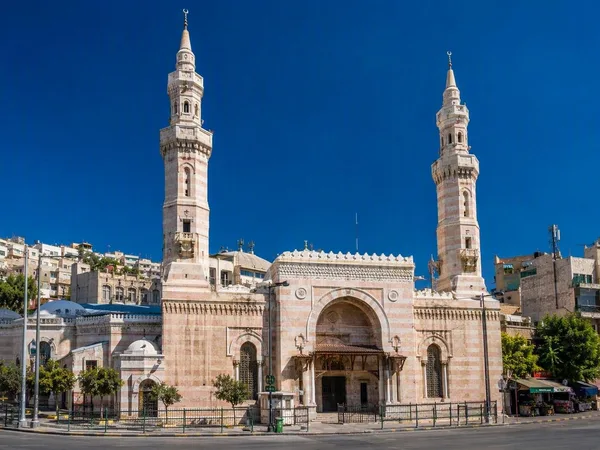
Husseini Mosque
0 linked stories and routes
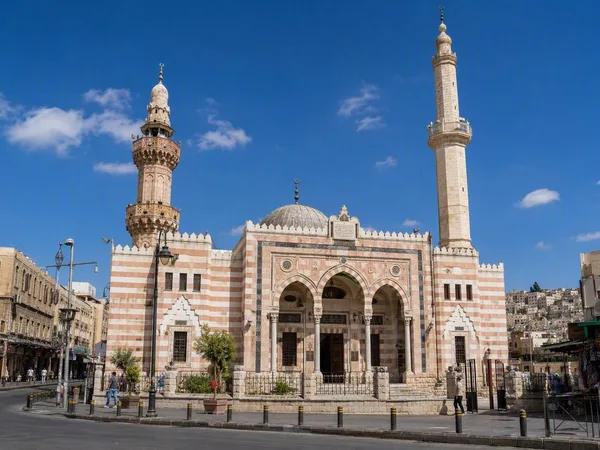
Husseini Mosque
0 linked stories and routes