
Nature area · Jordan
Wadi Amman
Wadi Amman is the narrow urban valley at the heart of Al-Balad, downtown Amman, Jordan. Its former seasonal watercourse shaped the line of Roman Philadelphia and still explains the old centre’s long, compressed layout.
Read the valley
Wadi Amman is not a separate archaeological compound or a hiking wadi. It is the shallow, built-up valley that carries Al-Balad, Amman’s historic downtown, between the Citadel hill and the eastern hills. Think of it as the city’s original floor plan: a long corridor rather than a neat street grid.
The valley sits at roughly 700 metres above sea level. Its central point is around the Roman Theatre and Hashemite Plaza; from there, the Citadel rises to the northwest and Jabal al-Jawfa climbs behind the theatre.
The watercourse beneath downtown
The seasonal Sayl Amman once ran through this valley, fed by rainfall from the surrounding slopes and springs near Ras al-Ayn. It supplied water and cultivable ground, making the valley a logical place for settlement.
The stream is no longer an open feature in the central district. Its covered course forms part of today’s Quraysh Street. That buried waterway is the key to the geography: the wide roads, shops and public spaces of downtown follow a valley rather than an abstract urban plan.
Roman Philadelphia on the valley floor
When Amman was Roman Philadelphia, the lower city occupied Wadi Amman while the acropolis stood on the Citadel above. The principal public monuments ran along the watercourse:
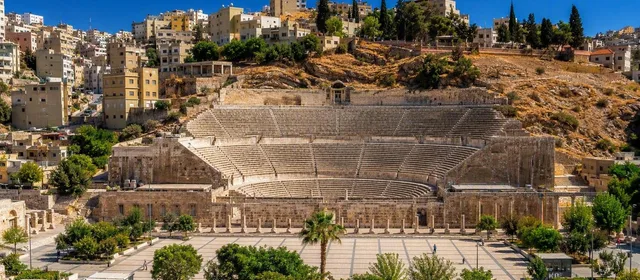
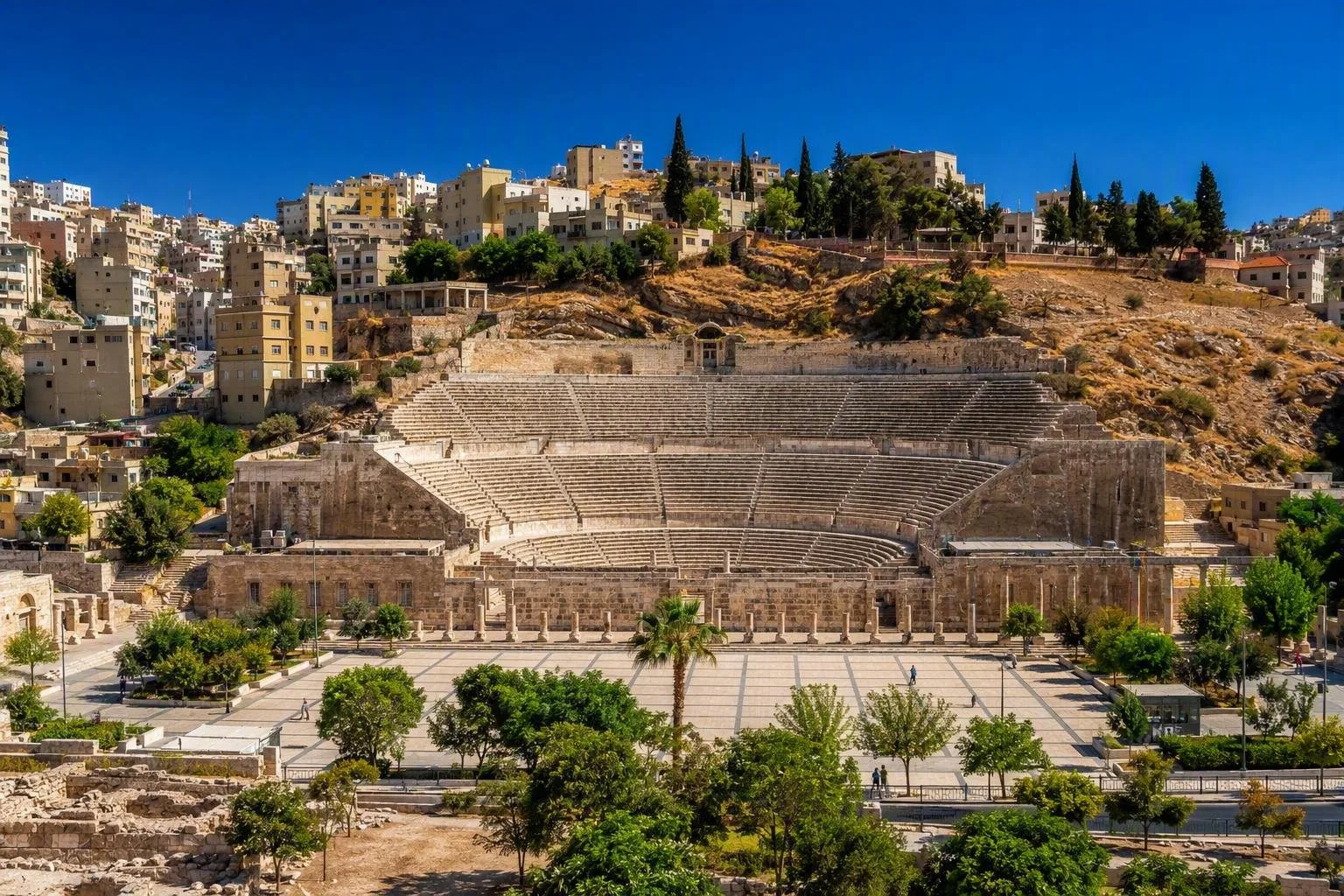
- Roman Theatre: a 2nd-century, north-facing auditorium carved into the hillside, with space for about 6,000 people.
- Odeon: the smaller Roman performance hall near Hashemite Plaza.
- Nymphaeum: the remains of a monumental public fountain, built in 191 CE.
- Forum and colonnaded streets: mostly buried or absorbed by the modern centre, but their alignment explains the valley’s east–west axis.
Use the theatre’s upper tiers to see the relationship clearly: the civic floor below, the dense valley corridor beyond, and the Citadel above it.
Walking it well
Start at Hashemite Plaza. The Roman Theatre and Odeon provide the clearest introduction to the valley’s Roman scale; the nearby streets then show how completely modern Al-Balad occupies the old floor.
Continue west through the souq streets and north toward the Nymphaeum. The distances are short, but crossings, narrow pavements and traffic make this a slow walk. Wear shoes with grip if you continue uphill to the Citadel; Amman’s connecting stairways are steep.
Timing and rain
Morning or late afternoon is best for reading the terrain and avoiding the hardest heat on exposed stone. The theatre is the most useful fixed viewpoint; the wadi itself is an urban landscape, open as part of downtown.
Important: Wadi Amman concentrates runoff from surrounding hills. During heavy rain, avoid low-lying streets and follow local closures or instructions; flash flooding can affect downtown.
From the magazine
Stories about Wadi Amman
Editorial stories linked directly to Wadi Amman.
Routes from our editors
Travel through Wadi Amman
Editorial routes connecting Wadi Amman with other countries, cities and hotspots.
No routes through Wadi Amman have been published yet.
More in Jordan
Related hotspots
Other cities, nature areas and places within Jordan.
Wadi Rum
3 linked stories and routes
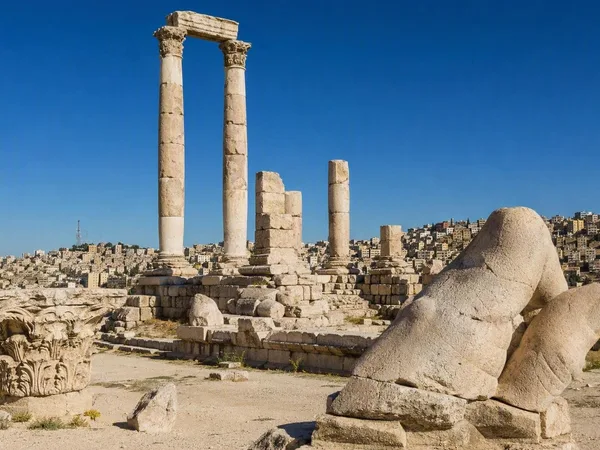
Amman
1 linked stories and routes
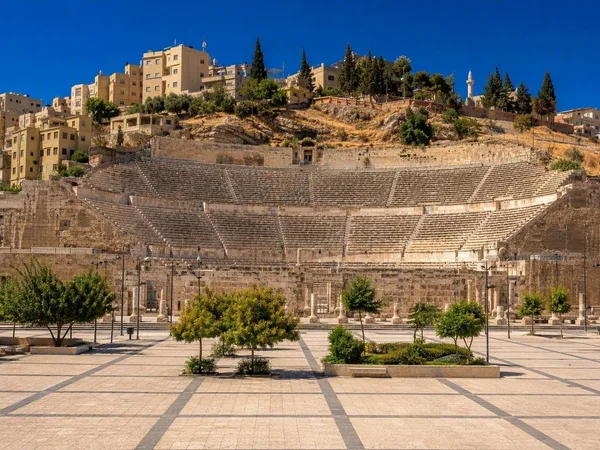
Al-Balad
1 linked stories and routes
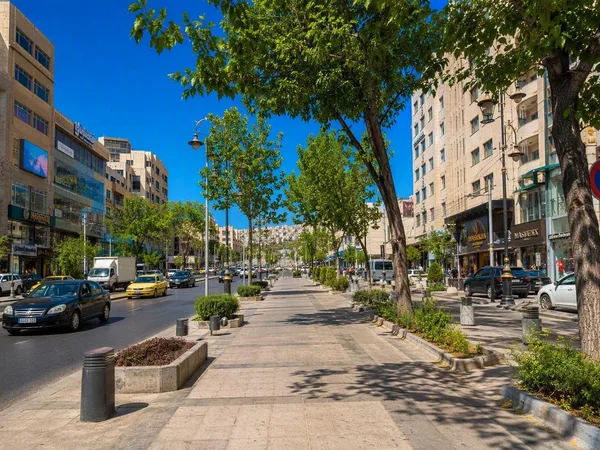
Jabal Hussein, Amman
1 linked stories and routes
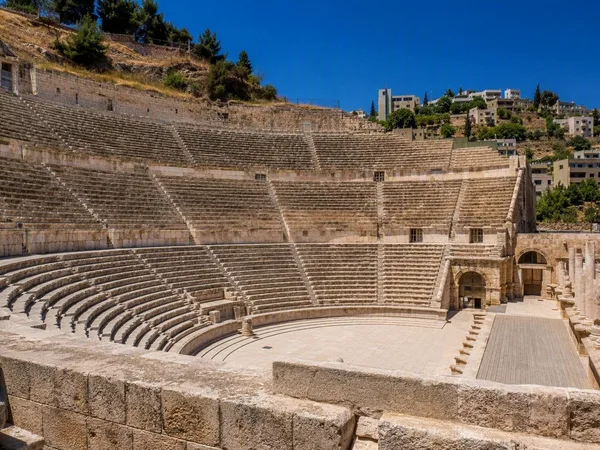
Roman Theatre, Amman
1 linked stories and routes
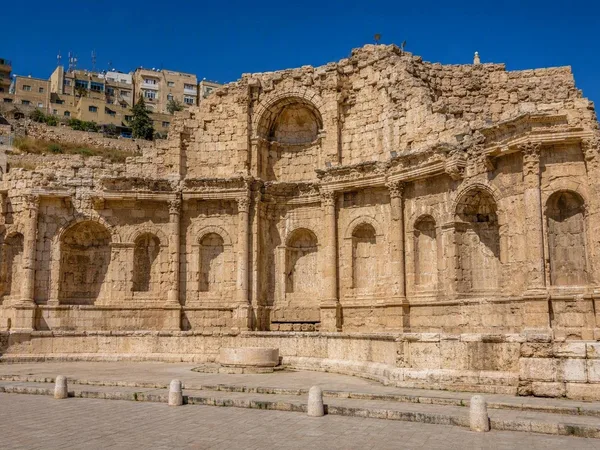
Roman Nymphaeum
1 linked stories and routes

Abdali
0 linked stories and routes
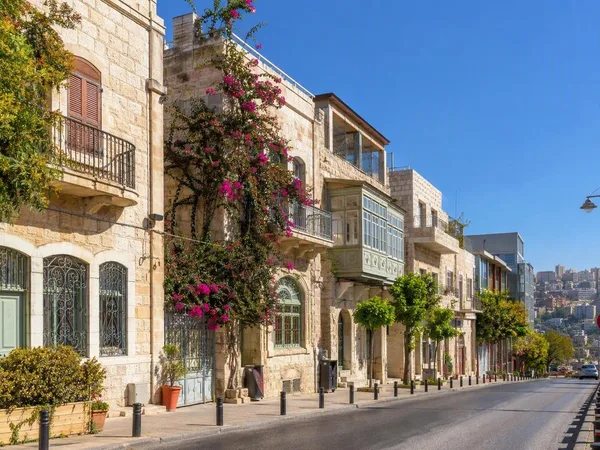
Jabal Amman
0 linked stories and routes
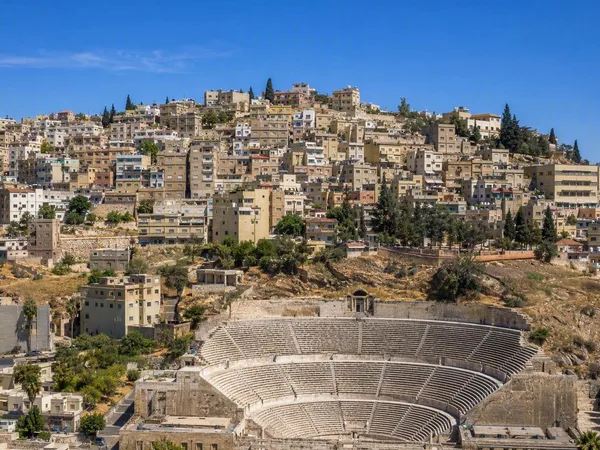
Jabal al-Jawfa, Amman
0 linked stories and routes
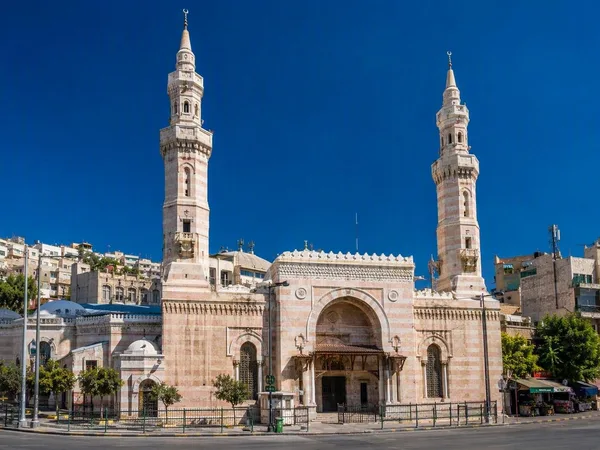
Husseini Mosque
0 linked stories and routes
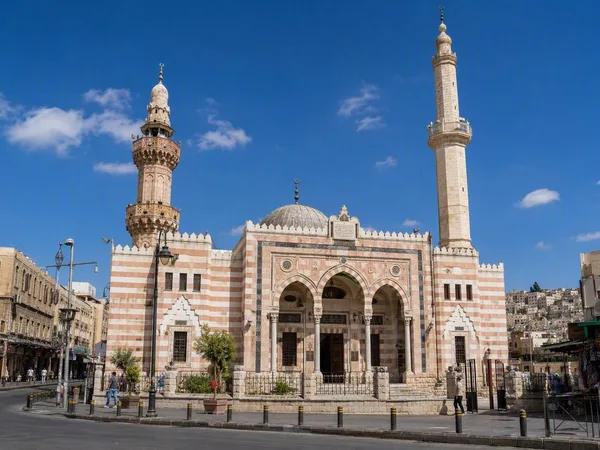
Husseini Mosque
0 linked stories and routes