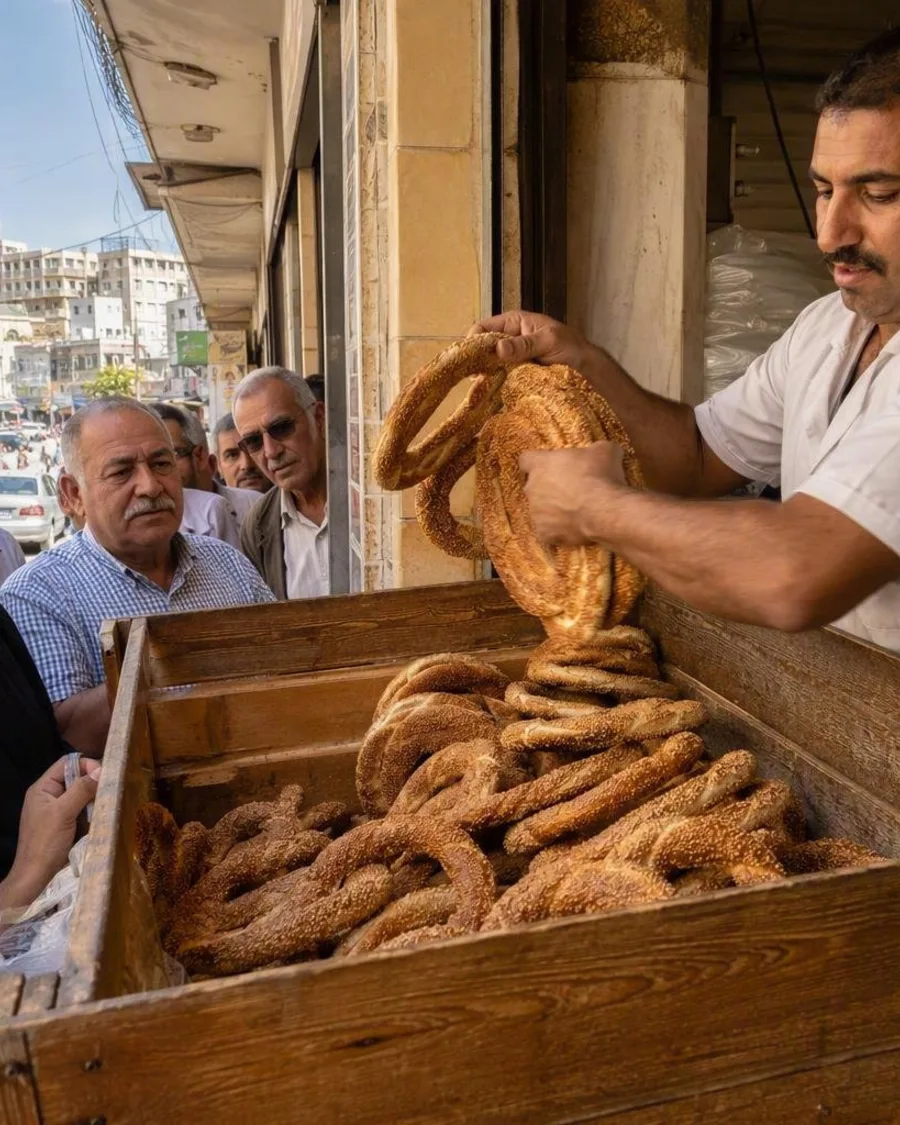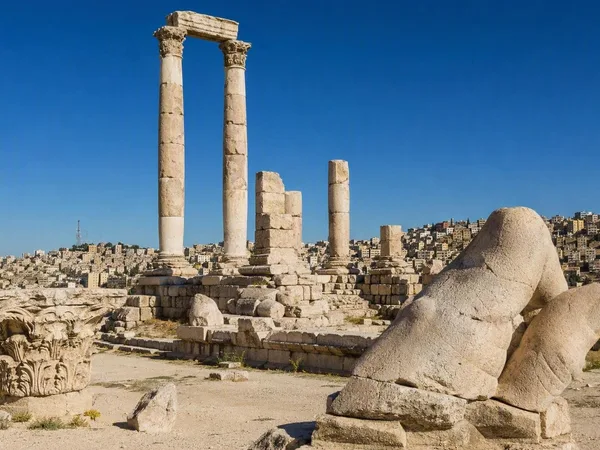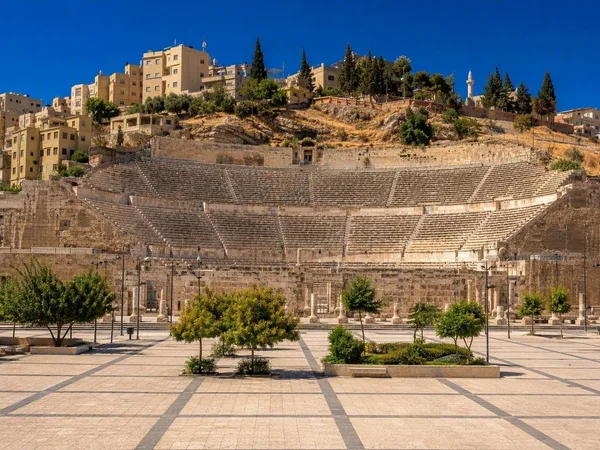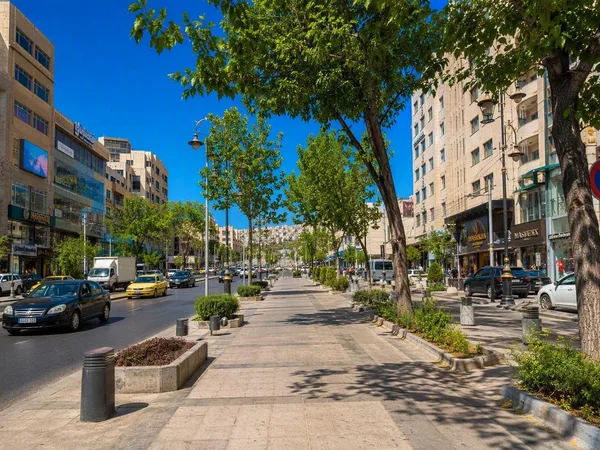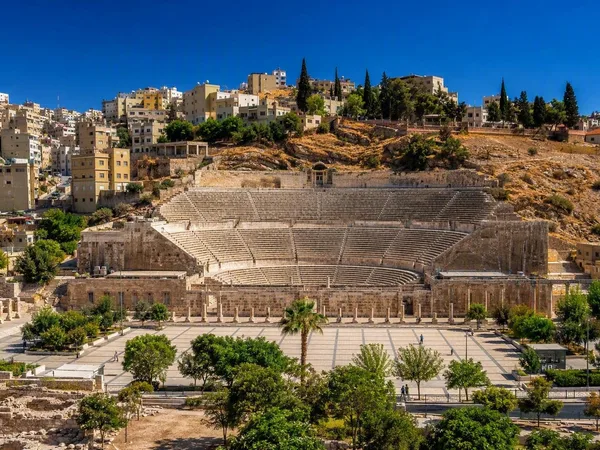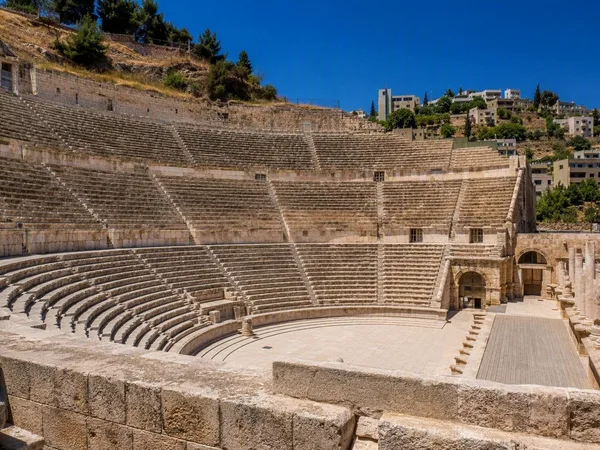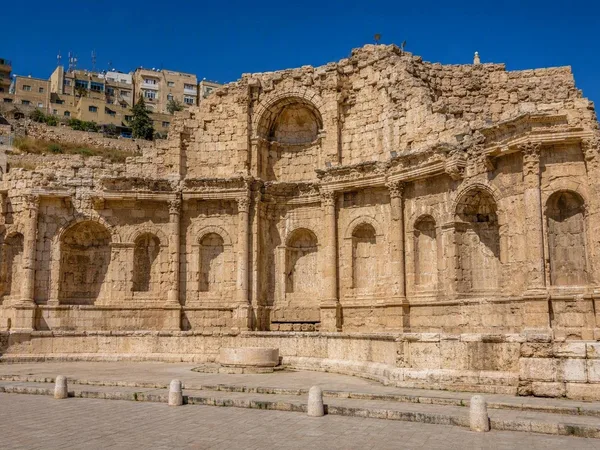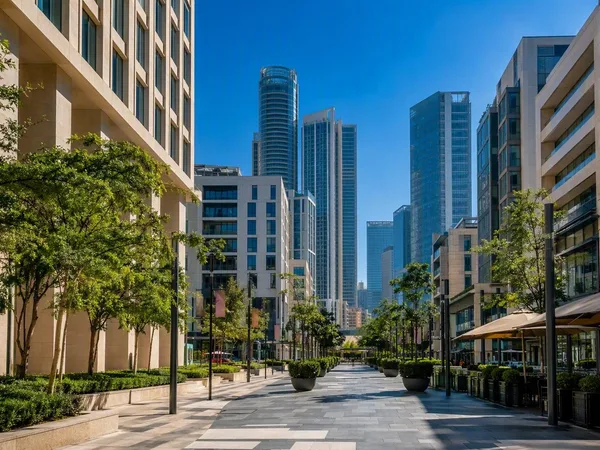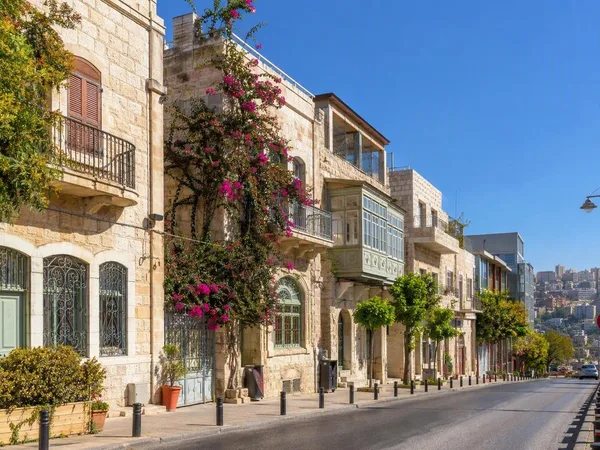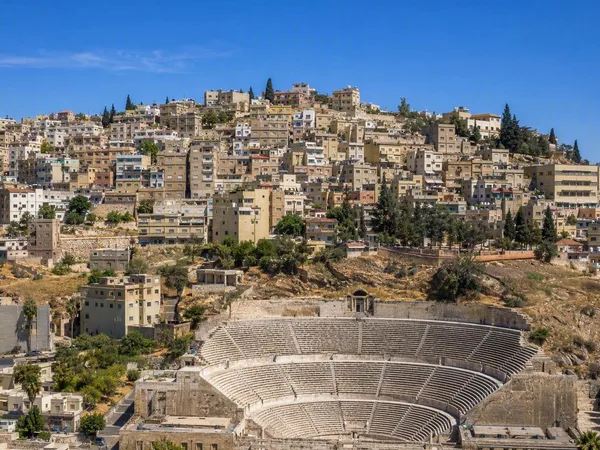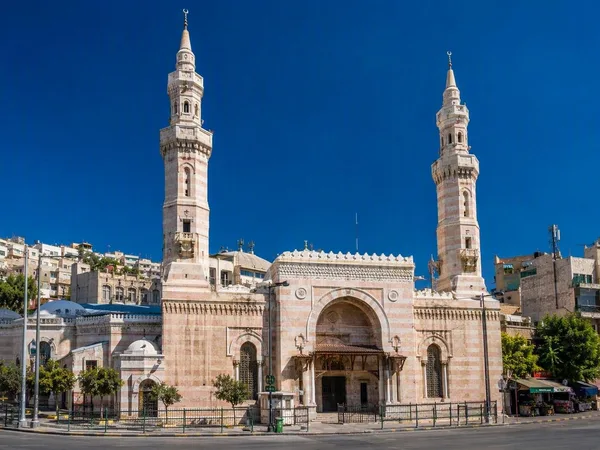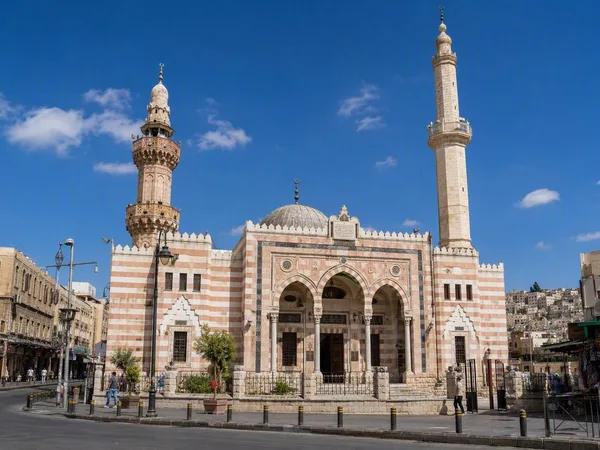
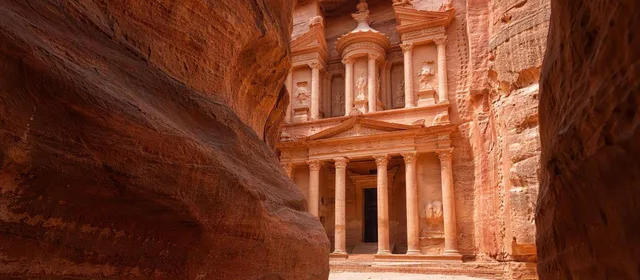
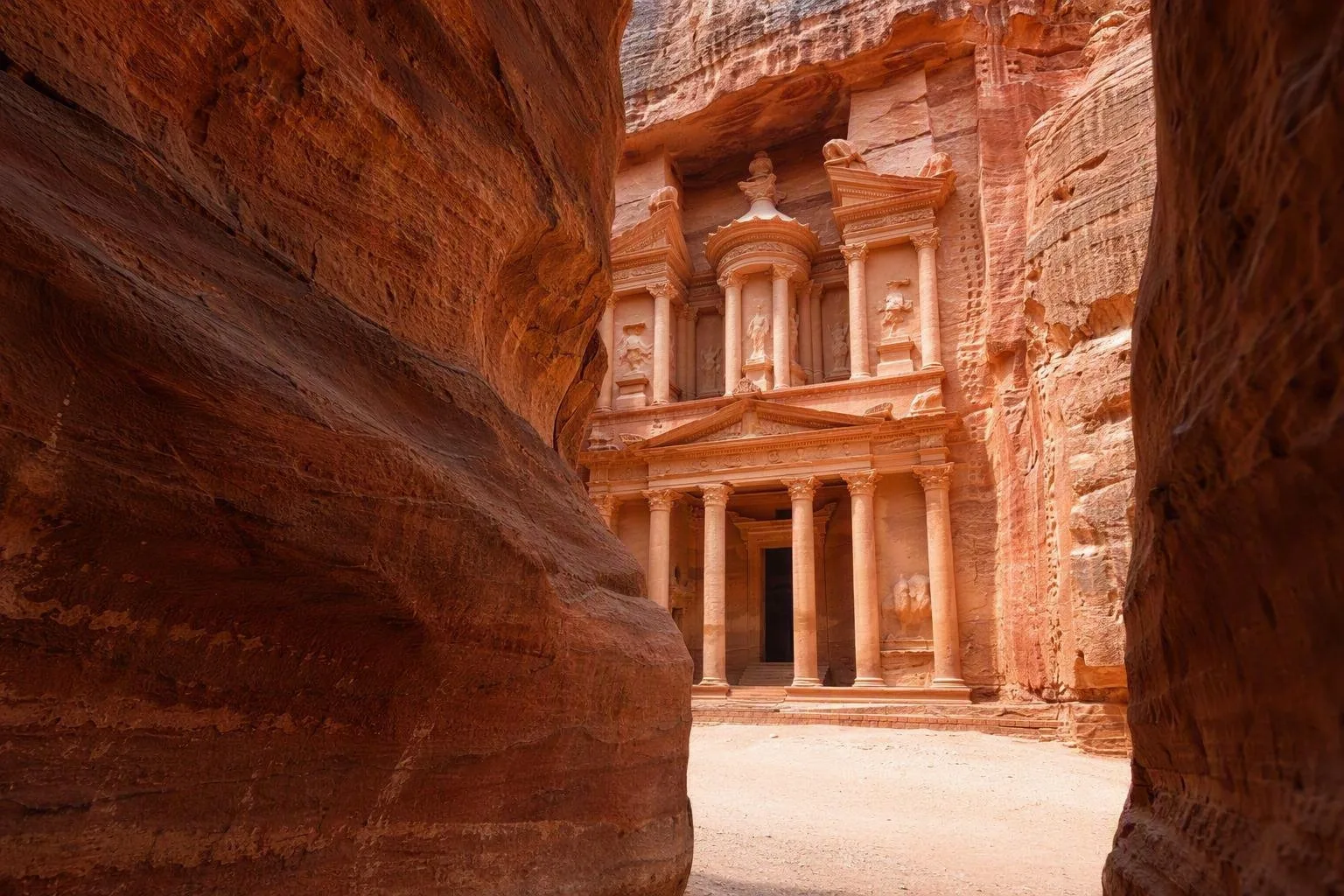
Petra earns its fame, but Jordan offers far more than the view of the Treasury through the Siq. The Nabataeans cut tombs and temples into sandstone, stored rainwater and built their wealth on caravan trade. Their skill with stone and water still gives Petra its force. In Amman, a Roman theatre stands below steep limestone hills, while bakeries, coffee shops and market stalls crowd the streets around downtown. The capital carries its ancient remains in the middle of daily life.
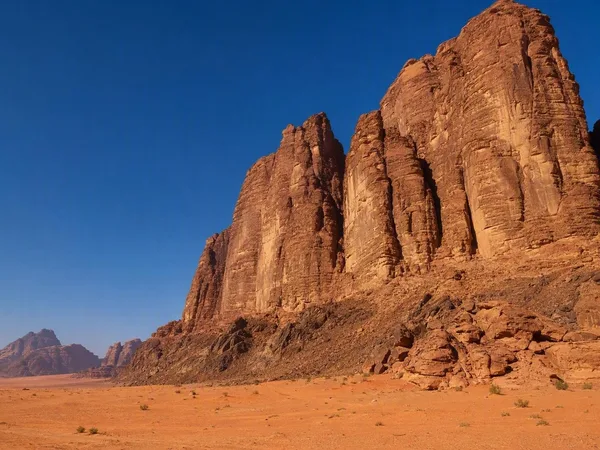
Madaba preserves Byzantine mosaics, including a famous map of the Holy Land. South of the city, the King’s Highway passes villages, valleys and crusader castles before reaching Petra and the road to Aqaba. Wadi Rum offers a sharper change of scene: red sand, broad plains and high sandstone cliffs. Bedouin families run many of the camps, serving tea and meals cooked beneath the sand.
Food gives visitors another clear sense of Jordanian life. Mansaf brings lamb, rice and tangy jameed to a shared table. Mezze may include hummus, mutabbal, chopped salads and warm flatbread. Stay long enough to wander Amman’s neighbourhoods, take the longer paths beyond Petra’s main monuments and spend an evening under the stars in Wadi Rum. Jordan suits travellers who want famous sites alongside generous meals and time in places where people still live and work.