
Nature area · Chile
Atacama
Atacama is northern Chile’s vast desert plateau, a realm of salt flats, volcanic highlands, geysers and near-lightless skies. San Pedro de Atacama is the practical base for its most visited landscapes.
The desert at a glance
Atacama is a long, exceptionally dry desert west of the Andes in northern Chile. It is not one park or town: its salt basins, lava fields, high-altitude wetlands and mountain ranges are spread over a large area. San Pedro de Atacama, an adobe oasis settlement in the Antofagasta Region, is the main base for visiting the desert’s eastern side.
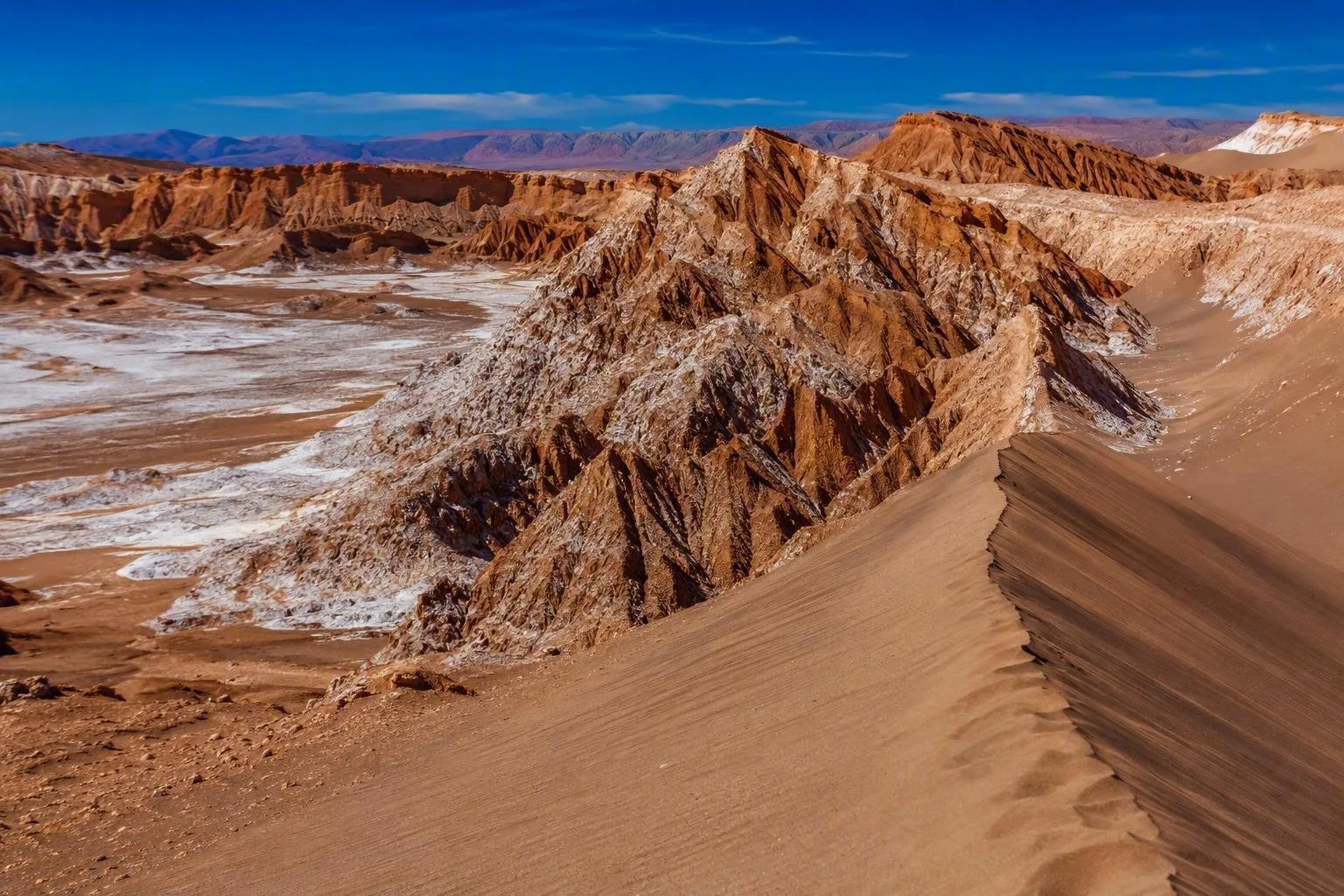
Its defining contrast is scale. Near San Pedro, wind has cut salt, clay and sand into ridges and dunes; farther out, roads climb to lagoons and geyser fields in the high Andes. Give the place several days rather than trying to compress every landscape into one outing.
Core landscapes
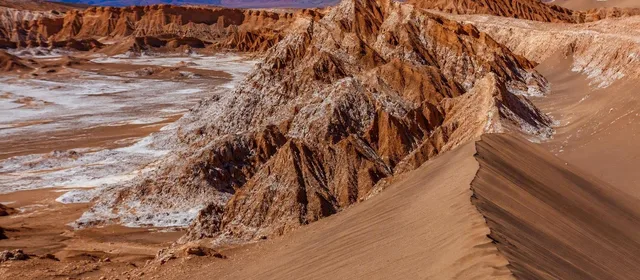
Valle de la Luna sits west of San Pedro in the Cordillera de la Sal. Follow its marked routes for salt ridges, dunes, dry basins and eroded rock. It is close enough for a short visit by vehicle, bicycle or organized excursion.
Salar de Atacama is the great salt basin south of town. Its protected sectors include Chaxa Lagoon, where flamingos feed in shallow saline water. Keep to designated paths and viewing areas: these wetlands are sensitive, not open terrain for wandering.
The high Andes bring the temperature and altitude up sharply. The Tatio geyser field and the lagoons of Miscanti and Miñiques are long, early-start excursions. They are separate destinations, not roadside stops from San Pedro.
Getting in and moving around
Fly to Calama’s El Loa Airport, then continue by road to San Pedro de Atacama; the airport is about an hour from town. San Pedro is the place to arrange transport, supplies and overnight stays.
For nearby Valle de la Luna, a bicycle, rental vehicle or tour works. For high-altitude lagoons, geysers and remote salt flats, use a properly equipped vehicle and a driver-guide or established excursion. Distances are deceptive, fuel and services are limited beyond town, and roads can be affected by weather.
Altitude, sun and access
Acclimatize in San Pedro before committing to the highest trips. The desert’s dry air intensifies dehydration, while sites on the altiplano rise far above the town. Carry water, sun protection and warm layers: clear mornings at elevation can be bitterly cold even after a warm afternoon.
Protected sectors have their own entry arrangements, visiting hours and occasional weather closures. In Los Flamencos National Reserve, overnighting is not permitted and visitors must use authorized areas. Do not leave paths or enter community and ancestral areas that are not open to visitors.
Dark skies
Atacama’s dry, high conditions support major observatories. ALMA operates on the Chajnantor plateau at 5,000 metres, roughly 50 kilometres east of San Pedro; it is a working scientific facility, not a casual night-sky stop. For stargazing, choose an operator based in or near San Pedro and plan around moonlight. Nights cool quickly, so bring insulating layers even in warmer months.
From the magazine
Stories about Atacama
Editorial stories linked directly to Atacama.
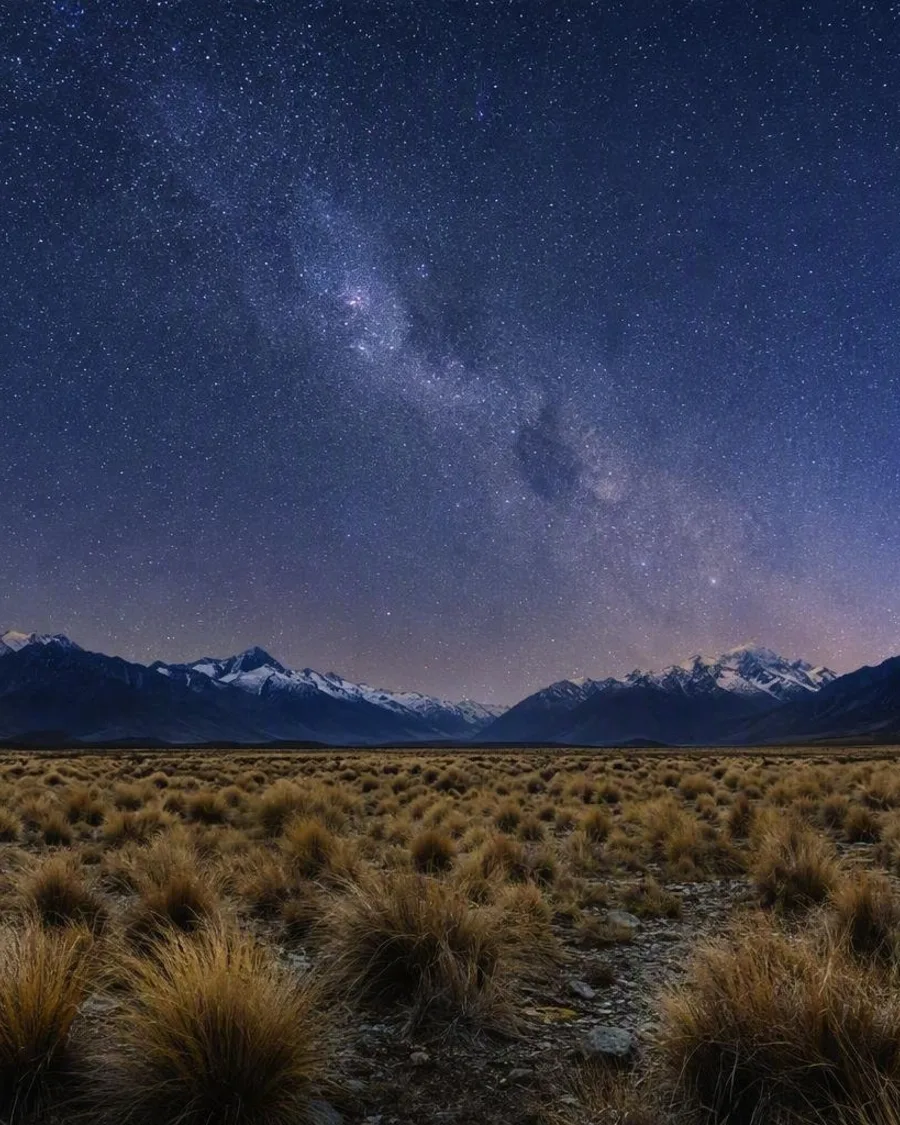
Ten dark-sky landscapes, ranked from moorland to mountain basin
Pink sand runs below Wadi Rum’s sandstone walls, while telescope domes stand on La Palma’s volcanic crest. This ranking places New Zealand’s glacial Mackenzie Basin first, where a wide alpine floor gives the night sky a large, uncluttered frame.
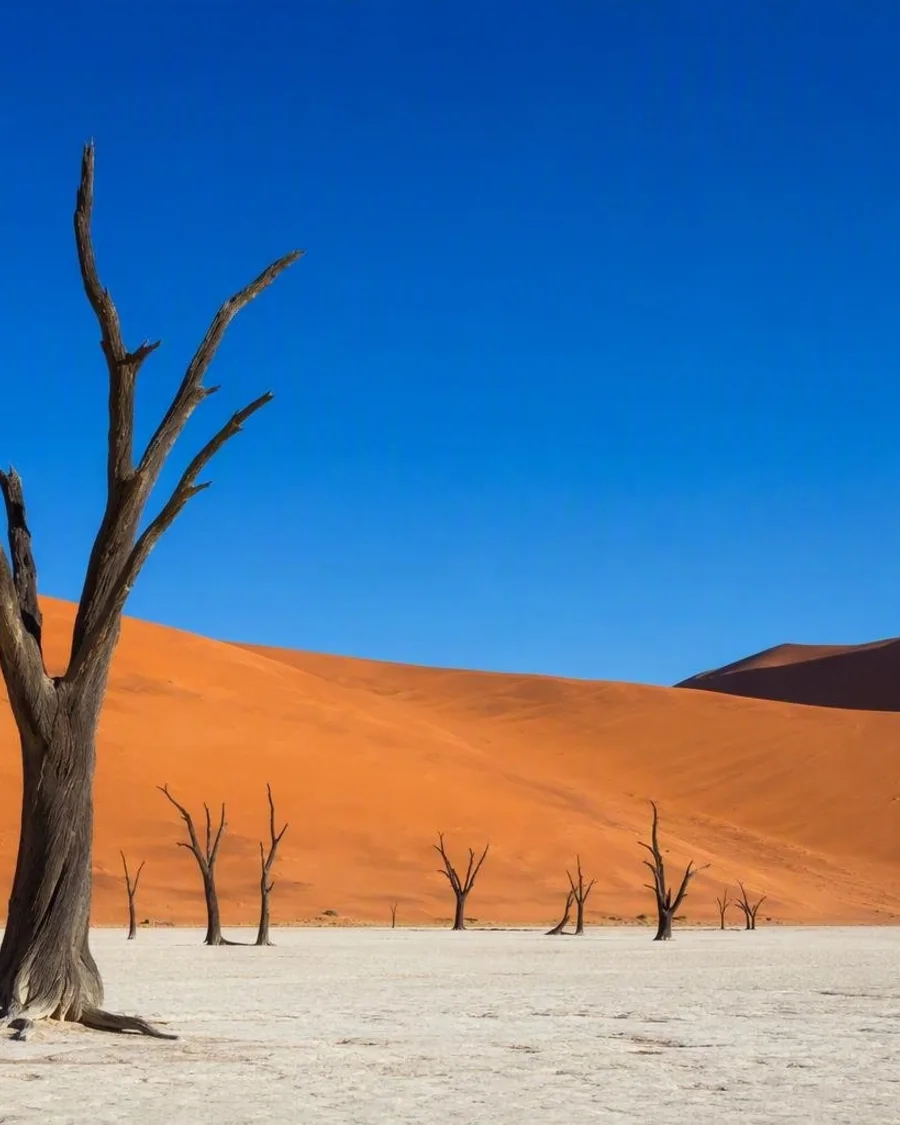
The world’s 10 most remarkable deserts, ranked
In Egypt’s White Desert, wind-blown sand has carved snow-white chalk into mushrooms, cones and solitary towers. This deliberately subjective ranking weighs access alongside landscape and distinctive character, so a spectacular place can fall when reaching it requires a serious expedition.
Routes from our editors
Travel through Atacama
Editorial routes connecting Atacama with other countries, cities and hotspots.
No routes through Atacama have been published yet.
More in Chile
Related hotspots
Other cities, nature areas and places within Chile.
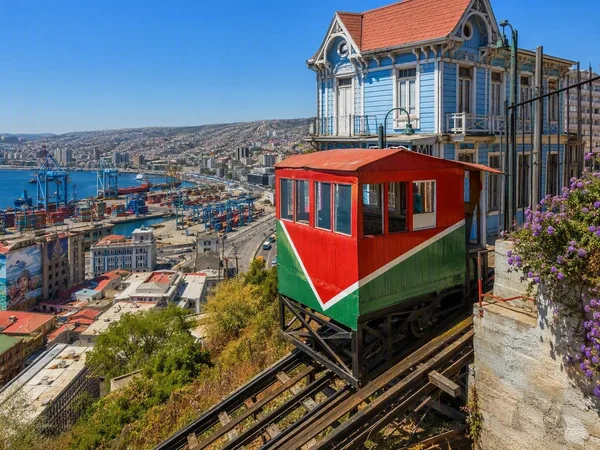
Valparaíso
1 linked stories and routes
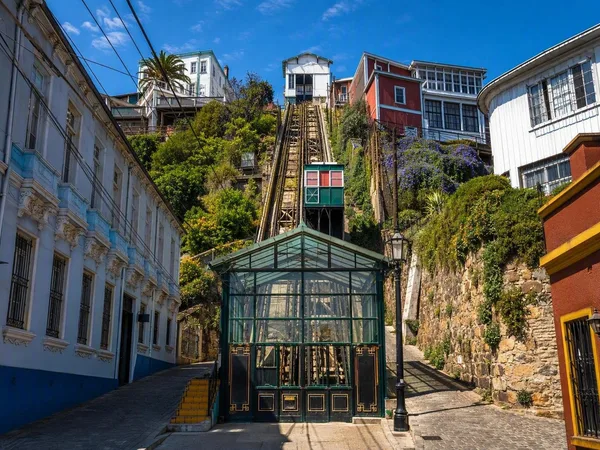
Cerro Alegre
1 linked stories and routes
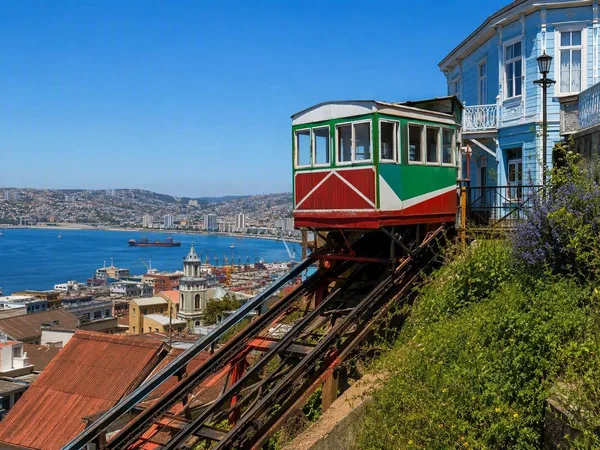
Cerro Concepción
1 linked stories and routes
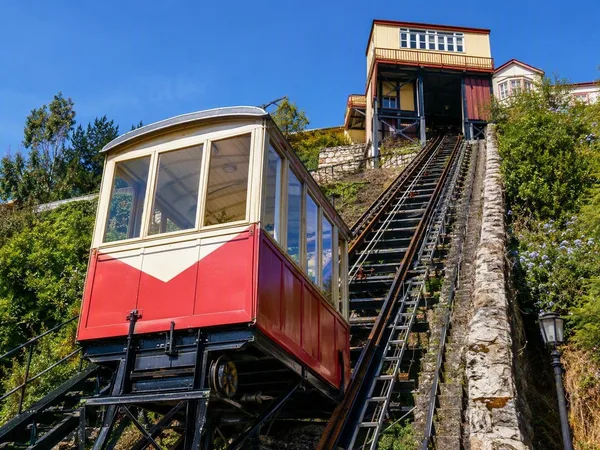
Ascensor Reina Victoria
1 linked stories and routes
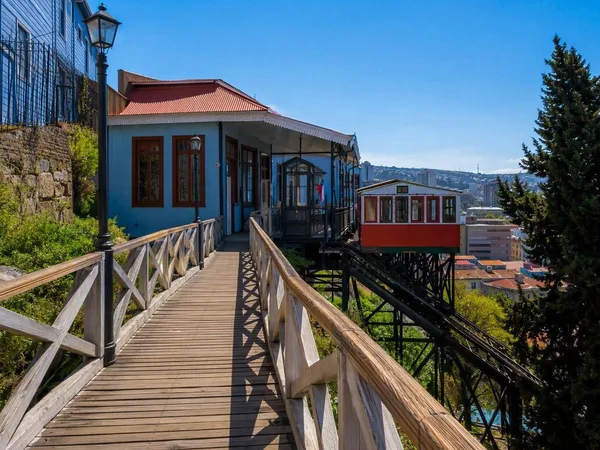
Paseo Dimalow
1 linked stories and routes
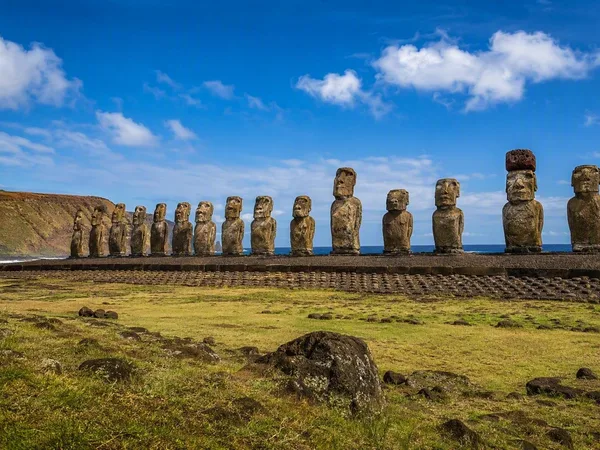
Rapa Nui
1 linked stories and routes
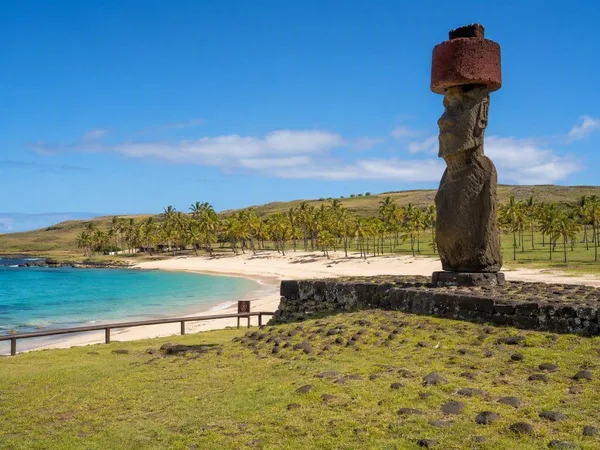
Anakena
1 linked stories and routes
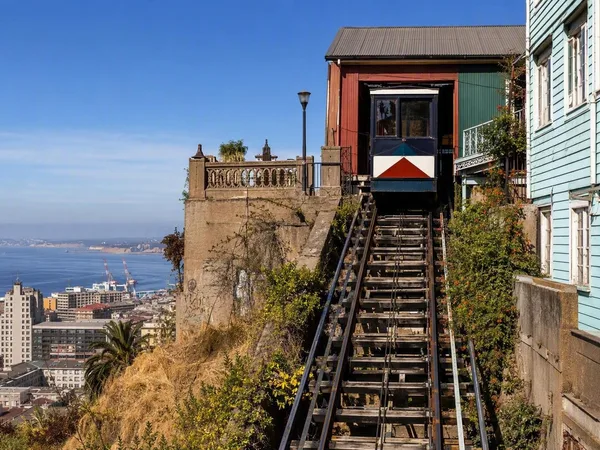
Ascensor Concepción
0 linked stories and routes
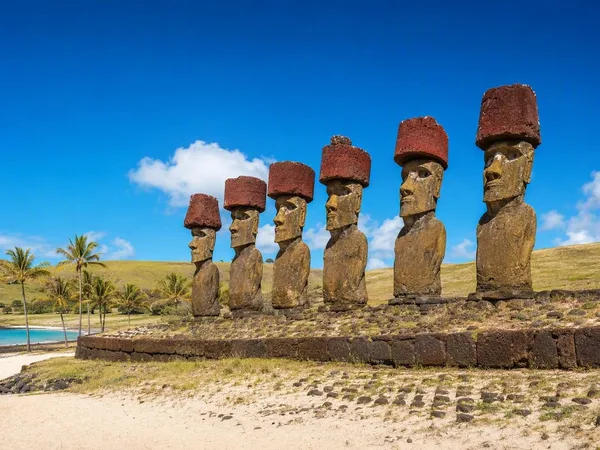
Ahu Nau Nau
0 linked stories and routes