
Island · Chile
Rapa Nui
Rapa Nui, also known as Easter Island, is a Chilean volcanic island in the southeastern Pacific. Its moai, ceremonial platforms and crater landscapes form a living Polynesian cultural landscape, with Hanga Roa as the practical base.
Get oriented
Rapa Nui lies about 3,700 km west of mainland Chile. It is a compact volcanic island, but its archaeological sites are spread around the coast and inland. Hanga Roa is the only town and the base for accommodation, food, vehicle hire and organised excursions.
Much of the island’s archaeological landscape is within Rapa Nui National Park, a World Heritage property. This is not a collection of isolated statues: the moai, ahu ceremonial platforms, quarries, houses, caves and rock-art sites belong to one cultural landscape.
Read the monuments properly
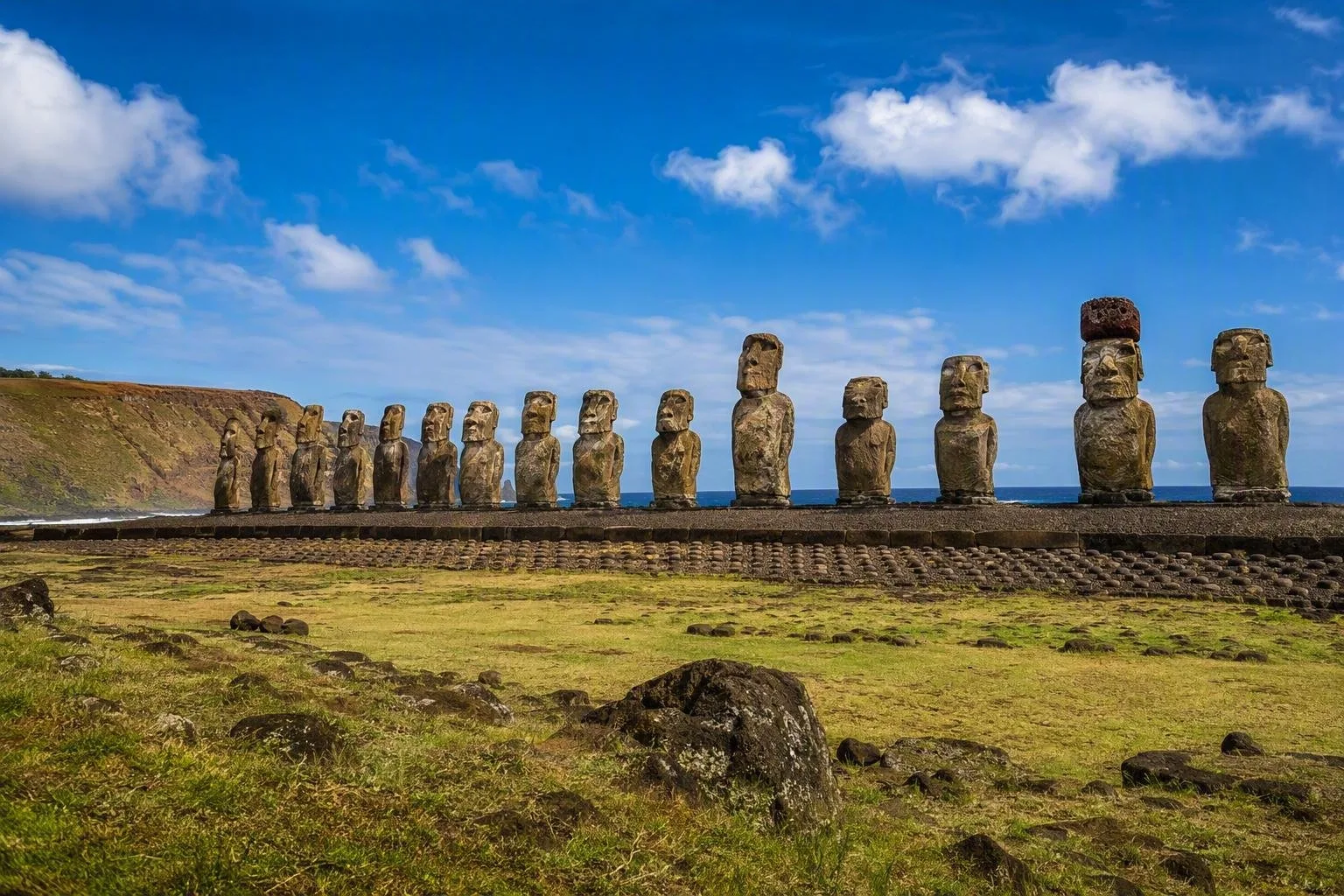
Moai are ancestral figures, generally erected on ahu. Most were carved from volcanic tuff at Rano Raraku, where unfinished and standing figures still show the production process. The red stone pukao seen on some statues came from Puna Pau.
Prioritise these sites:
- Rano Raraku: the quarry; allow time to walk the marked route among the figures.
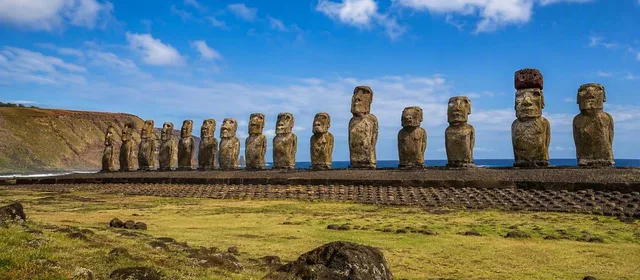
- Ahu Tongariki: 15 restored moai on the island’s largest ceremonial platform.
- Orongo and Rano Kau: a ceremonial village on the rim of a volcanic crater, associated with the later Birdman tradition.
- Anakena: a sandy bay with Ahu Nau Nau, restored moai and red pukao; it combines a beach stop with an archaeological site.
- Tahai: several ahu near Hanga Roa, useful for a first or final evening without a long drive.
Plan movement, not a checklist
A rental car gives flexibility on the island roads, while guided excursions are the practical choice for sites with controlled access. Group distant places by direction: combine Rano Raraku and Ahu Tongariki on the east side; keep Orongo and Rano Kau for the southwest; leave Tahai for Hanga Roa.
Do not treat an archaeological stop as a roadside photo break. Use marked paths, barriers and viewing areas, and never climb on, touch or lean against monuments. The volcanic stone is vulnerable to weathering and the sites remain central to Rapa Nui heritage.
Arrival and access
Mataveri Airport is at Hanga Roa. Regular commercial flights connect the island with Santiago, taking roughly five and a half hours nonstop. The island’s isolation makes flight timing consequential: leave margin around onward connections and the day of departure.
Park access is separate from the flight. Buy the required park admission through the designated Rapa Nui National Park channel and check current site conditions before setting an itinerary. Some sectors have specific entry rules, and Rano Raraku and Orongo warrant deliberate, unhurried visits rather than being squeezed into one day.
Timing and conditions
The climate is mild but exposed; carry sun protection, water and a light rain layer in every season. February brings Tapati Rapa Nui, an important cultural festival and a busier period for flights and rooms. Outside festival dates, give the island at least three full days: one for the east, one for the southwest and Hanga Roa, and one for Anakena, the north coast or a return visit to a site that deserves more time.
From the magazine
Stories about Rapa Nui
Editorial stories linked directly to Rapa Nui.
Routes from our editors
Travel through Rapa Nui
Editorial routes connecting Rapa Nui with other countries, cities and hotspots.
No routes through Rapa Nui have been published yet.
More in Chile
Related hotspots
Other cities, nature areas and places within Chile.
Atacama
2 linked stories and routes
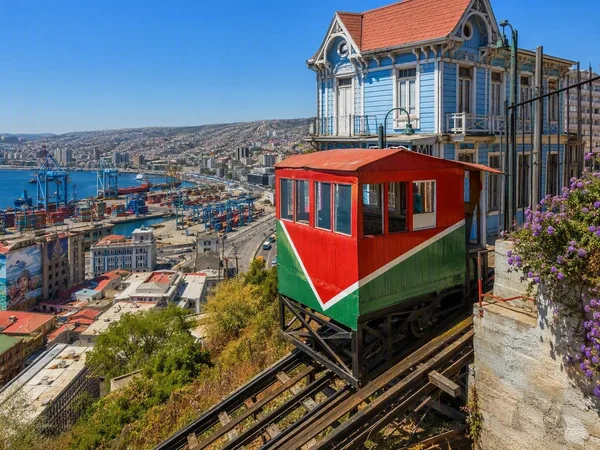
Valparaíso
1 linked stories and routes
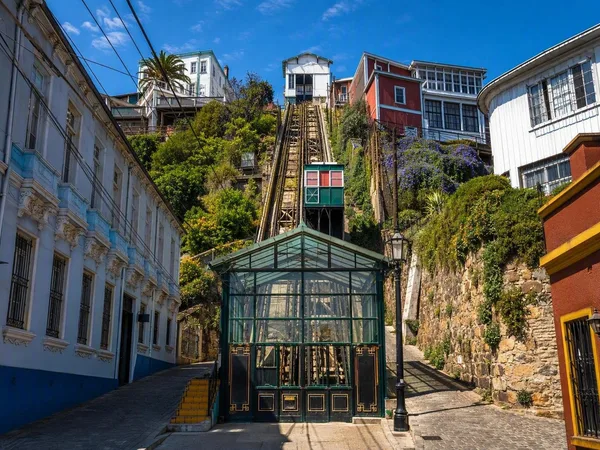
Cerro Alegre
1 linked stories and routes
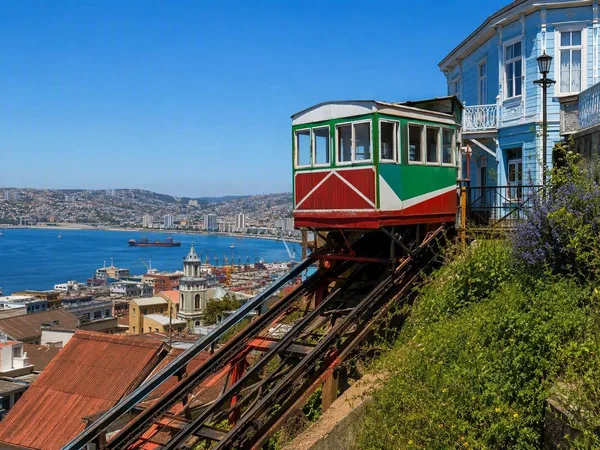
Cerro Concepción
1 linked stories and routes
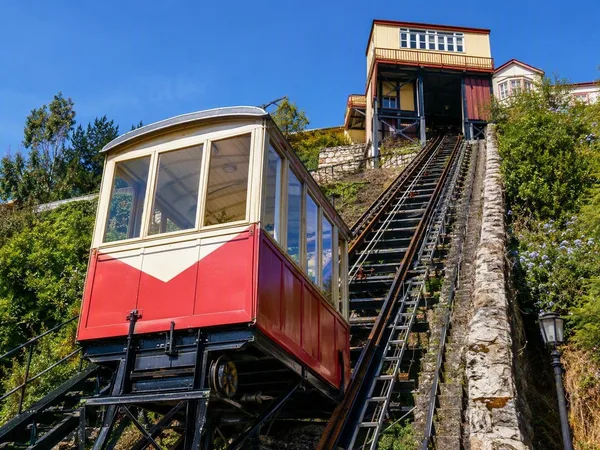
Ascensor Reina Victoria
1 linked stories and routes
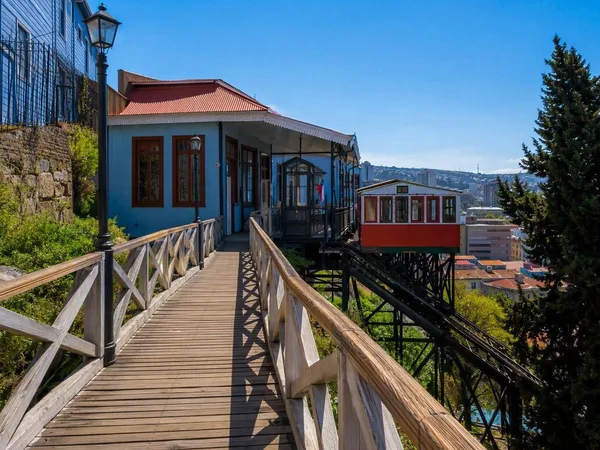
Paseo Dimalow
1 linked stories and routes
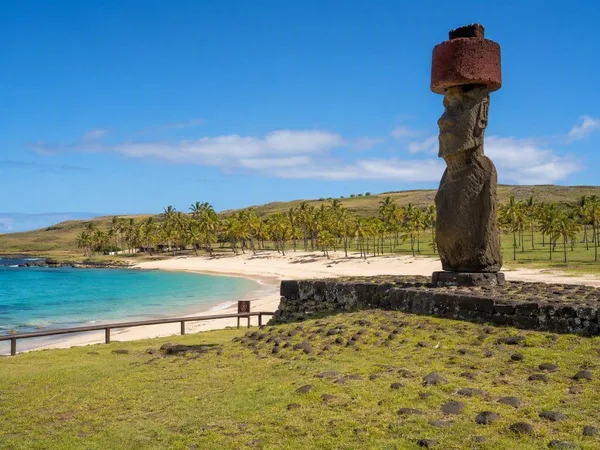
Anakena
1 linked stories and routes
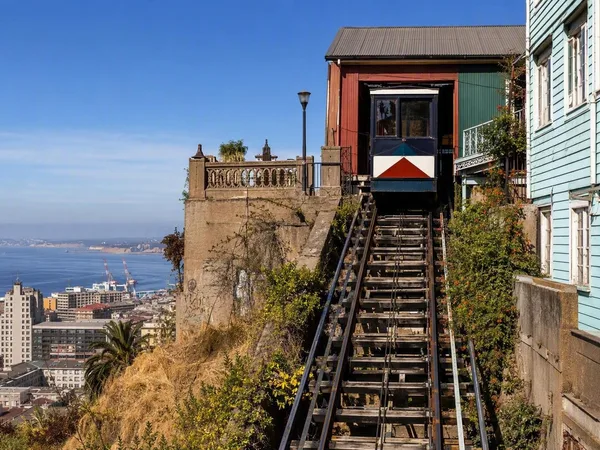
Ascensor Concepción
0 linked stories and routes
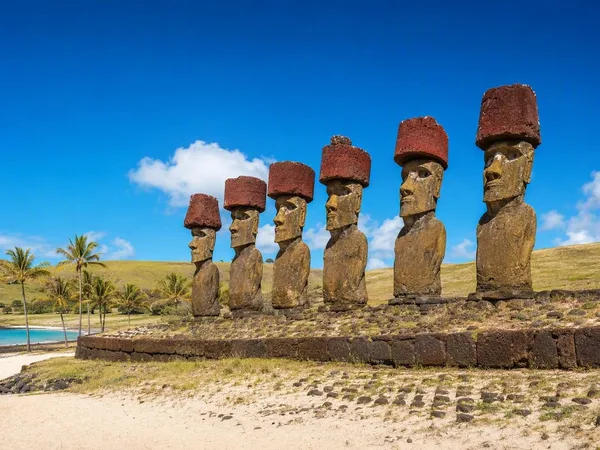
Ahu Nau Nau
0 linked stories and routes