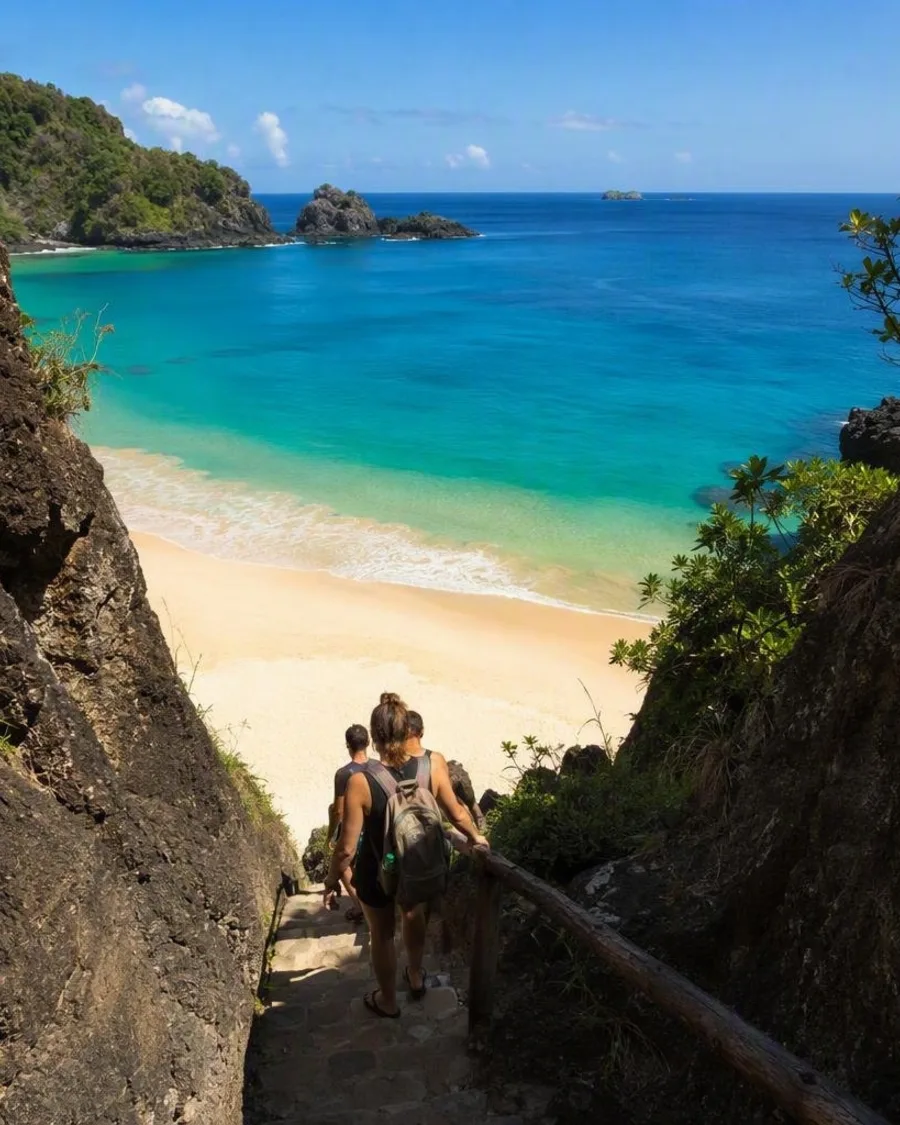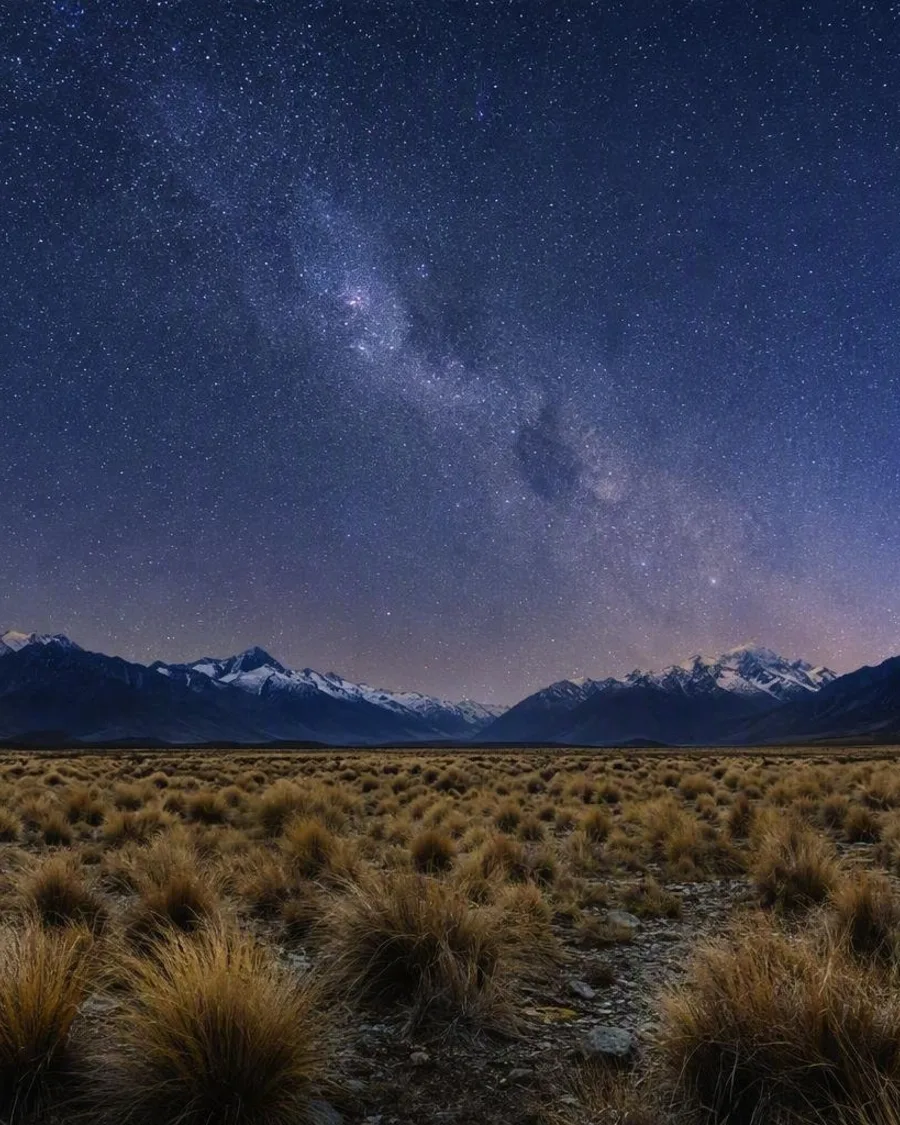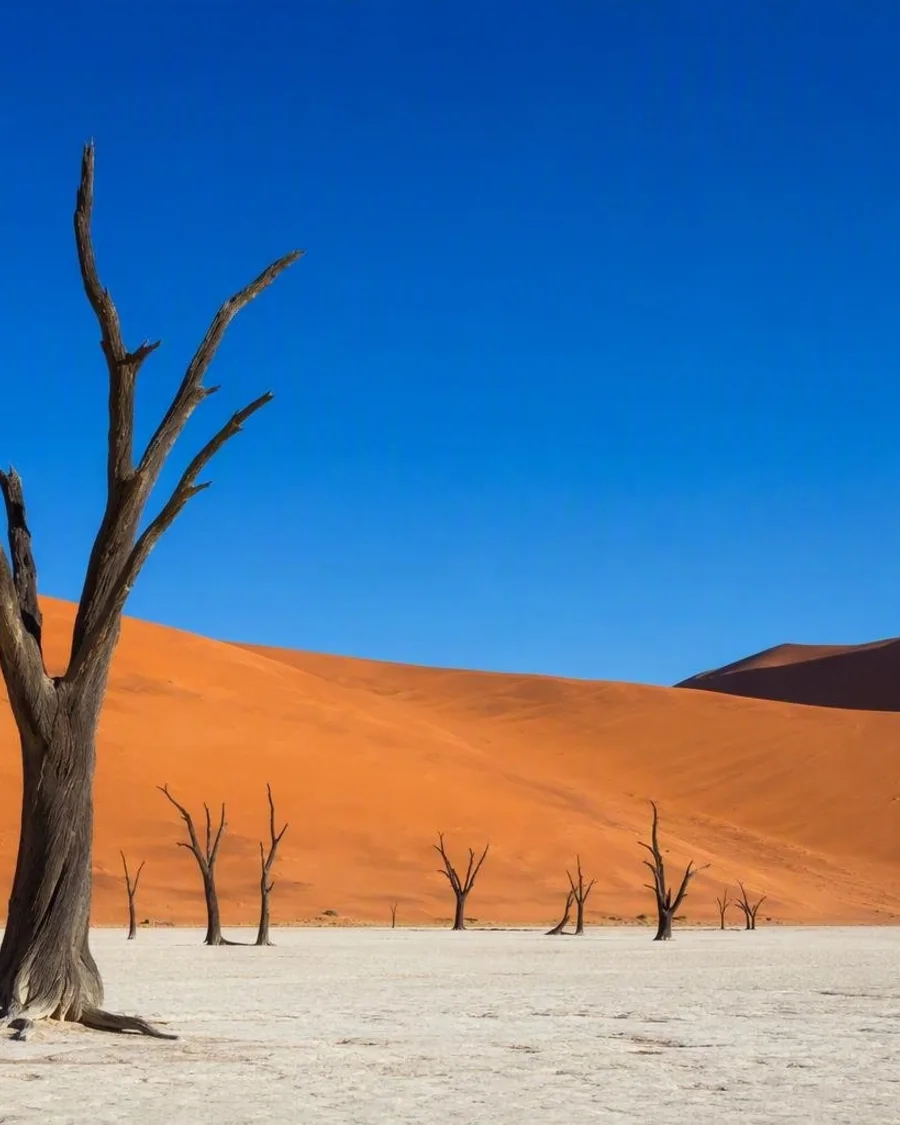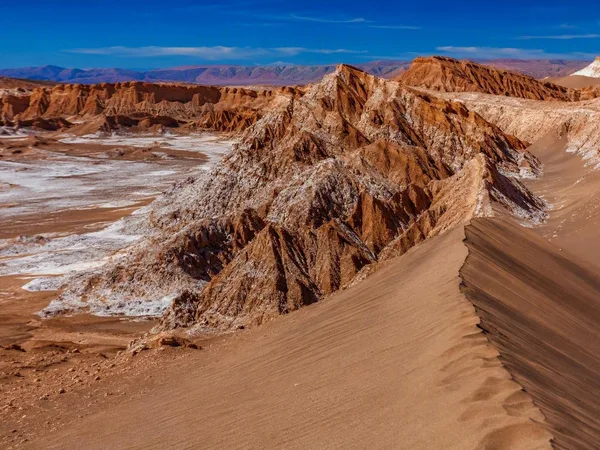
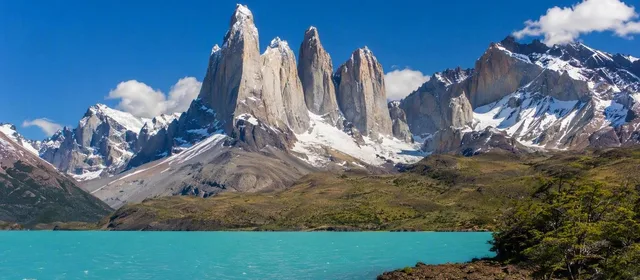
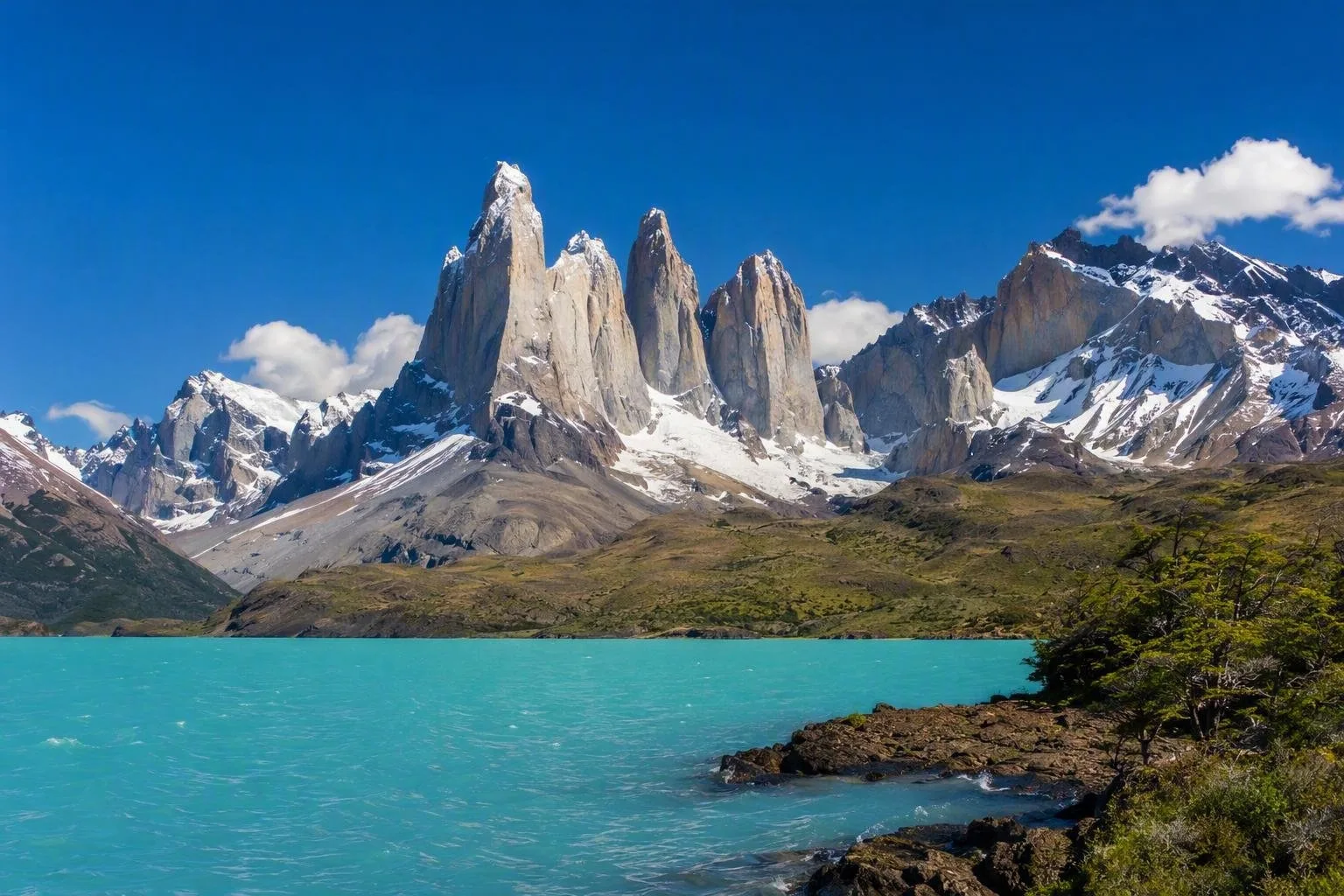
Chile packs strikingly different places into one long, narrow stretch between the Pacific and the Andes. In the north, the Atacama Desert holds salt flats, high lagoons and volcanoes under clear, dry skies. South of Santiago, vines grow beside farming towns in the Central Valley. Farther down the map, rain falls on temperate forest, channels cut through the coast and ice fields reach towards the granite peaks of Torres del Paine. Chile’s length brings sharp changes in weather, ingredients and local habits from one region to the next.
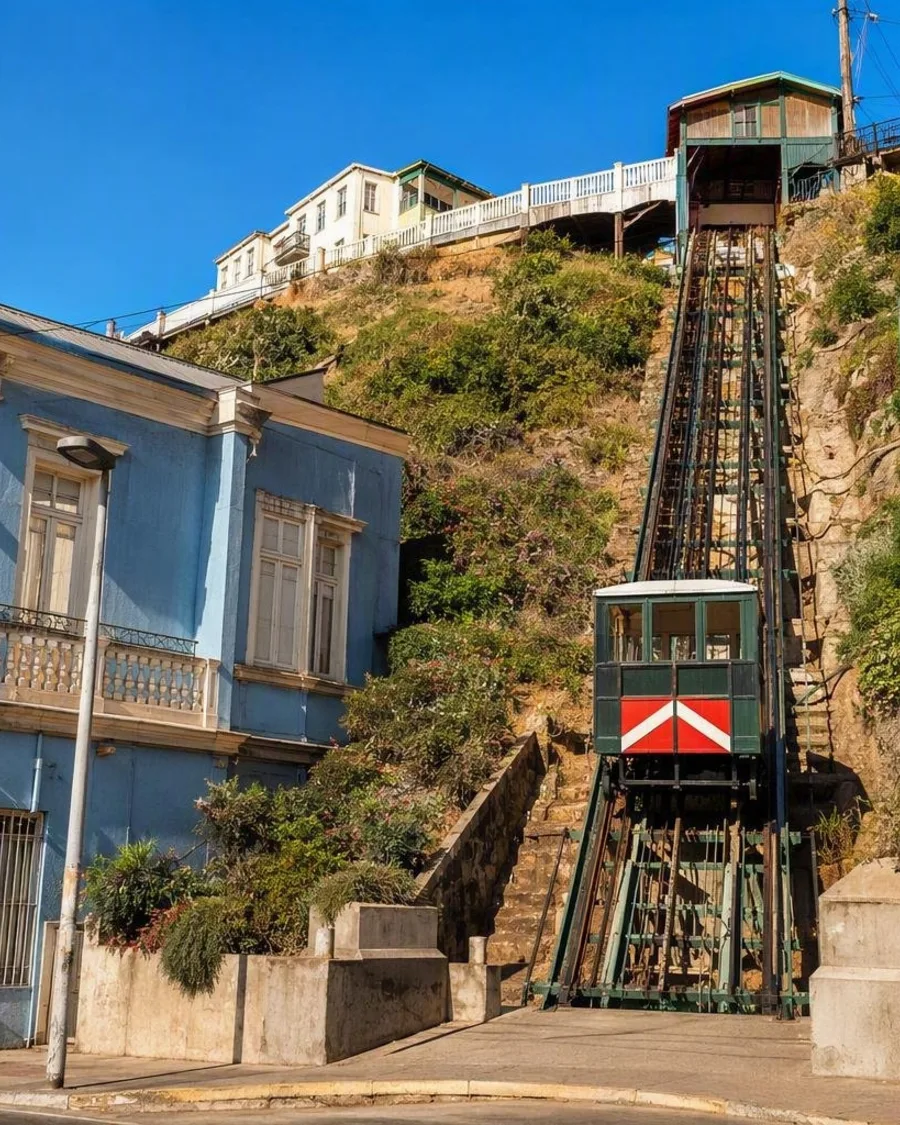
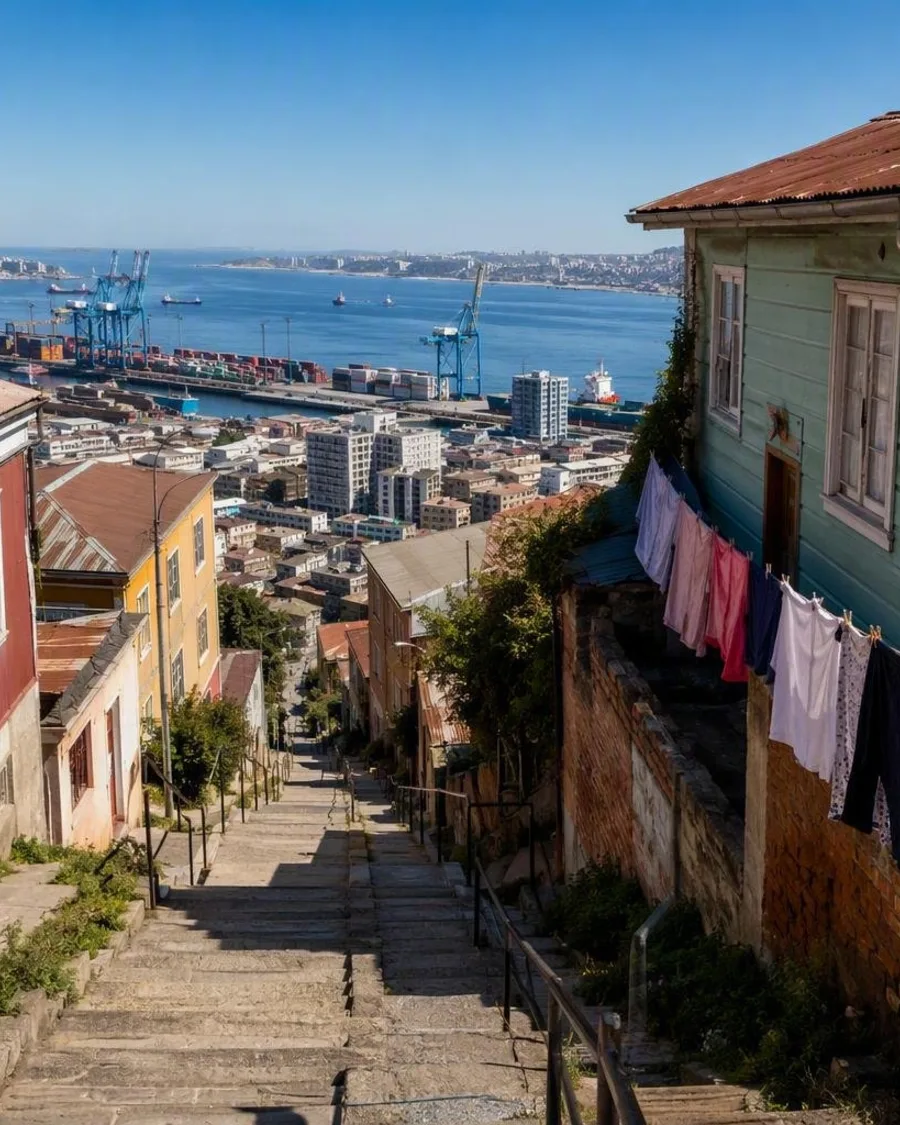
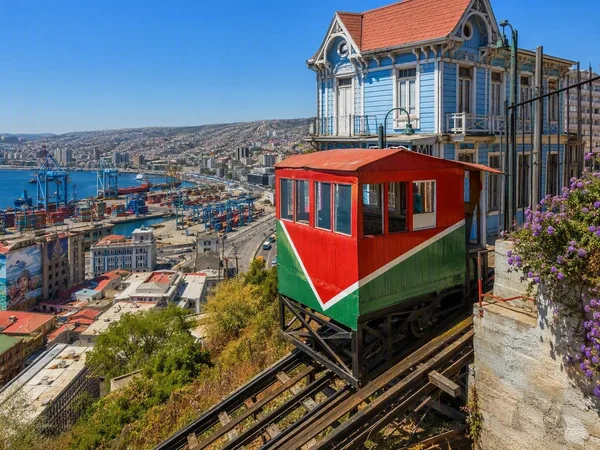
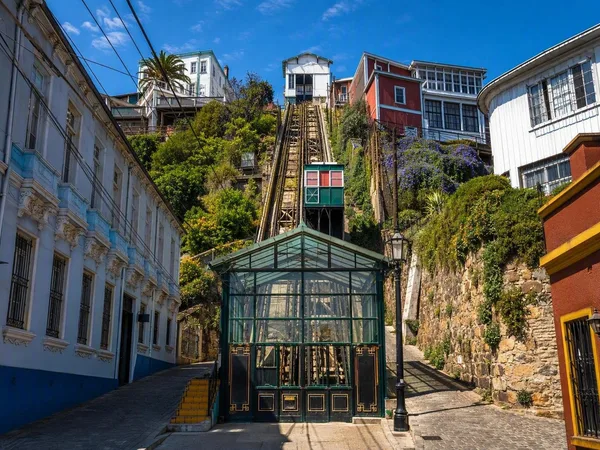
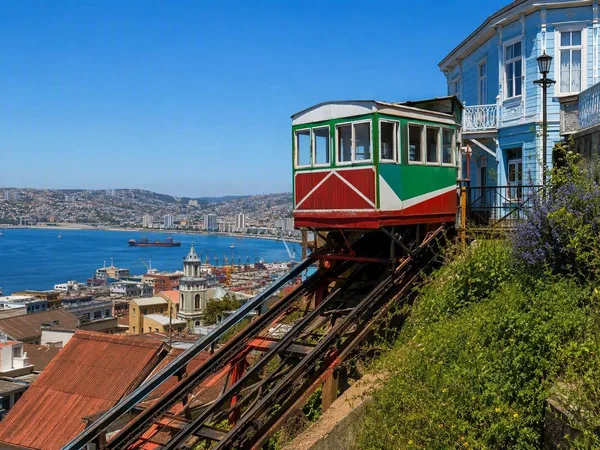
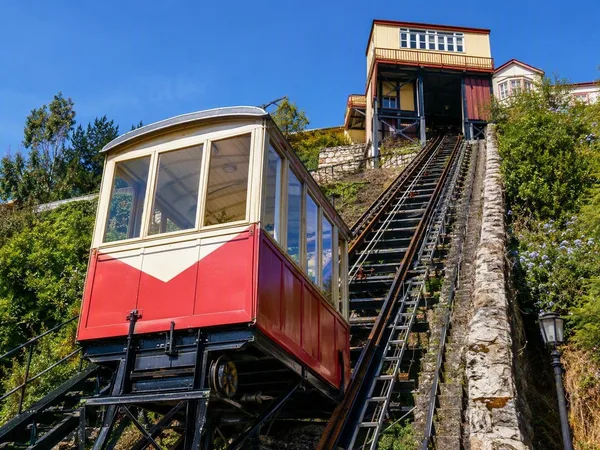
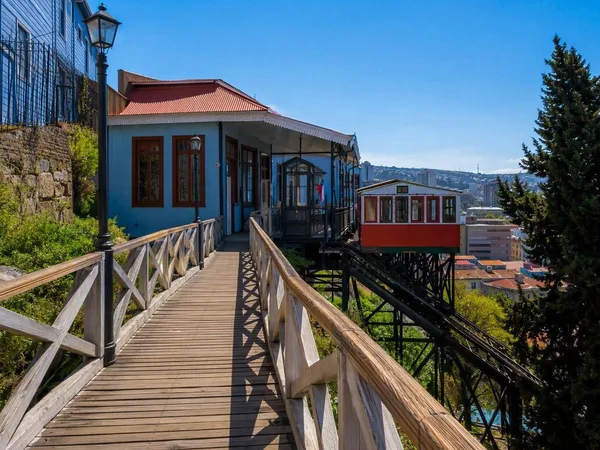
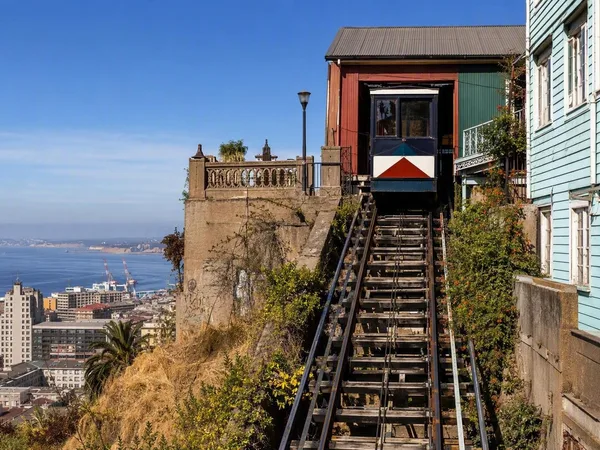
Santiago sits below the Andes and brings together galleries, markets, neighbourhood restaurants and much of the country’s political life. In nearby Valparaíso, painted houses climb steep hills above the port, while old funiculars carry passengers between the lower streets and the cerros. On Chiloé, wooden churches, stilt houses and fishing villages reflect the island’s Indigenous heritage and Spanish colonial past.
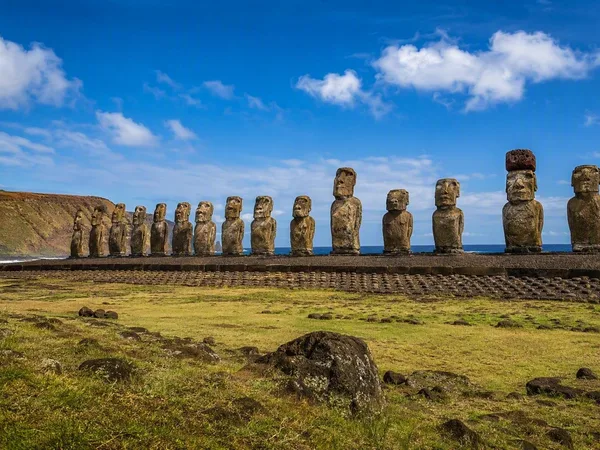
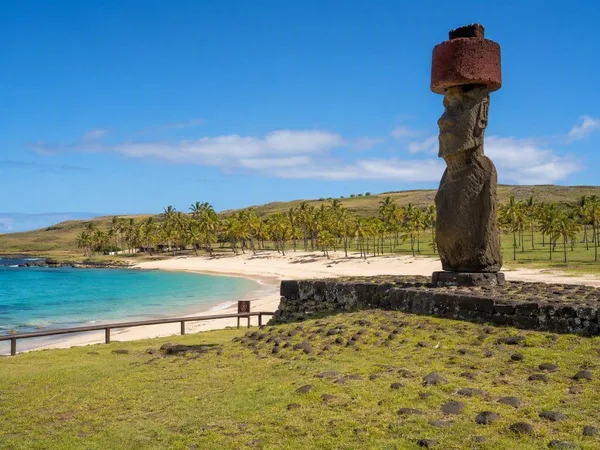
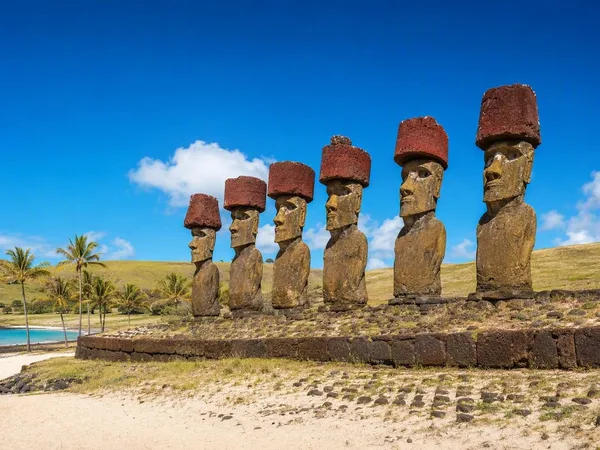
The table changes with the landscape. Bakeries sell empanadas filled with beef, cheese or shellfish. Cooks make conger eel soup on the coast, and Central Valley wines often accompany a long lunch. Far out in the Pacific, Rapa Nui holds the moai and ceremonial sites of a distinct Polynesian culture. Give Chile time beyond one stop, and its deserts, cities, islands and southern waters will stay with you.