
City · Portugal
Lisbon
Lisbon is Portugal’s capital, spread across hills on the north bank of the Tagus estuary. Its medieval quarters, ordered post-earthquake downtown and riverside monuments make it a city best understood district by district.
Get your bearings
Lisbon rises from the Tagus in a series of steep hills. Use the river as your reference point: Baixa is the low, gridded centre; Alfama and the castle sit to its east and above it; Chiado and Bairro Alto occupy the western slopes; Belém lies farther west along the waterfront.
Baixa’s straight streets and large squares are the result of the rebuilding that followed the 1755 earthquake. Alfama retains an older pattern of lanes, stairs and small squares. Do not try to cover both on a single rushed walk.
The essential districts
- Baixa and Praça do Comércio: Start here for the riverfront, formal 18th-century streets, Rossio and practical connections across the centre.
- Alfama and Castelo: Walk uphill through the oldest street pattern to São Jorge Castle, the cathedral and miradouros over the Tagus. The ground is steep and cobbled.
- Chiado and Bairro Alto: Chiado is the central shopping and café quarter; Bairro Alto changes from a residential district by day to a late-night dining and bar area.
- Belém: Set aside a separate half-day for the Jerónimos Monastery and Belém Tower, major Manueline monuments tied to Portugal’s maritime expansion.
For a useful first circuit, walk from Praça do Comércio through Baixa to the cathedral, continue uphill into Alfama, then descend to the river. Treat Belém as its own outing rather than an extension of a central walk.
Hills, viewpoints and transport
Walking is the right way to read central Lisbon, but the gradients are real. Wear shoes with grip: polished calçada limestone becomes slick in wet weather. Build uphill routes around a tram, funicular or lift, then walk downhill.
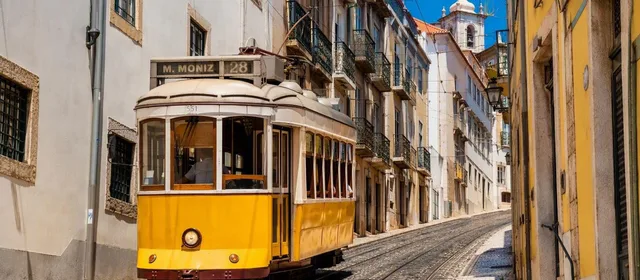
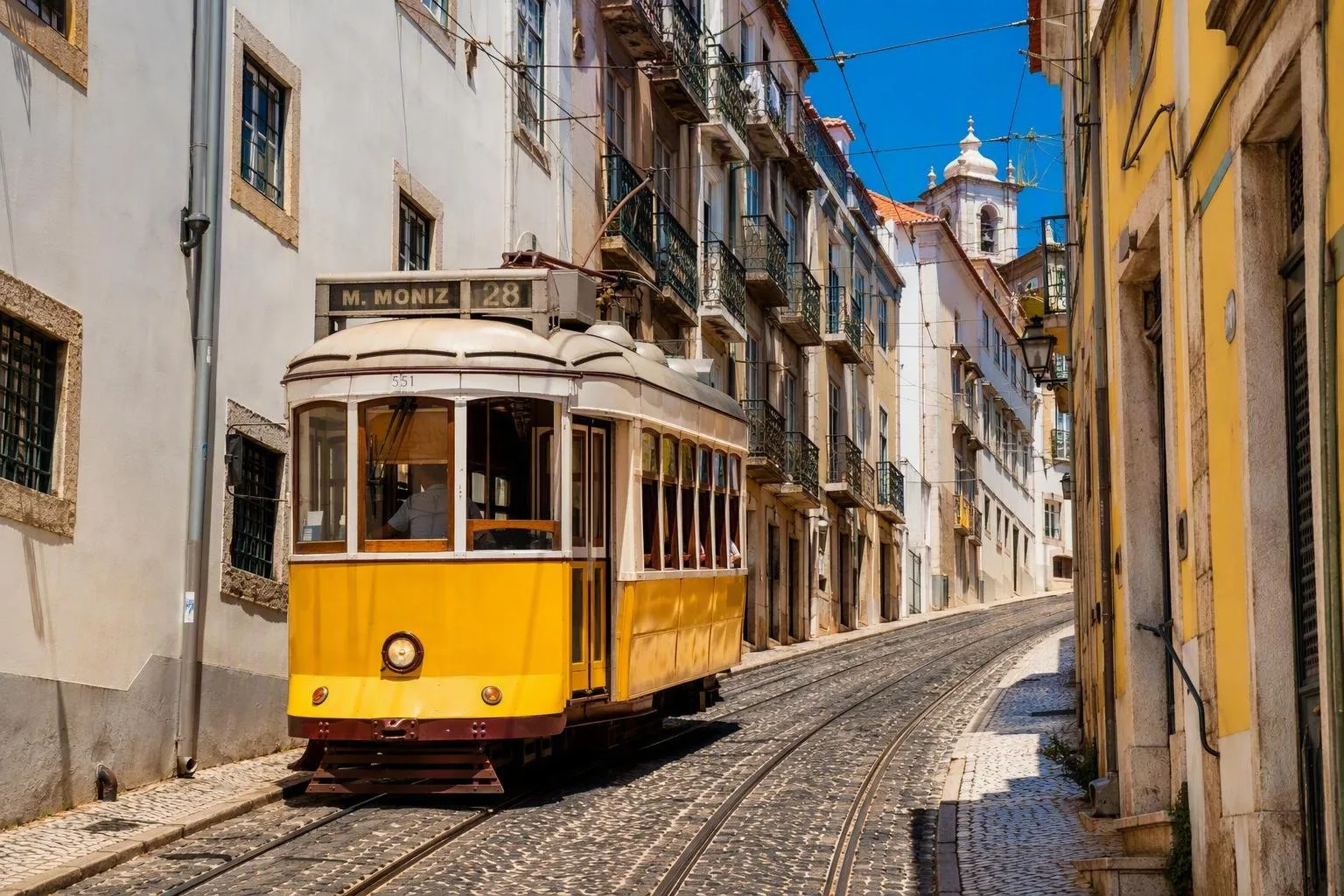
Tram 28 links Martim Moniz, Graça, Alfama, Baixa, Chiado, Estrela and Campo de Ourique. It is regular public transport, not a dedicated sightseeing service; use it for the route, but do not make it the only way to see these districts. Tram 15 follows the river corridor towards Belém. The Glória, Lavra and Bica funiculars are practical hill shortcuts, while the Santa Justa Lift connects Baixa with the upper streets and has a city-centre viewpoint.
The Metro is the efficient choice for longer cross-city trips. For occasional travel, load a Navegante card individually for each passenger. A Carris/Metro ticket covers 60 minutes of travel after validation; a 24-hour ticket covers the Carris and Metro networks.
Museum and monument strategy
Prioritise the place rather than collecting interiors. In Belém, allow time for the monastery’s cloister and exterior stonework, then continue along the river to the tower. In the historic centre, pair the cathedral or castle with time in Alfama’s streets rather than stacking nearby paid sights.
Keep an eye on official opening information for monuments: restoration work and religious services can affect access. The riverside, squares and viewpoints remain useful alternatives when an interior is unavailable.
Timing and local rhythm
Start outdoor walks early in warm months, particularly for Alfama and the castle slopes. Save Baixa, Chiado or the riverfront for later in the day. Lisbon’s compact-looking map hides repeated climbs, so plan fewer districts than you would in a flat city.
At night, choose the atmosphere you want. Bairro Alto is active late; Alfama’s streets are quieter away from its fado venues. Keep bags and phones secure on crowded trams and in dense central streets.
From the magazine
Stories about Lisbon
Editorial stories linked directly to Lisbon.
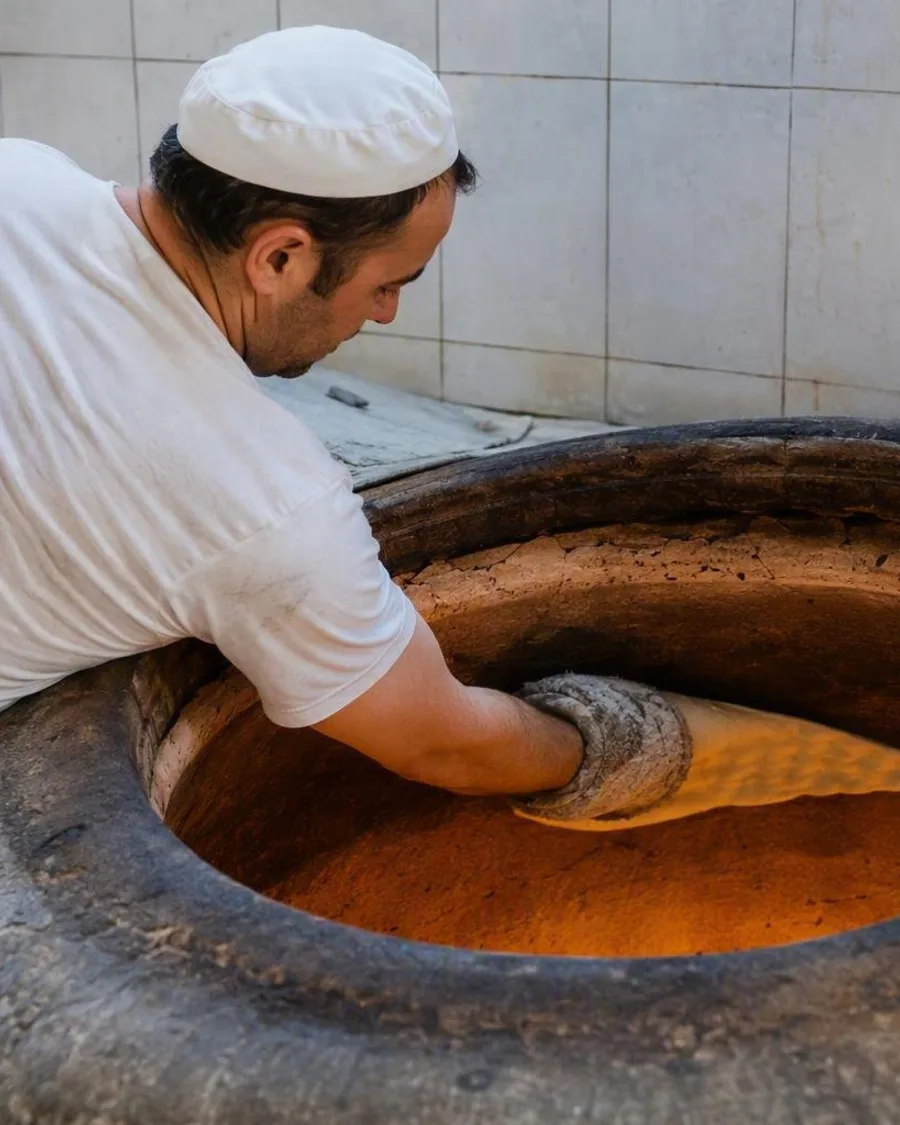
Ten places where local bread is still made by hand
Bread shows the daily work behind a neighbourhood meal: a household’s marked dough at a Marrakesh communal oven, dark rye beside sourdough in Copenhagen, and bolillos from brick ovens in Mexico City. These ten working addresses and market settings sell local bread made through distinct local practices.
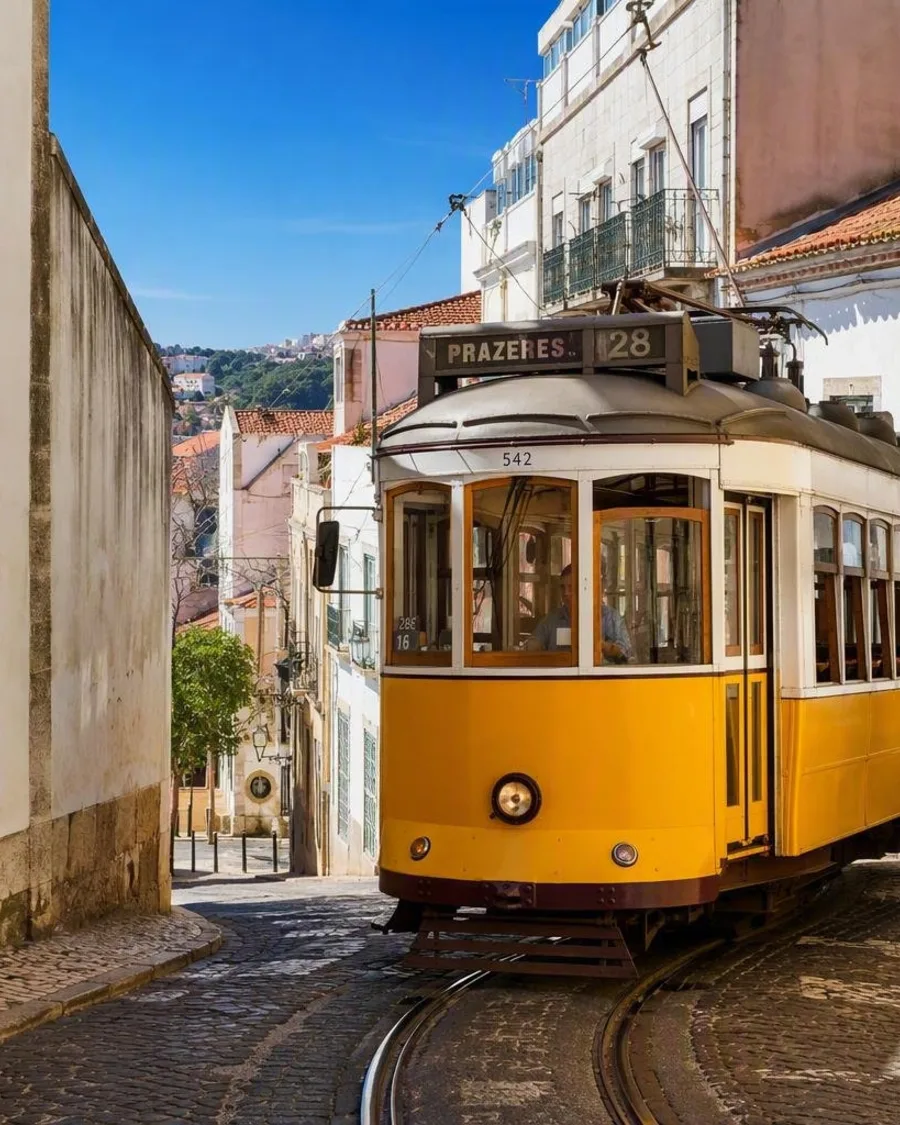
Eight European cities best read from a tram window
A good tram route does more than join landmarks. It follows the grades, quays and street plans that shaped a city, then leaves enough time to see them from a seat by the window. These eight rides turn everyday public transport into a clear route through the urban grain.
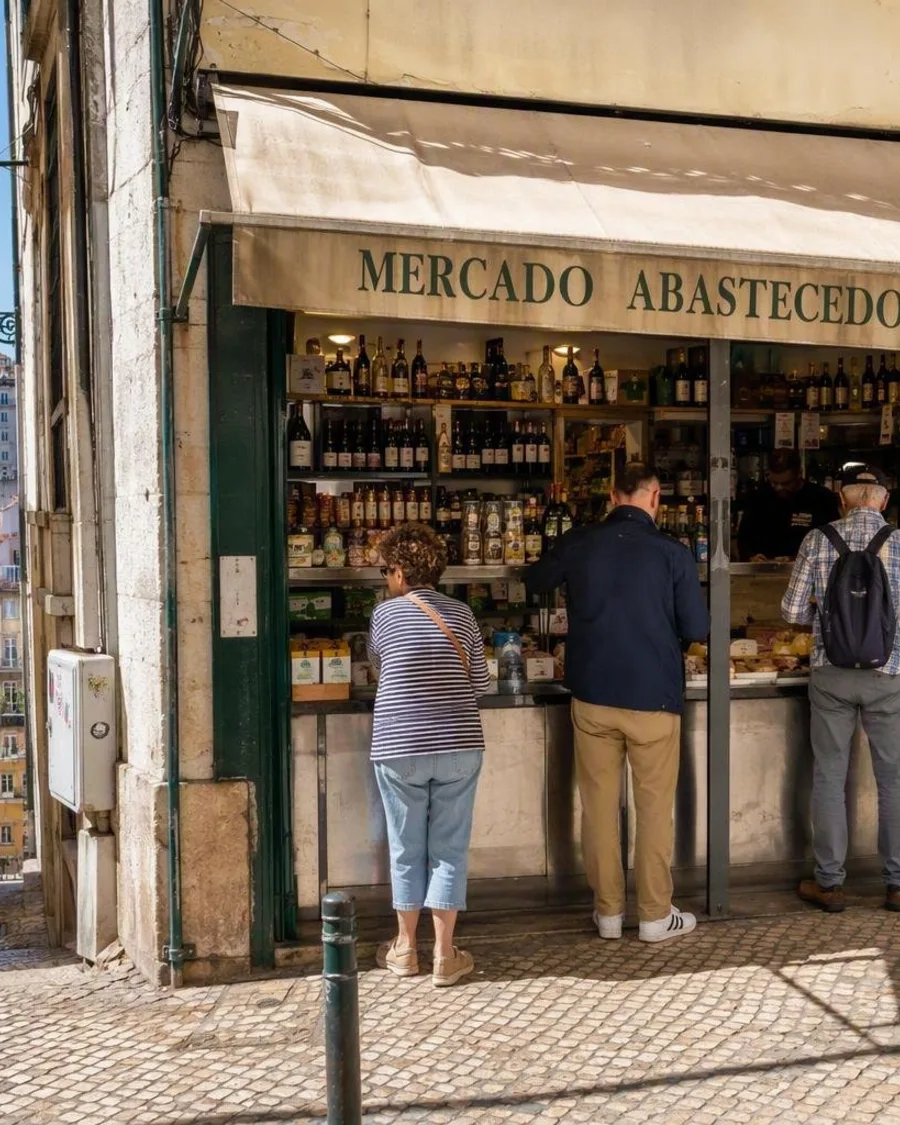
Down the Steps of Alfama
From Portas do Sol, a compact walk drops through Alfama by stairway, lane and small square before reaching the old water ground of Largo do Chafariz de Dentro. The route shows how this old Lisbon hillside still holds front doors, groceries and daily errands alongside visitors.
Routes from our editors
Travel through Lisbon
Editorial routes connecting Lisbon with other countries, cities and hotspots.
No routes through Lisbon have been published yet.
More in Portugal
Related hotspots
Other cities, nature areas and places within Portugal.
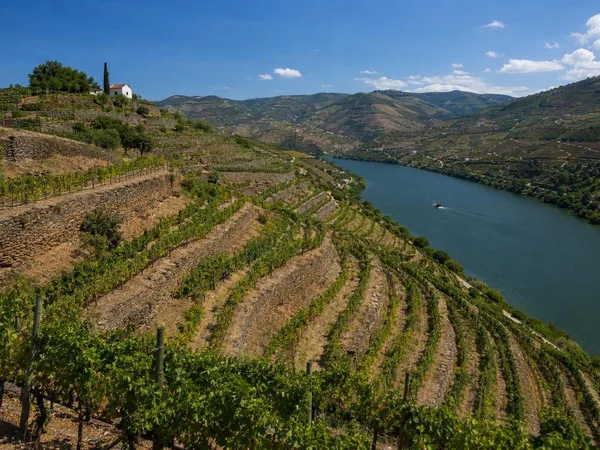
Douro
3 linked stories and routes
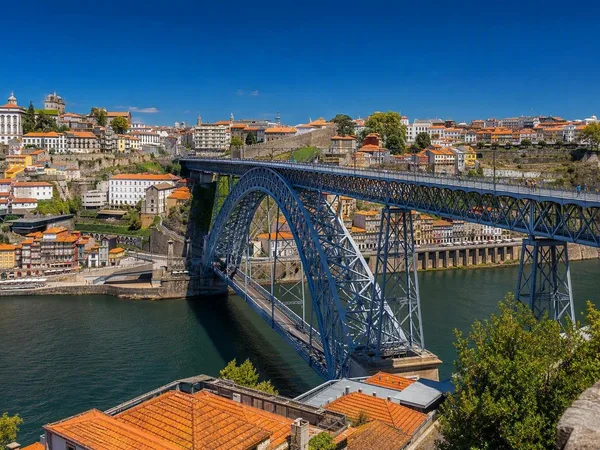
Porto
2 linked stories and routes
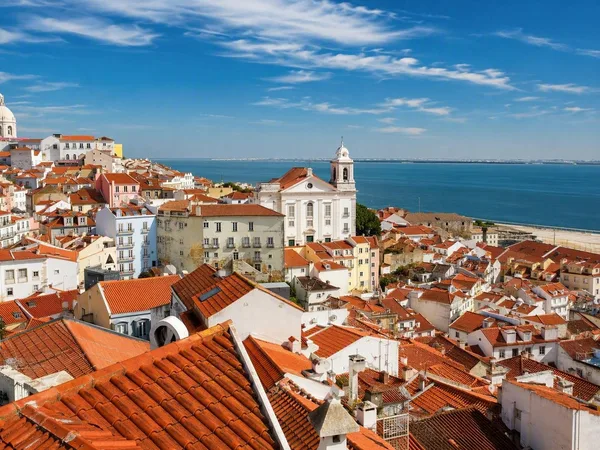
Alfama
1 linked stories and routes
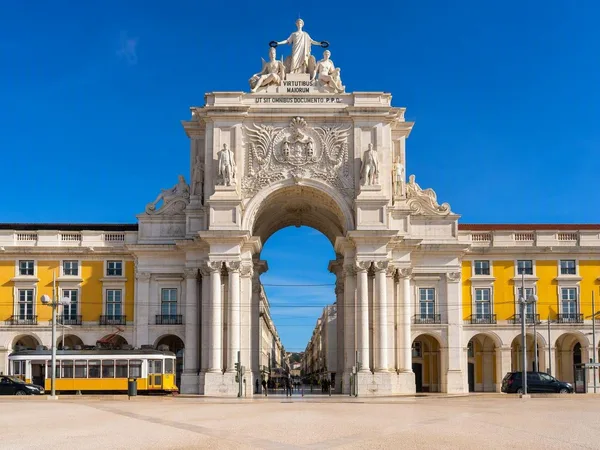
Baixa
1 linked stories and routes
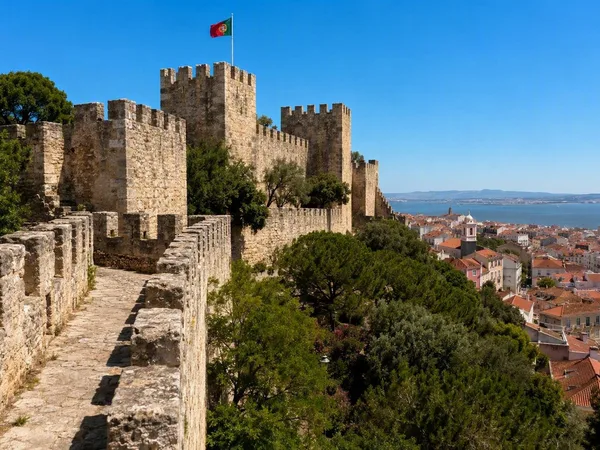
Castelo de São Jorge
1 linked stories and routes
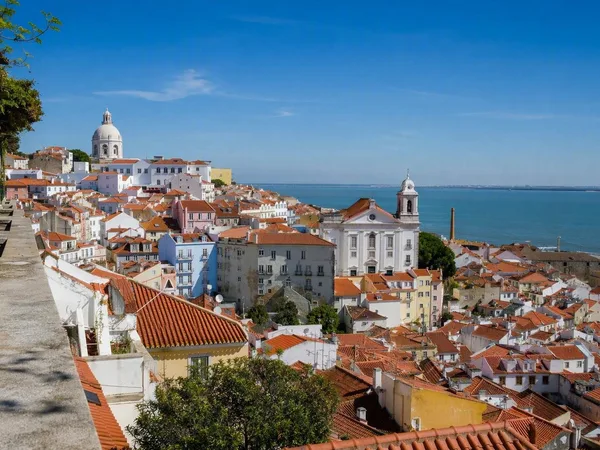
Miradouro das Portas do Sol
1 linked stories and routes
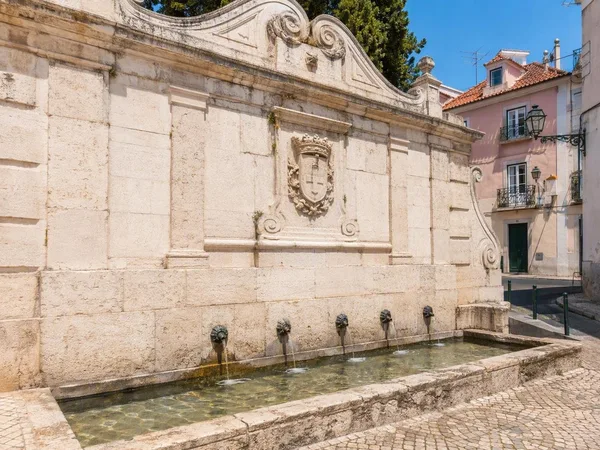
Largo do Chafariz de Dentro
1 linked stories and routes

Azores
1 linked stories and routes

São Miguel
1 linked stories and routes
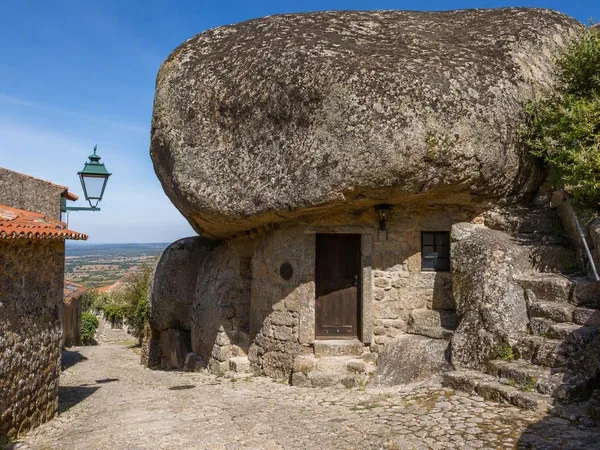
Monsanto
1 linked stories and routes
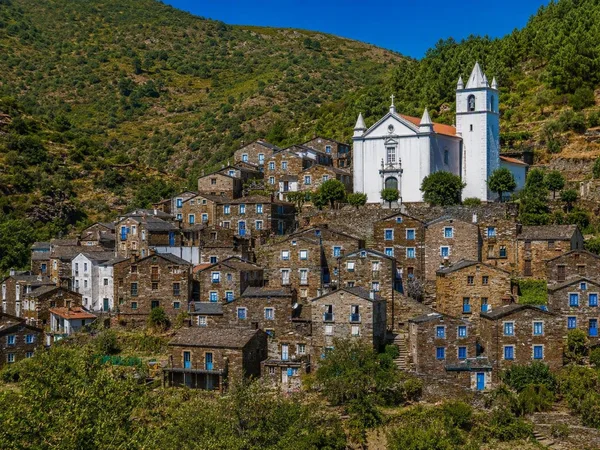
Piódão
1 linked stories and routes
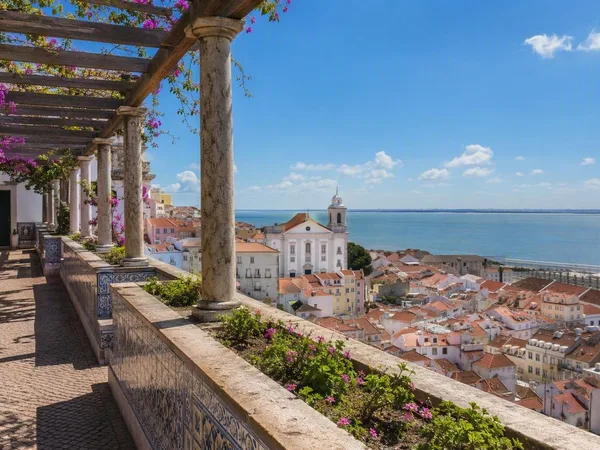
Santa Luzia
0 linked stories and routes