
City · Portugal
Porto
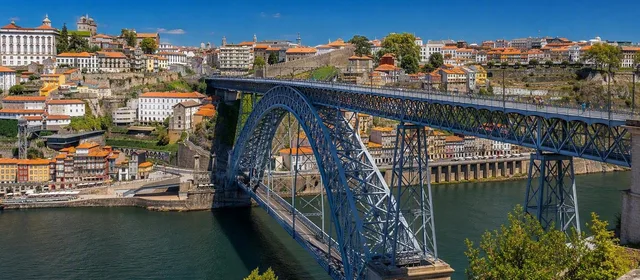
Porto is a northern Portuguese city built on steep slopes above the Douro near its Atlantic mouth. Its World Heritage historic centre combines medieval lanes, civic architecture and the iron Luís I Bridge.
Start with the river and the heights
Porto is best understood as a vertical city. The historic core drops from the cathedral area and Baixa to the Douro quays, so plan walking routes downhill rather than trying to cover every district in one sweep. The historic centre has been a World Heritage site since 1996; its streets preserve a medieval plan amid Romanesque, Gothic, Baroque and later buildings.
Use São Bento as a practical central reference point. It sits in the historic centre, and its tiled concourse is worth a look even if you are not taking a train. From there, Rua das Flores leads down towards the river; Aliados and the civic centre lie uphill.
Core sights
- Sé Cathedral: The Romanesque core occupies the high ground above the old city and gives the layout of Porto immediate context.
- Ribeira: Follow the narrow streets and stairways to the riverside rather than treating the quay as the whole district.
- Palácio da Bolsa: This 19th-century former stock exchange stands above Ribeira and represents the city’s mercantile phase.
- Clérigos Tower: Porto’s principal vertical landmark. The climb is about 240 steps, so treat it as a viewpoint, not a casual stop.
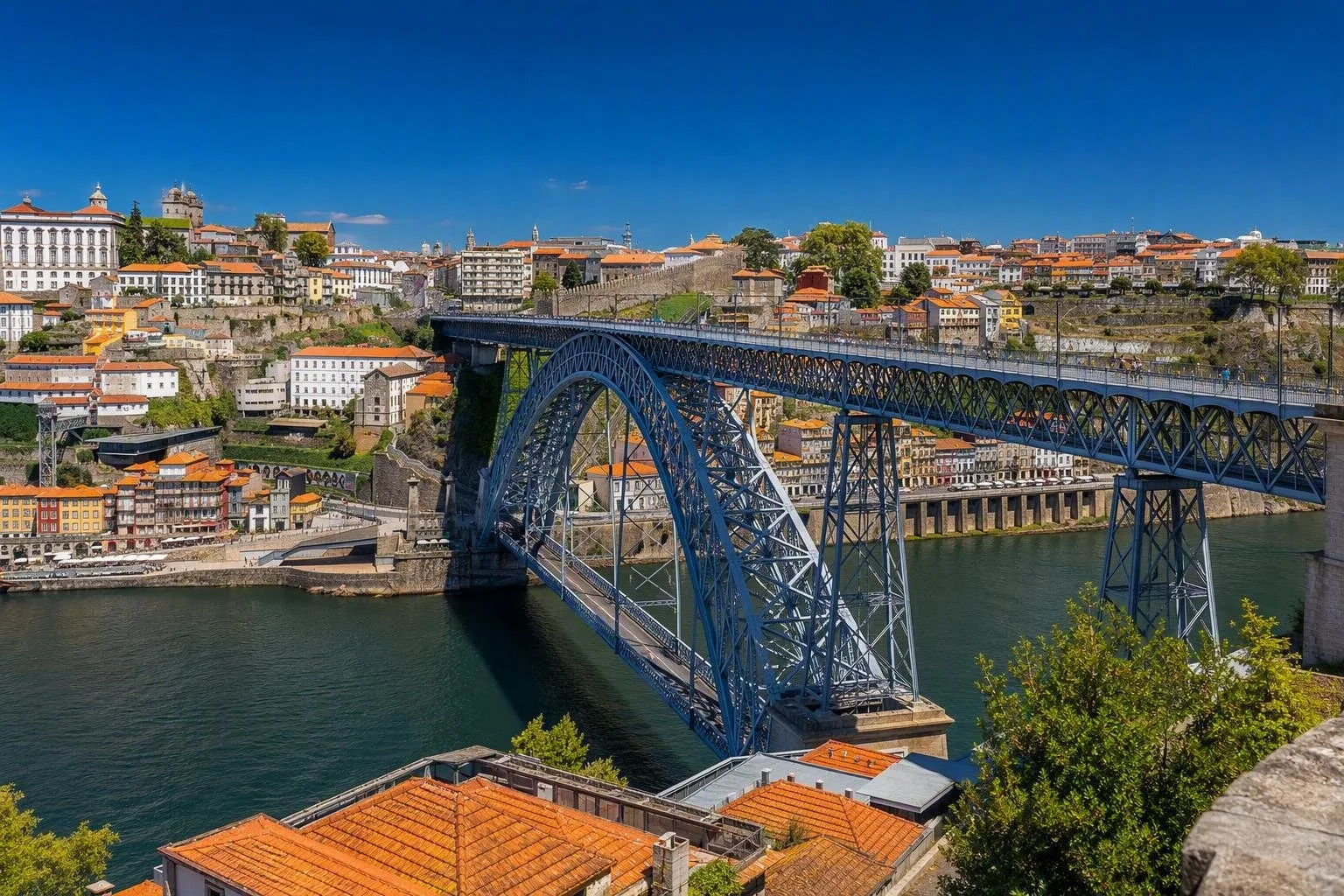
- Luís I Bridge: Théophile Seyrig’s 1886 iron bridge has two decks. The upper deck carries the metro and links the cathedral side of Porto with Vila Nova de Gaia.
Move around efficiently
Baixa is compact enough to cover on foot and is served by metro, buses and tram. Porto’s slopes, stone paving and stairways make the centre slower than a flat-city map suggests; use public transport to gain height, then walk down through the old town.
Crossing the upper deck of the Luís I Bridge is both a useful connection and a clear way to read the relationship between Porto, the Douro and Gaia. The lower riverside level gives a different, close-up view of the bridge and the historic waterfront.
The Douro railway departure
For the Douro valley, regional and InterRegional services run from Porto São Bento through Régua and Pinhão to Pocinho. This is a regular public railway, not a luxury excursion: it is a direct and useful way to leave the city for the wine landscape upriver.
Allow most of a day for a return trip if travelling as far as Pocinho. Pinhão is the logical shorter stop; Pocinho is the line’s eastern terminus. Timetables include different service patterns, so choose the train around the stop and return time rather than assuming every departure has the same reach.
Timing and practical rhythm
The historic centre works best early, before the tight lanes and viewpoints fill. Keep the riverfront for later, when the bridge, quays and opposite Gaia bank make the city’s geography legible. Build pauses into any route between Baixa, Sé and Ribeira: the elevation is the main logistical fact of a Porto day.
From the magazine
Stories about Porto
Editorial stories linked directly to Porto.
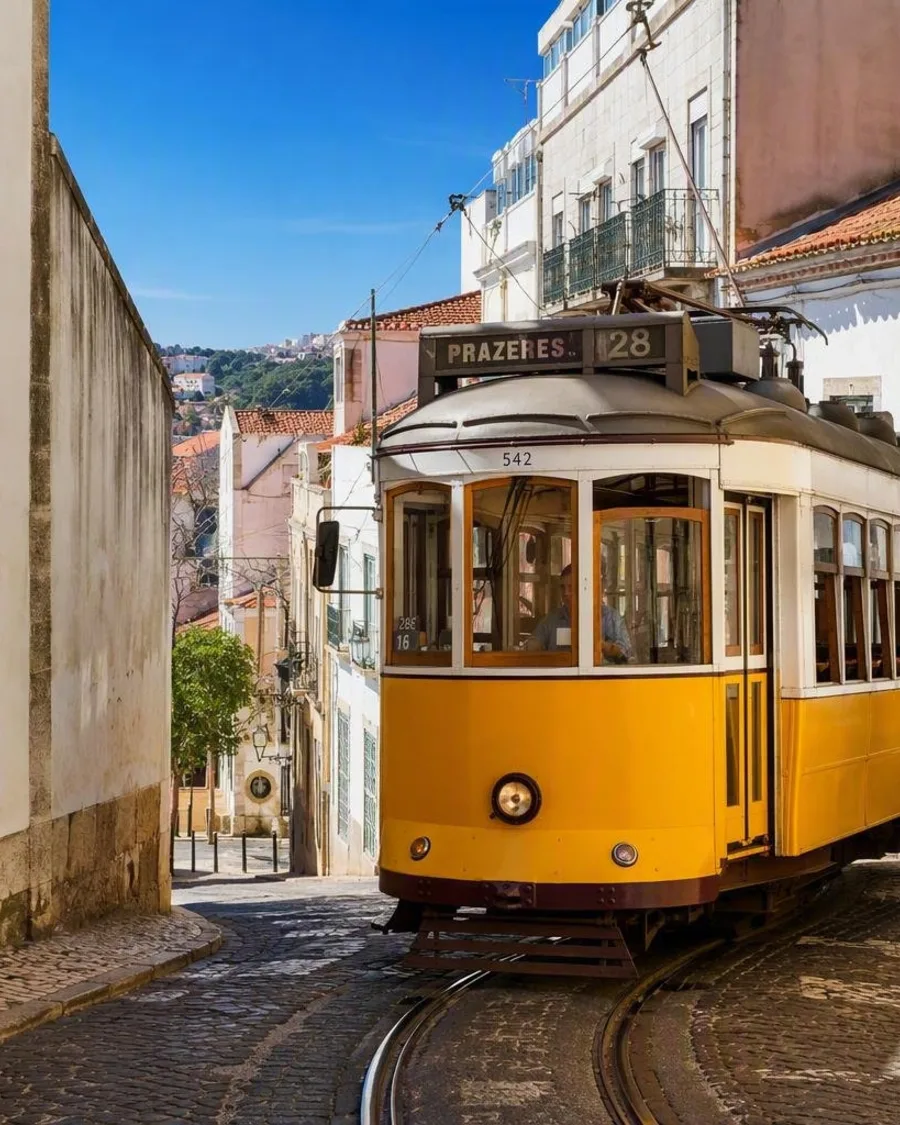
Eight European cities best read from a tram window
A good tram route does more than join landmarks. It follows the grades, quays and street plans that shaped a city, then leaves enough time to see them from a seat by the window. These eight rides turn everyday public transport into a clear route through the urban grain.
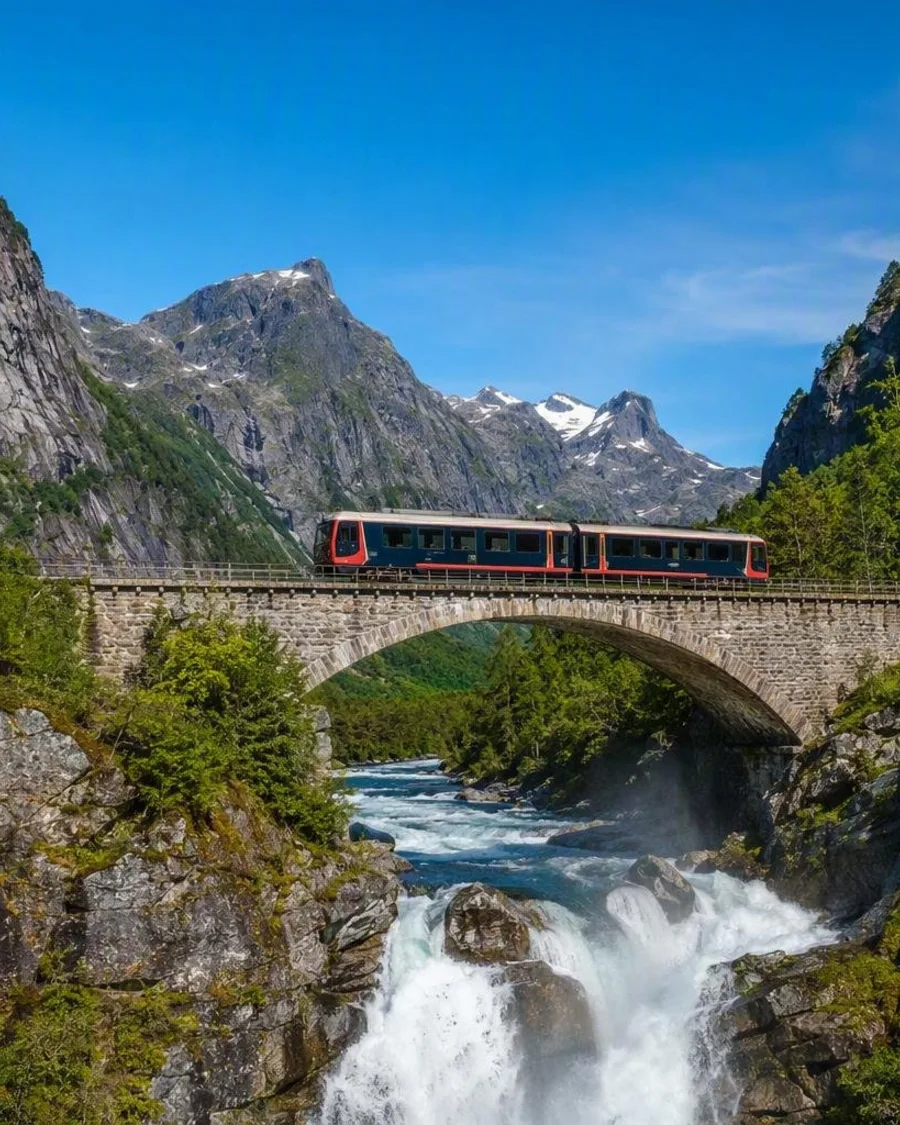
Seven European train routes where the railway is the destination
Above Vermafossen, a regular train crosses the stone Kylling Bridge before dropping between the rock walls of Romsdal. These seven lines put landscape, railway construction and ordinary public transport in the same frame.
Routes from our editors
Travel through Porto
Editorial routes connecting Porto with other countries, cities and hotspots.
No routes through Porto have been published yet.
More in Portugal
Related hotspots
Other cities, nature areas and places within Portugal.
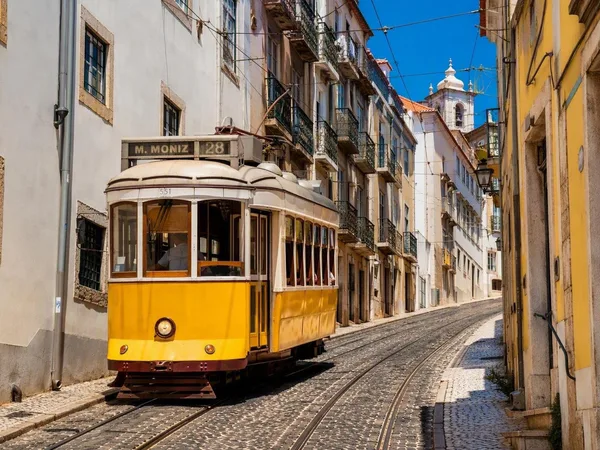
Lisbon
3 linked stories and routes
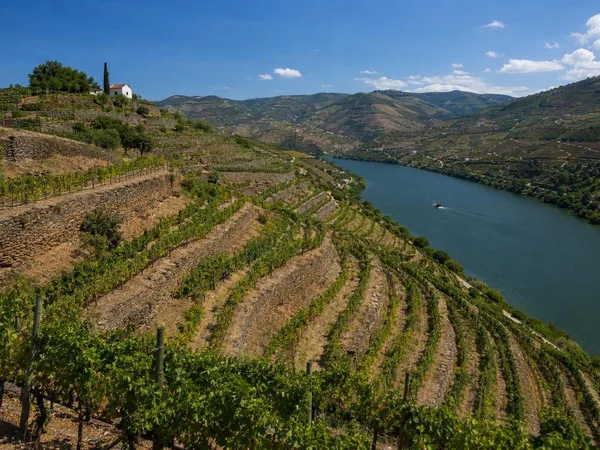
Douro
3 linked stories and routes
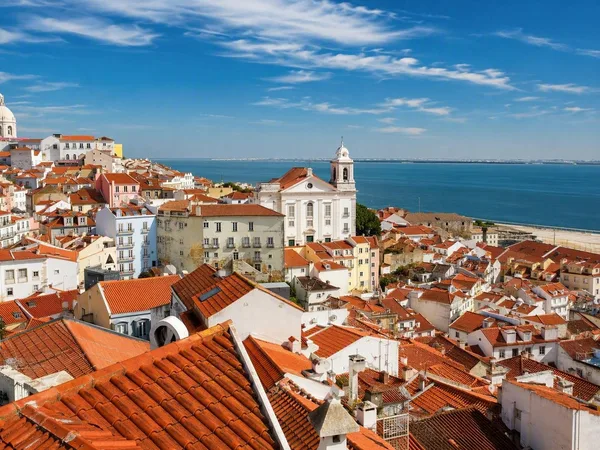
Alfama
1 linked stories and routes
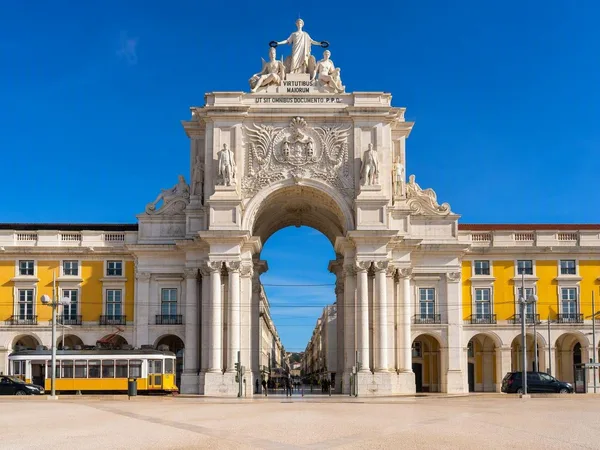
Baixa
1 linked stories and routes
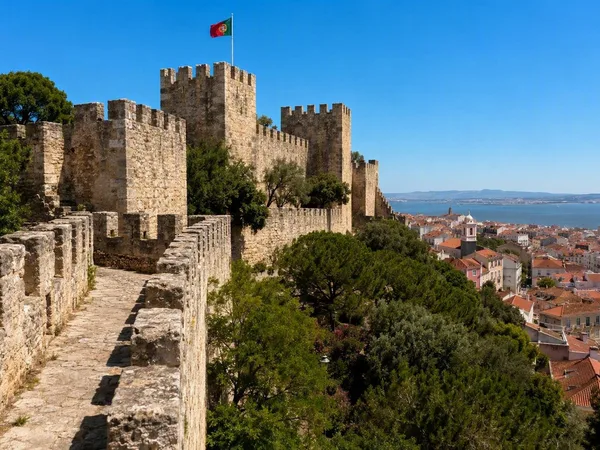
Castelo de São Jorge
1 linked stories and routes
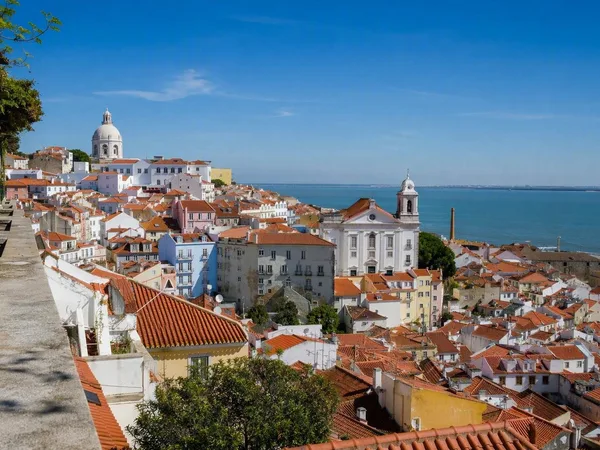
Miradouro das Portas do Sol
1 linked stories and routes
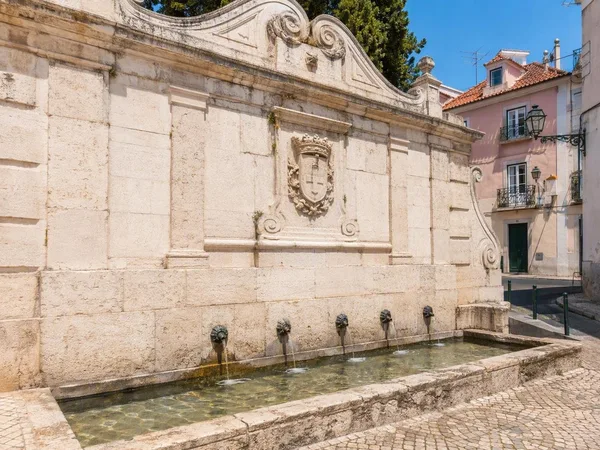
Largo do Chafariz de Dentro
1 linked stories and routes
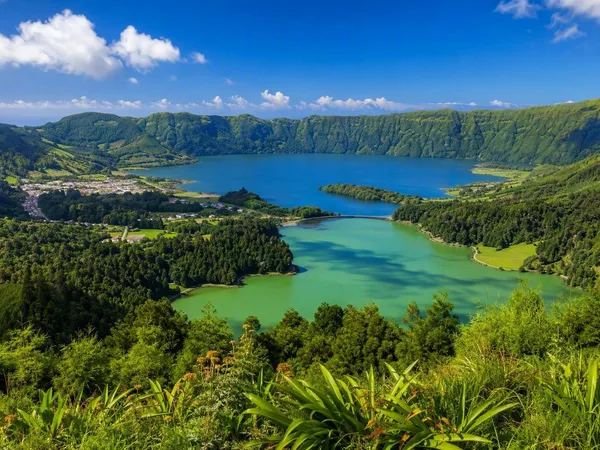
Azores
1 linked stories and routes
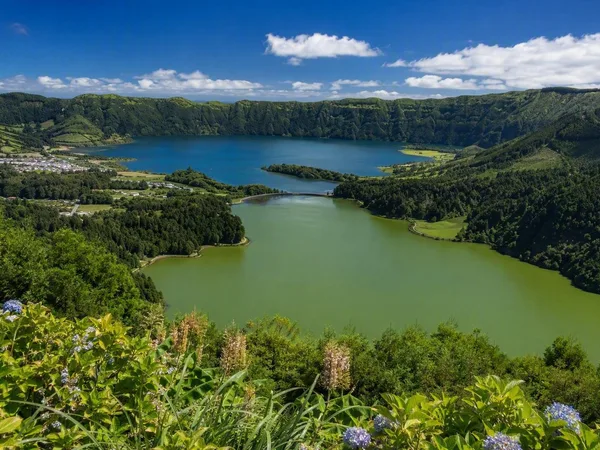
São Miguel
1 linked stories and routes
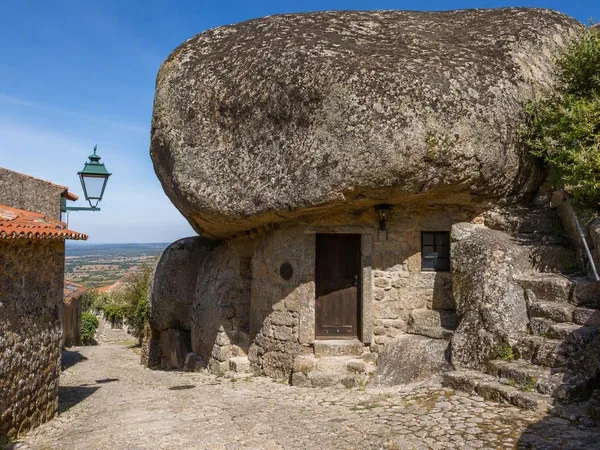
Monsanto
1 linked stories and routes
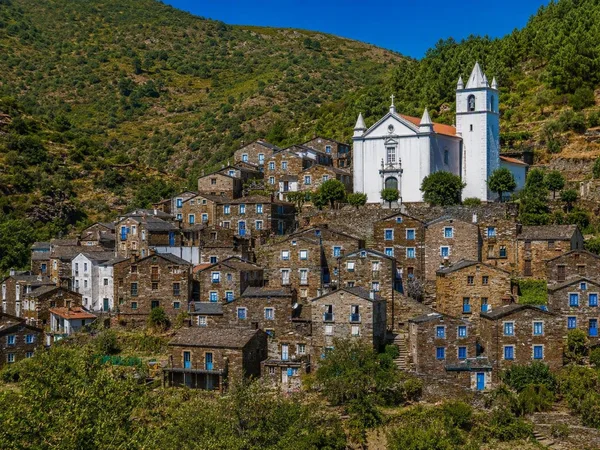
Piódão
1 linked stories and routes
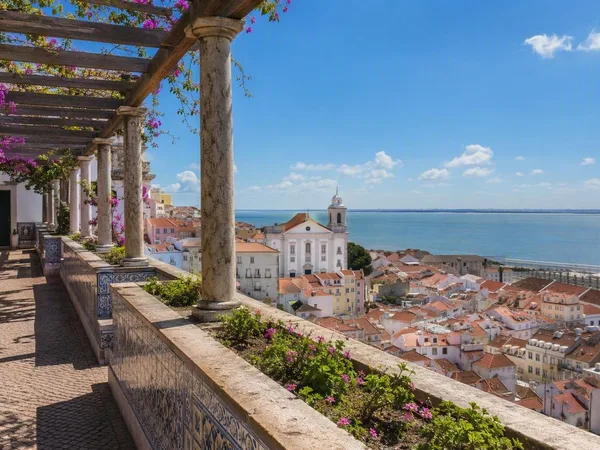
Santa Luzia
0 linked stories and routes