
Region · Portugal
Alentejo
Alentejo is Portugal’s large south-central region, running from the Tagus country towards the Algarve, with Spain to the east and the Atlantic to the west. It combines cork-oak plains, walled towns, vineyard country and a rugged coast.
Get your bearings
Alentejo is not one compact destination. Its broad interior is defined by grain fields, olive groves and montado—open cork-oak woodland and pasture—while the Atlantic side shifts to dunes, cliffs and small coves. Évora is the most efficient first base for the central interior; the coast and northern border country deserve their own overnight stops.
Use the region in distinct parts rather than trying to cover everything from one hotel:
- Central Alentejo: Évora, Arraiolos, Estremoz, Vila Viçosa and Monsaraz.
- Northern Alentejo: Portalegre, Marvão and Castelo de Vide, where the terrain rises towards the Spanish border.
- Lower Alentejo: Beja, Serpa and Mértola, with wider agricultural landscapes and Guadiana country.
- Alentejo coast: from the Sado estuary south to Zambujeira do Mar.
Start with the historic interior
Évora is the region’s essential urban stop. Its World Heritage historic centre brings a Roman temple, cathedral, old lanes and the Church of São Francisco’s Chapel of Bones into a walkable core. Give it a full day before heading out to the countryside.
For fortified settlements, choose Monsaraz above the Alqueva waters or Marvão in the north. Both are walled, high-set places built for long views. Elvas, near Spain, pairs extensive fortifications with the Amoreira Aqueduct and is also World Heritage-listed.
Prehistoric sites are another defining strand. Dolmens, menhirs and stone enclosures appear across the region; around Évora, the Almendres monuments make a strong add-on to the city.
Landscape, water and coast
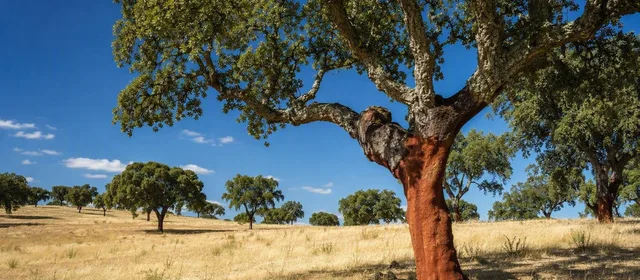
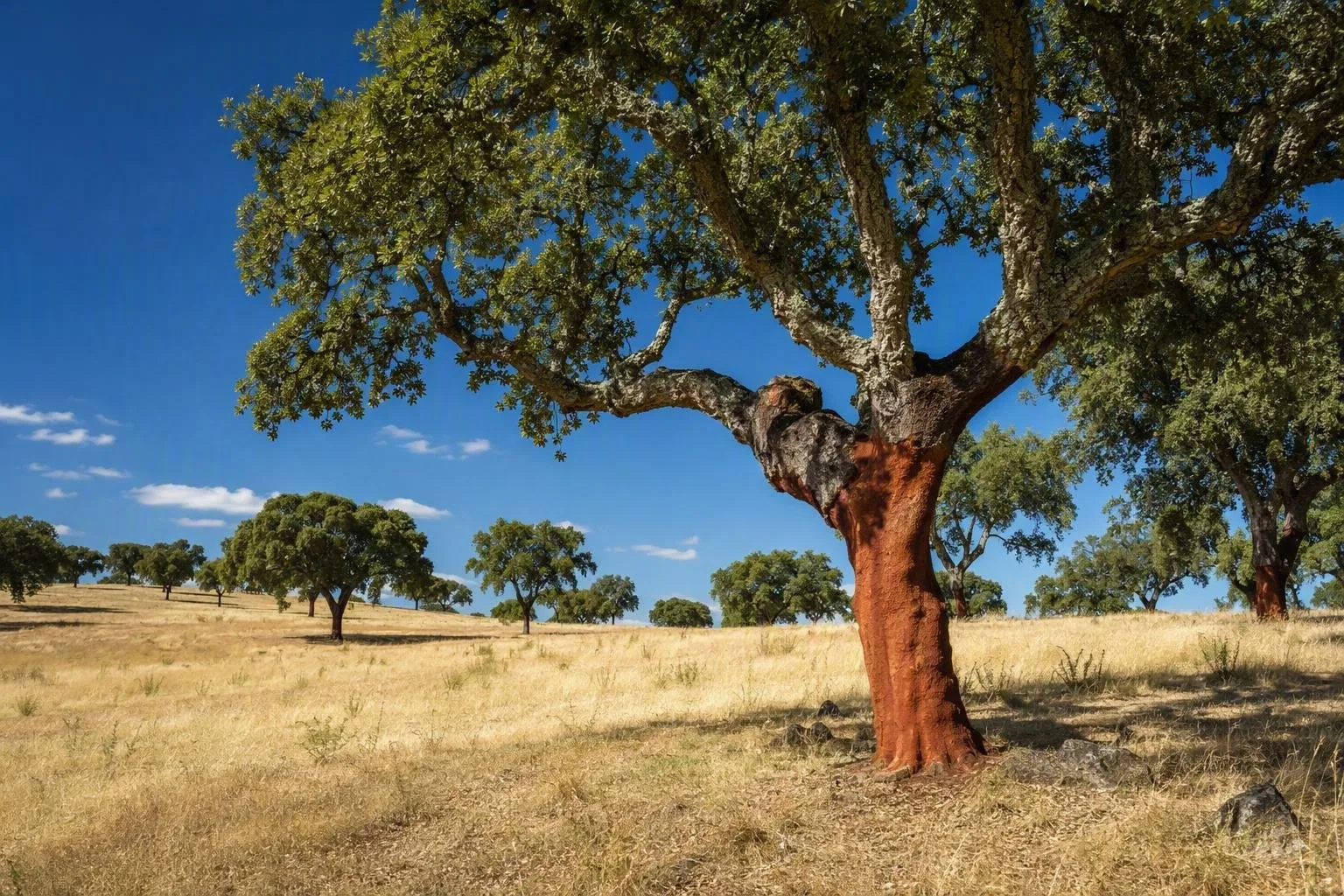
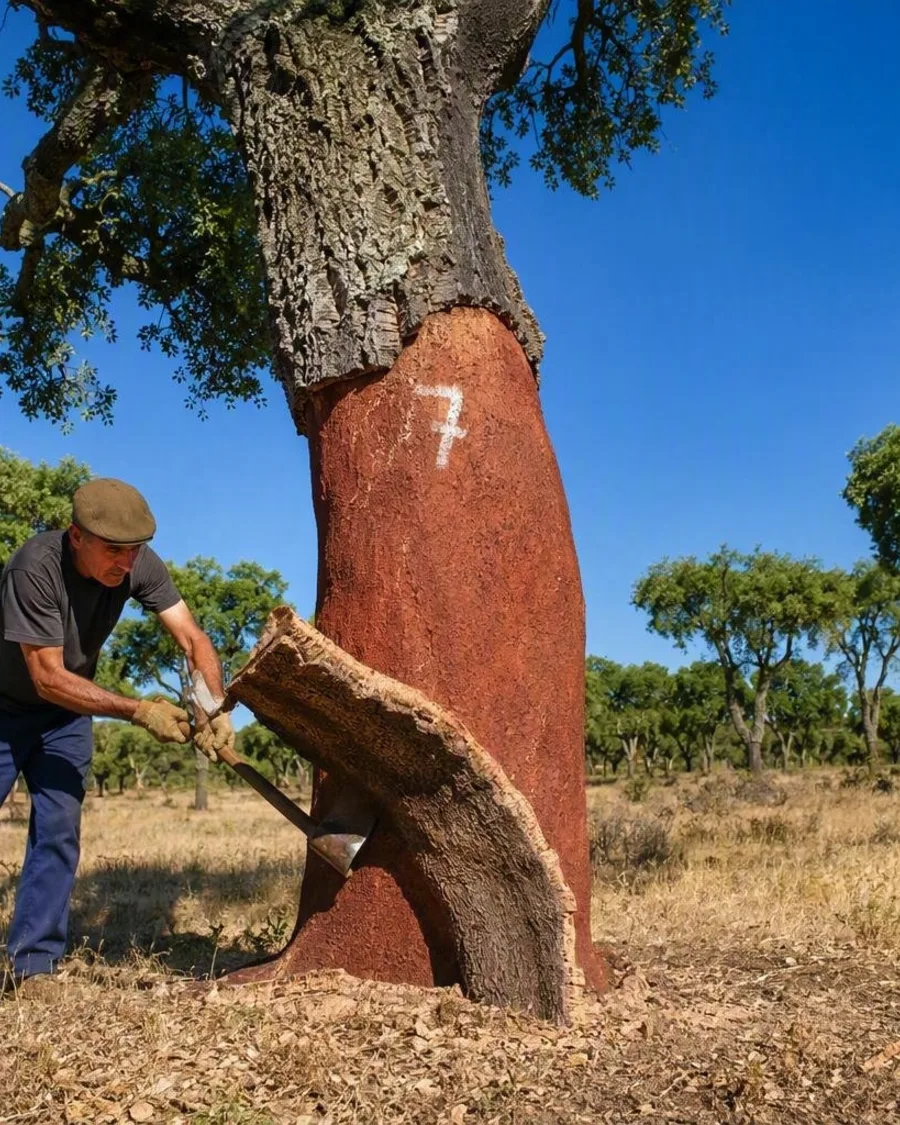
The cork oak is the landscape’s working emblem. In the montado, cork woodland sits alongside grazing and agriculture; cork trees are legally protected. Drive slowly on rural roads and expect long gaps between towns, especially in the interior.
Alqueva introduces a different scale: reservoir water, vineyard country and dark skies. It works well with Monsaraz and the surrounding villages; save night-sky viewing for a clear evening away from town lights.
On the coast, begin around Tróia, Comporta or Melides for sand, lagoons and rice fields. South of Sines, the shoreline becomes more rugged within the Southwest Alentejo and Vicentina Coast Natural Park. Porto Covo, Vila Nova de Milfontes, Almograve and Zambujeira do Mar are useful stops for beaches and marked coastal walks.
Eat and drink with purpose
Alentejo cooking makes deliberate use of bread, olive oil and herbs. Look for açorda, a garlic-and-coriander bread dish often finished with egg; migas, seasoned bread crumbs served with meat; and lamb stews. Regional cheeses, cured meats and olive oil are equally central.
Wine is part of the landscape rather than an afterthought. Tasting rooms and estates are spread through the interior, particularly around Évora and Reguengos de Monsaraz. If driving, make one person the non-taster.
Timing and practical rhythm
Spring suits walking, cycling and the green plains; autumn is good for wine country and milder outdoor days. Summer heat is serious inland. Schedule exposed archaeological sites, ramparts and hikes for morning or late afternoon, carry water, and keep the middle of the day for a long lunch or an indoor monument.
Distances matter more than they look on a map. Pair Évora with the central interior, Monsaraz and Alqueva; reserve a separate stay for the coast or the São Mamede area. Historic centres are best explored on foot after parking outside their narrowest streets.
From the magazine
Stories about Alentejo
Editorial stories linked directly to Alentejo.
Routes from our editors
Travel through Alentejo
Editorial routes connecting Alentejo with other countries, cities and hotspots.
No routes through Alentejo have been published yet.
More in Portugal
Related hotspots
Other cities, nature areas and places within Portugal.
Lisbon
6 linked stories and routes
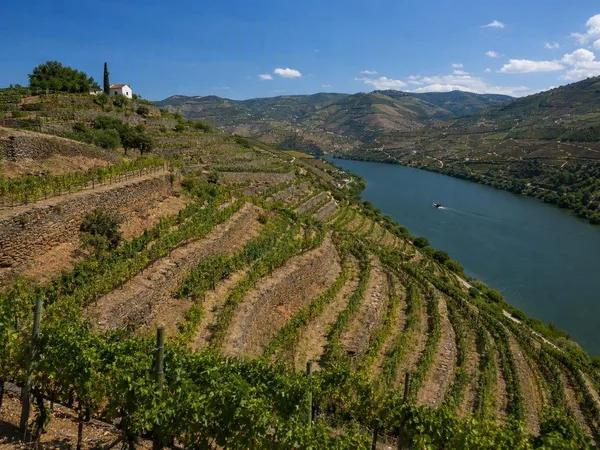
Douro
3 linked stories and routes
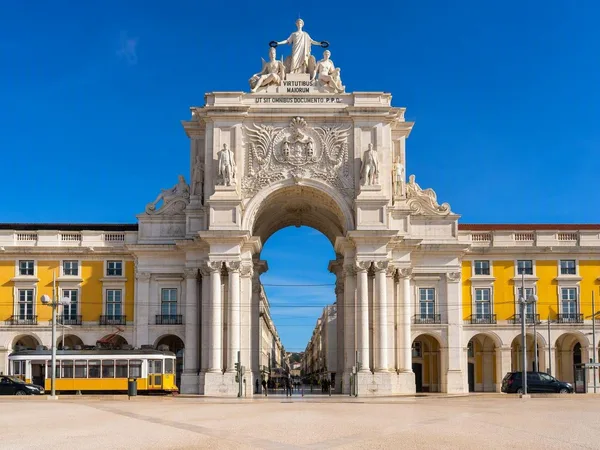
Baixa
2 linked stories and routes
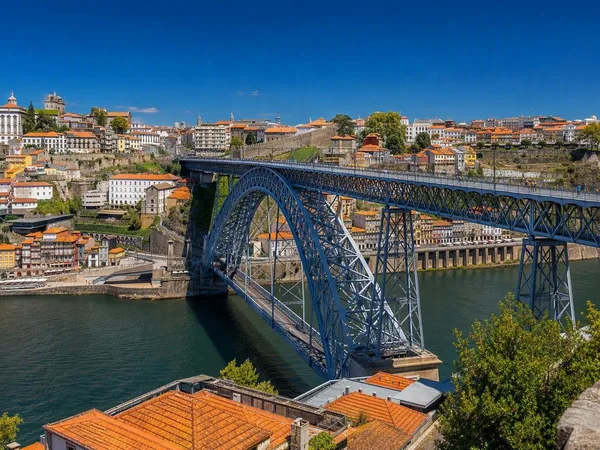
Porto
2 linked stories and routes
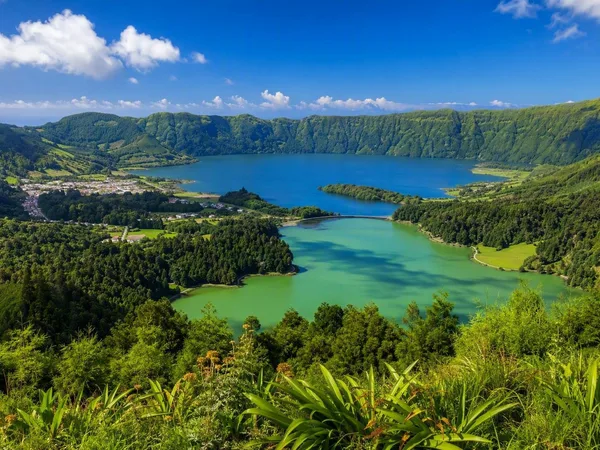
Azores
2 linked stories and routes
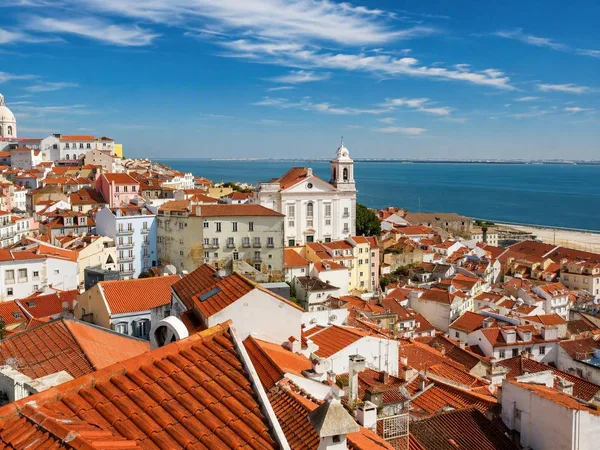
Alfama
1 linked stories and routes
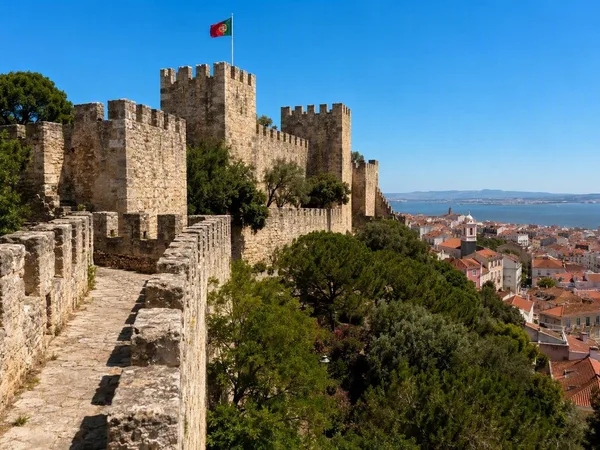
Castelo de São Jorge
1 linked stories and routes
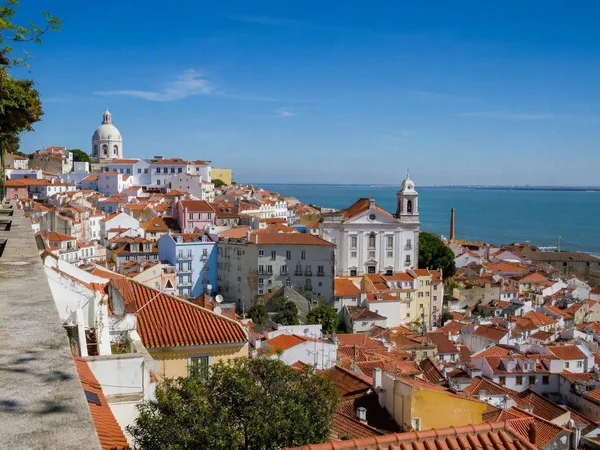
Miradouro das Portas do Sol
1 linked stories and routes
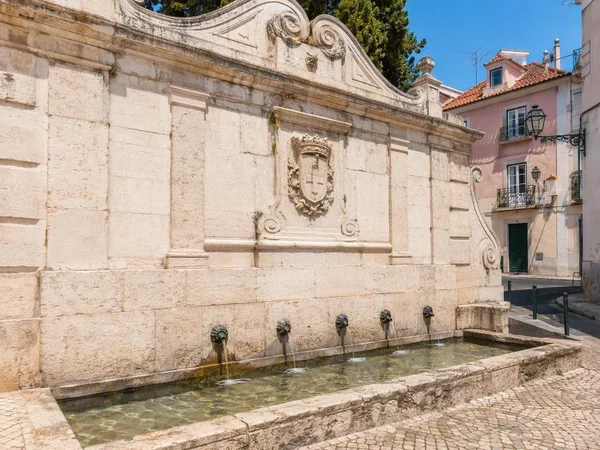
Largo do Chafariz de Dentro
1 linked stories and routes
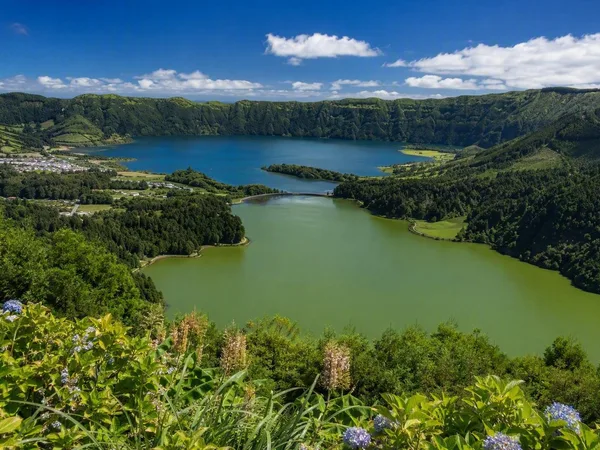
São Miguel
1 linked stories and routes
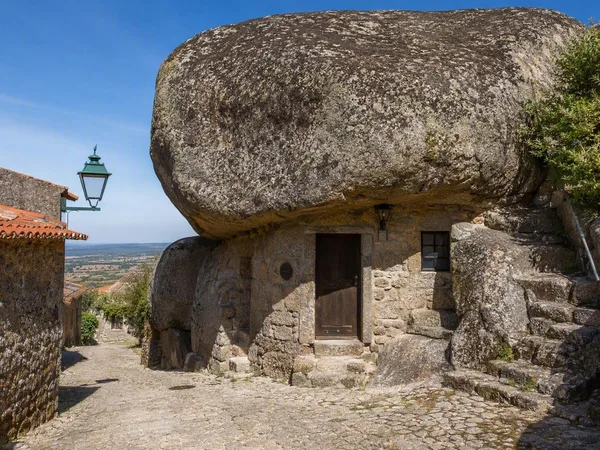
Monsanto
1 linked stories and routes
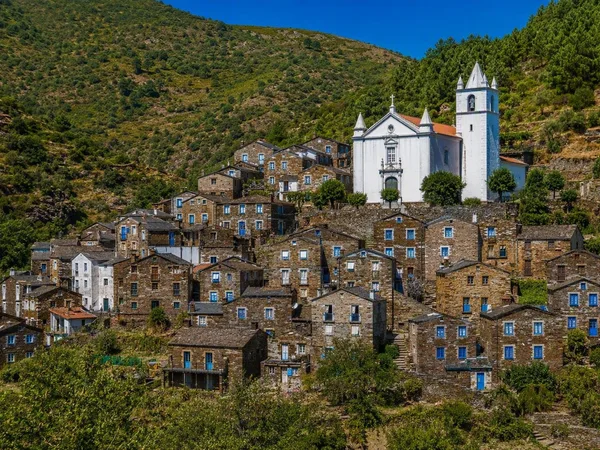
Piódão
1 linked stories and routes
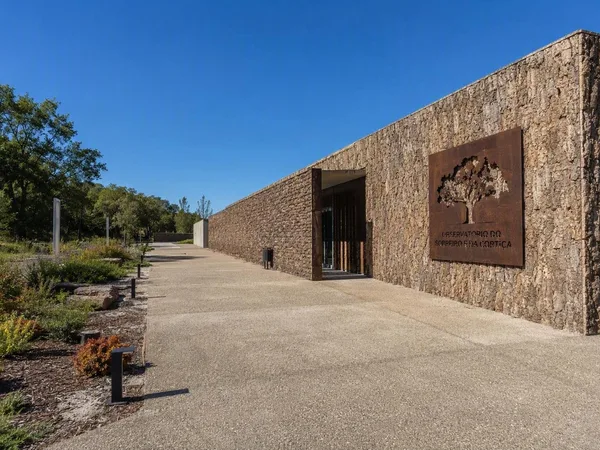
Coruche
1 linked stories and routes
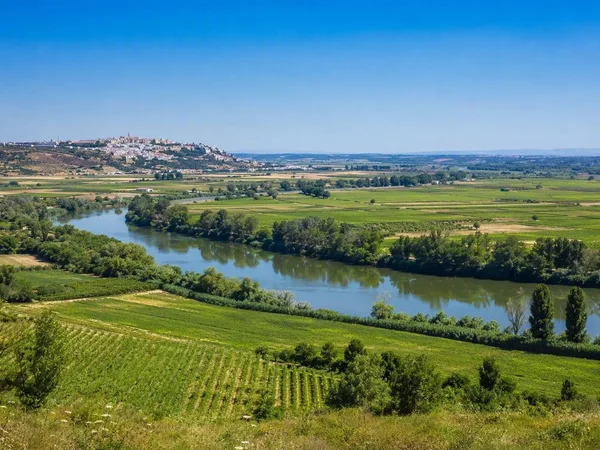
Ribatejo
1 linked stories and routes
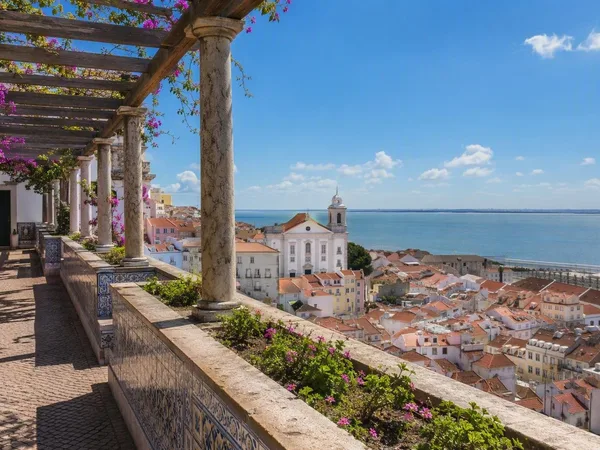
Santa Luzia
0 linked stories and routes