
Neighbourhood · Portugal
Baixa
Baixa, or Baixa Pombalina, is Lisbon’s planned downtown between Rossio and the Tagus. Its straight streets, formal squares and uniform 18th-century buildings were created after the 1755 earthquake.
Orientation
Baixa is the low, largely level centre of historic Lisbon, running south from Rossio to Praça do Comércio on the Tagus. It is the clear counterpoint to nearby Alfama: broad, rational streets replace steep lanes and irregular alleys.
The district is often called Baixa Pombalina after the reconstruction directed under the Marquis of Pombal. The 1755 earthquake and subsequent fire devastated this part of the city; the rebuild imposed a geometric street plan and a hierarchy of streets and squares.
Read the plan
Start at Rossio, then walk south along pedestrian Rua Augusta to Praça do Comércio. This is Baixa’s main axis and the simplest way to understand the layout.
- Rossio (Praça Dom Pedro IV): look down for the black-and-white wave-pattern Portuguese pavement, then take in the fountains and the Pedro IV column.
- Rua Augusta: the commercial spine, lined with shops and cafés.
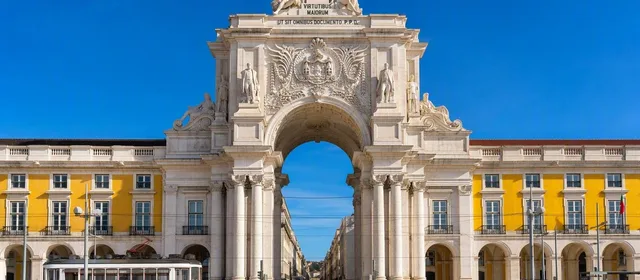
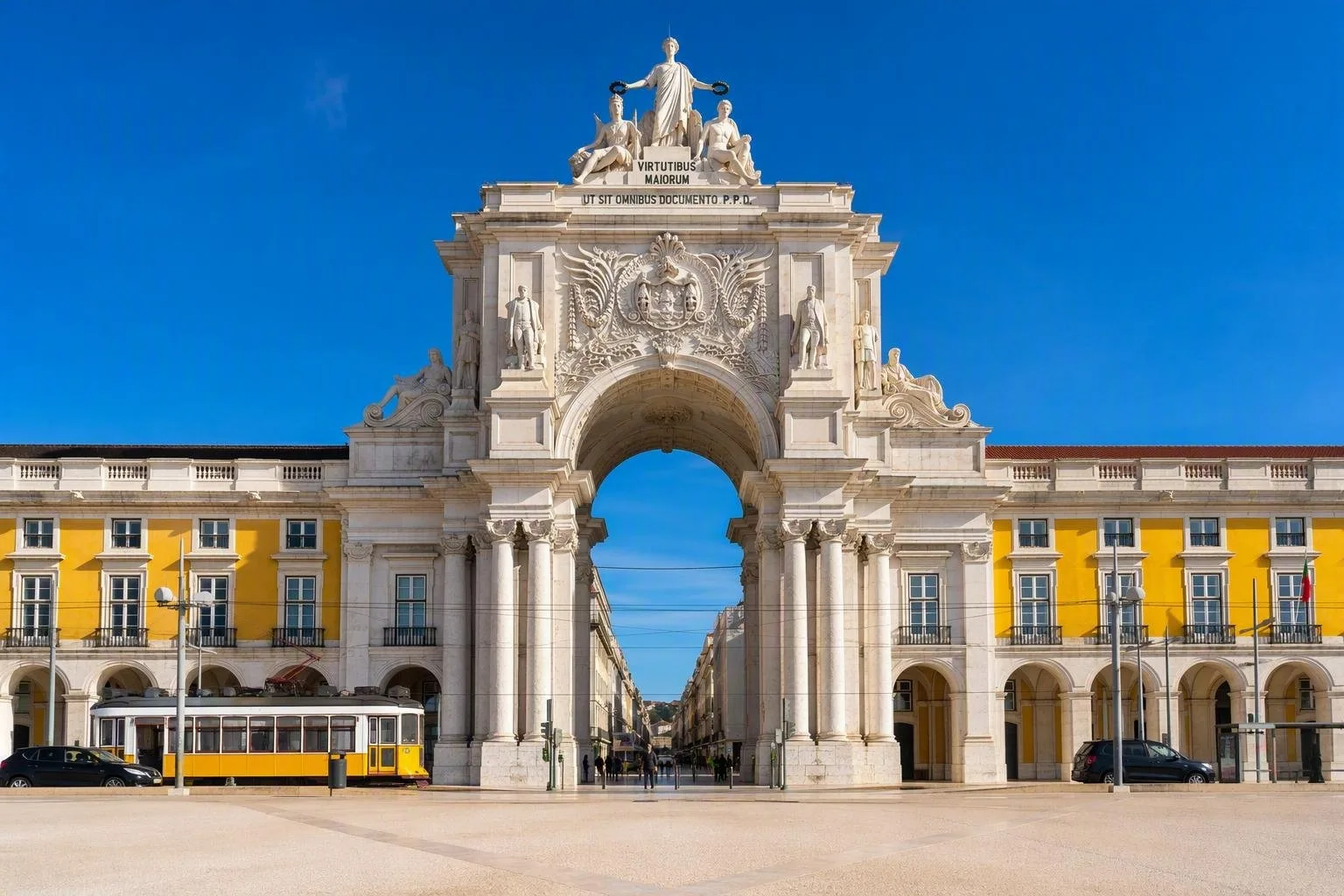
- Arco da Rua Augusta: the monumental threshold between the street and the river square; its terrace looks over the grid, Praça do Comércio and the Tagus.
- Praça do Comércio (Terreiro do Paço): the vast riverside square, rebuilt on the site of the former Ribeira Palace. Walk through its arcades, then continue to Cais das Colunas at the water.
Use the parallel streets—Rua da Prata, Rua do Ouro and Rua dos Correeiros—to leave the main pedestrian flow and see the grid at work.
Pombaline fabric
Look beyond the shopfronts. Typical Pombaline buildings pair commercial ground floors with upper residential levels, regular window rhythms and stone detailing. Their interiors used the gaiola pombalina, a timber bracing system designed to distribute seismic force. The order is deliberate: façades and architectural detail become more elaborate on the principal streets and squares.
For a deeper time scale, the Archaeological Nucleus in Rua dos Correeiros preserves overlapping remains from Punic, medieval and Pombaline Lisbon beneath a modern building.
Getting there and around
Baixa works best on foot. It is among Lisbon’s least demanding areas for walking, though polished calçada can be slippery when wet.
Useful access points:
- Rossio metro station for the northern end.
- Baixa-Chiado for the western side and connections to Chiado.
- Terreiro do Paço for Praça do Comércio and the riverfront.
The Santa Justa Lift rises from Baixa toward Carmo and Chiado, but it is an attraction rather than the quickest cross-town route. Keep your valuables close on packed pedestrian streets and public transport.
From the magazine
Stories about Baixa
Editorial stories linked directly to Baixa.
Routes from our editors
Travel through Baixa
Editorial routes connecting Baixa with other countries, cities and hotspots.
No routes through Baixa have been published yet.
More in Portugal
Related hotspots
Other cities, nature areas and places within Portugal.
Lisbon
3 linked stories and routes
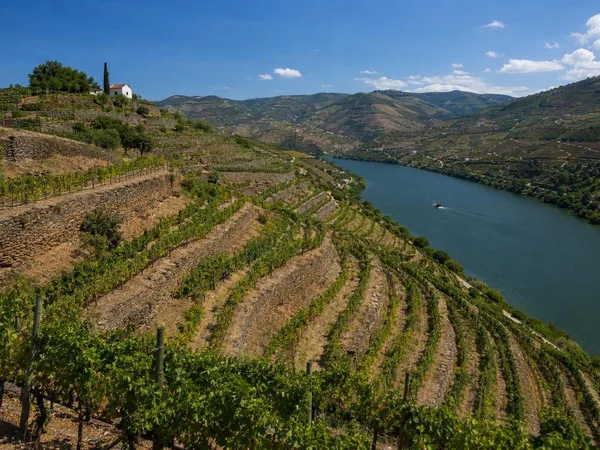
Douro
3 linked stories and routes
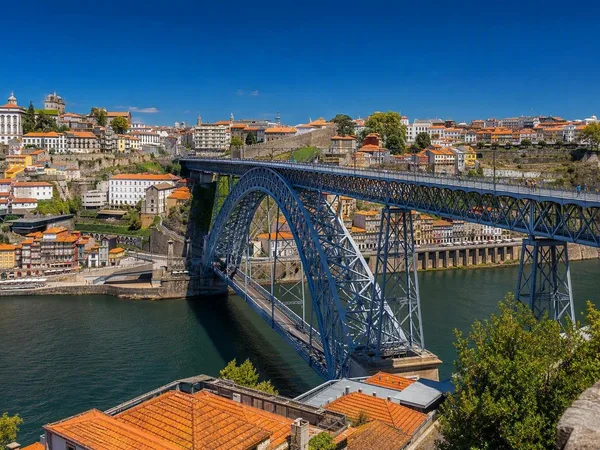
Porto
2 linked stories and routes
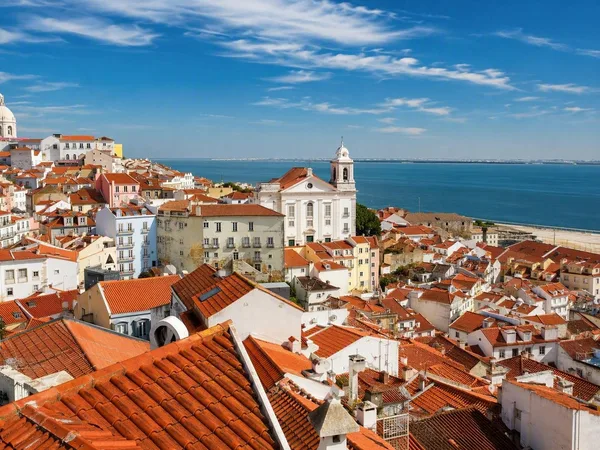
Alfama
1 linked stories and routes
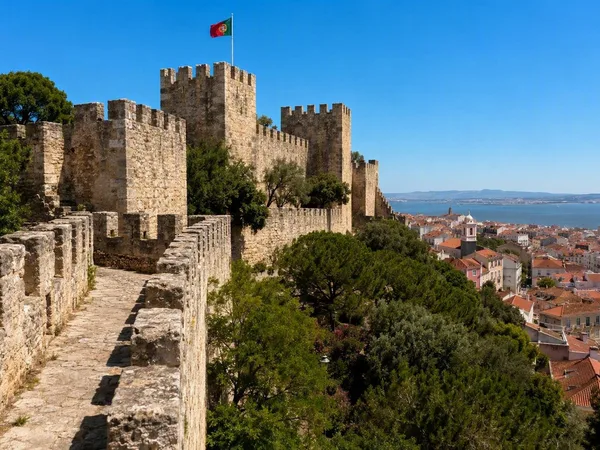
Castelo de São Jorge
1 linked stories and routes
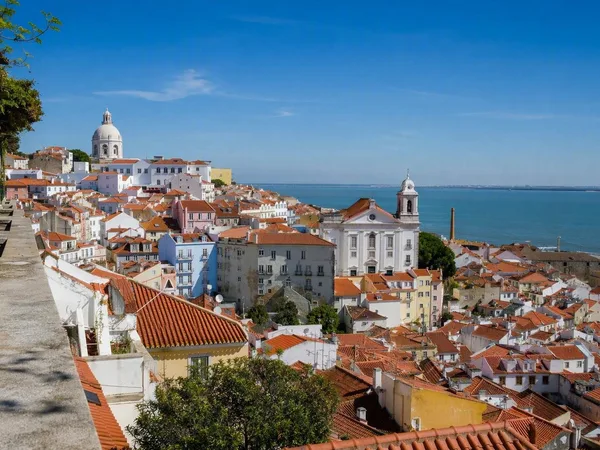
Miradouro das Portas do Sol
1 linked stories and routes
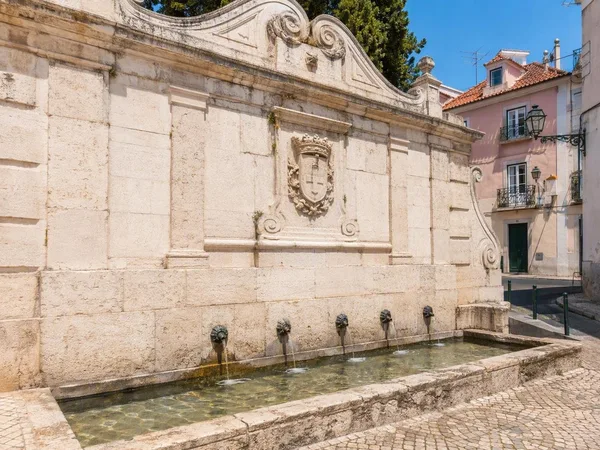
Largo do Chafariz de Dentro
1 linked stories and routes
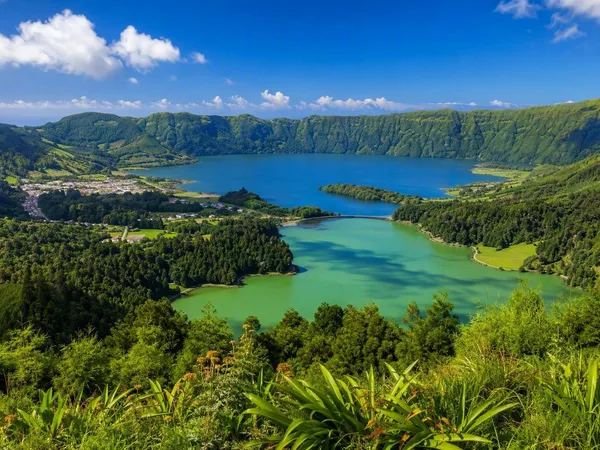
Azores
1 linked stories and routes
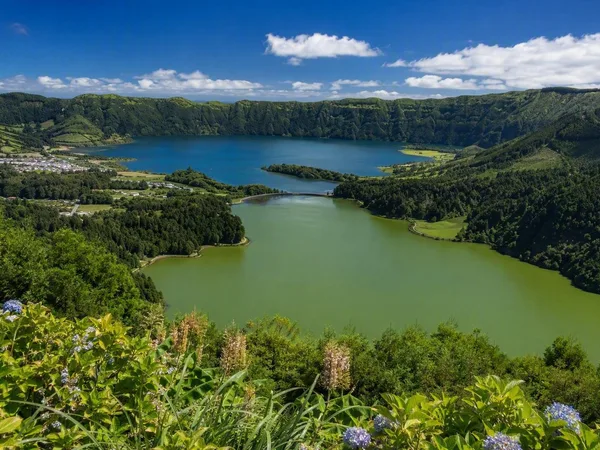
São Miguel
1 linked stories and routes
Monsanto
1 linked stories and routes
Piódão
1 linked stories and routes
Santa Luzia
0 linked stories and routes