
Sight · Portugal
Santa Luzia
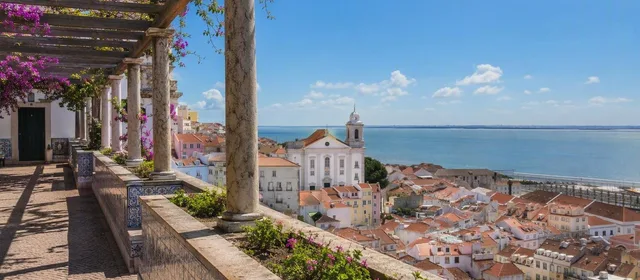
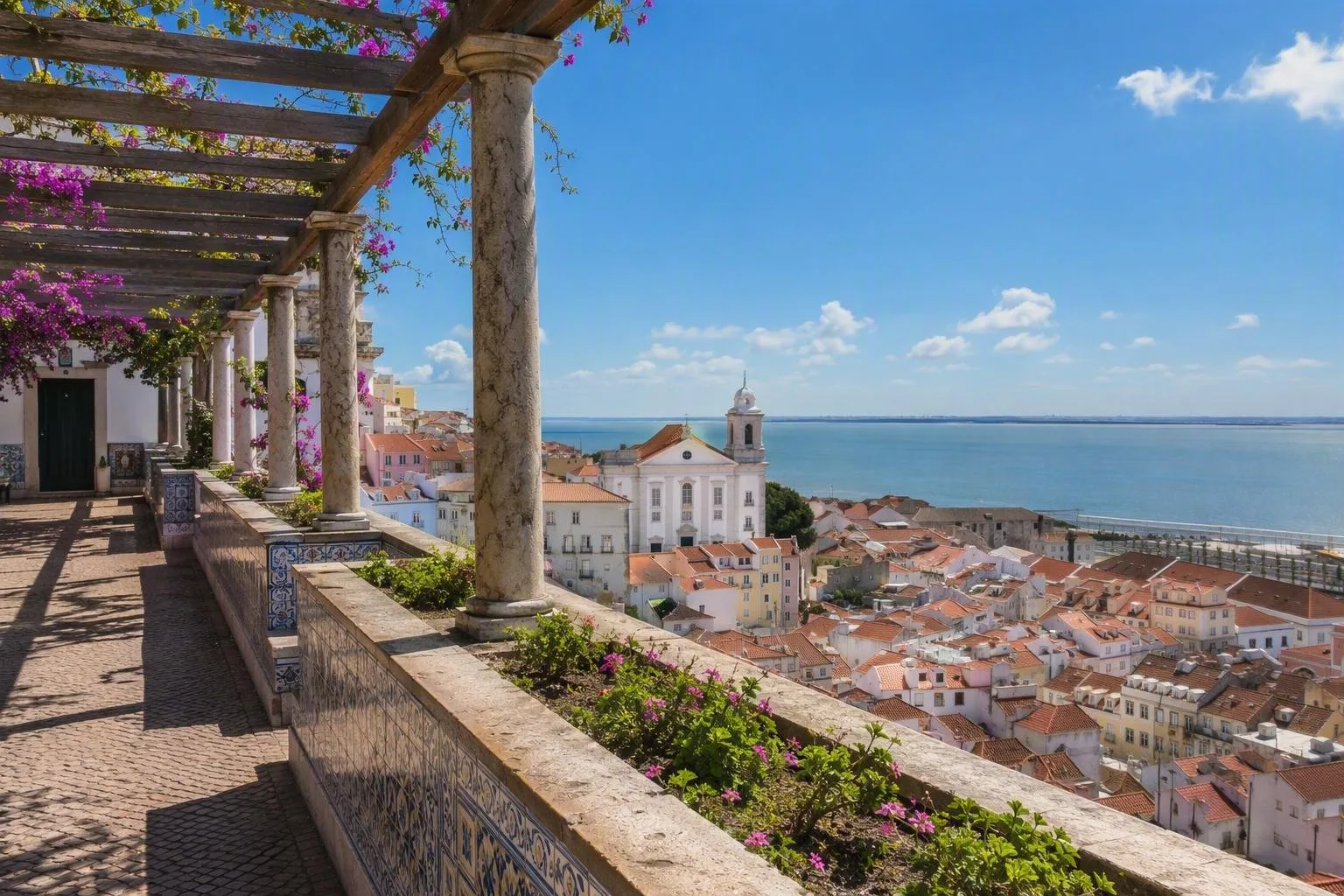
Santa Luzia is Alfama’s compact terrace area on Lisbon’s eastern hill, centred on the Miradouro de Santa Luzia above the Tagus. Come for the tiled terrace, river view and direct links into Alfama’s steep lanes.
Orientation
Santa Luzia sits on the upper edge of Alfama, between the cathedral side of the hill and Portas do Sol. Its focal point is the Miradouro de Santa Luzia, a public terrace beside the Church of Santa Luzia and São Brás. This is not a separate district: it is a useful pause point within Alfama’s tight network of streets, stairs and small squares.
The terrace looks southeast over the roofs of Alfama to the Tagus. Use the church domes and towers below as landmarks when working out the slope: the dome of Santa Engrácia, Santo Estêvão and the twin towers of São Miguel are all visible from here.
The terrace and its tiles
The viewpoint is arranged on levels, with an azulejo-lined pergola, planted areas and a reflecting pool. Its south wall carries two large tile panels by António Quaresma:
- Praça do Comércio before the 1755 earthquake
- The Christian conquest of Castelo de São Jorge in 1147
Treat the panels as part of the visit rather than backdrop. They give a quick visual introduction to two decisive moments in Lisbon’s history, while the terrace supplies the physical geography: the old houses dropping towards the river and the castle hill rising behind.
Walk the slope
Santa Luzia works best as a junction rather than a destination to rush through. From the terrace, Rua Norberto de Araújo and the nearby steps connect to lower Alfama. Descend via Rua de São João da Praça for the Sé, where the enclosed streets meet the cathedral precinct.
For the uphill continuation, follow the lanes towards the Castelo de São Jorge area. Portas do Sol is immediately nearby and offers another open viewpoint; use it as a companion stop, not a substitute for Santa Luzia’s tiled garden setting.
Getting there and moving around
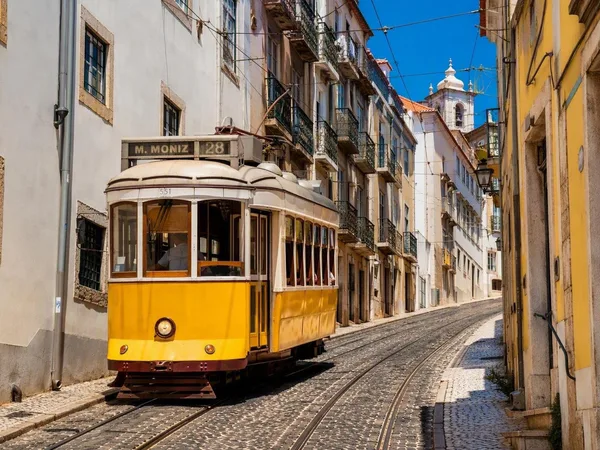
Tram tracks run past Santa Luzia, and the historic 28E route serves this part of the hill. On foot, expect steep gradients, irregular paving and stairs. Flat, grippy shoes matter more here than distance: the routes between the terrace, the cathedral and the castle are short on a map but physically demanding.
Avoid relying on a car within Alfama. The surrounding lanes are narrow, access is constrained and walking is the practical way to connect the terrace with the streets below.
Timing and access
Visit early for a clearer view and more room to study the tile panels; later in the day, the terrace becomes a natural stopping point on the way through Alfama. The viewpoint is an outdoor public space, so allow for passing trams, foot traffic and the changing pace of a lived-in neighbourhood.
Keep to the paths and steps around the planted terrace and reflecting pool. Santa Luzia is small; a measured stop of 20 to 40 minutes is usually enough before continuing downhill to the Sé or uphill towards the castle.
From the magazine
Stories about Santa Luzia
Editorial stories linked directly to Santa Luzia.
No stories about Santa Luzia have been published yet.
Routes from our editors
Travel through Santa Luzia
Editorial routes connecting Santa Luzia with other countries, cities and hotspots.
No routes through Santa Luzia have been published yet.
More in Portugal
Related hotspots
Other cities, nature areas and places within Portugal.
Lisbon
3 linked stories and routes
Douro
3 linked stories and routes
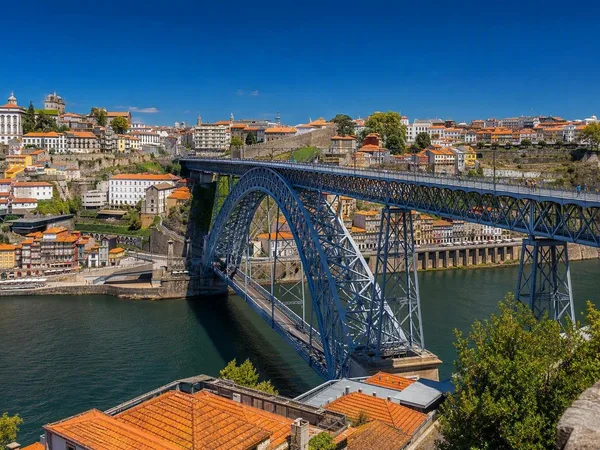
Porto
2 linked stories and routes
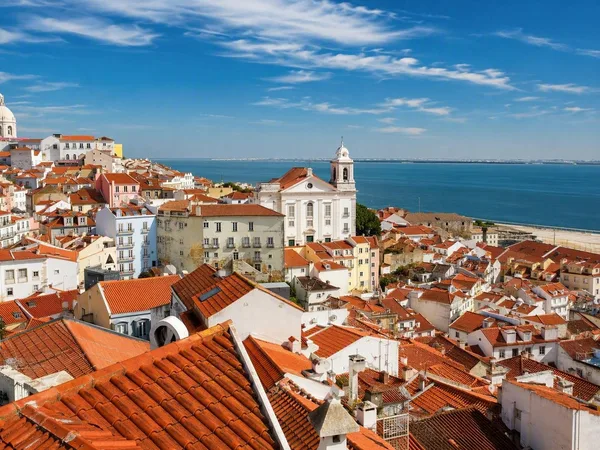
Alfama
1 linked stories and routes
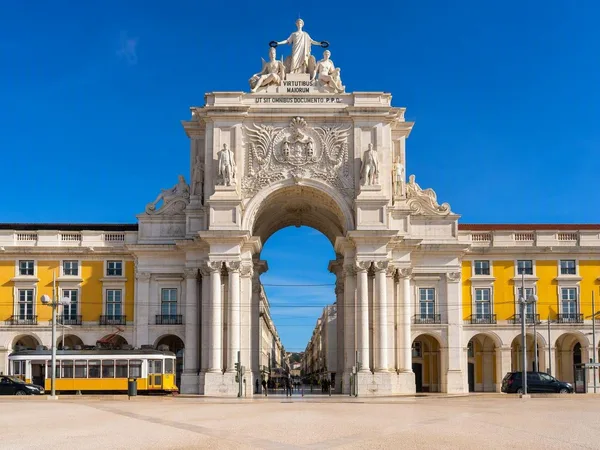
Baixa
1 linked stories and routes
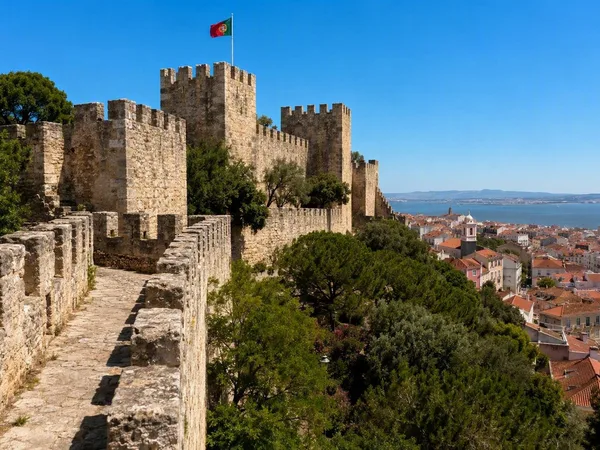
Castelo de São Jorge
1 linked stories and routes
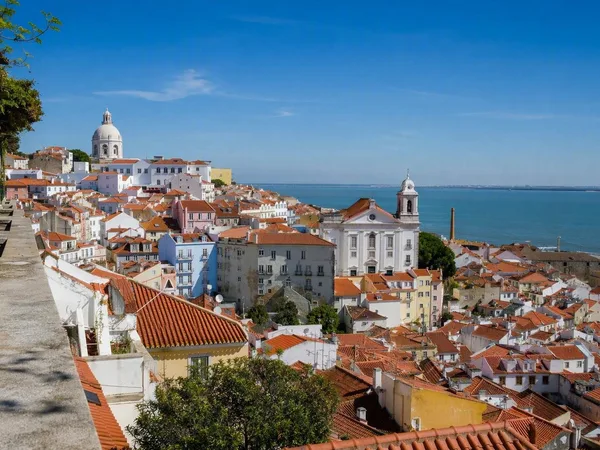
Miradouro das Portas do Sol
1 linked stories and routes
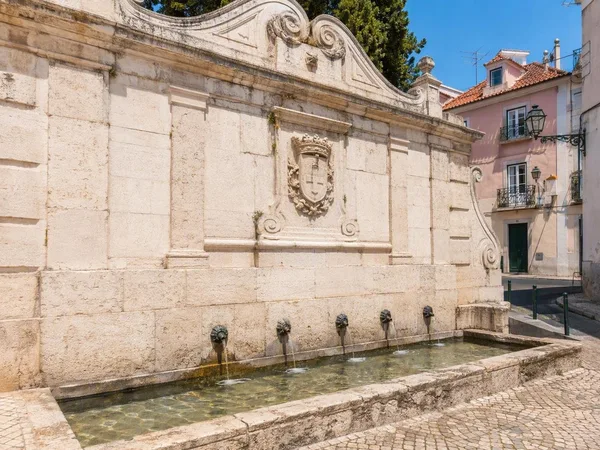
Largo do Chafariz de Dentro
1 linked stories and routes
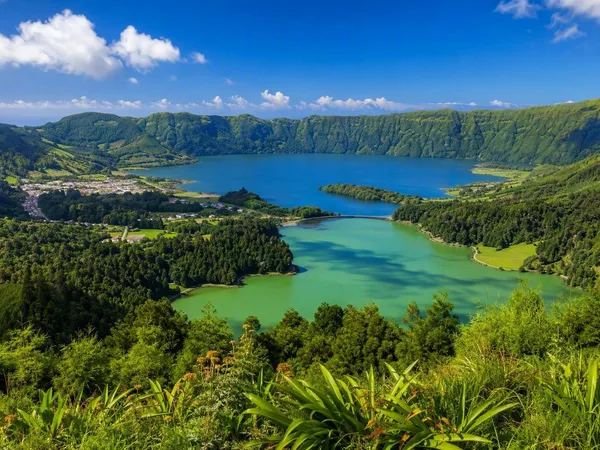
Azores
1 linked stories and routes
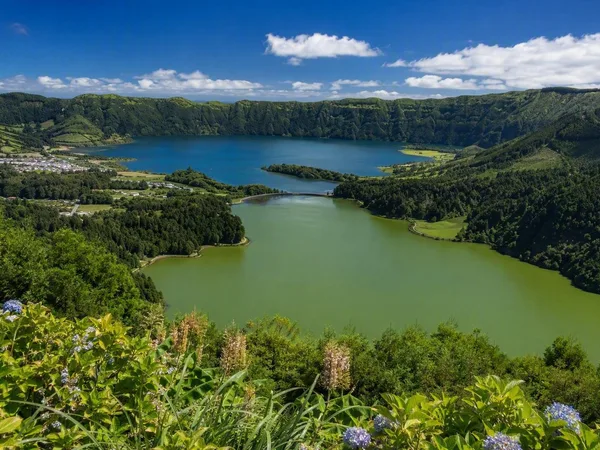
São Miguel
1 linked stories and routes
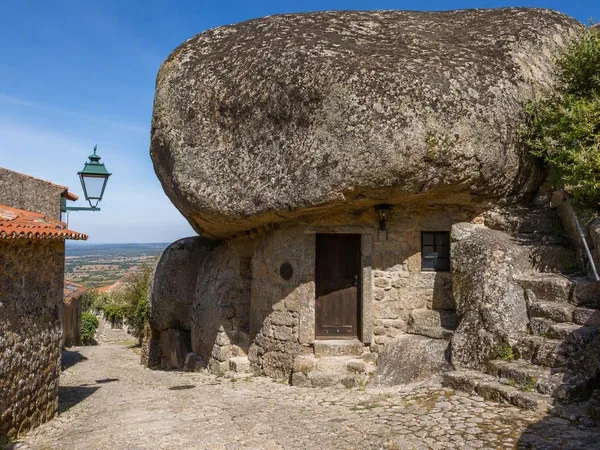
Monsanto
1 linked stories and routes
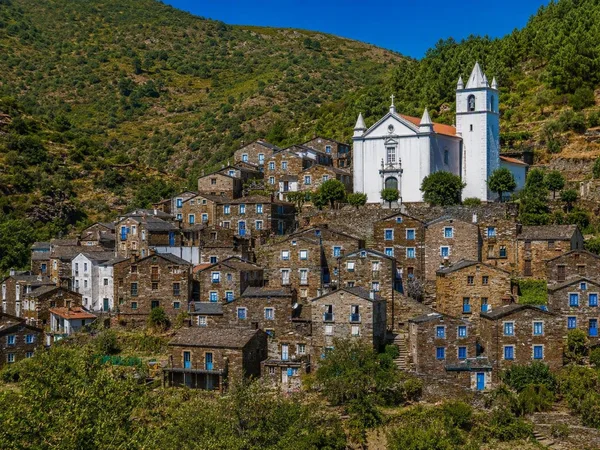
Piódão
1 linked stories and routes