
Neighbourhood · Portugal
Alfama
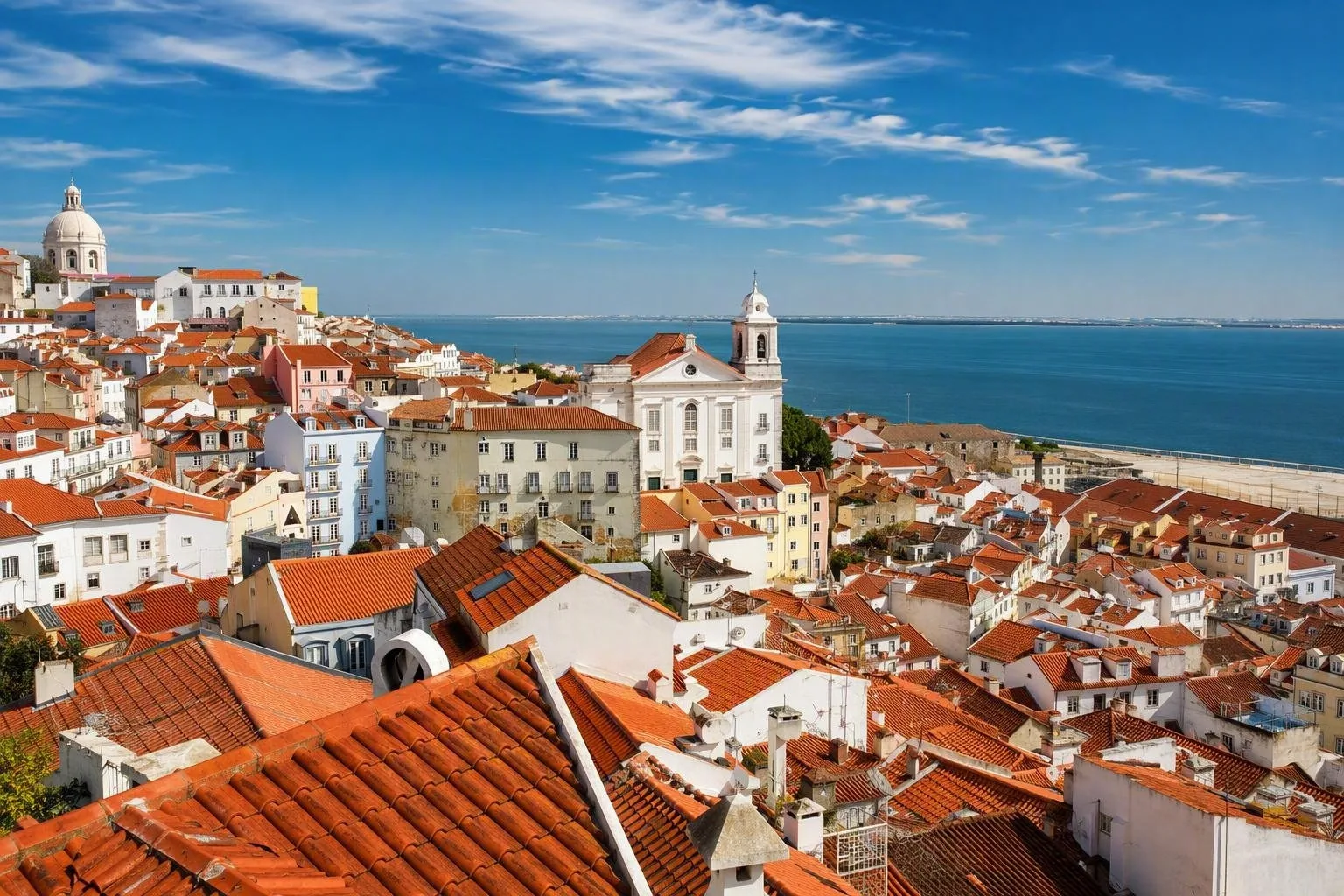
Alfama is Lisbon’s historic hillside neighbourhood, spreading from the castle slopes down towards the Tagus. Its cobbled lanes, stairways, viewpoints and fado houses reward a slow, mostly downhill walk.
Orientation
Alfama occupies Lisbon’s eastern historic slopes between the Castelo de São Jorge area and the Tagus. Its lanes, becos (alleys), stairways and small squares follow the contours rather than a planned grid. This is a neighbourhood to cross on foot, not a checklist of isolated sights.
Start high at Miradouro das Portas do Sol or nearby Miradouro de Santa Luzia, then work downhill towards Largo do Chafariz de Dentro and the riverfront. Going down saves the hard climb; reversing the route is a serious uphill walk.
What the streets reveal
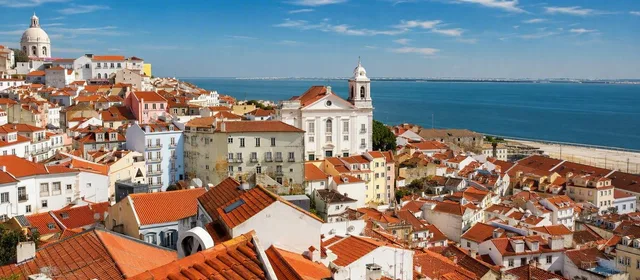
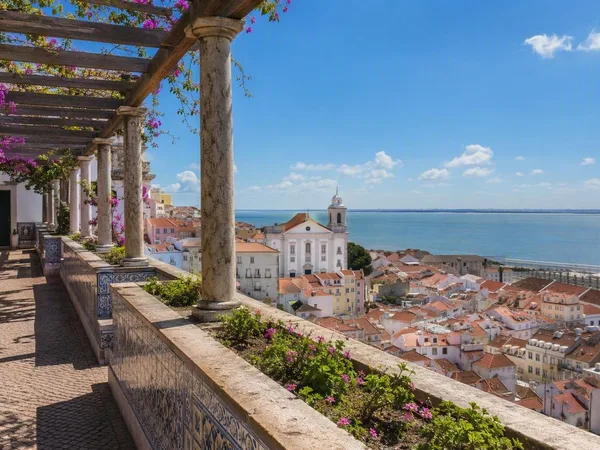
The tight street pattern is the point. Short passages open suddenly into tiny squares, churches or a view across red roofs to the Tagus. Look for the practical fabric of the quarter: tiled façades, narrow doorways, calçada paving and stairs cut into the slope.
Alfama’s name comes from the Arabic al-hama, associated with hot springs. Mineral and sometimes thermal springs at the foot of the hill supplied residents and fed baths and fountains over time. The old connection with water remains legible at the lower edge, even though roads and later waterfront works now stand between the houses and river.
Key stops
- Miradouro de Santa Luzia: terrace overlooking Alfama’s roofs and the Tagus.
- Miradouro das Portas do Sol: a broad belvedere and useful launch point for the descent.
- Sé de Lisboa: the cathedral dates from 1147; its treasury and archaeological remains add depth to a walk through the oldest quarter.
- Museu do Fado: at Largo do Chafariz de Dentro, a focused introduction to Lisbon’s song tradition.
- Castelo de São Jorge: above the neighbourhood, with archaeological remains and views across Lisbon and the estuary.
Getting around
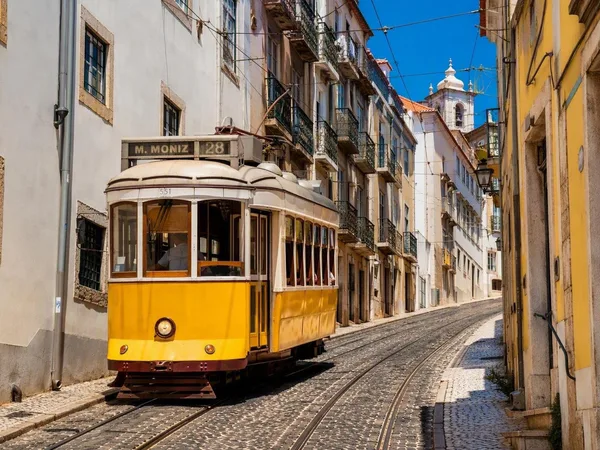
The 28E tram and 12E tram serve the upper side of Alfama; Santa Apolónia on the Blue Line is convenient for the lower edge. Bus 737 also reaches the castle area. Once inside the neighbourhood, walking is usually quicker than trying to navigate its narrow lanes by vehicle.
Access note: expect steep gradients, many steps and uneven cobbles. Worn Portuguese paving becomes slick in rain; use shoes with grip. The route is not well suited to wheels or visitors who need step-free movement.
Fado and street etiquette
Fado remains a working part of Alfama’s evening economy, with several houses concentrated around its lower streets. If attending a performance, keep conversation to pauses between songs. In the residential lanes, keep voices down at night and do not block doorways or stairways.
From the magazine
Stories about Alfama
Editorial stories linked directly to Alfama.
Routes from our editors
Travel through Alfama
Editorial routes connecting Alfama with other countries, cities and hotspots.
No routes through Alfama have been published yet.
More in Portugal
Related hotspots
Other cities, nature areas and places within Portugal.
Lisbon
3 linked stories and routes
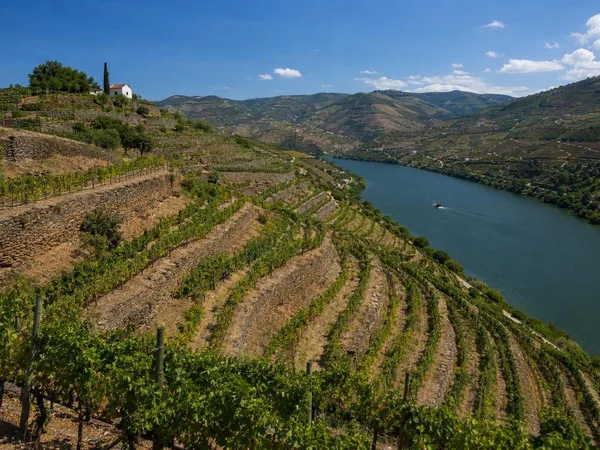
Douro
3 linked stories and routes
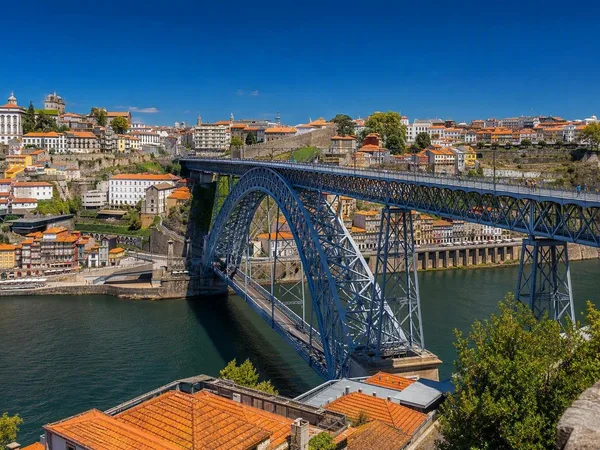
Porto
2 linked stories and routes
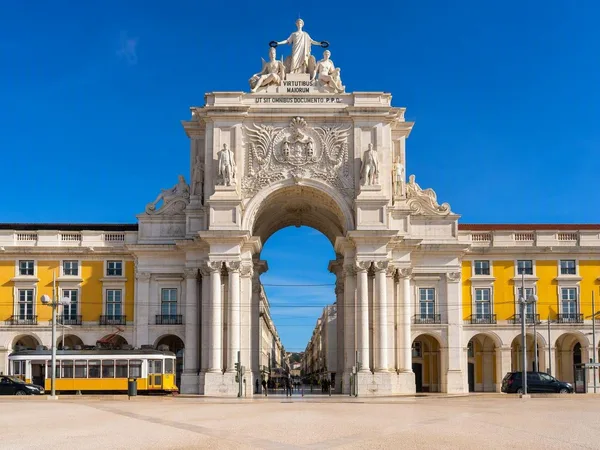
Baixa
1 linked stories and routes
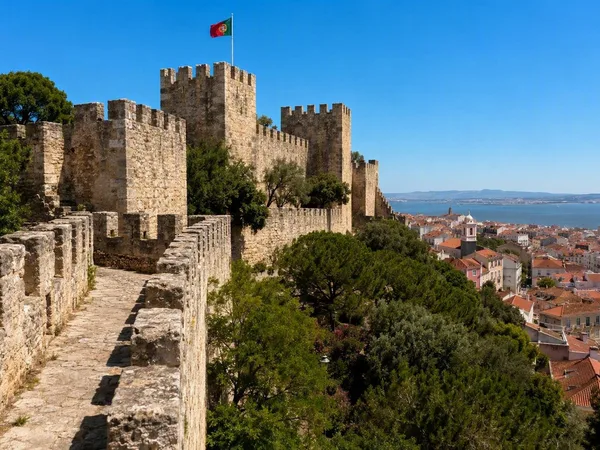
Castelo de São Jorge
1 linked stories and routes
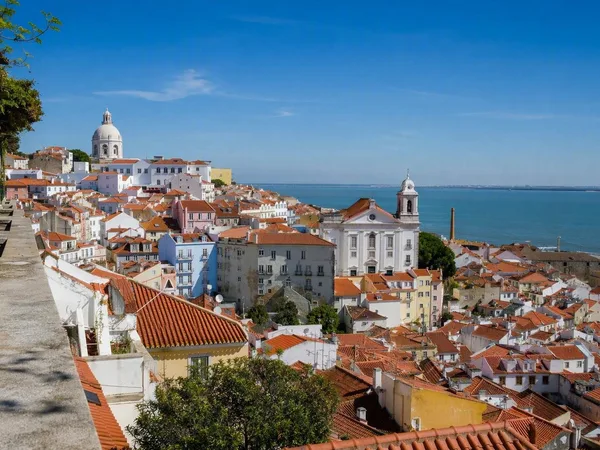
Miradouro das Portas do Sol
1 linked stories and routes
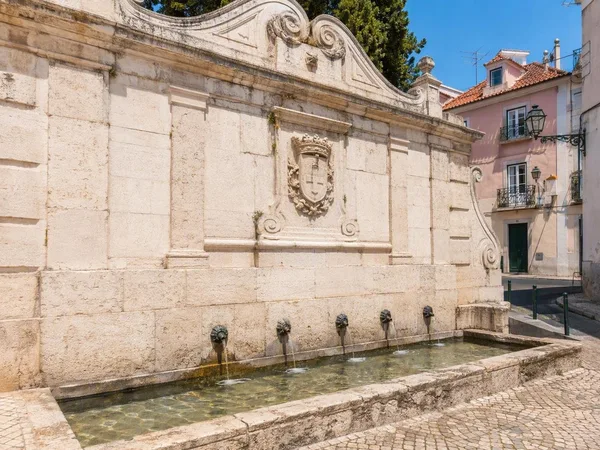
Largo do Chafariz de Dentro
1 linked stories and routes

Azores
1 linked stories and routes

São Miguel
1 linked stories and routes
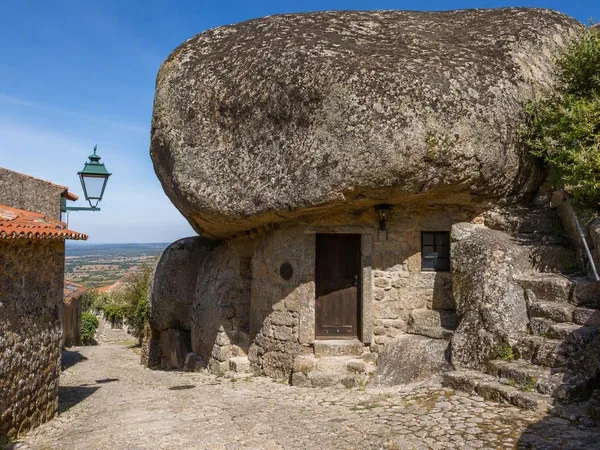
Monsanto
1 linked stories and routes
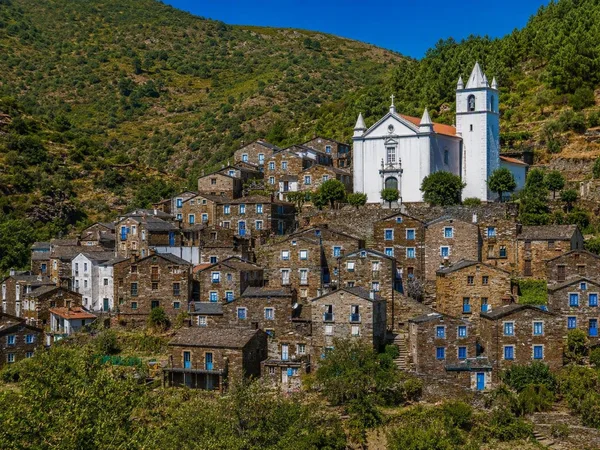
Piódão
1 linked stories and routes
Santa Luzia
0 linked stories and routes