
Region · Portugal
Douro
The Douro is northern Portugal’s river-cut wine region, centred on the terraced valleys east of Porto. Its working vineyards, quintas and riverside railway form the core of the Alto Douro cultural landscape.
The landscape
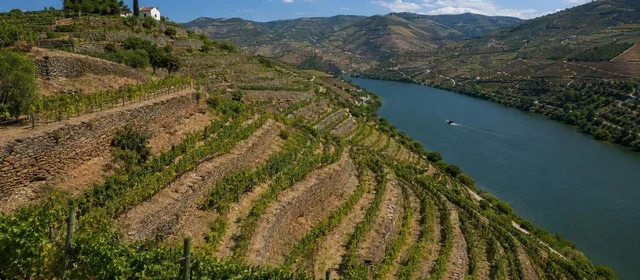
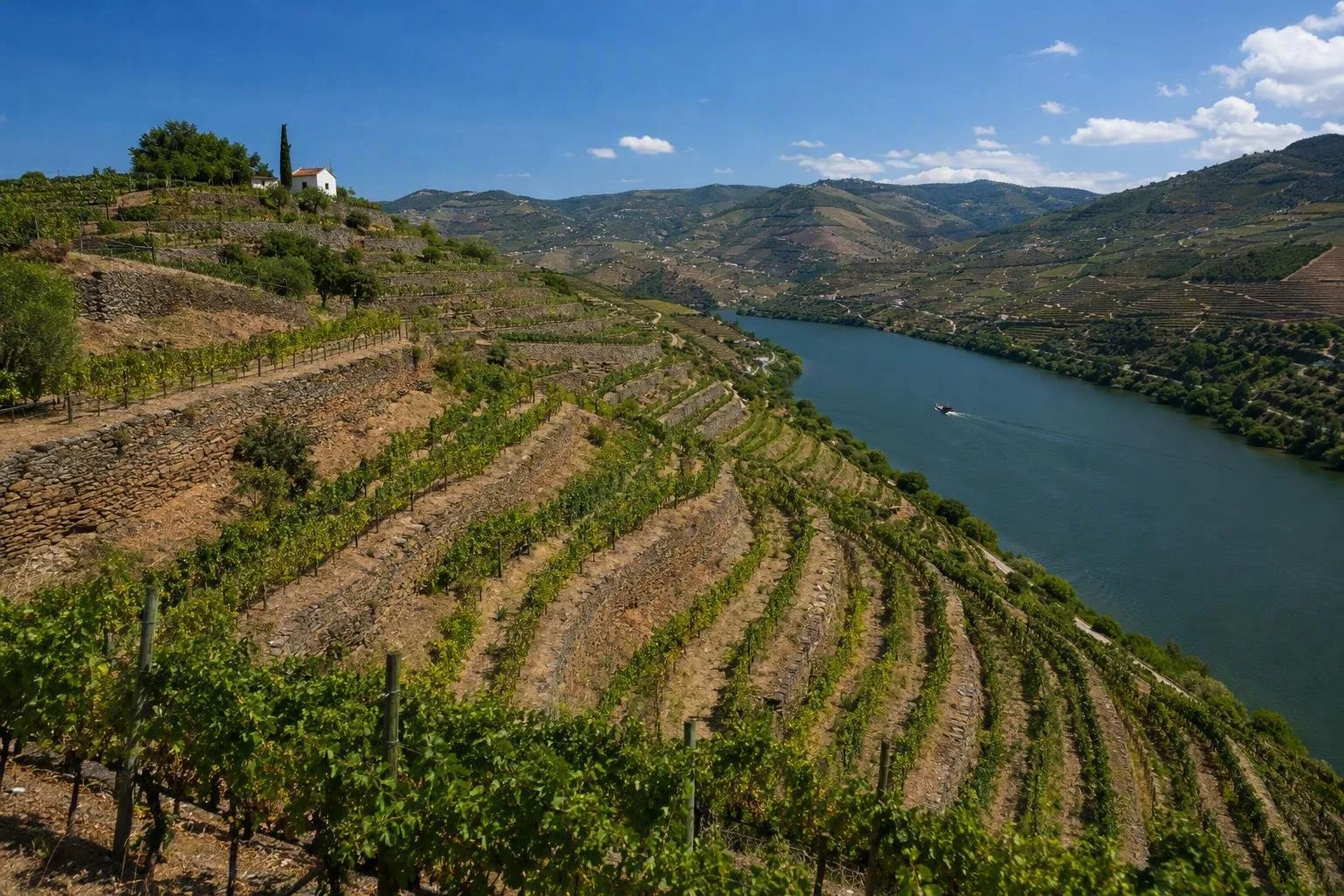
The Douro is a wine-growing region shaped by the river of the same name and its tributaries. Its defining feature is the steep, cultivated hillside: vines sit on terraces cut into schist slopes and held by stone walls. Whitewashed villages, chapels and quintas—wine estates with farm and winery buildings—break up the vineyard pattern.
The Alto Douro Wine Region has produced wine for roughly two millennia. Port has been regulated here since 1756, but the area also produces still Douro wines. The World Heritage landscape covers 24,600 hectares and remains a working agricultural landscape, not an open-air museum.
How to read the valley
Use the river as your orientation line. The scenery tightens and becomes more dramatic upstream of Régua, through Pinhão and towards Pocinho. The slopes are not uniform: older socalcos are narrow, irregular terraces supported by schist walls, while broader, straighter terraces reflect later rebuilding after phylloxera.
Pinhão sits amid the classic central vineyard scenery. Régua is the larger rail and riverfront base. Pocinho marks the eastern rail terminus and a drier, more exposed stretch of the upper valley.
Travel by train
The Linha do Douro is the most direct way to see the valley without driving. Regular Regional and InterRegional trains link Porto São Bento with Régua, Pinhão and Pocinho; allow roughly three hours and 20 minutes for Porto–Pocinho. The river-hugging section beyond Régua is the main visual payoff.
- For the full valley: take a through train to Pocinho and return the same way, or stop at Pinhão.
- For a shorter day: use Régua as the turn-round point.
- On board: the MiraDouro service uses restored carriages, some with opening panoramic windows. It runs daily in both directions between Porto, Régua, Pinhão and Pocinho.
Services and stopping patterns vary, so build an itinerary around a specific departure rather than assuming every Porto train continues to Pocinho.
Wine estates and access
Quintas are private working properties, not public parkland. Estate visits are separate experiences, usually combining a vineyard or winery tour with a tasting; access, opening days and transport differ sharply from one estate to another. Keep public exploration to town riverfronts, stations and marked routes unless you have arranged an estate visit.
The terrain is steep, hot and dry in summer. Wear shoes suitable for uneven stone paths and do not treat terrace walls as viewpoints or shortcuts.
When to go
September and October bring the grape harvest and changing vine colour, but they are active agricultural months. Late spring gives greener slopes; summer brings strong heat and glare in the confined valley. In cooler months, the train remains the most dependable way to experience the landscape when estate activity is quieter.
From the magazine
Stories about Douro
Editorial stories linked directly to Douro.
Eight Journeys Where the Way There Is the Point
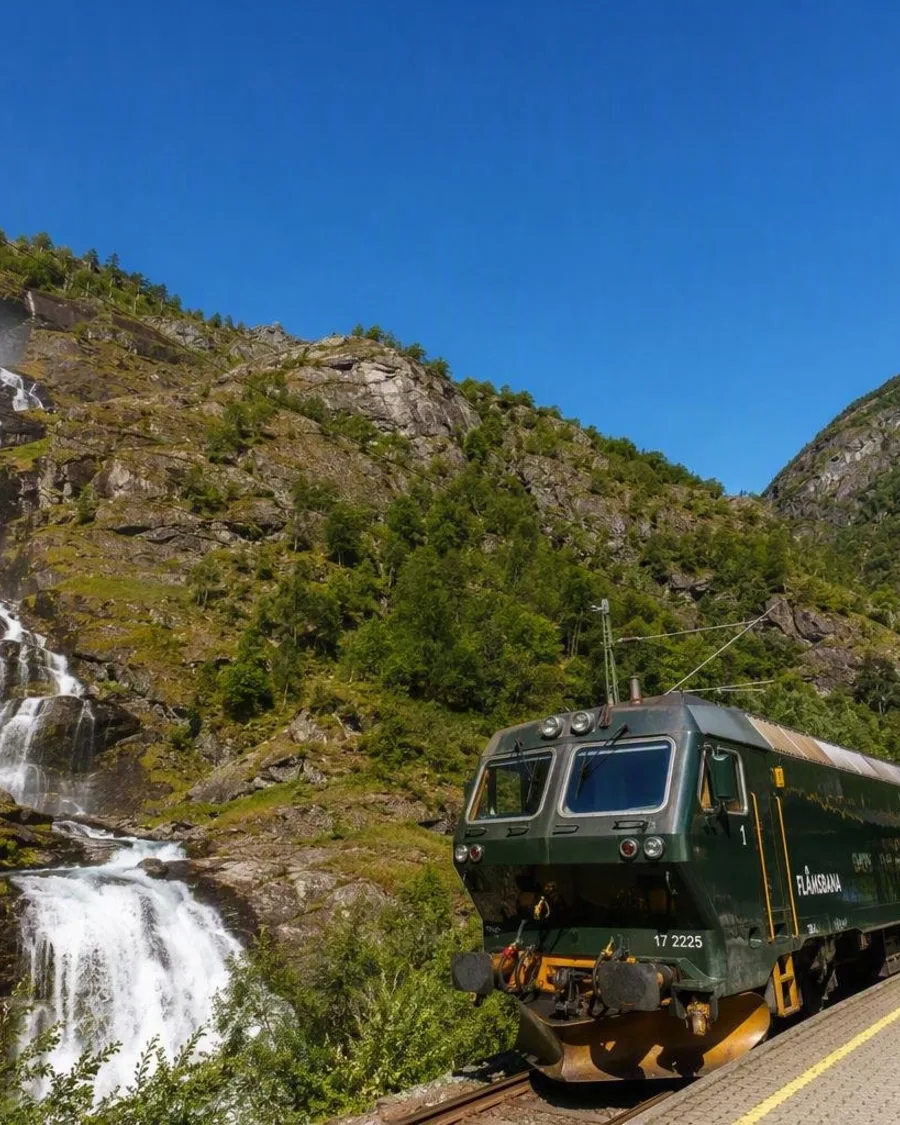
At Myrdal, the Flåm Railway leaves Norway’s main line and begins an 866-metre descent towards the fjord. Tunnels, ledges and tight curves make the movement downhill more compelling than the arrival.
Eight cultivated landscapes, from Douro vines to Kericho tea
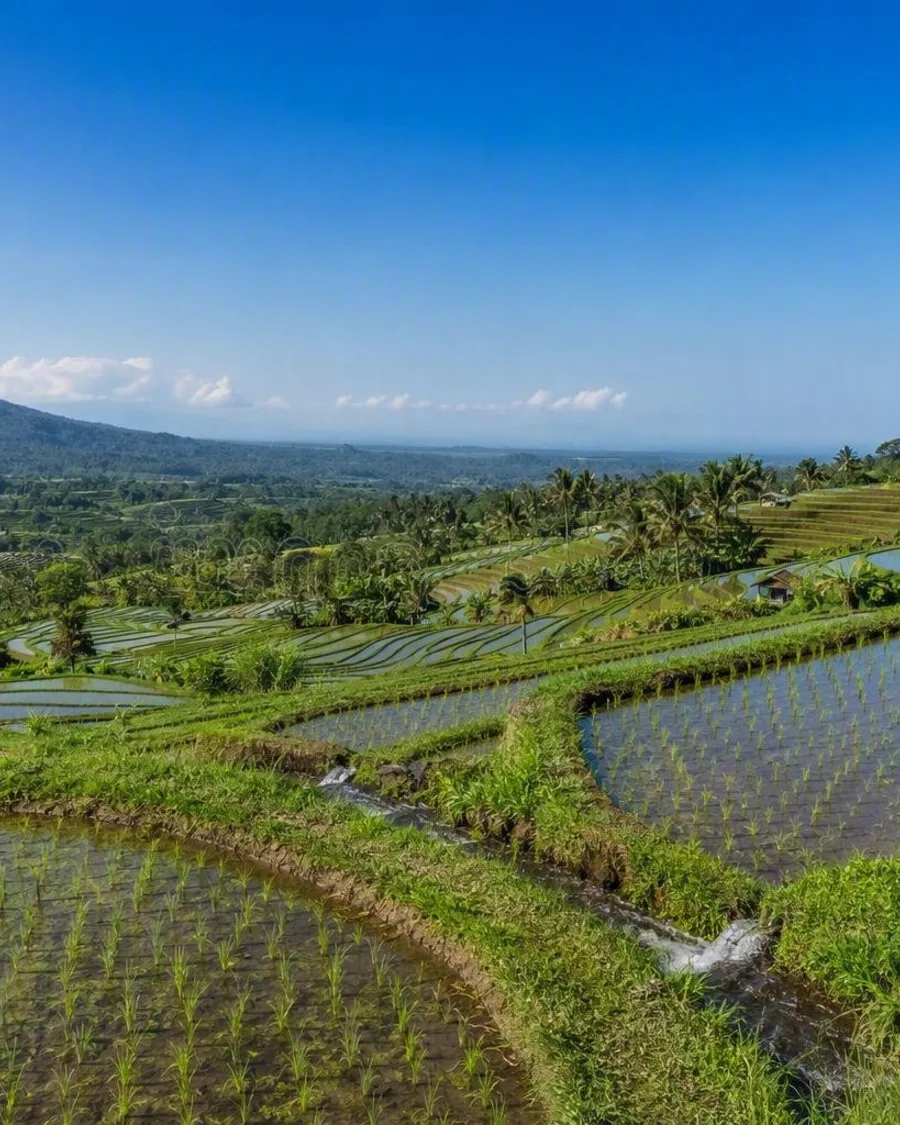
A dry-stone wall in Portugal holds vines to a schist slope. On Bali, water runs from mountain channels through temples and down a chain of rice fields. Below the Andes, old irrigation ditches carry meltwater to Malbec vines. These eight regions show farming not as a backdrop but in the walls, canals, food and daily work that give each landscape its form.
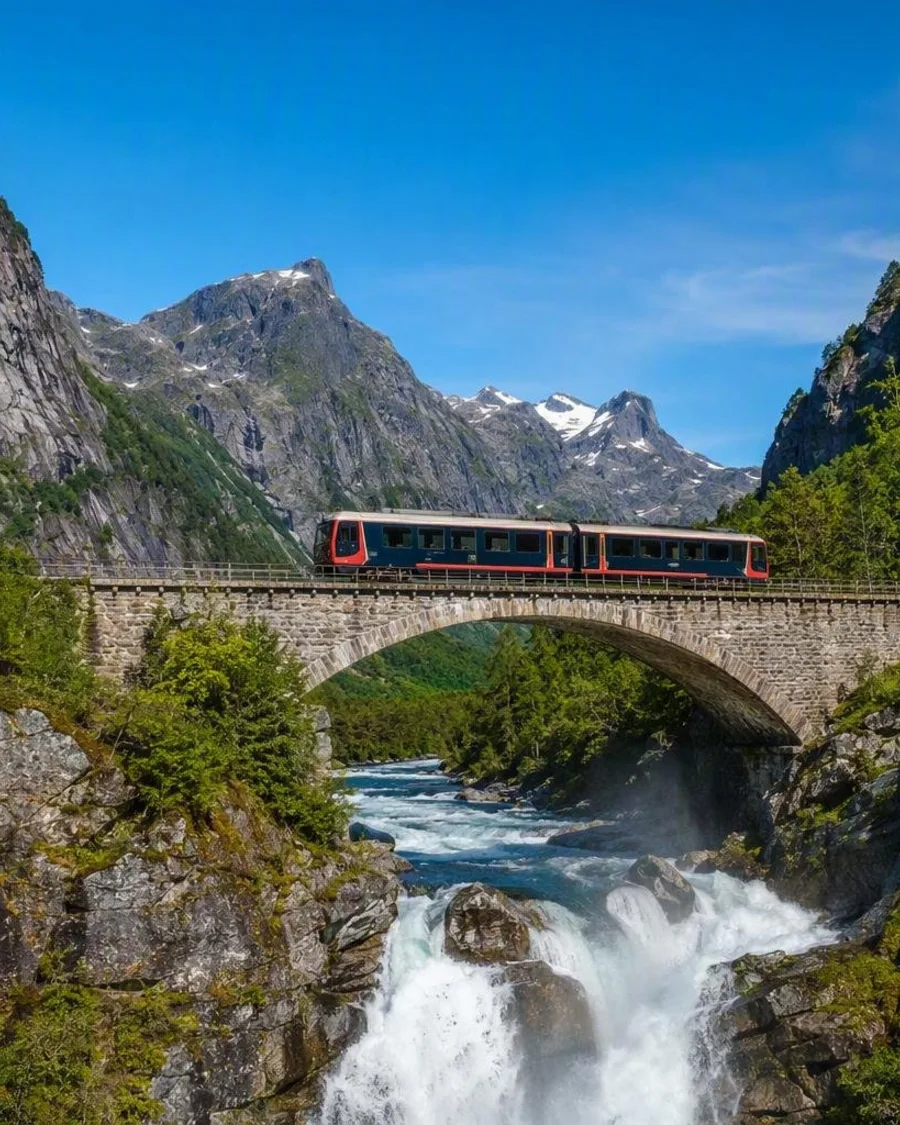
Seven European train routes where the railway is the destination
Above Vermafossen, a regular train crosses the stone Kylling Bridge before dropping between the rock walls of Romsdal. These seven lines put landscape, railway construction and ordinary public transport in the same frame.
Routes from our editors
Travel through Douro
Editorial routes connecting Douro with other countries, cities and hotspots.
No routes through Douro have been published yet.
More in Portugal
Related hotspots
Other cities, nature areas and places within Portugal.
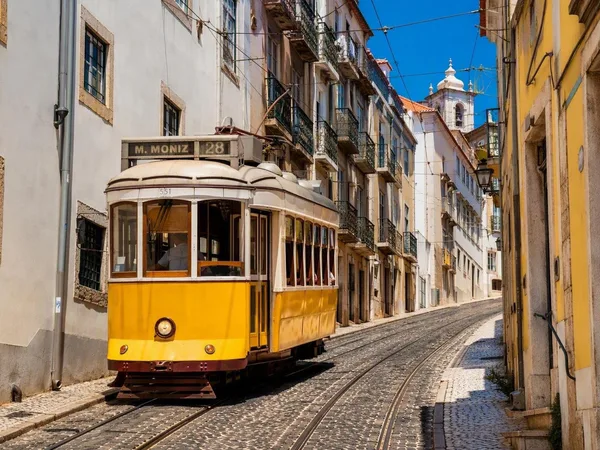
Lisbon
3 linked stories and routes
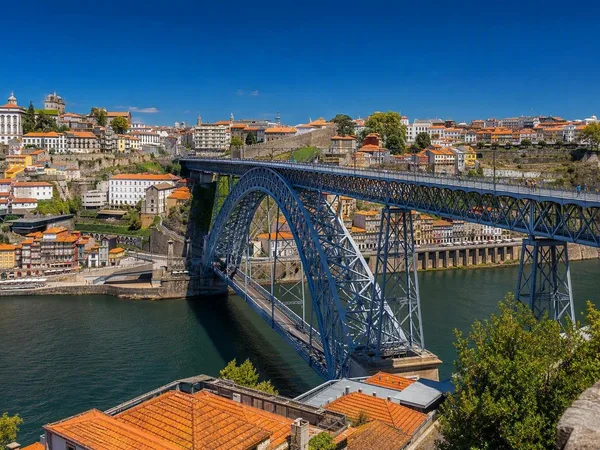
Porto
2 linked stories and routes
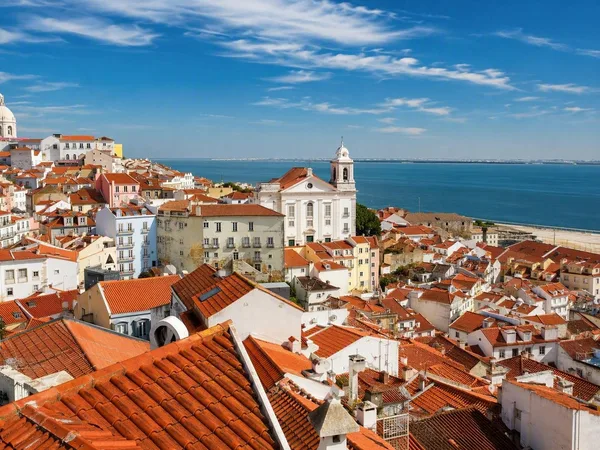
Alfama
1 linked stories and routes
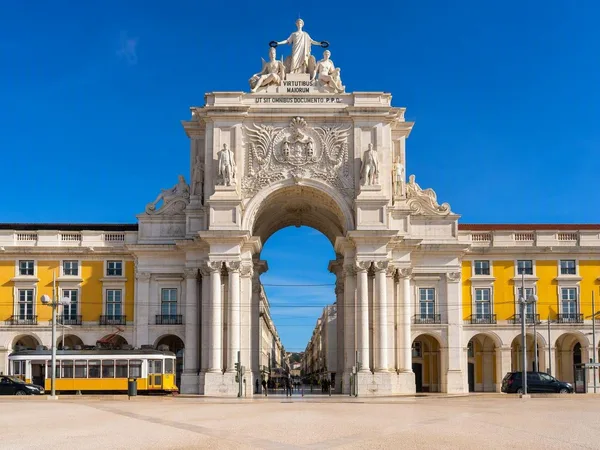
Baixa
1 linked stories and routes
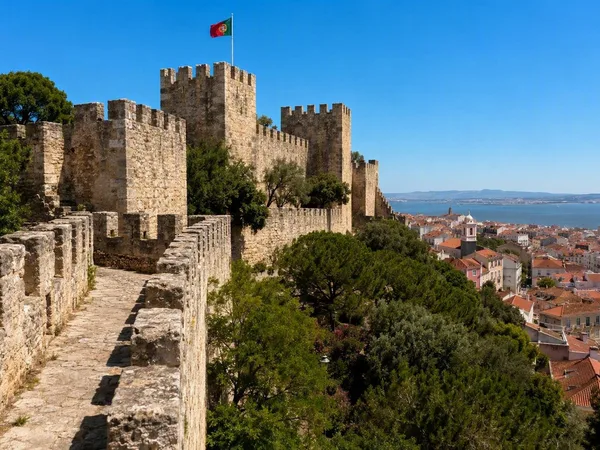
Castelo de São Jorge
1 linked stories and routes
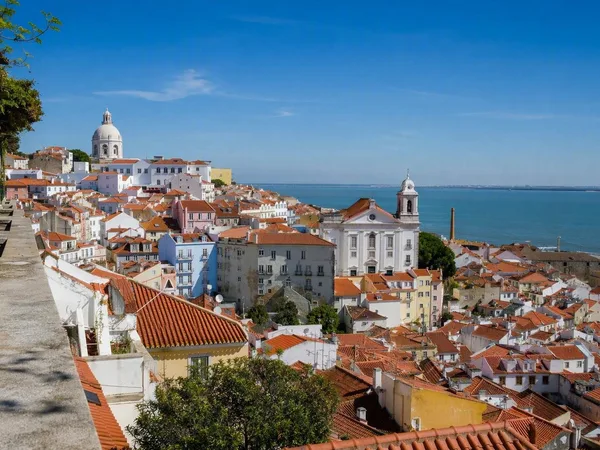
Miradouro das Portas do Sol
1 linked stories and routes
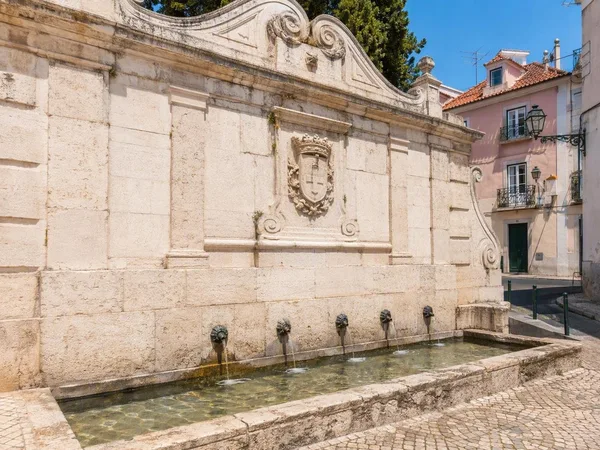
Largo do Chafariz de Dentro
1 linked stories and routes
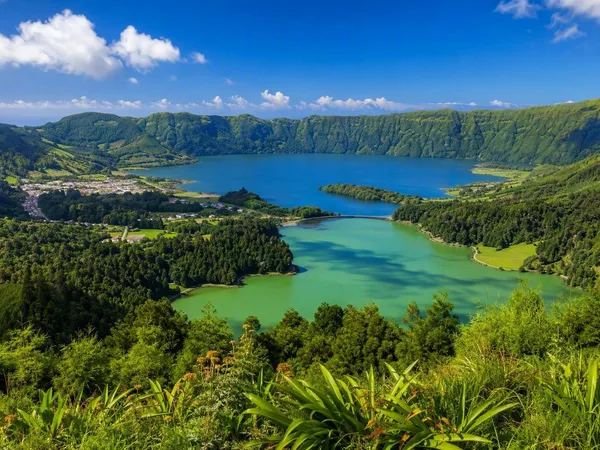
Azores
1 linked stories and routes
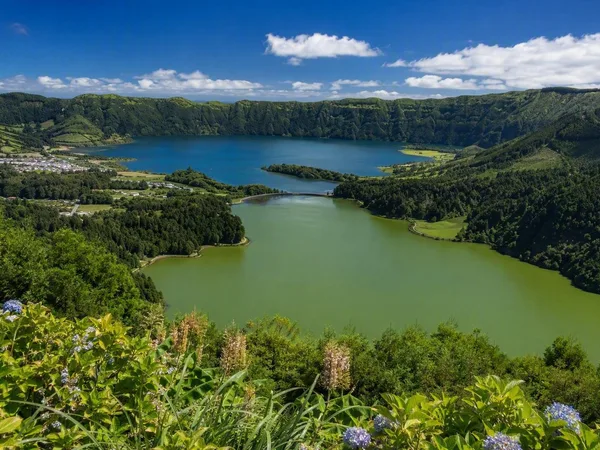
São Miguel
1 linked stories and routes
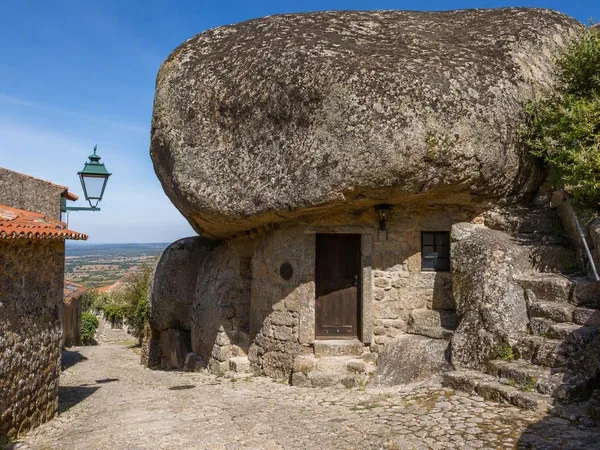
Monsanto
1 linked stories and routes
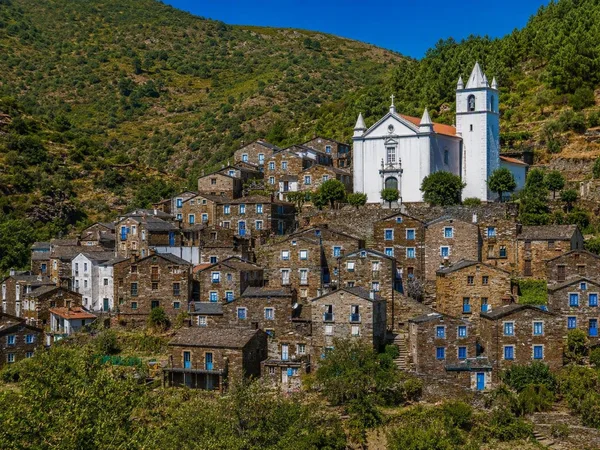
Piódão
1 linked stories and routes
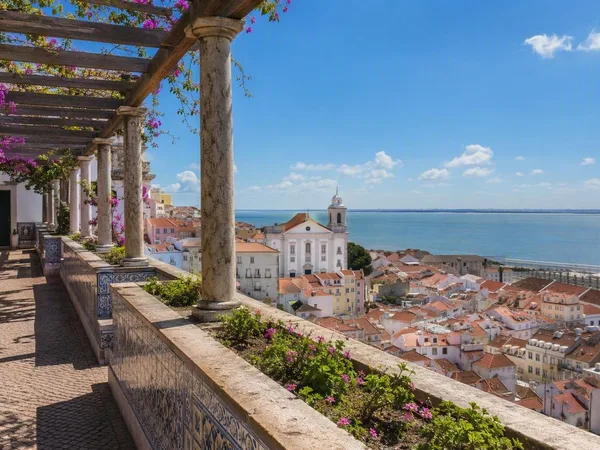
Santa Luzia
0 linked stories and routes