
Village · Portugal
Monsanto
Monsanto is a historic granite village in the municipality of Idanha-a-Nova, in eastern-central Portugal. Its houses, lanes and hilltop castle are fitted around massive boulders above the Beira Interior plains.
The village and its rock
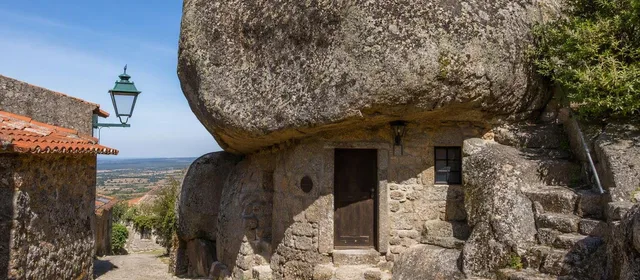
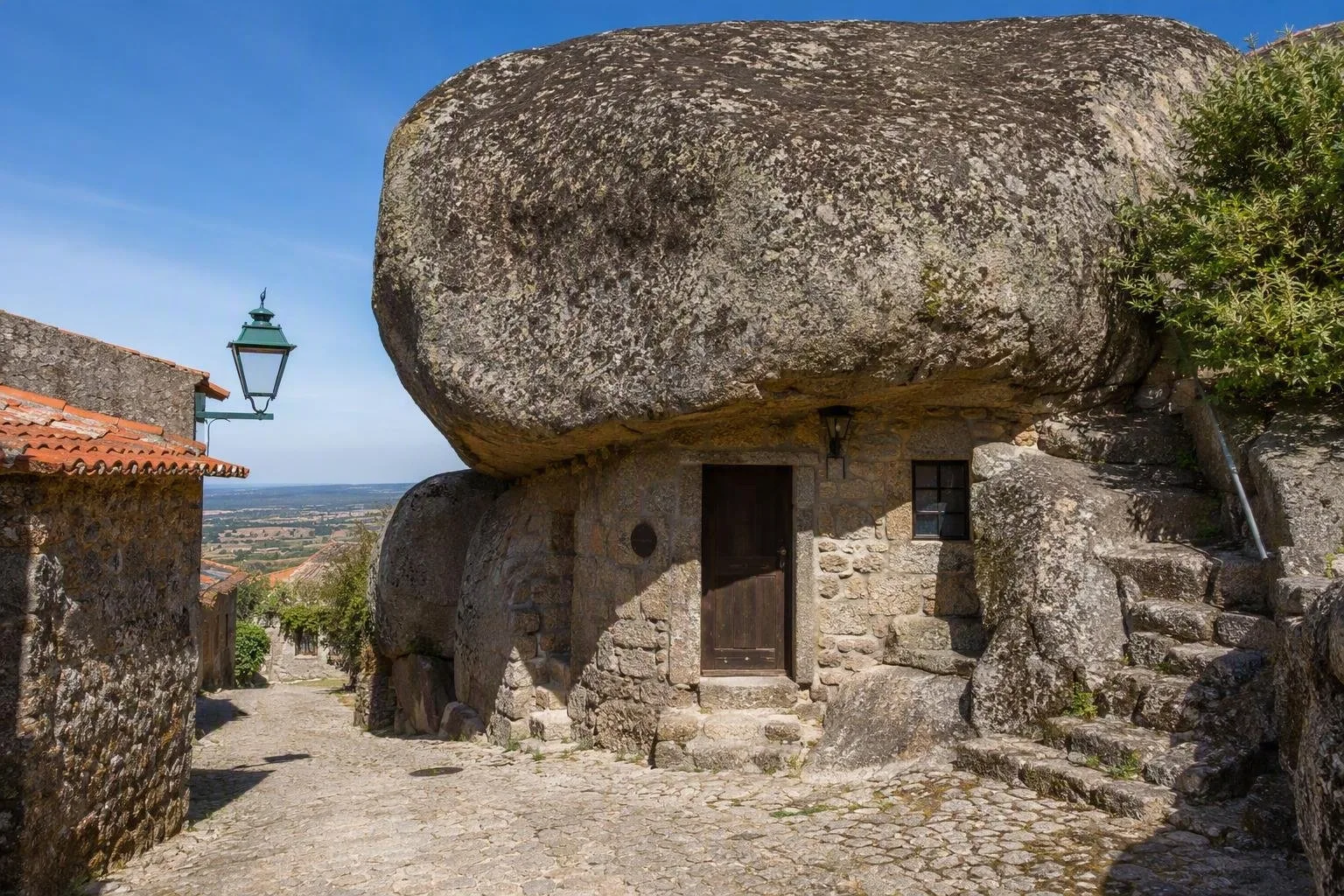
Monsanto occupies the slope and summit of a granite hill in the Castelo Branco district, close to Portugal’s eastern border. Its defining feature is structural rather than decorative: huge rounded boulders dictate the line of streets and the shape of houses. Look for rocks used as exterior walls, foundations and, in some cases, roofs.
The historic core is compact but steep. Granite paving, steps, narrow passages and uneven thresholds are part of the route. Wear shoes with grip; this is not a place for rushing or for wheeled luggage.
Walk uphill through the old centre
Start at the lower edge of the village and work upward on foot. There is no single prescribed circuit, but the logic is simple: follow the climbing lanes, pause at the openings between buildings, then continue towards the castle.
Pay attention to the building details as much as the large rocks. Small houses press against stones that can be larger than the structures themselves; doorways, tiled roofs and retaining walls make the settlement’s adaptation to the terrain clear.
Useful landmarks include:
- Torre de Lucano, the clock tower topped by a replica of the Silver Rooster.
- Castelo de Monsanto, the summit fortification.
- The old lanes below the castle, where boulders are most closely woven into domestic architecture.
Castle and high ground
The Castle of Monsanto stands on the granite crown above the village and is protected as a National Monument. Its irregular layout follows the terrain rather than imposing a geometric plan on it. The present fortification developed from the 12th century and was altered in later centuries.
Inside and around the enclosure, find walls, stairs, the cistern, the keep known as the Atalaia or Pião Tower, and the remains of the chapel of Nossa Senhora do Castelo. The height explains the site’s defensive value: the castle looks over Monsanto and the broad plains below.
Allow time for the ascent. The final approach is exposed, rocky and substantially steeper than the village lanes.
What the Silver Rooster means
Monsanto received the title “Most Portuguese Village in Portugal” in 1938. The Silver Rooster trophy associated with that distinction is represented by the replica on Torre de Lucano. It is a useful reference point, but the reason to visit is physical: the village remains an unusually direct meeting of geology, vernacular building and a fortified hilltop.
Getting there and timing
A car is the most practical way to reach Monsanto and to explore this rural part of the Idanha-a-Nova municipality. Once at the village, leave the car and walk; the historic streets are narrow and the upper section is best experienced on foot.
Go early or later in the day for quieter lanes and clearer light on the granite. In early May, the Festa da Divina Santa Cruz brings processions, music and the traditional pot-throwing ritual at the castle; expect the small centre to be much busier then.
From the magazine
Stories about Monsanto
Editorial stories linked directly to Monsanto.
Routes from our editors
Travel through Monsanto
Editorial routes connecting Monsanto with other countries, cities and hotspots.
No routes through Monsanto have been published yet.
More in Portugal
Related hotspots
Other cities, nature areas and places within Portugal.

Lisbon
3 linked stories and routes
Douro
3 linked stories and routes
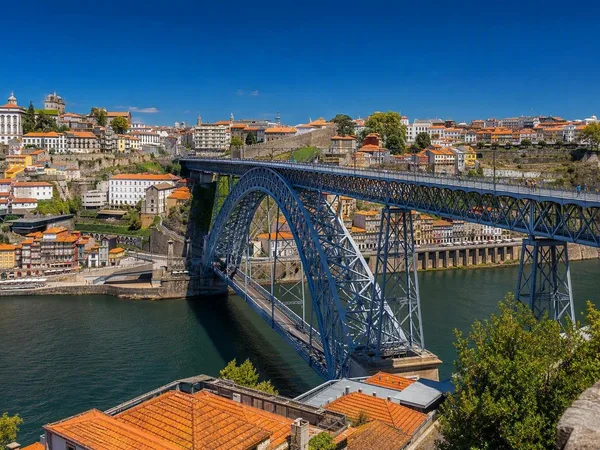
Porto
2 linked stories and routes
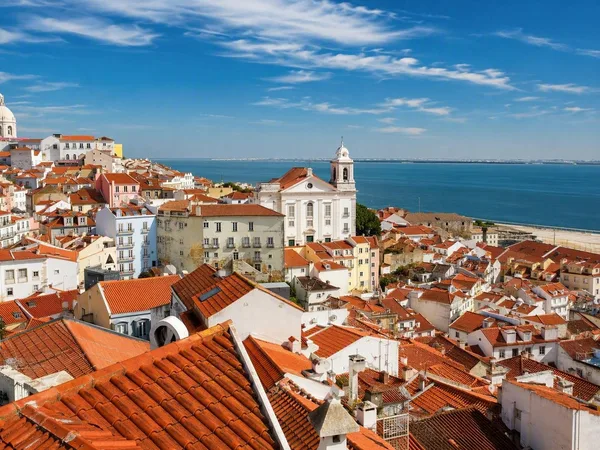
Alfama
1 linked stories and routes
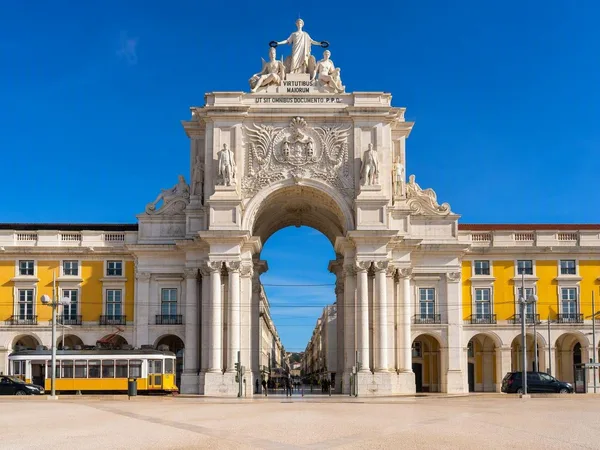
Baixa
1 linked stories and routes
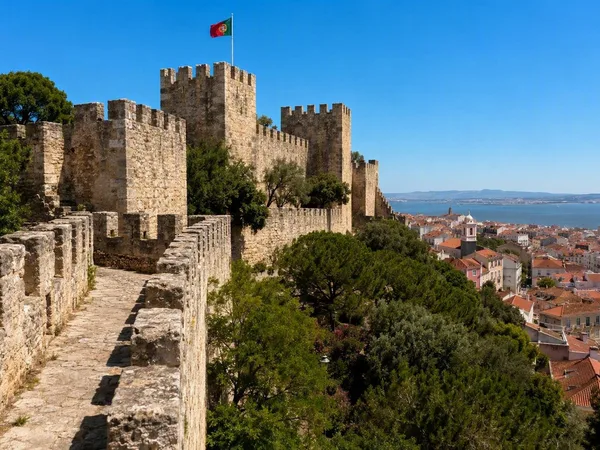
Castelo de São Jorge
1 linked stories and routes
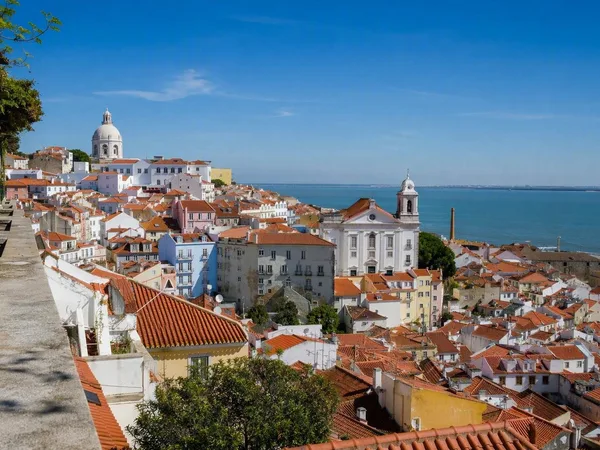
Miradouro das Portas do Sol
1 linked stories and routes
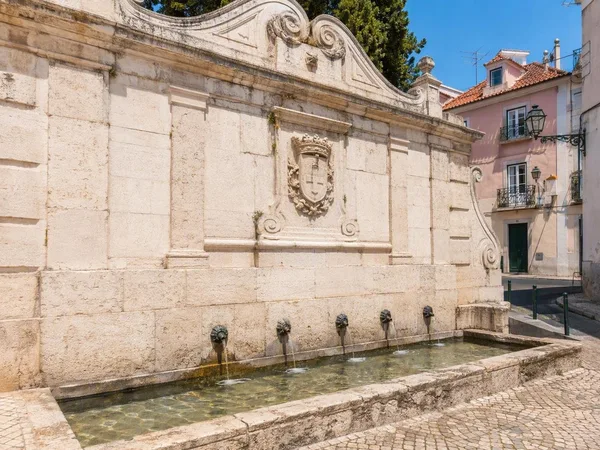
Largo do Chafariz de Dentro
1 linked stories and routes
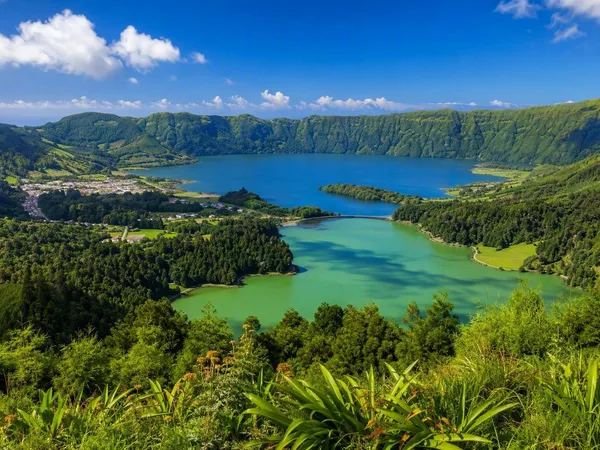
Azores
1 linked stories and routes
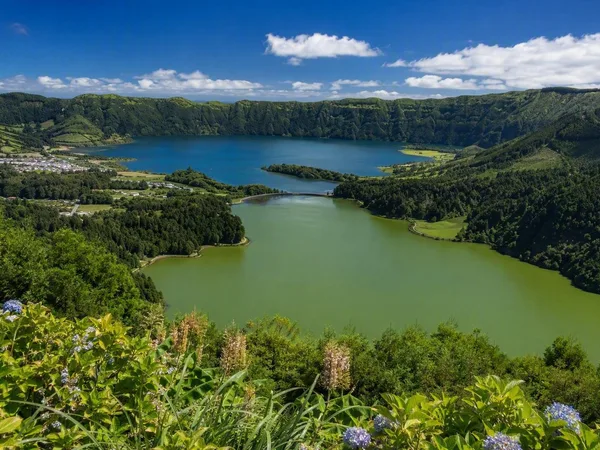
São Miguel
1 linked stories and routes
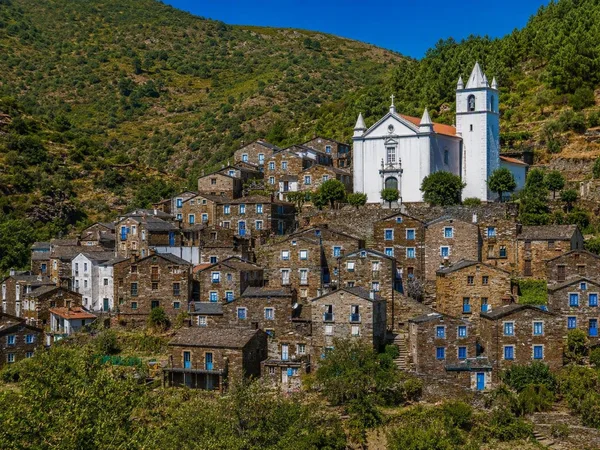
Piódão
1 linked stories and routes
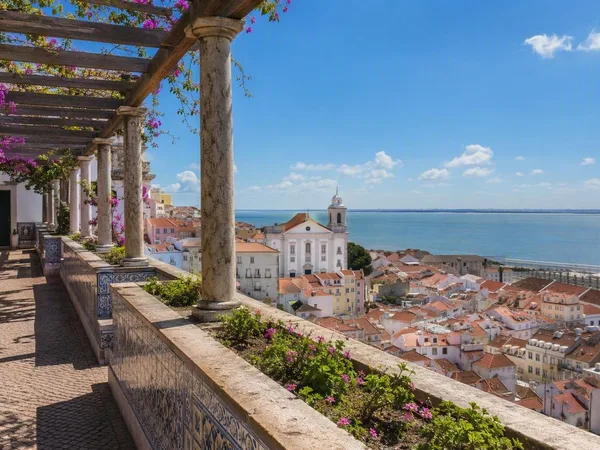
Santa Luzia
0 linked stories and routes