
Region · Portugal
Azores
The Azores are Portugal’s autonomous nine-island volcanic region in the North Atlantic. Crater lakes, geothermal ground, black-lava vineyards and Atlantic ports make each island a distinct stop rather than a repeat of the last.
Read the archipelago
The Azores span three island groups: São Miguel and Santa Maria in the east; Terceira, Graciosa, São Jorge, Pico and Faial in the centre; Flores and Corvo in the west. These are volcanic islands on the meeting zone of the North American, Eurasian and African plates, so calderas, cones, lava fields and thermal water are the basic geography.
Treat the islands as separate destinations. São Miguel combines the largest range of services with crater lakes and Furnas’s geothermal landscape. Terceira pairs the historic streets of Angra do Heroísmo with volcanic sites. Pico is defined by its mountain and vineyard coast; Faial by Horta, its caldeira and Capelinhos. São Jorge, Flores and Corvo reward time outdoors and a tolerance for remoteness.
The essential landscapes
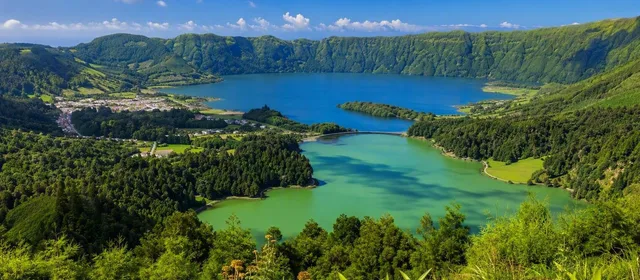
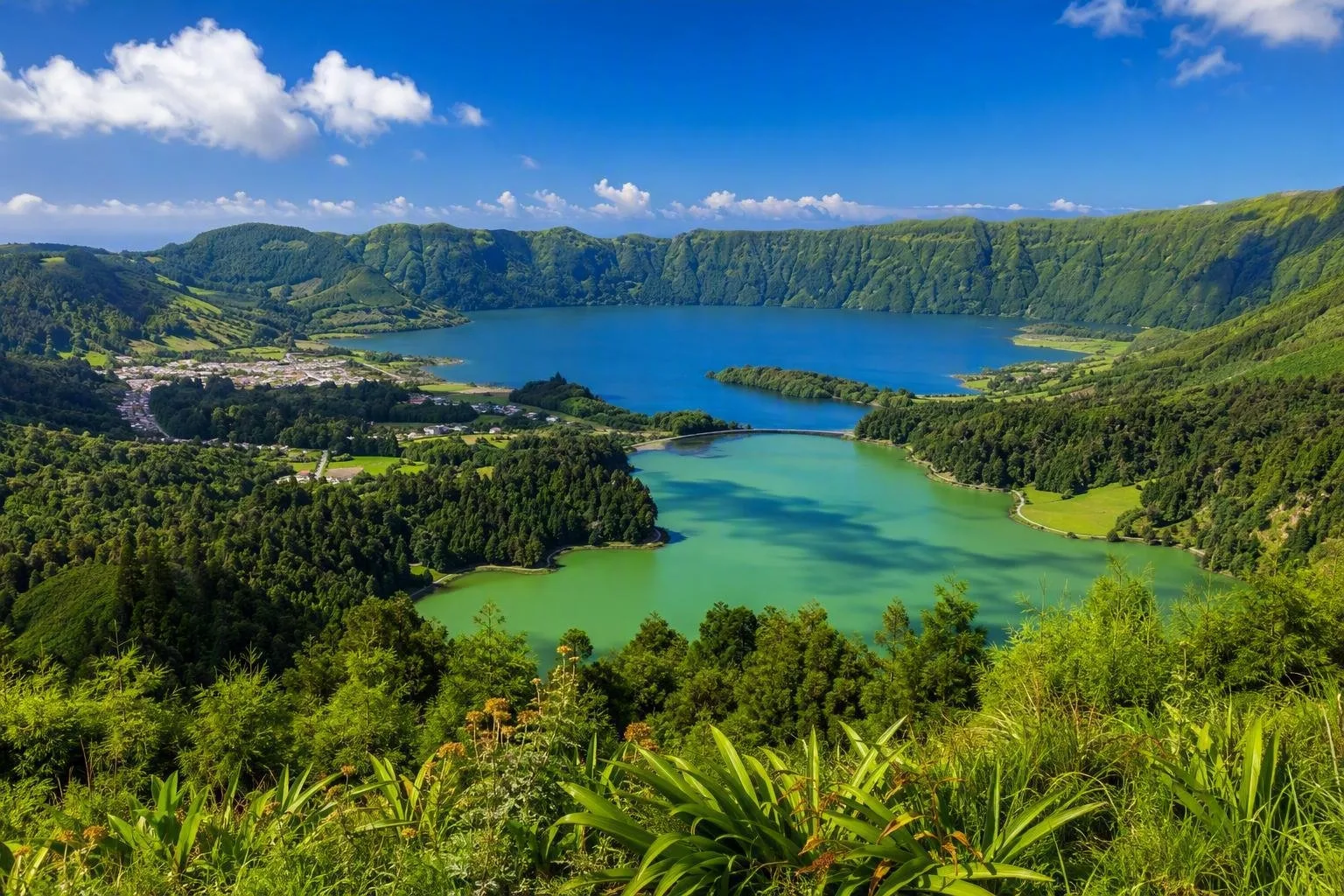
On São Miguel, start with Sete Cidades: two lakes fill a large volcanic caldera. Furnas adds fumaroles and cooking pits where cozido das Furnas is slow-cooked by geothermal heat. Lagoa do Fogo is another major crater-lake landscape.
Pico provides the archipelago’s biggest vertical scale. Mount Pico rises to 2,351 metres, Portugal’s highest point. Along Pico’s rocky coast, black basalt walls divide thousands of small vine plots, known as currais. They shelter vines from wind and salt spray; the vineyard landscape is World Heritage-listed.
For a sharper lesson in recent volcanism, go west across Faial to Capelinhos. Its 1957–58 eruption created the ash-and-lava peninsula now attached to the island. On São Jorge, steep trails descend to fajãs—coastal platforms formed by lava flows or landslides.
Plan island time, not a checklist
A first visit of five to seven days works best on one island. With more time, pair islands with logical connections rather than attempting the whole chain. The central group is the most natural multi-island combination: Pico, Faial and São Jorge bring mountain, vineyard, harbour and cliff landscapes into one compact route.
Build in weather time. Atlantic conditions can change quickly, and cloud can erase a summit or caldera view. Keep a flexible half-day for high viewpoints, boat trips or mountain plans.
On land: a rental car gives the widest reach on the larger islands. Smaller islands reward slower driving, short walks and time in their principal town or village.
Moving between islands
International flights arrive at several islands, while São Miguel is the main gateway. Regional flights connect the archipelago year-round; boats also link islands, especially within the central group. Ferries are useful for short crossings but are not a substitute for flights across the full east–west spread.
Schedule transfers as part of the trip, not as empty travel days. Sea conditions and seasonal timetables matter, particularly on longer routes. Keep the final night before an onward international flight on the departure island when an inter-island connection is involved.
Food rooted in the ground
Order cozido in Furnas for the direct geothermal expression of the islands. On Pico, taste local wine after seeing the basalt-walled plots that protect its vines. São Jorge cheese, fresh fish and limpets are other useful anchors for a meal. The point is not a greatest-hits menu: match the food to the island beneath your feet.
From the magazine
Stories about Azores
Editorial stories linked directly to Azores.
Routes from our editors
Travel through Azores
Editorial routes connecting Azores with other countries, cities and hotspots.
No routes through Azores have been published yet.
More in Portugal
Related hotspots
Other cities, nature areas and places within Portugal.
Lisbon
3 linked stories and routes
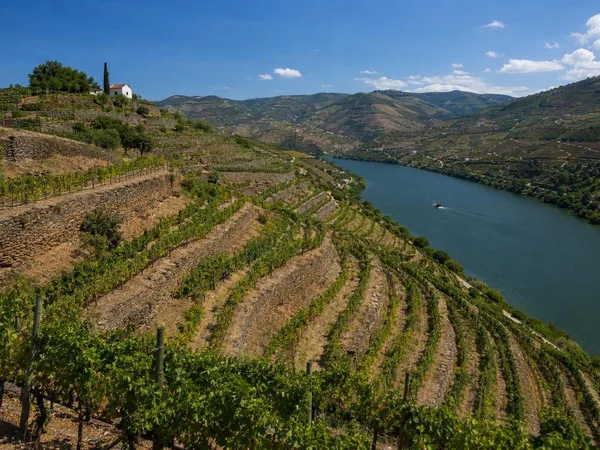
Douro
3 linked stories and routes
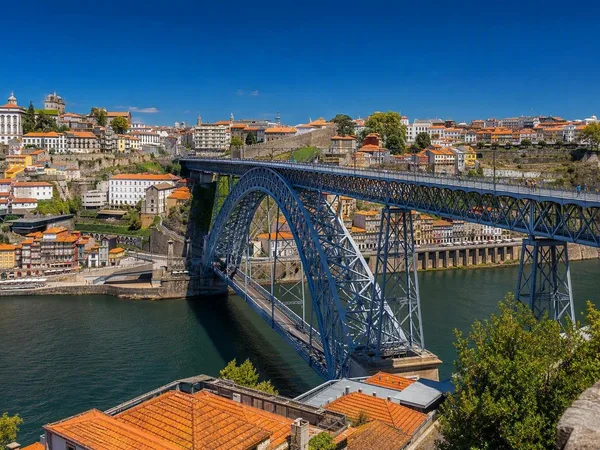
Porto
2 linked stories and routes
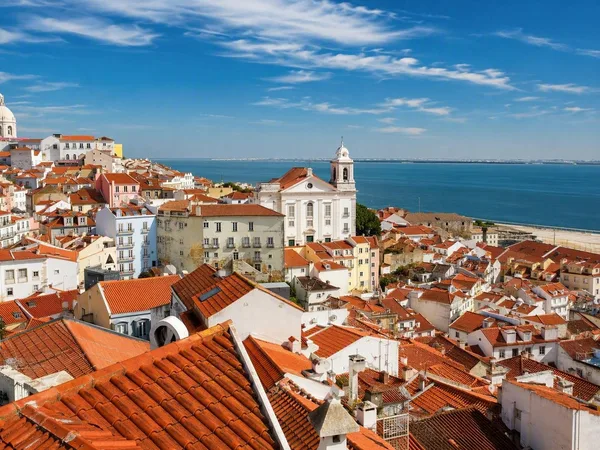
Alfama
1 linked stories and routes
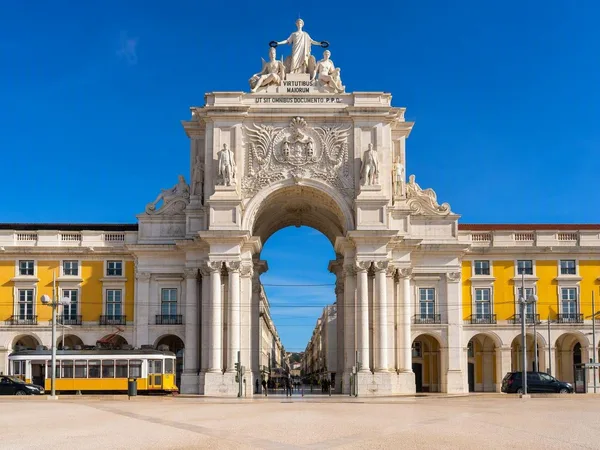
Baixa
1 linked stories and routes
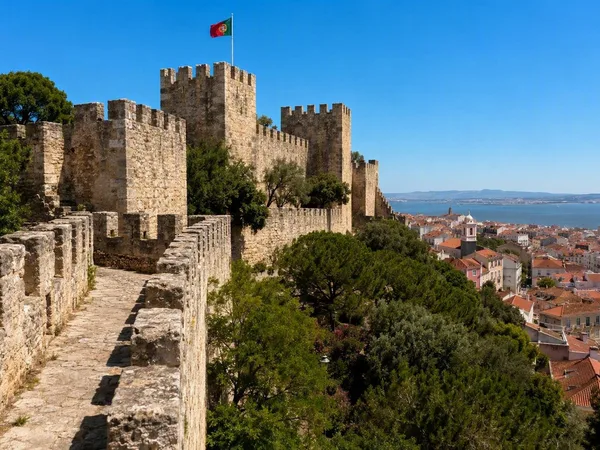
Castelo de São Jorge
1 linked stories and routes
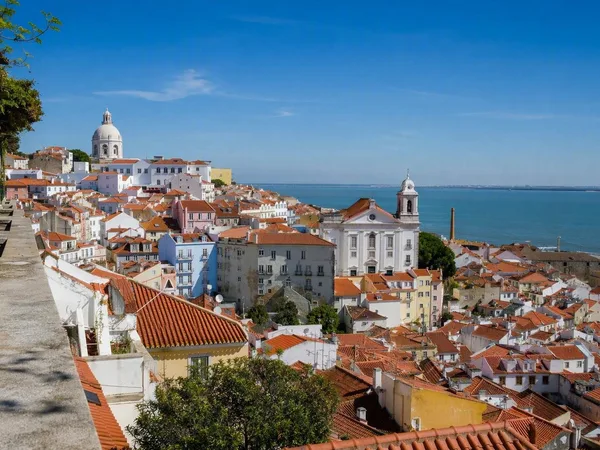
Miradouro das Portas do Sol
1 linked stories and routes
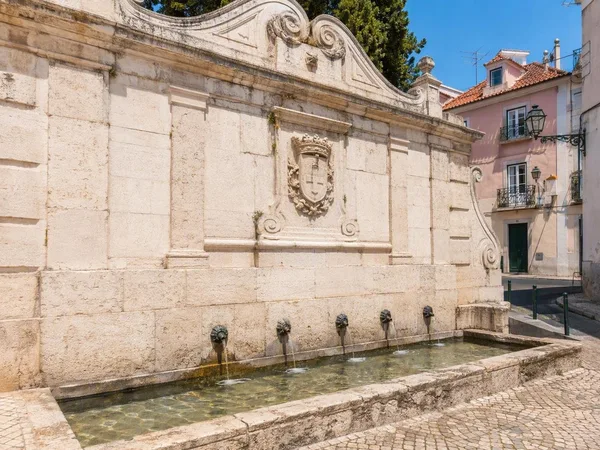
Largo do Chafariz de Dentro
1 linked stories and routes
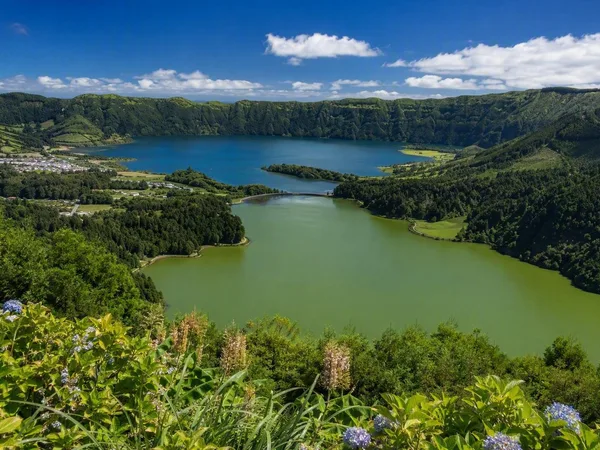
São Miguel
1 linked stories and routes
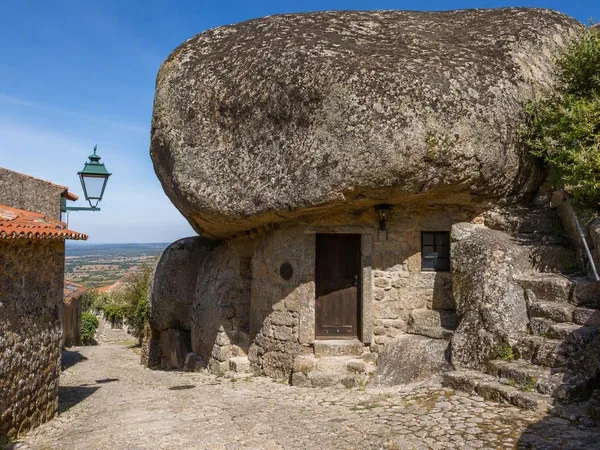
Monsanto
1 linked stories and routes
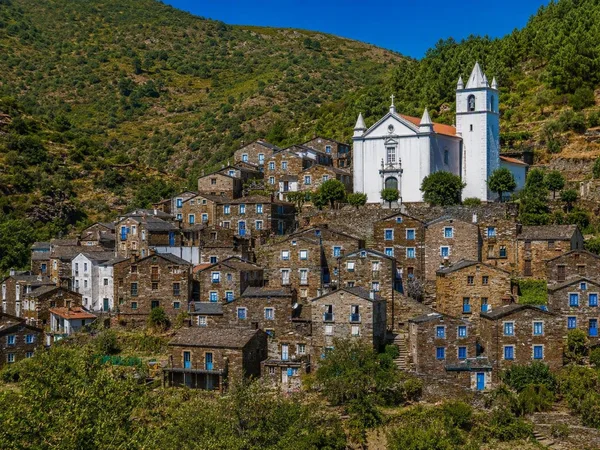
Piódão
1 linked stories and routes
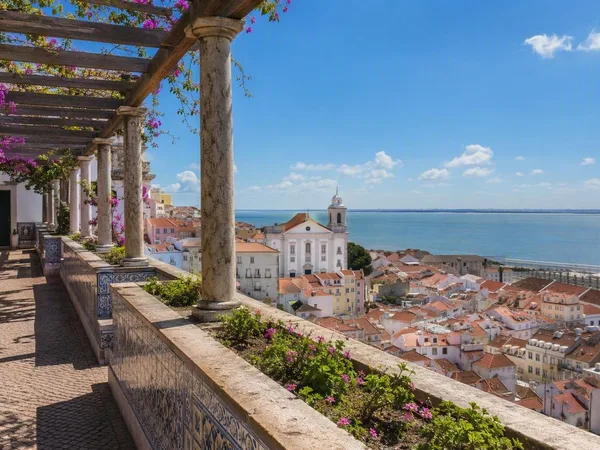
Santa Luzia
0 linked stories and routes