Portugal

Atlantic coast and vineyard valleys

Portugal

Portugal packs fishing ports, tiled cities, cork country and steep vineyard valleys into a relatively small stretch of the Iberian Peninsula.

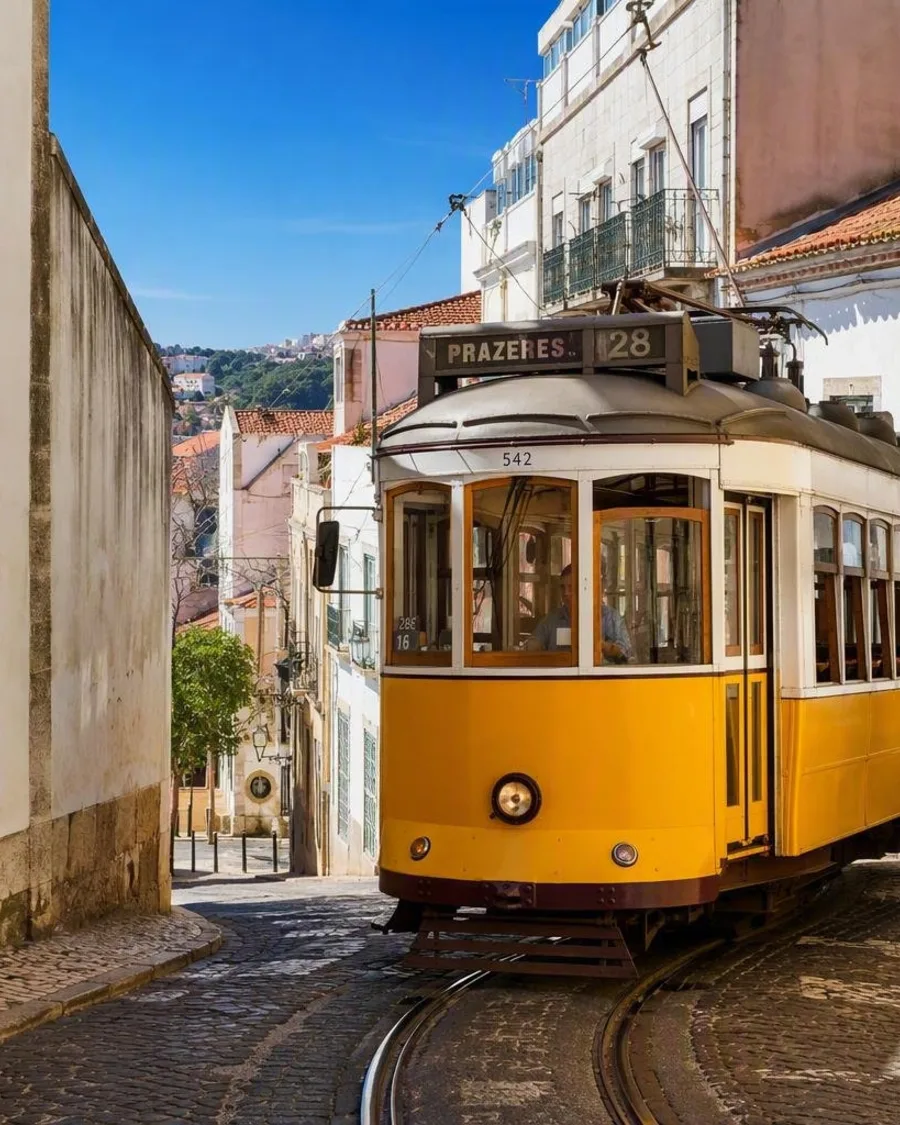
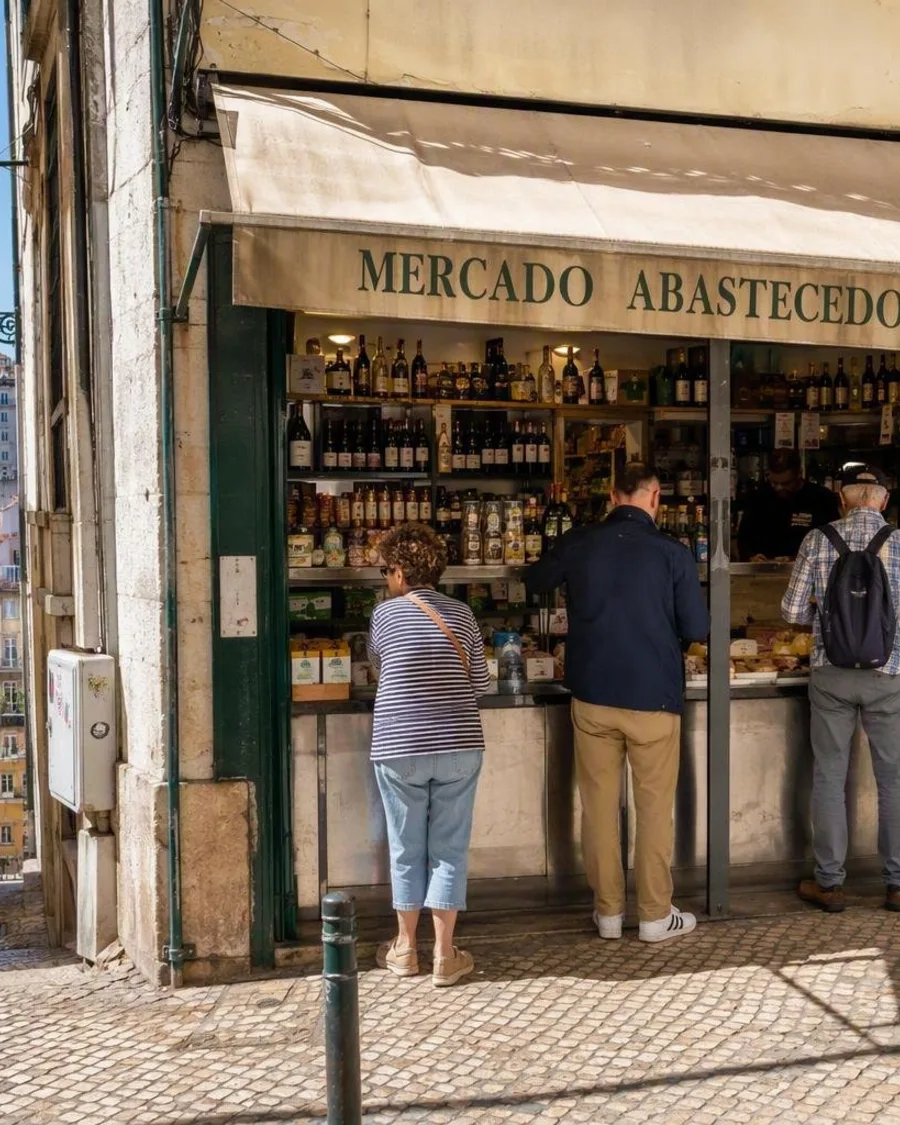
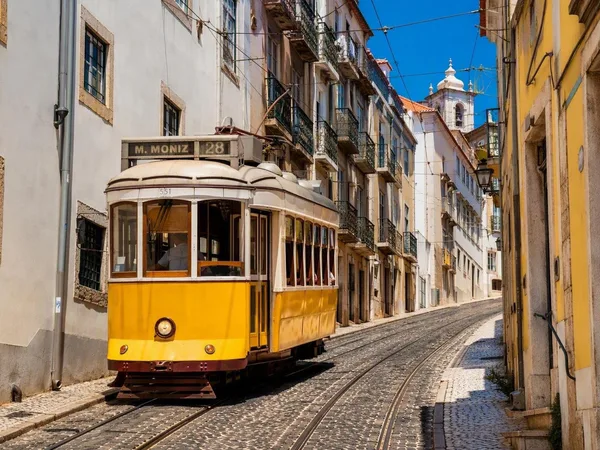
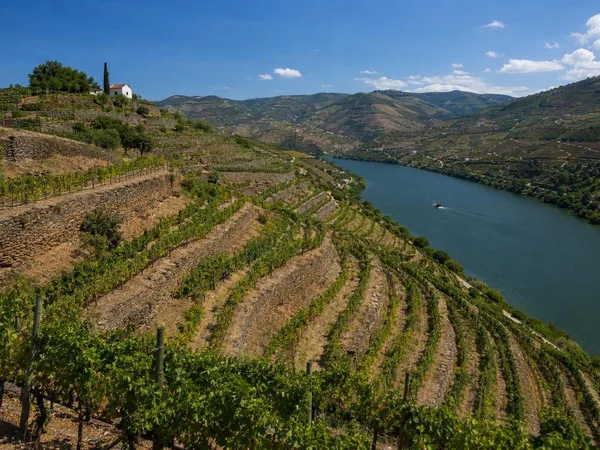
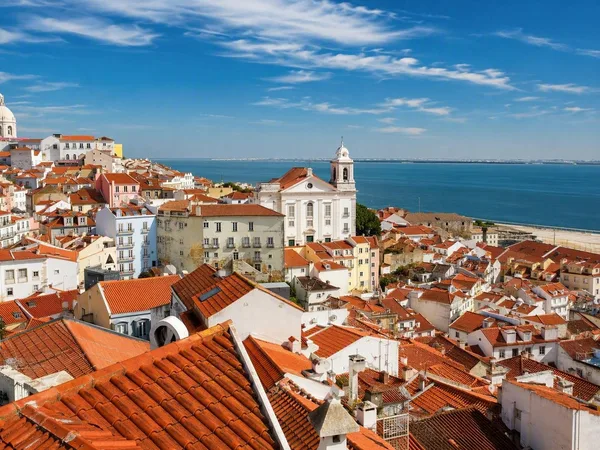
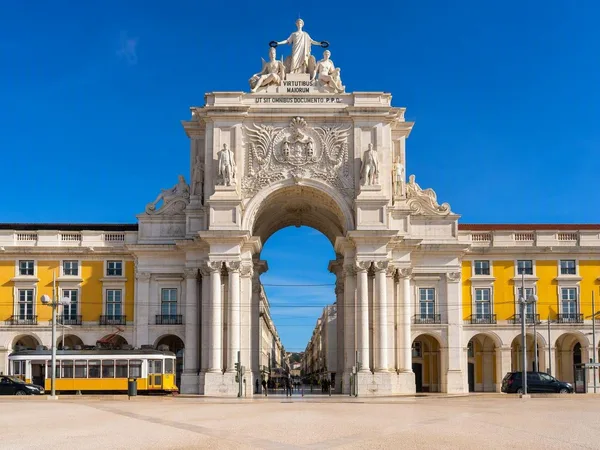
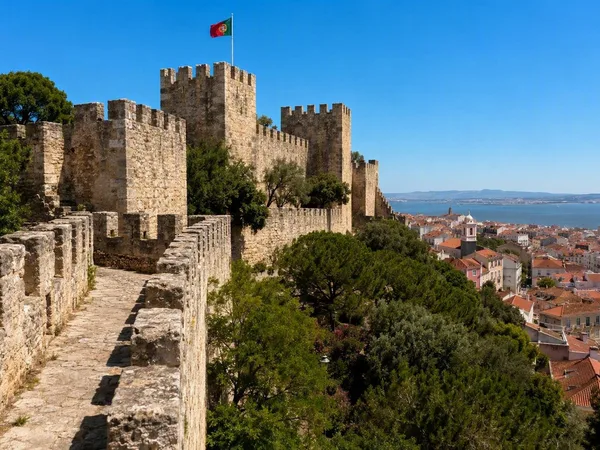
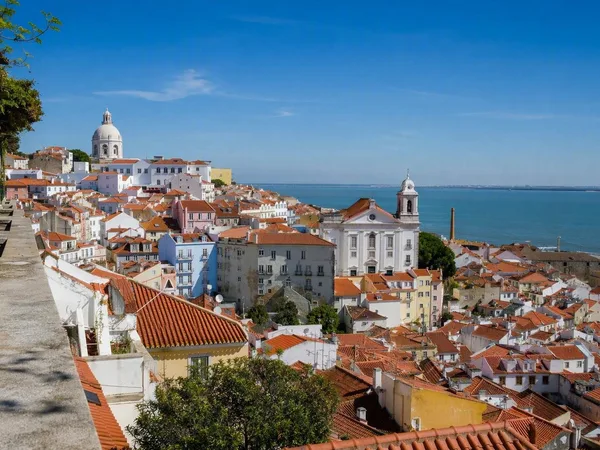
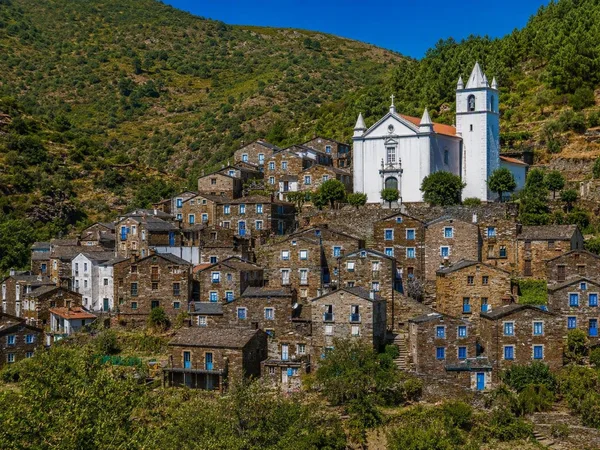
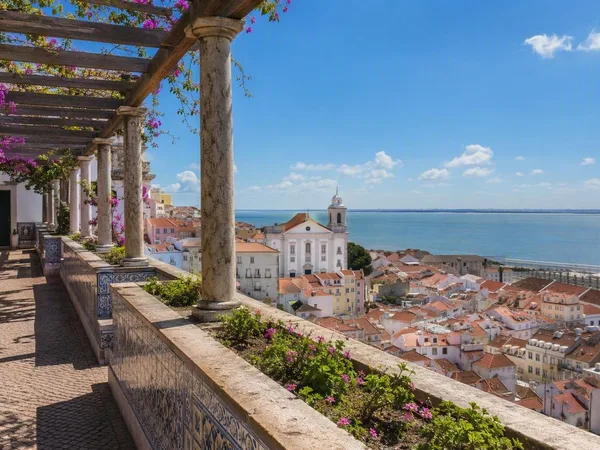
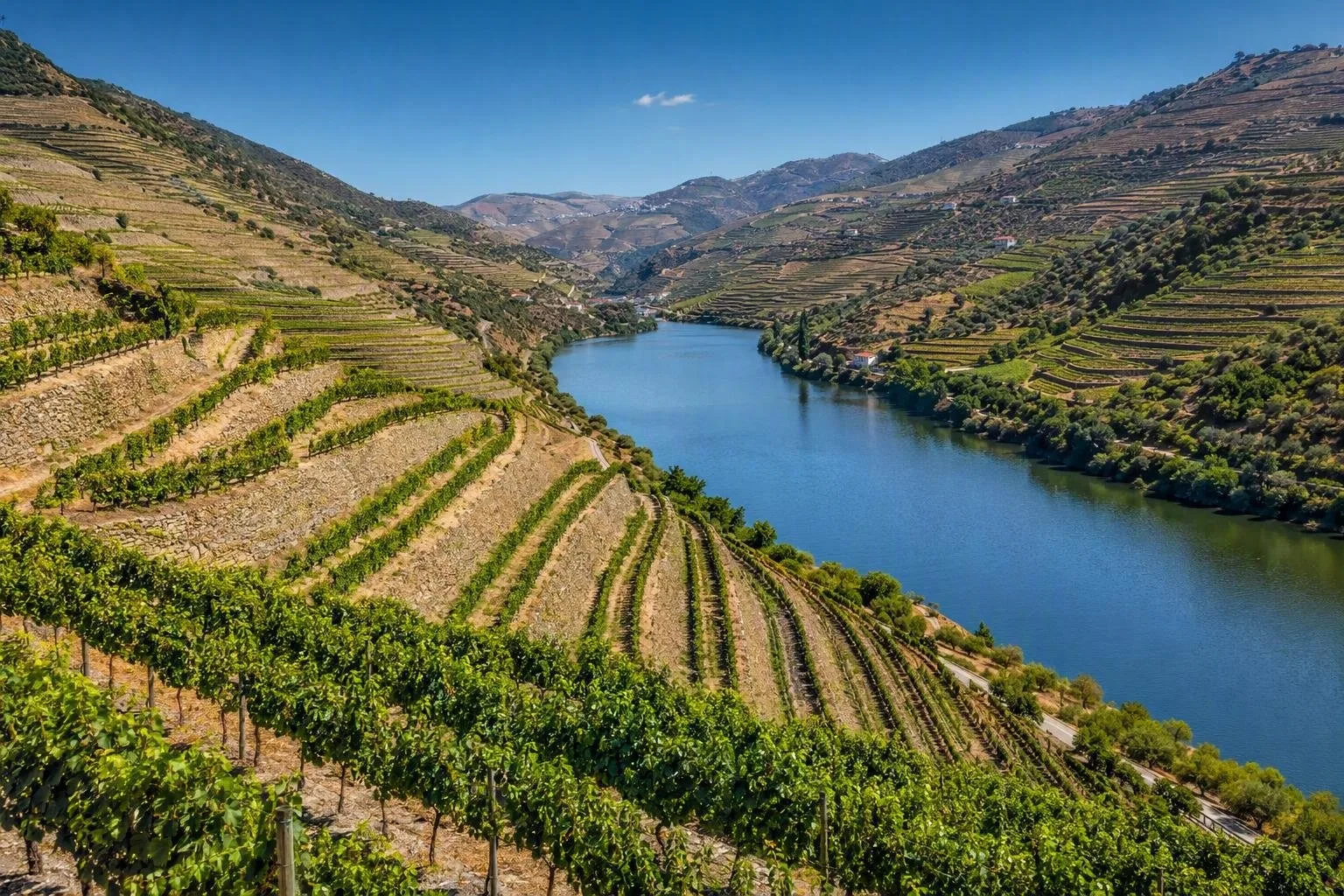
Look beyond Lisbon’s yellow trams and the Algarve’s beach towns, and Portugal quickly changes shape. In Lisbon, steep streets run down to the Tagus beneath tiled façades, while neighbourhood bakeries sell pastéis de nata and old shops display salted cod. A few hours north, granite houses and green hills replace the capital’s pale stone. The Douro runs through vineyard terraces, where growers still pick grapes by hand on slopes too steep for machinery.

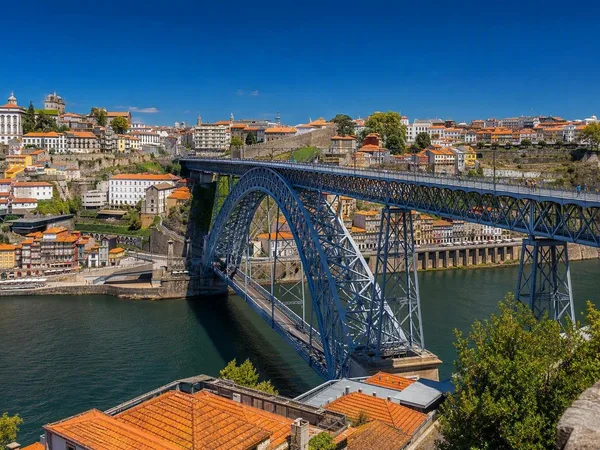
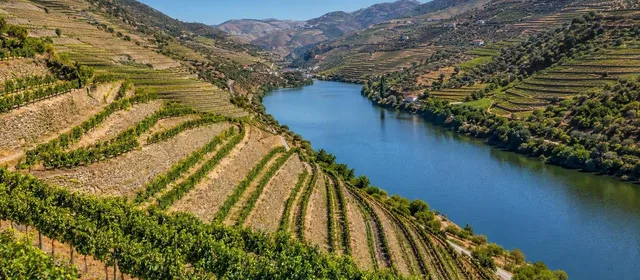
Porto has a tougher, river-facing character. Its narrow streets drop towards the Douro, and the port lodges of Vila Nova de Gaia stand across the water. East of the city, schist terraces follow the river through a dry, sharply cut landscape. In the Minho, rain feeds vines and kitchen gardens; farther south, the Alentejo opens into cork oak woodland, olive groves and wide fields. Évora brings Roman columns, medieval lanes and whitewashed houses into one compact centre.

Food follows the same local lines. Northern tables often serve caldo verde, roast meats and hearty bean dishes. Along the coast, cooks grill sardines, prepare octopus or make cataplana with seafood. Alentejo kitchens turn bread, garlic, herbs and pork into soups and slow-cooked dishes. Blue-and-white azulejos cover church walls, railway stations and house fronts, while municipal markets still sell fish, cheese and produce from nearby farms. Take time for both the cities and the smaller towns, where cafés, workshops and family-run restaurants keep daily life close to the street.

When to go

Best time to travel

The monthly values are indicative average maximum temperatures for Lisbon. Conditions vary meaningfully by region: the north is generally cooler and wetter, the interior has hotter summers and colder winters, and Madeira and the Azores have distinct Atlantic climates. The monthly values are indicative average maximum temperatures for Lisbon. Conditions vary meaningfully by region: the north is generally cooler and wetter, the interior has hotter summers and colder winters, and Madeira and the Azores have distinct Atlantic climates.

jan15°C feb16°C mar18°C apr20°C may22°C jun26°C jul28°C aug29°C sep27°C oct23°C nov18°C dec15°C

Weather in the capital

Practical Portugal

On every country page we show the current weather for the capital.

Lisbon
Morning10°Covercast
Afternoon13°Cdrizzle
Evening12°Cclear
today14°C / 9°Chigh and low

Current forecast by Open-Meteo

Getting around

CP trains link the main cities, while regional buses serve many smaller towns. Lisbon and Porto have metro, tram and bus networks. A car is useful for rural areas and smaller villages.

Paying in Portugal

Cards are widely accepted in cities and resorts, but small cafés, markets and village businesses may prefer cash. Multibanco ATMs are common.

Where to stay

Options include city hotels and hostels, pousadas, vineyard estates, rural quintas and licensed local apartments. Coastal rooms can fill quickly in summer and during major festivals.

Before you leave

Worth knowing

A practical starting point for your trip. Check current conditions and local information before you leave.

01

Official language

Portuguese is the official language. Mirandese also has official recognition in parts of northeastern Portugal.

02

Calling code

Portugal’s international calling code is +351.

03

Driving side

Traffic drives on the right, and drivers overtake on the left.

04

Tipping

Tipping is optional. Diners often leave 5–10% for good table service or round up small café and taxi bills.

05

Meal times

Lunch commonly runs from about 12:30 to 15:00. Dinner often starts between 19:30 and 21:00, with later meals common in busy areas.

06

Business hours

Many shops open around 09:00 or 10:00 and close by 19:00. Small businesses may close at lunch, while shopping centres usually stay open later.

07

Ticket validation

Validate reusable or paper tickets at station gates or platform readers where required. In Porto, validate an Andante ticket before each journey and after changing lines or vehicles.

08

Electronic road tolls

Some motorways use electronic tolling without payment booths. Check with the rental company how its vehicle records and charges tolls before you leave.

09

Mobile connectivity

4G coverage is widespread, and 5G serves many urban areas. Major operators sell prepaid SIMs and eSIMs.

10

Measurements

Portugal uses the metric system. Distances appear in kilometres, fuel in litres and temperatures in degrees Celsius.

11

Greetings and etiquette

Say bom dia or boa tarde when entering a small shop or café. Use senhor or senhora in formal situations until someone suggests a more casual form of address.

12

Tap water

Restaurants and cafés commonly serve bottled water, in still or sparkling varieties. Tap water is also widely available.

From the magazine

Stories about Portugal

Editorial stories connected to Portugal and the places in this country.

Europe’s 10 Most Atmospheric Small Places, Ranked
Article

Europe’s 10 Most Atmospheric Small Places, Ranked

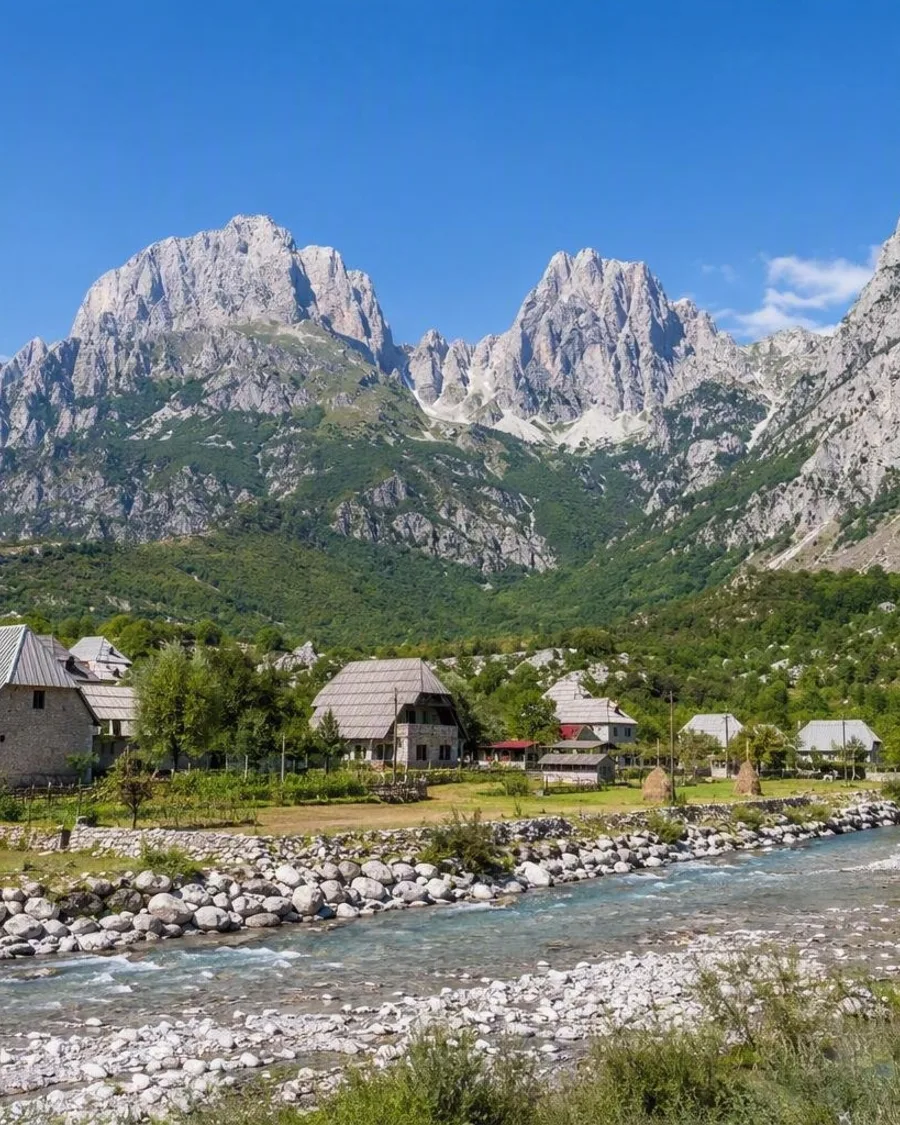
This is an editorial, deliberately subjective ranking. Rock, water and relief carry most weight, followed by the coherence of the buildings and the ordinary life still visible among them.

Ten places where local bread is still made by hand
Article

Ten places where local bread is still made by hand

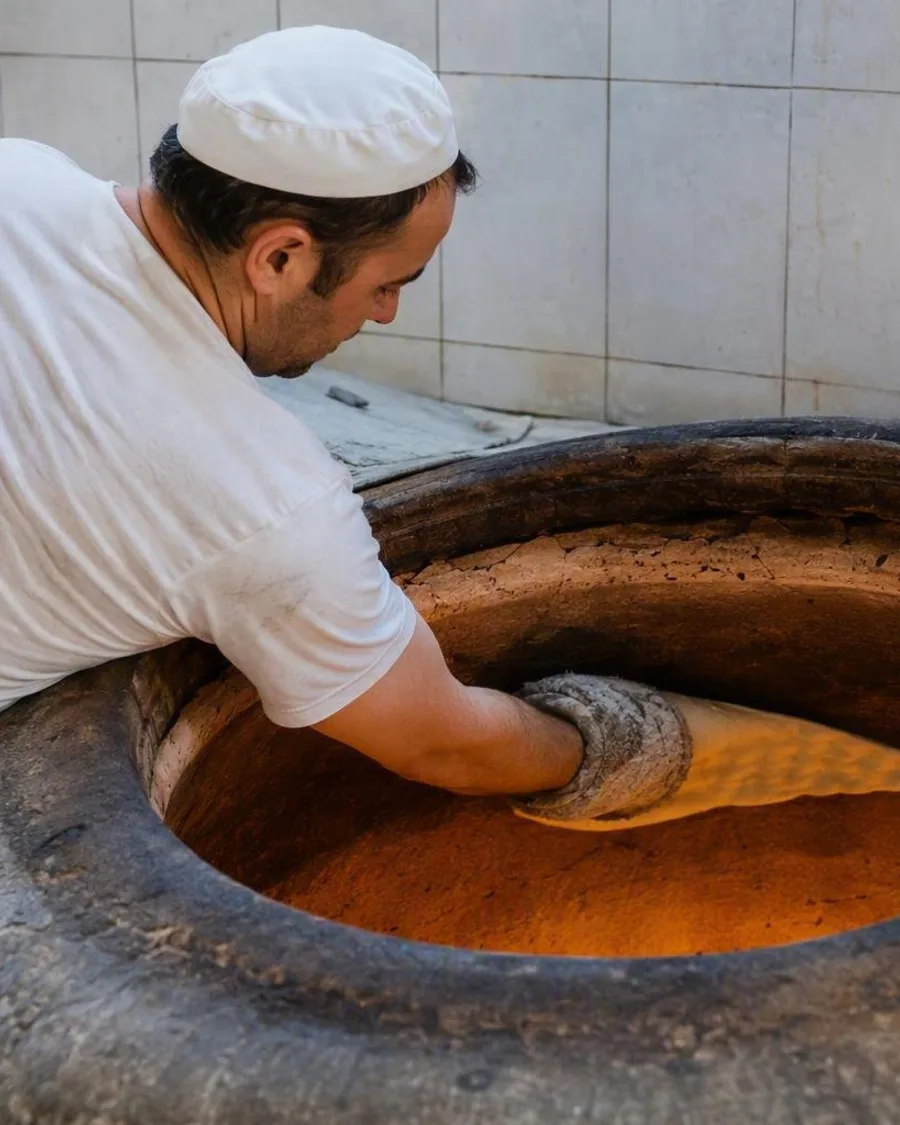
Bread shows the daily work behind a neighbourhood meal: a household’s marked dough at a Marrakesh communal oven, dark rye beside sourdough in Copenhagen, and bolillos from brick ovens in Mexico City. These ten working addresses and market settings sell local bread made through distinct local practices.

Eight European cities best read from a tram window
Article

Eight European cities best read from a tram window

A good tram route does more than join landmarks. It follows the grades, quays and street plans that shaped a city, then leaves enough time to see them from a seat by the window. These eight rides turn everyday public transport into a clear route through the urban grain.

Eight islands for taking the long way round
Article

Eight islands for taking the long way round

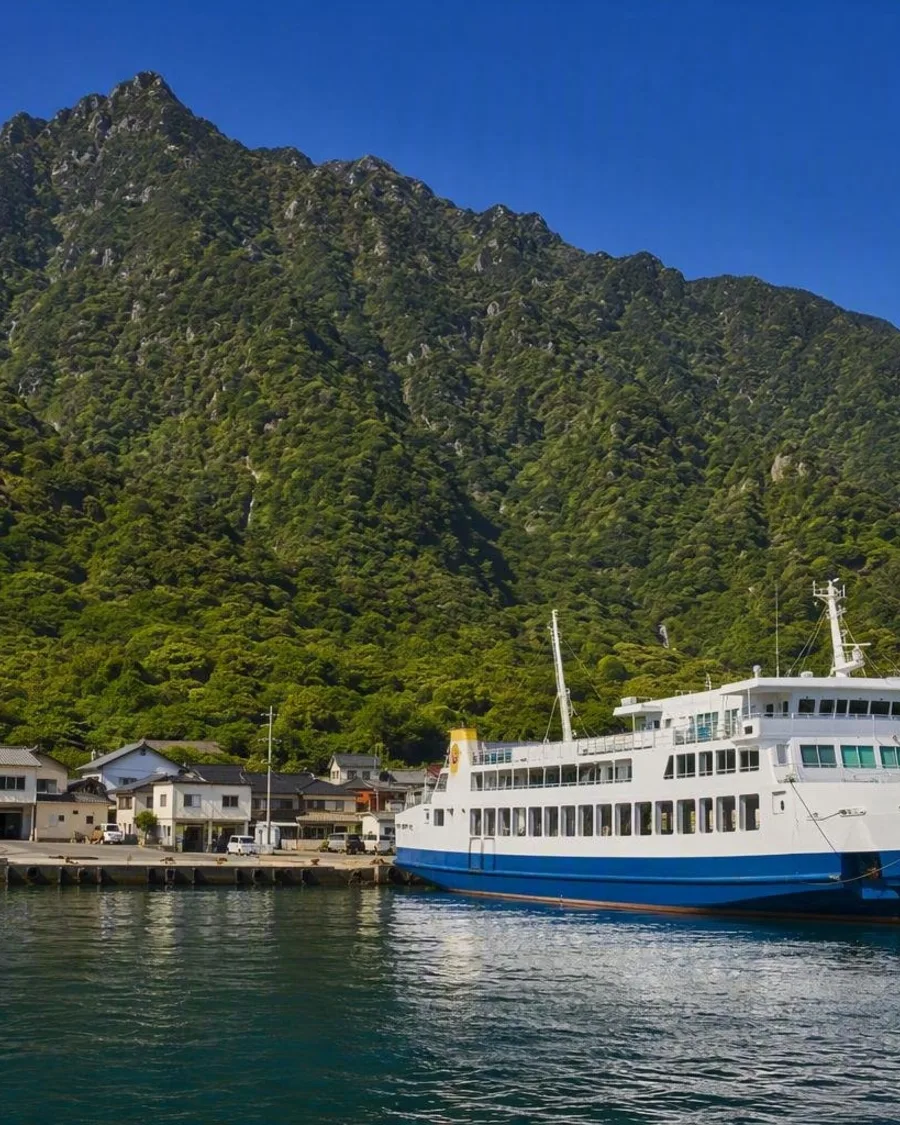
On Schiermonnikoog, low tide exposes the mudflats. On Yakushima, rain feeds cedar forest above the ferry ports. These eight islands suit travellers who would rather follow a path, a shore or a working harbour than race between sights.

Eight Journeys Where the Way There Is the Point
Article

Eight Journeys Where the Way There Is the Point

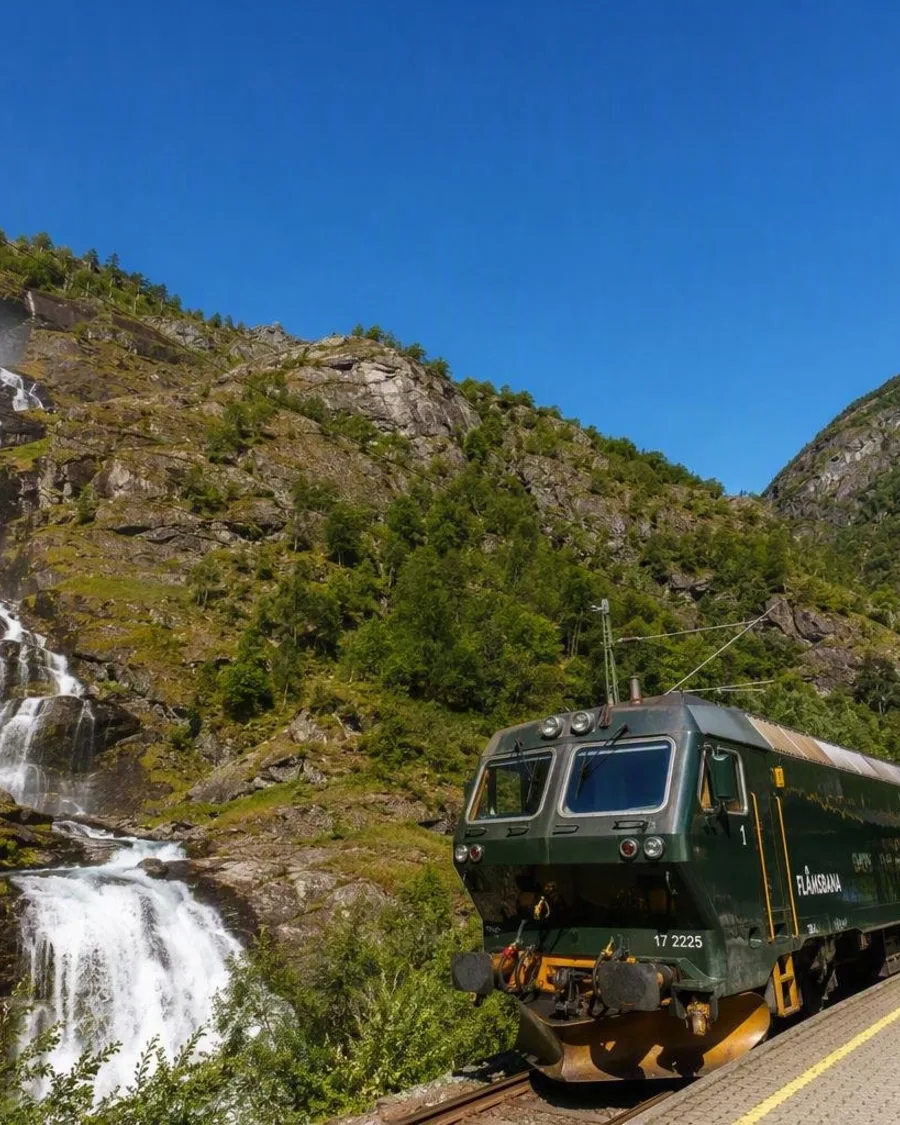
At Myrdal, the Flåm Railway leaves Norway’s main line and begins an 866-metre descent towards the fjord. Tunnels, ledges and tight curves make the movement downhill more compelling than the arrival.

Eight cultivated landscapes, from Douro vines to Kericho tea
Article

Eight cultivated landscapes, from Douro vines to Kericho tea

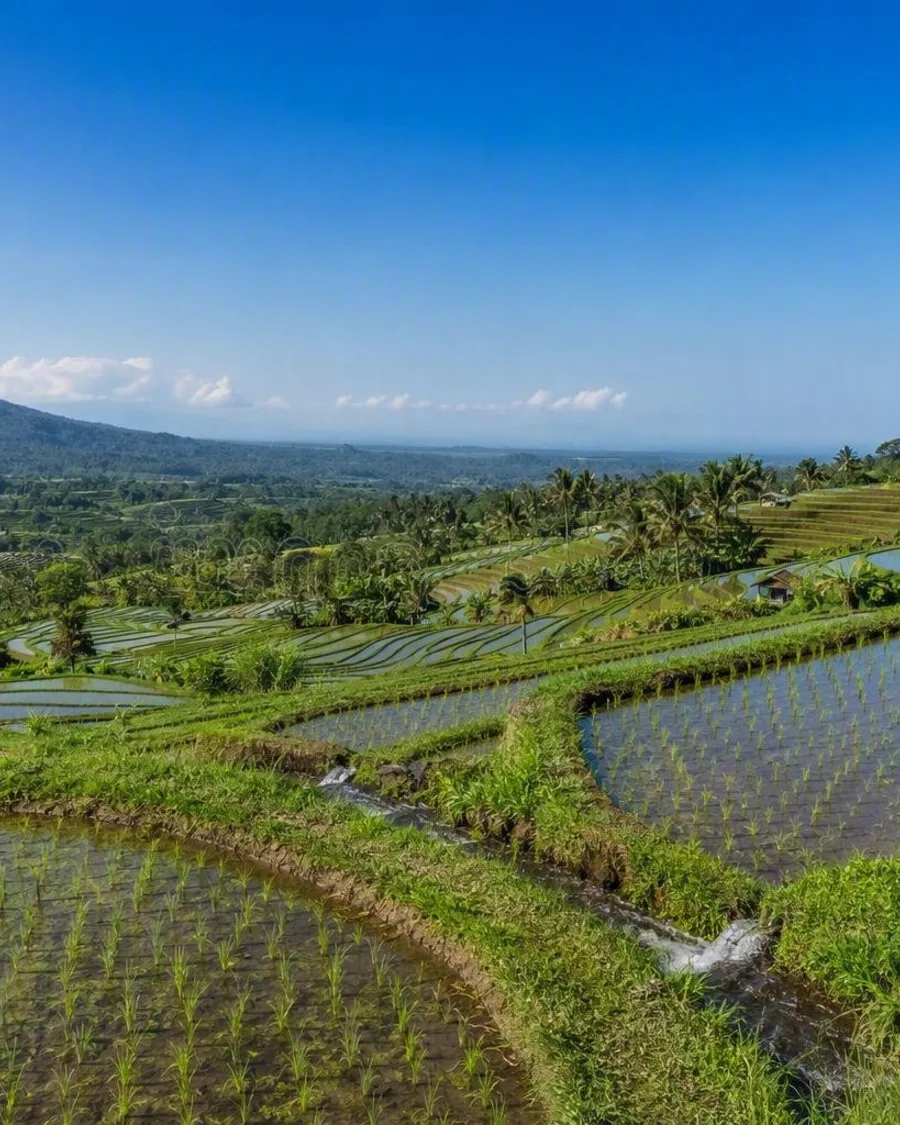
A dry-stone wall in Portugal holds vines to a schist slope. On Bali, water runs from mountain channels through temples and down a chain of rice fields. Below the Andes, old irrigation ditches carry meltwater to Malbec vines. These eight regions show farming not as a backdrop but in the walls, canals, food and daily work that give each landscape its form.

Eight archipelagos where the boat still matters
Article

Eight archipelagos where the boat still matters

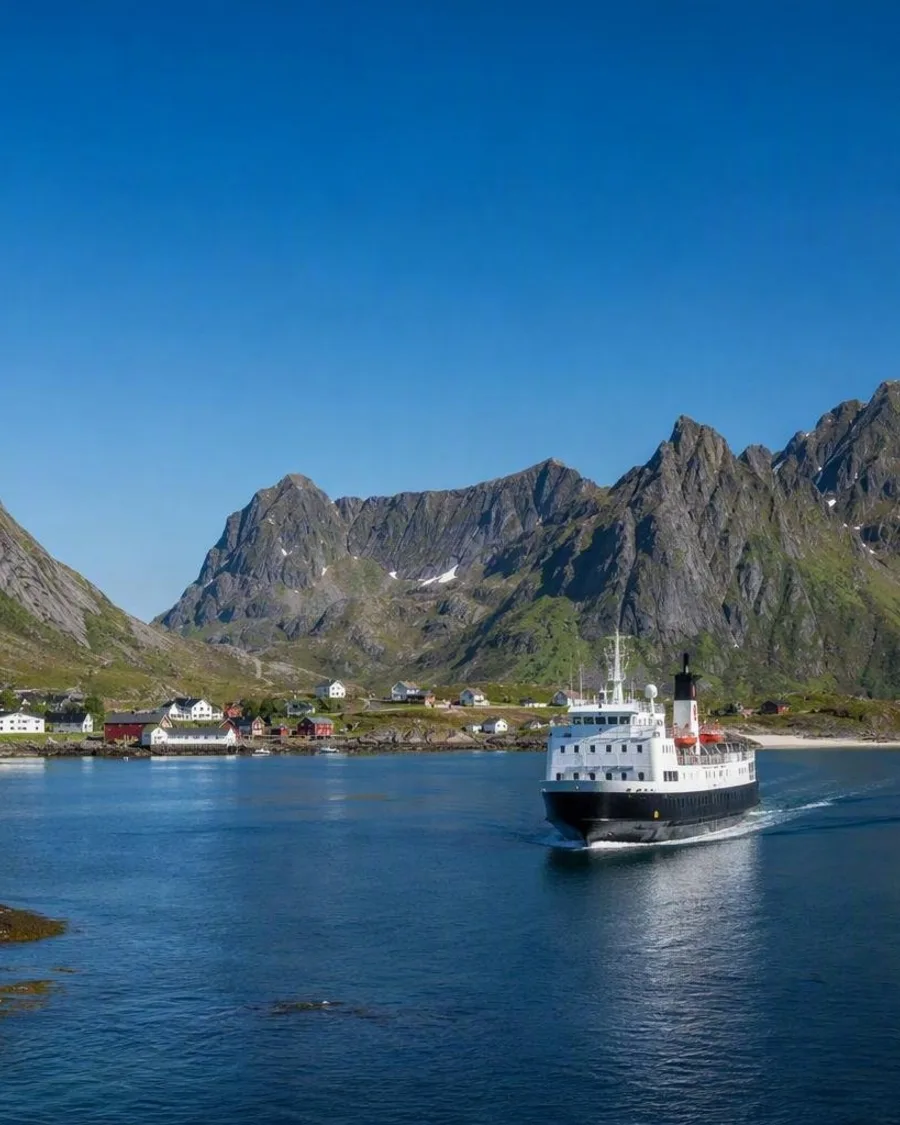
A ferry from Bodø reaches Lofoten beneath granite ridges that rise almost straight from the Norwegian Sea. Across these eight archipelagos, ferries, island flights, small launches and expedition ships make arrival part of the place.

Seven European train routes where the railway is the destination
Article

Seven European train routes where the railway is the destination

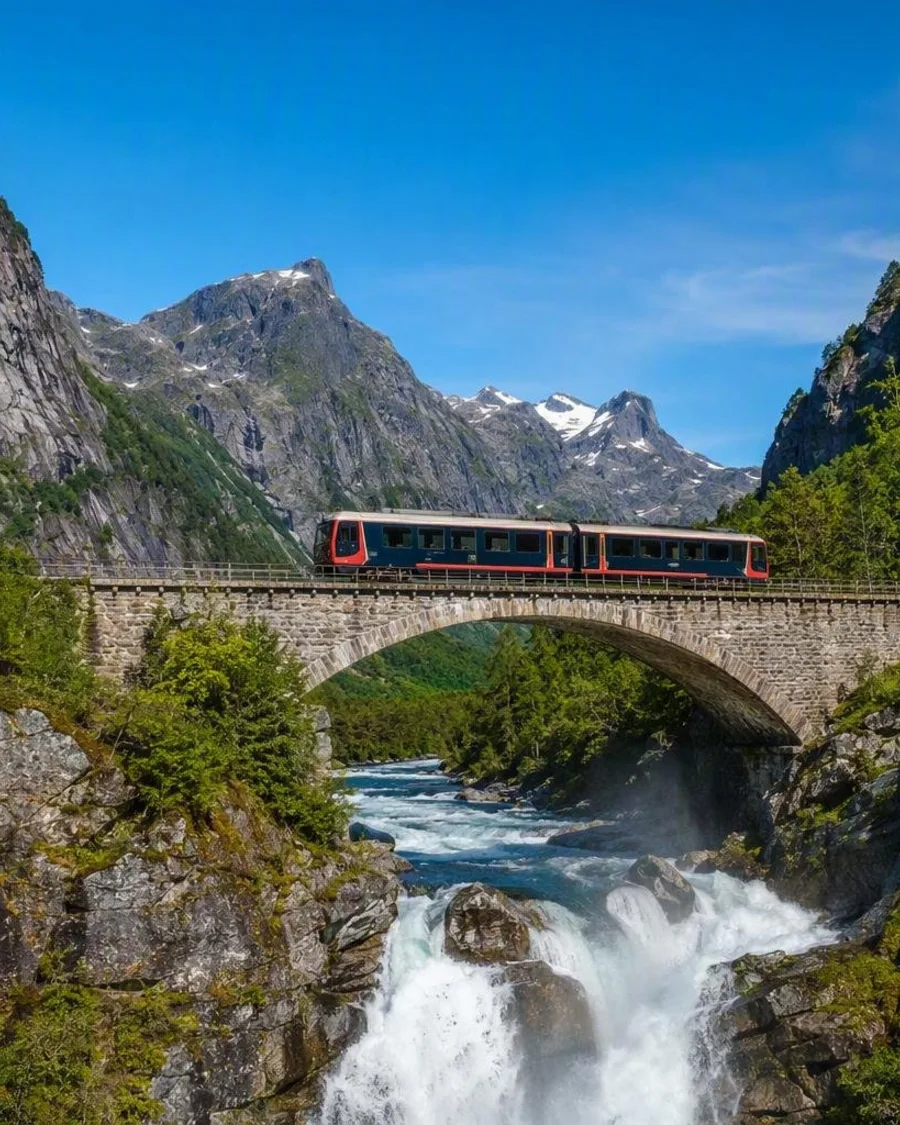
Above Vermafossen, a regular train crosses the stone Kylling Bridge before dropping between the rock walls of Romsdal. These seven lines put landscape, railway construction and ordinary public transport in the same frame.

Down the Steps of Alfama
Article

Down the Steps of Alfama

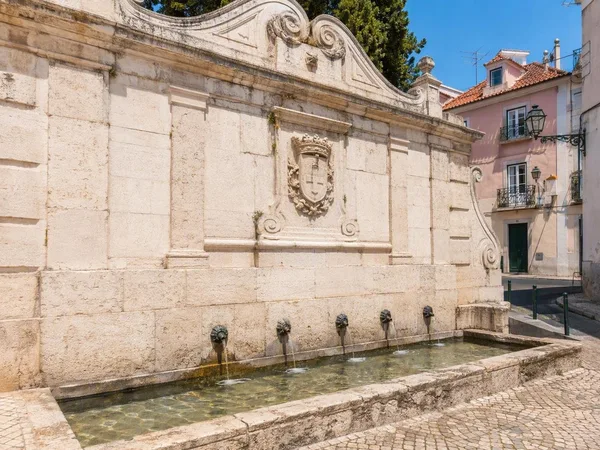
From Portas do Sol, a compact walk drops through Alfama by stairway, lane and small square before reaching the old water ground of Largo do Chafariz de Dentro. The route shows how this old Lisbon hillside still holds front doors, groceries and daily errands alongside visitors.