City · Belgium
Brussels
Brussels, Belgium’s capital, combines a compact historic lower town around Grand-Place with museum districts, Art Nouveau streets and a serious everyday bakery culture.
Read the city by district
Brussels is best handled as a set of walkable neighbourhoods rather than one long checklist. Start in the lower town, where the Grand-Place, Manneken Pis and the Royal Saint-Hubert Galleries sit close together. Climb towards Mont des Arts, the Royal Quarter and Sablon for museums, formal squares and antiques-and-chocolate territory.
Further out, choose a direction: Sainte-Catherine and Dansaert for canalside streets and food; Marolles for the Jeu de Balle flea market and the Palace of Justice; Saint-Gilles and Ixelles for Art Nouveau, cafés and independent shops; or the European Quarter for the institutions and Parc du Cinquantenaire.
Start at Grand-Place
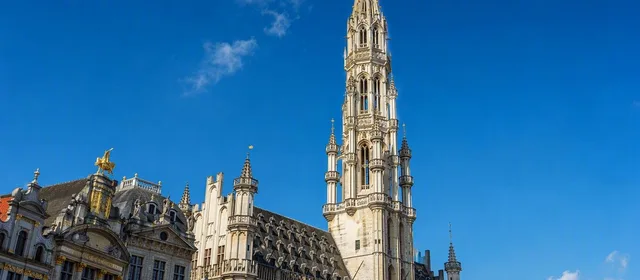
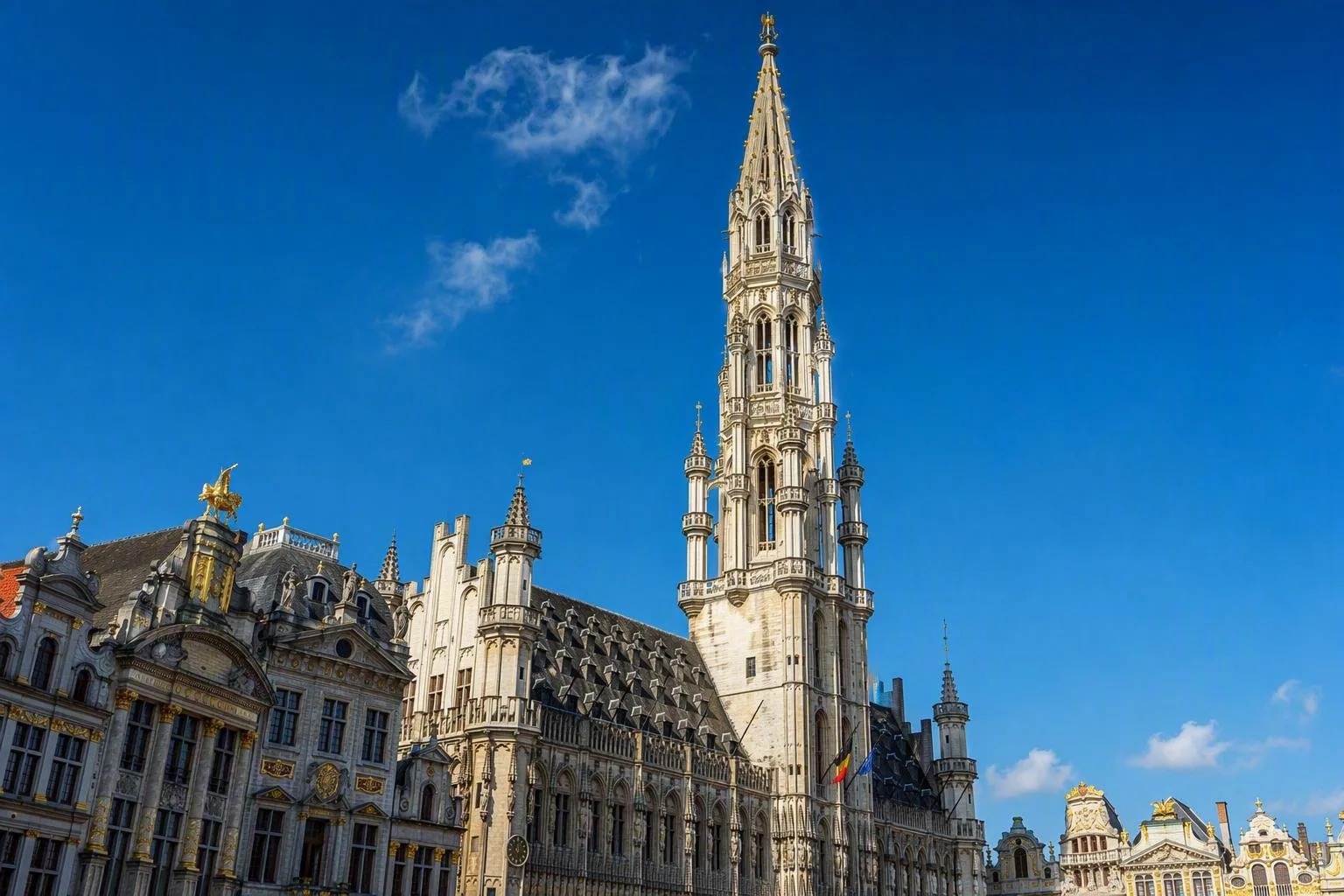
The cobbled Grand-Place is the city’s architectural anchor and a UNESCO World Heritage site. Its late-17th-century guildhouse façades surround the Brabant Gothic Town Hall; across the square, the Maison du Roi/Broodhuis houses the Brussels City Museum. Look up before moving on: the square’s gold details and elaborate gables are its point.
The streets immediately around it are crowded, so use Grand-Place as a starting point, not an all-day base. The covered Royal Saint-Hubert Galleries make a useful rain-proof link towards Central Station.
Museums and design
For one concentrated art stop, head to the Magritte Museum in the Royal Museums complex. The nearby Musical Instruments Museum occupies the former Old England department store, one of the city’s sharpest Art Nouveau façades.
Architecture fans should make time for Victor Horta’s work in Saint-Gilles and Ixelles. The Horta Museum, in the architect’s former home and studio, is the essential interior; the surrounding streets reward a slower walk.
Bread, pastry and local staples
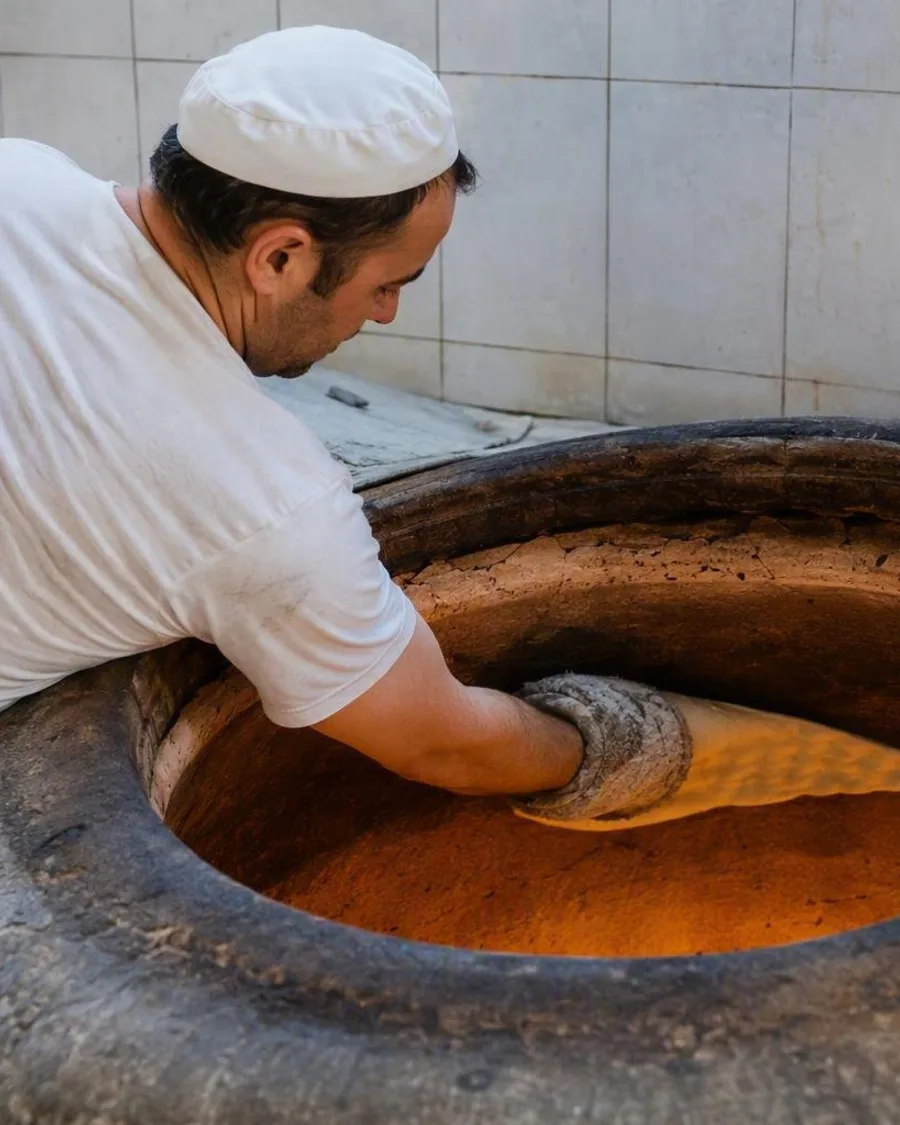
Brussels takes bread seriously. Traditional neighbourhood bakeries now sit alongside a newer sourdough scene: Charli bakes behind its counter in the city centre, while Brood, Boulengier and Renard focus on bread and viennoiserie in their respective districts. Go early for the full selection.
For classic sweet stops, look for speculoos, a spiced biscuit, and a light Brussels waffle rather than treating every waffle sold near Grand-Place as a destination. Pair a bakery run with coffee, then keep lunch for a proper brasserie or market counter.
Getting around
Walk the central core; cobbles and the rise from lower to upper town make solid shoes worthwhile. For longer hops, STIB/MIVB runs metro, tram and bus services. Contactless bank cards, phones and watches work on its network; validate tickets or passes when required.
Station names appear in French and Dutch: Bruxelles-Central/Centraal Station, for example. Brussels Airport connects directly to the European Quarter by Airport Line; rail services link the airport with the city’s main stations. Driving is rarely useful: the whole Brussels-Capital Region is a low-emission zone.
From the magazine
Stories about Brussels
Editorial stories linked directly to Brussels.
Routes from our editors
Travel through Brussels
Editorial routes connecting Brussels with other countries, cities and hotspots.
No routes through Brussels have been published yet.
More in Belgium
Related hotspots
Other cities, nature areas and places within Belgium.