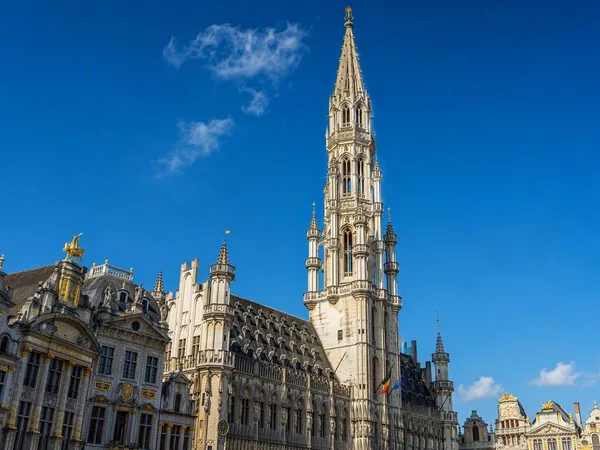
Brussels’ Grand-Place makes a strong case for looking beyond Belgium’s size. Guildhall façades carry carved figures and gilded details from the city’s trading past. A short walk away, comic-strip murals cover brick walls, Victor Horta’s Art Nouveau houses stand behind iron gates, and EU offices fill whole blocks. Belgium holds these layers close together without smoothing out the differences. Dutch-speaking Flanders, French-speaking Wallonia and the small German-speaking community in the east each have their own public life, language and local habits.
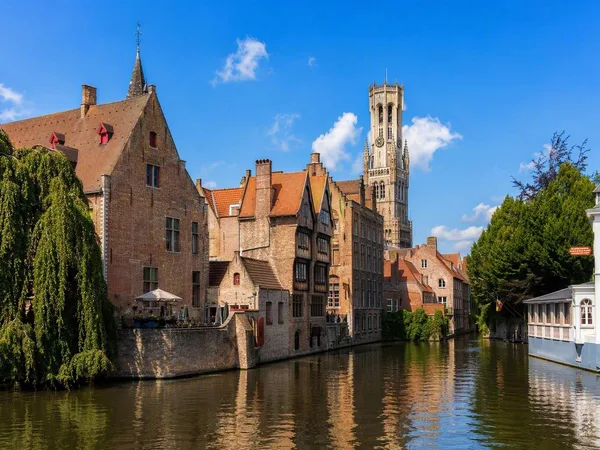
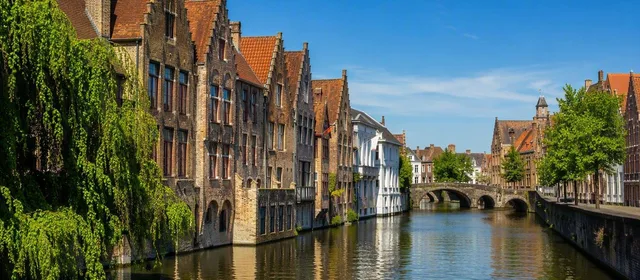
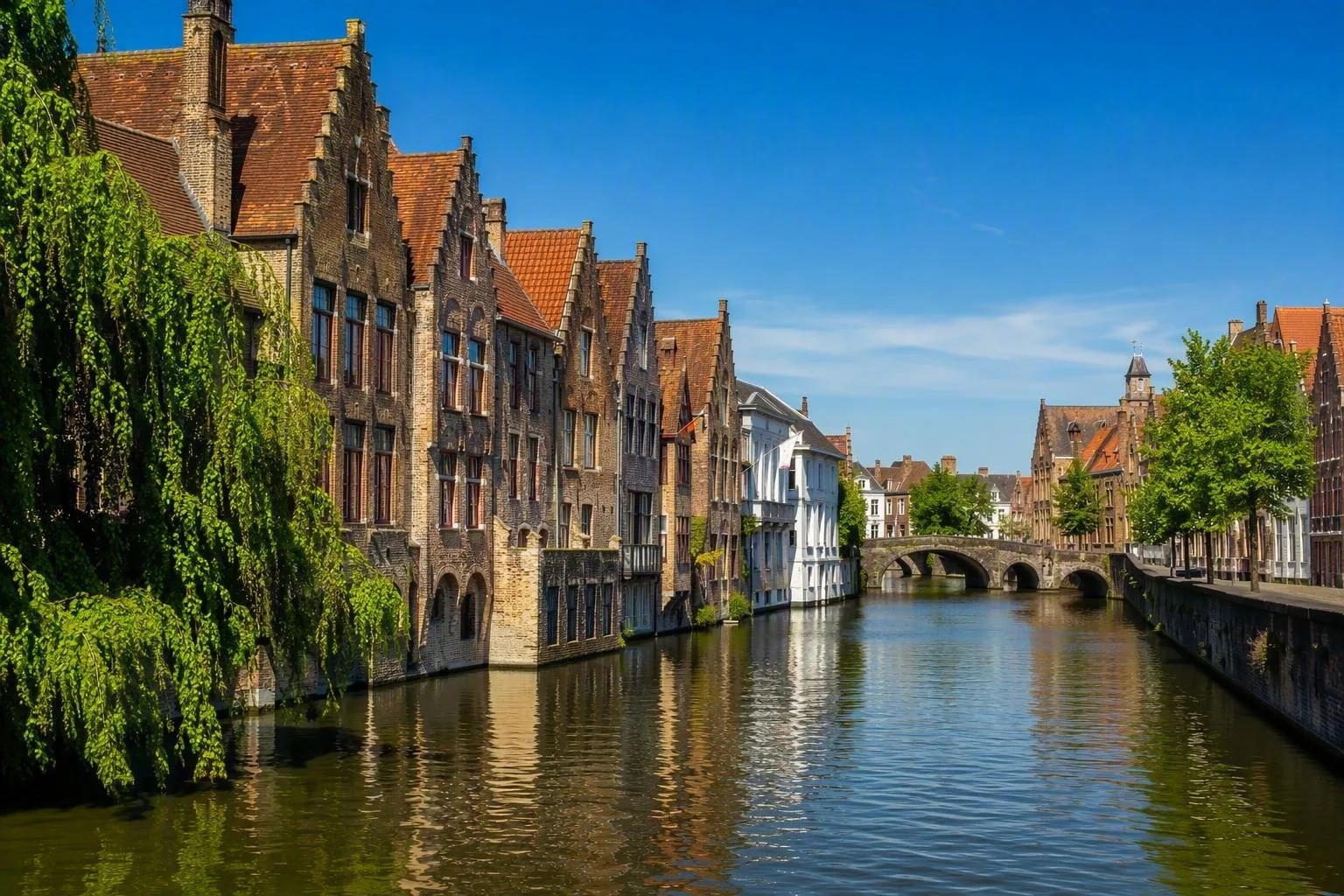
Bruges and Ghent still show the wealth of medieval trade in their canals, warehouses, belfries and stepped façades. Antwerp faces outward through its vast port, then turns inward to the diamond district, fashion schools, the Cathedral of Our Lady and paintings by Rubens. In Wallonia, Namur’s citadel stands above the Meuse and Sambre. Farther south, the Ardennes brings wooded slopes, stone villages and slower roads.
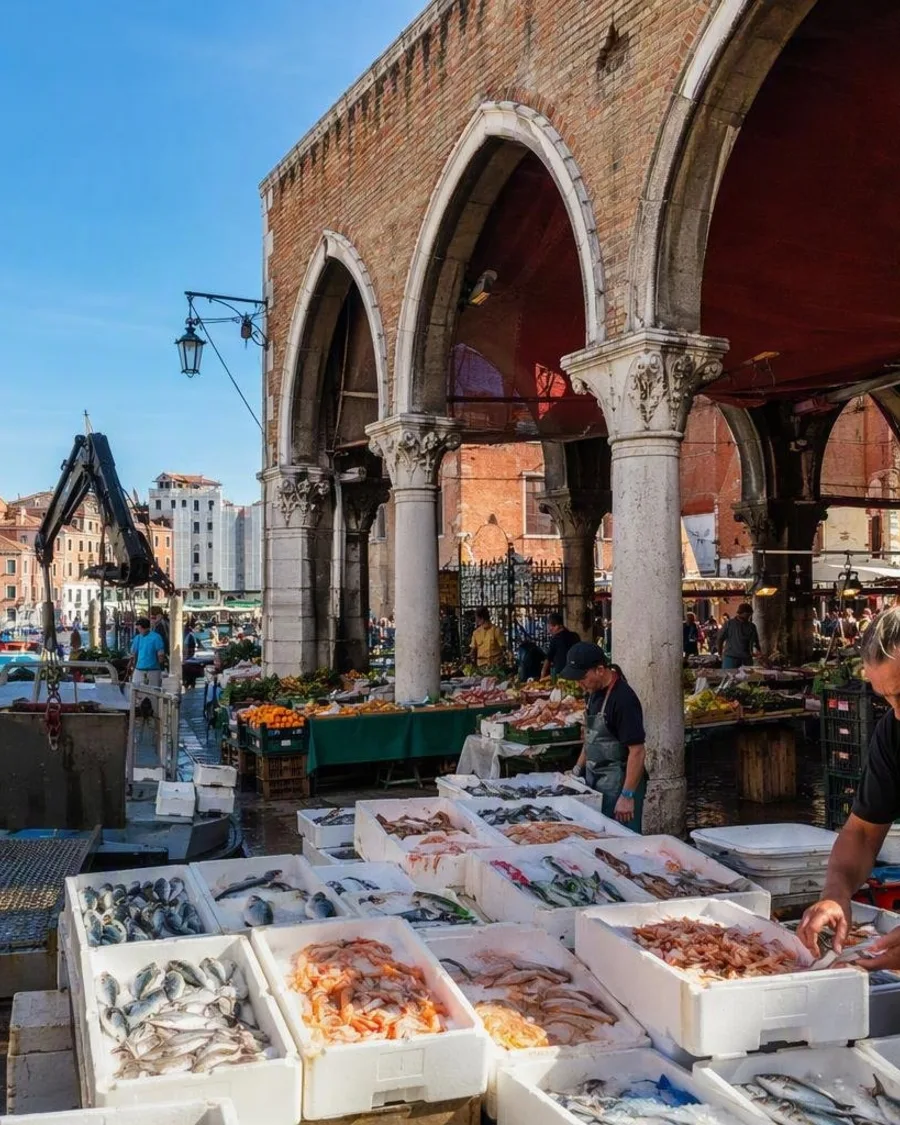
Food crosses the language border in everyday ways. Coastal cooks serve grey shrimp, Liège bakers make waffles with pearl sugar, and cafés pour beers from monasteries and independent breweries. Fries come with a long list of sauces; chocolate makers range from old Brussels houses to small modern workshops. Take time away from the central squares. Order a drink at a neighbourhood café, browse a market, and follow the smaller towns between the headline stops.