The Caribbean’s eight best islands for life beyond the resort
This list ranks eight Caribbean islands by the mix of nature, culture, beaches, individual character and things to do beyond a resort. Big islands need to deliver distinct days in town, inland and on the coast; small ones need a clear identity that their scale does not dilute.
Turquoise water alone does not settle the score. Each island also has a concrete limitation, from rougher seas and crowded beaches to difficult access or a narrower choice of days out.
1. Puerto Rico: forts, coffee and music
Puerto Rico takes first place for range. In Old San Juan, El Morro guarded attacks from the sea while San Cristóbal defended the landward side; casemates, tunnels and steep stone walls still show how Spain built up this harbour defence over more than two centuries.
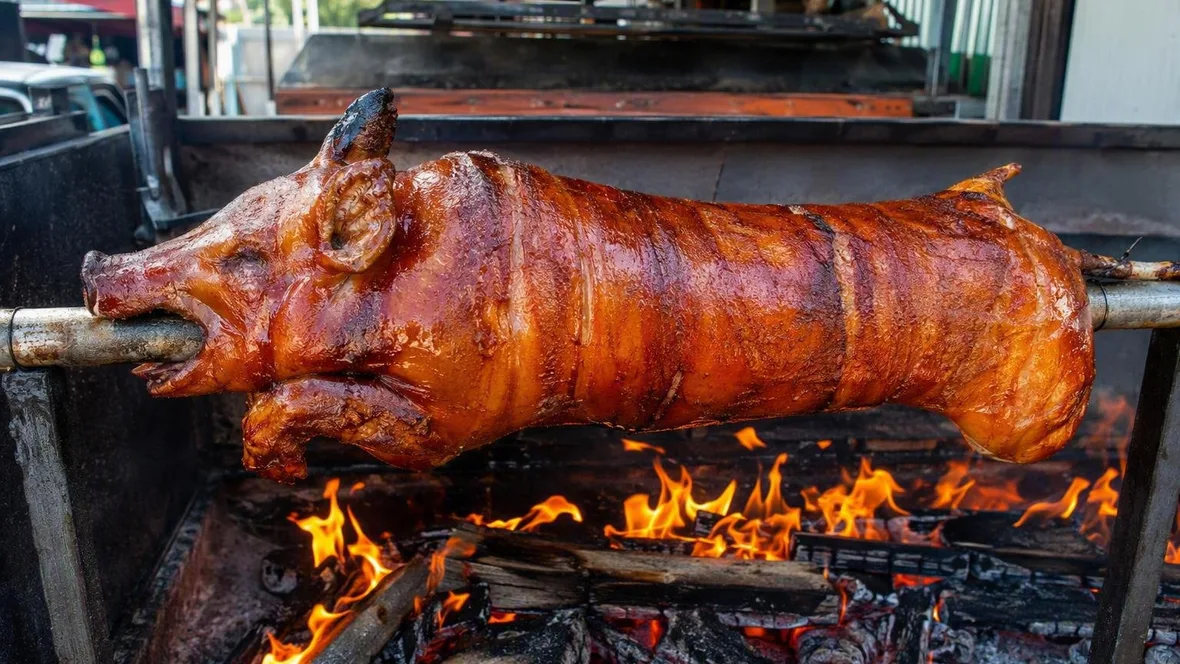
The Cordillera Central runs east to west through the island, and working coffee haciendas still grow, harvest and roast beans in its hills. In Guavate, lechoneras roast whole pigs over open fires; weekend meals can include live music and dancing. El Yunque adds rainforest trails and waterfalls, while the west coast draws surfers and the island has more than 300 beaches.
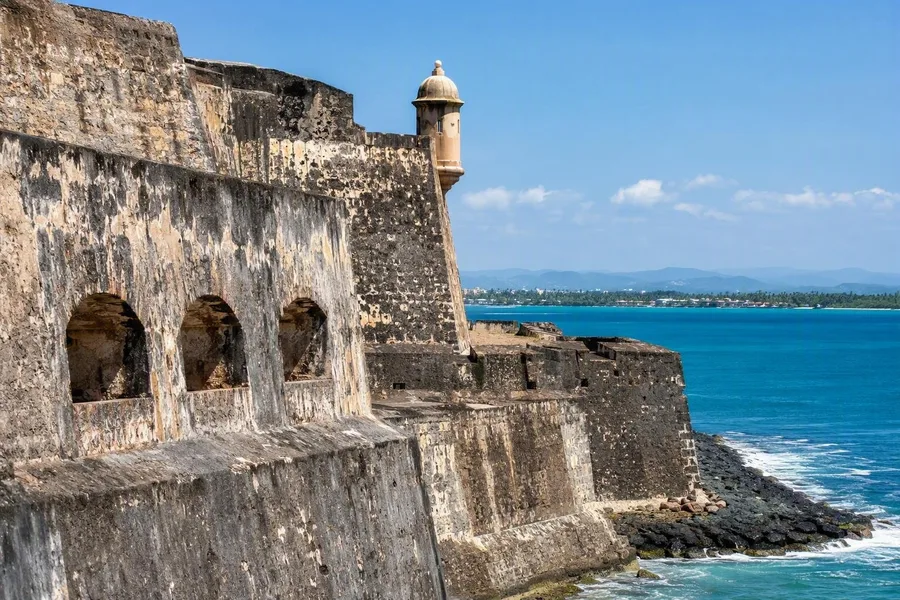 El Morro’s stone walls and sea-facing defenses in Old San Juan.
Bomba, plena, salsa and reggaetón belong to public celebrations and city life, not only to evening shows. The limitation is practical: visitors who want to go well beyond San Juan generally need a car, and sea and weather conditions can change beach or boat plans.
2. Martinique: black sand and a Creole table
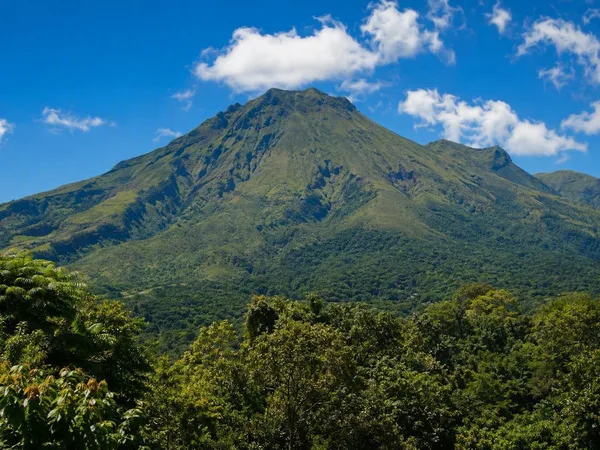
Martinique divides sharply between sheltered southern bays and a wetter volcanic north. Mount Pelée rises to 1,396 metres, and forested slopes around it and the Pitons du Carbet run down towards rivers, waterfalls and the black sand of Anse Couleuvre.
Saint-Pierre gives that geology a hard historical edge. Sugar and Atlantic trade, built on slavery, made its deep bay prosperous before the 1902 eruption of Mount Pelée destroyed the town and killed nearly 30,000 people; ruins, the former cell of survivor Cyparis and a memorial museum remain.
Markets sell vegetables, spices, rum, madras cloth and crafts. The cooking brings together African, Caribbean, Indian and European influences, and accras, crisp saltfish fritters, offer a useful introduction. Bèlè music, sugar estates and rhum agricole give a beach day serious competition.
Martinique sits second because swimmers need to choose their coast. The Atlantic shore, including the Caravelle peninsula, has stronger waves than the more protected bays.
3. Curaçao: Willemstad beyond the postcard
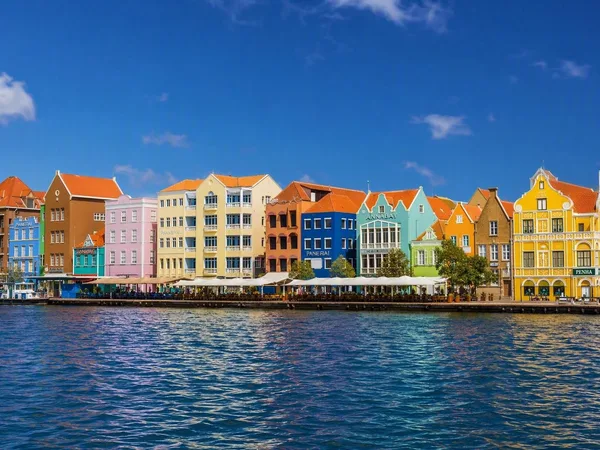
Willemstad grew beside the deep natural harbour of Sint Annabaai after the Dutch founded a trading settlement in 1634. Punda, Otrobanda, Pietermaai and Scharloo combine Dutch street plans and gables with galleries, local materials, and Spanish, Portuguese and Afro-Caribbean influences. Papiamentu carries a similarly layered history, with Spanish, Dutch, Portuguese, English, Arawak and African roots.
Plasa Bieu, murals and narrow lanes give the capital more substance than its famous coloured façades. West of town, Bandabou has villages, old country houses and small bays, while waves hit caves and rocky inlets at Shete Boka.
The dry interior gets very hot, and its main stops lie far apart. Christoffel works best early in the day, while Bandabou usually requires a car or an organised excursion.
4. Guadeloupe: rainforest on one side, lagoons on the other
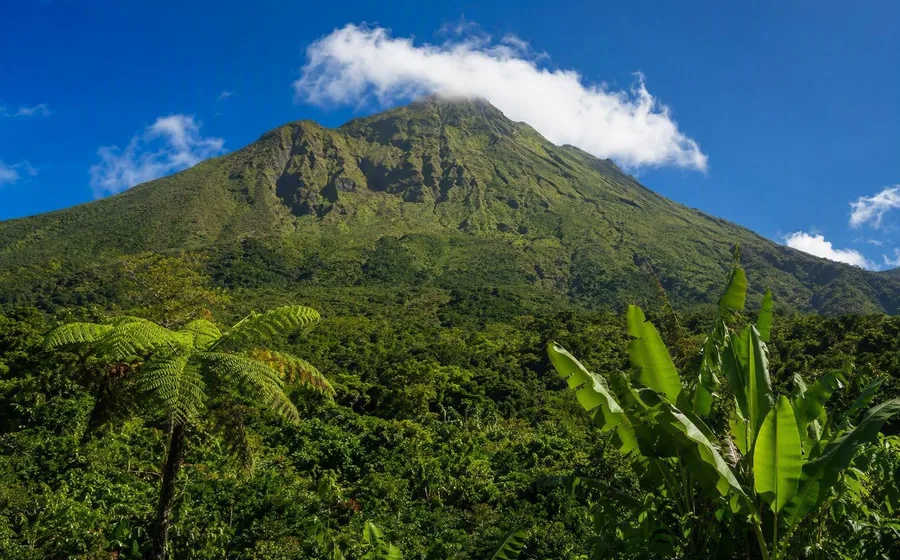
Guadeloupe works as an archipelago rather than one beach island. Basse-Terre has rainforest, rivers, waterfalls and the Soufrière volcano; flatter Grande-Terre brings lagoons, beaches, cliffs and livelier seaside towns.
Boats cross Grand Cul-de-Sac Marin through mangroves, seagrass, coral and small islands, where artisanal fishers still work. Marie-Galante holds sugarcane fields and historic distilleries, while Terre-de-Haut in Les Saintes has a maritime tradition and a compact village. From January to Ash Wednesday, carnival brings drums, dance and satire into public life.
That spread explains both Guadeloupe’s strength and its limitation. Visitors who stay on one main island miss much of its range, and tropical rain can halt mountain walks or make river crossings dangerous.
5. St. John: protected bays, difficult history
Virgin Islands National Park covers much of hilly St. John, putting forest trails, reefs and white-sand bays close together. Trunk Bay has an underwater snorkel trail, and turtles feed in the seagrass at Maho Bay.
Reef Bay Trail passes Taíno rock carvings, old stone walls and Danish plantation ruins. At Annaberg, a windmill, sugar works, rum distillery and the remains of quarters for enslaved people expose the labour behind the island’s plantation economy.
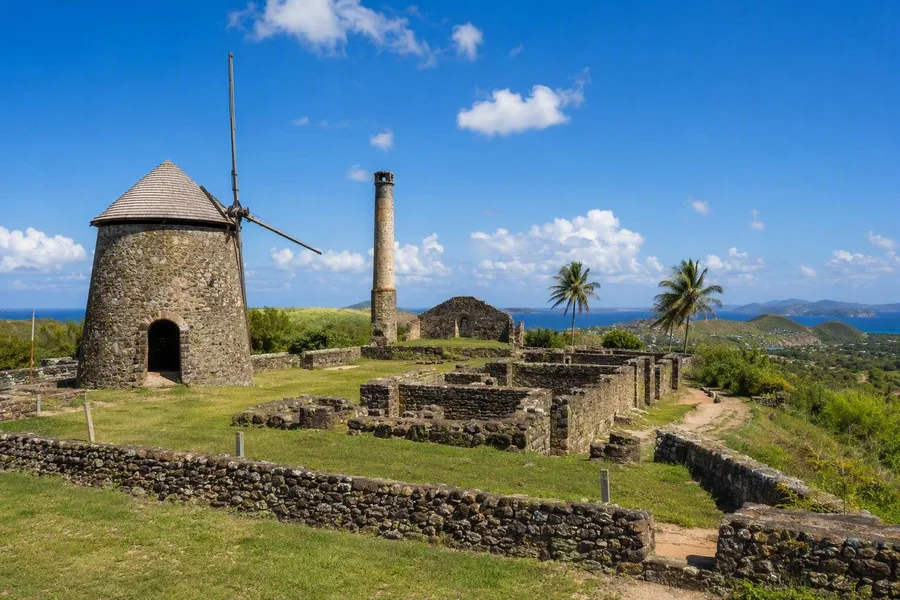 Annaberg’s windmill and sugar works reveal St. John’s plantation history.
St. John has less town and village variety than the islands above it. Its best-known nature also needs care: Trunk Bay has day admission, and visitors must not touch coral or turtles; on cruise days, its parking fills early and popular paths grow busy.
6. Bonaire: from cactus ground to coral
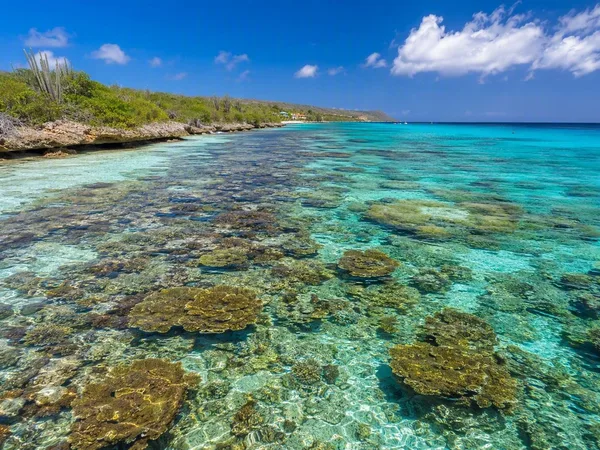
Bonaire’s protected marine area begins at the shore and runs around Bonaire and Klein Bonaire, taking in reefs, mangroves and wetlands. Many shore entries lead directly to coral for snorkelling, but visitors cannot touch or remove coral or anchor on the reef.
Washington Slagbaai National Park turns attention back to land. Former plantations now contain dry cactus country, salt pans, bays and habitat for flamingos, iguanas, the Lora parrot and nesting turtles. The island’s food also reflects centuries of shipping and trade, with Dutch, South American, Chinese, Surinamese and Indonesian influences.
The rugged north is not a casual detour. The park requires a nature fee, water and food, and preferably a high-clearance vehicle; heavy rain can close it.
7. Saba: villages pinned to a volcano
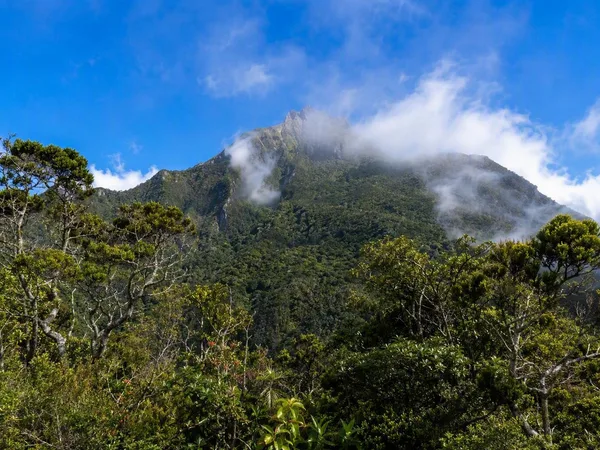
Saba rises steeply from the sea, with cliffs instead of broad beaches and four villages on its scarce flatter ground. White wooden houses with red roofs and green shutters sit below Mount Scenery, where scrub gives way to rainforest and cloud forest at 877 metres.
Walking, diving and village life matter more here than loungers. Long seafaring and fishing traditions also produced Saba Lace, a handwork that local makers still produce.
Access keeps Saba at No. 7: every journey connects through Sint Maarten by ferry or small aircraft. Aircraft use a 400-metre runway between mountain and sea, with abrupt drops beyond both ends.
8. Caye Caulker: sandy streets beside the reef
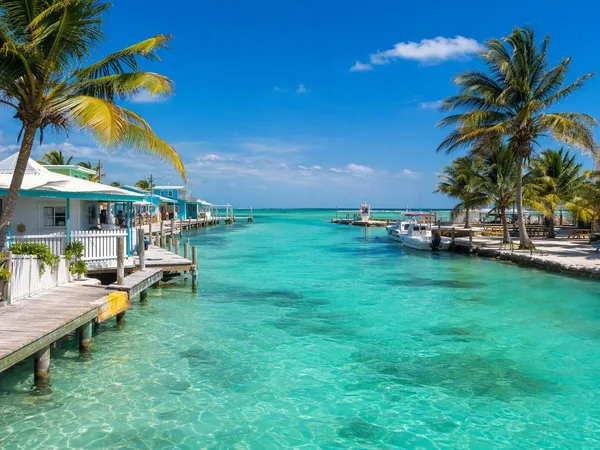
Caye Caulker is a flat, car-free coral island where walking, bicycles and golf carts serve sandy streets. English and Kriol are spoken, lobster appears in season, and the compact village provides a base for snorkelling and diving.
The Belize Barrier Reef lies offshore, with boat trips to Hol Chan and Shark Ray Alley for rays, turtles, fish and nurse sharks. Near the village, kayaks enter mangroves and lagoons, while the Split serves as a swimming spot and gathering place.
Last place reflects a narrow scope, not a lack of character. Caye Caulker has little walking variety and few long conventional beaches, while wetter months bring changeable weather and some business closures.
After the roughly 45-minute water-taxi crossing from Belize City, the landing meets a low grid of sand, bicycles and golf carts. Farther along, the turquoise Split cuts the island in two, with open water beyond its narrow channel.
Keep exploring
Places in this story
North America
3 landen en gebieden
Europe
Central America
Caribbean
Martinique
Curaçao
Guadeloupe
Guadeloupe is a French Caribbean archipelago in the Lesser Antilles, centred on the paired islands of Basse-Terre and Grande-Terre. Its range runs from rainforest and an active volcano to limestone coast, beaches and offshore islands.
Bonaire
Saba