
City · Ecuador
Cuenca
Cuenca is a highland city in Ecuador’s Azuay Province, known for its UNESCO-listed historic centre and its key role in the making, finishing and export of Ecuadorian toquilla-straw hats.
Why Cuenca matters
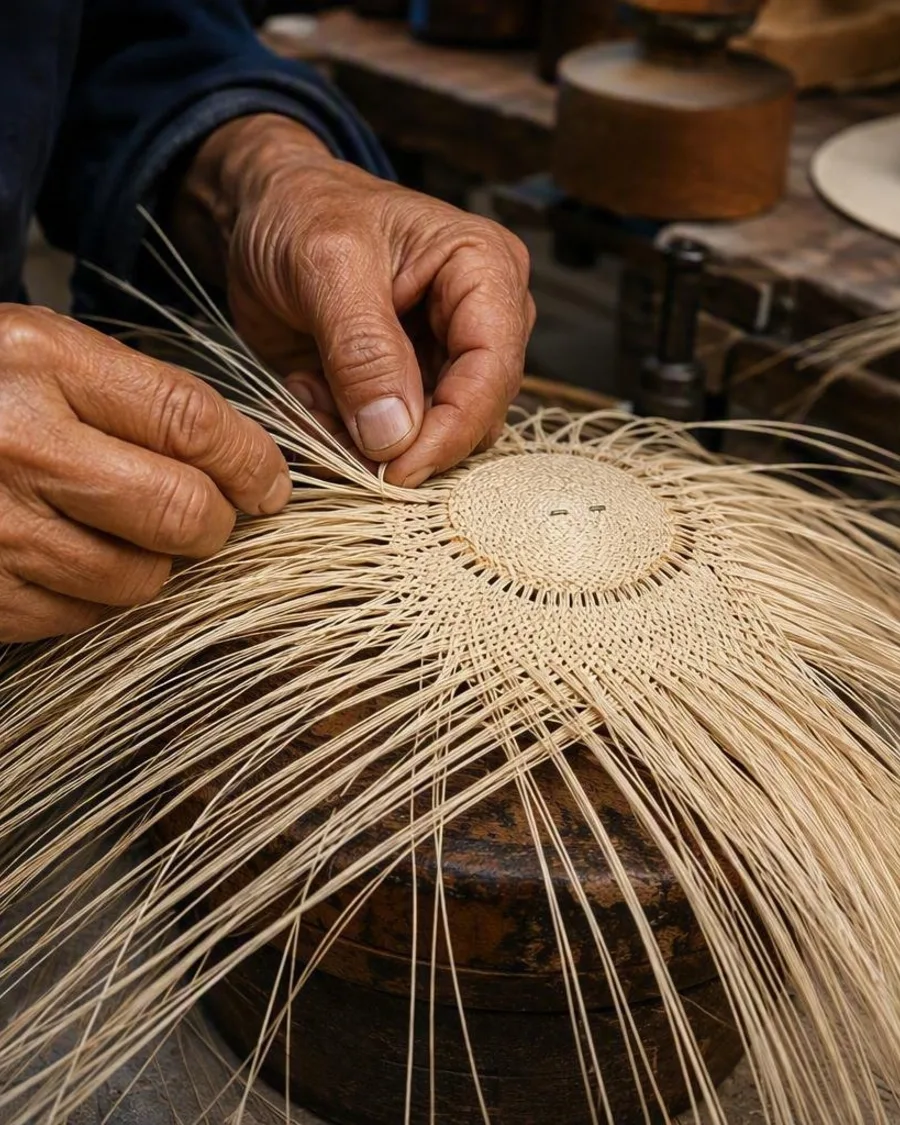
Cuenca is an Andean city, but its signature hat starts on Ecuador’s coast. Toquilla fibre comes from Carludovica palmata; weaving, shaping, finishing, design and export connect makers across Azuay, Cañar and the coastal provinces.
The international name “Panama hat” is a trade-history misnomer, not a place of origin. Cuenca became a major inland centre for the craft and its export economy, while Jipijapa and Montecristi in Manabí remain essential to the wider story. Do not treat one city or one grade of hat as the whole tradition.
See the craft at work
Museo La Magia del Sombrero, at Homero Ortega on Avenida Gil Ramírez Dávalos 3-86, combines a factory, museum and showroom. Its three rooms cover the hat’s history, the production process and the company’s own trajectory. Guided visits run in Spanish and English, and admission is free.
For a central option, the Museo del Sombrero de Paja Toquilla is on Calle Larga, close to the Tomebamba riverfront. It is useful for seeing how a woven crown is cleaned, blocked, pressed and given its final brim and ribbon.
When comparing hats, look beyond the label:
- Weave density and regularity drive the labour and price.
- Shape and finish are often completed in Cuenca even when the body was woven elsewhere.
- A very pale hat is not automatically a finer one; inspect the evenness of the weave and the finish of the brim.
Historic centre and river edge
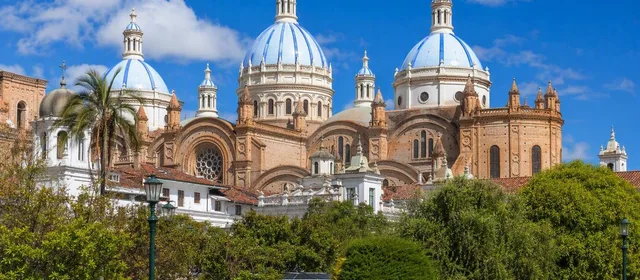
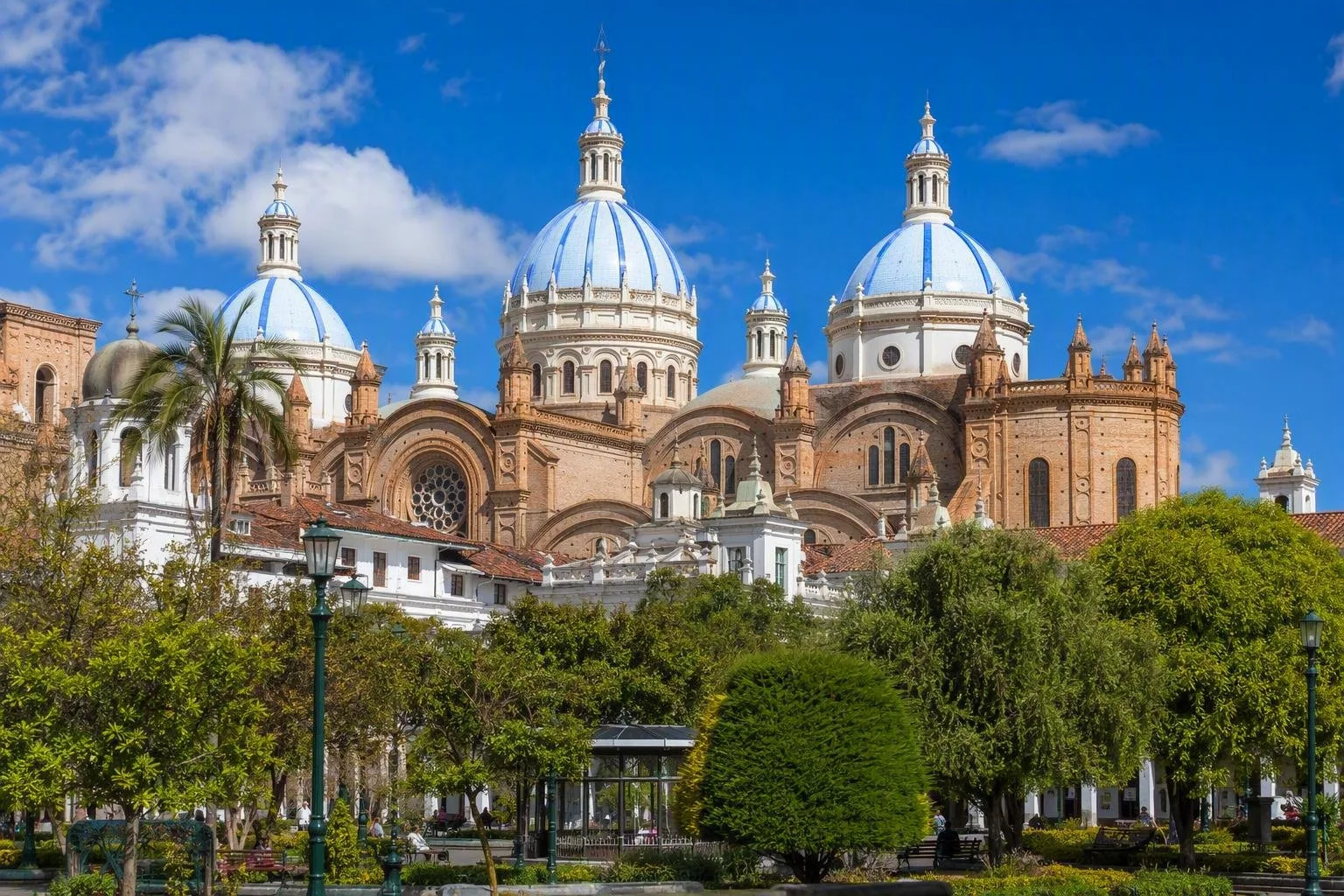
Start at Parque Calderón, the focal square of the historic centre. The New Cathedral’s blue domes define the skyline; the older cathedral faces it across the park. The surrounding grid is part of a World Heritage cityscape recognised for Renaissance urban planning and its layered Cañari, Inca, colonial and later history.
Walk south towards Calle Larga and the Tomebamba. The Barranco river edge marks the transition from the central grid to the archaeological landscape around Pumapungo. It is a practical route for linking the centre, hat museum and riverside streets on foot.
Getting oriented
The historic core is compact and walkable. Homero Ortega lies outside it, so use a taxi or local transport rather than folding it into the central walking loop. Mariscal Lamar Airport serves Cuenca; the city is also a road hub for southern Ecuador.
At roughly 2,500 metres above sea level, the city can feel demanding on arrival. Keep the first day light, especially if continuing to higher ground. For factory visits, arrive during weekday working hours: that is the best chance to see the production environment rather than only the showroom.
From the magazine
Stories about Cuenca
Editorial stories linked directly to Cuenca.
Routes from our editors
Travel through Cuenca
Editorial routes connecting Cuenca with other countries, cities and hotspots.
No routes through Cuenca have been published yet.
More in Ecuador
Related hotspots
Other cities, nature areas and places within Ecuador.
Quito
4 linked stories and routes
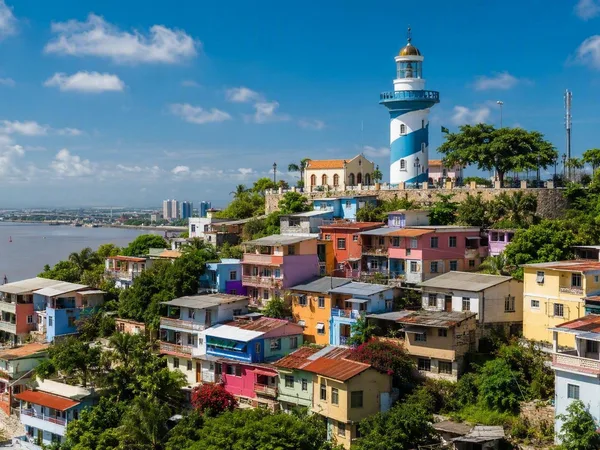
Guayaquil
2 linked stories and routes
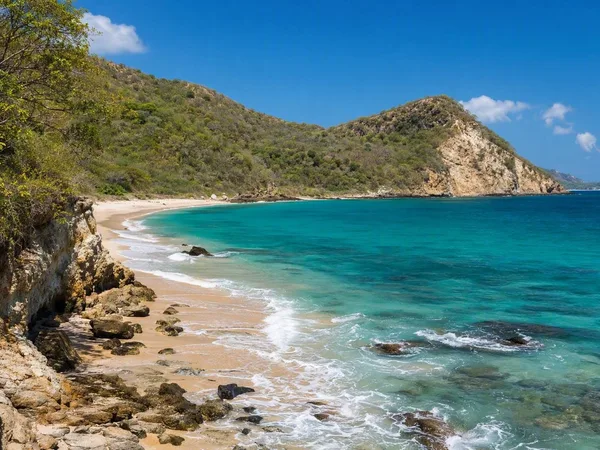
Manabí Province
2 linked stories and routes
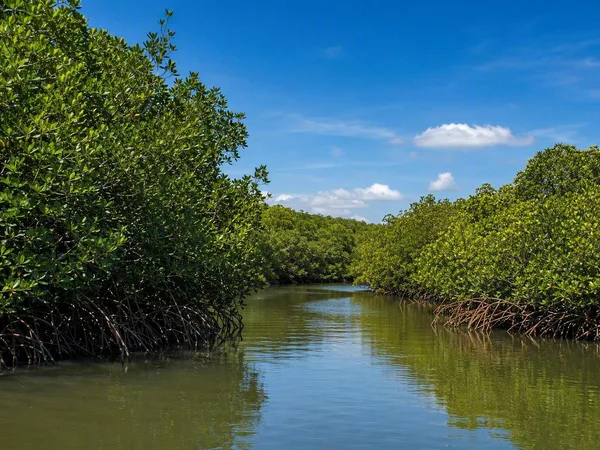
Guayas Province
2 linked stories and routes
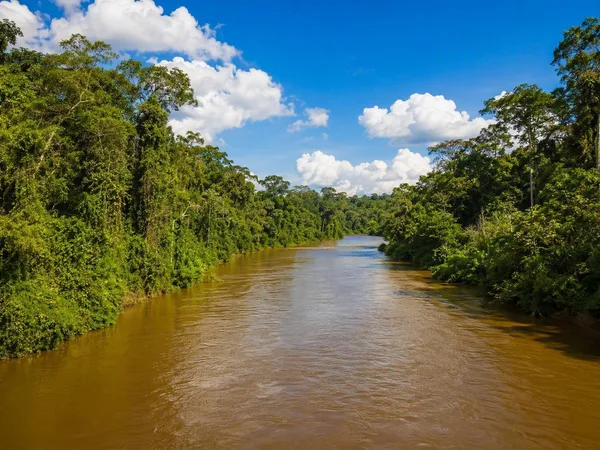
Amazon
1 linked stories and routes
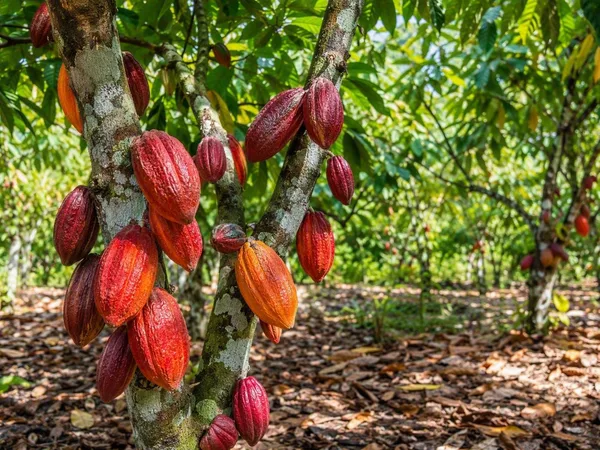
Los Ríos Province
1 linked stories and routes
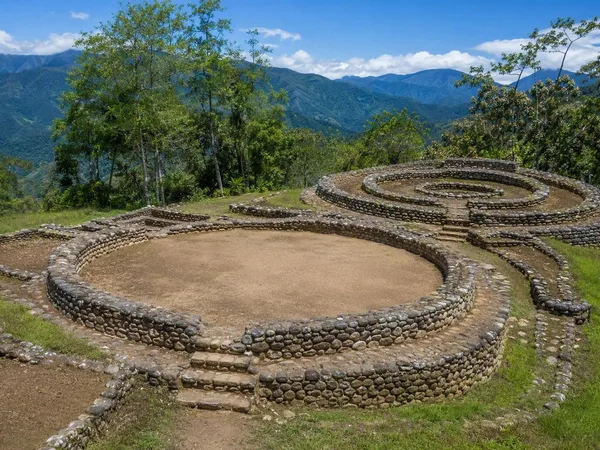
Zamora Chinchipe Province
1 linked stories and routes
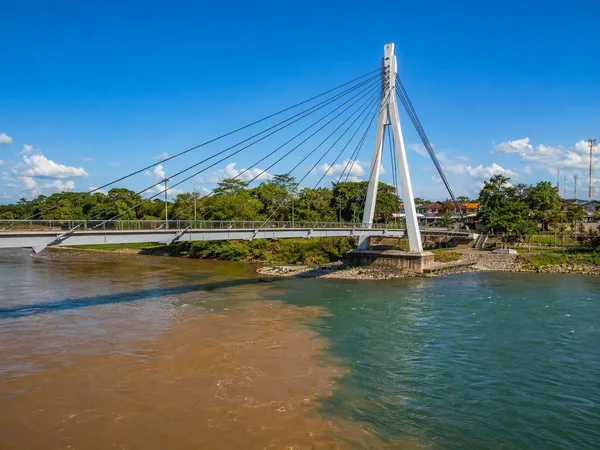
Tena, Napo
1 linked stories and routes
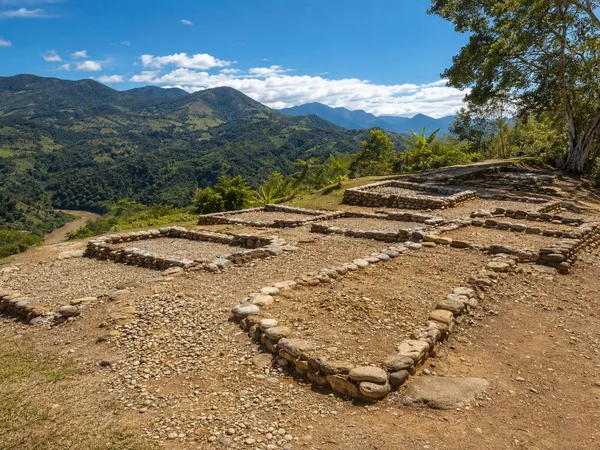
Santa Ana–La Florida Archaeological Site
1 linked stories and routes
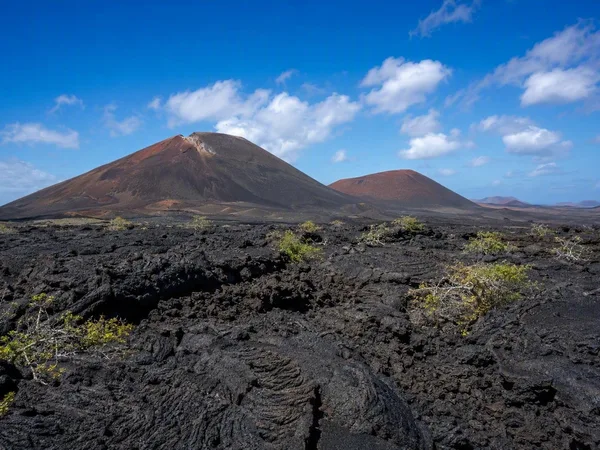
Galápagos Islands
1 linked stories and routes
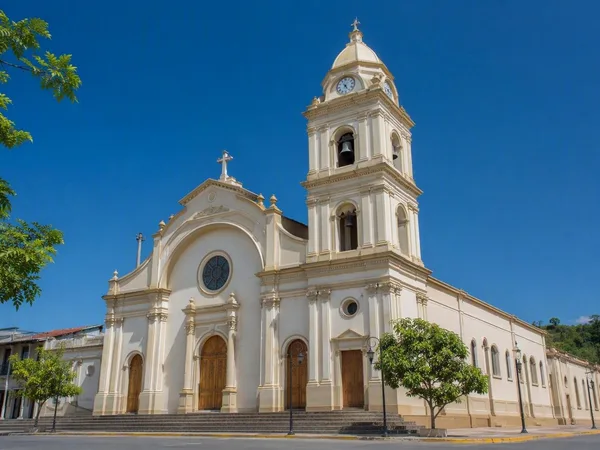
Jipijapa
1 linked stories and routes
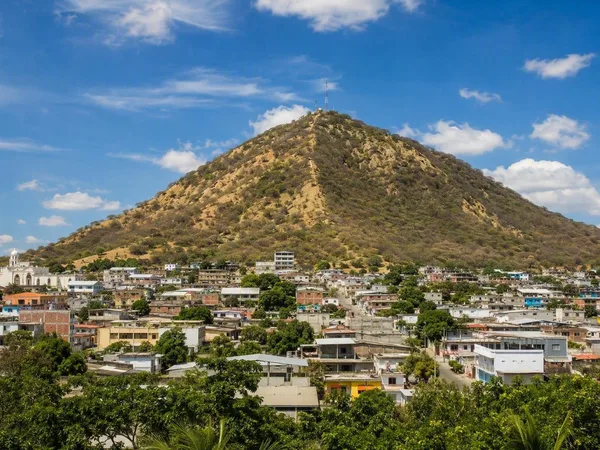
Montecristi, Manabí
1 linked stories and routes
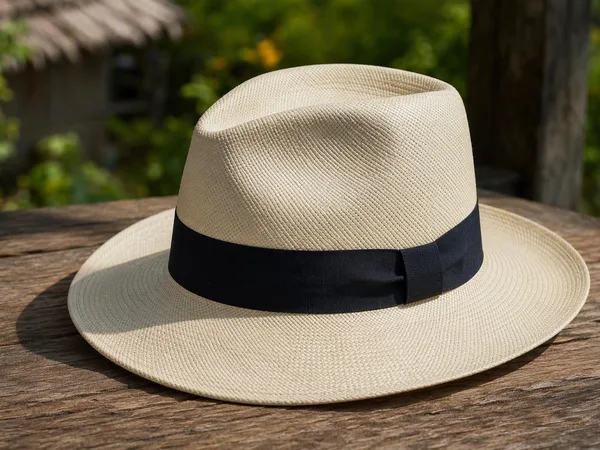
Pile, Manabí
1 linked stories and routes
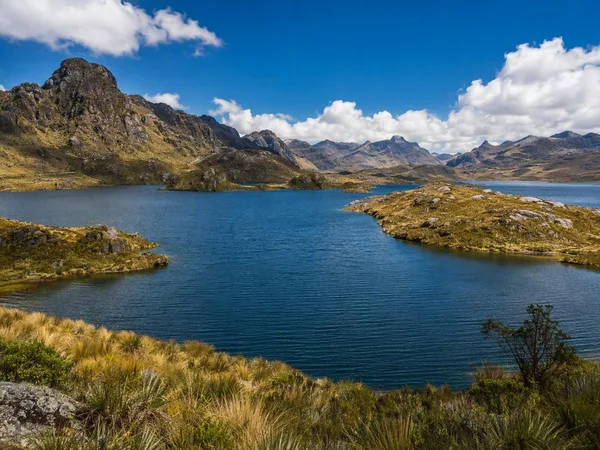
Azuay Province
1 linked stories and routes
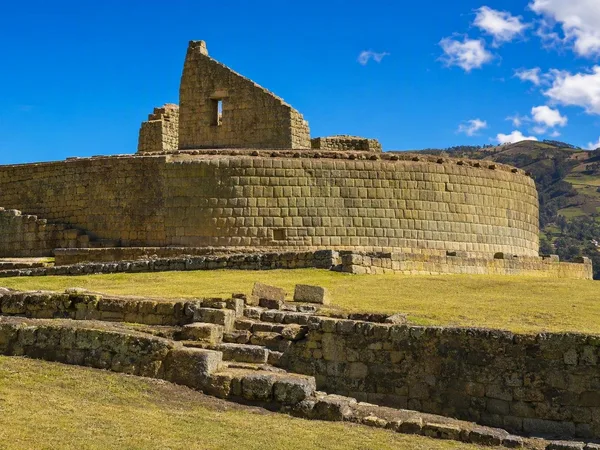
Cañar Province
1 linked stories and routes
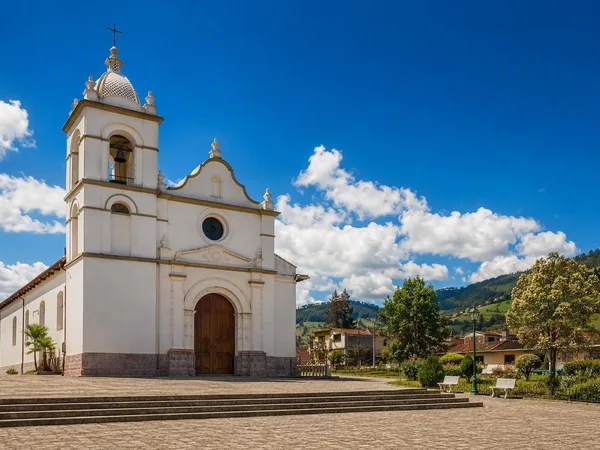
Sidcay
1 linked stories and routes
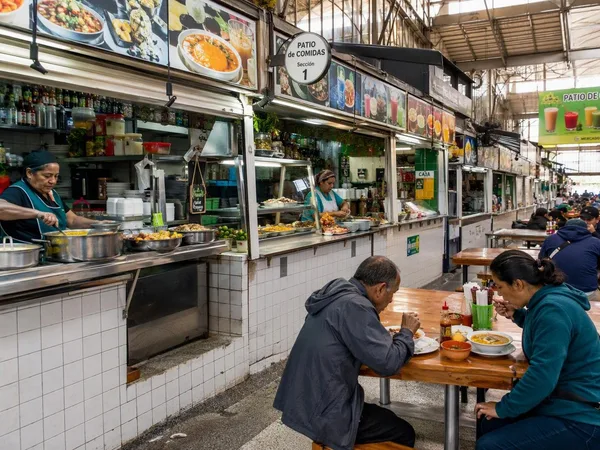
Mercado Central, Quito
1 linked stories and routes
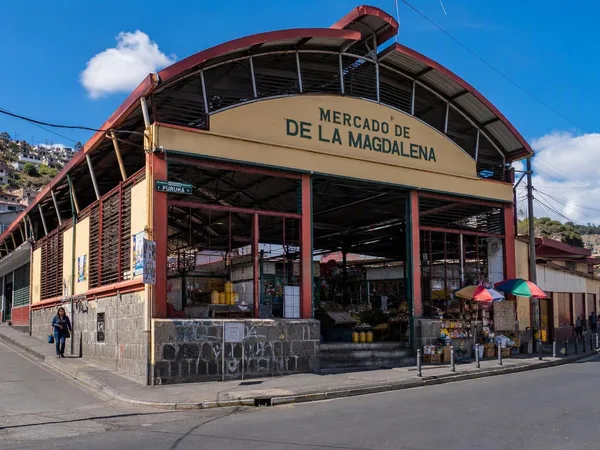
Mercado de La Magdalena
1 linked stories and routes
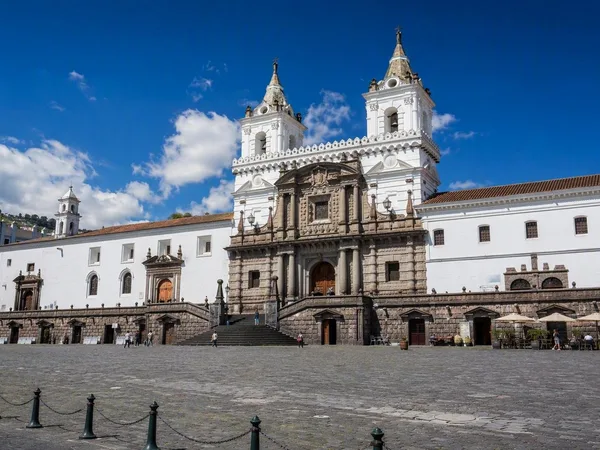
Plaza de San Francisco
0 linked stories and routes
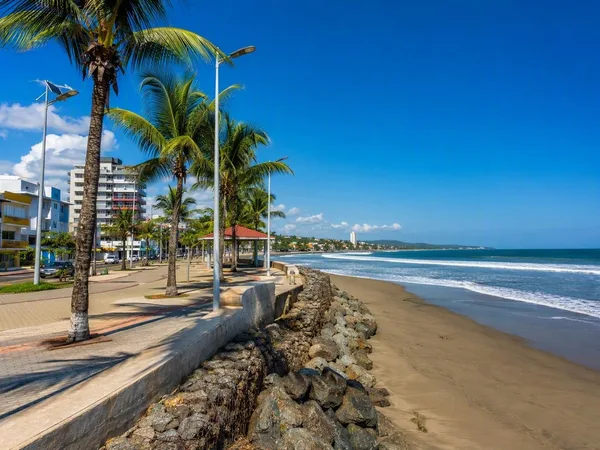
Esmeraldas Province
0 linked stories and routes
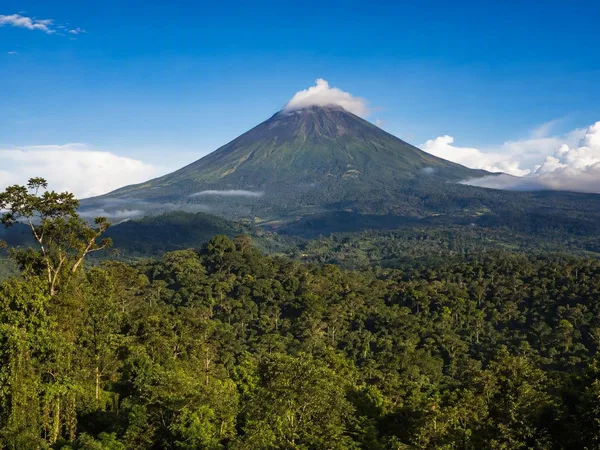
Napo Province
0 linked stories and routes
Sucumbíos Province
0 linked stories and routes
Playa de Los Frailes
0 linked stories and routes