
City · Ecuador
Quito
Quito is Ecuador’s high-altitude capital, spread along the slopes of Pichincha in the Andes. Its historic centre concentrates churches, convents, civic squares and a long-standing urban chocolate culture.
Start with the historic centre
Quito sits at roughly 2,850 metres above sea level, so make the first day deliberately light. The colonial core is the practical starting point: its compact streets link major churches, monasteries and squares, while the city itself extends far north and south along the Andes.
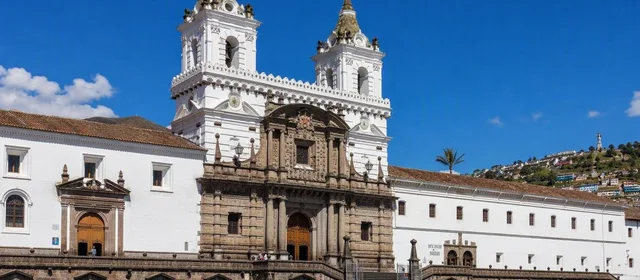
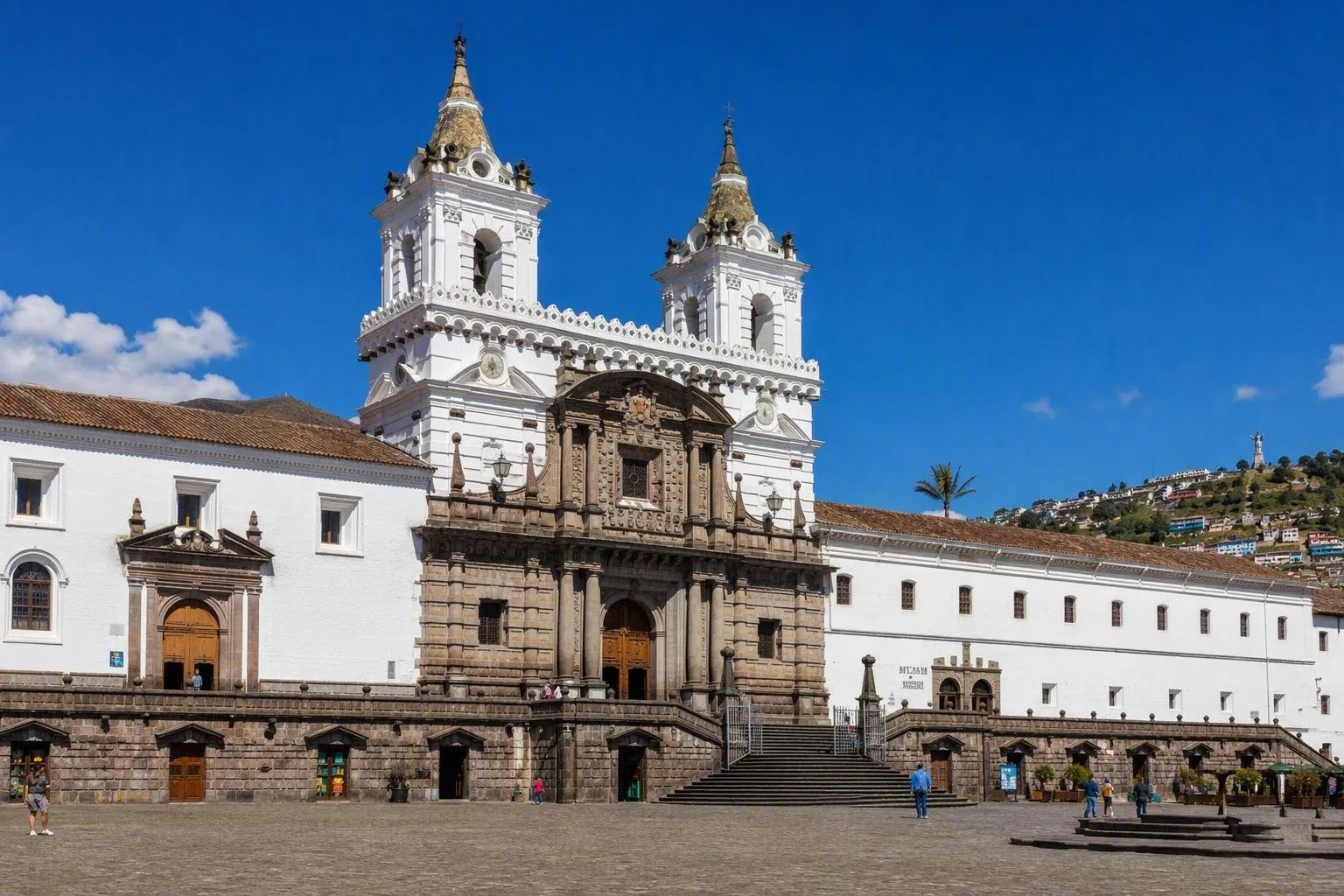
Begin around Plaza Grande, the civic square, then walk to Iglesia de la Compañía de Jesús for its exceptionally elaborate Baroque interior. Continue west to Plaza San Francisco and the vast church-and-convent complex of San Francisco. These buildings are central to the Quito Baroque tradition, where Indigenous and European artistic languages meet.
Read the city through its terrain
Quito is built on the eastern slopes of Pichincha and framed by hills including El Panecillo and Itchimbía. Steep ground is part of the experience: distances that look short on a map can involve serious climbs.
For a broad view, take the TelefériQo from its base at Fulgencio Araujo and Avenida Occidental to Cruz Loma. The cable-car ride takes about 18 minutes and reveals the city’s long north–south form against the surrounding ridges. At this altitude, walk slowly and carry a warm, waterproof layer; conditions can change quickly.
Chocolate in a city that does not grow cacao
Quito is a place where cacao arrives from Ecuador’s coastal and Amazonian growing regions for trade, drinking and manufacture. It has a documented pre-Hispanic history as a place of cacao consumption, and today its chocolate culture appears in shops, cafés, workshops and factories rather than on plantations.
In the historic centre, Yumbos Chocolate faces the San Francisco complex and works from roasted beans into chocolate. Elsewhere, makers and retailers such as República del Cacao and Paccari show the city’s modern role in processing and presenting Ecuadorian cacao.
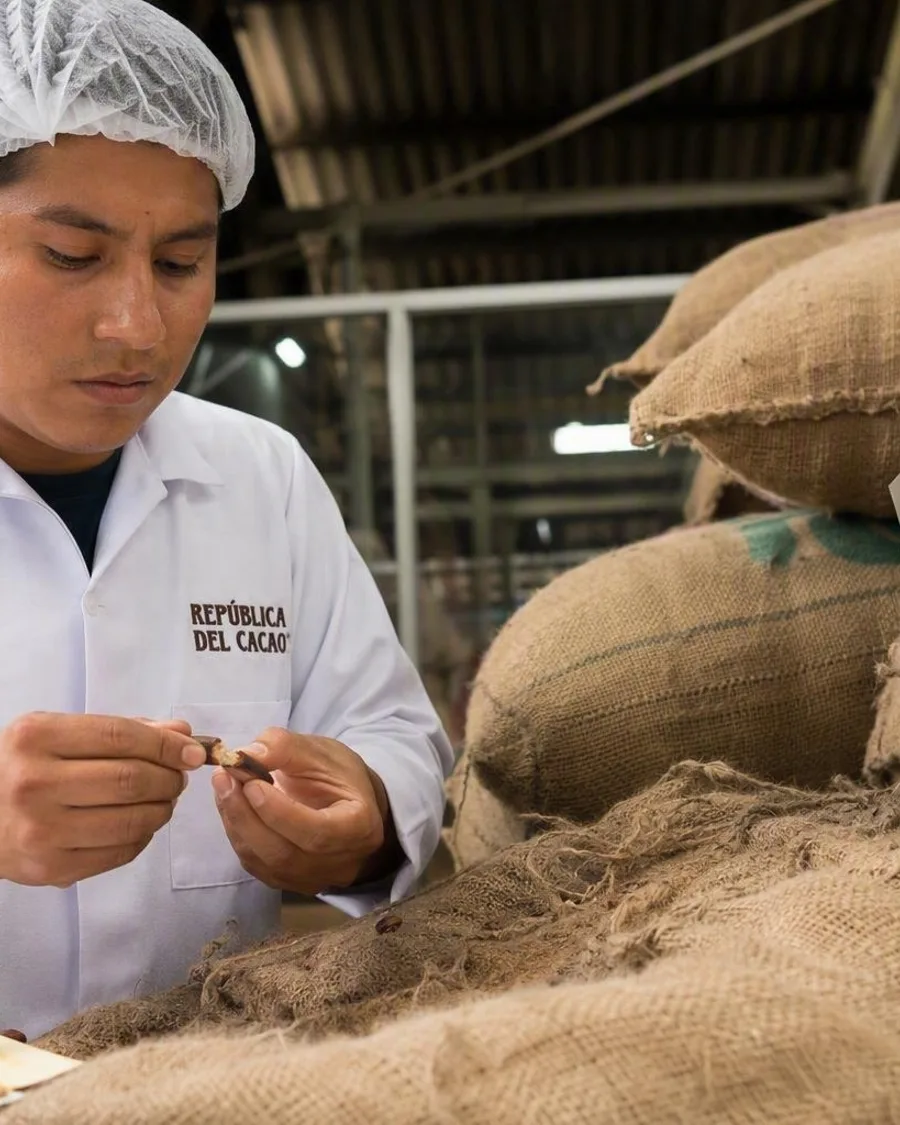
Keep the chain of work clear: cultivation, harvest, fermentation and drying occur in cacao-growing regions. In Quito, producers inspect dried beans, roast, grind, conche, temper, mould and pack. A bar made here may use cacao from more than one Ecuadorian region—or from outside Ecuador—so read origin labels rather than treating “made in Quito” as a farm designation.
Arrivals and moving around
Mariscal Sucre International Airport is in Tababela, east of the urban area; allow for a transfer rather than treating it as a city-centre airport. Official visitor-information points operate at international arrivals, the Historic Centre, La Mariscal and Quitumbe land terminal.
Use the Metro and city transport for longer north–south trips; keep the old town for walking. The historic centre rewards a daytime route on foot, but its slopes and altitude make a sequence of short walks more sensible than trying to cover every church and museum in one push.
Useful rhythm
Churches, museums and chocolate venues have individual opening times, so put interiors first and leave plazas and street walks flexible. Mornings are the clearest period for a historic-centre circuit or a high viewpoint. Quito uses the US dollar, and Spanish is the working language.
From the magazine
Stories about Quito
Editorial stories linked directly to Quito.
Eight archipelagos where the boat still matters
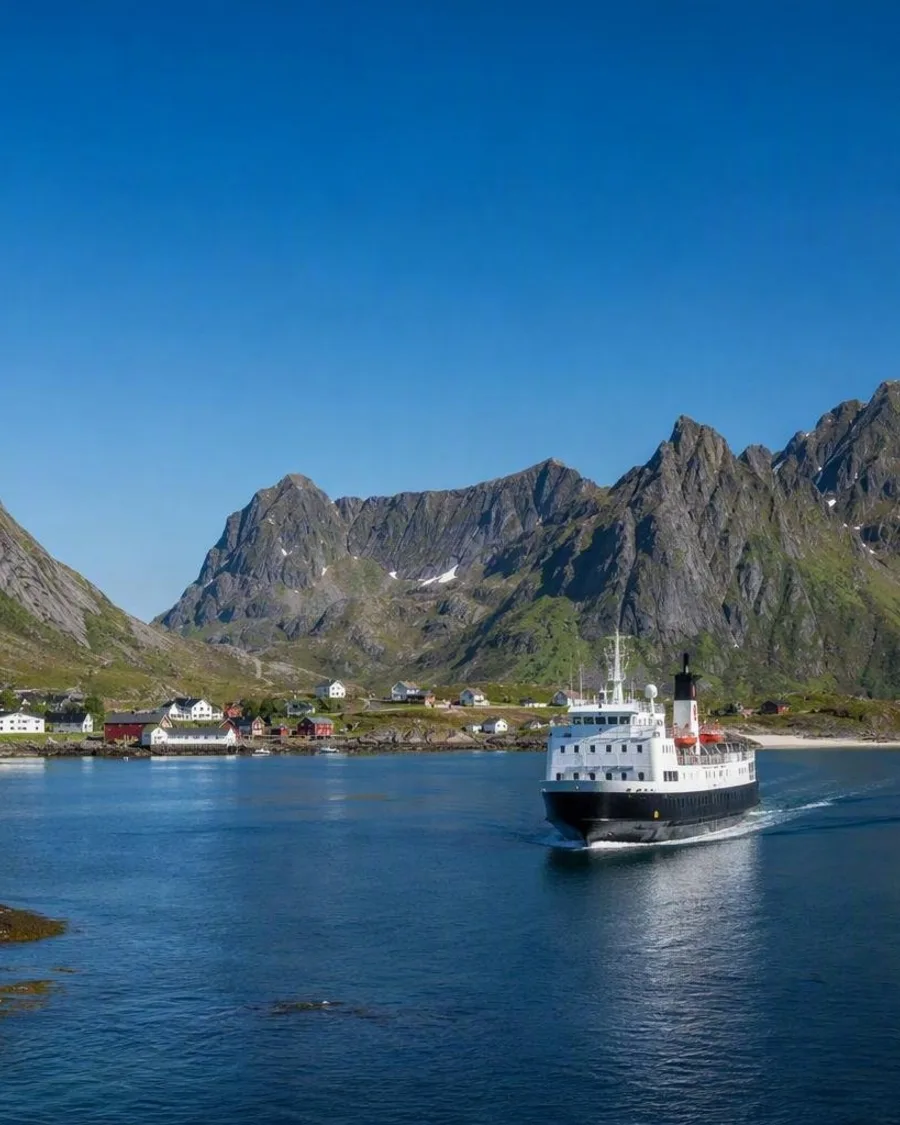
A ferry from Bodø reaches Lofoten beneath granite ridges that rise almost straight from the Norwegian Sea. Across these eight archipelagos, ferries, island flights, small launches and expedition ships make arrival part of the place.
Where Ecuador’s cacao changes form in Quito
At República del Cacao’s Quito factory, cacao arrives stripped of its tropical disguise. Growers have already harvested the pods, fermented the wet beans and dried them; the city’s work begins with sacks of dry cacao.
Routes from our editors
Travel through Quito
Editorial routes connecting Quito with other countries, cities and hotspots.
No routes through Quito have been published yet.
More in Ecuador
Related hotspots
Other cities, nature areas and places within Ecuador.
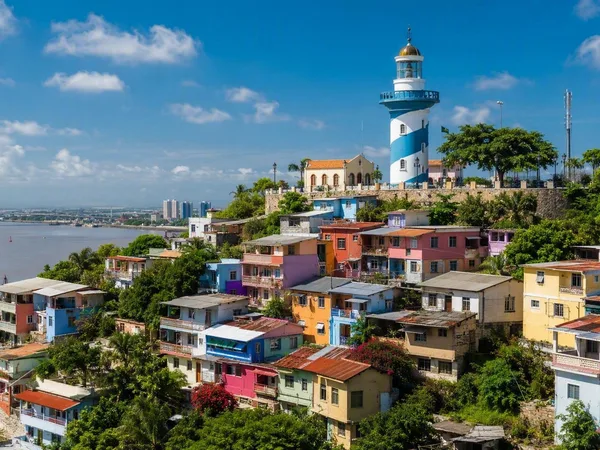
Guayaquil
2 linked stories and routes
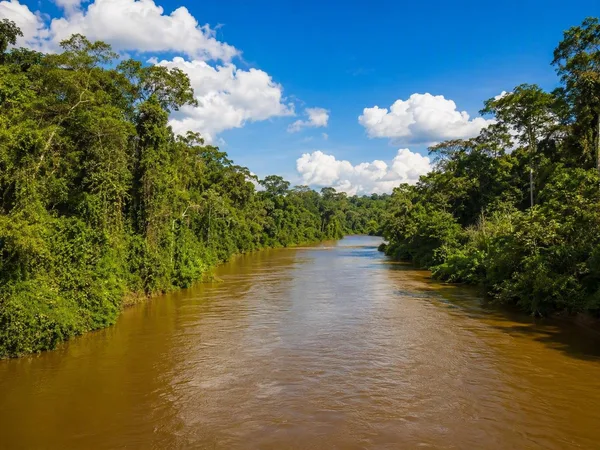
Amazon
1 linked stories and routes
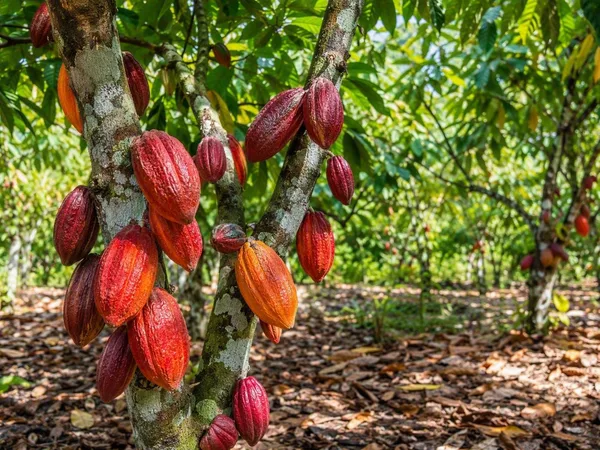
Los Ríos Province
1 linked stories and routes
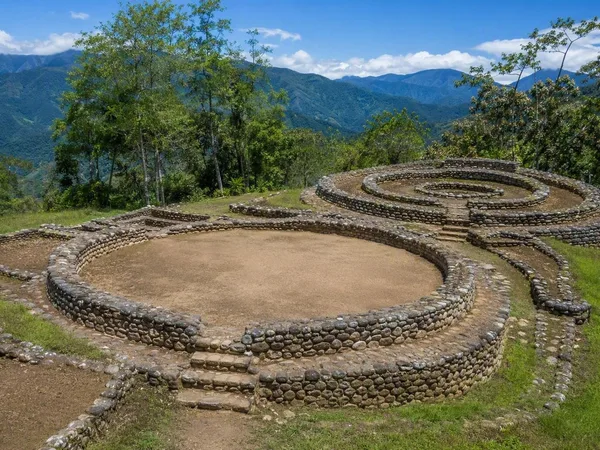
Zamora Chinchipe Province
1 linked stories and routes
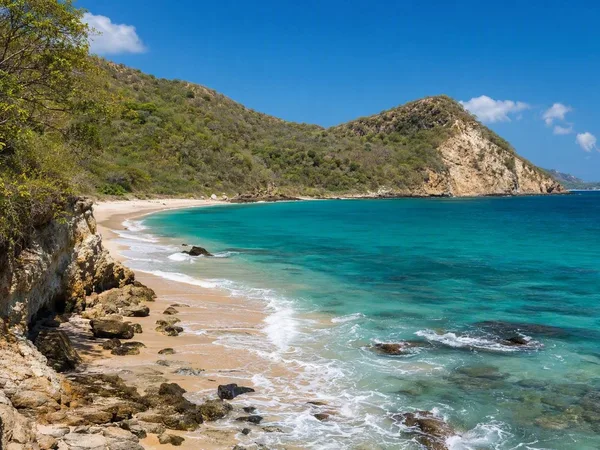
Manabí Province
1 linked stories and routes
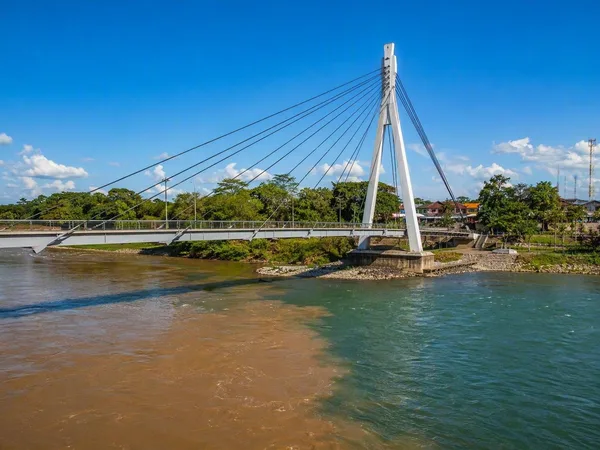
Tena, Napo
1 linked stories and routes
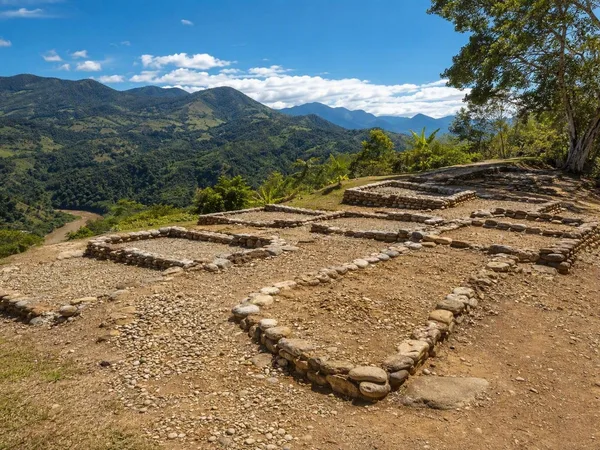
Santa Ana–La Florida Archaeological Site
1 linked stories and routes
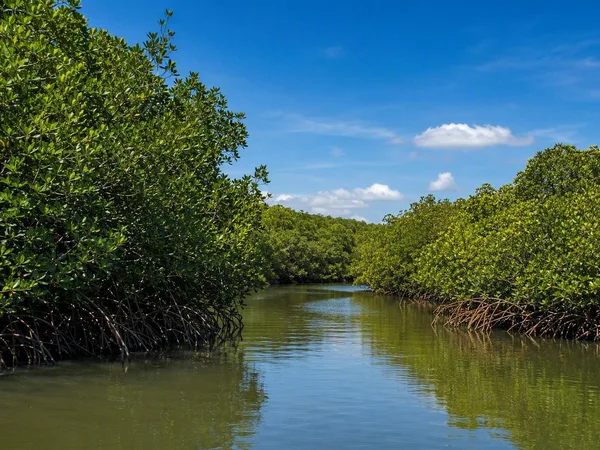
Guayas Province
1 linked stories and routes
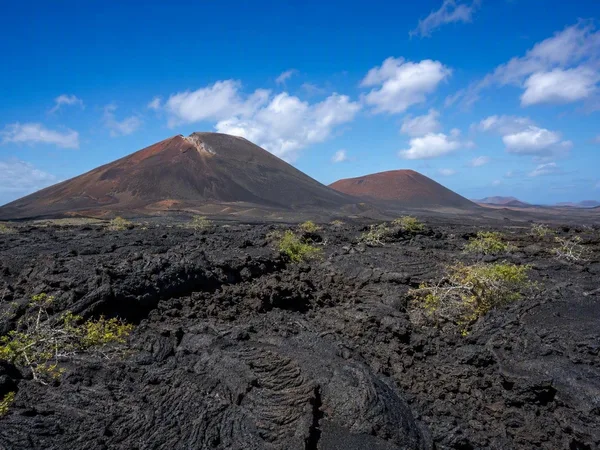
Galápagos Islands
1 linked stories and routes
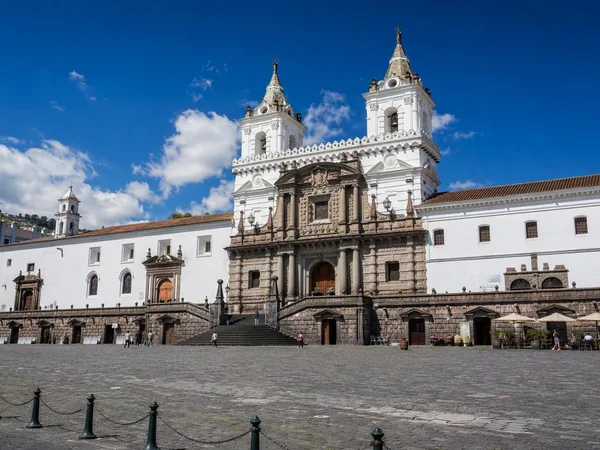
Plaza de San Francisco
0 linked stories and routes
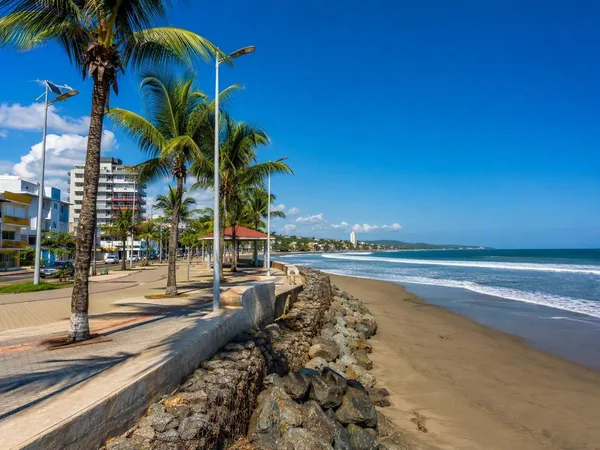
Esmeraldas Province
0 linked stories and routes
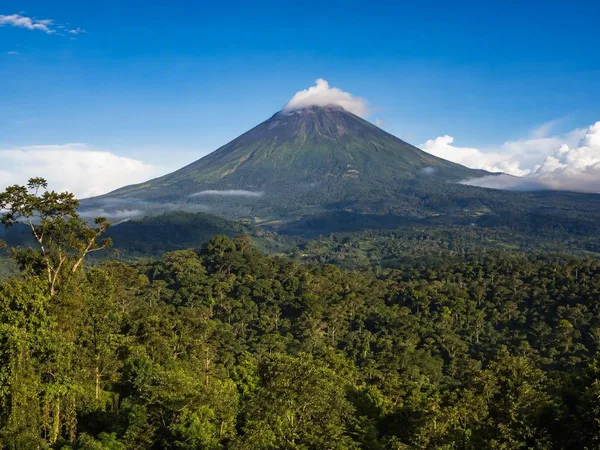
Napo Province
0 linked stories and routes
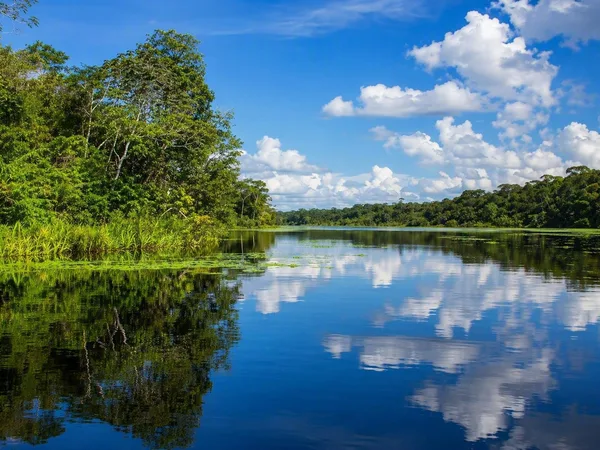
Sucumbíos Province
0 linked stories and routes
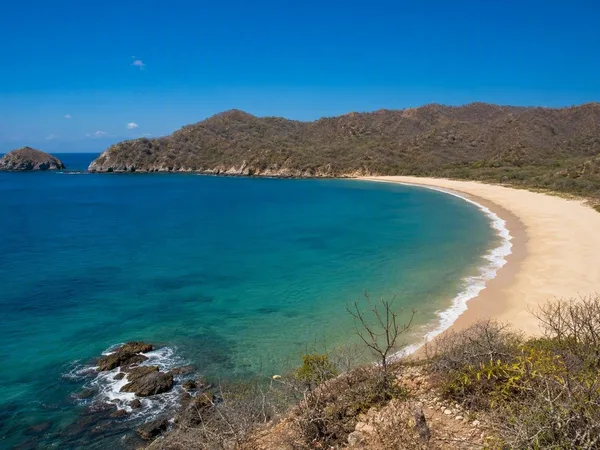
Playa de Los Frailes
0 linked stories and routes