
Province · Ecuador
Sucumbíos Province
Sucumbíos is Ecuador’s northeastern Amazon province, with Nueva Loja as its capital and a landscape of rainforest, rivers and protected wetlands. It is the practical base for reaching Cuyabeno and other lowland Amazon sites.
The lay of the land
Sucumbíos occupies Ecuador’s far northeast, bordering Colombia to the north and Peru to the east. Its seven cantons extend from Andean foothills into the Amazon basin; the scale matters when planning. Nueva Loja, also called Lago Agrio, is the provincial capital and the main service hub.
The province is not a single rainforest destination. Use Nueva Loja for beds, supplies and onward transport, then choose one area rather than trying to cover everything in a short stay.
Cuyabeno: lagoons and black water
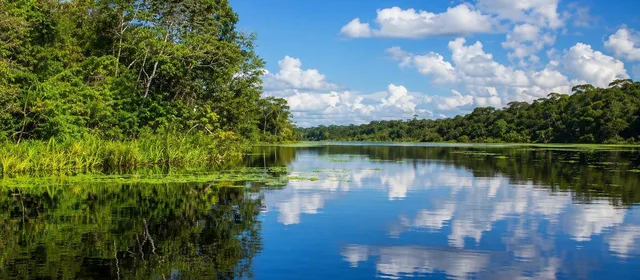
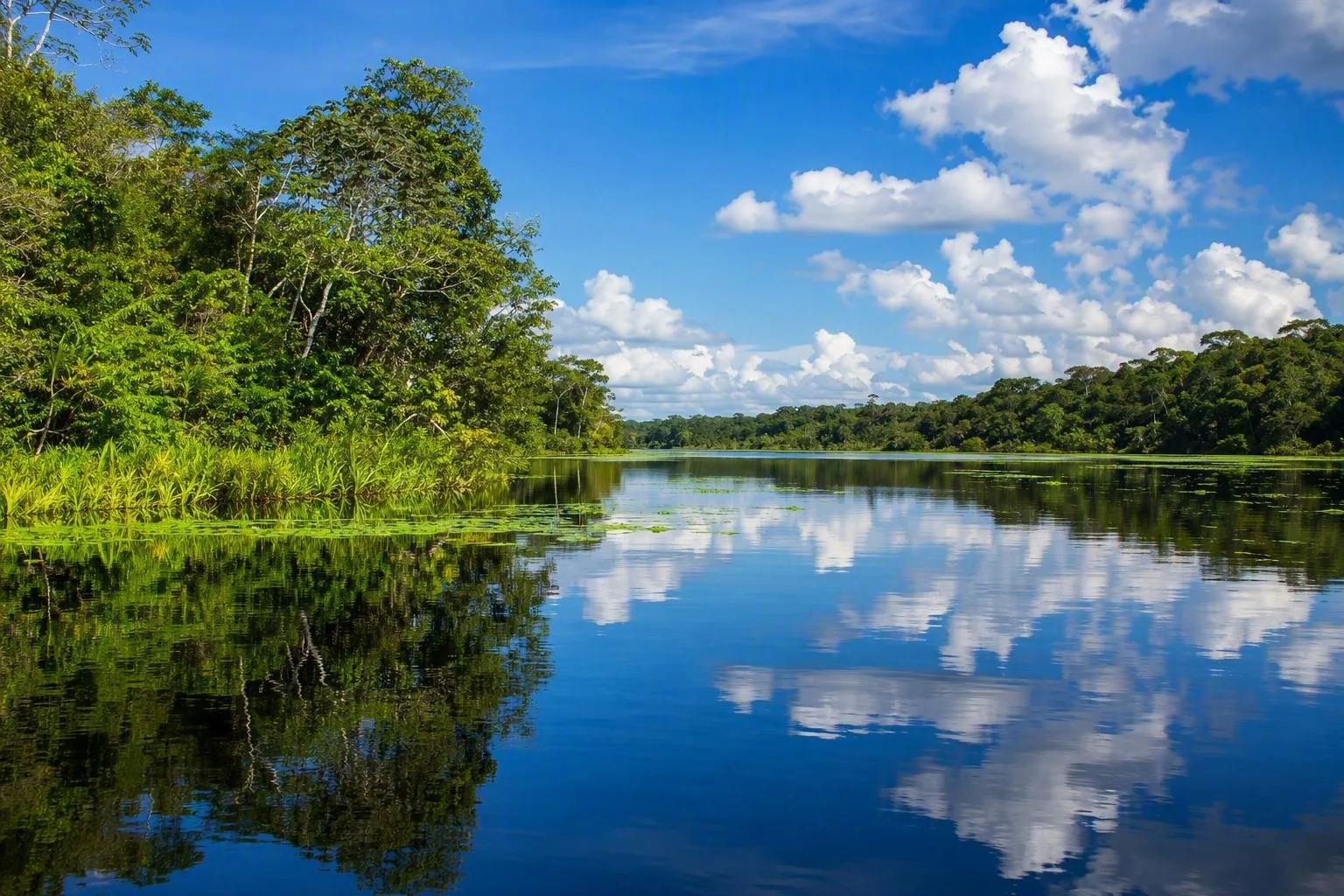
The Cuyabeno Wildlife Production Reserve is Sucumbíos’ defining nature experience. Its seasonally flooded forest, lagoons and rivers include Laguna Grande, Zancudococha and the Aguarico system. Canoe travel is central here: it is the right way to experience the reserve’s waterways and forest edges.
Expect a guided, multi-day rainforest stay rather than a quick independent excursion. Birdwatching, river-dolphin and caiman spotting, forest walks and night outings are typical activities, but wildlife remains unpredictable.
Access: From Nueva Loja, the road route via Tarapoa and Puerto El Carmen reaches the Cuyabeno River bridge in roughly 100 km. Entry is through the control post; the onward canoe ride to Laguna Grande takes about two hours, depending on water levels.
Other places to build into an itinerary
- Limoncocha Biological Reserve: A black-water lagoon and surrounding primary and secondary forest. It is a strong choice for birding and for observing reptiles and mammals from a less remote setting.
- Nueva Loja: Treat the capital as a logistical stop, not merely a transfer point. Its hotels, shops and tour operators make it the province’s working gateway.
- Aguarico River communities: Cofán communities around Dureno and Siona artisans in Puerto Bolívar are part of the province’s living cultural landscape. Arrange community visits through local, authorised partners and follow the host community’s rules.
Timing and field conditions
Sucumbíos is humid and tropical in its lowlands. Rain, insects, mud and changing river levels are normal conditions, not disruptions. December to March is generally the drier period and can make river travel and walks easier; the forest is visitable year-round.
Pack quick-drying clothes, rain protection, insect repellent, waterproof storage, closed walking shoes or boots, a torch and binoculars. Neutral-coloured clothing is useful around wildlife.
Essential access rules
Use a registered operator and licensed guide for Cuyabeno and other remote protected-area trips. Keep to designated routes, do not feed animals, and carry out all waste; avoid single-use plastic where possible. Community tourism is by invitation and agreement, not an entitlement.
From the magazine
Stories about Sucumbíos Province
Editorial stories linked directly to Sucumbíos Province.
No stories about Sucumbíos Province have been published yet.
Routes from our editors
Travel through Sucumbíos Province
Editorial routes connecting Sucumbíos Province with other countries, cities and hotspots.
No routes through Sucumbíos Province have been published yet.
More in Ecuador
Related hotspots
Other cities, nature areas and places within Ecuador.

Quito
2 linked stories and routes

Guayaquil
2 linked stories and routes
Amazon
1 linked stories and routes
Los Ríos Province
1 linked stories and routes
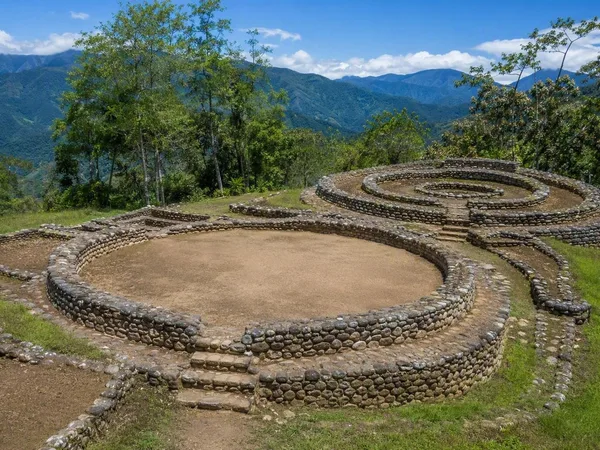
Zamora Chinchipe Province
1 linked stories and routes
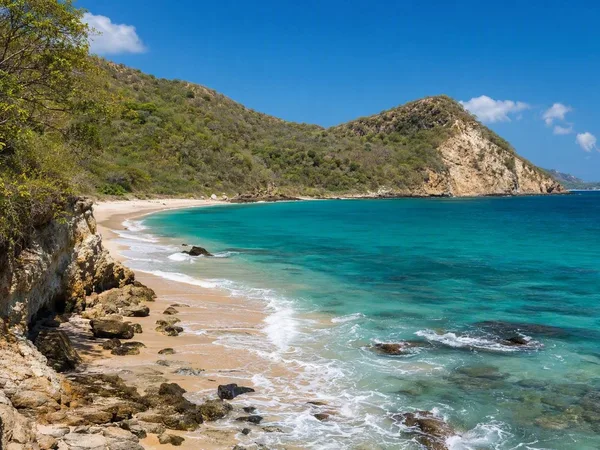
Manabí Province
1 linked stories and routes
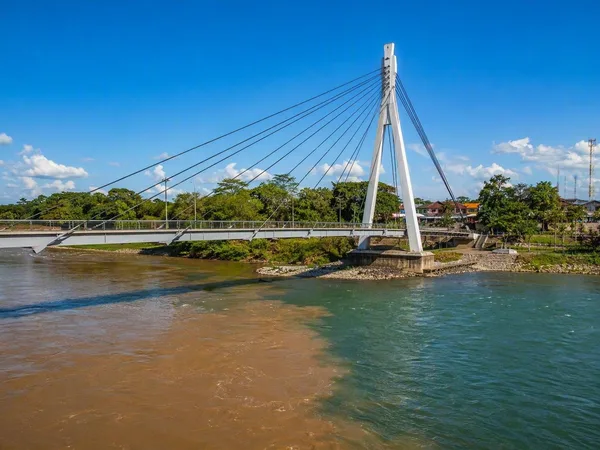
Tena, Napo
1 linked stories and routes
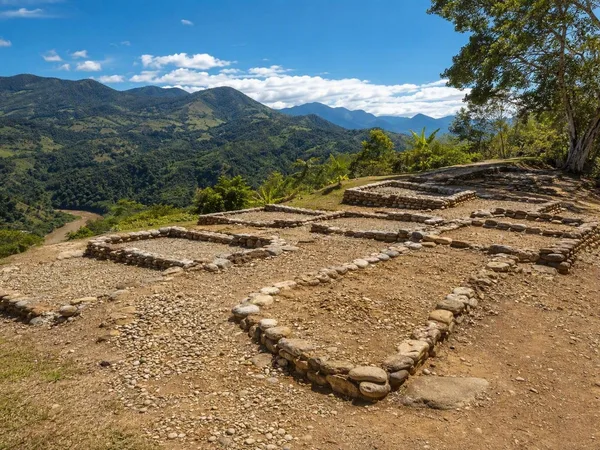
Santa Ana–La Florida Archaeological Site
1 linked stories and routes
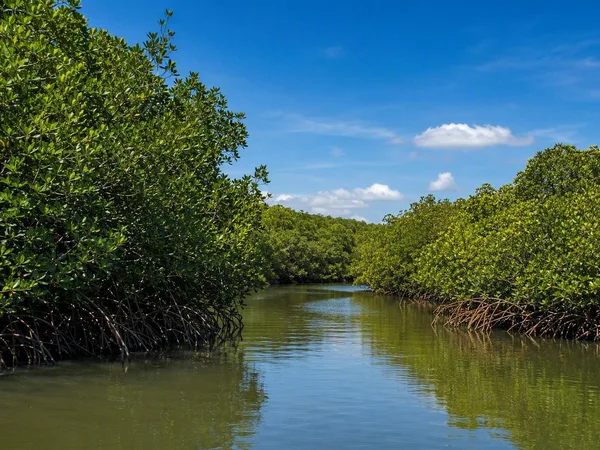
Guayas Province
1 linked stories and routes
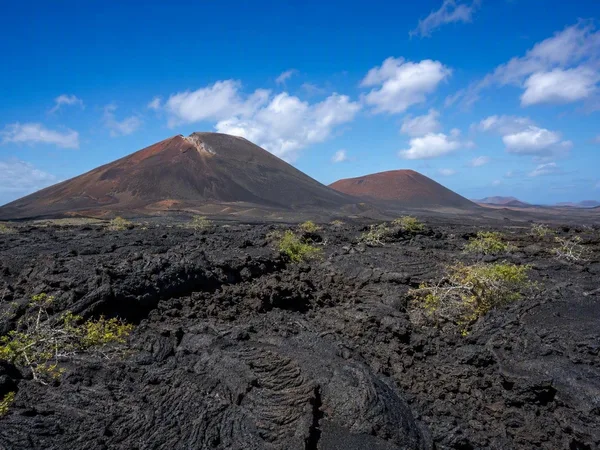
Galápagos Islands
1 linked stories and routes

Plaza de San Francisco
0 linked stories and routes

Esmeraldas Province
0 linked stories and routes

Napo Province
0 linked stories and routes
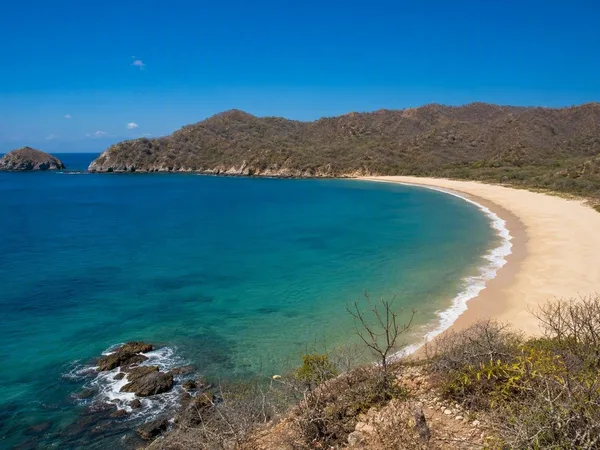
Playa de Los Frailes
0 linked stories and routes