
Province · Ecuador
Guayas Province
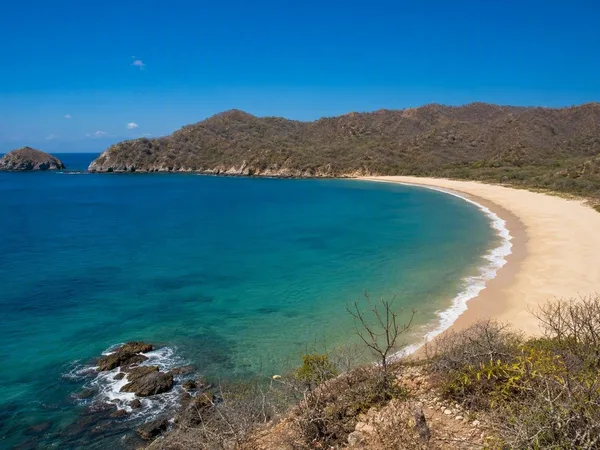
Guayas is Ecuador’s populous coastal province, centred on Guayaquil and the river system that forms the Guayas River. It combines a major port city with cacao-growing lowlands, estuaries, mangroves and Pacific beaches.
Get your bearings
Guayas occupies Ecuador’s south-western coast and is divided into 25 cantons. Guayaquil, the provincial capital and Ecuador’s largest city, is the practical base: the Daule and Babahoyo rivers meet here to form the Guayas River before it reaches the Gulf of Guayaquil.
This is not a compact destination. Think in distinct landscapes: urban Guayaquil and its riverfront; the northern Daule corridor; agricultural lowlands around Milagro and Naranjito; the mangrove-lined southern estuary around Naranjal; and the coast around Playas. Plan one or two areas per day rather than trying to cross the province on a single outing.
Follow the water
The river system explains both the province’s landscape and its economy. Use Guayaquil as the starting point for the city’s waterfront and river views, then move outward toward rural waterways, farms or the gulf.
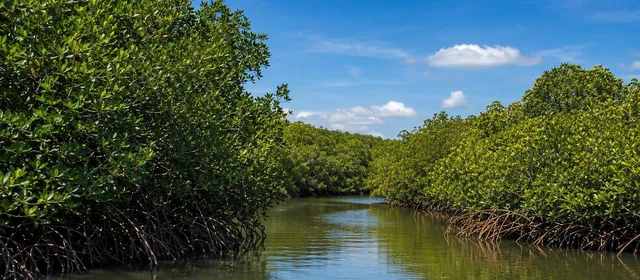
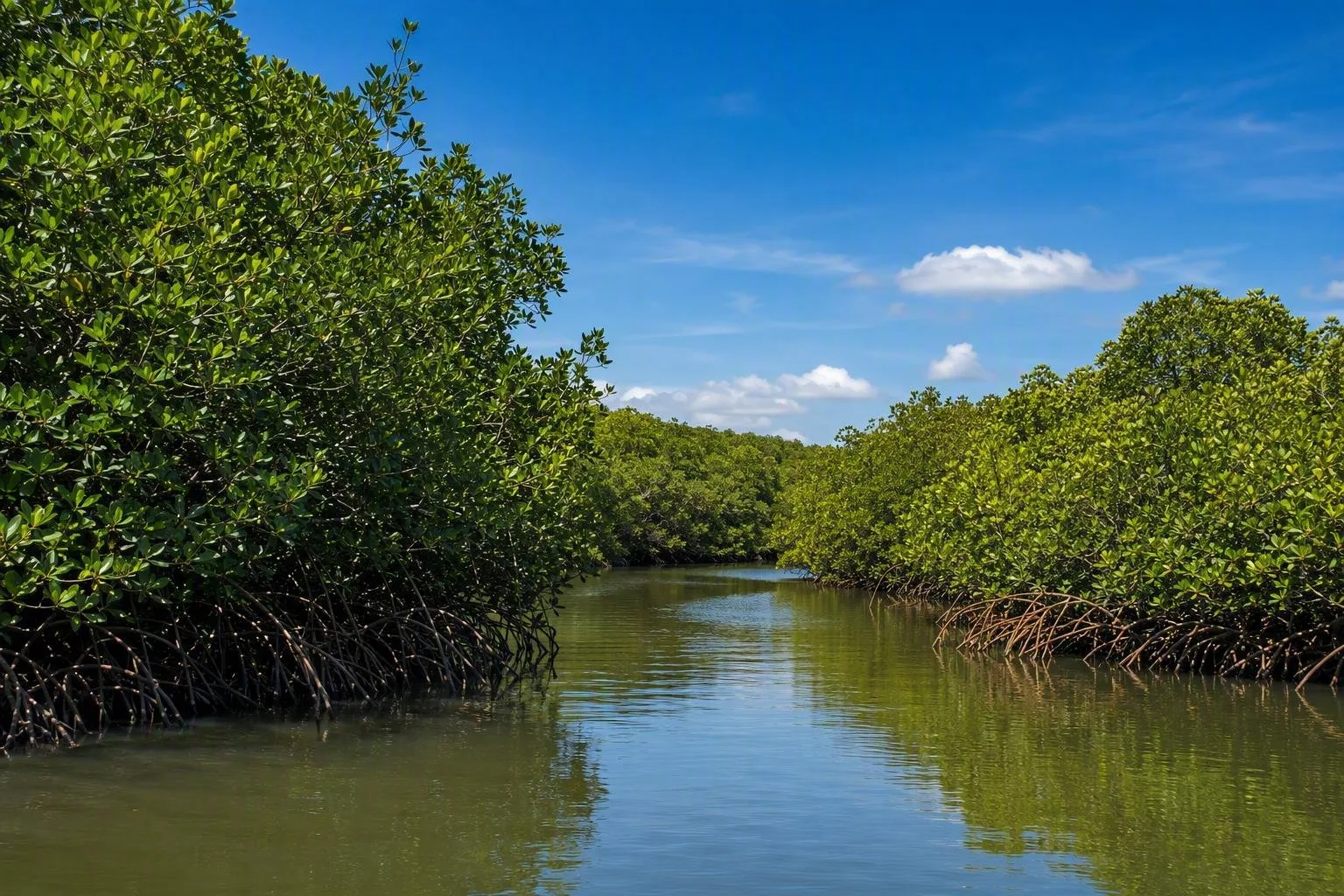
For nature, head south to Manglares Churute Ecological Reserve in Naranjal. Its estuary combines mangroves, waterways and hills; hiking and boat trips are the core experiences, with birds a regular feature and dolphins possible on estuary outings. Puná Island, in the Gulf of Guayaquil, is the largest island in continental Ecuador and belongs on a separate, boat-dependent day.
Other worthwhile nature stops include Cerro Blanco Protected Forest near Guayaquil and the mangrove reserves of El Morro and El Salado. Protected landscapes are working ecosystems: stay on designated trails and use authorized boat services where required.
Cacao country and rural Guayas
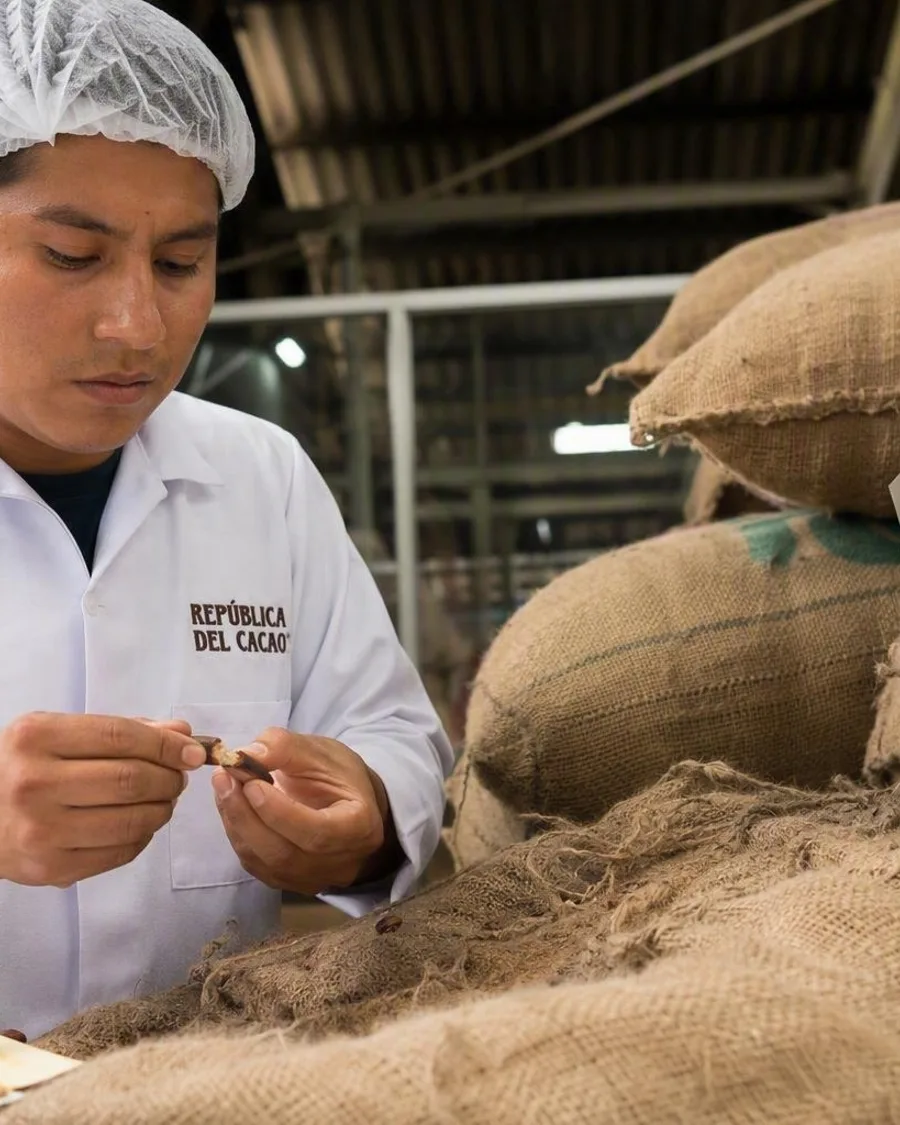
The humid lowlands north and east of Guayaquil produce banana, plantain, mango, rice, sugar cane and cacao. Cacao matters here not merely as a crop but as part of the history behind Arriba: the term became associated with Nacional cacao from areas upstream of Guayaquil, including Guayas and neighbouring provinces. It is not a catch-all name for Ecuadorian cacao.
Look for farm visits or rural stays in the interior if you want to connect the landscape to cultivation. In markets and restaurants, the province’s staple ingredients are green plantain, rice, cassava, seafood, crab and cacao. Try fish with patacones, seafood rice, or a crab dish in Naranjal.
Getting around
Guayaquil has the province’s international airport and long-distance bus terminals, making it the logical arrival and overnight hub. Buses link major towns, but a car or arranged transport is more efficient for reserves, farms, beaches and scattered rural sites.
The coast is generally drier than the inland river plain. The wetter months can make lowland travel and outdoor plans slower; carry sun protection and rain cover, especially for mangrove trips. On the water, take drinking water and protect cameras from spray.
From the magazine
Stories about Guayas Province
Editorial stories linked directly to Guayas Province.
Routes from our editors
Travel through Guayas Province
Editorial routes connecting Guayas Province with other countries, cities and hotspots.
No routes through Guayas Province have been published yet.
More in Ecuador
Related hotspots
Other cities, nature areas and places within Ecuador.
Quito
2 linked stories and routes
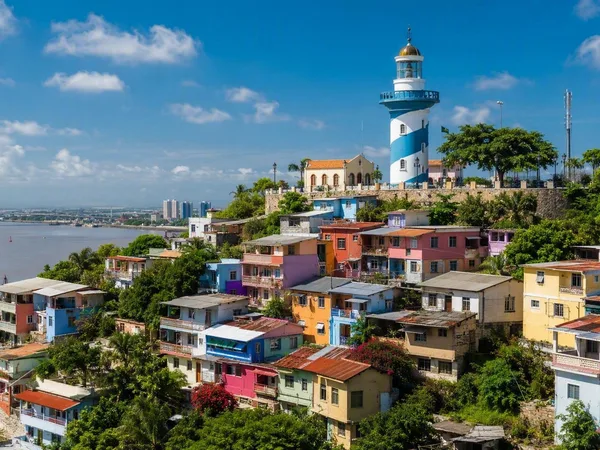
Guayaquil
2 linked stories and routes
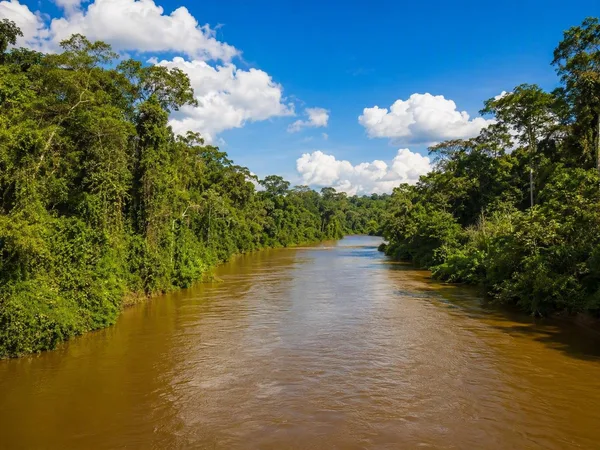
Amazon
1 linked stories and routes
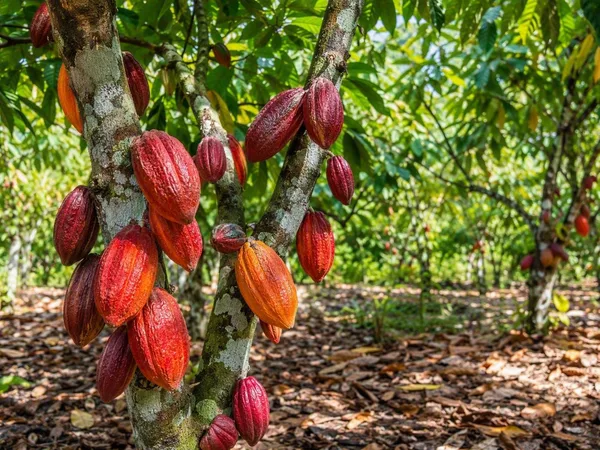
Los Ríos Province
1 linked stories and routes
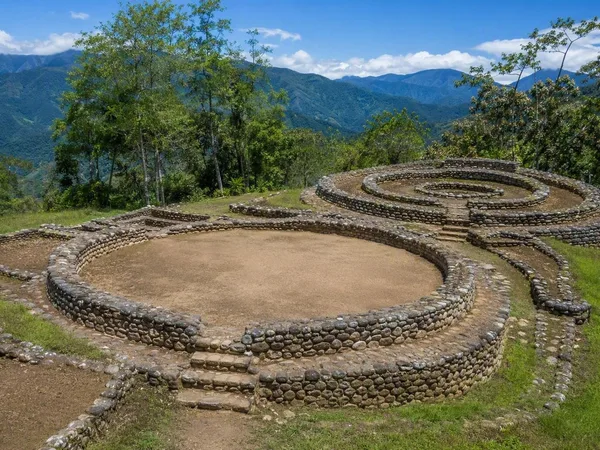
Zamora Chinchipe Province
1 linked stories and routes
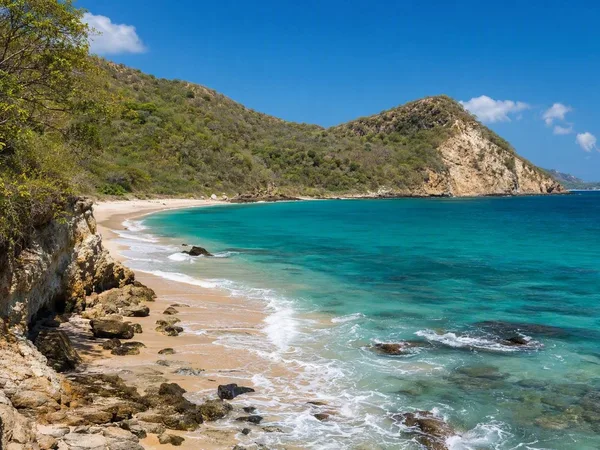
Manabí Province
1 linked stories and routes
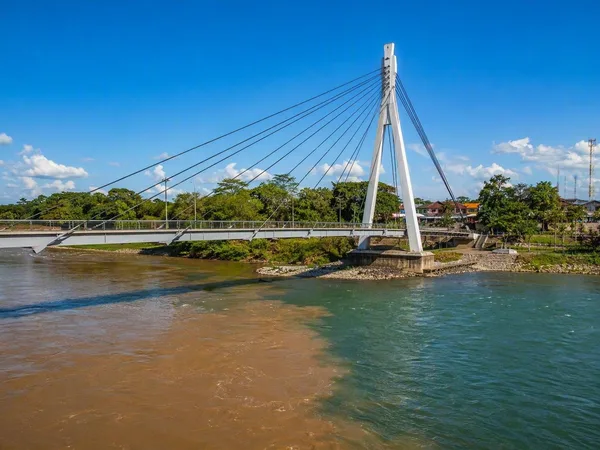
Tena, Napo
1 linked stories and routes
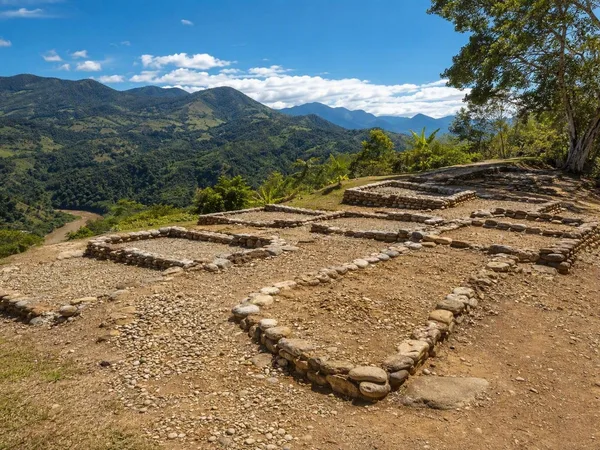
Santa Ana–La Florida Archaeological Site
1 linked stories and routes
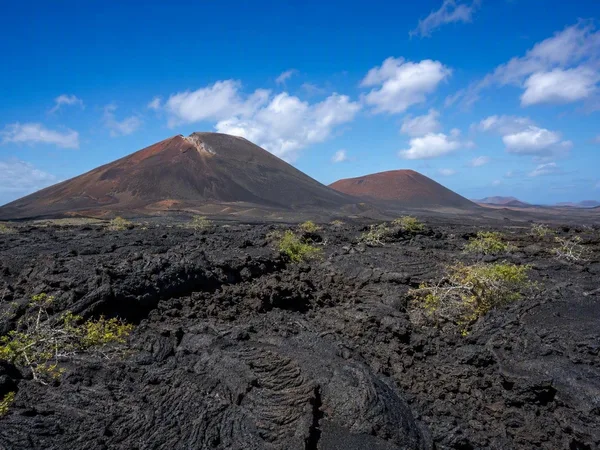
Galápagos Islands
1 linked stories and routes
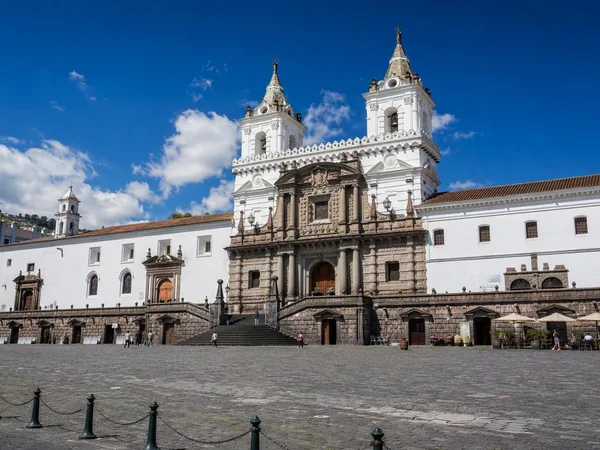
Plaza de San Francisco
0 linked stories and routes
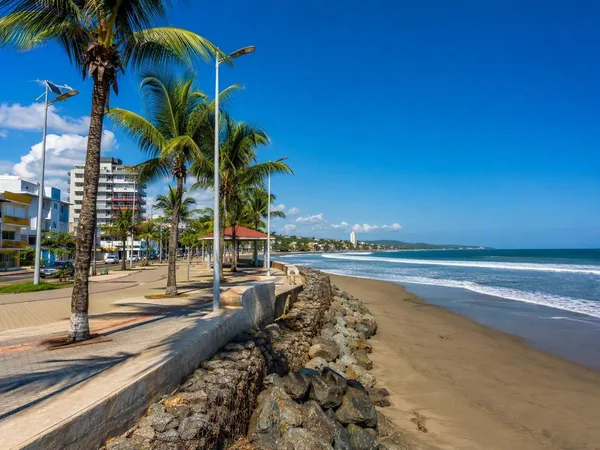
Esmeraldas Province
0 linked stories and routes
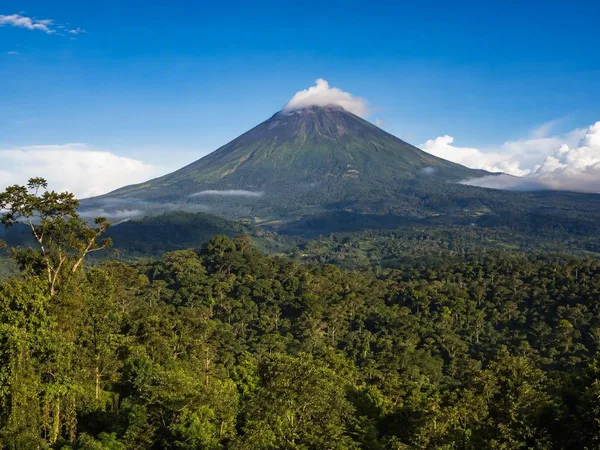
Napo Province
0 linked stories and routes
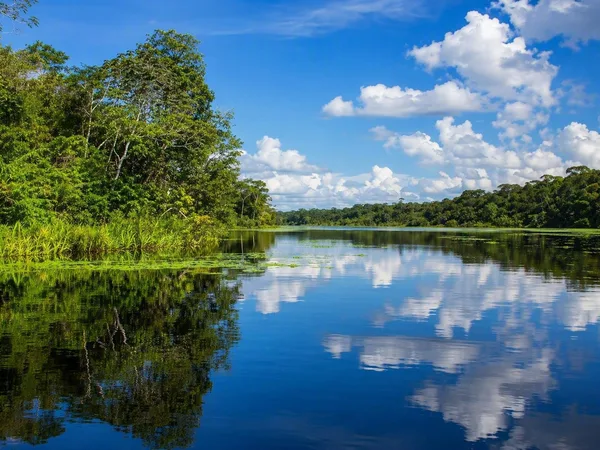
Sucumbíos Province
0 linked stories and routes
Playa de Los Frailes
0 linked stories and routes