
Region · Ecuador
Amazon
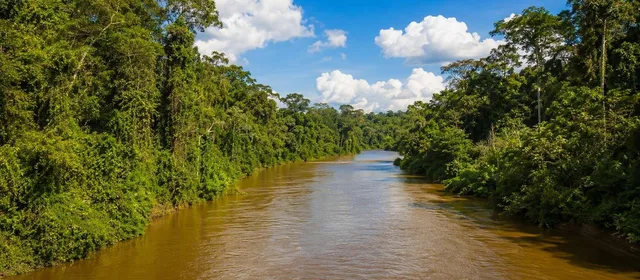
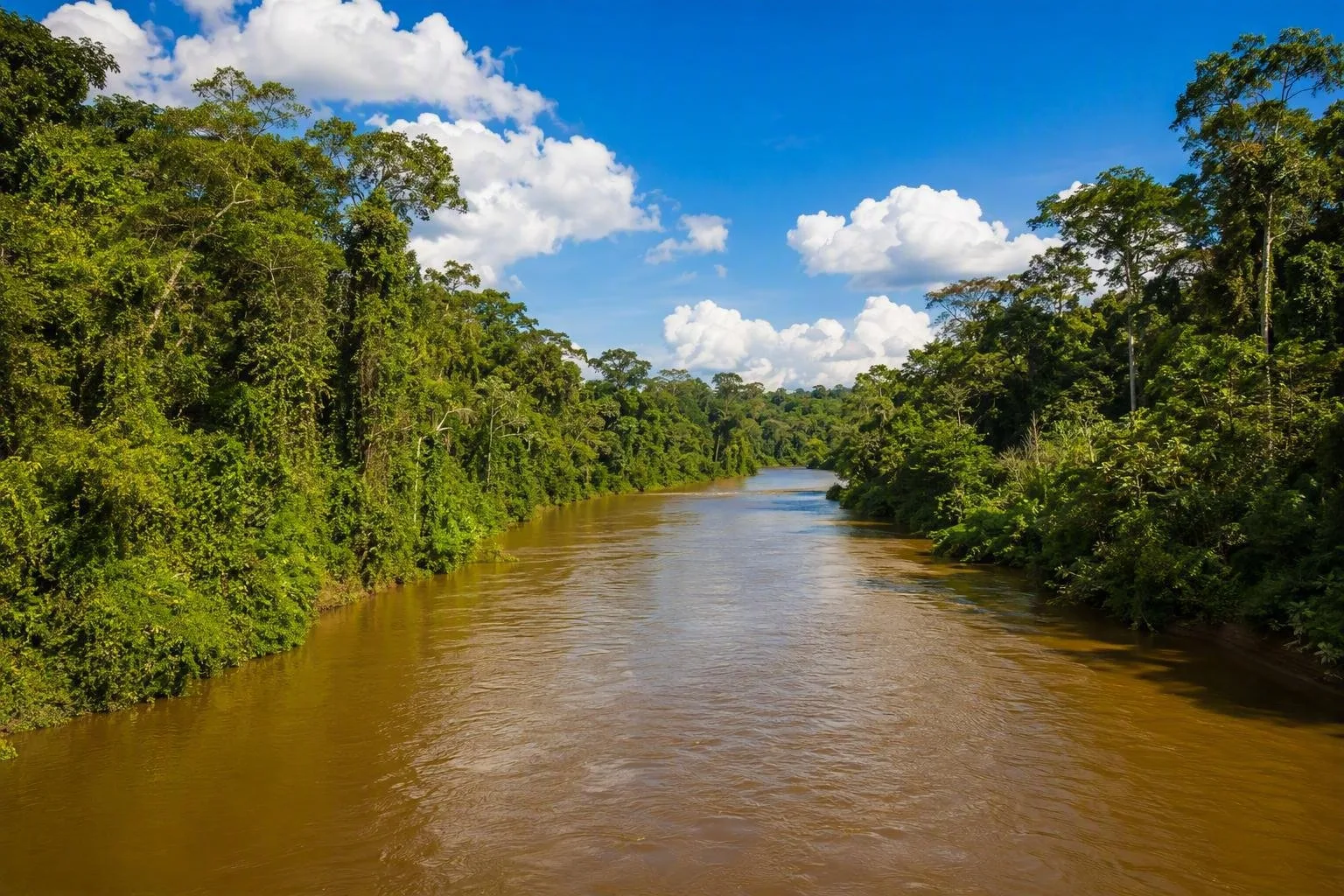
Ecuador’s Amazon is the rainforest region east of the Andes, spanning river basins, protected areas and Indigenous territories. Tena is a practical western gateway, while the Napo River leads towards deeper lowland forest.
Know the scale
The Amazon is not a single park or town. In Ecuador it extends across the eastern lowlands and foothills, with major destinations including Tena and Misahuallí in Napo, Cuyabeno in the north, and Yasuní farther east and south. Choose one base and build an itinerary around its rivers, forest trails and community-led experiences rather than trying to cover the whole region.
Tena and Misahuallí suit a short first visit: road access from Quito, river activities and nearby Kichwa communities. Cuyabeno is a lagoon-and-river landscape reached via Lago Agrio. Yasuní is a deeper forest stay generally approached from Coca by river.
Rivers and forest
Water is the practical map of the Ecuadorian Amazon. The Napo is the principal river route around Tena and Coca; smaller rivers, channels and lagoons shape travel in protected lowland areas. Guided canoe trips and walks are the standard way to experience the forest.
Expect travel to run at the pace of water levels, weather and boat transfers. A rainforest itinerary works best with time built in for transport rather than a tight sequence of stops.
- Tena: rafting and kayaking on the Napo and Jatunyaku, plus caves and community tourism.
- Cuyabeno: black-water rivers, lagoons and canoe-based excursions.
- Yasuní: forest and river travel through authorized lodges and operators.
Cacao and the chakra
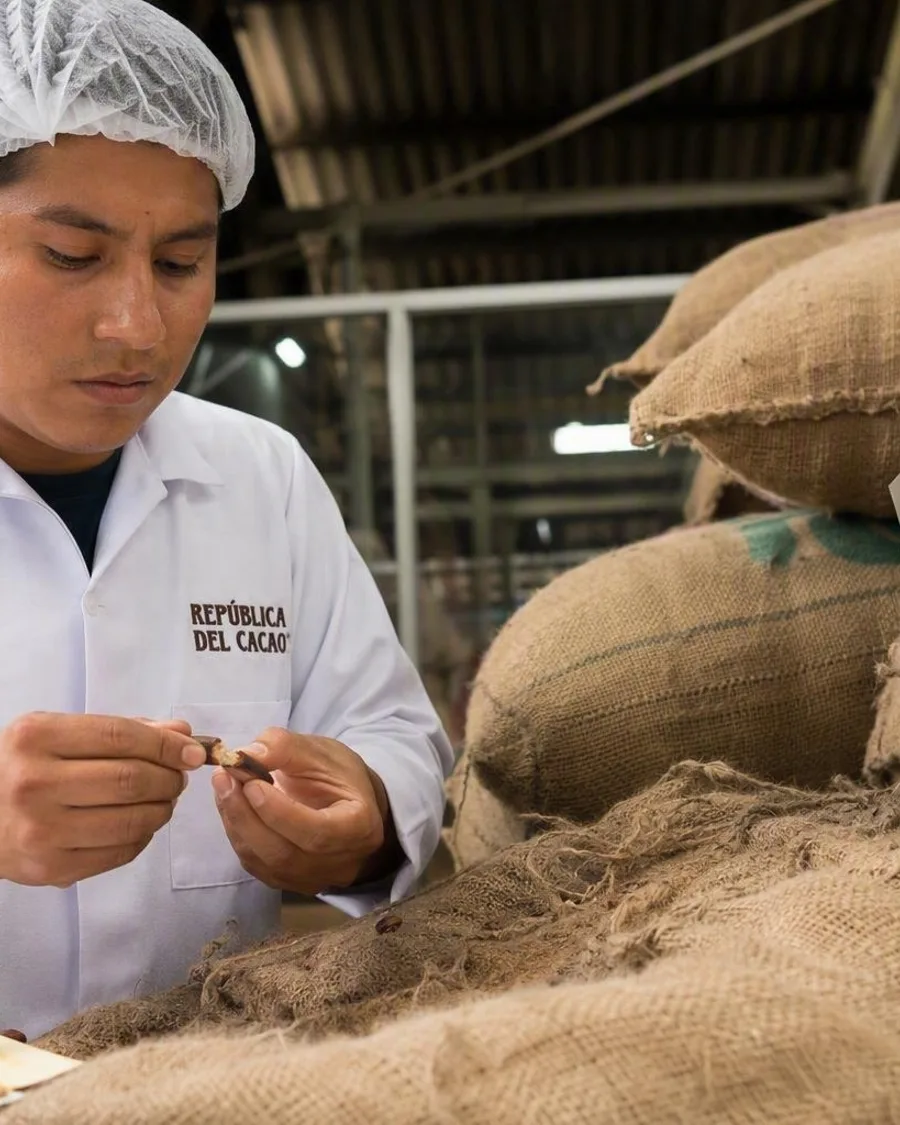
Napo’s Kichwa chakra is an agroforestry system, not a monocrop estate. Cacao grows alongside food, fruit, medicinal and other useful plants. This is a useful place to understand that Ecuadorian chocolate begins in working forest gardens as well as in coastal growing zones.
In and around Tena, Kallari works with Kichwa producers of Napo and offers visits that can include a chakra, cacao collection and processing, fermentation and drying, and chocolate-making. Treat a community visit as a hosted cultural and agricultural activity, not an attraction to consume: use community-run or community-partnered programmes and follow the host’s rules on photographs, trails and shared spaces.
Getting in and preparing
Travel by road from Quito to Tena for the most straightforward Amazon entry. For eastern lowland lodges and Yasuní routes, Coca is the usual air-and-river hub; Cuyabeno is normally accessed via Lago Agrio and onward road and canoe transfers.
The climate is warm, humid and rainy through the year. Pack quick-drying layers, waterproof protection for electronics, insect repellent, a refillable water bottle, a headlamp and closed footwear or rubber boots. Ask a health professional about yellow-fever vaccination before travel.
Access and conduct
Remote forest travel needs a qualified guide. This is especially important for river navigation, night walks, protected areas and high-water conditions. Do not enter Indigenous communities, protected trails or lodges independently unless access has been arranged.
Keep wildlife viewing quiet and at a distance. Never feed animals, remove plants or leave waste in rivers or on trails. In the Amazon, those basics protect both a sensitive ecosystem and the people whose homes and livelihoods are part of the landscape.
From the magazine
Stories about Amazon
Editorial stories linked directly to Amazon.
Routes from our editors
Travel through Amazon
Editorial routes connecting Amazon with other countries, cities and hotspots.
No routes through Amazon have been published yet.
More in Ecuador
Related hotspots
Other cities, nature areas and places within Ecuador.
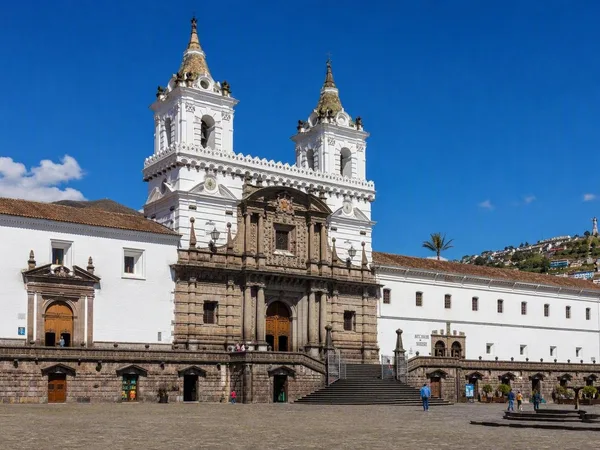
Quito
2 linked stories and routes
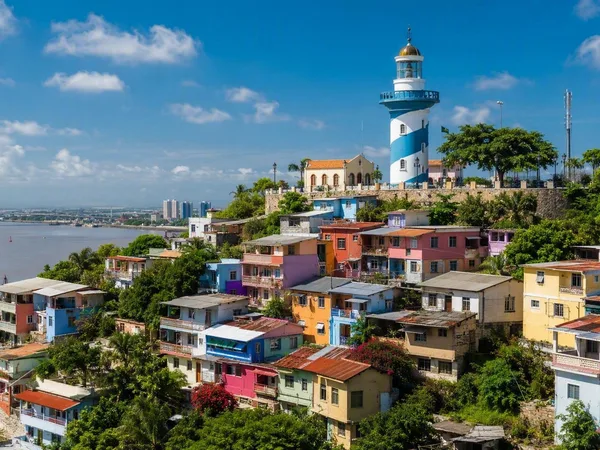
Guayaquil
2 linked stories and routes
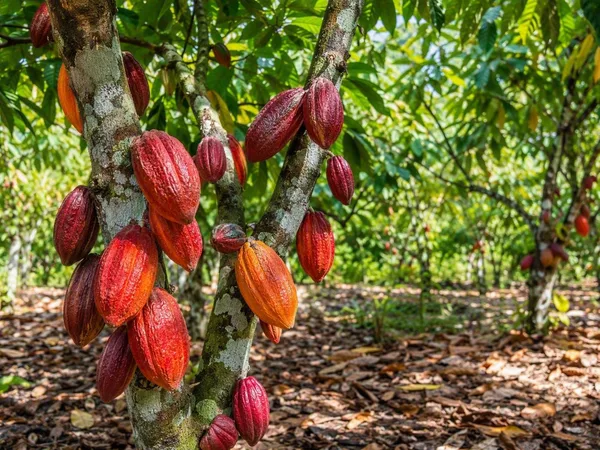
Los Ríos Province
1 linked stories and routes
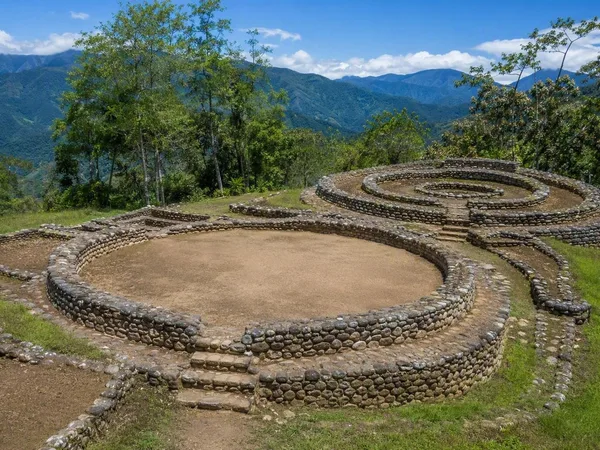
Zamora Chinchipe Province
1 linked stories and routes
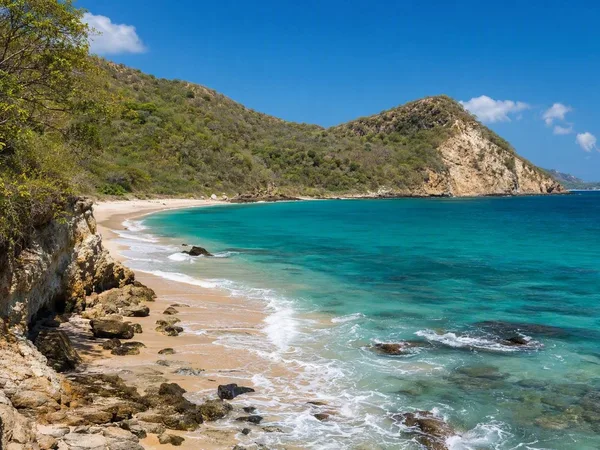
Manabí Province
1 linked stories and routes
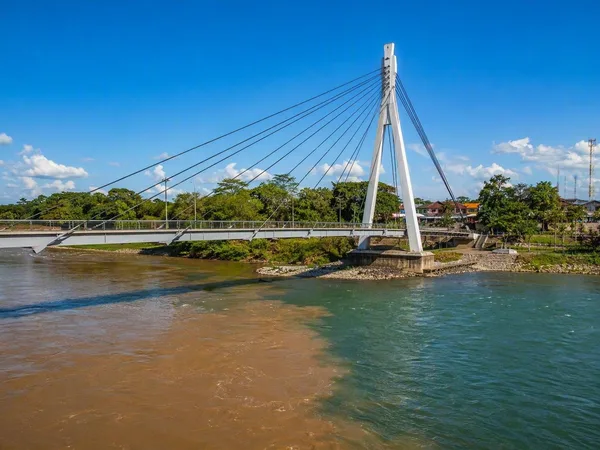
Tena, Napo
1 linked stories and routes
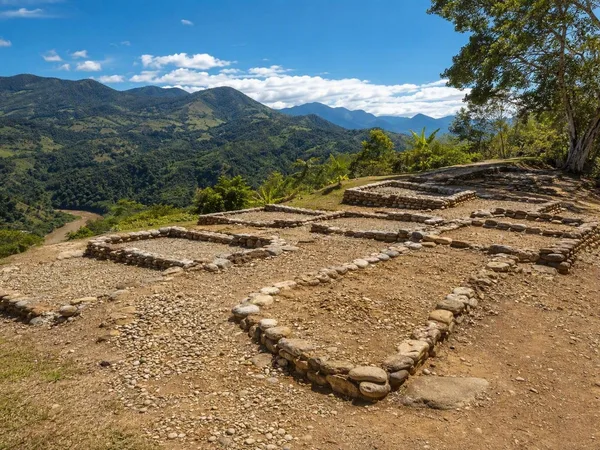
Santa Ana–La Florida Archaeological Site
1 linked stories and routes
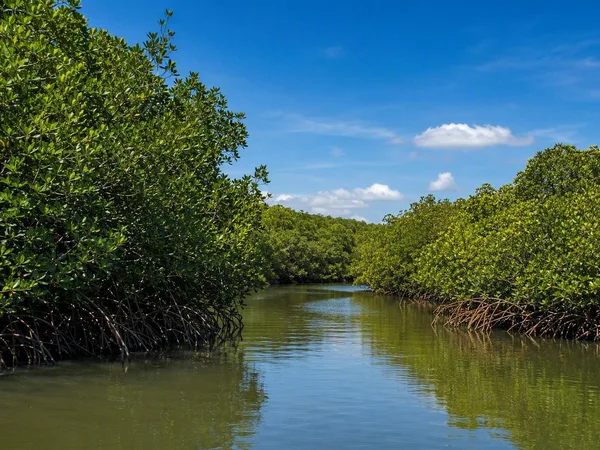
Guayas Province
1 linked stories and routes
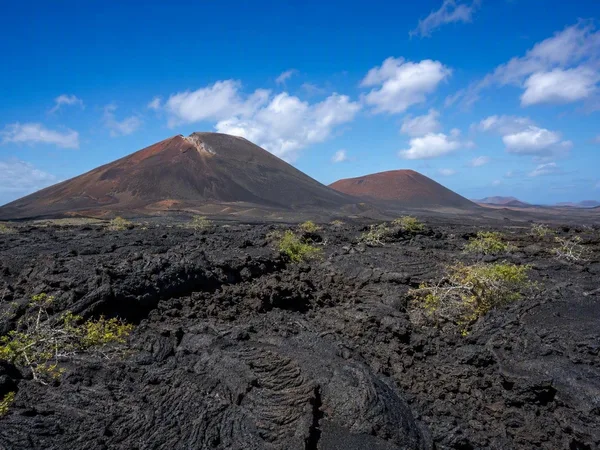
Galápagos Islands
1 linked stories and routes
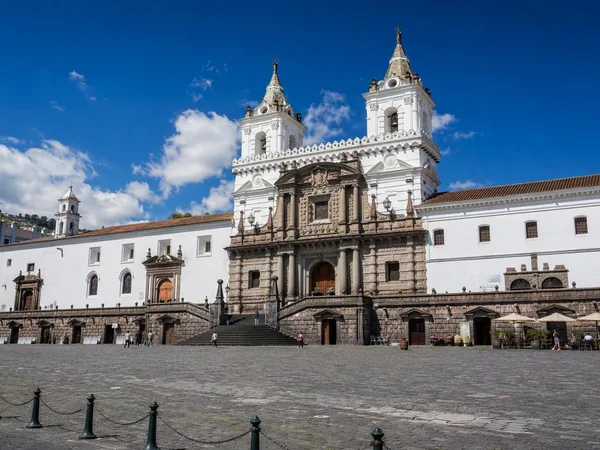
Plaza de San Francisco
0 linked stories and routes
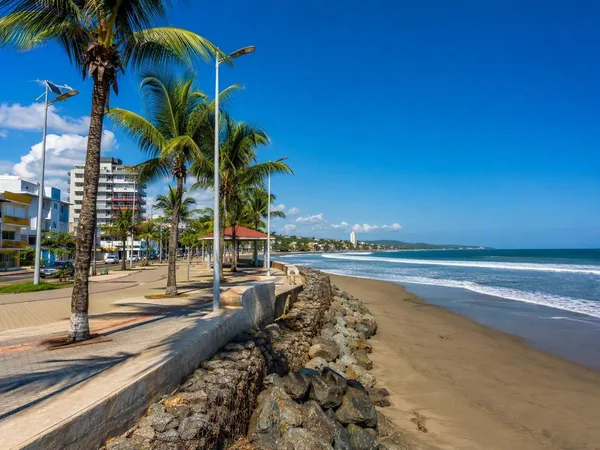
Esmeraldas Province
0 linked stories and routes
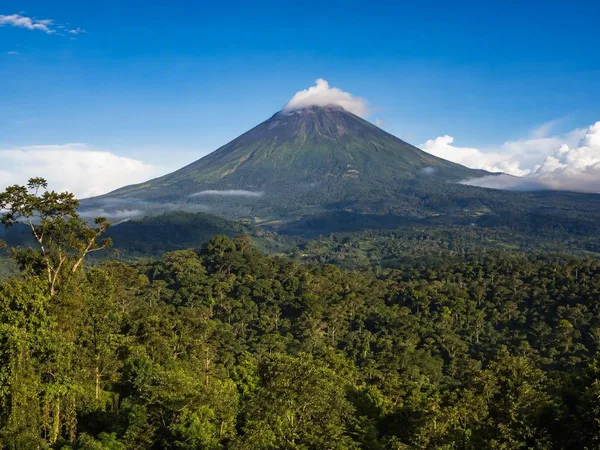
Napo Province
0 linked stories and routes
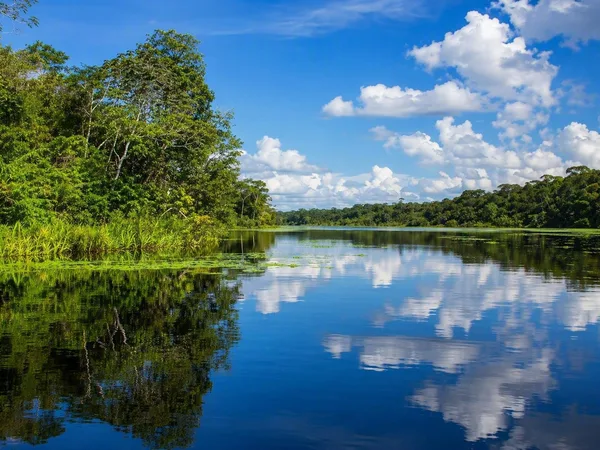
Sucumbíos Province
0 linked stories and routes
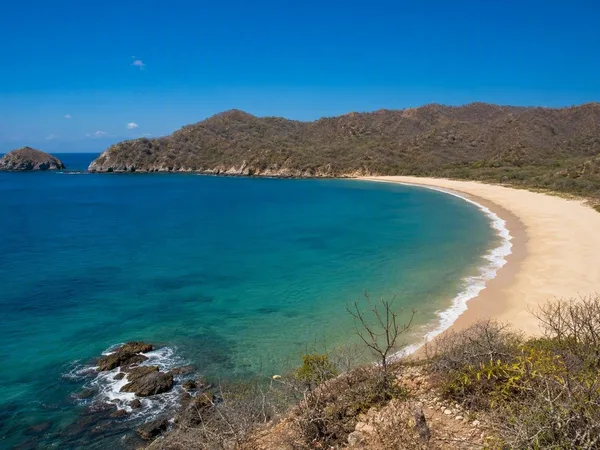
Playa de Los Frailes
0 linked stories and routes