
Sight · Ecuador
Santa Ana–La Florida Archaeological Site
Santa Ana–La Florida is a Mayo-Chinchipe archaeological site near Palanda in Ecuador’s Zamora Chinchipe Province. Its ceremonial architecture and 5,300-year-old cacao evidence place it at the centre of the early history of cacao in the Americas.
Orientation
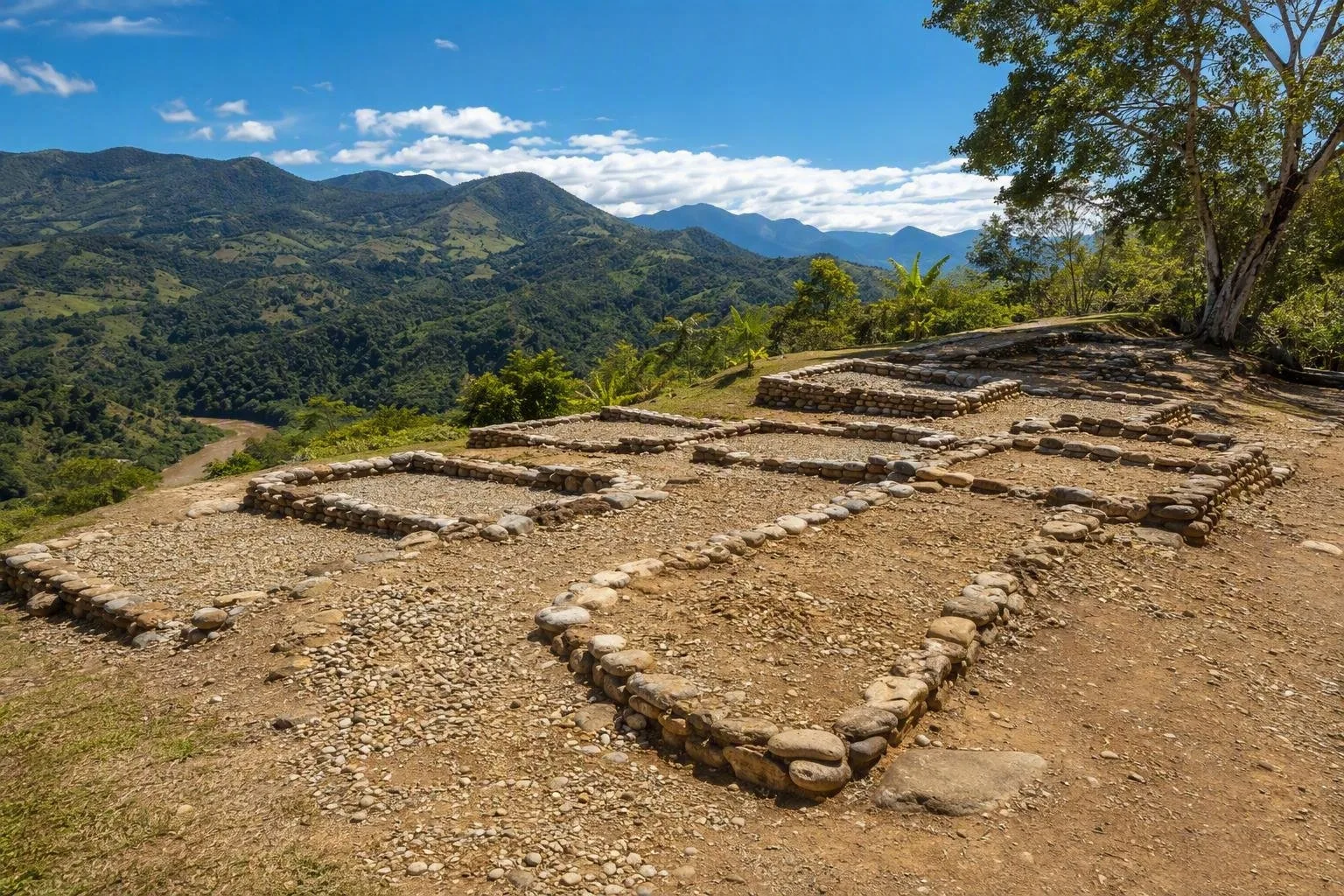
Santa Ana–La Florida lies on the eastern slopes of the Andes, near Palanda in southern Ecuador. The site occupies a roughly one-hectare river terrace above the Río Valladolid, in the transition between the Andes and the upper Amazon.
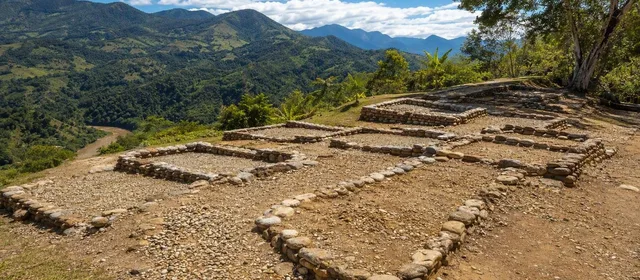
This is not a monumental ruin of walls and pyramids. Its value is in the excavated plan: a compact Early Formative settlement and ceremonial centre whose architecture, burials and plant remains recast the history of the region.
Read the site plan
The settlement was arranged around a central sunken plaza, with built platforms at its edges. On the eastern side, excavations uncovered concentric stonework and a spiral-shaped wall ending at a small ceremonial hearth. Tombs lay nearby, some with unusually rich offerings.
Look for the logic of the terrace rather than a single showpiece:
- Circular and spiral forms in the stone architecture.
- The raised eastern sector, overlooking the river.
- Burial contexts with ceramic vessels, polished stone bowls and mortars.
- Greenstone ornaments, including turquoise and malachite beads, and marine-shell fragments.
The assemblage shows that this was a place for ritual as well as settlement, linked to wider exchange networks rather than an isolated mountain village.
Why cacao matters here
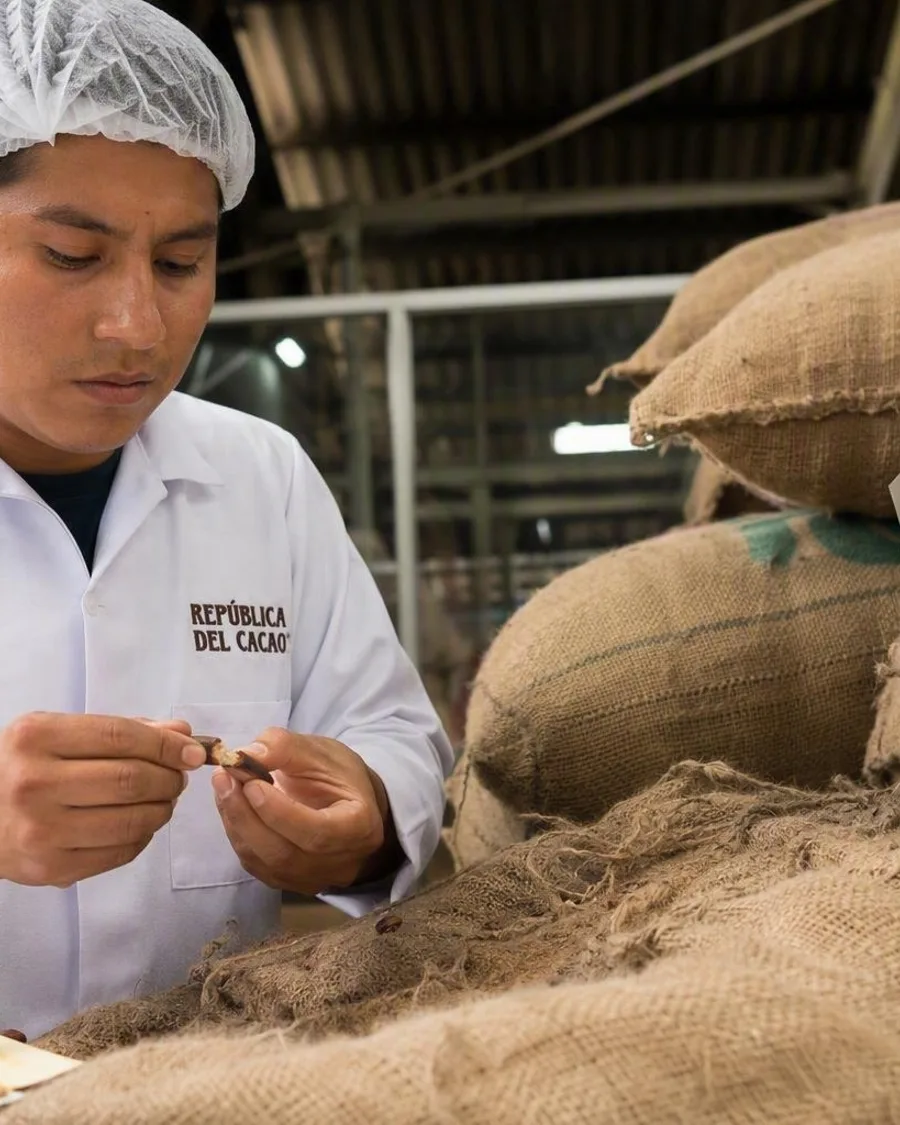
Residues and micro-remains from vessels and stone artefacts established cacao use at Santa Ana–La Florida about 5,300 years ago, around 3500–3330 BC. Researchers identified it through three independent traces: cacao starch grains, absorbed theobromine and ancient DNA.
That combination makes the site the earliest known archaeological evidence of Theobroma cacao use in the Americas and the first unequivocal pre-Columbian evidence in South America. Cacao appeared in domestic, ceremonial and mortuary contexts, alongside a broader cultivated repertoire that included maize, beans, manioc, sweet potato, yams, arrowroot, chilli and coca.
Historical setting
Santa Ana–La Florida is associated with the Mayo-Chinchipe cultural tradition, named for the river system spanning southern Ecuador and northern Peru. The finds include Pacific marine shells as well as fine stonework and ceramics, evidence of connections across very different landscapes.
The site’s earliest occupation dates to the mid-fourth millennium BC; major ceremonial construction belongs largely to the third millennium BC. It is a corrective to the familiar coastal-plantation story of Ecuadorian cacao: the deep archaeological record begins on the Andean-Amazonian side of the country.
Visiting perspective
Approach Santa Ana–La Florida as an archaeological landscape, not a reconstructed ancient town. Much of what matters was excavated below ground, so the clearest visit comes from pairing the visible stone-and-earth remains with a grasp of the site plan, the burial offerings and the cacao evidence.
Its river terrace, steep surrounding slopes and humid vegetation explain both the setting chosen by its builders and why careful excavation, rather than grand surviving architecture, defines the experience.
From the magazine
Stories about Santa Ana–La Florida Archaeological Site
Editorial stories linked directly to Santa Ana–La Florida Archaeological Site.
Routes from our editors
Travel through Santa Ana–La Florida Archaeological Site
Editorial routes connecting Santa Ana–La Florida Archaeological Site with other countries, cities and hotspots.
No routes through Santa Ana–La Florida Archaeological Site have been published yet.
More in Ecuador
Related hotspots
Other cities, nature areas and places within Ecuador.
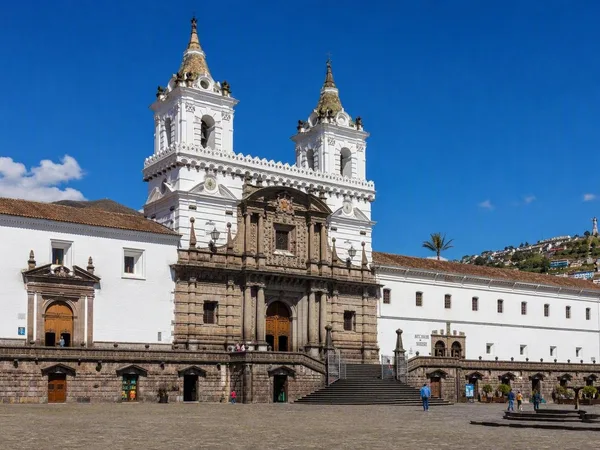
Quito
2 linked stories and routes
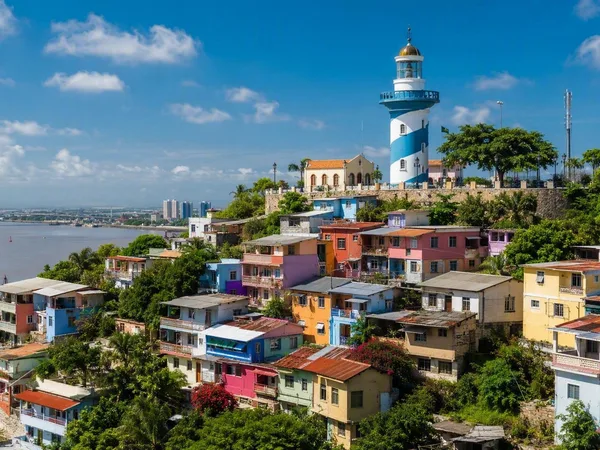
Guayaquil
2 linked stories and routes
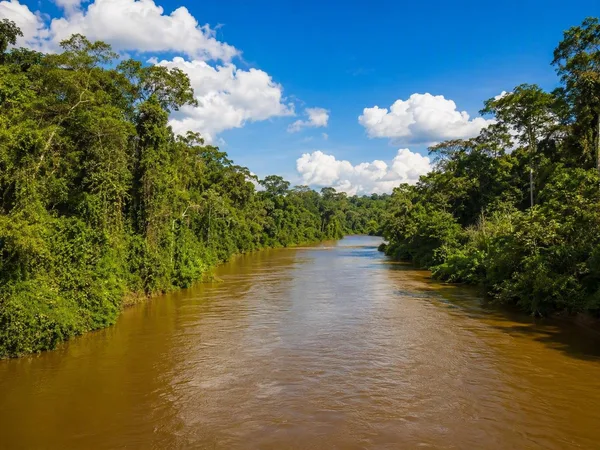
Amazon
1 linked stories and routes
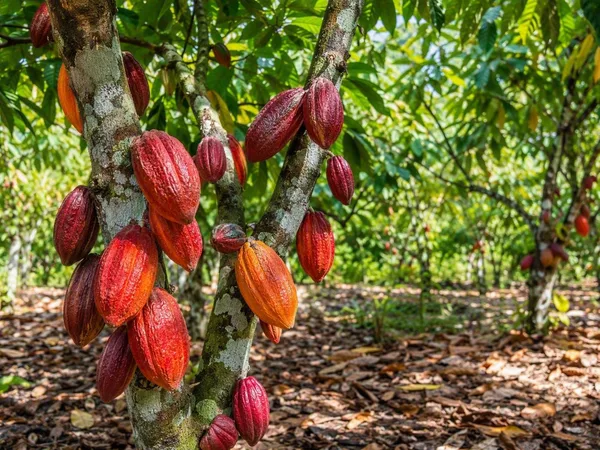
Los Ríos Province
1 linked stories and routes
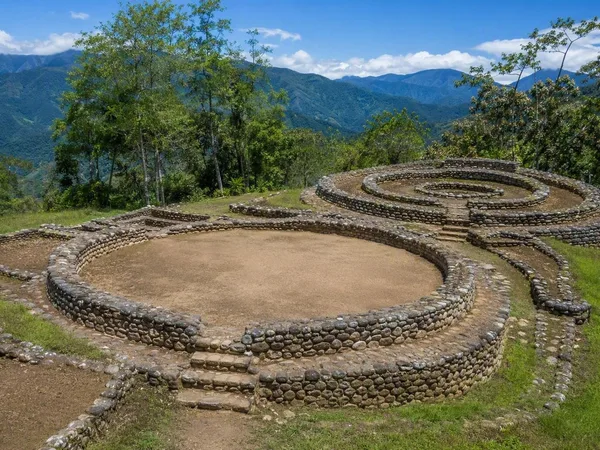
Zamora Chinchipe Province
1 linked stories and routes
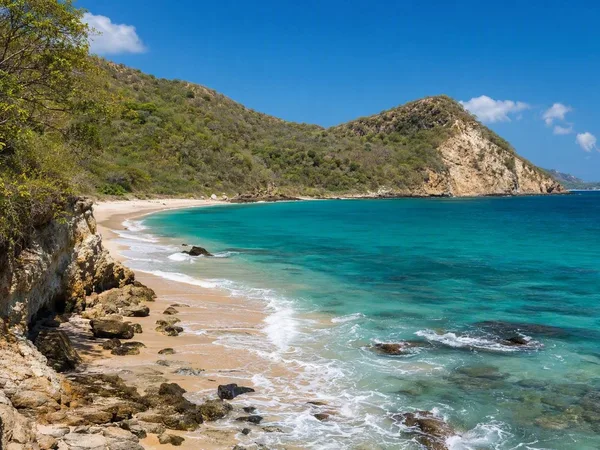
Manabí Province
1 linked stories and routes
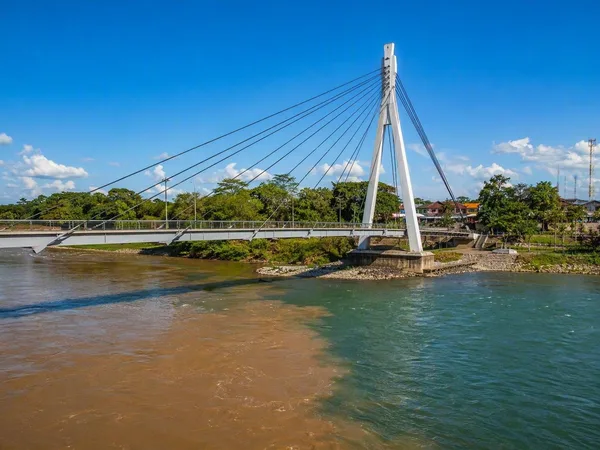
Tena, Napo
1 linked stories and routes
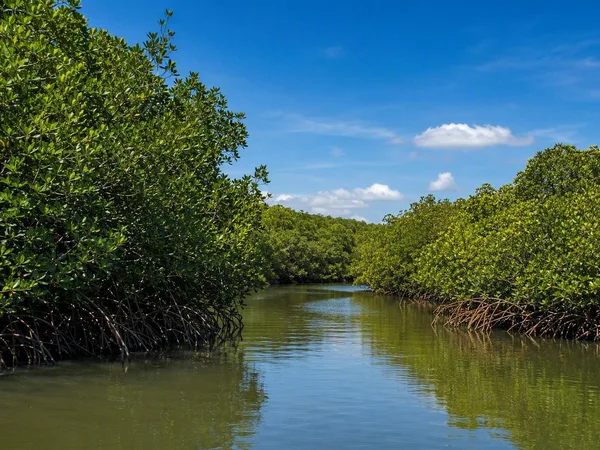
Guayas Province
1 linked stories and routes
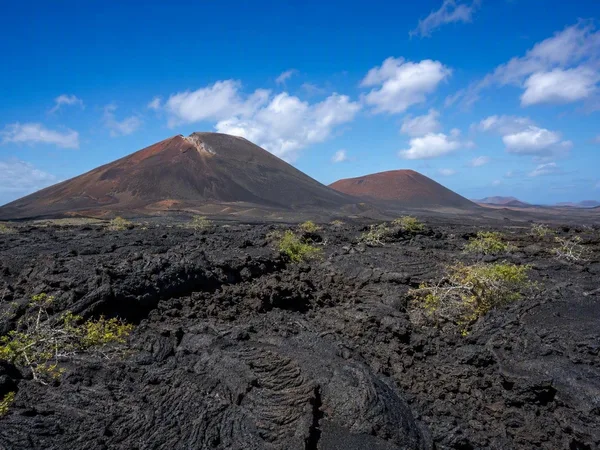
Galápagos Islands
1 linked stories and routes
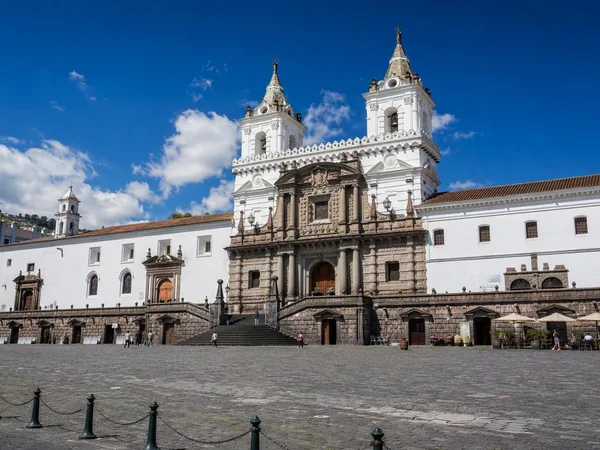
Plaza de San Francisco
0 linked stories and routes
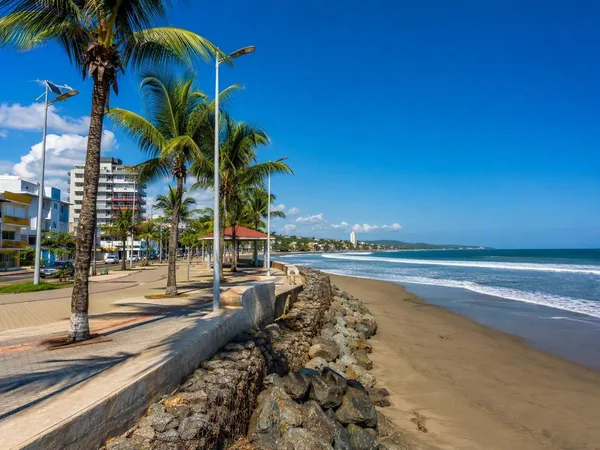
Esmeraldas Province
0 linked stories and routes
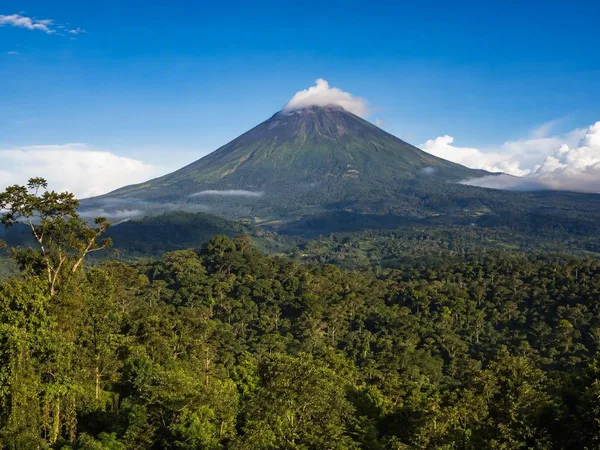
Napo Province
0 linked stories and routes
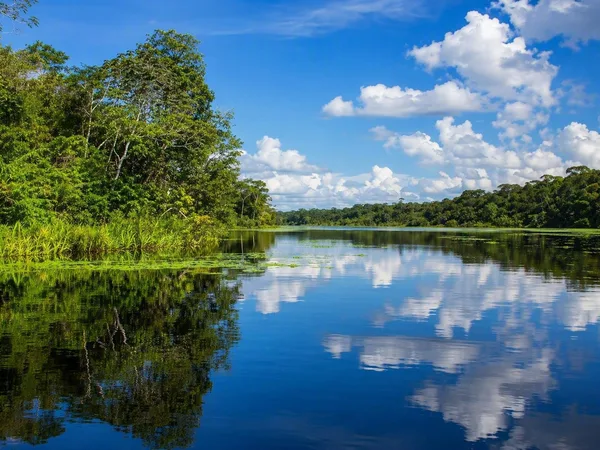
Sucumbíos Province
0 linked stories and routes
Playa de Los Frailes
0 linked stories and routes