
Island · Ecuador
Galápagos Islands
The Galápagos are Ecuador’s volcanic Pacific archipelago, about 1,000 km off the mainland. Protected land and sea, young lava landscapes and unusually distinctive wildlife define the experience.
What the Galápagos are
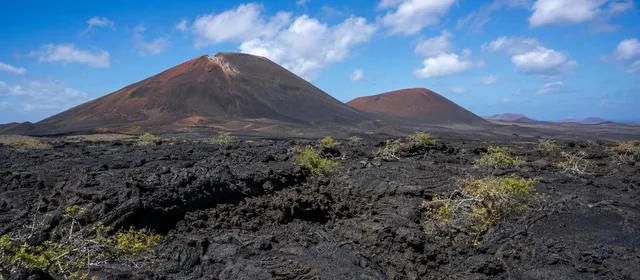
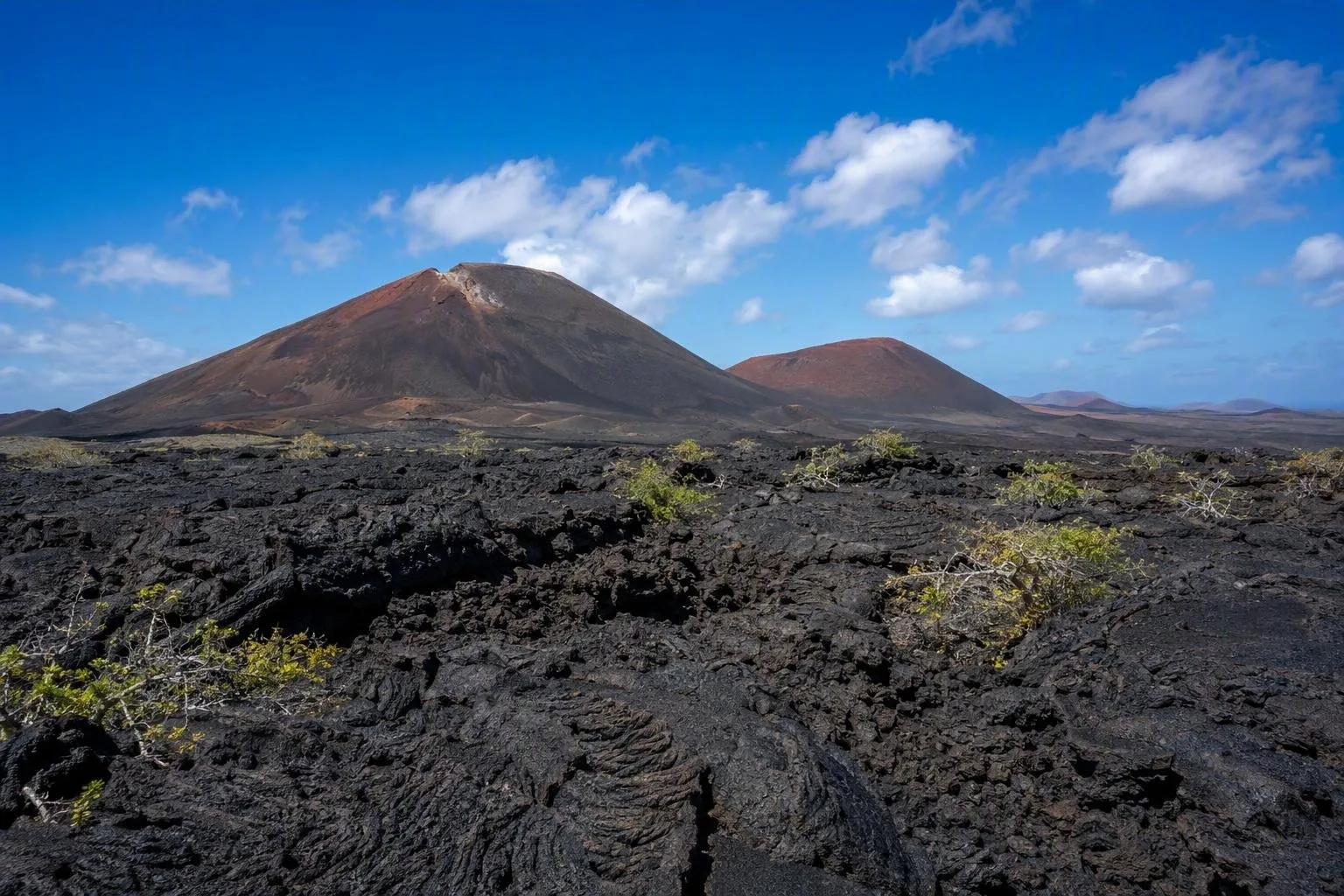
The Galápagos are not one island but a widely scattered Ecuadorian archipelago with a vast marine reserve. Volcanic activity built the islands, and their isolation shaped the wildlife that made them central to the study of evolution. Land iguanas, giant tortoises, Darwin’s finches, marine iguanas, flightless cormorants and Galápagos penguins are among the emblematic animals.
Think in island groups rather than a single destination. Santa Cruz, San Cristóbal, Isabela and Floreana are the useful bases for land-based stays; remote visitor sites are generally reached on regulated day trips or cruise itineraries.
Choose your travel format
Island-hopping gives you time in the inhabited ports, with accommodation on land and boat trips added day by day. It works well if you want flexible shore time, restaurants and independently paced local walks.
A cruise reaches more remote sites on a fixed, park-approved itinerary. It is the practical choice for seeing a broader spread of islands in one trip. Expect wet landings, short boat transfers and walks over uneven volcanic ground; shoes that can get wet and grip lava are more useful than sandals.
A route is not interchangeable with another: wildlife, trails and snorkelling sites vary by island, season and the itinerary authorised for the vessel.
Landscape and wildlife
The point is the meeting of raw geology and wildlife, not a checklist. On shore, look for lava flows, volcanic cones, arid cactus country, mangroves and highland vegetation. At the coast, the land drops straight into the marine world.
Keep the encounter properly wild:
- Stay on marked trails and follow the guide’s route.
- Do not touch, feed or pursue animals.
- Leave lava, shells, sand and plants where they are.
- Use only authorised operators for protected visitor sites.
Wildlife can be close because it is accustomed to people; that is not permission to close the distance.
Arrival, fees and biosecurity
Flights arrive from mainland Ecuador at Baltra or San Cristóbal. Before departure from Quito or Guayaquil, visitors need a Transit Control Card (TCT) and must pass luggage inspection. Keep the card for departure; tourist stays are limited to 60 days per year.
At the island airport, pay the protected-areas conservation charge. For foreign visitors aged 12 and over, the published rate is US$200; children under 12 pay US$100. The TCT costs US$20. Carry US dollars and treat these as separate from flights, hotels and tours.
Biosecurity is serious. Fresh fruit and vegetables, seeds, plants and live animals can introduce invasive species and are not allowed. Bags may also be checked before travel between populated islands.
Access rules that matter
Protected sites operate under controlled itineraries and with qualified naturalist guides. Your guide sets the landing order, trail use and activities; follow those instructions without improvising.
Do not bring a drone unless you hold the necessary authorisation. The archipelago’s controls are part of the visit, not an optional extra.
From the magazine
Stories about Galápagos Islands
Editorial stories linked directly to Galápagos Islands.
Routes from our editors
Travel through Galápagos Islands
Editorial routes connecting Galápagos Islands with other countries, cities and hotspots.
No routes through Galápagos Islands have been published yet.
More in Ecuador
Related hotspots
Other cities, nature areas and places within Ecuador.
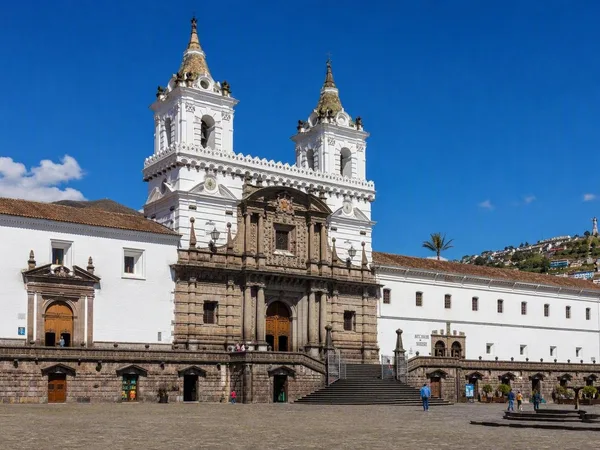
Quito
2 linked stories and routes
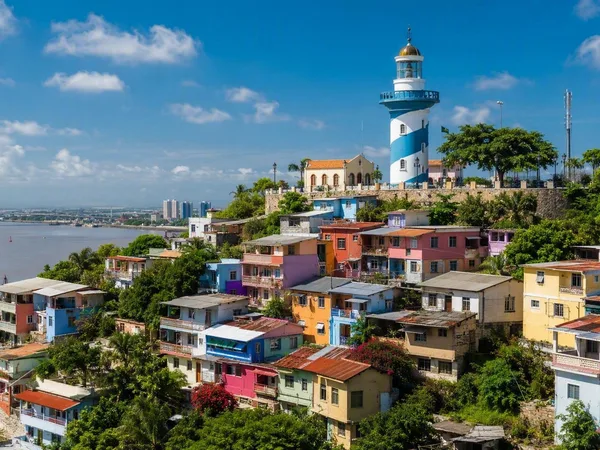
Guayaquil
2 linked stories and routes
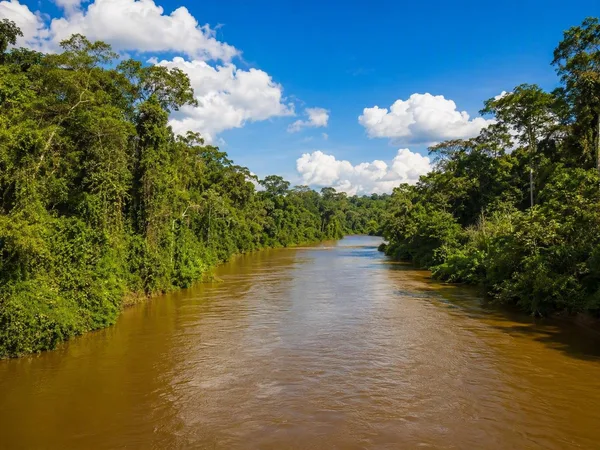
Amazon
1 linked stories and routes
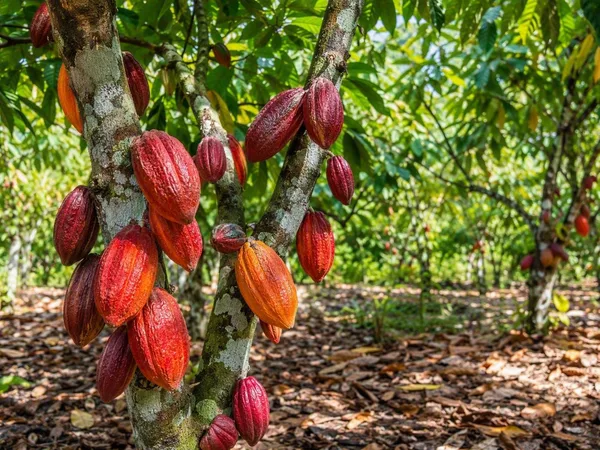
Los Ríos Province
1 linked stories and routes
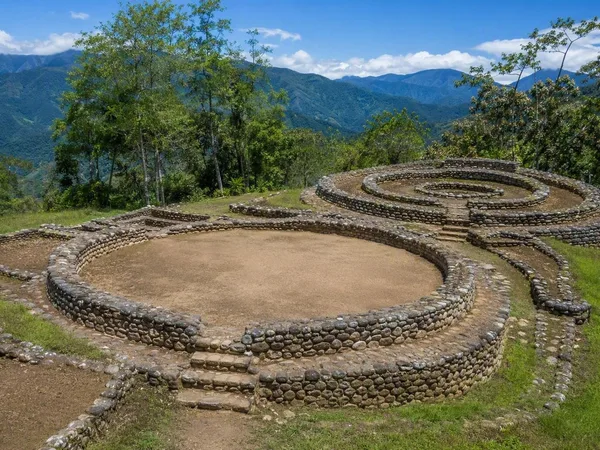
Zamora Chinchipe Province
1 linked stories and routes
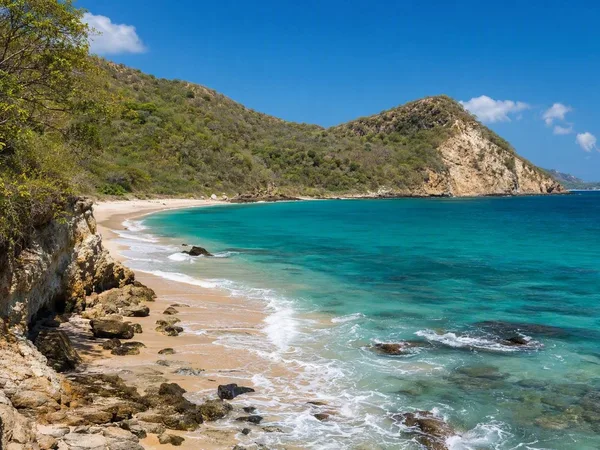
Manabí Province
1 linked stories and routes
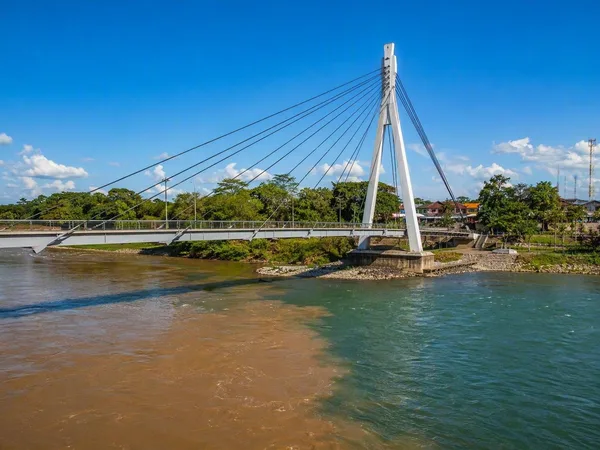
Tena, Napo
1 linked stories and routes
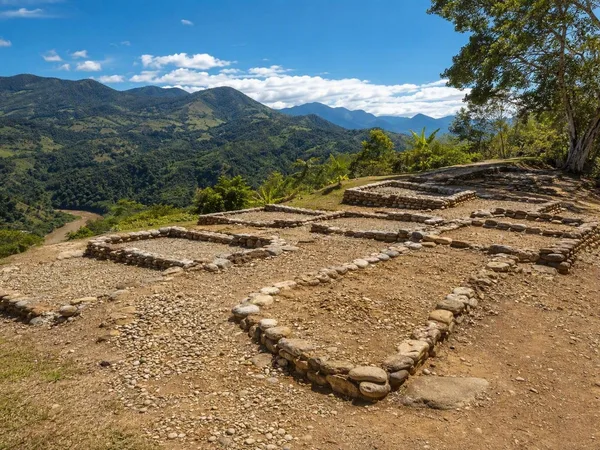
Santa Ana–La Florida Archaeological Site
1 linked stories and routes
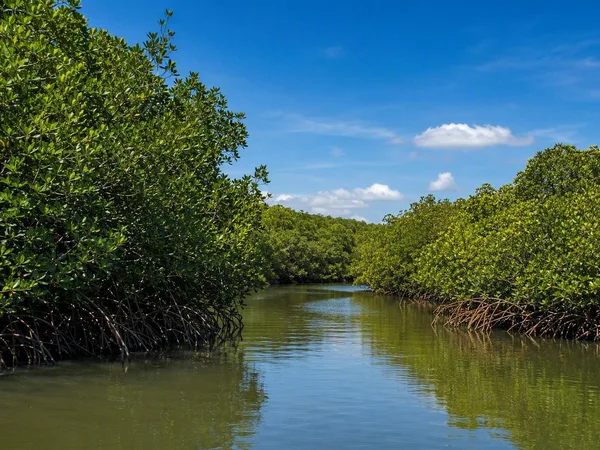
Guayas Province
1 linked stories and routes
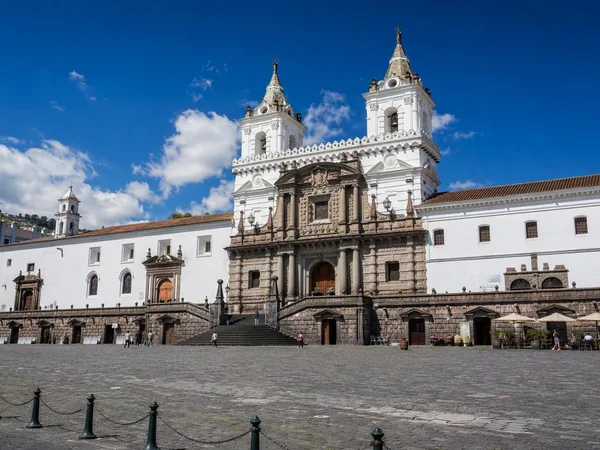
Plaza de San Francisco
0 linked stories and routes
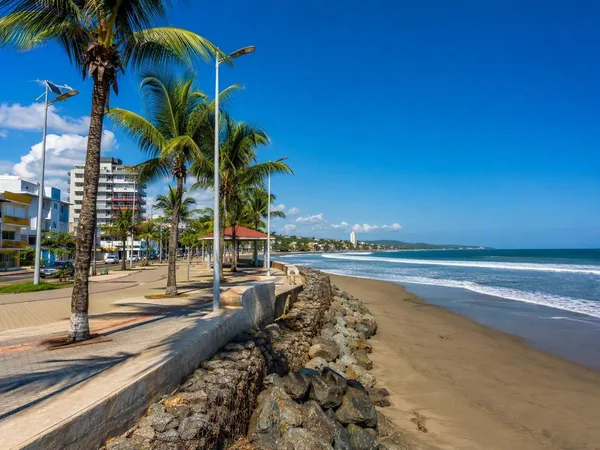
Esmeraldas Province
0 linked stories and routes
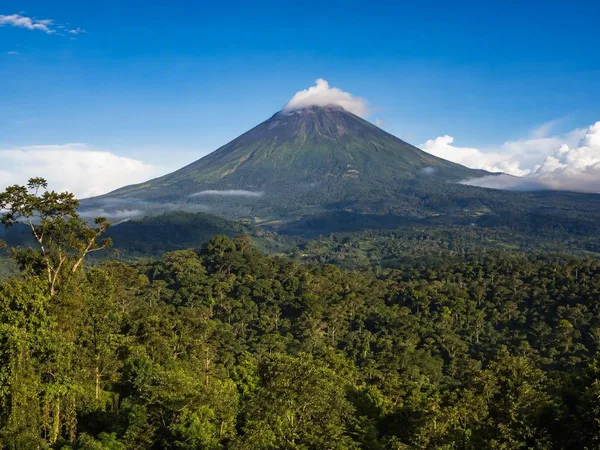
Napo Province
0 linked stories and routes
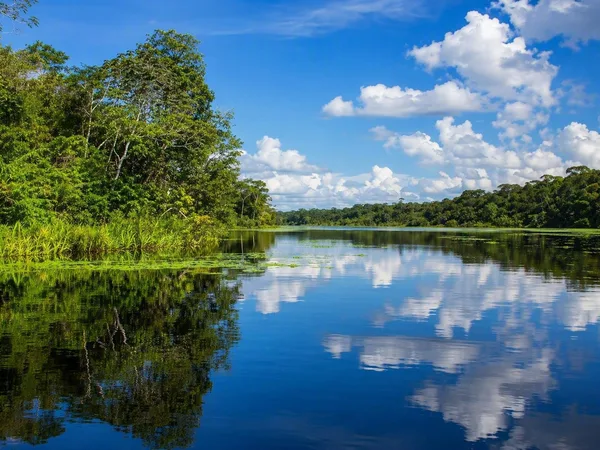
Sucumbíos Province
0 linked stories and routes
Playa de Los Frailes
0 linked stories and routes