
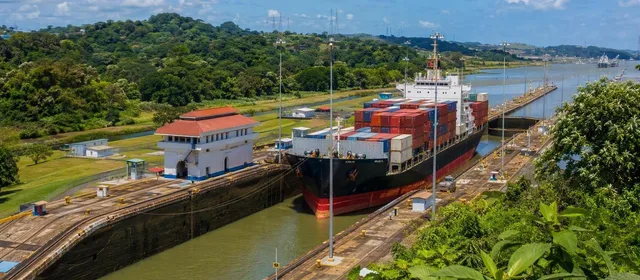
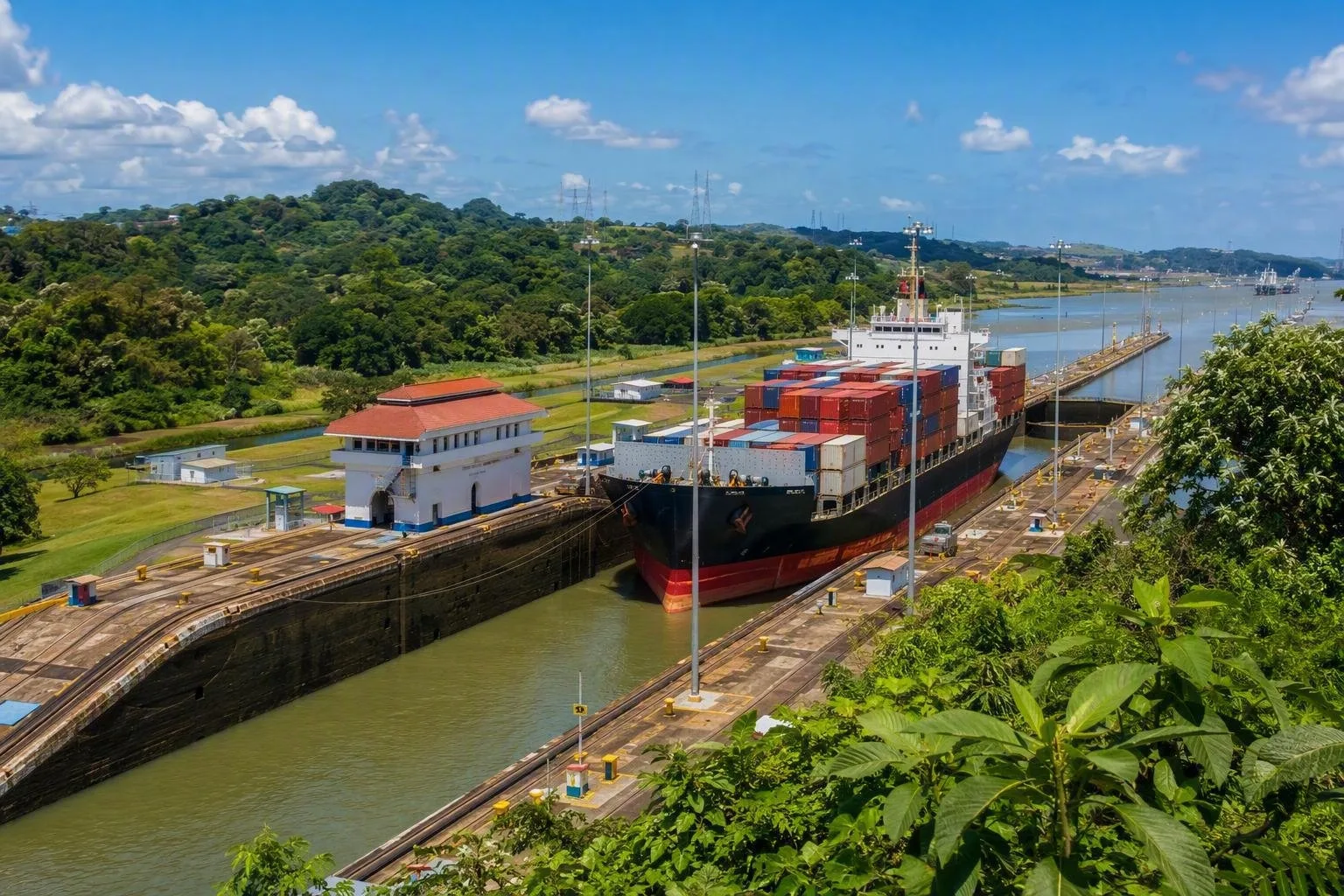
Start at the Miraflores Locks, where container ships lift beside high concrete chambers and tropical forest runs along the canal. A short drive away, Panama City spreads around Panama Bay in towers, markets and the narrow streets of Casco Viejo. The canal remains the country’s best-known landmark, but it shows only one part of Panama. Coffee country, Caribbean islands, Indigenous territories and small towns each give the country a different pace and character.
In Casco Viejo, colonial churches, neoclassical facades and shaded plazas stand on a small peninsula above the bay. Canal engineers cut through the continental divide at Culebra Cut and built the locks that lift ships to Gatún Lake. The forest around the waterway protects the freshwater catchment that supplies the canal.
In the west, coffee farms sit on the cooler slopes around Boquete, below Volcán Barú. Bocas del Toro, on the Caribbean coast, has mangroves, coral reefs and an Afro-Caribbean culture shaped by migration from the Antilles. Farther east, Guna communities govern Guna Yala’s islands and mainland coast. On the Azuero Peninsula, makers paint pottery and families wear the richly embroidered pollera for festivals and formal occasions. Meals move between rice, plantains, maize, seafood and bowls of sancocho, with the ingredients changing from coast to highland. Stay beyond the canal and the city skyline, and Panama gives you plenty of reasons to return.


