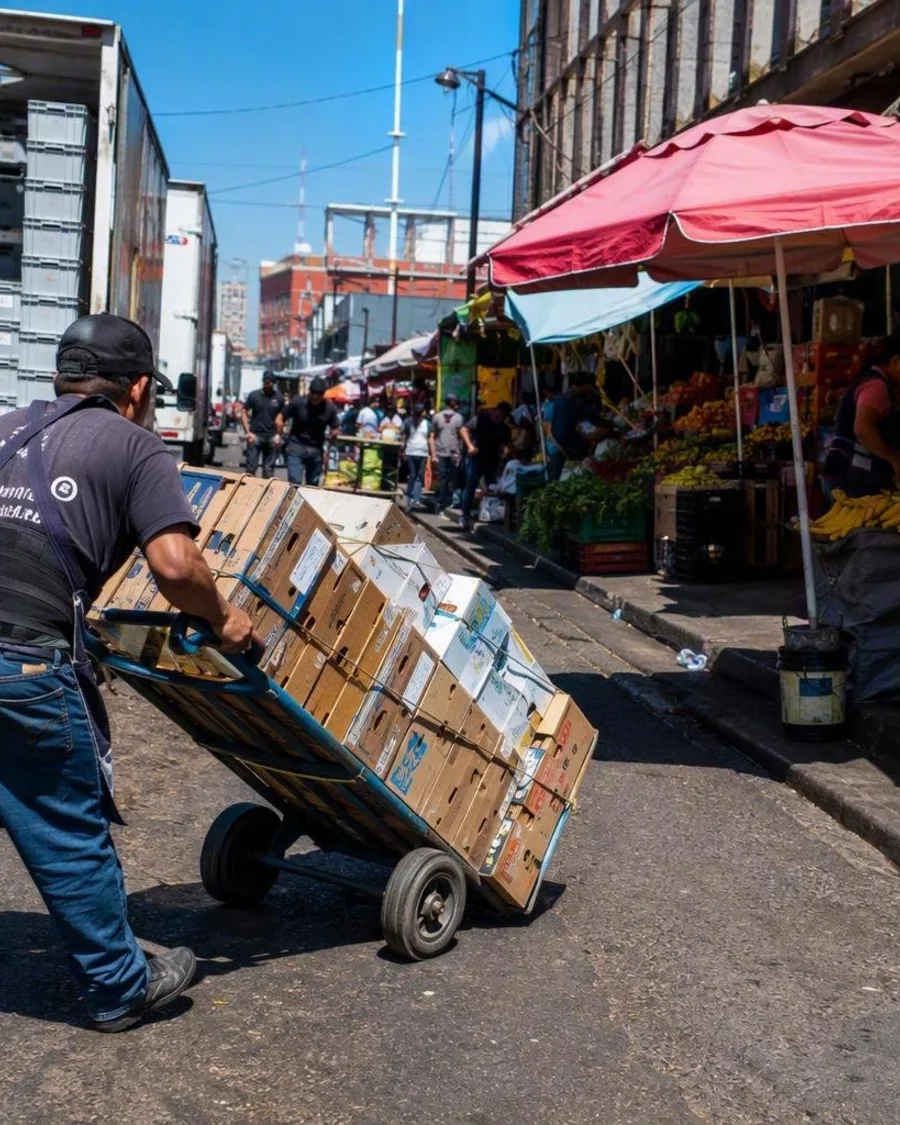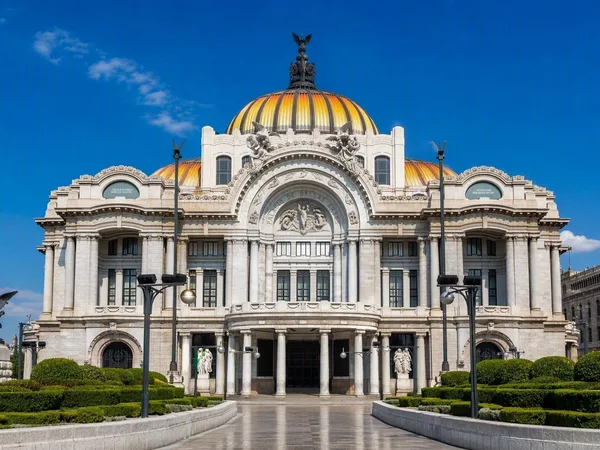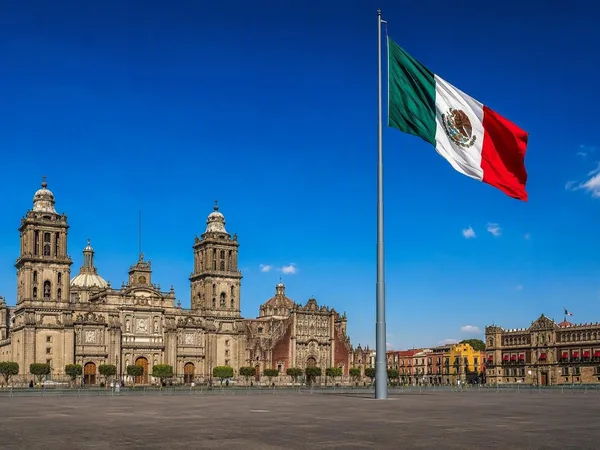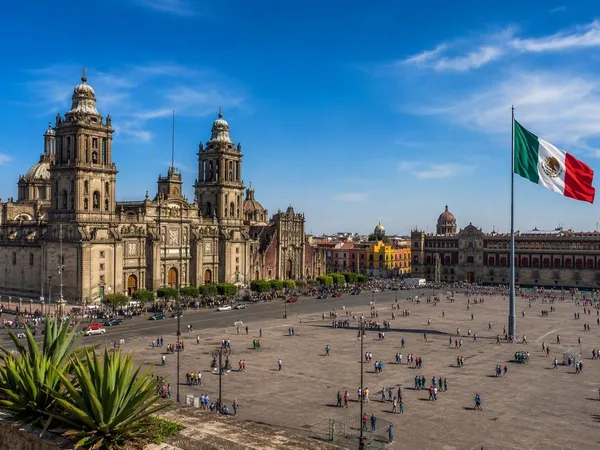
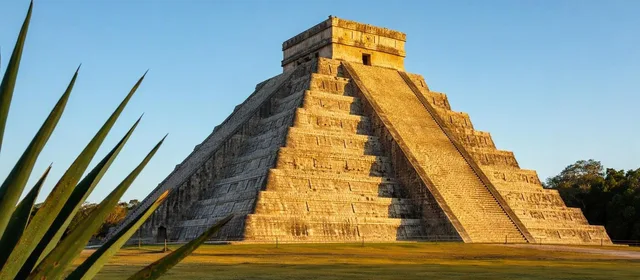
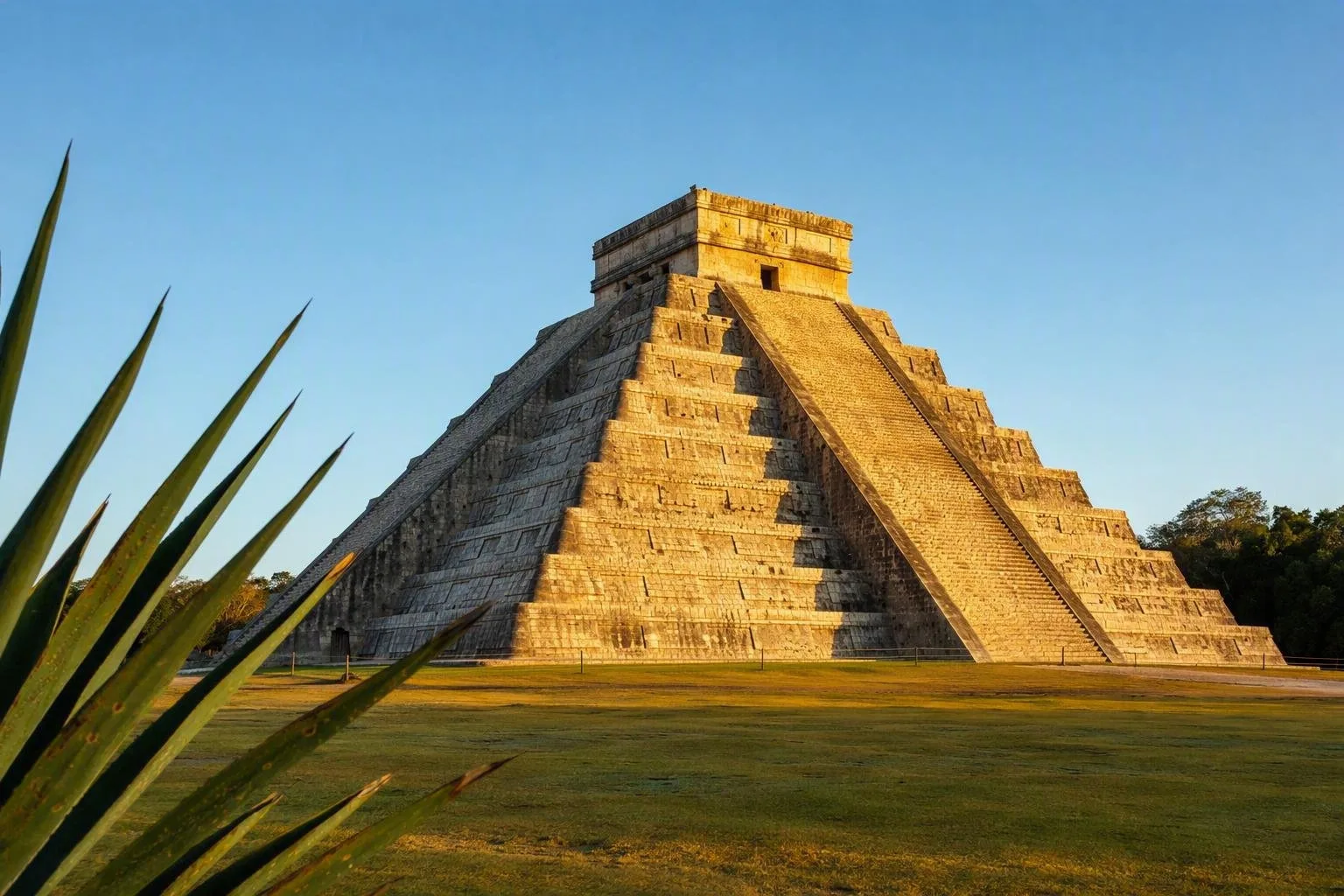
Look beyond the beach resorts and Mexico quickly becomes a country of sharp contrasts. In Mexico City, the Metropolitan Cathedral stands beside the excavated Mexica Templo Mayor, and Diego Rivera’s murals fill public buildings with scenes from the country’s political past. Daily life carries older traditions forward in more practical ways: through language, cooking, farming and craft. In Oaxaca, Zapotec ruins look across broad valleys where workshops make black pottery and weave wool rugs. On the Yucatán Peninsula, Maya sites at Uxmal and Chichén Itzá show the scale and precision of cities built long before Spanish rule. Mexico’s Indigenous cultures did not stop at the museum door; they remain part of the country’s everyday life.
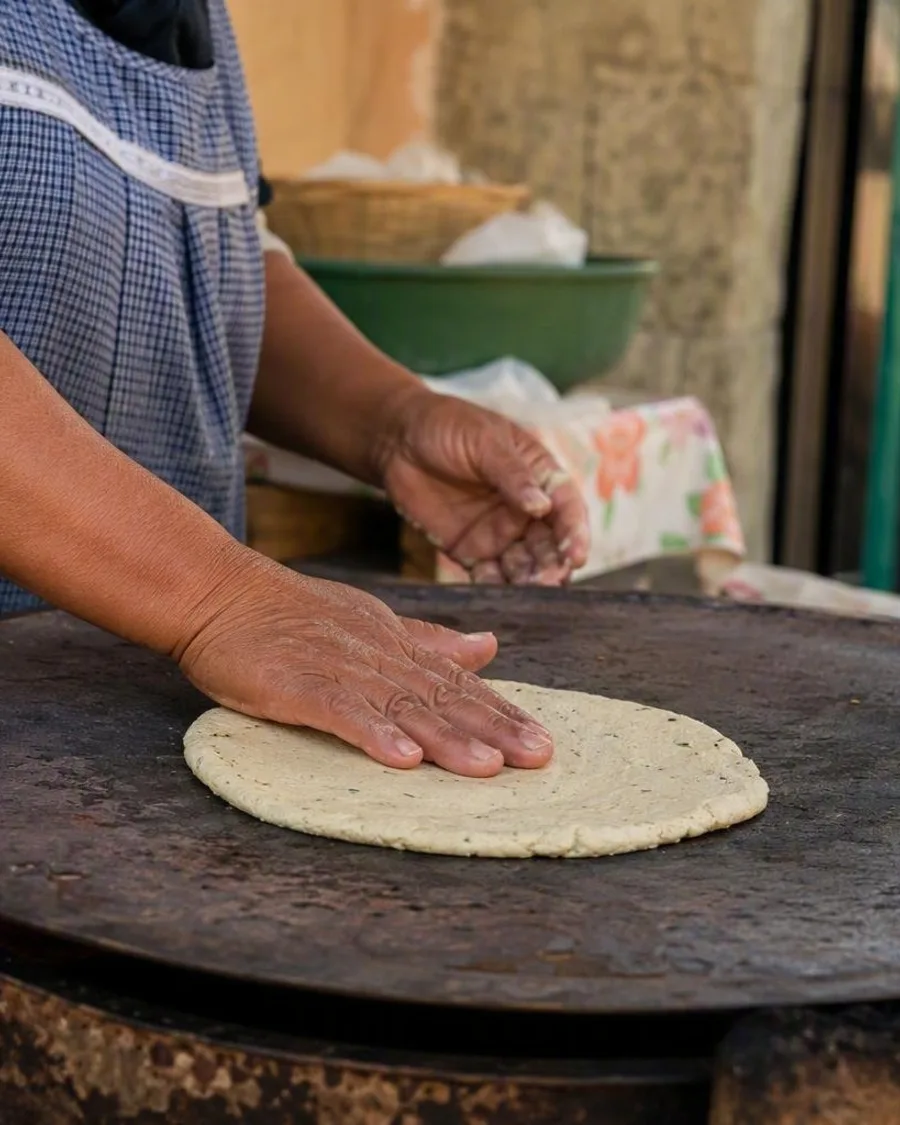
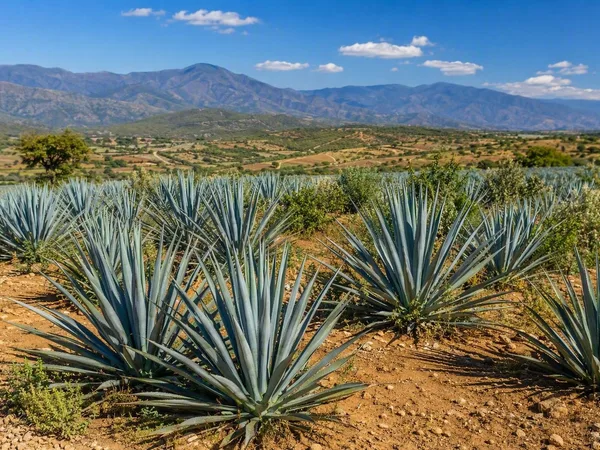
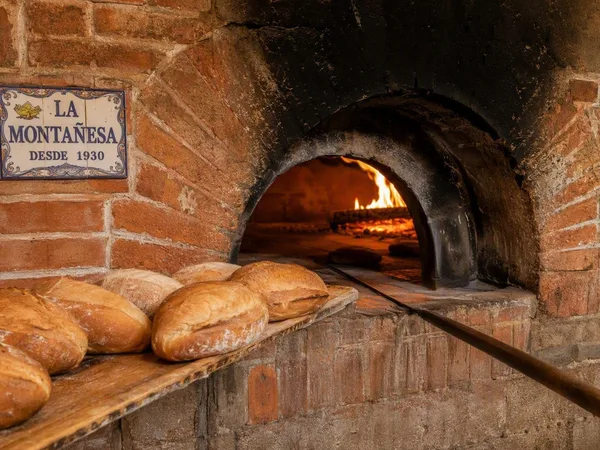
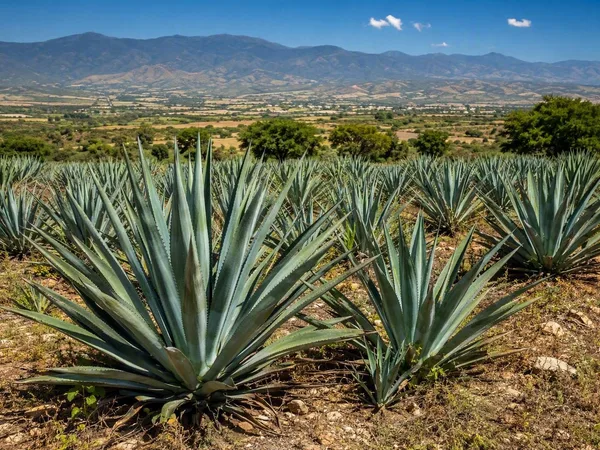
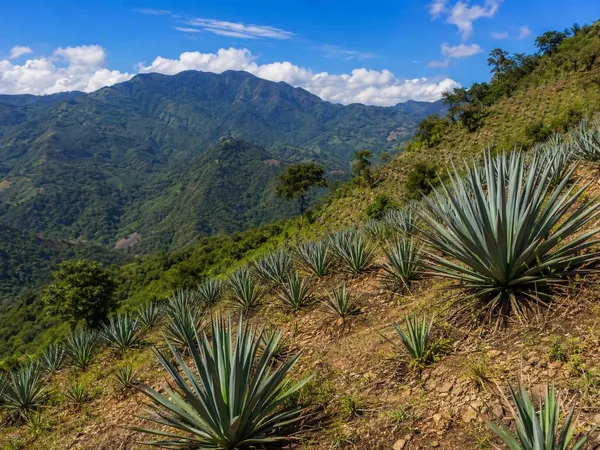
Central Mexico rises through high plateaus and volcanic peaks. Jalisco has long rows of agave, while cactus country stretches across much of the north. The Pacific, Gulf and Caribbean coasts bring mangroves, fishing towns and long beaches. Local cooking changes with the terrain. Puebla cooks mole poblano; Yucatán kitchens slow-cook cochinita pibil with achiote and sour orange; coastal cooks serve fish with chillies, lime and herbs.
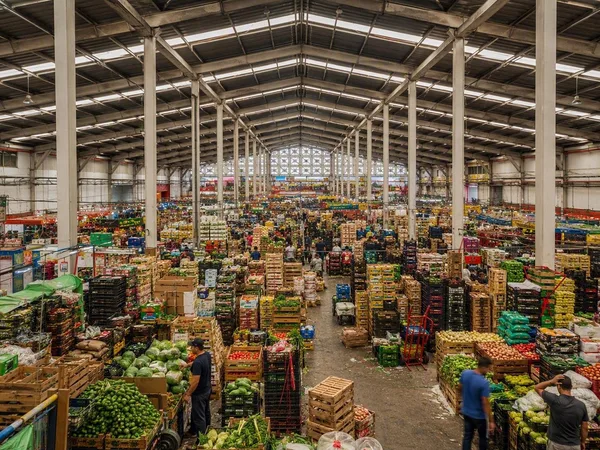
Guadalajara has mariachi music, charro culture, design studios and a large technology sector. In smaller towns, arcaded squares, workshops and religious festivals show the overlap of Indigenous and Catholic traditions. Give Mexico time beyond its best-known sights, and its regional differences start to show in the streets, markets and meals. It is a country worth returning to with an appetite and an open schedule.