
Neighbourhood · Mexico
La Merced
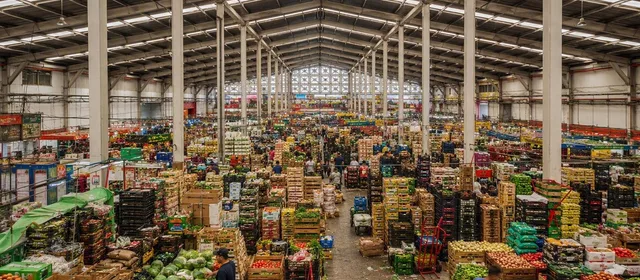
La Merced is the market district on the southeastern edge of Mexico City’s Centro Histórico. Its main hall, the Nave Mayor, sits within a dense working landscape of markets, warehouses, shops and street trade.
What La Merced is
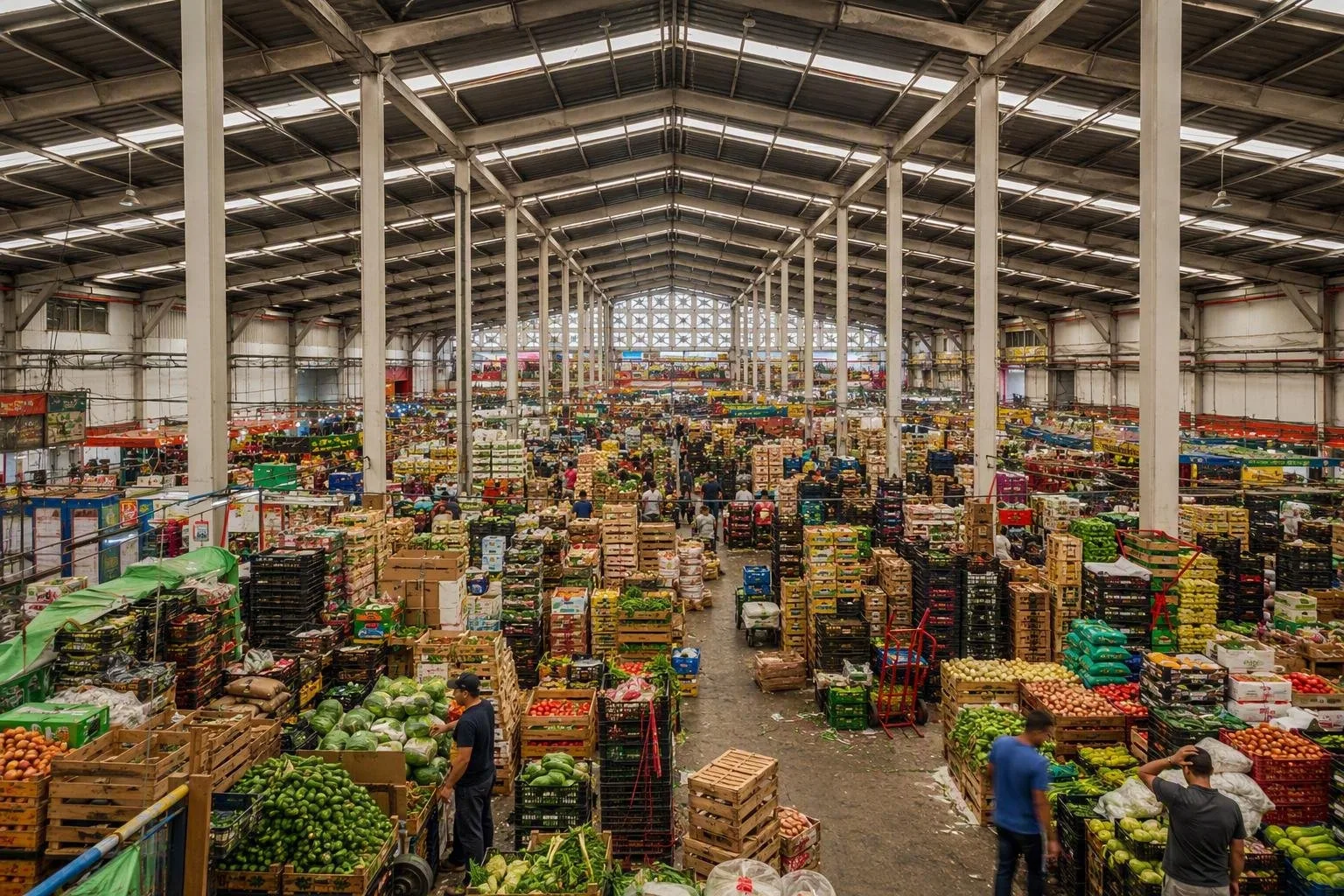
La Merced is not a single market building. It is a market district occupying the southeastern side of the Centro Histórico, where covered halls connect with smaller markets, storage spaces, shops and pavement trading. The Nave Mayor is the principal and largest hall, but it is only one part of a much larger commercial area.
For decades, La Merced was Mexico City’s main distribution centre. That wholesale role moved to the Central de Abasto in Iztapalapa, yet La Merced remains the city’s largest traditional retail market. It is a place to understand everyday supply: goods arrive, are sorted, sold in quantity or by the piece, and move onward through the city.
Inside the market halls
Start in the Nave Mayor, the large 1957 building at Rosario 156. Its unusually high roof gives the main aisle a clearer sense of scale than the streets outside. Dried goods are a defining feature here, alongside produce and general food supplies.
The district spreads well beyond this hall. Nearby sections specialise in different goods, including prepared food, flowers, sweets, kitchen equipment and household supplies. Treat the area as a network rather than a checklist: follow one category at a time, then return to a major street or the Metro when you want to reorient.
A working district, not a display
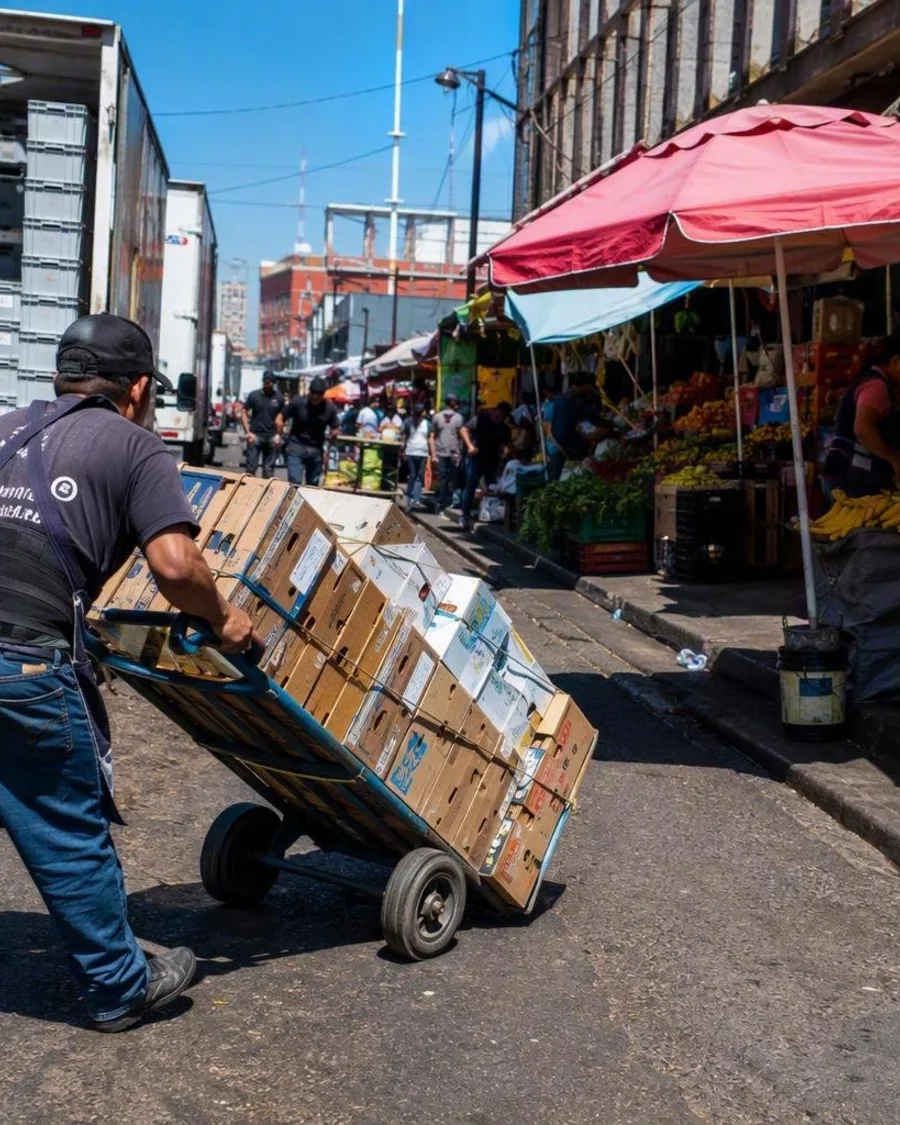
La Merced’s lanes serve shoppers, stallholders, deliveries and porters at once. Two-wheeled handcarts move boxes and sacks between vehicles, storerooms and stalls; calls for room are part of the working rhythm.
Keep moving. Do not stop in narrow aisles, loading areas or cart routes. Step aside before taking photos or deciding what to buy. Pavements and street edges can be as commercially dense as the indoor passages, so walking routes change quickly.
The market grew from an older trading landscape in the eastern city. A permanent market was built near the former Merced convent in the 19th century; the present market complex moved to its current location in 1957. The surviving cloister of the former convent lies west of the market district.
Getting there and timing
Metro: Merced station is on Line 1. From the Pantitlán-bound platforms, the exit leads directly into the Nave Mayor; the Observatorio-bound side emerges near Avenida Circunvalación.
Hours: Mercado de La Merced is listed daily from 04:30 to 18:30 at Rosario 159. Individual halls and stalls operate to their own schedules, so the range of open sections changes through the day.
Come with a specific purpose—ingredients, cookware, flowers or a prepared meal—and keep your route short. Passages can be narrow, crowded and uneven, making the district difficult for wheelchairs and pushchairs.
From the magazine
Stories about La Merced
Editorial stories linked directly to La Merced.
Routes from our editors
Travel through La Merced
Editorial routes connecting La Merced with other countries, cities and hotspots.
No routes through La Merced have been published yet.
More in Mexico
Related hotspots
Other cities, nature areas and places within Mexico.
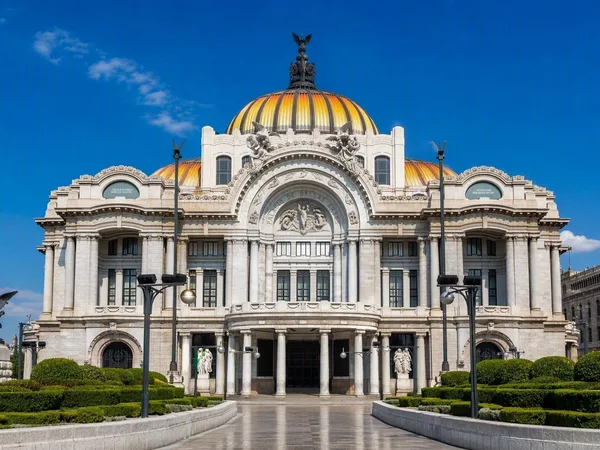
Mexico City
2 linked stories and routes
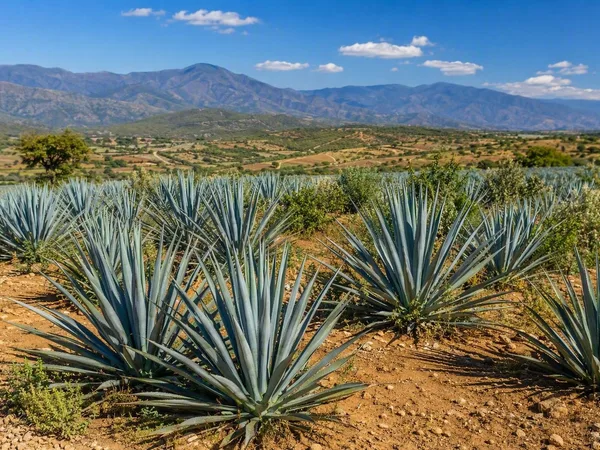
Oaxaca
1 linked stories and routes
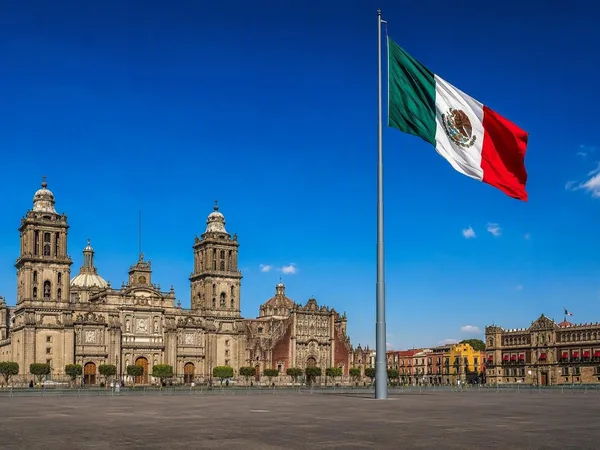
The Zócalo, Mexico City
1 linked stories and routes
Tlalpan, Mexico City
1 linked stories and routes
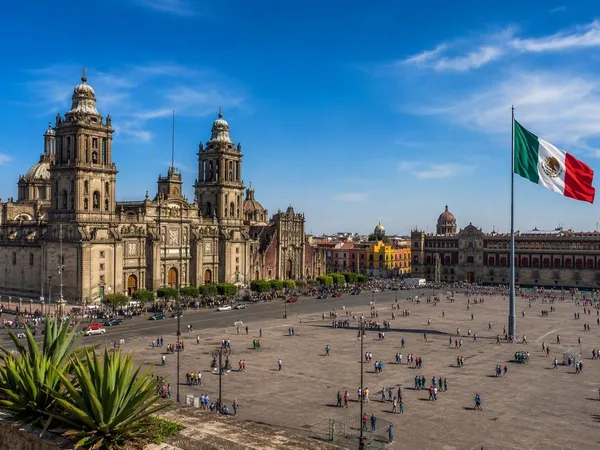
Centro Histórico
0 linked stories and routes
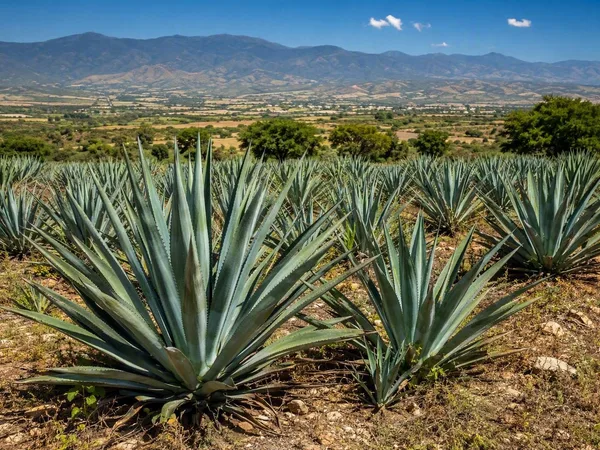
Central Valleys of Oaxaca
0 linked stories and routes
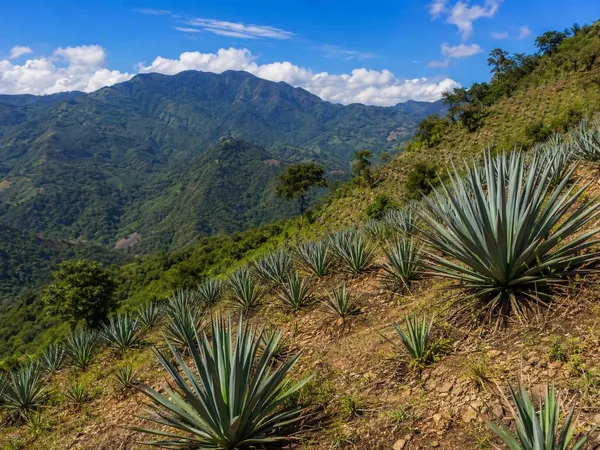
Sierra Sur, Oaxaca
0 linked stories and routes