
Region · Mexico
Central Valleys of Oaxaca
The Central Valleys are Oaxaca’s broad inland region around Oaxaca de Juárez, formed by the Etla, Tlacolula and Zimatlán–Ocotlán valleys. It is the practical base for Zapotec archaeology, village crafts and the mezcal-producing countryside.
The region at a glance
The Central Valleys sit in the centre of Oaxaca state, a large region of seven districts and 121 municipalities. Oaxaca de Juárez is the main urban base, but the point of travelling here is to move out into the surrounding valleys: fields, small towns, archaeological sites and specialist craft communities.
Think of the region as three connected arms. Etla runs northwest, Tlacolula east, and Zimatlán–Ocotlán south. Do not try to cover all three in a single rushed day.
Mezcal country
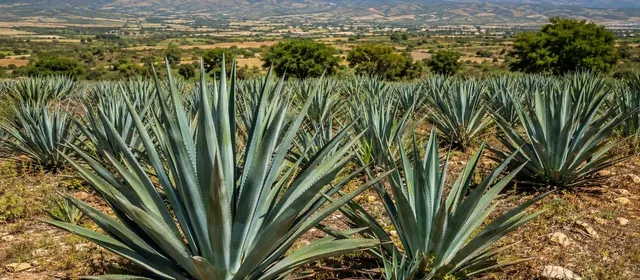
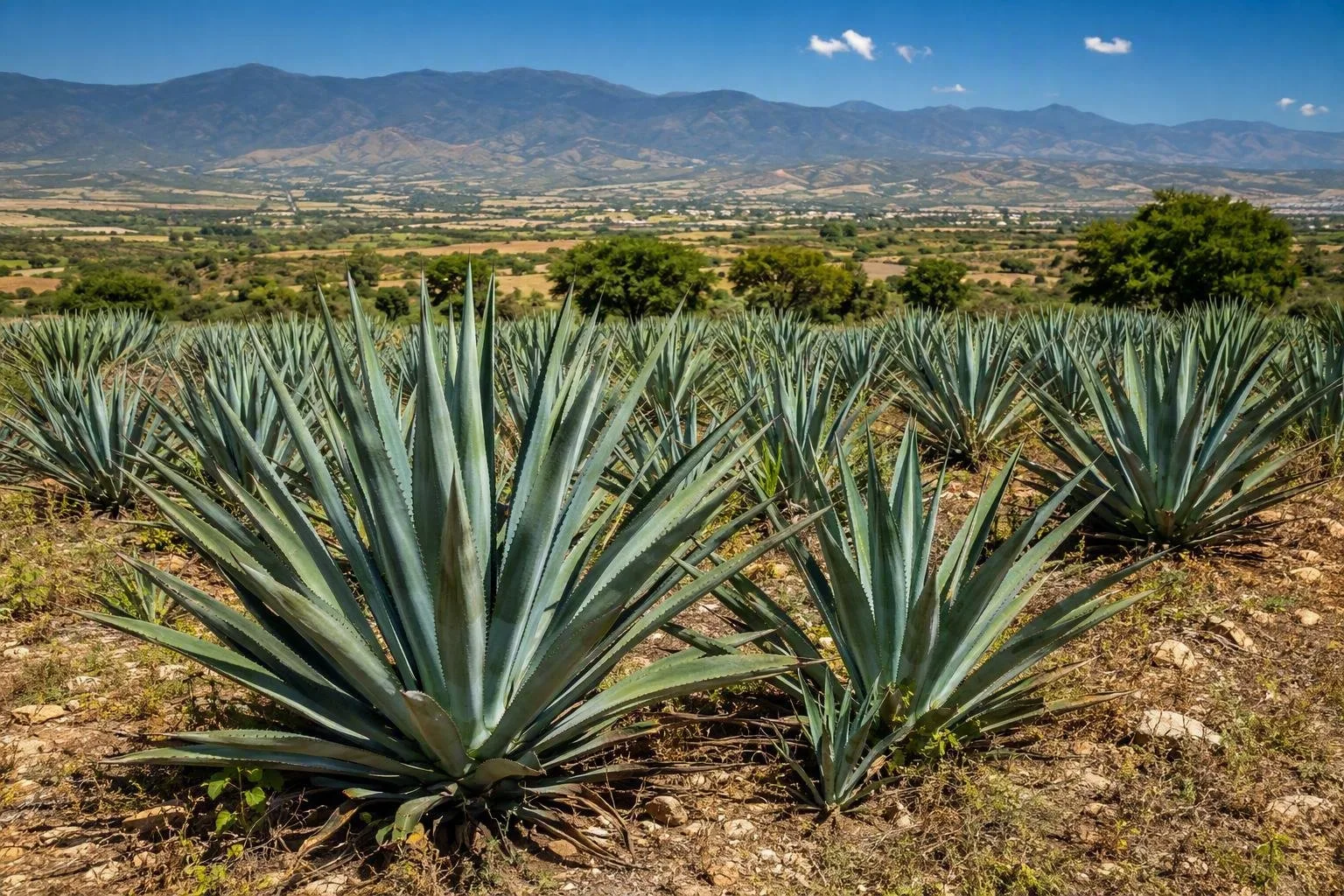
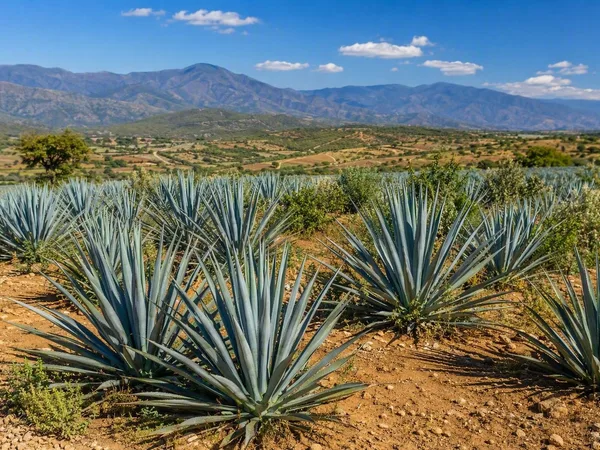
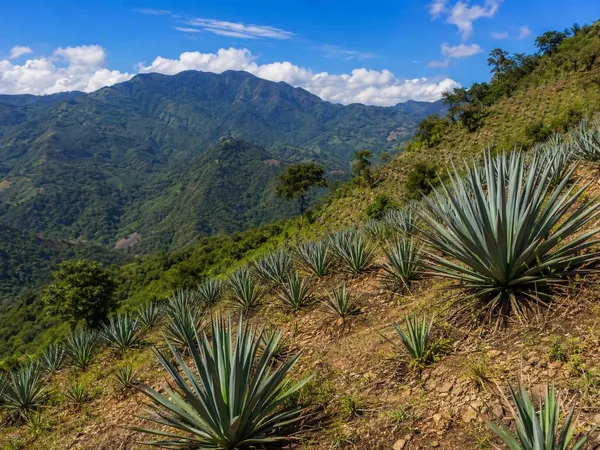
Agave is part of the working landscape, not a single continuous plantation belt. The official Caminos del Mezcal route follows the eastern valley through Santa María del Tule, San Jerónimo Tlacochahuaya, Teotitlán del Valle, Tlacolula, Mitla and Santiago Matatlán.
At a palenque, the useful sequence to understand is simple:
- mature agave is cut to its piña;
- the heart is cooked, milled and fermented;
- the fermented material is distilled into mezcal.
Santiago Matatlán is the clearest place to see mezcal production in context, with maguey fields, distilleries and sales points. Taste deliberately rather than treating a visit as a drinking stop. If you are tasting, arrange a driver or use a guided vehicle.
Crafts and archaeology
Build an eastbound day around places with distinct jobs. Teotitlán del Valle is known for wool textiles made on pedal looms, often with natural dyes. Tlacolula de Matamoros has a market where clay, reed, stone, palm and textile goods are part of the local mix. Mitla combines an archaeological zone with a 16th-century church.
For a separate western or city-edge outing, Monte Albán and the pottery communities around Oaxaca make more sense than forcing them into the mezcal corridor. Keep distances realistic: these are different valleys, not neighbouring blocks.
Getting around
Start from Oaxaca de Juárez for the widest choice of accommodation, food and transport. A car, hired driver or organised day trip is the most efficient way to link several rural stops; the mezcal route is also designed for guided vehicles.
Use the route selectively. A sound one-day east-valley plan is Tule or Teotitlán, Tlacolula, Mitla and one palenque near Matatlán. Give craft workshops and archaeological sites time rather than treating them as roadside photo stops.
Practical rhythm
Sunday is the useful day for Tlacolula’s traditional market. In smaller towns, carry cash for purchases and tastings. Ask before photographing people at work or inside workshops and palenques; production spaces are workplaces, not sets.
From the magazine
Stories about Central Valleys of Oaxaca
Editorial stories linked directly to Central Valleys of Oaxaca.
No stories about Central Valleys of Oaxaca have been published yet.
Routes from our editors
Travel through Central Valleys of Oaxaca
Editorial routes connecting Central Valleys of Oaxaca with other countries, cities and hotspots.
No routes through Central Valleys of Oaxaca have been published yet.
More in Mexico
Related hotspots
Other cities, nature areas and places within Mexico.
Mexico City
2 linked stories and routes
La Merced
1 linked stories and routes
Oaxaca
1 linked stories and routes
The Zócalo, Mexico City
1 linked stories and routes
Tlalpan, Mexico City
1 linked stories and routes
Centro Histórico
0 linked stories and routes
Sierra Sur, Oaxaca
0 linked stories and routes